Wind Power Kansas: Energizing Rural Futures 2026
“Kansas generates over 40% of its electricity from wind power, ranking it second in the U.S. for wind energy production.”
Kansas stands at the forefront of America’s renewable energy revolution, with wind power playing a pivotal role in transforming not only the energy landscape but also the economic fortunes of its vast, open plains. As we look toward 2025 and beyond, wind energy’s natural advantage, technological strides, and supportive policy environment have propelled Kansas to a leading position in wind energy production within the United States.
This comprehensive guide explores how wind power Kansas—fueled by the state’s steady, strong winds and central location—boosts not only the renewable sector but also directly supports rural economies, sustainable agriculture, and critical infrastructure investments. Join us as we journey through the synergies, benefits, challenges, and the bright outlook that place Kansas as a national sustainability leader.
Wind Power in Kansas: An Overview
Kansas’ uniquely geographical position within the Central Plains provides an ideal environment for harnessing wind energy. With large swaths of land dominated by steady, strong winds, the state is perfectly poised for renewable generation at unprecedented scale.
As of 2025, wind energy in Kansas accounts for approximately 45-50% of electricity generation, a statistic that represents one of the highest penetration rates among all United States. This rapid ascent is thanks to Kansas’s:
- Vast open landscapes allowing for widespread wind farm development;
- Consistent wind resources stemming from the state’s geographical location and meteorological patterns; and
- Supportive state policy frameworks that encourage both domestic energy production and connectivity with regional grids and neighboring states.
Modern wind turbines in Kansas are more efficient and technologically advanced. Through grid integration initiatives and infrastructure upgrades, wind energy has become a cornerstone of the state’s electrical supply—solidifying Kansas’s reputation as a national leader in renewable energy.

Why Kansas Stands at the Forefront of Wind Power
Kansas represents an optimal blend of natural resources, technological innovation, and policy support for renewable energy leaders. But why has Kansas emerged as a wind power giant?
- Geographic Advantage: The state’s location in the central plains delivers a near-constant flow of wind, critical for electricity generation.
- Land Availability: Vast, open plots of privately owned farmland provide plenty of room for wind project development.
- Economic Necessity: Farming remains the backbone of Kansas’s rural economy. Wind power Kansas offers a dual-use opportunity—farms can lease land for turbine installation while agricultural activities like cropping and grazing continue uninterrupted.
- Supportive Policies: State and local governments have enacted supportive policy measures, such as streamlined permitting and transmission infrastructure investments, to encourage industry growth.
- Integration Technology: Technological advancements in turbine efficiency and grid management have minimized energy losses and smoothed out renewable integration with existing infrastructure.
The result is not just vast energy production for Kansas, but also the ability to export electricity to other states—further magnifying economic and environmental benefits.
“By 2026, Kansas wind farms are projected to support over 9,000 local jobs and $15 billion in economic activity.”
Economic and Agricultural Synergies of Wind Power Kansas
Wind power Kansas development has created a unique synergy between energy production and the agricultural economy.
- Dual Land Use: Many farms across Kansas are situated on privately owned farmland, allowing turbines to operate alongside agriculture. This dual use ensures farming operations continue effectively, maximizing land productivity.
- Income Streams: Farmers and ranchers benefit from lease agreements—receiving royalty payments and additional income without disrupting cropping and grazing activities.
- Community Resilience: Stable lease revenues and property taxes from wind farm operations help stabilize farm incomes even during periods of fluctuating commodity prices.
- Support for Community Services: Funds from royalty payments and increased tax revenues are often funneled back into rural schools, infrastructure, and other public services, fostering economic resilience.
- Local Job Creation: Both construction and long-term maintenance of wind facilities generate significant local jobs across Kansas’ rural communities.
This synergy between wind power and agriculture makes Kansas unique among states leading in renewable energy—ensuring that economic benefits flow directly to the communities powering the revolution.

✔ Key benefit: Wind power Kansas catalyzes new opportunities for rural economies far beyond traditional farming, enhancing both economic resilience and rural growth.
✔ Pro Tip: Farmers can further optimize operations using Farmonaut’s Carbon Footprinting services to track environmental impact, a key metric for grant eligibility and sustainable branding.
Environmental and Infrastructure Benefits of Wind Power Kansas
Wind energy provides substantial environmental benefits and acts as a catalyst for modernizing Kansas’s infrastructure beyond anything fossil fuels can match.
Key Environmental Benefits:
- ⚡ Zero Emissions: Each megawatt-hour of wind-generated electricity displaces emissions from fossil fuel power plants, lowering the state’s carbon footprint.
- 💧 Water Conservation: Wind power Kansas consumes virtually no water, unlike traditional thermal plants, supporting Kansas’ agricultural communities during dry periods.
- 🐦 Biodiversity & Land Use: Wind projects are designed to minimize disruption to local wildlife and natural habitats.
Infrastructure Advancements:
- 🔌 Transmission Grid Upgrades: Strategic investments in transmission infrastructure allow Kansas to move excess energy to urban hubs and export to other states.
- 🛡 Grid Resilience: Integration with renewable sources and storage increases overall grid reliability, reducing the risk of blackouts.
- 🔄 Rural Connectivity: New infrastructure projects bring broadband and smart energy solutions to rural communities.

Estimated Economic and Environmental Impact of Wind Power in Kansas (2025–2026)
| Year | Estimated Wind Energy Capacity (MW) | Estimated Rural Jobs Created | Estimated Annual CO₂ Emissions Avoided (tons) | Estimated Economic Revenue for Rural Communities (USD Million) | Number of Households Powered |
|---|---|---|---|---|---|
| 2025 | 8,300 | 8,500 | 10,700,000 | $1,950 | ~3,250,000 |
| 2026 | 8,950 | 9,100 | 11,580,000 | $2,220 | ~3,500,000 |
Data estimates combine public sector reports, state policies, and independent forecasts aligned with wind power Kansas’ growth trajectory in the rural sector.
Access Farmonaut’s Satellite API for deeper regional and state-wide data analytics supporting infrastructure, energy, and agricultural monitoring.

Challenges and the Future Outlook for Wind Power Kansas
While Kansas is already a wind energy leader, its future growth is dependent on navigating emerging challenges and seizing innovative opportunities.
Primary Challenges:
- ⚠ Transmission Bottlenecks: The existing grid is nearing capacity in some corridors. New transmission lines are needed to unlock the full potential of wind generation.
- ⚠ Permitting Delays: Regulatory and community hurdles can slow the pace of project development and increase up-front costs.
- ⚠ Integration & Storage Needs: As wind energy’s share increases, more robust energy storage and grid management strategies are required to ensure reliability.
Future Outlook (2026 & Beyond):
- 🌱 Hybrid Renewable Systems: Combining wind, solar, and battery storage for round-the-clock clean energy provision.
- 💡 Green Hydrogen: Using surplus wind energy to power electrolysis, producing green hydrogen—a promising new revenue stream and industrial fuel for Kansas’s rural economies.
- 🔄 AI & Smart Technology Integration: Continued adoption of AI-based advisory systems for large-scale farm and energy project management is expected to grow, optimizing both output and resilience.

How Farmonaut Supports Sustainable Rural Economies and Renewable Energy
At Farmonaut, we are devoted to making advanced satellite-driven insights affordable and accessible to businesses, users, and governments worldwide, including in wind-rich regions like Kansas. Our satellite, AI, and blockchain-powered platform supports agriculture, infrastructure, and resource management—directly aligning with the sustainability goals at the heart of the wind power Kansas revolution.
What We Offer Rural Kansas Communities:
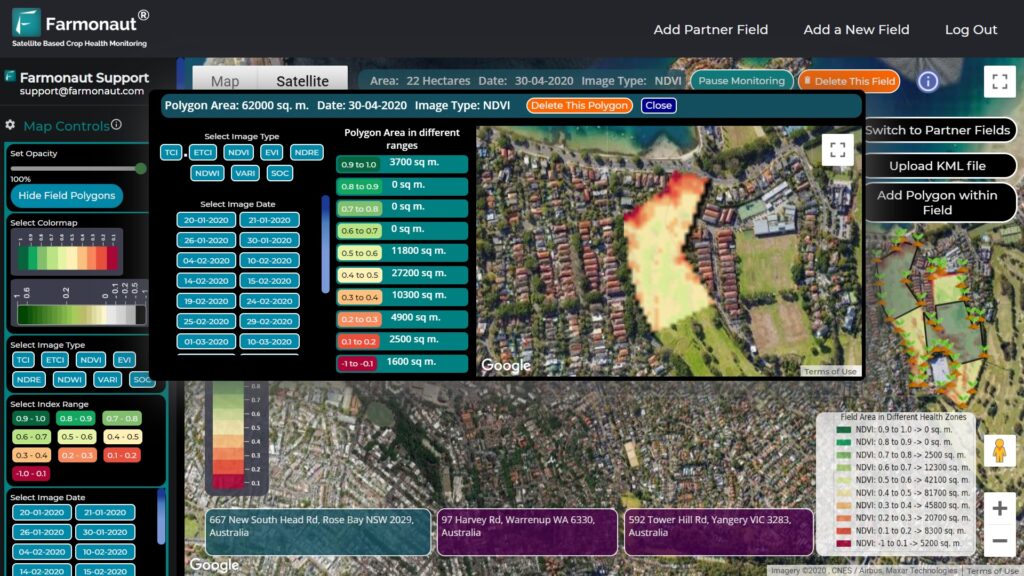
- 🛰 Satellite Crop & Land Monitoring: We deliver real-time data on vegetation health, land use, and soil conditions for farmers who lease land for wind or energy production.
- 🔗 Blockchain Traceability: Our traceability technology enables Kansas farms to certify their sustainable practices—vital for renewable project partners and commodity buyers.
- 🤖 AI-Driven Advisory: Tools such as Jeevn AI provide timely, customized crop and land management advice, advancing both wind and agricultural project productivity.
- 💳 Efficient Financing & Risk Management: Our satellite-based verification for crop loans and insurance streamlines access to credit and reduces fraud risk for rural entrepreneurs.
- 🌍 Environmental Impact Reports: With real-time carbon footprint monitoring, Kansas landowners can verify their wind- and farm-driven emission reductions.




Expert Highlights for Wind Power Kansas

Key Benefits, Data Insights & Visual Lists for Wind Power Kansas
- ✔ Rural Economic Resilience: Royalty payments and lease revenues from wind projects help stabilize farm incomes during difficult market cycles.
- 📊 Boosted Employment: Wind power Kansas is projected to support over 9,100 local jobs in 2026, enhancing rural job prospects and skills growth.
- ⚡ Clean Energy Leadership: With over 45% of the state’s electricity from wind, Kansas sits at America’s renewable energy forefront.
- 🌾 Agricultural Compatibility: Careful placement of turbines ensures seamless coexistence with cropping and grazing—maximizing land productivity.
- 🔄 Sustainable Infrastructure: High-voltage grid enhancements provide stable, reliable electricity supplies—today and into the future.
Wind Power Kansas: Impact Pathways
-
🌱
Farm Leasing: Turbines installed on private farmland deliver extra income streams for local farmers. -
🔌
Grid Exports: Kansas exports surplus renewable energy across state lines, driving regional integration. -
💼
Jobs & Training: Wind project construction and maintenance generate rural employment and offer upskilling. -
💧
Water Savings: Wind energy’s negligible water use helps Kansas agriculture withstand drought. -
🏫
Public Services: Increased property taxes from wind leases support schools and vital rural infrastructure.

Risks & Limitations for Wind Power Kansas
-
⚠
Transmission Delays: Slow permitting or underestimated capacity can restrict energy growth. -
⚠
Community Resistance: Addressing local concerns requires proactive engagement and benefit-sharing. -
🛑
Wildlife Management: Careful siting and ongoing monitoring are key to mitigating environmental impacts. -
🔋
Storage Investment: Additional battery and grid storage solutions are essential as wind penetration increases. -
📉
Market Volatility: Wind lease revenues protect but do not fully insulate farmers from commodity price swings.
Farmonaut Subscription Plans
Choose the plan that’s right for your farming, energy, or infrastructure needs in Kansas and beyond!
Frequently Asked Questions: Wind Power Kansas 2026
-
Q: What percentage of Kansas’s electricity comes from wind in 2026?
A: In 2025 and 2026, wind power Kansas is projected to contribute about 45–50% of the state’s total electricity generation, one of the highest shares in the United States. -
Q: How do wind farms benefit rural Kansas communities?
A: Wind farm development provides lease revenues and royalty payments to farmers, strengthens public services via increased taxes, and creates thousands of local jobs. -
Q: Does wind energy disrupt agriculture in Kansas?
A: Generally, no. Turbines are carefully sited to permit cropping and grazing, allowing farmers to maximize land productivity and benefit from dual income streams. -
Q: Are there emerging innovations in Kansas’s wind sector?
A: Yes. Hybrid systems pairing wind, solar, and storage, plus green hydrogen production and AI-powered agriculture management tools, are fast becoming mainstream. -
Q: How does wind power impact Kansas’s environment?
A: Wind energy is a zero-emission source, slashing CO₂ emissions, conserving water, and promoting biodiversity—all critical benefits as the state pursues its climate goals. -
Q: How can Farmonaut help wind power farmers and rural enterprises?
A: We offer satellite-driven land, crop, and infrastructure monitoring, AI-based advisory, and traceability solutions that boost productivity, sustainability, and access to finance. Discover Farmonaut’s Large-Scale Farm Management Tool.
Conclusion: Wind Power Kansas Energizes the Future
Kansas demonstrates that with the right blend of natural resources, agricultural synergy, and forward-looking policy, rural states can not only lead in renewable energy but also reinvent their economies, communities, and environments from the ground up. The wind power Kansas revolution isn’t just about electricity—it’s about transforming the rural economic landscape, strengthening the backbone of local communities, and building a sustainable, resilient, and profitable future.
Innovative solutions—like those we provide at Farmonaut—will be central to ensuring the ongoing success of Kansas’s wind sector and rural revitalization. As we move into 2026 and beyond, the benefits of this transformation will ripple across the state and serve as a model for other states aiming to build a cleaner, greener America.
For a seamless transition to smarter, more connected rural and energy landscapes, explore Farmonaut’s tools today:
- Access Our Web App
- Fleet and Resource Management Solutions
- Blockchain-Based Traceability for Renewables and Agriculture
- Smart Crop Loan and Insurance Verification
- Real-Time Carbon Footprinting and Environmental Reporting
Together, let’s energize the rural future—one wind turbine at a time.