Veteran Farm Loans 2026: Empowering Heroes to Start Farms
“In 2023, over 2,400 veterans received USDA-backed farm loans to launch or expand their agricultural businesses.”
- Introduction
- Why Veteran Farm Loans Matter in 2026 and Beyond
- Understanding USDA Veteran Farm Loans
- Types of Veteran Farm Loans for 2026
- Comparative Table: Leading Veteran Farm Loan Programs 2026
- Starting a Farm or Ranch with USDA Veteran Farm Loans
- Key Requirements and Application Process
- Support, Training & Modern Tools for Veteran Farmers
- Empowering Rural America: Impact on Community and Agriculture
- Modern Tools: Enhancing Farming with Technology
- Frequently Asked Questions
- Conclusion



Introduction: Veteran Farm Loans in 2026 – A New Era of Opportunity
In 2026, the American agricultural sector continues as the foundation of our rural economy and food systems. Recognizing the unique blend of discipline, leadership, and resilience that veterans bring, veteran farm loans—including USDA veteran farm loans—have become more essential than ever. Whether it’s starting a new farm, expanding an existing ranch, or navigating the unique challenges of agricultural entrepreneurship, targeted loan programs now empower these heroes to cultivate their own future in farming.
Supported by the U.S. Department of Agriculture (USDA), these financial resources—ranging from direct and guaranteed loans to technical assistance and training—are designed to provide not only capital but also vital knowledge, mentorship, and economic opportunity for American veterans. In this comprehensive guide, we’ll break down everything you need to know about veteran farm loans, from eligibility and programs to practical steps for securing financing and building a sustainable agricultural business.
Key Insight
Veteran farm loans are not just about financial support—they are critical to rural development, food security, and sustainable agriculture for the next generation of American farmers.

Why Veteran Farm Loans Matter in 2026 and Beyond
As we continue to support veterans transitioning to civilian life, it’s clear that farm loans for veterans play a unique and vital role. The agriculture industry in America faces an aging workforce, evolving technology, and the need for renewed rural innovation. Veteran farmers are ideally positioned to address these gaps, but they often encounter substantial barriers—most notably, lack of capital, limited access to farmland, and unfamiliarity with the complex business environment of farming.
- ✔ Veteran farm loans bridge the divide between ambition and reality for transitioning service members.
- ✔ These loans unlock affordable financing, education, and community support.
- ✔ USDA veteran farm loans often provide lower rates, longer terms, and special consideration for veteran applicants.
- ✔ Nationwide impact: Supporting veterans in agriculture promotes food security, community leadership, and economic diversification in rural America.
- ✔ Empowering heroes: Focusing on veterans directly answers the call to honor service through economic opportunity and sustainable futures.
Many programs—especially those from the USDA Farm Service Agency (FSA)—address the unique needs and backgrounds of veterans. By offering special terms and a range of financing options, these loans help veterans start, purchase, or enhance their own farms and ranches, turning military skills into agricultural success stories.
Investor Note
Veteran-owned farms are statistically more likely to adopt innovative and sustainable agricultural practices, making them attractive partners for new rural investment and technology adoption.
Understanding USDA Veteran Farm Loans: Programs, Support, and Your Path Forward
The majority of farm loans for veterans in the United States fall under the umbrella of USDA veteran farm loans. These are federal programs run by the Farm Service Agency (FSA) that support starting, expanding, or operating farms and ranches by providing flexible financial assistance.
- 📊 USDA Direct and Guaranteed Loans: Available to veterans for land purchase, infrastructure development, equipment, operating expenses, and more.
- ⚠ Special Consideration: Veteran applicants receive priority processing, higher loan limits, and often reduced fees.
- 💡 Eligibility Guidance: Programs support both experienced agriculturalists and beginner farmers who demonstrate the commitment to learning and stewardship.
- 📘 Technical Assistance: The USDA Veterans to Agriculture Program provides mentorship and training to ensure sustainable business development.
- 🔗 Access to Other Resources: Veterans also benefit from USDA partnerships with local agricultural extension offices, which offer ongoing support and education.
Below we’ll detail the major types of farm and ranch loans available, plus a visual guide to help choose the right financial path.
Pro Tip
Don’t overlook specialized microloans and state-level initiatives—these can be especially helpful for beginning veteran farmers needing less capital or a simplified application process.

Types of Loans Available to Veterans in 2026
A range of farm and ranch loans is available through the USDA FSA and select state programs. Each loan type is engineered to address specific needs, from starting a farm to expanding production or recovering from natural disasters.
- ✔ Farm Ownership Loans: For purchasing farmland, constructing or improving buildings, and long-term investments.
- ✔ Operating Loans: To cover operating costs, including equipment, seeds, livestock, feed, and marketing expenses.
- ✔ Microloans: For small-scale operations or beginners, offering up to $50,000 with user-friendly applications.
- ✔ Youth Loans: For young agriculturalists, not as common for veterans, but an important part of family operations.
- ✔ Emergency Loans: For recovery from natural disasters, including floods, drought, and storms.
Farm Ownership Loans
For land, buildings & improvement
Operating Loans
For seed, feed & daily expenses
Microloans
Easy for small/beginning farms
Youth Loans
Support for future generations
Emergency Loans
Disaster recovery
“Veterans can access up to $400,000 through USDA operating loans, supporting business growth and new farm startups.”

Comparative Summary Table: Best Veteran Farm Loans 2026
| Loan Program Name | Max Loan Amount | Interest Rate Range | Eligibility Requirements | Processing Time | Notable Benefits |
|---|---|---|---|---|---|
| USDA Direct Farm Ownership Loan | $600,000 (2026 est.) | 3.0%–5.0% |
|
45–90 days |
|
| USDA Guaranteed Farm Loan | $2,100,000 (2026 est.) | 4.0%–6.5% |
|
30–90 days |
|
| USDA Microloan Program | $50,000 | 3.5%–5.0% |
|
30–45 days |
|
| Selected State Veteran Loan Initiatives | $100,000–$500,000 | Varies (typically competitive) |
|
Varies |
|
Common Mistake
Many applicants overlook the value of a robust business plan and documentation of farming experience. These are crucial to successful loan approval for veteran farm loans.
- ✔ Accessible capital with lower down payments and competitive rates.
- ✔ Flexible repayment and support during tough growing seasons.
- ✔ Personalized assistance for veteran farmers, including mentoring and technical training.
- ✔ Broad eligibility: New, returning, or transitioning veterans all supported.
- ✔ Sustainable practices prioritized by USDA and many state programs.
Loans to Start a Farm: Steps for Veterans in 2026
Transitioning from military service to farming is an exciting, but challenging, journey. Here’s how veterans can leverage USDA farm loans for veterans and other financial programs to successfully start their own agricultural enterprise:
1. Develop your farm plan
List goals, crops, livestock, and operational needs.
2. Evaluate financial resources
Determine startup costs and funding gaps.
3. Contact a local USDA FSA office
Get expert guidance on program selection and requirements.
4. Prepare documentation
Include proof of military service, farm plan, and credit history.
5. Submit application
Follow up for status and respond quickly to requests for more details.
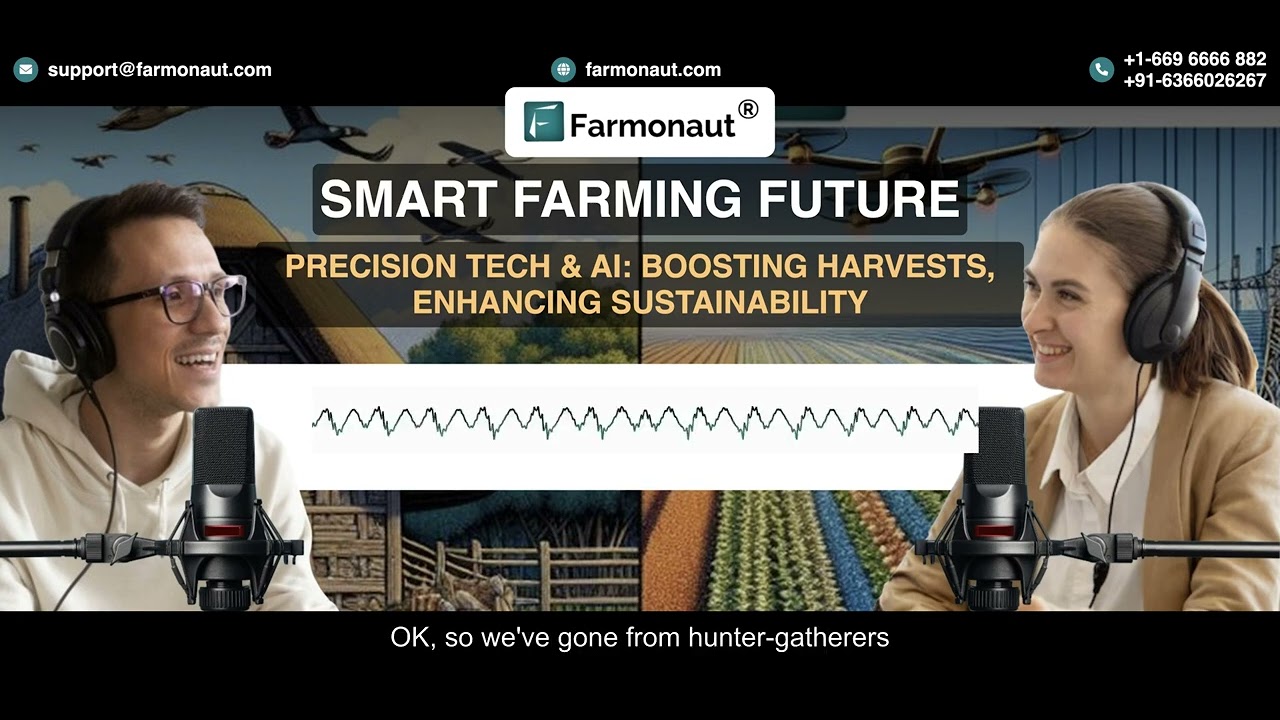
Throughout the process, veterans are encouraged to use USDA’s mentoring, technical assistance, and extension resources. Utilizing educational content, such as the Smart Farming Future: Precision Tech & AI Boosting Harvests, Enhancing Sustainability video, helps build foundational agricultural knowledge.
Farmonaut Insight for Veteran Farmers
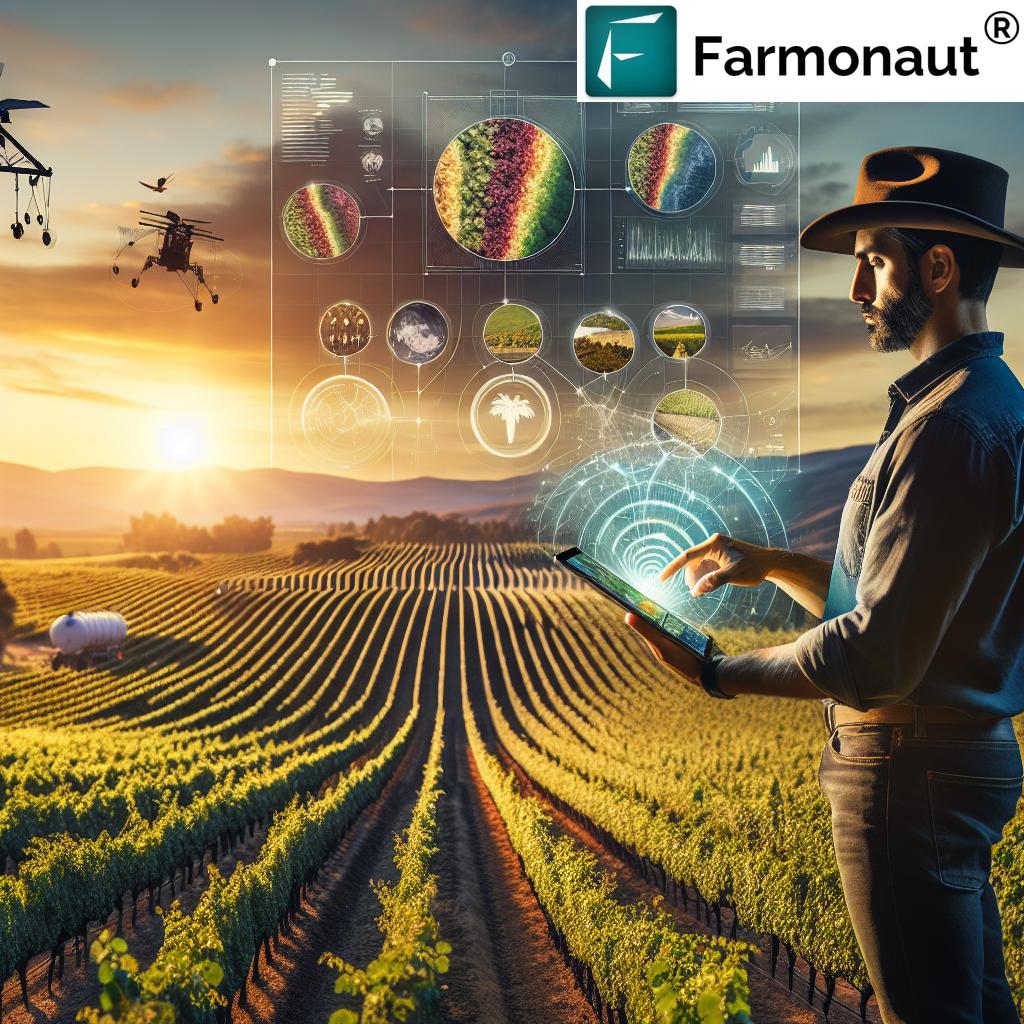
We at Farmonaut recommend leveraging satellite-based crop monitoring to enhance farm planning, reduce risk, and provide real-time operational insights. This technology supports decision-making, resource use, and helps build a track record for sustainable farming—a top priority for lenders and grant programs. Explore satellite-enabled carbon footprinting for agricultural sustainability.

Key Requirements & Application Process for Veteran Farm Loans
To successfully apply for veteran farm loans or USDA farm loans for veterans in 2026, understanding the main requirements and steps is essential:
- ✔ Proof of Service: DD214 or eligibility letter for veteran status.
- ✔ Farm Plan: Clear operational and business plan outlining agricultural activities, revenue, and costs.
- ✔ Creditworthiness: While some programs are flexible, applicants must demonstrate reasonable credit or solid repayment ability.
- ✔ Experience or Training: Minimum experience or, for beginners, willingness to participate in approved training (USDA, extension, or other recognized programs).
- ✔ Land or Asset Needs: For ownership loans, specify land to be purchased or improved; for operating loans, list assets, equipment, or resources needed.
Supporting documentation, including resumes, quotations for machinery, and statements of estimated expenses, all strengthen your application.
Support, Training & Modern Tools for Veteran Farmers
Beyond direct financial loans, a wide range of training, assistance, and new technology supports veterans in modern, sustainable agriculture. Accessing these programs not only enhances business viability but can also open doors to grant opportunities and specialized support channels:
- 🎖 USDA Veterans to Agriculture Program: Offers group workshops, one-on-one mentorship, and step-by-step guidance for operating, expanding, and modernizing veteran-led farms.
- 📚 Local Agricultural Extension Services: Deliver regional insights, best practices, and training modules for veterans seeking hands-on education.
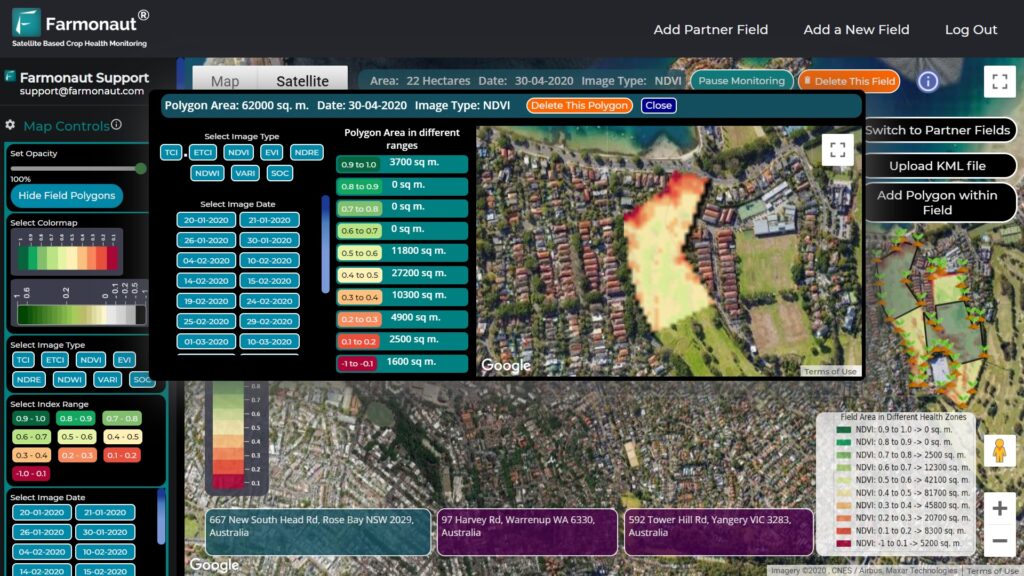
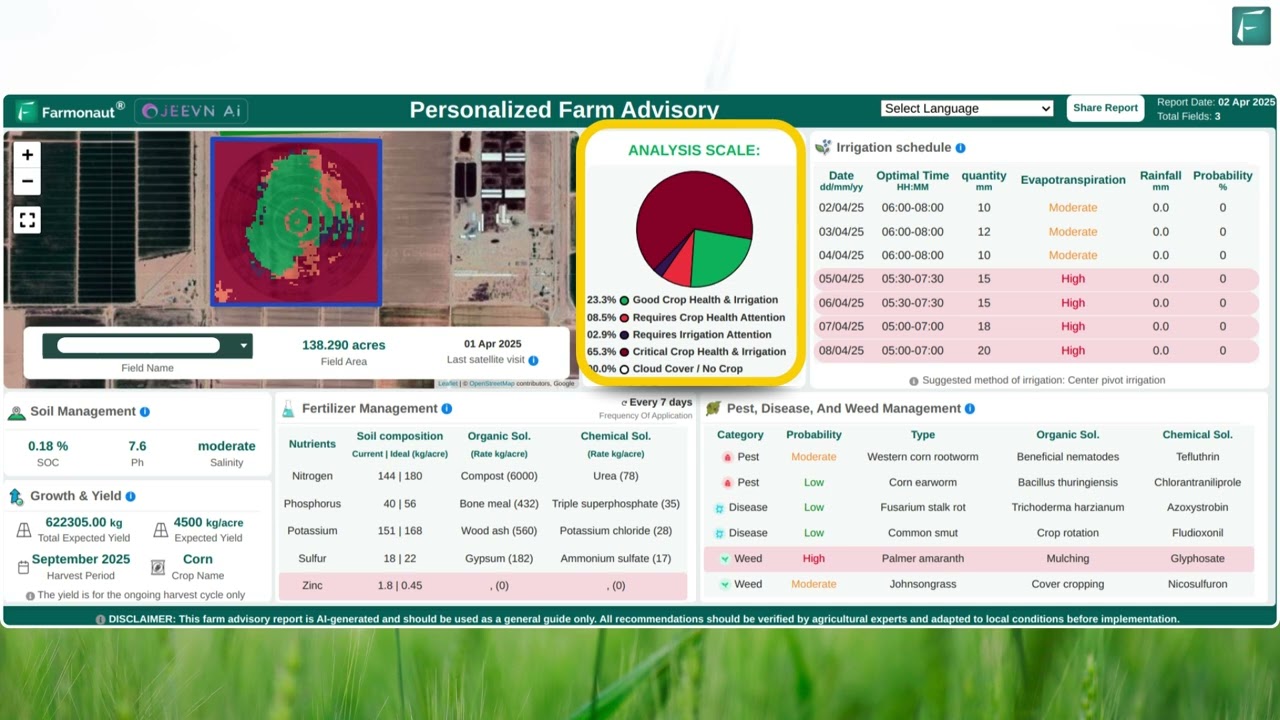
- 🌐 Farmonaut Satellite-Based Crop Monitoring: Our solution utilizes real-time multispectral imagery and AI for regular monitoring of crop health, soil quality, and operational performance. See how large-scale farm management delivers actionable data.
- 🛰 API for Advanced Farm Analytics: Tech-savvy veterans and developers can access geospatial insights and integrate them into custom applications using the Farmonaut API and get started with our API documentation.
- 🔗 Blockchain-Based Traceability: For those interested in value addition and food authenticity, blockchain traceability ensures transparency and trust for your agricultural products.
Empowering Rural America: The Impact of Veteran Farm Loans in 2026
Access to veteran farm loans catalyzes a larger transformation across the rural U.S. landscape:
- ✔ Job Creation and Retention: New farm startups by veterans contribute to stable employment.
- ✔ Enhanced Food Security: Locally produced foods strengthen community resilience and national supply chains.
- ✔ Innovative, Sustainable Practices: Veterans often bring leadership, discipline, and an openness to adopting eco-friendly technologies.
- ✔ Diversification of Producers: Veteran farmers add new perspectives and contribute to inclusive rural economic development.
- ✔ Community Leadership: Many veteran farmers emerge as advocates and educators for sustainable agriculture and technology adoption in their regions.
By fostering entrepreneurship among socially disadvantaged groups, including veterans, these loan programs help ensure America’s farm future remains strong, secure, and diverse.
Modern Tools: Farmonaut for Next-Gen Agriculture & Farm Loans
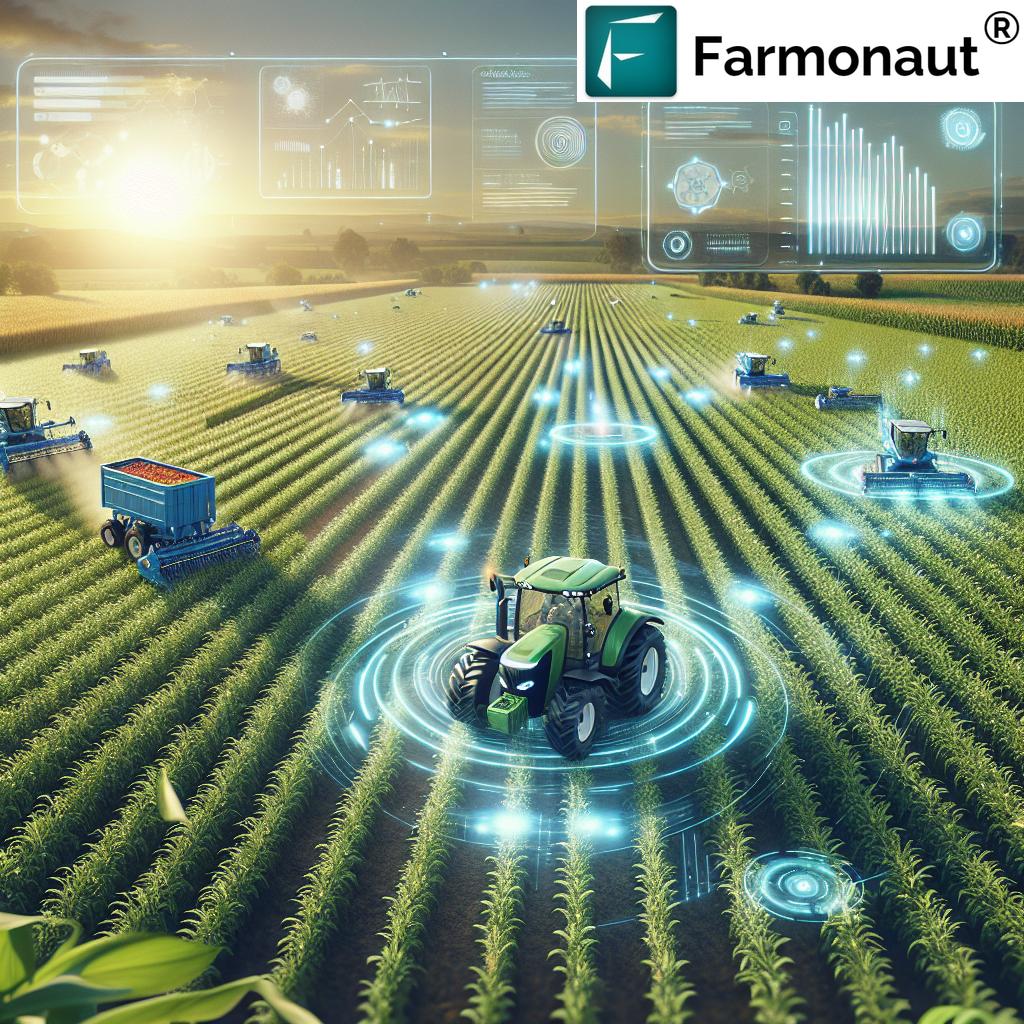
As veteran farmers look to maximize their investment and sustainability, advanced technology is an essential ally. We at Farmonaut offer platforms and services that meet the evolving demands of modern agriculture:
- ✔ Real-Time Satellite Monitoring: Continuous tracking of crop health, soil status, and operational resources to optimize farm plans, reduce input costs, and increase yields.
- ✔ AI-Powered Advisory: Jeevn AI delivers location-based, actionable guidance directly on crop management, pest/disease forecasting, and climate adaptation.
- ✔ Blockchain-Based Traceability: Adds trust and transparency for buyers and lenders; crucial for premium products and supply chain validation.
- ✔ Fleet & Resource Management: Efficient tracking and management for agri equipment and vehicles via Fleet Management Solutions.
- ✔ Environmental Impact Tracking: Tools for carbon footprint monitoring to support sustainability goals required by many government and finance programs.
Utilizing technology helps veterans demonstrate financial responsibility and strong resource management—factors that are critical when applying for USDA veteran farm loans and insurance. Learn how satellite verification can enhance loan and insurance applications.

Farmonaut: Flexible Subscription Access for Farms of All Sizes
From individual farms to large ranches and government agencies, Farmonaut subscription plans enable affordable access to advanced satellite and AI-driven farm management. Choose your preferred access method—web, Android, or iOS—using the app buttons above.

Frequently Asked Questions about Veteran Farm Loans (2026)
-
Who is eligible for USDA veteran farm loans?
Veterans, active duty military (including those recently transitioned), and members of the Reserves or National Guard can apply. Proof of military service and, in some cases, basic farming business experience or training is required. -
Can I get a farm loan if I have no prior farming experience?
Yes. While some experience is helpful, the USDA and many state programs accept applicants with solid business plans and a willingness to complete required training. -
What types of farming operations qualify?
Virtually all agricultural businesses from crop farms and livestock ranches to specialty and organic operations qualify, provided they have a feasible business plan. -
Are there loan limits for first-time veteran farmers?
Yes. For 2026, operating loans often max at $400,000 and ownership loans at $600,000 for direct programs. Guaranteed loans can go much higher, depending on lender policies and USDA updates. -
How long does it take to get approved?
Approval can take 30–90 days depending on the program, application complexity, and loan volume at the FSA office. -
Can these loans be used to purchase technology and machinery?
Absolutely—operating loans cover a wide range of agricultural equipment, digital solutions, and innovation investments that increase productivity and sustainability. -
What happens if I experience a crop loss or natural disaster?
Emergency loans and some insurance-backed financing help farmers recover quickly after floods, droughts, or storms. Satellite and AI monitoring, like from Farmonaut, helps substantiate claims and demonstrate proactive management. -
How does using tech like Farmonaut benefit my loan application?
Proving advanced resource management and consistent operational monitoring strengthens your financial and sustainability credentials during loan and insurance reviews.
Conclusion: Cultivating the Future—Empowering American Veterans
As we look to the future of American agriculture, it’s clear that USDA veteran farm loans are not just a benefit but a necessity. They honor our veterans by providing the financial support, training, and resources needed to thrive in rural entrepreneurship—regardless of starting experience or operation size. With loan limits likely rising and program flexibility set to increase through 2026, there’s never been a better time for America’s heroes to pursue their farm dream.
Implemented together with advanced technology solutions—such as those we at Farmonaut provide—veteran farmers can maximize productivity, sustainability, and community impact while ensuring access to new revenue streams, premium markets, and ongoing operational support.
- ✔ Veteran farm loans are a gateway to secure land, build resilience, and foster rural growth.
- ✔ USDA and state resources equip applicants to succeed—from business mentorship to sustainable practices.
- ✔ Technology adoption enhances loan and insurance outcomes, with satellite verification and AI-based traceability unlocking additional value.
- ✔ Local and national communities benefit from job creation, increased food security, and resilient entrepreneurship.
- ✔ The future of American agriculture, food security, and rural prosperity is in good hands—with veterans leading the way.
Together, with the right mix of support, technology, and opportunity, our veterans will continue to strengthen the backbone of the American economy and cultivate a more resilient future.
Use Farmonaut for satellite-based farm management, carbon tracking, and traceability—built for veteran farmers building America’s future.