Ventilation Air Conditioning for Indoor Agriculture Market 2026: Technology, Trends & Sustainable Growth
” The global indoor agriculture HVAC market is projected to surpass $1.2 billion by 2026, driven by sustainable farming innovations. ”
Introduction: Indoor Agriculture’s HVAC Revolution
The ventilation and air conditioning market for indoor agriculture is undergoing a dramatic expansion, propelled by advancing climate control technologies and the relentless rise in controlled environment agriculture (CEA) adoption worldwide. As we look toward 2026, indoor farming is no longer a futuristic concept—it’s a practical, scalable solution for food security, resilience, and sustainability, especially in regions facing critical agricultural challenges like India.
With traditional agriculture in India grappling with issues such as water scarcity, erratic monsoons, and land degradation, controlled indoor farming offers a promising route to sustain crop yields, optimize resource use, and enable year-round production. At the heart of this transformation are robust HVAC (heating, ventilation, and air conditioning) systems—the silent drivers ensuring that indoor farms maintain precise temperature, humidity, CO2 levels, and clean airflow to enhance plant health, maximize yields, and reduce risks from pests, diseases, and contaminants.
🔍 Key Insight
The global ventilation air conditioning for indoor agriculture market is projected to grow at a CAGR of 10%+ annually, with India emerging as a pivotal market thanks to rapid urbanization, climate volatility, and policy push for agri-tech innovation.
Market Outlook 2025–2026: Growth Drivers & Opportunities
In 2025 and looking ahead to 2026, the ventilation and air conditioning market for indoor agriculture is poised for significant growth. The main drivers include:
- ✔ Urbanization: Limited land in urban and semi-urban areas, with urgent need for vertical farming and plant factories.
- ✔ Food Security Imperatives: Year-round production regardless of external weather, ensuring stable supply chains.
- 🌱 Climate Change & Weather Volatility: Rising unpredictability of monsoons and farm productivity in regions like India.
- ⚡ Energy-Efficient Technologies: Push for sustainable, low-carbon HVAC and cooling methods, integrating renewable energy.
- 📈 Government Incentives & Private Investment: Increased policy backing for indoor agriculture infrastructure, research, and technology adoption.
By 2026, the global HVAC for indoor farms segment is expected to surpass $1.2 billion, with an increasing share from emerging economies and a diversified portfolio of technologies:
- ➡ Variable Refrigerant Flow (VRF) systems
- ➡ Smart sensors and IoT platforms for real-time climate management
- ➡ Renewable-powered ventilation and cooling units
- ➡ Water conditioners and integrated air filtration

India’s Landscape: The Changing Condition of Agriculture
The condition of agriculture in India has historically been shaped by the subcontinent’s climatic diversity, dependence on monsoonal rainfall, and the prevalence of traditional, open-field farming practices. However, the 21st century brings new challenges:
- ⚠ Water scarcity in major agricultural belts.
- ⚠ Degradation of arable land due to overuse, salinization, and industrial development.
- ⚠ Erratic monsoons and rising weather unpredictability.
- ⚠ Pest infestations and fungal disease outbreaks aggravated by stressed environmental conditions.
In response, India’s agri-sector is undergoing a remarkable transformation with the emergence of vertical farms, greenhouses, and hydroponic/aeroponic plant factories. These indoor farms allow precise control over environment, water use, and nutrient delivery—optimizing productivity and resilience.
💡 Investor Note
Investments in HVAC infrastructure and indoor agriculture systems in India are estimated to double by 2026, reflecting growing interest in high-value crops—medicinals, off-season produce, and exotics—best supported by advanced ventilation air conditioning technology.
The Role of HVAC Systems in Controlled Environment Agriculture
Indoor agriculture depends heavily on HVAC systems—but what makes these components so critical compared to conventional, open-field farming?
- ✔ Temperature Control: Most crops require a stable environment—without swings in day/night or seasonal temperatures.
- ✔ Humidity Management: Preventing excessive humidity that can trigger pest infestations and fungal diseases.
- ✔ CO2 Regulation: Maintaining carbon dioxide levels that optimize photosynthesis and plant growth.
- ✔ Airflow: Proper ventilation prevents the buildup of excess heat and ensures even distribution of clean air.
- ✔ Filtration and Purification: Advanced systems integrate air purification (HEPA, activated carbon) to reduce contamination risks and promote healthier crops.
Compared to conventional systems, indoor farming places unique demands on energy use and system design:
- 🔋 High energy demands—particularly for cooling, dehumidification, and air movement across large environments.
- 🌱 Opportunity for sustainable innovations—including integration with renewable energy sources (solar, geothermal).
- 🔄 Need for ongoing monitoring, maintenance, and adaptation to crop type and growth stage.
Comparison Table: Key HVAC Technologies & Market Impact (2025–2026)
Below is a comprehensive comparison of ventilation and air conditioning technologies transforming the indoor agriculture market as we approach 2026. This table illustrates expected adoption rates, energy efficiency, water conditioning support, job growth, and sustainability benefits.
| Technology Name | Estimated Market Share 2025 (%) | Projected Market Share 2026 (%) | Energy Efficiency Rating | Water Usage (L/year) | Associated Job Growth (2025–2026) | Sustainability Impact |
|---|---|---|---|---|---|---|
| Advanced HVAC (Multi-Zone/Distributed) | 42 | 48 | ★★★★★ | 420,000 | +2,500 | High—Enables substantial reductions in energy & resource use |
| Variable Refrigerant Flow (VRF) Systems | 23 | 28 | ★★★★½ | 310,000 | +1,300 | Very High—Efficient, scalable, well-suited for vertical farms |
| Smart Vents & IoT-Enabled Controls | 18 | 22 | ★★★★ | N/A (optimizes use of main systems) | +700 | High—Data-driven, reduces waste, supports remote ops |
| Hybrid Water Chillers & Air Filtration Units | 11 | 13 | ★★★★ | 240,000 | +500 | Medium—Provides water treatment & improves plant health |
| Geothermal Cooling Systems | 3 | 6 | ★★★★★ | N/A (no direct water use) | +120 | Exceptional—Minimum carbon footprint, long-term payout |
| Photovoltaic (Solar-Powered HVAC Units) | 3 | 6 | ★★★★ | 231,000 | +200 | Very High—Greatly reduces operational emissions |
📊 Data Insight
By 2025, advanced water conditioning systems are expected to create over 5,000 new indoor agriculture jobs worldwide, accelerating sustainable farming adoption in both emerging and developed markets.
Innovative HVAC and Water Conditioning Solutions for Indoor Farms
Leading-edge technologies are reshaping what’s possible in indoor agriculture—especially within ventilation and air conditioning market segments. Key innovations include:
- 🌀 Variable Refrigerant Flow (VRF) HVAC: Offers zone-based control, optimizes energy consumption, and ensures precise environmental conditions.
- 💧 Hybrid Water Chillers: Integrate cooling, dehumidification, and water purification processes, ideal in hydroponic and aeroponic farms.
- 📡 IoT-Enabled Sensors: Real-time adjustment of airflow, temperature, and humidity based on live plant data and system health feedback.
- 🔋 Renewable Integration: Solar and geothermal systems directly power HVAC units, supporting decarbonization of farm operations.
- 🛡 Smart Air Filtration: Reduces risks from airborne contamination, pathogens, and dust for optimal plant health.
These solutions go beyond simply maintaining comfortable conditions—they are now integral to boosting efficiency, reducing costs, and achieving sustainability targets.
💡 Pro Tip
For indoor farms, investing in smart sensor-driven climate management platforms can yield a rapid ROI by minimizing energy use and tailoring conditions to specific crops. Look for platforms that offer API integration and remote access. Explore Farmonaut’s API documentation for leveraging satellite-powered analytics in climate management.

Energy Efficiency, Carbon Reduction, and Smart Integrations
Energy consumption is one of the primary considerations for indoor agriculture operations. HVAC systems often account for 30–60% of a facility’s energy budget. Thus, the integration of energy-saving features and renewable energy sources is becoming paramount.
Key strategies include:
- 🌞 Solar-powered HVAC units that reduce operational costs and the farm’s carbon footprint.
- 🌍 Geothermal cooling methods leveraging earth’s thermal stability for sustainable climate control.
- 📊 AI-driven platforms for adaptive scheduling and fault detection—minimizing energy waste.
- 🔗 Blockchain traceability ensuring transparent tracking of environmental impact and sustainability metrics (see Farmonaut’s traceability solution for verifiable supply chain impact).
- ♻️ Energy-efficient retrofits in legacy greenhouses—such as advanced double-glazing and modernized fans.
By adopting these innovations, indoor agriculture market stakeholders not only improve production economics but also help combat climate change and meet evolving regulatory and consumer expectations.
❌ Common Mistake
Failing to consider long-run operational savings when choosing HVAC systems often results in higher total costs and elevated environmental impact. Consider lifecycle costs and not just upfront price!

Water Conditioner for Agriculture: Enabling Crop Health & Resource Efficiency
As hydroponics and aeroponics gain prominence in indoor farming, the quality of water directly impacts plant health, nutrient absorption, and long-term system maintenance. Water conditioner for agriculture has become a strategic enabler, especially in India where raw water can have high mineral hardness or chemical residues.
- 💧 Reduces scale buildup on HVAC and irrigation infrastructure, lowering maintenance costs.
- 🌿 Improves nutrient availability by lowering water hardness and balancing pH—crucial for sensitive crops.
- 🛡 Reduces risks associated with pathogens and contaminants, supporting food safety.
- ⚡ Supports efficient operation of high-tech systems such as water chillers and recirculating pumps.
By 2026, water conditioners and associated treatment infrastructure will see wide adoption both in large-scale commercial indoor farms and smaller urban farming units across India and worldwide.

🌱 Sustainability Note
Water conditioners do more than support healthy crops—they reduce the overall ecological footprint of indoor farms by maximizing recycled water use and minimizing chemical runoff into urban or peri-urban environments.
- ✔ Clean, Recirculatable Water for extended system life
- 🍃 Consistency in Nutrient Absorption for sensitive or high-value crops
- 🌊 Reduced Irrigation Losses through better water management
- 🦠 Decreased Bacterial Load to prevent crop disease
- 🏆 Compliance for Export-Grade Produce

Indoor Agriculture Jobs: The Workforce Powering New-Age Farming
The ongoing boom in ventilation air conditioning for indoor agriculture market is creating a vibrant job landscape. The core indoor agriculture jobs span multiple disciplines—agronomy, engineering, data science, IT, and HVAC specialization.
- 📈 Climate Control System Technicians: Highly skilled in installing, calibrating, and maintaining HVAC and filtration systems.
- 🌱 Controlled Environment Agronomists: Experts in matching crop genetic requirements to precise microclimates and irrigation protocols.
- 🧑💻 Environmental Data Analysts: Professionals who interpret sensor/IoT data and inform crop and system optimization.
- 🚀 Renewable Energy Integration Specialists: Tasked with linking HVAC and water systems to renewable grids (solar, geothermal).
- 🤖 Automation & AI Specialists: Engineers and programmers developing adaptive management platforms for farms.
India, with its large pool of skilled tech and engineering graduates, is ideally positioned to become a global talent hub in this fast-evolving sector.
” By 2025, advanced water conditioning systems are expected to create over 5,000 new jobs in indoor agriculture worldwide. ”
- 🔧 HVAC Design & Smart Ventilation
- 📊 Real-time Environmental Monitoring
- ⚙️ Automation & IoT Integration
- 🌿 Precision Crop Cultivation
- 🌎 Resource & Sustainability Management

👨💻 Pro Tip
Combine satellite-powered monitoring platforms with smart HVAC controls to anticipate climate trends, reduce resource waste, and streamline staff efficiency. Discover how Farmonaut’s Fleet Management solutions can help optimize your operational logistics in agriculture.



Challenges, Investment, and Policy Drivers
Despite robust growth in the indoor agriculture market, the sector is navigating several hurdles:
- ⚠️ Upfront Investment Costs: High initial outlays for advanced HVAC setups and water conditioning infrastructure.
- ⚠️ Need for Skilled Labor: Recruitment and training of indoor agriculture jobs—engineers, technicians, data analysts.
- ⚠️ Regulatory Gaps: Evolving standards for food safety, resource use, and environmental compliance.
- ⚠️ Energy Reliability: Ensuring stable access to low-carbon energy, especially in power-constrained geographies.
Government incentives—particularly in India—are scheduled to further support climate-resilient agri-tech investments with a focus on food security and sustainable practices. At the same time, private sector momentum is driving:
- Integration of Insurance and Financing Tools: Tools like Farmonaut’s crop loan and insurance solutions support risk mitigation and capital access for technology investments.
- Commercialization of Next-Gen Greenhouses: High-value crops (exotics, medicinals) justified through ROI analysis and export market premiums.
💸 Investor Note
With strong government incentives and a thriving policy environment in India, the 2025–2026 ventilation and air conditioning market for indoor agriculture offers lucrative opportunities—especially for investors targeting climate resilience, sustainability, and next-gen agri-infrastructure.

Farmonaut Insights: Satellite Technology for Indoor & Sustainable Agriculture
At Farmonaut, we recognize that data-driven insights are the linchpin of efficient, sustainable, and profitable indoor agriculture. Here’s how our technology can complement ventilation and air conditioning market for indoor agriculture solutions:
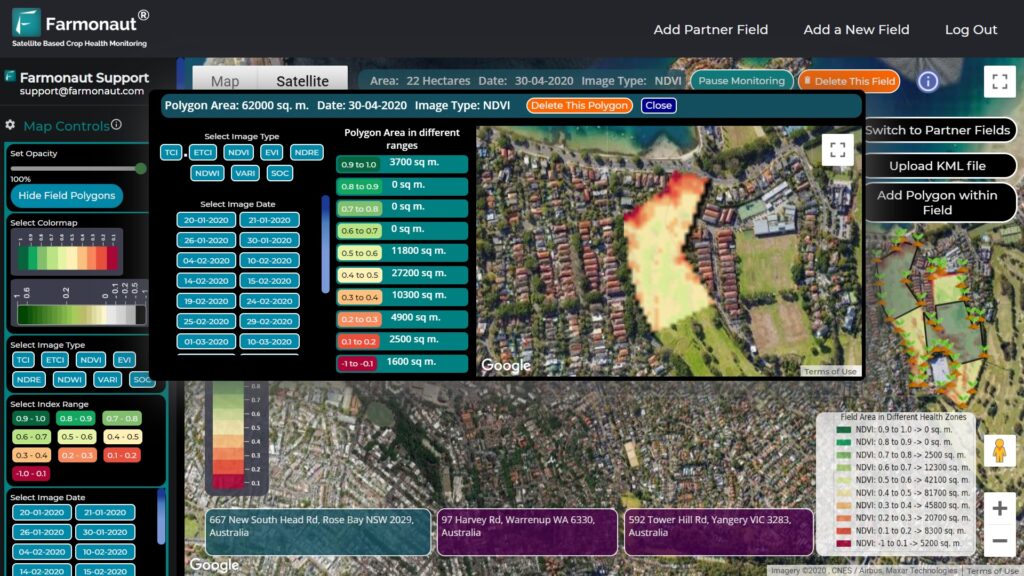
- 🛰️ Satellite-Based Monitoring: Allows growers to remotely assess crop health, track environmental changes, and plan interventions using NDVI, soil moisture, and other proprietary indices.
- 🧠 Jeevn AI Advisory: Enables real-time, hyper-local weather and climate forecasts to help indoor farms optimize HVAC scheduling and reduce costs.
- 🔐 Blockchain Traceability: Ensures integrity of supply chain from farm to fork, crucial for high-value, high-standard crops (learn about our carbon footprinting tools here).
- 🚛 Fleet and Resource Management: Keeps all moving parts of complex indoor operations optimized and aligned, from input delivery to crop shipment.
- 🌎 Environmental Impact Tracking: Supports compliance and emission reductions by monitoring carbon and resource footprints for agriculture facilities.
Our modular platform—available on web, Android, iOS apps, and via open API—ensures seamless integration into any indoor agriculture system, helping to bridge the gap between smart HVAC management, sustainability, and profitability.
🚀 Key Insight
Combining satellite data, AI, and advanced HVAC enables indoor farms to maximize yield while minimizing risk and environmental footprint. Unlock Farmonaut’s enterprise-level farm management app for scalable, data-driven decision making.

FAQs: Ventilation & Air Conditioning in Indoor Agriculture
Q1: Why is climate control so important in indoor agriculture?
Precise temperature, humidity, and airflow are critical to optimize crop yields, prevent disease, and ensure resource-efficient production year-round—making advanced HVAC systems essential.
Q2: How does the ventilation and air conditioning market for indoor agriculture benefit sustainability?
By integrating renewable energy, smart controls, and efficient water use, new HVAC technologies greatly reduce the carbon and water footprint of modern farms.
Q3: What is the role of water conditioners in hydroponic and aeroponic farms?
They improve water quality by reducing hardness and removing contaminants, ensuring maximum nutrient absorption and protecting sensitive HVAC/watering equipment.
Q4: Which indoor agriculture jobs are in high demand in India?
Environment control engineers, data analysts, HVAC technicians, controlled environment agronomists, and automation specialists are increasingly sought after.
Q5: How can Farmonaut solutions support indoor agriculture operations?
By providing satellite-driven insights, real-time monitoring, AI advisories, and tools for carbon footprinting and supply chain traceability—Farmonaut maximizes efficiency, sustainability, and profitability for indoor farming.
Conclusion: Ventilation Air Conditioning for Indoor Agriculture Market 2026 & Beyond
The ventilation and air conditioning market for indoor agriculture is integral to the advancement of sustainable food systems in India and worldwide. As we move into 2026 and beyond, continued gains in energy efficiency, integrated water conditioning, and data-driven automation will be pivotal. Stakeholders—including growers, investors, policymakers, and technologists—must focus on:
- Accelerating adoption of innovative HVAC and conditioning technologies.
- Human capital development to nurture a new generation of skilled professionals.
- Policy frameworks that reward efficient, resilient, and transparent food production.
- Leveraging smart digital platforms (like Farmonaut) for real-time resource optimization and environmental compliance.
With the right synergy of technology, talent, investment, and vision, indoor agriculture—supported by robust ventilation and air conditioning systems—offers a promising path to achieving food security, economic vitality, and environmental stewardship in India and around the globe.
Ready to empower your indoor agriculture journey? Download the Farmonaut platform or get started with our API to harness satellite insights and put your farm’s climate and sustainability on autopilot.