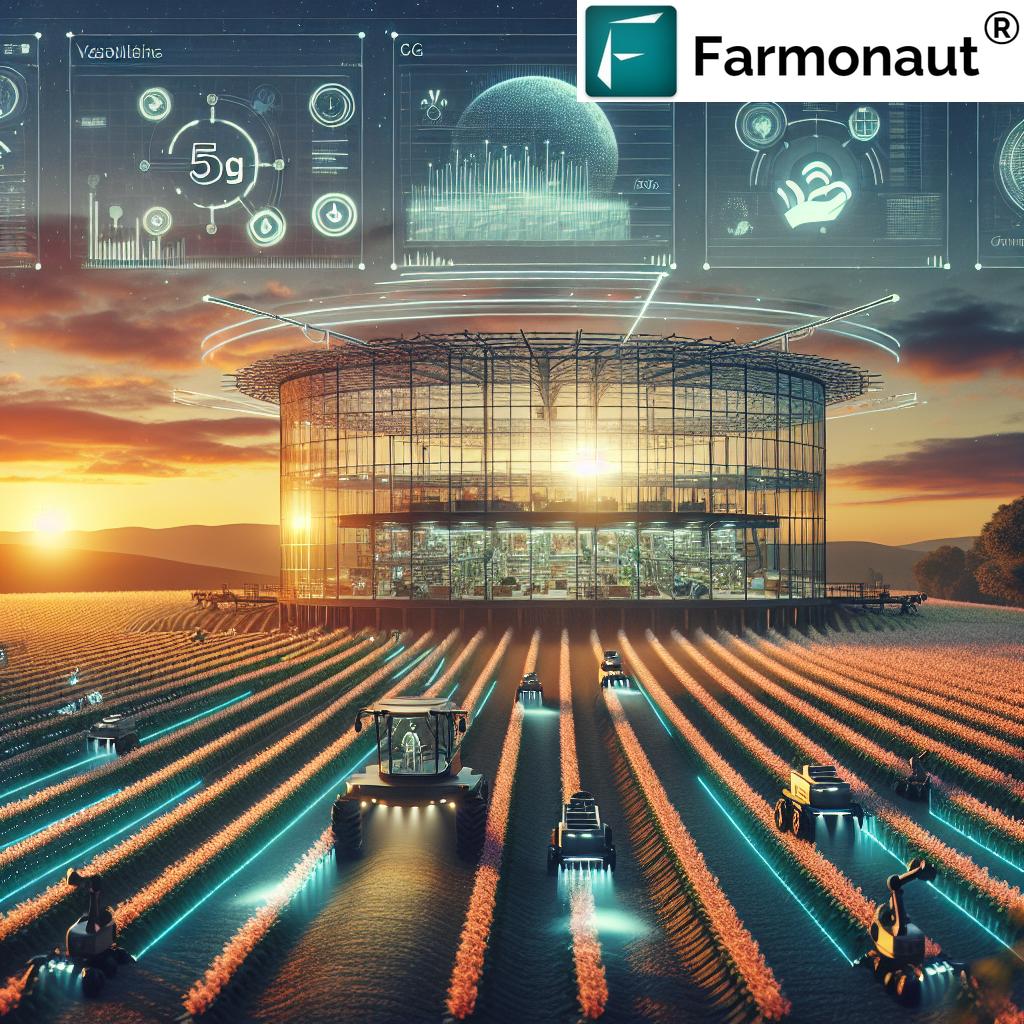
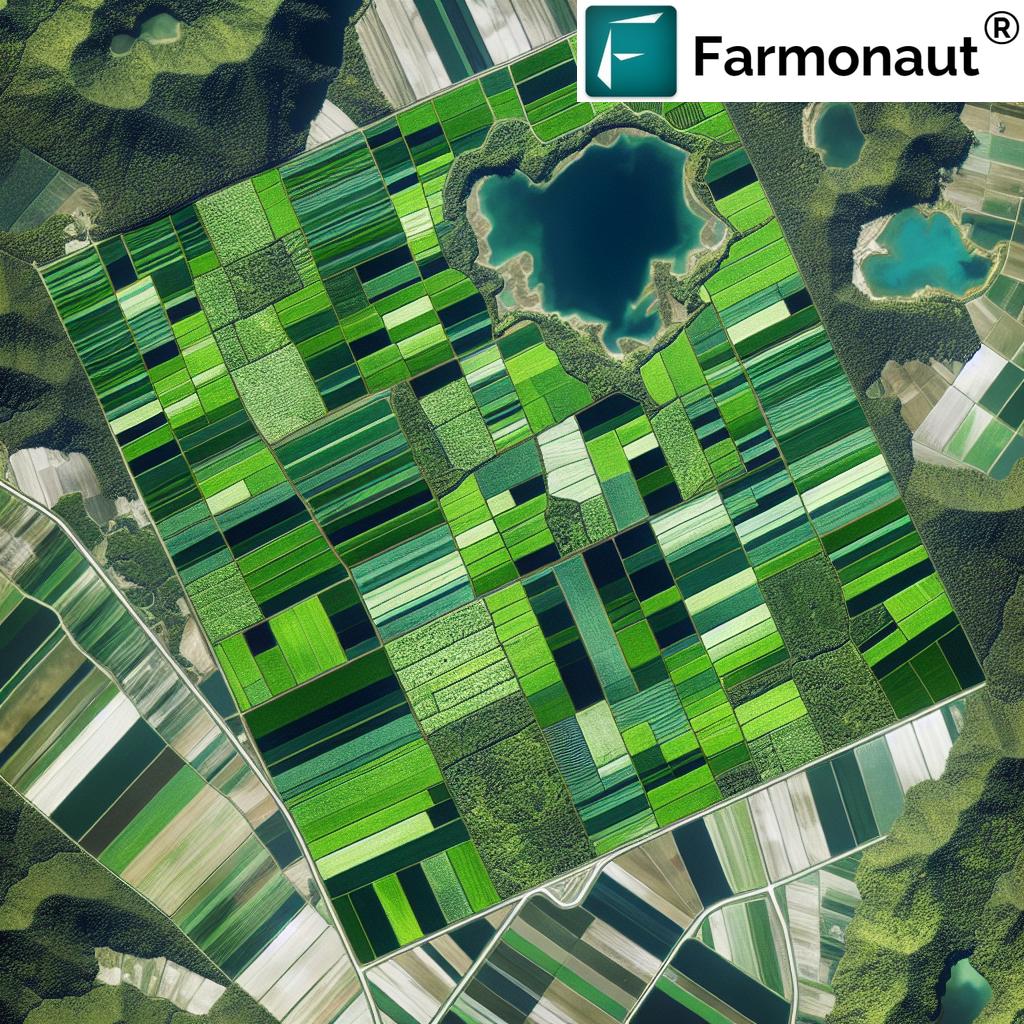
Velcourt Farming: 7 Innovations Shaping 2026
Summary: Velcourt Farming Shaping the Future of Agriculture in 2025–2026
The evolving landscape of modern agriculture is marked by rapid technological transformations, changing environmental expectations, and a pressing global food demand.
Velcourt farming stands out as a leading model marrying expert management with cutting-edge technology to enhance productivity, sustainability, and profitability. As we move into 2026, Velcourt’s mission has become even more crucial, integrating intelligent, data-driven solutions to help farms optimize land use, improve yields, and adopt sustainable practices.
Based in the UK and renowned across Europe, Velcourt brings tailored farm management to both large estates and smaller mixed operations. By embedding precision agriculture, remote sensing, and drone technology into daily agricultural operations, Velcourt ensures its clients – from landowners to investment groups – can maximize value and manage environmental, economic, and regulatory challenges effectively.
Let’s explore how Velcourt’s 7 most significant innovations are shaping modern farming in 2026, making future-ready agriculture an achievable reality.
Origins and Evolution of Velcourt Farming
Velcourt was founded in the UK as a response to the need for specialized farm management services that combine professional expertise with innovative technology. Their business model is unique: they work on behalf of landowners and investors to maximize the value and productivity of agricultural estates without requiring direct day-to-day oversight from the owner. This has led to a (now industry-leading) integrated approach in the management of arable, livestock, and mixed farms across a diverse range of environments.
- Founded: UK, now operating across major European agricultural regions
- Specializes in: Farm management, tech-driven operations, sustainability consulting
- Core business: Provision of expert advice, operational and strategic management for arable, livestock, and mixed farms
Velcourt’s model replaces traditional farm operations – where landowners manage all aspects in-house – with a professional, technology-driven approach that maximizes output, economic resilience, and environmental stewardship.
Core Business Model & Strategic Value of Velcourt Farming
At the heart of Velcourt farming is a transformation occurring within the agriculture sector: the move from intuition-based, manually intensive farm practices to technology-led management. Velcourt’s core business model places expert farm managers at the center of each operation, supported by a suite of advanced monitoring and decision-making tools.
- ✔ Expert Oversight: Velcourt enables landowners to benefit from professional oversight without having to manage daily operations or staff.
- ✔ Integrated Technology: Use of precision agriculture, remote sensing, drones, and analytics ensures every hectare is optimized for output and sustainability.
- ✔ Market Knowledge: Strategic market and policy advice to buffer against price volatility and regulatory shifts.
- ✔ Tailored Solutions: Every Velcourt-managed farm receives a custom plan based on environmental, economic, and social context.
- ✔ Sustainability-Driven: Regenerative agriculture, reduced inputs, and biodiversity plans help meet climate and emission targets.
This business model is not just about cutting costs; it strives for sustainable growth and adaptation to future challenges.

7 Key Innovations of Velcourt Shaping 2026
Velcourt farming is paving the way forward by continuously refining operational practices and leading with technology integration. Here are the seven most impactful innovations reshaping agricultural management, yields, sustainability, and profitability for 2026:
-
1. Precision Agriculture with Drone & Remote Sensing
- Use Case: Crop health monitoring, targeted spraying, and resource optimization with real-time data-driven management.
- Benefit: Reduces input waste, enhances nutrient efficiency, and allows for early intervention against pests and diseases.
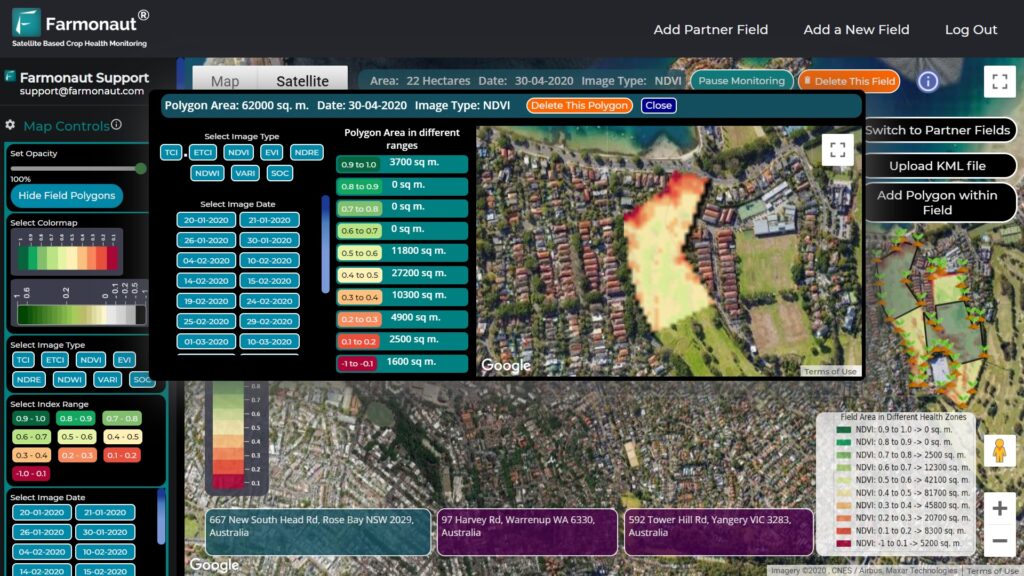
- Technology: Uses NDVI sensors, high-res drone imagery, and field-specific analytics (see Farmonaut’s Large Scale Farm Management solutions).
-
2. Data-Driven Decision Support Systems
- Use Case: AI and machine learning systems to analyze weather, soil, and input data for more reliable, standardized management practices.
- Benefit: Enhances yield prediction accuracy, reduces economic and environmental risks, and aligns with sustainability targets.
- Technology: Predictive analytics platforms and Advisory Platforms for strategic planning.
-
3. Regenerative Agriculture and Carbon Farming
- Use Case: Agroforestry, cover cropping, minimal tillage, and rotational grazing to restore soil health and sequester carbon.
- Benefit: Increases long-term soil fertility, biodiversity, and carbon capture—aligning with both financial and environmental sustainability targets.
- Tool: Farmonaut’s Carbon Footprinting Feature tracks CO₂ and supports emissions reduction strategies.
-
4. Integrated Pest Management (IPM) & Targeted Biological Controls
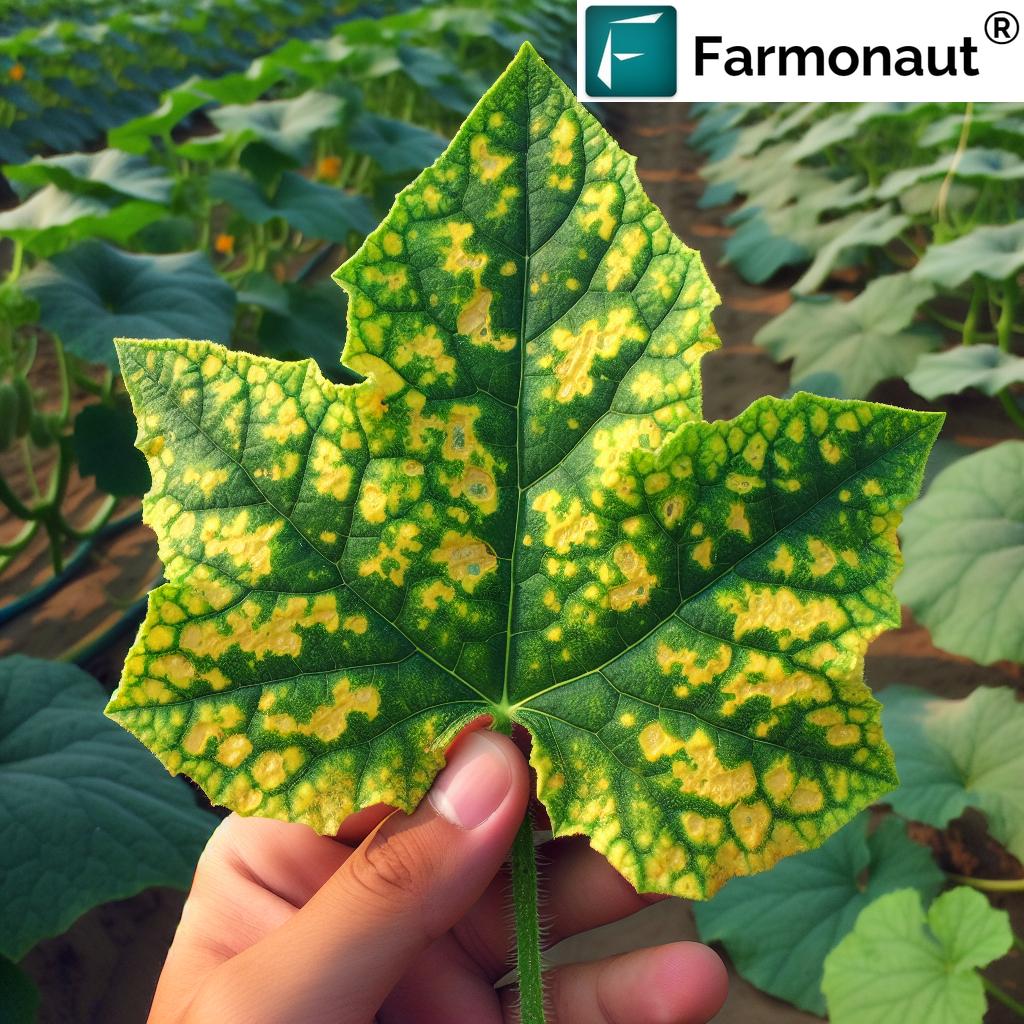
- Use Case: Detect pests early using drone surveillance, plus adopt biological or targeted pesticide applications.
- Benefit: Reduces chemical input, slows pest resistance, and protects beneficial insects.
- Technology: Advanced drone-based monitoring supported by AI analytics to enable precise IPM actions.
-
5. Farm Diversification: Livestock, Renewable Energy, & Circular Economies
- Use Case: Combine arable, livestock, and green energy projects (solar, wind) for multiple revenue streams and reduced risk.
- Benefit: Buffers against market volatility, enhances rural economic resilience, and supports sustainability goals.
- Tool: Management platforms to plan and track all diversified operations from a central dashboard (Farmonaut Fleet Management for resource and vehicle/equipment integration).
-
6. Blockchain-Based Crop Traceability & Food Security
- Use Case: End-to-end supply chain verification for crops and livestock, powering transparent operations and market access.
- Benefit: Builds consumer trust, reduces fraud, enables compliance, and unlocks premium market opportunities (Farmonaut Traceability Solution supports these functions).
-
7. Workforce Development & Knowledge Transfer Platforms
- Use Case: Continuous training for farm managers, field teams, and local farming communities through digital and in-person resources.
- Benefit: Ensures operational excellence, resilience, and adaptability to emerging challenges.
- Technology: Apps and knowledge hubs ensuring every staff member is up-to-date with the latest agronomic research and compliance requirements.

By integrating data analytics, drone surveillance, and real-time satellite insights, Velcourt-managed farms can reduce fertilizer input by 18% and increase yield consistency – leading the way in sustainable agriculture for 2026 and beyond.

Comparative Innovations Impact Table: Velcourt’s 7 Leading Strategies for 2026

Visual List: Top Benefits of Velcourt Innovations
- 🌱 Sustainability: Practices like regenerative agriculture and IPM reduce carbon footprints & boost biodiversity.
- 📈 Yield Consistency: Advanced analytics stabilize output despite climate variability.
- 🚜 Operational Efficiency: Drone and remote sensing slash input wastage, saving both money & time.
- 🔄 Diversification: Livestock, energy, and arable crop integration shields against economic shocks.
- 🔒 Food Security: Blockchain traceability builds trust and opens premium markets.
How Satellite Technology Empowers Modern Farms (Farmonaut’s Perspective)
The integration of satellite, AI, and blockchain-driven solutions with on-ground farm management is driving a new era in agriculture. At Farmonaut, our mission is to democratize access to affordable, real-time satellite insights for businesses, farmers, and governments. Here’s how our advanced technologies support Velcourt-style operations and forward-looking agricultural models:
- 🛰️ Satellite-Based Monitoring: Our platform leverages multispectral images for crop health (NDVI), soil conditions, and resource optimization.
- 🤖 Jeevn AI Advisory System: Real-time insights, customized weather forecasts, and strategic recommendations boost farm management systems.
- 🔗 Blockchain Traceability: We enable transparent product tracking from field to market (Learn More).
- 🚚 Fleet Management: Our resource management tools help optimize logistics and equipment, cutting operational costs for agri-businesses (Explore Fleet Management).
- 🌍 Environmental Impact Tracking: Real-time CO₂ and resource usage insights facilitate compliance and support climate targets (Carbon Footprinting Tool).
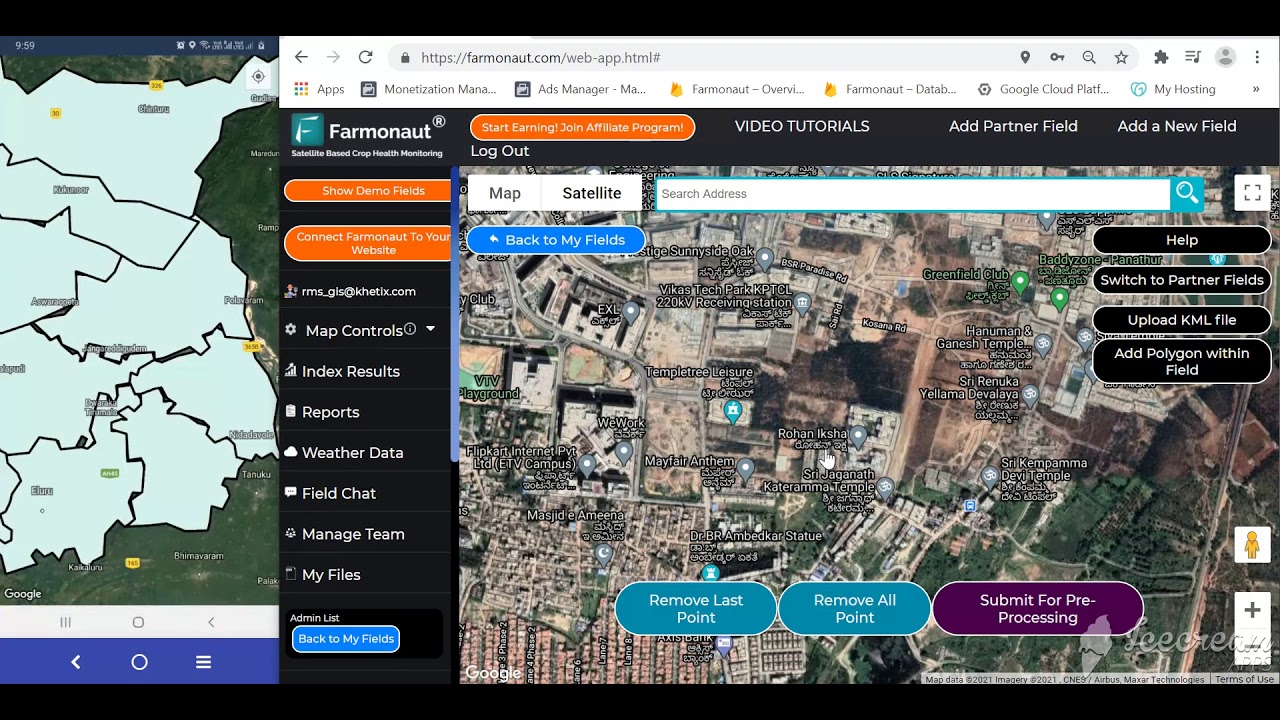
- 📲 Access from Anywhere: Our apps and web systems (Web App,
Android,
iOS) make digital agriculture for all.



Explore our API for seamless integration into your agribusiness tools: Farmonaut API | Developer Docs

For farms scaling up technology use, combining satellite crop monitoring with on-the-ground drone inspections delivers the best results for high-value or at-risk fields. Access large-scale monitoring tools to stay ahead of adverse weather and pest outbreaks.

Over-relying on manual observation and not leveraging precision agriculture data can result in overlooked early pest infestations or missed irrigation savings. Embrace integrated monitoring for optimal productivity and resilience.
Visual List: Steps to a Future-Ready, Sustainable Farm
- 📍 Start with Precision Mapping: Use satellite and drone surveys for a baseline.
- ⚡ Adopt Real-Time Monitoring: Enable alerts for moisture, pest, and weather events.
- 🧮 Integrate Predictive Analytics: Plan inputs weeks in advance for efficiency.
- 🌾 Apply Regenerative Practices: Cover cropping, agroforestry, and reduced tillage.
- 🔄 Track Sustainability Metrics: Monitor carbon, water, and biodiversity impact.
- ✔ Intelligent Monitoring: Satellite + AI ensures precise and cost-effective resource allocation.
- 📊 Data-Backed Planning: Use analytics to anticipate weather risks and market fluctuations.
- 🌎 Sustainable Value: Practicing agroecology and carbon farming earns credits & meets regulatory standards.
- 📈 Yield Security: Real-time alerts allow pre-emptive measures for adverse events.
- 💬 Continuous Learning: Workforce apps and knowledge bases keep teams skilled and adaptive.
The synergy between advanced management models like Velcourt’s and next-gen technology tools is not a luxury—it’s the new standard for farms aiming to overcome the challenges of 2025 and beyond.
Securing Future-Ready Agriculture: Outlook and Remaining Challenges
As we look beyond 2026, Velcourt farming and technology-driven management will play a pivotal role in solving the global food challenge, building farm resilience, and balancing economic growth with environmental stewardship.
- ✔ Global Food Demand: Scalable models help meet rising food requirements with less waste and more transparency.
- ✔ Climate Variability: Predictive and adaptive systems reduce vulnerability to extreme weather and shifting seasons.
- ✔ Workforce Skills: Training platforms ensure rural communities remain adaptive and prosperous.
However, ongoing challenges include:
- ⚠ Regulatory Change: Adapting quickly to new compliance requirements and sustainability targets.
- ⚠ Input Costs: Navigating rising costs of seed, fertilizer, labor, and technology integration.
- ⚠ Access to Technology: Ensuring smaller and marginalized farms benefit from precision technologies.
By leveraging models like Velcourt’s, supported by cutting-edge agritech and real-time data platforms, agriculture can overcome these hurdles and remain a cornerstone for thriving societies worldwide.
Frequently Asked Questions: Velcourt Farming & Innovations for 2026
Q1: What is the core difference between Velcourt farming and traditional farm management?
Velcourt farming brings expert oversight, technology integration, and data-driven decision tools to farm operations—whereas traditional management relies mainly on in-house knowledge and manual processes.
Q2: How do data analytics and AI increase farm sustainability and yields?
By analyzing real-time weather, soil, and crop health data, farms can optimize inputs, predict pest outbreaks, and react faster to adverse events, resulting in higher, more resilient yields and reduced environmental impact.
Q3: Which technologies are necessary for a future-proof farm by 2026?
Precision agriculture tools (NDVI, drones), satellite monitoring platforms, blockchain-based traceability, and integrated decision support systems are essential for compliance, productivity, and sustainability.
Q4: How can smallholders access advanced technology affordably?
Subscription-based platforms such as Farmonaut’s satellite and AI-driven services make it affordable for individual farmers and small agribusinesses to benefit from the latest monitoring and management tools. See our app.
Q5: What is the business case for adopting regenerative agriculture and traceability?
Regenerative practices improve long-term soil health and can unlock green finance or carbon credits. Traceability solutions enhance supply chain value, consumer trust, and access to premium markets. Learn more about carbon footprinting and product traceability.
Start integrating at least one new digital or regenerative practice per season to ensure your farm or agribusiness is future-proofed for 2026 and beyond.
Final Thoughts: Velcourt Farming Innovations Set the UK Standard for 2026
The Velcourt farming model blends technology, sustainability, and expert management to craft farms that are not only higher yielding and more resilient, but also equipped to solve both environmental and food supply challenges facing the UK and global markets in 2026.
With continued innovation and a focus on professional stewardship, Velcourt and its technology providers make future-ready farming an attainable goal for all.