USDA Single Family Housing Guaranteed Loan Guide 2026: Empowering Rural Communities & Sustainable Agriculture
“Over 95% of U.S. land qualifies for 2025 USDA rural housing loans, promoting sustainable community growth.”
Overview of the USDA Single Family Housing Guaranteed Loan Program (2026)
The USDA rural development single family housing guaranteed loan program is designed to be a vital resource for Americans living in rural areas. In 2026 and beyond, it will continue to empower agricultural families, ranchers, and rural residents by making affordable homeownership a reality. This program is distinct among federal offerings because it is administered through private lenders that issue the loans, while the USDA provides the government guarantee to reduce lender risk.
- ✔ Accessible Home Financing: Applicants may purchase or repair eligible rural homes with little to no down payment.
- ✔ Favorable Loan Terms: The government guarantee allows for lower interest rates, competitive loan terms, and minimal upfront costs.
- ✔ Focus on Sustainability: The program emphasizes environmental stewardship and sustainability benefits for communities and the environment.
- ✔ Support for Agricultural Communities: Farmers and ranchers can maintain their household stability near their land, directly impacting economic development and rural vitality.
- ✔ Annual Updates: Both income limits and property eligibility are updated annually, reflecting changing needs and demographics of rural regions across the United States.

The 2025-2026 USDA Single Family Housing Program stands at the intersection of affordable housing, sustainable community development, and agricultural progress. It remains pivotal in bringing reliable housing solutions to rural Americans and is a catalyst for broader economic, environmental, and social sustainability.
Key Insight
As of 2026, the USDA single family housing guaranteed loan program remains one of the only major mortgage programs offering 100% financing to eligible rural households—making it uniquely accessible for farmers and agricultural families with limited savings.
Guaranteed Farm Loans vs. USDA Single Family Housing Guaranteed Loans
While the USDA administers a variety of loan programs supporting rural and agricultural development, it’s crucial to distinguish between guaranteed farm loans and the USDA single family housing program in 2026:
- 🚜 Guaranteed Farm Loans (FSA Guaranteed Loans): Issued by private lenders with a guarantee from the USDA’s Farm Service Agency (FSA). These fund farm land, equipment, livestock, and operational costs.
- 🏡 USDA Single Family Housing Guaranteed Loan Program: Strictly funds purchasing, repairing, or refinancing of single family homes in eligible rural regions.
- 🔄 Complementary Support: Many farming families may utilize both programs—leveraging the FSA guaranteed loan to expand farm operations and the single family housing program to secure affordable housing.
Common Mistake
Many first-time rural borrowers confuse eligibility requirements for guaranteed farm loans and housing loans. Remember: Farm loans are for operational/agricultural investments, while single family housing loans are strictly for personal residential properties.
How the USDA Rural Housing Guarantee Works
The government guarantee is what makes these loans both affordable and accessible. Here’s how:
- Applicant applies through a private lender participating in the USDA program.
- Lender reviews application for both creditworthiness & program eligibility (including income, rural location, and property type).
- If approved, USDA guarantees up to 90% of the loan, reducing lender risk.
- Borrower enjoys favorable rates, terms, and often 0% down payment—making homeownership possible for many moderate-income rural Americans.
Rural Development Loan Income Limits & Property Eligibility
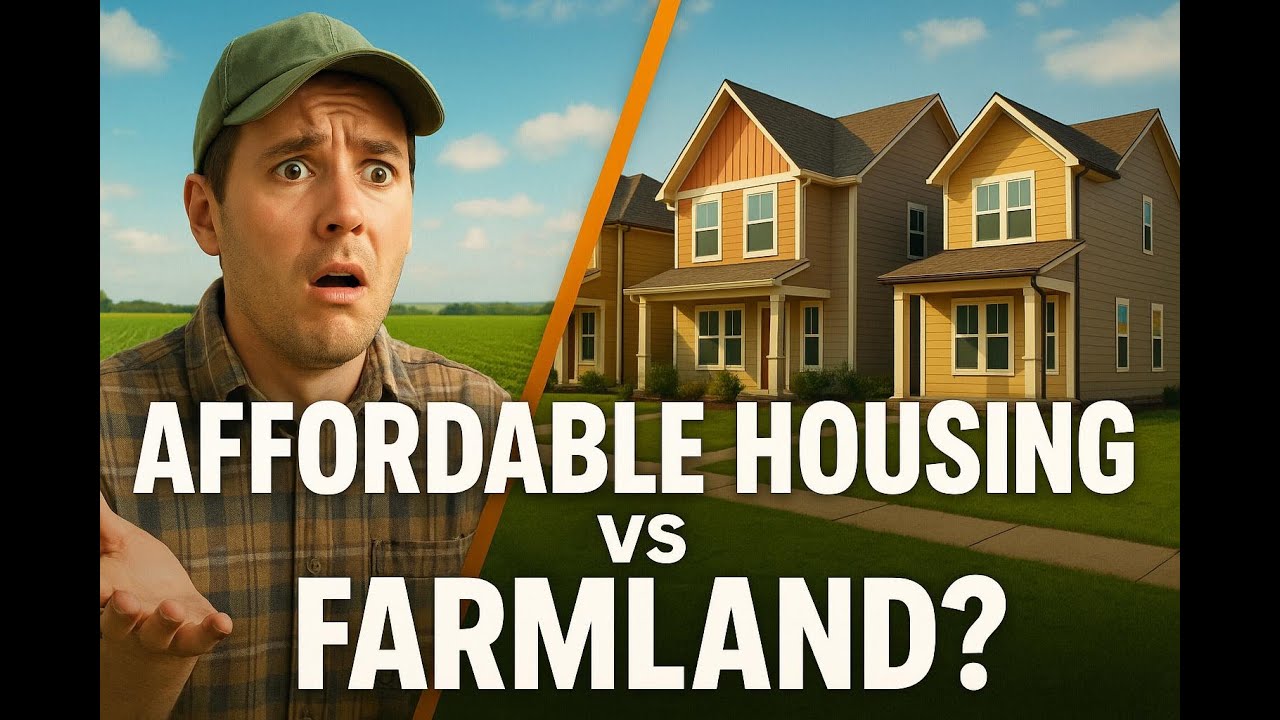
The cornerstone of the USDA rural development single family housing guaranteed loan program is precise eligibility: it ensures the program remains targeted at those who need it most, helping rural families, farmers, and agricultural workers.
Key Eligibility Criteria for 2026:
- 📌 Income Limit (2026): Varies by county and household size; typically, household income cannot exceed 115% of the median income for the area. For example, the estimated national average for a 4-person household in 2026 is ~$119,000/year.
- 📌 Property Location: The home must be located in a USDA-designated rural area. These are mostly small towns, open countryside, or rural neighborhoods with populations under 35,000. Over 95% of the U.S. land area is eligible.
- 📌 Primary Residence: Applicants must intend to occupy the home as their primary residence (second homes and investment properties do not qualify).
- 📌 Credit Score: Most lenders look for a minimum 640 FICO score, though some may approve with compensating factors at lower scores.
- 📌 Debt-to-Income (DTI) Ratio: Typically capped at 41-43%.
- 📌 Property Requirements: Homes must meet local safety and energy standards and be considered decent, safe, and sanitary.
“USDA guaranteed loans supported homeownership for 132,000+ rural families in 2023, fostering environmental sustainability.”
Income Limit Examples (2026):
- 📊 Midwest Rural Counties: ~$107,750 for a family of 4
- 📊 High-Cost Metro-Adjacent Rural Areas: ~$135,400 for a family of 4
- 📊 Special Low-Income Provisions: Families below 80% AMI may qualify for additional interest/payment relief
Investor Note
The USDA’s focus on owner-occupied, single-family homes (not rental or investment properties) encourages long-term community stability and neighborhood investment—a key component in rural economic growth.
Property & Regional Eligibility: Mapping Rural America
- ✔ What is Rural? The USDA generally defines rural as areas with a population under 35,000 that are not part of a Metropolitan Statistical Area (MSA).
- ✔ How to Check? The USDA provides an interactive property eligibility map. Many counties in regions such as the Midwest, Southeast, Southwest, and mountain states qualify.
Pro Tip
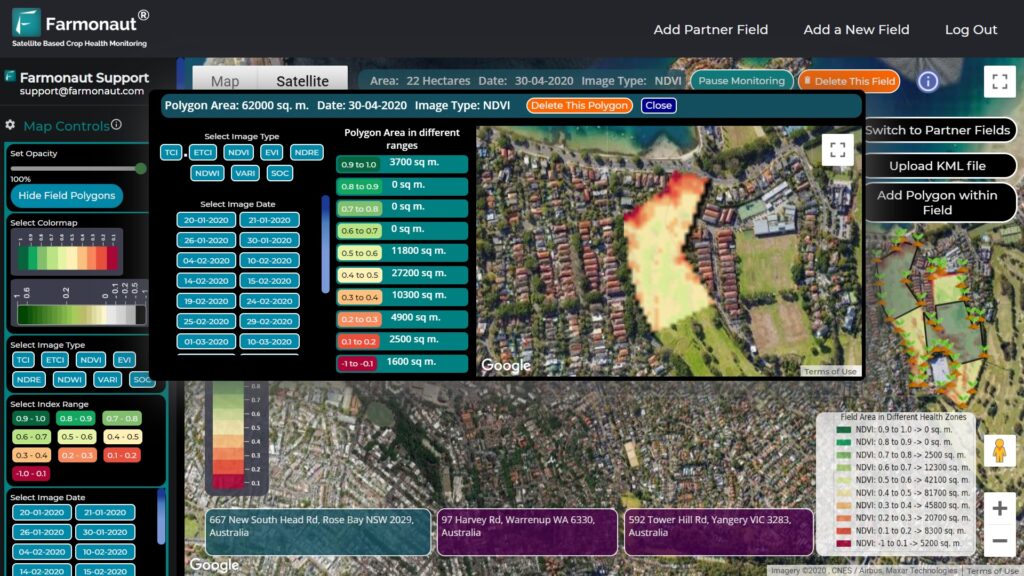
- Use advanced tools like Farmonaut’s large scale farm management platform to visualize and manage parcels that span both residential and agricultural areas, ensuring eligible land use compliance for USDA programs.
Notable 2026 Enhancements & Updates
- 📌 Greener Building Standards: New homes may need to meet enhanced energy efficiency codes, reducing utility costs and environmental impact.
- 📌 Climate-Resilient Features: USDA encourages homes with solar, advanced insulation, and water conservation technologies.

Eligibility & Program Benefits Comparison Table (2026)
| Eligibility Factor | 2026 Estimated Value/Criteria | Sustainability Impact |
|---|---|---|
| Household Income Limit | ~$119,000/year (4-person, varies by county) | Ensures support targets moderate/lower income families, encouraging equitable development |
| Property Location Type | Rural areas (population < 35,000) | Reduces urban sprawl, supports rural revitalization and land stewardship |
| Credit Score Requirement | Minimum 640 FICO (typical) | Promotes financial stability, responsible borrowing |
| Maximum Loan Amount | No universal cap; limited by borrower’s repayment ability and area market value | Flexible financing for various rural regions; enables energy efficient upgrades |
| Eligible Property Types | Single family, owner-occupied homes only | Promotes long-term stewardship & stable, invested communities |
| Environmental Features | Energy efficient construction, renewable systems, water-saving requirements (incentives in 2026) | Lowers carbon footprint per home; encourages climate adaptation in rural regions |
Data Insight
By 2026, more than 95% of American rural counties remain eligible for the USDA program—a vast opportunity for both homebuyers and the sustainability sector.
Significance: The Program’s Vital Role in 2026 Agricultural & Rural Development
The challenge of reliable, affordable rural housing is deeply tied to agricultural security and sustainable development. In 2026, as the landscape of rural America evolves—facing labor shortages, price volatility, and climate impacts—the USDA rural development single family housing guaranteed loan program remains the anchor for stabilizing rural communities and farm families.
- 🌱 Empowering Farmers: With guaranteed access to safe, decent homes, agricultural workers can stay invested in their land—reducing migration to cities.
- 🌿 Strengthening Community Fabric: Homeownership builds local roots, increases school and civic participation, and supports broader economic development.
- 🌍 Supporting Sustainability: Incentivizing energy-efficient building and environmental resilience aligns with the USDA’s sustainability initiatives for 2026 and beyond.
- 🚜 Link to Farm Prosperity: Secure housing helps farmers and ranchers weather volatile markets, labor costs, and environmental regulations, ensuring that productive land remains in agricultural use.
Sustainability Focus
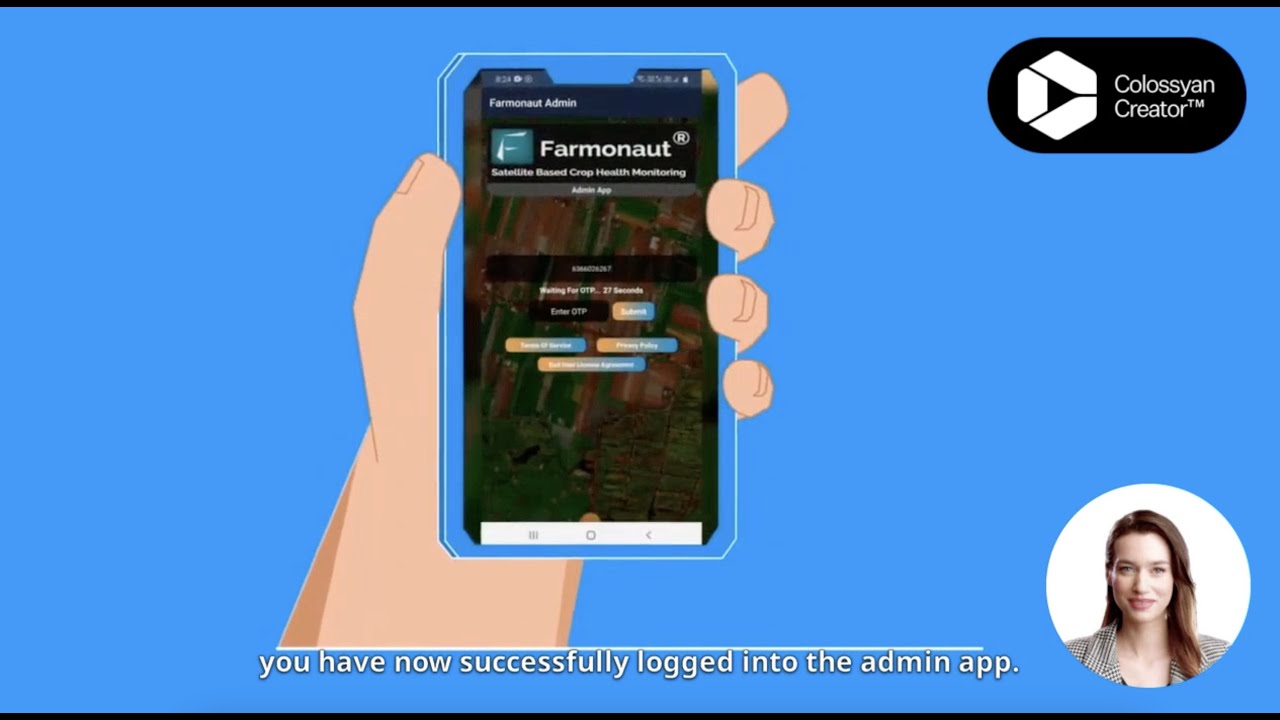
The USDA’s updated program criteria (energy efficiency, carbon footprint monitoring, resource traceability) align with global climate resilience goals for 2026 and beyond. To assess and improve environmental impacts, consider leveraging Farmonaut’s advanced carbon footprint monitoring for site-specific data and regulatory compliance.

2026: Trends Driving USDA Housing Programs
- ⚡ Climate Adaptation: Resilient, weatherproof homes are vital as climate events become more frequent.
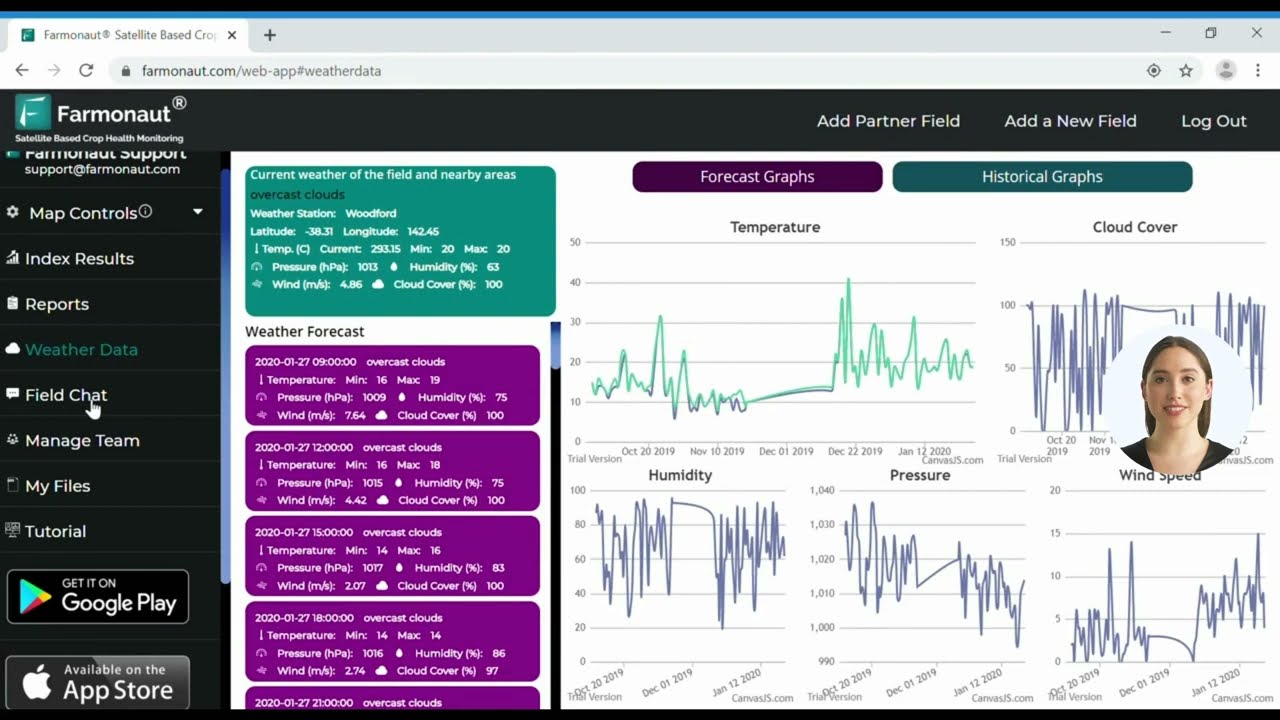
- ⚡ Digital Land Management: Satellite and IoT technology (like Farmonaut’s resource and fleet management) streamline farm and property oversight for USDA loan recipients.
- ⚡ Green Financing: USDA incentivizes use of renewable energy, water conservation, and smart home technology, furthering environmental and economic sustainability.
- Benefit: Enhanced community retention and long-term rural prosperity
- Data Insight: 100,000+ rural loans forecasted for 2026, supporting robust rural housing stock
- Risk: Property must meet strict safety & environmental requirements; non-qualifying homes are ineligible
- Limitation: No funding for investment or commercial properties; strictly for primary residence
- Check: Use the traceability toolkit for documentation and compliance when applying for USDA-backed loans
- Annual income limits are indexed to keep the program relevant and accessible
- Over 95% of U.S. territory remains eligible for the housing guarantee in 2026
- Environmental upgrades and new building standards are encouraged via incentives
- Satellite-based documentation (e.g., via Farmonaut) streamlines compliance and verification
- Loans are available through private lenders, not the USDA directly
Sustainability & Environmental Impact of the Program
The USDA rural development single family housing guaranteed loan program is deeply intertwined with environmental stewardship on both the family and community scale:
- 🏠 Green Housing Standards: Homes must now meet stricter energy codes (carbon monitoring can support ongoing compliance).
- 🌳 Rural Preservation: Limiting sprawl and incentivizing owner-occupancy helps keep farmland in agricultural (not speculative) use.
- ♻️ Renewable Incentives: New in 2026—solar, heat pump, and water management add-ons for qualifying properties.
- 🌱 Promoting Resilience: Preference for climate-adapted, weather-resistant building in disaster-prone regions.
Risk or Limitation
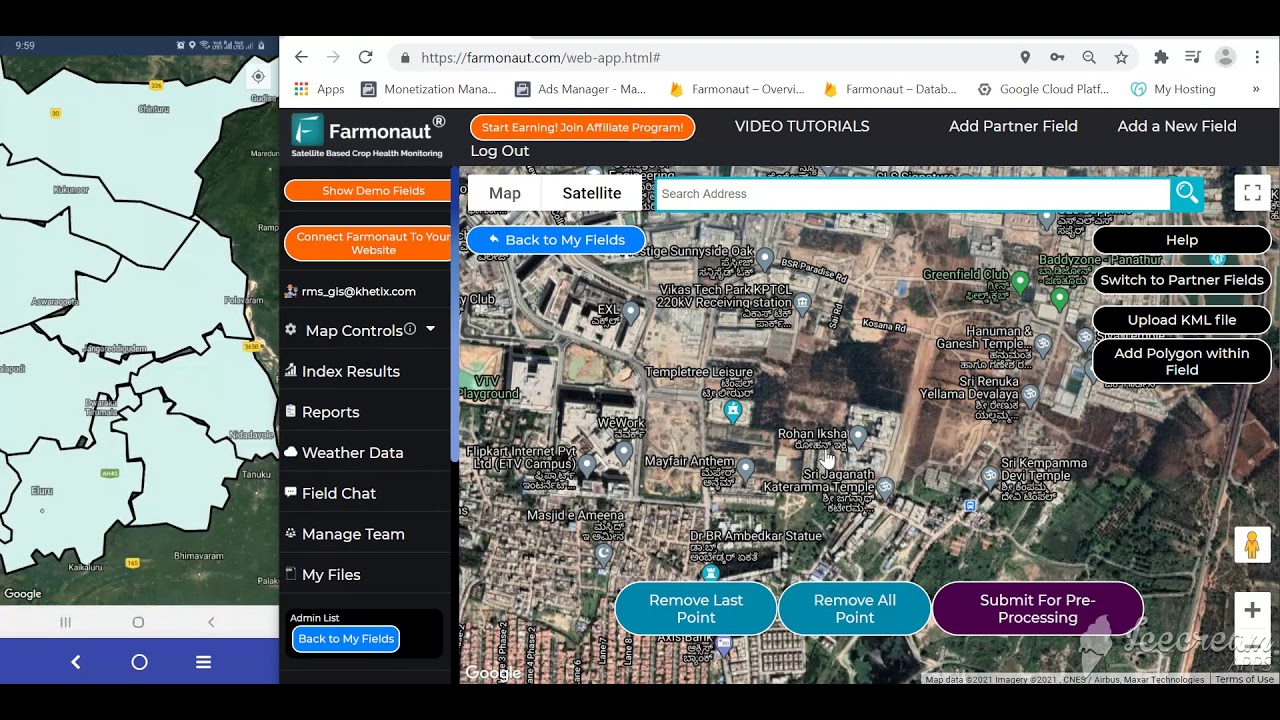
While the USDA program supports renovations, it will not fund homes located in urban/suburban areas outside designated rural zones. Carefully verify your address eligibility using the USDA’s online maps and geospatial tools.
- Enhanced insulation & building envelope required for new homes
- Renewable energy provisions encouraged for lower lifetime operation costs
- Water conservation standards increasingly mandated
- Remote monitoring tech (see Farmonaut) improves land and infrastructure oversight
- Transparency via traceability ensures responsible use of resources
Farmonaut: Satellite Technology Supporting Sustainable Rural Development
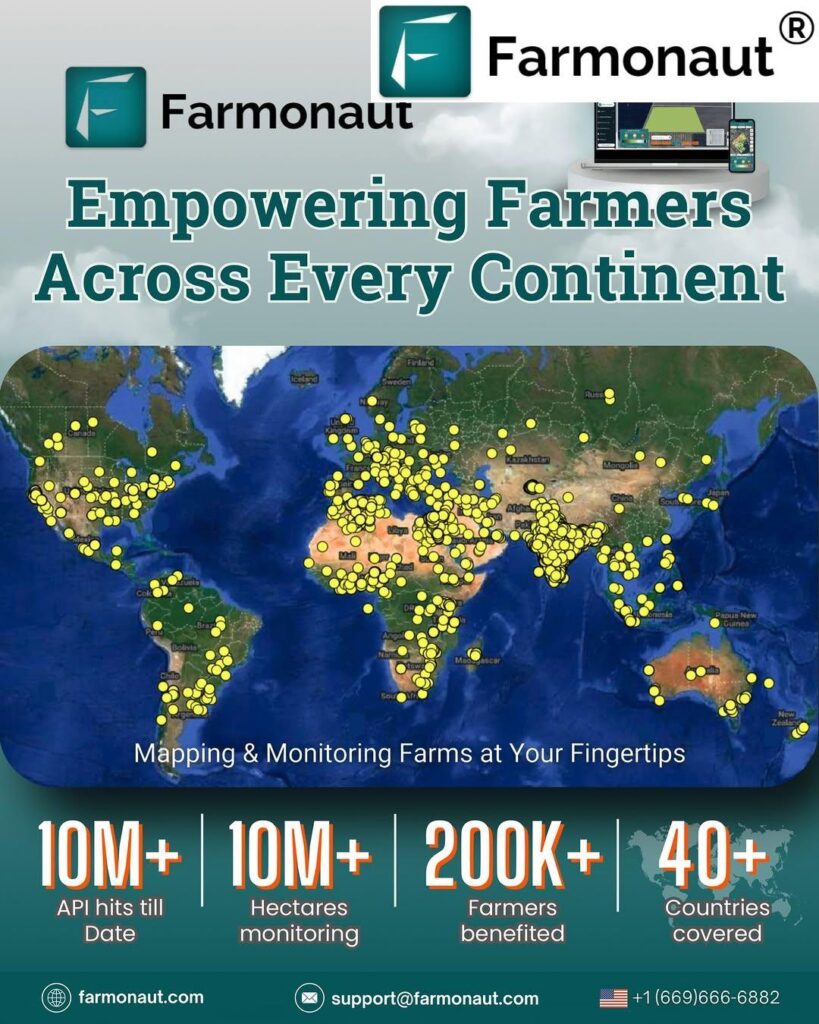
At Farmonaut, we’re dedicated to making satellite-driven insights affordable and accessible for agriculture and related rural industries. Our solutions empower farmers, agricultural businesses, and community planners to monitor, manage, and optimize resources—from crop health and environmental impact to traceability and regulatory compliance.
How do Farmonaut solutions benefit users of USDA guaranteed housing and farm loan programs?
- Satellite-Based Monitoring: Real-time vegetation, crop yield, and soil health data to inform decisions for both family-owned farms and rural households.
- Jeevn AI Advisory System: Tailored strategy, weather, and risk forecasts—essential for farmers expanding with FSA guaranteed loan support.
- Blockchain-Based Traceability: Traceability solutions ensure environmental claims and USDA loan documentation are verifiable and secure.
- Fleet and Resource Management: Monitor equipment, vehicles, and land usage with Farmonaut’s fleet management tools—minimizing costs and maximizing productivity.
- Environmental Impact Monitoring: Quantify your farm or property’s carbon footprint for regulatory compliance or USDA grant applications.



API Access: Integrate advanced satellite, weather, and crop insights into your applications with our Farmonaut API. For developers: see our API docs for full integration support.
Farmonaut Subscriptions
Affordable, scalable plans make our satellite tools available to everyone in agriculture, infrastructure, and rural land management.
Frequently Asked Questions (FAQ): USDA Single Family Housing Guaranteed Loan Guide 2026
- Q1: What is the difference between USDA direct and guaranteed loans?
- A direct loan is made directly by the USDA to a low-income borrower, often subject to more restrictive income limits. A guaranteed loan is made by a private lender but backed by a USDA guarantee, which allows broader eligibility and less government paperwork.
- Q2: Who can use the USDA single family housing program in 2026?
- Any U.S. citizen or legal permanent resident buying a primary residence in a designated rural area, who meets income, credit, and property criteria.
- Q3: Are there any down payment or mortgage insurance requirements?
- No down payment is required. However, borrowers pay an up-front 1% guarantee fee and an annual fee (typically less than private mortgage insurance) included in monthly payments.
- Q4: What types of homes are eligible?
- Only single family, owner-occupied primary residences in USDA-designated rural areas.
Condos, manufactured homes, and new construction are eligible if they meet safety and energy codes. - Q5: Can I use USDA loans with other agricultural or sustainability programs?
- Yes. Many farmers simultaneously use the FSA guaranteed loan for operational expenses and the housing loan for their home. Additionally, sustainability upgrades (solar, insulation) may qualify for local/state incentives.
- Q6: How do I check my rural address for eligibility?
- Visit the USDA property eligibility website and enter your address, or leverage geospatial tools like Farmonaut for mapping and compliance verification.
- Q7: What is Farmonaut & how does it support agricultural housing and operations?
- Farmonaut is a technology platform providing AI-based satellite monitoring, resource management, and blockchain-based traceability for agriculture, mining, and rural infrastructure, empowering users to optimize productivity and regulatory compliance—especially valuable for USDA loan recipients.
Conclusion: USDA Single Family Housing Guaranteed Loan Program—Building Resilience & Sustainability in 2026
The USDA rural development single family housing guaranteed loan program in 2026 continues to empower rural communities and agriculture-based families. By pairing affordable, accessible financing with modern sustainability standards and advanced technological support (such as that provided by Farmonaut), rural America is better equipped to thrive.
Homeownership remains a cornerstone of rural stability, economic growth, and environmental stewardship. The program’s updates—embracing energy efficiency, climate resilience, digital documentation, and community investment—ensure that it will remain a vital resource for generations to come.
For those engaged in farming or rural development, leveraging this guide—and the latest in satellite-driven technology like Farmonaut—ensures that the path to homeownership is not just accessible, but sustainable and future-ready.
For more on optimizing your rural operations or verifying environmental & land data for USDA loans, visit our Farmonaut platform today.