UAV & IoT Applications in Agriculture: Top 7 for 2026
“By 2026, over 75% of large farms worldwide are projected to adopt UAV or IoT systems for operations.”
“The global market for agricultural UAVs is expected to surpass $4.5 billion in value by 2026.”
Table of Contents
- Introduction
- The Paradigm Shift: UAV & IoT Integration in Agriculture
- Top 7 UAV & IoT Applications in Agriculture for 2026
- Comparison Table of Top Applications
- Key Benefits & Impacts
- Farmonaut’s Role in Smart Agriculture
- Implementing UAV & IoT at Scale: Challenges & Future Prospects (2026+)
- Frequently Asked Questions
- Conclusion
Introduction
In recent years, the landscape of agriculture has been fundamentally reshaped by the integration of UAV applications in agriculture and IoT agriculture applications. Precision farming is no longer a futuristic concept, but a present-day necessity, driven by the urgent need to optimize yield, reduce costs, and enable sustainable, data-driven farming. As we move toward 2026 and beyond, these advanced technologies are becoming indispensable tools that help farmers meet rising global food demand.

Access Satellite-Powered Insights for Smart Agriculture on Web App
The Paradigm Shift: UAV & IoT Integration in Agriculture
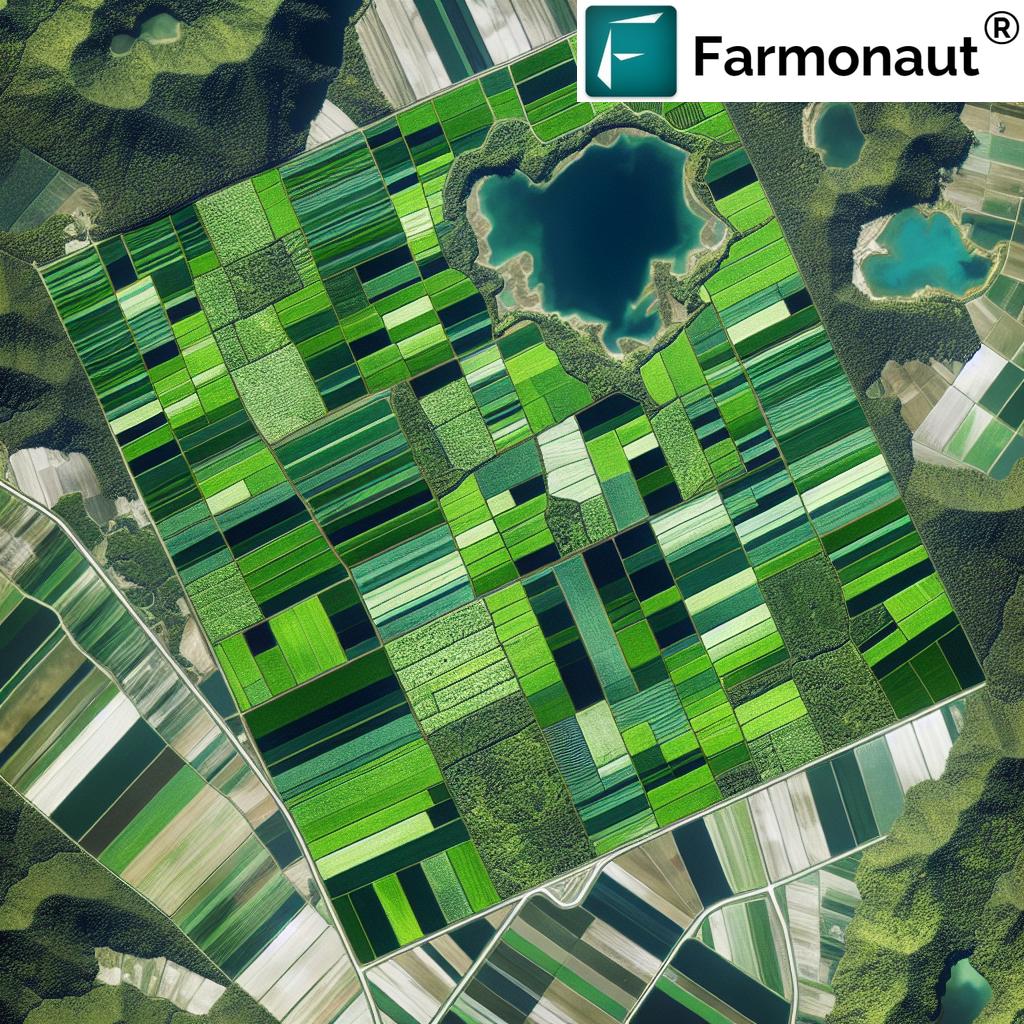
UAVs—Unmanned Aerial Vehicles (frequently referred to as drones)—have transformed traditional practices by providing a unique, top-down bird’s-eye view of vast farmlands. Coupled with ground-based Internet of Things (IoT) sensors, these technologies facilitate a new era of precision farming where resource optimization, sustainability, and profitability are no longer mutually exclusive.
The integration of UAVs and IoT devices has revolutionized agricultural practices, enabling farmers to monitor fields in real time, accurately detect pest infestations, and dynamically manage irrigation—all reducing waste and boosting yield.
What Are UAV Applications in Agriculture?
UAVs leverage multispectral, hyperspectral, and thermal cameras to capture data about plant health, soil moisture, nutrient deficiencies, and pest infestations. Their primary applications include:
- ✔ Aerial surveys for mapping and monitoring large, fragmented farms
- ✔ Targeted spraying of fertilizers and pesticides to reduce chemical usage and costs
- ✔ Yield estimation and disease identification at an early stage
- ✔ Crop health monitoring using NDVI and vegetation indices
- ✔ Efficient planting via precision field mapping

What Are IoT Agriculture Applications?
The Internet of Things (IoT) in agriculture refers to a network of distributed sensors, devices, and cloud-based analytics platforms that monitor crop and field parameters—from soil moisture, temperature, and humidity to nutrient levels, sunlight, water usage, and more.
When IoT applications agriculture connect directly with UAVs, we achieve intelligent, closed feedback loops that empower farmers to act proactively instead of reactively.
- ✔ Continuous monitoring of field conditions
- ✔ Automated alerts for irrigation, pest, and nutrient management
- ✔ Data collection for big data analytics and AI-based forecasting
- ✔ Integration with smart irrigation and fertilization systems

The Synergy: Integrating UAVs with IoT Agriculture Applications
The real magic happens when UAVs and IoT platforms work together—for example, sensors detecting low moisture in certain soil zones can trigger a UAV to conduct a specialized aerial survey or precisely apply targeted fertilizers and pesticides. This integration leads to smarter, scalable, and highly efficient farm management—the core of precision agriculture.
Integrate UAV imagery with soil and weather IoT data for maximum accuracy in identifying crop stress early—optimizing interventions and reducing input costs.
Top 7 UAV & IoT Applications in Agriculture for 2026
Let’s dive into the seven most powerful and emerging UAV applications in agriculture and IoT agriculture applications that will define smart agriculture in 2026 and beyond. These top applications maximize yield, efficiency, sustainability, and lead the way to environmental stewardship.
-
Variable Rate Application (VRA) of Fertilizers & Pesticides
Precision VRA uses UAV imagery and IoT soil/sensor data to apply fertilizers, pesticides, and water only where needed—reducing chemical usage, cutting costs, and preventing environmental contamination.
- 📈 Yield optimization by targeting nutrient-deficient or pest-affected zones
- ⚡ Reduced input costs by minimizing unnecessary applications
- 🌱 Sustainability by decreasing overall chemical usage

-
Crop Health Monitoring with UAVs & Sensors
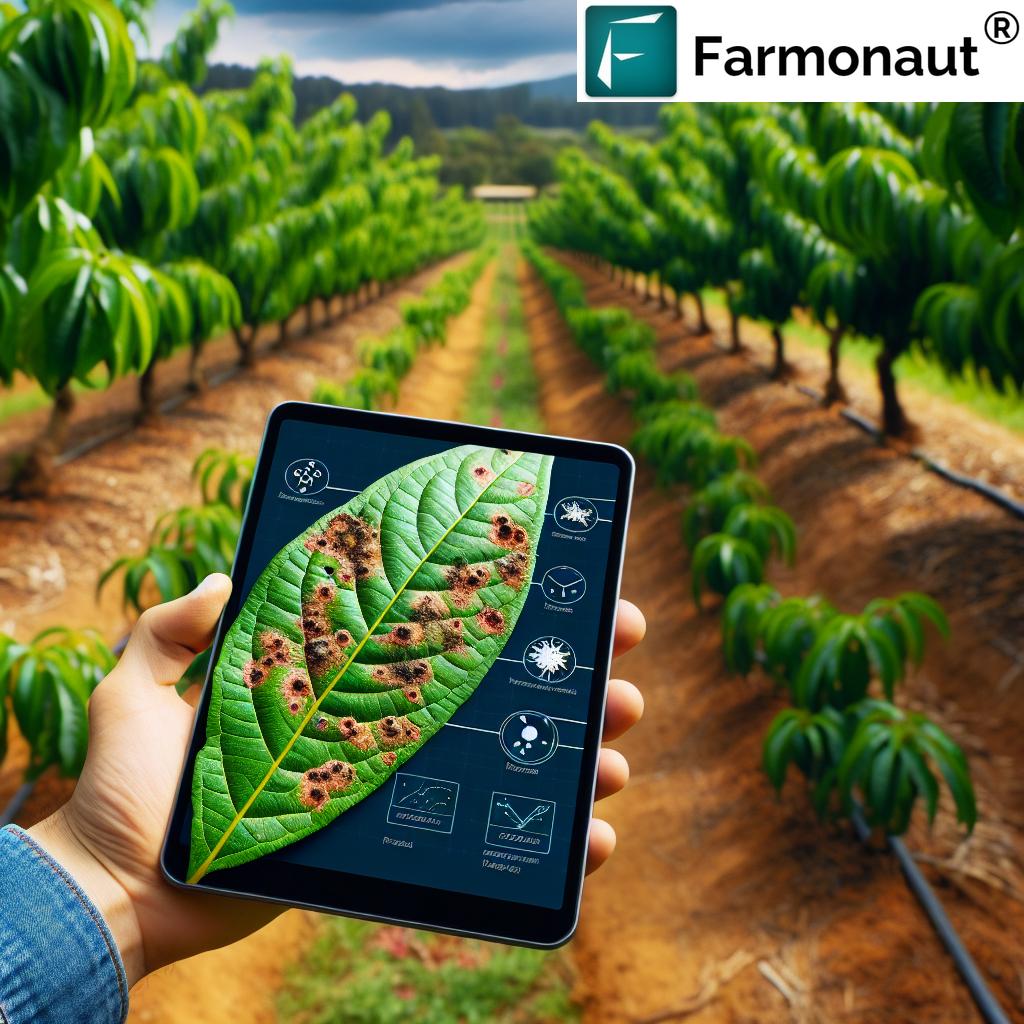
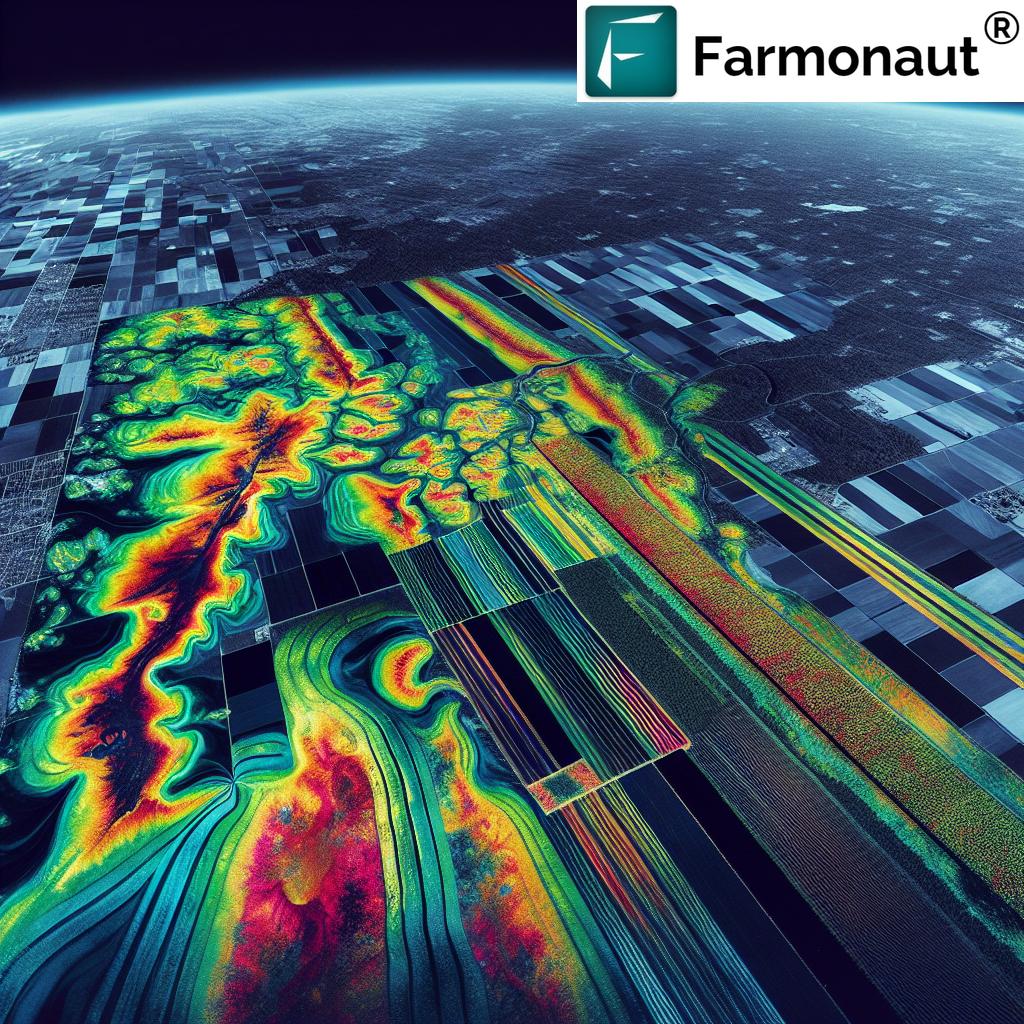
Multispectral UAVs and IoT sensors generate detailed NDVI maps, thermal data, and real-time analytics—enabling early detection of diseases, pests, and water stress across vast farmlands.
- 📊 Analytics-backed decisions for disease and pest control
- 🔬 Accuracy in identifying subtle health variations
- 🏆 Resource efficiency by acting early and minimizing losses

-
Precision Irrigation Management
Soil moisture sensors and UAV surveys identify exact water needs per zone—reducing water usage, optimizing plant growth, and supporting drought resilience.
- 💧 Water savings via targeted irrigation
- 📉 Reduced pumping costs and energy consumption
- 🌍 Environmental protection by limiting runoff
-
Automated Field Mapping & Planting
Advanced UAVs create high-resolution maps for efficient field division, planting schemes, and yield estimation—boosting planning accuracy and operational efficiency.
- 🗺 Efficient resource allocation during planting and harvesting
- 🤖 Potential for autonomous tractors and robotics
Discover our Large-scale Farm Management Solutions for digitized field intelligence →
-
Supply Chain Traceability Using Blockchain & IoT Sensors
Blockchain-backed traceability ensures transparency and integrity in commodity supply chains, enhanced by real-time IoT tracking during harvest, post-harvest handling, and logistics.
- 🔗 Verification of crop origin and journey
- ✅ Compliance with certification and food safety requirements
- 💡 Fraud reduction in crop trading and insurance claims
-
Predictive Yield Estimation & Market Supply Planning
Leveraging big data analytics from both UAV aerial imagery and IoT soil/crop data, machine learning platforms can forecast yield outcomes—benefiting both farmers and agribusinesses with smarter market timing and logistics.
- 📅 Proactive adjustments in harvesting and distribution
- 📤 Market aligned supply to maximize profits and reduce waste
Integrate our Yield Analytics API for next-gen crop planning |
Developer Docs -
Fleet, Loan & Resource Management (AI + UAV + IoT Ecosystem)
Fleet management solutions—powered by satellite, UAV, and IoT data—help farmers optimize machinery and logistics, reduce downtime, and facilitate easy access to crop loans and insurance with data-backed verification.
- 🚜 Real-time monitoring for site-based planning
- 🔍 Verification for Loan & Insurance eligibility and faster payout
- ⛽ Lower operational costs through optimized resource allocation

🎯 Visual List: Top 5 Benefits of UAV & IoT Integration
- 🌿 Yield Maximization: Targeted interventions drive healthy plant growth and boost total production.
- 💸 Cost Reduction: Data-driven input use minimizes waste and cuts operational costs.
- 🛡️ Risk Management: Early alerts for disease, moisture stress, and pest outbreaks reduce economic losses.
- 🌏 Sustainability: Lowers chemical, water, and energy footprints for regenerative farming.
- 📈 Market Agility: Forecasting tools help align harvest timing and supply with market demand.
Focusing on raw UAV or sensor data without integrating both sources leads to gaps in decision-making. Always combine aerial and ground data for holistic field intelligence.

Comparison Table of Top 7 UAV & IoT Applications in Agriculture for 2026
| Application Name | Technology Type | Primary Benefit | Est. Yield Improvement (%) |
Est. Cost Reduction (%) |
Sustainability Impact | Example Crops |
|---|---|---|---|---|---|---|
| Variable Rate Application | Both | Yield Optimization | 10–22% | 17–35% | High | Corn, Wheat, Rice |
| Crop Health Monitoring | Both | Early Disease & Pest Detection | 7–15% | 10–20% | High | Soybean, Cotton, Sugarcane |
| Precision Irrigation | Both | Water Optimization | 8–18% | 15–32% | High | Potato, Tomato, Grapes |
| Automated Field Mapping & Planting | UAV | Operational Efficiency | 5–12% | 7–14% | Medium | Barley, Maize, Sunflower |
| Supply Chain Traceability | IoT | Transparency & Fraud Reduction | – | 6–11% | High | Coffee, Rice, Cotton |
| Predictive Yield Estimation | Both | Forecasting & Planning | 6–14% | 8–19% | High | Canola, Corn, Wheat |
| Fleet, Loan, & Resource Management | Both | Cost & Logistics Efficiency | 5–10% | 11–25% | Medium | All Field Crops |
The fusion of UAV, IoT, and blockchain in agriculture is projected to drive market growth, raise productivity, and deliver resource savings for stakeholders worldwide. AgriTech investment is rising fast—especially in emerging markets!
Key Benefits & Impacts: Optimizing Resources, Yield & Sustainability
The integration of UAV applications in agriculture and IoT agriculture applications delivers a host of quantitative and qualitative benefits for farmers, agribusiness professionals, and the global food system. Here’s how:
- ✔ Optimized Inputs: Reduces fertilizer, pesticide, and water usage by up to 35%, cutting costs and minimizing environmental contamination.
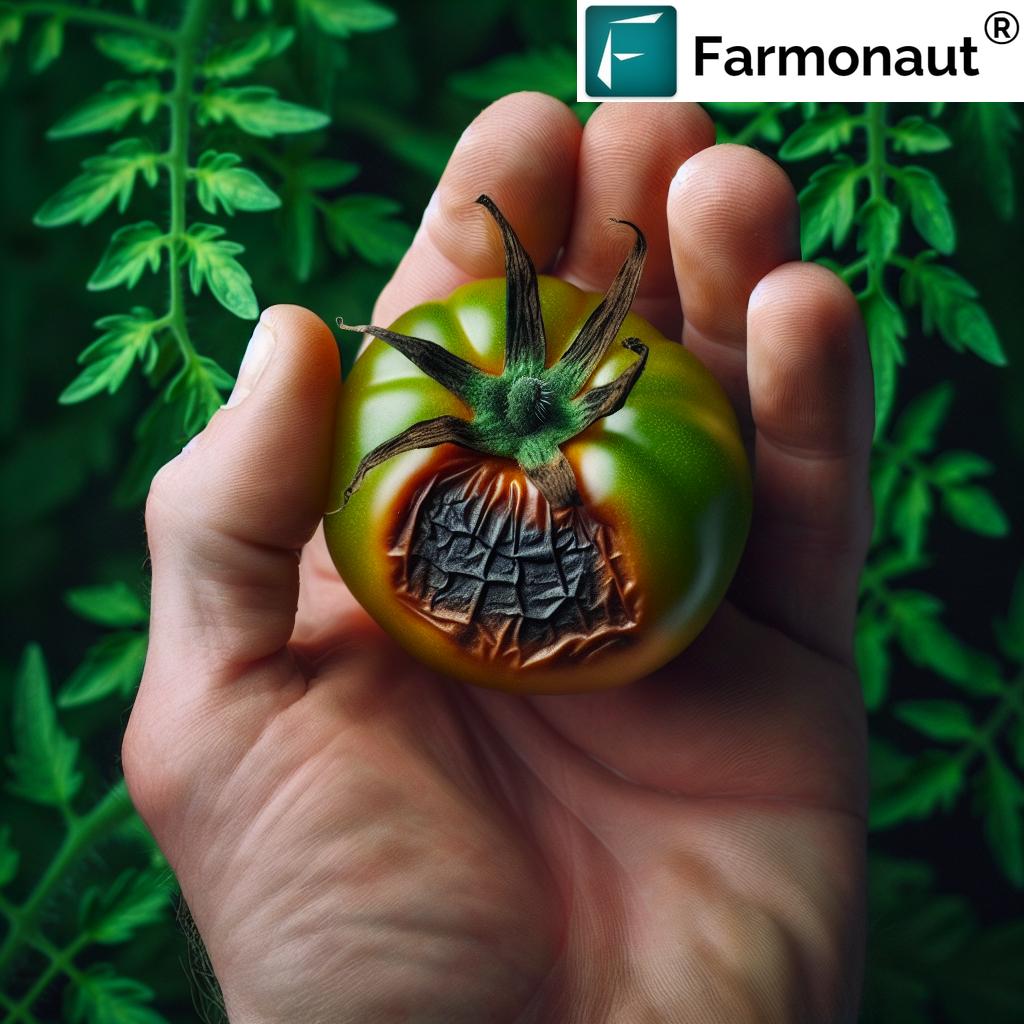
- ✔ Early Intervention: Early detection of pest and disease outbreaks with UAV/IoT synergy helps decrease yield losses and ensures food security.
- ✔ Yield Uplift: Data-backed management strategies can improve yields across key crops by 7–22%, as shown in the comparison table.
- ✔ Sustainability: Lower chemical and resource usage nurtures soil health, conserves water, reduces emissions, and supports regenerative agriculture.
- ✔ Traceability & Trust: Blockchain and sensor-driven supply chain visibility build transparency, ensure certification, and combat fraud in global agriculture trade networks.
🍇 Visual List: Suitable Crops for UAV & IoT Applications
- 🌽 Corn, Maize & Wheat: All seven applications highly relevant
- 🌾 Rice & Barley: Especially benefit from VRA & disease monitoring
- 🥔 Potato & Tomato: Water and nutrient optimization is crucial
- 🧑🌾 Sunflower, Canola, Soybean: Yield forecasting and traceability add value
- 🌱 Sugarcane & Cotton: Precision pesticide management and mapping are key
Yield improvement and sustainability are now accessible for smallholders—not just large farms—thanks to satellite, UAV, and IoT solutions that are getting more affordable every year.
Farmonaut’s Role in Smart Agriculture Management
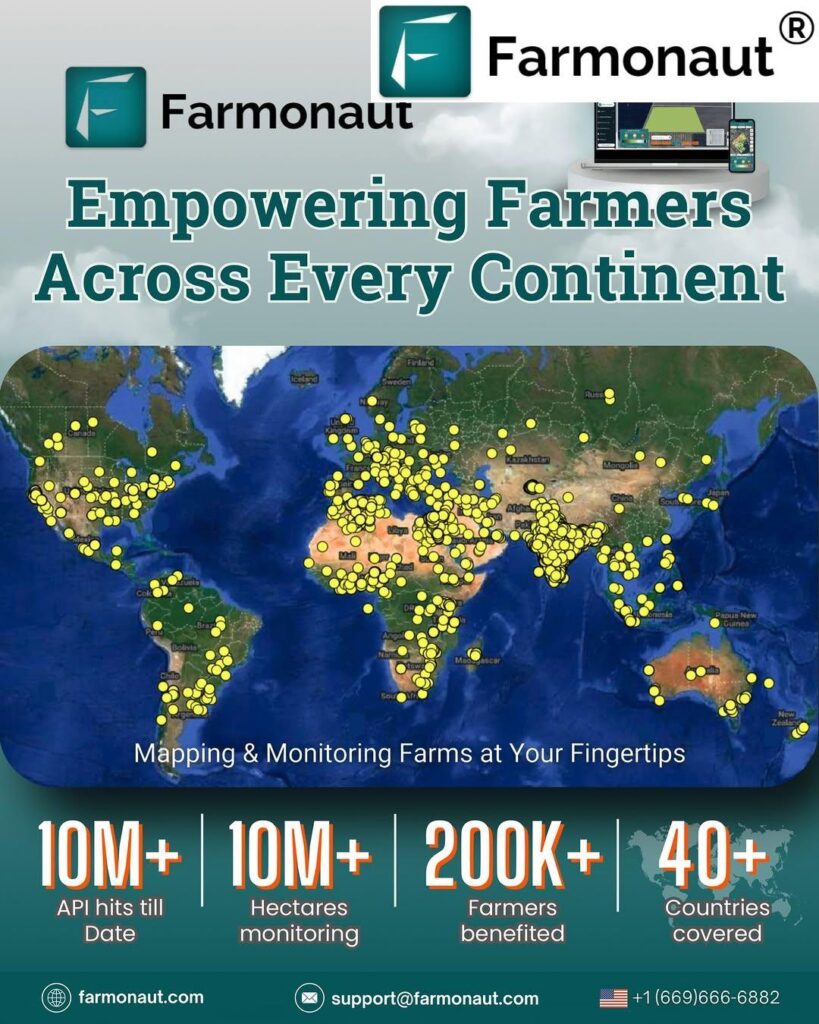
At Farmonaut, our mission is to make satellite-driven insights affordable and accessible to farmers, businesses, and governments globally.
We empower the agriculture sector by integrating advanced technologies such as AI, blockchain, and real-time satellite analytics into everyday decision-making, enabling efficient resource management, yield maximization, and regulatory compliance.
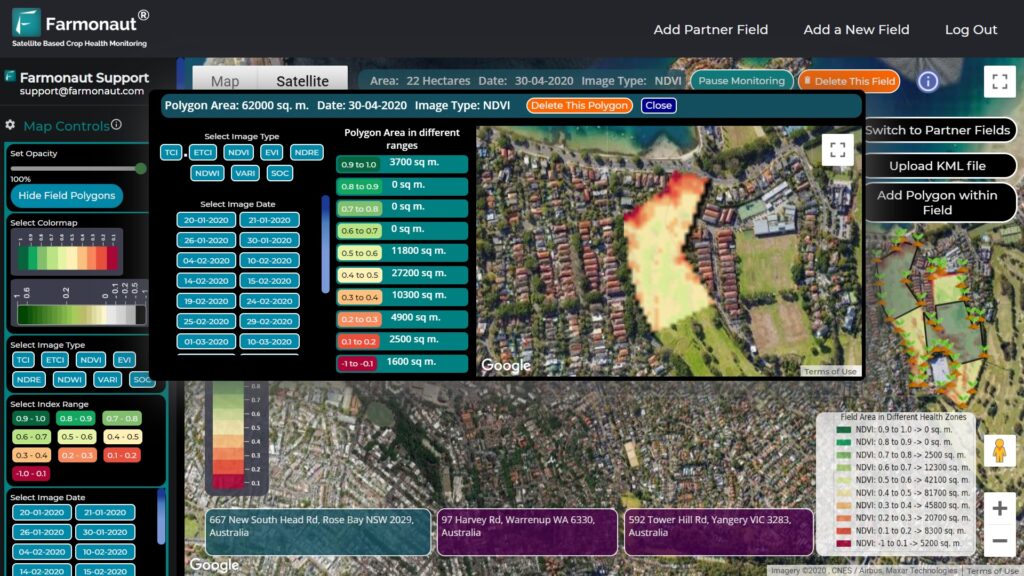
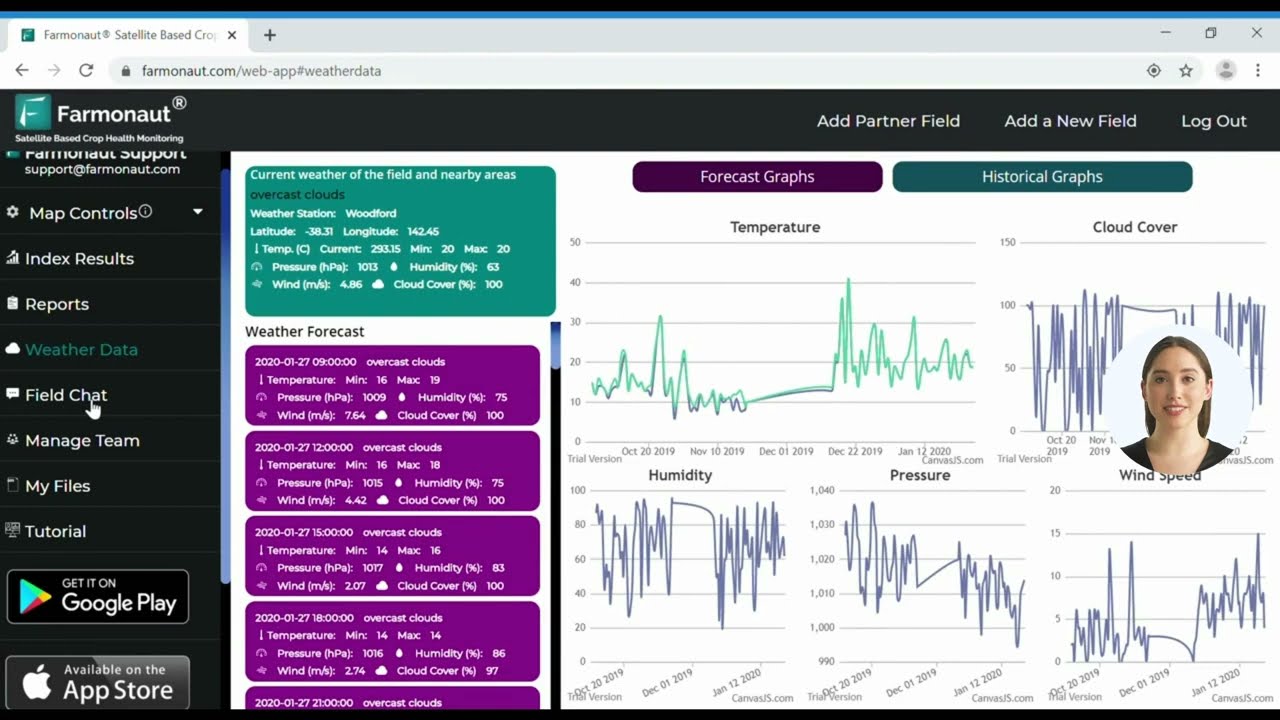
- ✔ Satellite-Based Monitoring: Get real-time data on vegetation health (NDVI), soil conditions, and crop stress—accessible via our web and mobile apps.
- ✔ AI-Powered Advisory: Our Jeevn AI delivers intelligent recommendations for maximizing farm productivity based on multispectral and weather data.
- ✔ Blockchain Traceability: Ensure food supply transparency with tamper-proof product history through blockchain integration.
- ✔ Environmental Impact Measurement: Track your farm’s carbon footprint and promote eco-friendly, regenerative agriculture.
- ✔ Resource & Fleet Management: Optimize machinery and fleet operations with satellite-driven oversight.

- Affordable Satellite Data available on-demand—all you need is a smartphone or computer
- Scalable solutions for small farmers to large agricultural businesses
- Transparent, data-driven decision-making with AI and blockchain support
Implementing UAV & IoT at Scale: Challenges & 2026+ Future Outlook
While the potential of UAVs and IoT in agriculture is undeniable, there are challenges ahead as adoption accelerates in 2026 and beyond:
- ⚠ High Initial Investment: UAV hardware, sensors, and connectivity infrastructure can be costly upfront, though costs are rapidly declining.
- ⚠ Complex Data Management: Big data from multiple sources (UAV, satellite, IoT sensors) requires robust cloud storage, analytics, and integration to deliver actionable insights.
- ⚠ Regulatory Restrictions: Local and national regulations on drone flights must be carefully managed and complied with.
- ⚠ Training & Digital Literacy: Users need clear, intuitive interfaces and educational support to maximize ROI from new systems.
- ⚠ Connectivity in Remote Areas: 5G, edge computing, and low-power IoT devices are improving rural accessibility, but some regions remain underserved.
The next stage is deeper integration: edge AI, robotics, and autonomous vehicles will soon collaborate with UAVs and IoT sensors, delivering real-time, zero-latency operational intelligence for smart farms.
Access Satellite Crop Monitoring on iOS
Frequently Asked Questions (FAQ)
1. What is the core value of integrating UAV applications in agriculture with IoT agriculture applications?
The integration of UAVs and IoT sensors enables real-time, comprehensive monitoring of crops and soil. This leads to greater precision, optimized resource usage, early issue detection, reduced environmental impact, and increased yield.
2. Are these technologies suitable for smallholder farmers?
Yes, with falling costs and cloud-based platforms, UAV and IoT agriculture applications are becoming increasingly accessible—even to small farms. Satellite-based solutions, like those available in Farmonaut’s platform, often eliminate the need for hardware investment.
3. What are the main limitations of these systems?
Limitations can include initial investment, data overload if tools aren’t integrated, local regulatory restrictions on drone use, and digital adoption hurdles in rural settings.
4. How will future advancements (2026+) improve current UAV and IoT integration?
With improved 5G, satellite IoT, edge AI, and robotics, systems will offer real-time intelligence, automated interventions, and greater scalability, further enhancing both small and large-scale farming operations.
5. Where can I access the latest Farmonaut AgriTech solutions?
Visit our Web App, or download mobile versions on Android and iOS. Dive deeper into developer tools with our API and Developer Docs.

Conclusion: Embracing Data-Driven Agriculture in 2026
UAV applications in agriculture, combined with cutting-edge IoT agriculture applications, are the driving force behind the ongoing revolution in smart and sustainable farming. By 2026, these technologies will empower more farmers—from smallholders to global agribusinesses—to maximize yield, minimize inputs, reduce costs, and protect the environment.
At Farmonaut, we are committed to supporting the green transformation of agriculture with affordable, scalable, and easy-to-use satellite solutions for crop monitoring, yield forecasting, traceability, and resource management. The future of farming is data-driven, precise, and environmentally conscious—and adopting UAV and IoT innovations is not just a choice, but the best path toward food security and sustainability for generations to come.
“By 2026, over 75% of large farms worldwide are projected to adopt UAV or IoT systems for operations.”
“The global market for agricultural UAVs is expected to surpass $4.5 billion in value by 2026.”
Experience the Next Wave of Precision Agriculture