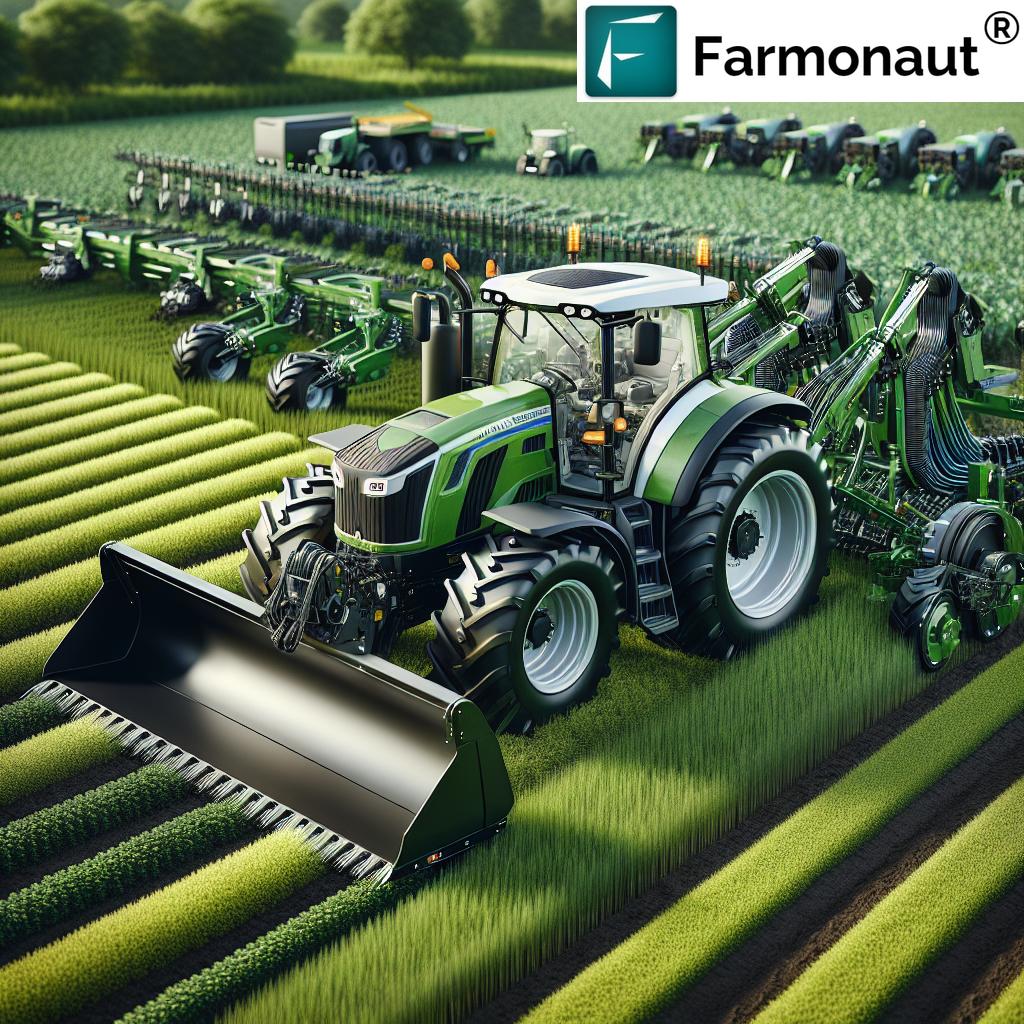
Top Benefits of Biochar, IoT & Drones in Agriculture 2026
“Biochar can increase crop yields by up to 20% while reducing greenhouse gas emissions in agricultural soils by 50%.”
“By 2026, biochar adoption could improve soil water retention by 15%, boosting drought resilience in advanced farming systems.”
Table of Contents
- Introduction: Revolutionizing Agriculture for 2026 and Beyond
- Benefits of Biochar in Agriculture
- Benefits of IoT in Agriculture
- Benefits of Drones in Agriculture
- Comparative Benefit Analysis Table
- Farmonaut: Smart Integration and Satellite Advantages
- Key Insight Boxes and Practical Tips
- Top Benefits: Visual Bullet Lists
- Educational Videos
- Conclusion: The Future of Smart and Sustainable Farming
- FAQs: Common Questions on Biochar, IoT, and Drones in Agriculture
Introduction: Revolutionizing Agriculture for 2026 and Beyond
The integration of advanced technologies in modern agriculture is ushering in a new era of efficiency, sustainability, and productivity. With food security, environmental stewardship, and cost management growing more critical by the year, innovative solutions like biochar application, Internet of Things (IoT), and drones are at the forefront of this agricultural transformation. These powerful tools empower farmers to address enduring challenges—such as improving soil health, optimizing resource management, monitoring crop health, and enhancing overall farm productivity—in ways that traditional practices cannot match.
As we approach 2026, the agriculture sector is rapidly adopting these technologies to enable precision farming, environmental resilience, and smarter management of resources. In this comprehensive guide, we’ll uncover the benefits of biochar in agriculture, the benefits of IoT in agriculture, and the benefits of drone in agriculture—including the synergistic advantages they offer when used together. This transformation is not only revolutionizing how we grow our food, but also shaping a sustainable future for generations to come.
- Biochar, IoT, and drones are driving smarter, greener farming in 2026, delivering higher yields, improved soil, and big environmental wins when combined in strategic farming systems.
The Benefits of Biochar in Agriculture
What is Biochar?
Biochar is a stable form of charcoal, produced via pyrolysis—the thermal decomposition of biomass (such as agricultural waste, wood chips, manures) in a low-oxygen environment. Unlike regular charcoal, biochar is specifically intended as a soil amendment to improve fertility and store carbon in the ground for hundreds of years.
The benefits of biochar in agriculture are increasingly observed in advanced and sustainable farming systems. By 2026, biochar is considered critical for boosting soil quality and agricultural productivity—particularly in regions facing environmental stress such as drought or poor soil health.
How Does Biochar Work?
- Porosity and Aeration: Biochar has a highly porous structure, maximizing soil aeration and providing micro-habitats for essential microbes.
- Moisture Retention: Acts like a soil sponge, improving soil water retention and reducing the need for frequent irrigation.
- Nutrient Retention: Its surface adsorbs minerals, enhancing nutrient retention and reducing leaching.
- Carbon Sequestration: Biochar’s stable carbon content means it locks CO2 in the ground, directly reducing greenhouse gas emissions.

Essential Benefits of Biochar in Agriculture Systems (2026)
- Improved Soil Health: Biochar’s porous nature improves soil structure, aeration, and enhances the soil microbial environment, which is critical for plant health and robust root development.
- Water Conservation: With up to a 15% increase in soil water retention, biochar is particularly beneficial in arid and semi-arid regions.
- Increased Yields: Scientific studies show a potential 20% boost in crop productivity with proper biochar application.
- Reduced Input Costs: By adsorbing and retaining nutrients, biochar ensures fertilizers are used more efficiently, ultimately lowering costs and minimizing runoff pollution.
- Climate Resilience: Biochar’s capacity to sequester carbon supports climate-smart agriculture and prepares fields for climate variability.
For new adopters, always blend biochar with compost or organic fertilizer before field application. This enhances microbial colonization and ensures immediate nutrient availability to crops!
Key Applications and Use Cases—2026
- Restoring degraded soils in Asia and Africa
- Buffering against drought in India’s semi-arid belt
- Biomass waste management for circular farming economies

How Biochar Integrates with Other Technologies
As new innovations emerge, biochar can be complemented with precision agricultural technologies like IoT soil sensors and drones for better timing and placement—maximizing its benefit and supporting more sustainable farm management systems.
The Benefits of IoT in Agriculture: Smart Farming in 2026
What is the Internet of Things (IoT) in Agriculture?
IoT refers to a network of interconnected devices (sensors, cameras, actuators, and machines) that collect, transmit, and analyze data to improve resource management and crop yields. Leveraging real-time data from the field—such as soil moisture, weather, nutrient levels, and even livestock location—farmers gain the ability to make informed decisions with unprecedented precision.

Key IoT in Agriculture Benefits (2026 and Beyond)
- Data-Driven Practices: Continuous monitoring of soil, crop, and livestock health helps farmers address issues early and optimize resource use.
- Efficient Irrigation and Water Management: Sensors detect exact soil moisture levels, enabling precise irrigation scheduling—reducing wastage and boosting yields.
- Pest & Disease Management: Real-time monitoring and automated alerts about pest outbreaks allow for timely interventions, minimizing pesticide use and environmental impact.
- Cost Savings & Sustainability: Lower input costs, reduced labor, and smarter use of fertilizers and water contribute to more sustainable farming operations.
- Supply Chain Transparency: With devices tracking produce from field to store, traceability is enhanced, which is especially relevant in markets emphasizing food safety and origin.

The global market for IoT in agriculture is expected to surpass $30 billion by 2026. Efficient connectivity and interoperable systems remain key factors for scalability.
Top Devices Driving IoT Benefits in Agriculture
- Soil moisture and nutrient sensors
- Weather stations and disease forecasting devices
- GPS-enabled livestock trackers
- Automated drone deployment and management systems

Explore satellite-powered crop insights, integrate your IoT sensors, and benefit from Farmonaut’s AI-based advisory system via the Farmonaut API. Fast-track your smart farming journey!
Integration and Future Trends
In 2026, IoT in agriculture is defined not just by field-level monitoring, but also by deep integration with blockchain traceability, advanced satellite analytics, and AI-powered farm management. Fleet management, for example, is fast becoming indispensable for farms managing large equipment fleets and distributed labor—optimizing fuel, machine usage, and maintenance cycles using real-time data.

The Benefits of Drone in Agriculture: Precision, Efficiency & Data in 2026
What Are Drones and Why Are They Transformative?
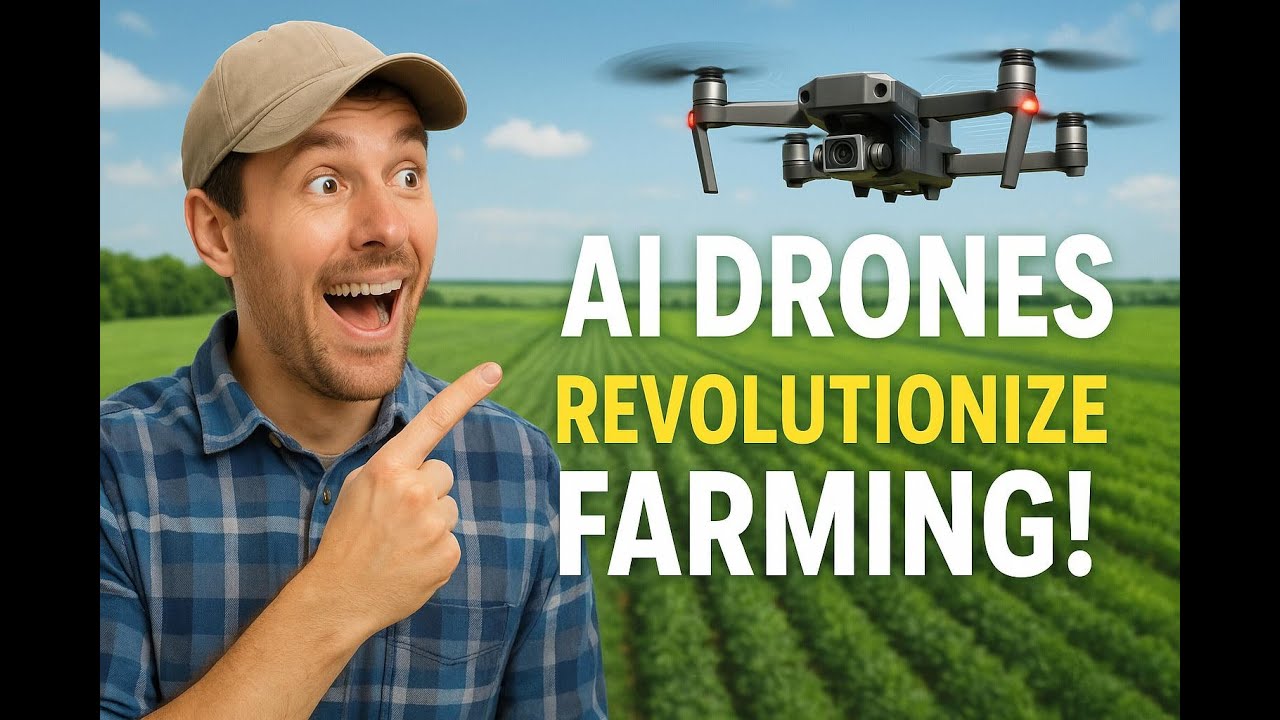
Drones are unmanned aerial vehicles (UAVs) equipped with a variety of sensors and cameras. Their use in agriculture has revolutionized how crops are monitored, nurtured, and protected. By 2026, drone adoption is widespread among both smallholders and large farm enterprises, supporting everything from field scouting to precision spraying and mapping.
Primary Benefits of Drones in Agriculture
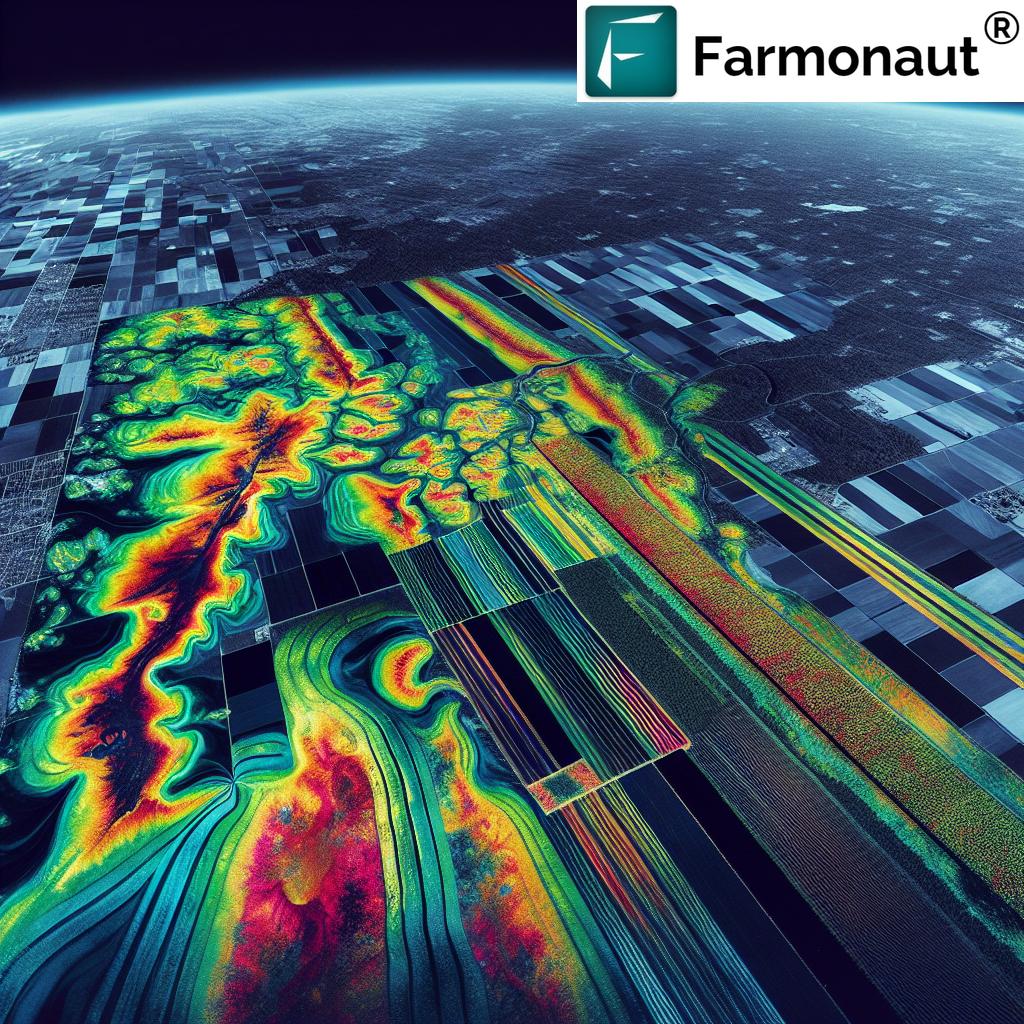
- Rapid Crop Monitoring: Drones can cover hundreds of hectares in a single flight, capturing high-resolution, multispectral images for early identification of stressed plants, pests, or diseases.
- Yield Optimization: Frequent, detailed field assessments help pinpoint areas needing attention—enabling timely interventions and maximizing overall yields.
- Efficient Input Application: Drones conduct precision spraying of fertilizers and pesticides, saving labor and reducing chemical use.
- Enhanced Sustainability: Targeted spraying means fewer chemicals enter the environment, directly supporting sustainable farming practices.
- Mapping & Planning: Drone data powers accurate field maps for resource allocation, irrigation planning, and harvest forecasting.
Skipping periodic calibration of drone sensors leads to inaccurate crop health maps. Schedule regular checks for consistently reliable results!

Practical Use Cases for Drones in Agriculture—2026
- Field health mapping in India’s Punjab and Haryana
- Precision spraying in Brazilian soybean farms
- Census and monitoring of livestock in Australian outback
For advanced smart agriculture, drone data is increasingly integrated with satellite insights and AI-based recommendations to automate field actions or prompt farmers for optimal management.
Discover Farmonaut’s Large Scale Farm Management Suite
Leverage real-time crop monitoring, advanced resource tracking, and actionable insights to bring your operation into the future.

Comparative Benefit Analysis Table: Biochar vs. IoT vs. Drones
| Technology | Improved Soil Health (Est. % Increase) | Yield Improvement (Est. % Increase) | Resource Efficiency (Est. Reduction) | Sustainability Impact | Example Application |
|---|---|---|---|---|---|
| Biochar | 10-15% | Up to 20% | Reduces irrigation by 15-20% Fertilizer use by 10-15% |
High | Soil amendment for drought resilience, carbon sequestration in arid farms |
| IoT | Indirect (enables better input application) | 10-25% | Reduces water and fertilizer wastage by 20-30% | High | Automated irrigation, pest alerts, precision logistics management |
| Drones | Indirect (identifies stressed soil areas quickly) | 10-20% | Reduces pesticide/fertilizer use by 15-30% |
Medium-High | Aerial scouting and selective application of farm inputs |
Farmonaut: Smart Integration and Satellite Advantages
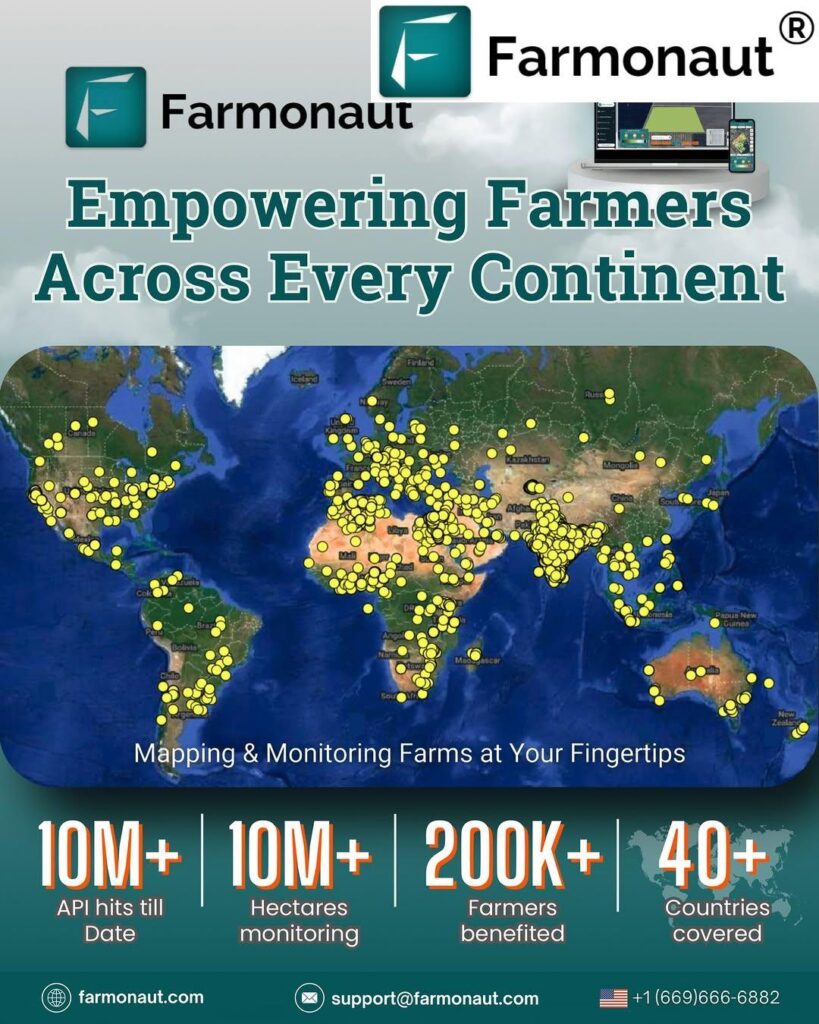
At Farmonaut, our mission is to democratize access to satellite-powered agricultural insights. We integrate advanced satellite monitoring, AI-driven advisories, blockchain-based traceability, and robust resource management tools—empowering farmers, agribusinesses, and governments to scale their agricultural productivity, sustainability, and transparency.
- Our Jeevn AI Advisory System processes real-time satellite and field data, recommending tailored crop practices for each field.
- Blockchain-based traceability assures authenticity and transparency throughout the food supply chain. Learn how food origins, input usage, and harvest times are verified on our traceability platform.
- Environmental impact tools support responsible, climate-smart farming through real-time carbon footprinting and regulatory compliance.
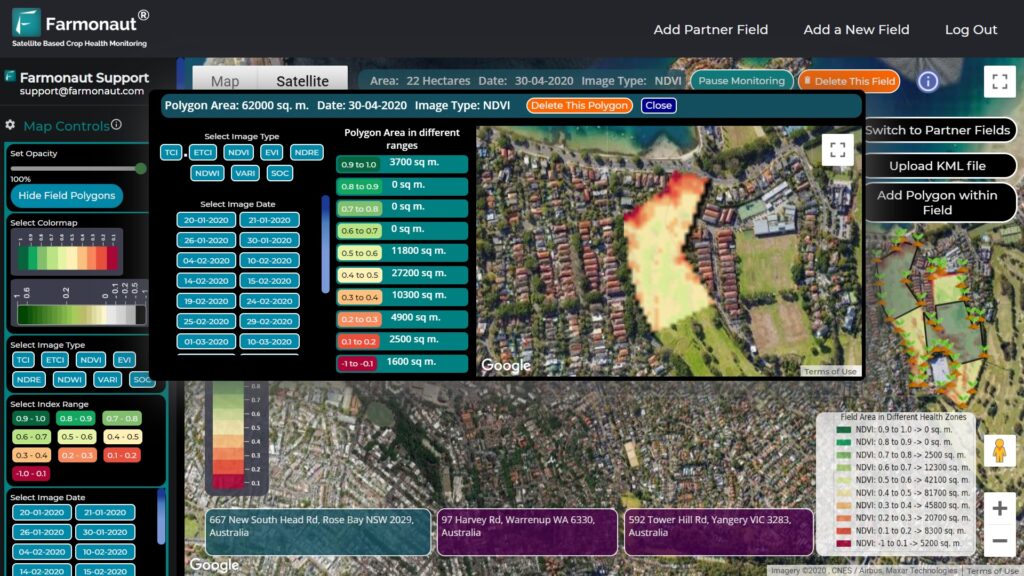
Satellite remote sensing is rapidly replacing manual field scouting, allowing for precise identification of crop health issues, water stress, and potential yield loss—ensuring proactive rather than reactive management!


Download the Farmonaut app today for real-time crop, soil, and weather monitoring powered by satellite and AI technology.
Crop Loan & Insurance Verification
Our satellite-based crop verification platform enables fast-tracking of agricultural loan approvals and insurance claims, reducing fraud and providing financial stability for farmers.

Key Insight Boxes and Practical Tips
By using biochar in tandem with IoT-powered irrigation and drone scouting, yields can be raised and climate risk drastically reduced.
Always calibrate sensors with local weather models and crop types. This increases data accuracy for site-specific recommendations.
Diversity of field data sources—combining drones, satellites, and IoT—will attract more agri-investment in 2026 as farmers prove better economic returns and environmental stewardship.
Not updating software for connected devices risks system failures and inaccurate farm reports. Schedule quarterly updates across all platforms.
Join the regenerative agriculture movement—biochar and data-driven tools together unlock healthy soils, improved yields, and future-proofed farms!
Top Benefits: Visual Bullet Lists
- ✔ Biochar improves soil health and water retention, particularly useful in arid regions.
- 📊 IoT-based sensors enable site-specific, precision irrigation—reducing water wastage and input costs.
- 📡 Drones enable early detection of crop issues, boosting yields via timely interventions.
- 🔍 Farmonaut’s satellite analytics deliver real-time field monitoring and actionable farm advisory.
- 💡 Integrating all three technologies creates resilient, climate-smart and future-proofed farming systems.
Visual List 1: Optimizing Resource Management via IoT
- 🖥️ Automated irrigation: Sensors inform exactly when and how much to water, avoiding over-irrigation.
- 🌦️ Weather stations: Anticipate rainfall patterns and extreme events, reducing crop loss risk.
- 🚜 Fleet analytics: GPS eliminates unnecessary field passes, slashing fuel and labor costs.
Visual List 2: Sustainability and Climate Resilience
- 🌱 Biochar locks away carbon, reducing emissions and building soil resilience.
- 📈 AI & satellites track environmental impact, enabling compliance and better stewardship.
- 🔗 Traceability tools enhance food and resource safety across value chains.
Educational Videos

Conclusion: The Future of Smart and Sustainable Farming
The integration of biochar, IoT, and drones is revolutionizing agriculture in 2026. Biochar delivers game-changing benefits for soil health, carbon sequestration, and input efficiency. IoT empowers farmers with accurate, real-time data for precision farming, reducing costs and resource wastage. Drones provide actionable insights, facilitate early detection of field issues, and streamline large-area operations.
Using these technologies together makes farming more productive, profitable, and sustainable—helping us address food security, climate challenges, and environmental protection. As agricultural innovations keep advancing, their widespread adoption will enable a data-driven, climate-smart, and efficient future for all producers, from smallholder farms to vast commercial estates.
FAQs: Common Questions on Biochar, IoT, and Drones in Agriculture
A: Biochar enhances soil health, improves moisture and nutrient retention, boosts yields by up to 20%, and sequesters carbon, helping mitigate climate change and reduce greenhouse gas emissions.
A: The benefits of IoT in agriculture include site-specific data monitoring, efficient irrigation, early pest detection, cost reduction, improved yields, and seamless farm management with real-time insights.
A: Drones facilitate rapid, high-resolution crop and soil assessment, precise application of inputs, reduced labor, higher yields, and support for sustainable farming via targeted interventions.
A: Absolutely. The synergy of biochar, IoT, and drones optimizes soil and crop management, resources, and monitoring—delivering greater benefits than any single technology alone.
A: We offer satellite-based monitoring, AI advisory, blockchain traceability, and robust management tools. Our mobile and web platforms give you real-time data for better decisions, improved yield, and sustainable practices worldwide.