Third Agricultural Revolution vs Green Revolution: 2026 Tech – Precision, Sustainability & Resilience
“Precision agriculture can increase crop yields by up to 20% compared to traditional farming methods.”
Introduction: Third Agricultural Revolution vs Green Revolution
The third agricultural revolution marks a seismic shift in how we approach farming, land management, and food production. With roots tracing back to the gains of the Green Revolution, this new era isn’t just another chapter – it’s a total transformation. Cutting-edge precision agriculture, biotechnology, and digital farming platforms now empower farmers, foresters, and land stewards to make smarter, more sustainable decisions.
By 2026, the third agricultural revolution enables us to optimize everything from soil health, water use, and climate resilience, to input management and supply chain sustainability. This evolution is boldly relevant in agriculture, forestry, mining, and even on rehabilitated lands, where environmental stewardship is now job-critical and non-negotiable.
Let’s explore how this revolution is different, what new technologies it brings, and why it’s more essential than ever for a resilient, productive planet – from the ground beneath our crops to the canopies above our forests.



The third agricultural revolution is defined by targeted, data-driven interventions, precision technologies, and smart land restoration.
It moves far beyond the yield maximization of the Green Revolution, prioritizing climate resilience, resource efficiency, and ecosystem health for agriculture, forestry, and mining landscapes.
Core Idea & Scope: The Pivotal Shift in Farming
The Green Revolution sparked broad, high-input surges: synthetic fertilizers, high-yield crop varieties, pesticides, and mechanization transformed landscapes. Yet, it also accelerated soil degradation, water overuse, pest resistance, and biodiversity loss.
The third agricultural revolution – the precision and resilient farming era – radically replaces broad, high-input surges with targeted interventions, automated and data-rich decisions, and an ecosystem-based approach:
- Precision agriculture: Using geospatial data, satellites, drones, and connected sensors to optimize irrigation, fertilization, and pest management with pinpoint accuracy.
- Biotechnology and genetics: Gene editing, CRISPR, and marker-assisted selection to produce crops and tree species resilient to drought, disease, and poor soil – not just bigger yields.
- Digital, AI-driven systems: Real-time field and regional analysis, advisory platforms, and blockchain-based traceability reinforce transparency and decision quality throughout the supply chain.
- Landscape & ecosystem focus: Embracing conservation agriculture, cover cropping, and agroforestry—restoring soil health, undoing degradation, and enabling multi-layered productivity for ecosystem services, carbon sequestration, and biodiversity.
Distinct from the Green Revolution, the third era foregrounds sustainability: optimizing input use, enhancing resilience to climate variability, minimizing environmental pressures, and safeguarding the planet’s natural assets.
For agriculture professionals, integrating precision monitoring tools can unlock a new level of input efficiency – reducing fertilizer waste, energy use, and water loss while boosting crop yields and soil health.
Comparative Evolution Table: Green Revolution vs Third Agricultural Revolution (2026 Tech)
| Aspect | Green Revolution (1960s-1980s) |
Third Agricultural Revolution (2020s–2026 Tech) |
Estimated Impact/Value |
|---|---|---|---|
| Main Technologies | Chemical fertilizers, pesticides, irrigation, high-yield crops, mechanization | Precision agtech, AI, remote sensing, gene editing, digital advisory, blockchain, advanced irrigation | Greater adaptability, higher transparency, and integrated monitoring |
| Productivity Increase | 30-50% yield gains (select crops/regions) | Up to 20-25% further yield increase (over Green Revolution baseline) via targeted, data-driven interventions | Supports stable yields under variable climates |
| Resource Efficiency | Little focus on efficiency; often overuse of water, inputs | Water/fertilizer reduction by 20-40%; energy savings through automation; minimized input waste | Improved profitability and environmental performance |
| Environmental Impact | Soil degradation, water pollution, reduced biodiversity, greenhouse gas emissions | Climate-smart practices; carbon footprint tracking; biodiversity protection; lower GHG emissions | Enhanced ecosystem health, regulatory compliance |
| Climate Resilience | Low; monocultures, high input sensitivity, limited stress adaptation | High; drought/pest tolerance, diversified systems, dynamic monitoring, real-time adaptation | Reduced risk, higher food security and sustainability |
📊 Visual List: Technology Spotlight – Third Agricultural Revolution
- 🌐 Satellites & AI: Real-time monitoring of crops, forests, & mining lands
- 🧬 Gene Editing: Highly adaptive, drought & disease-tolerant plants & trees
- 🌱 Soil Sensors: Automated detection of moisture & nutrients
- 🚜 Automation: Drones, robotics, & precise field interventions
- 🔗 Blockchain: Traceability in the supply chain for transparency & trust
- 💧 Advanced Irrigation: Micro-irrigation, scheduling, & waste minimization
Key Technologies & Practices of the Third Agricultural Revolution
The third agricultural revolution redefines how we approach soil, land, inputs, water, and ecosystem management by integrating precision, biotechnology, digital systems, and conservation agriculture.
1. Precision Agriculture & Digital Farming Platforms
Imagine a world where drones fly over expanding farmlands, satellites relay live data about soil moisture or plant health, and AI platforms dispatch actionable guidance for every crop. This is the reality for modern, smart, and resilient farming:
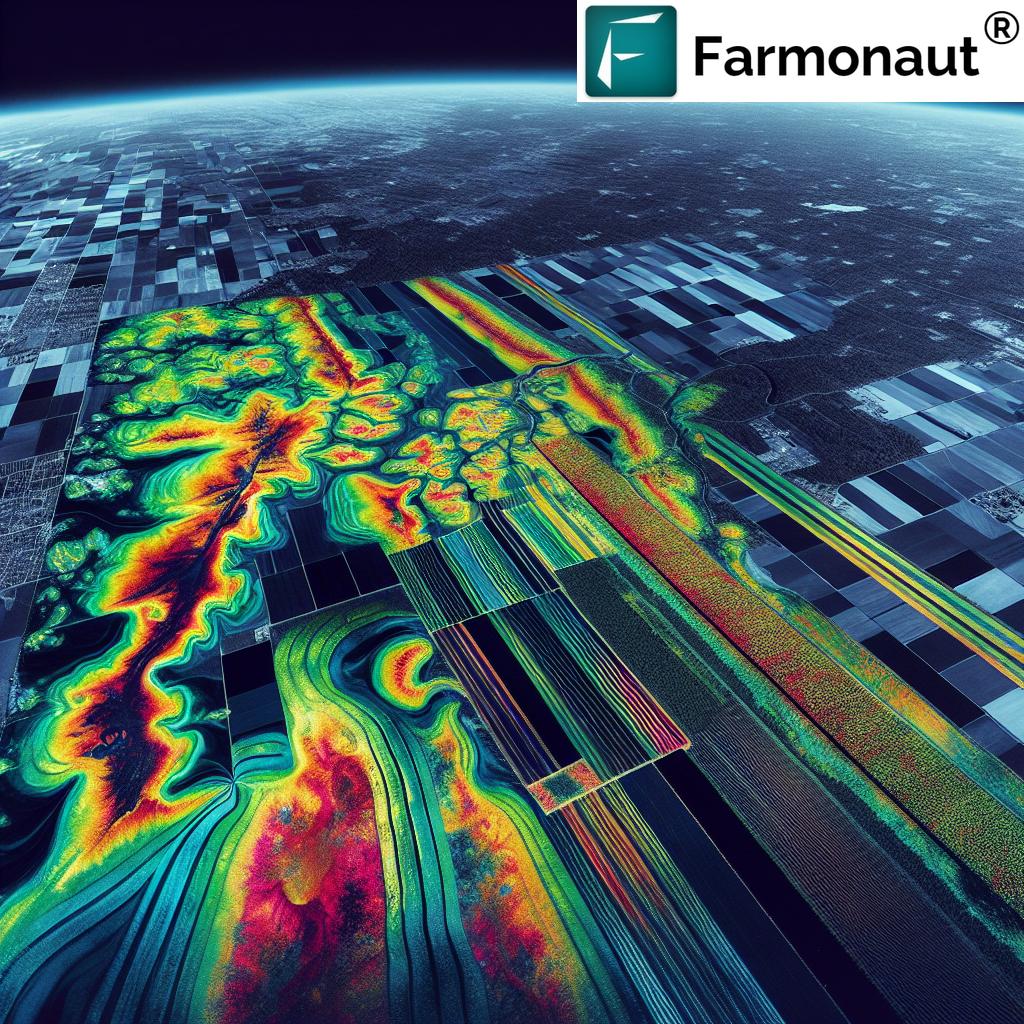
- 🌍 Satellites & Remote Sensing: Continuously monitor NDVI (Normalized Difference Vegetation Index), soil moisture, and ecosystem health across massive agricultural and forested landscapes.
- 🛰 Sensors: Soil and weather sensors collect local data, reporting back to digital dashboards for irrigation and fertilization scheduling.
- 🤖 AI Decision Support: Advanced analytics forecast disease/pest outbreaks, optimize spray patterns, and guide rapid interventions.
- 🌐 Blockchain Traceability: Farmonaut’s Blockchain Traceability System enhances transparency in crop management, timber, and mining resource supply chains, increasing trust and minimizing fraud.

2. Biotechnology & Genetics: Breeding for a Resilient Tomorrow
Unlike the Green Revolution’s yields-at-all-costs mentality, today’s genetic improvement tools focus on stress tolerance, rapid breeding, and resistance to pests, diseases, and climate extremes:
- 🔬 Gene Editing & Marker-Assisted Selection: Accelerate the development of drought-tolerant and disease-resistant crops & trees.
- 🌱 Targeted Phytoremediation: Select species that restore soil and support ecosystem rehabilitation in post-mining and disturbed lands.
- 🧬 Biotechnology: Reduces the need for chemical pesticides; minimizes environmental and health risks.
“Biotechnology advancements have reduced pesticide use by 37% in farms adopting third agricultural revolution techniques.”
🌱 Visual List: Sustainable Practices from Third Agricultural Revolution
- 🌾 Cover Cropping: Protects and rebuilds soil organic matter throughout the year
- 🪱 Mycorrhizal Inoculation: Boosts nutrient cycling for long-term soil health
- 🌳 Agroforestry: Integrates trees, crops, and livestock for climate and economic resilience
- 🥬 Compost & Organic Amendments: Rebuilds soil health and structure post-degradation
- 🕵️ Disease Monitoring: Automates detection using machine vision, remote sensing
- 🚿 Efficient Irrigation: Micro-irrigation, pressurized delivery, real-time moisture scheduling
3. Conservation Agriculture & Soil Health Restoration
Soil health is the foundation of productivity and resilience. The third agricultural revolution amplifies conservation and regenerative agriculture:
- 🚜 No-till & Minimum-till Farming: Reduces erosion, keeps organic matter in the soil, and improves water retention.
- 🥬 Cover Crops: Keep fields biologically active; fix nitrogen, fight pests, and suppress weeds.
- 🪱 Mycorrhizal Inoculation & Compost Teas: Enhance nutrient cycling for critical soil fertility and resilience across farmlands, agroforestry, and rehabilitated mining lands.

4. Water Stewardship: Targeted Interventions for Every Drop
Water management is revolutionized via advanced scheduling, sensor-informed delivery systems, rainwater harvesting, and drought readiness:
- 💧 Micro-Irrigation & Pressurized Delivery: Minimize water waste and ensure crops receive only what’s needed.
- 📱 Real-time Soil Moisture Monitoring: Confirm optimal irrigation schedules, cut overwatering, and save energy.
- 🌦 Rainwater Harvesting: Store water for use during droughts, stabilizing yields across climate extremes.
5. Integrated Pest & Disease Management
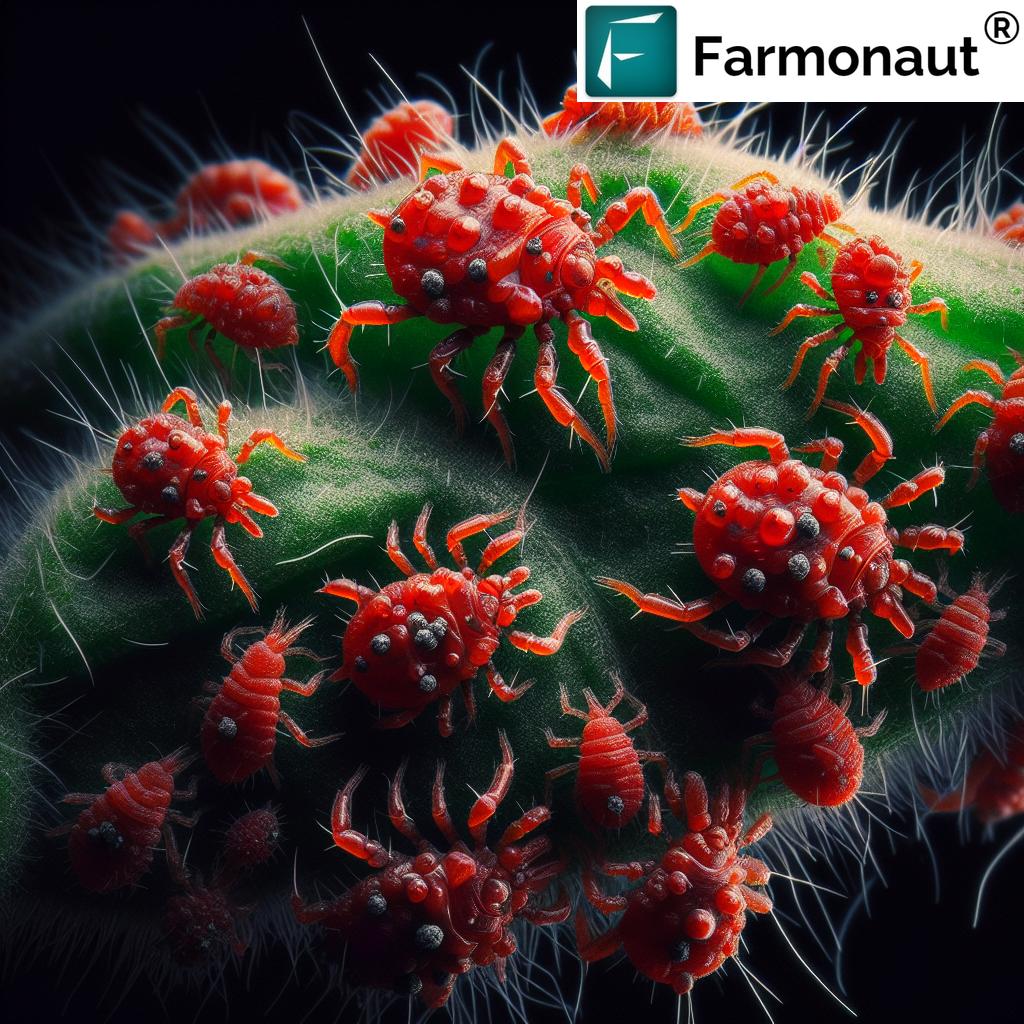
The third agricultural revolution addresses one of farming’s biggest risks – pests and diseases – with targeted, precision-based practices:
- 🐞 Biological Controls & Pheromones: Favor environmentally safe pest management, reducing chemical load.
- 🧠 Machine Learning & Early Warning: AI platforms integrate field data with weather models, predicting outbreaks.
- 🪤 Smart Trapping & Targeted Chemistry: Minimizes widespread pesticide application and resistance development.
Applying chemicals preventively and non-targeted increases costs & environmental harms. The third agricultural revolution focuses on responsive, data-driven interventions that protect both yields and ecosystem health.
6. Landscape-Scale Planning, Agroforestry & Reforestation
The future’s land management is diversified, resilient, and multi-functional:
- 🌳 Agroforestry: Multistory systems with trees, perennial crops, annual crops, and livestock build carbon stocks and buffer against market/climate volatility.
- 🌲 Strategic Reforestation: Designed for ecosystem restoration, erosion control, and carbon sequestration; vital for post-mining and fragile landscapes.
- 🪵 Precision Silviculture: Satellite-enabled remote sensing for tree growth, timber stocking, thinning, and disease outbreak monitoring.
Forest, mining, and agricultural operations adopting third agricultural revolution practices show better regulatory compliance, improved resource efficiency, and greater resilience against climate and commodity shocks.
Sector Relevance: Agriculture, Forestry, & Mining Landscapes
What makes the third agricultural revolution so compelling is its sweeping relevance across traditional and emerging land uses.
🌾 Agriculture: Data-Driven, Sustainable Productivity
- 📈 Boost in Yields & Input Optimization: Real-time insights ensure that fertilizers, water, and other inputs are applied with maximum effect and minimum waste across farmland and plots (Farmonaut Large Scale Farm Management).
- 🌿 Climate-Resilient Genetics & Crop Choices: Precision breeding and rapid propagation deliver varieties tailored to local soil, water, and climate variability.
- 🥖 Food Security: Diverse cropping systems and resilient farming keep food supplies robust in the face of changing pressures.
🌳 Forestry: Smart Reforestation & Carbon Stewardship
- 🪵 Rapid Plantation Establishment: Combining remote satellite cues and genetic selection for tree stock.
- 🤳 Growth Monitoring: Constant, remote assessment for optimum thinning, harvesting, pest/disease detection – maximizing sustainable timber, carbon, and biodiversity returns (Farmonaut Plantation & Forest Advisory).
- 🌏 Ecosystem Services: Forest restoration now targets not only wood yields, but carbon sequestration, water flow, and recreation value.
⛏ Mining & Disturbed Land: Regeneration & Productivity Post-Rehabilitation
- 🪨 Phytoremediation & Rapid Revegetation: Selection of robust species and soil restoration methods to safely and quickly re-establish vegetative cover.
- 🌱 Water Management & Soil Health: Technologies that restore fertility and manage runoff in reclamation projects.
- 📊 Monitoring for Compliance & Ecosystem Recovery: Satellite and AI tools document progress, enabling timely interventions and adaptive management (Farmonaut Fleet & Resource Management).
Companies and governments globally utilize real-time monitoring to reduce risks and maximize value across agriculture, forestry, and mining – turning compliance and stewardship from cost centers into value drivers.
Challenges & Considerations for the Third Agricultural Revolution
Despite its clear promise, the third agricultural revolution must address pivotal challenges to ensure equitable and lasting impact:
1. Access & Equity
- 👨🌾 Smallholder Farmers: Must access affordable technology, training, and credit to avoid widening the rural divide.
- 🏦 Finance: Satellite-based crop loans and insurance are increasingly vital – but must remain inclusive.
2. Data Governance & Digital Rights
- 🔒 Privacy & Control: Sharing and ownership of agricultural data, privacy protection, and analytic transparency are foundational for trust.
- 🛡 Ethics: Fair use of AI and analytics in farm decision support must be enforced globally.
3. Policy Alignment & Sustainability Incentives
- 🏛 Policy Support: Governments and organizations must align incentives, extension, and environmental safeguards to encourage sustainable adoption.
- 🌐 Environmental Accountability: Real-time carbon footprinting and impact monitoring is essential for compliance and transparent stewardship.
4. Biodiversity & Ecological Balance
- 🦋 Technology Deployment: Must operate within boundaries to protect pollinators, beneficial soil biota, and vital forest and agricultural ecosystems.
- 🌱 Landscape Planning: Prioritize diverse, resilient agroecosystems for long-term sustainability over short-term extraction.
✔ Benefits & 📊 Data Insights: Modern Revolution at a Glance
- ✔ Efficient Inputs: Precision tech cuts input waste by up to 30%
- ✔ Soil Health: Regenerative practices restore organic matter by up to 1% per year
- 📊 Supply Chain Trust: Blockchain traceability prevents fraud end to end
- 📊 Climate Ready: Drought-tolerant genetics lower crop risk in changing climates
- ✔ Regulatory Compliance: Automated reporting aids in meeting environmental laws
Tech-driven stewardship is no longer optional: By 2025, environmental regulations and climate realities make precision, resilient farming and restoration strategies mandatory for most commercial and government land uses.

Our Role at Farmonaut & Innovations for the Future
At Farmonaut, we are committed to making satellite-driven, AI-powered insights accessible and affordable for farmers, mining professionals, foresters, businesses, and governments worldwide. Our platform supports the third agricultural revolution by delivering:
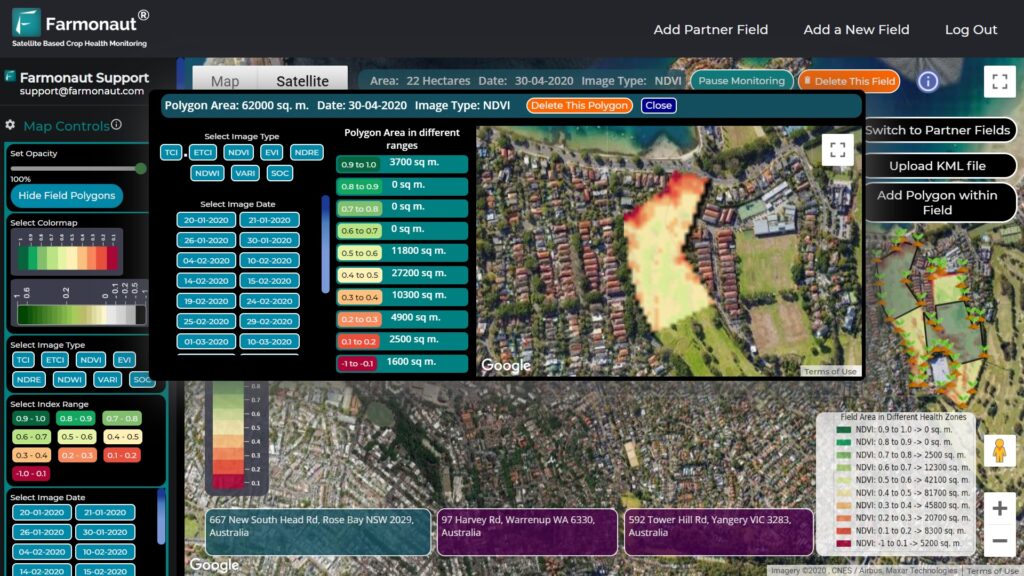
- Real-Time Digital Monitoring: Satellites and multispectral imagery inform on soil health, vegetation vigor, tree plantations, mining sites, and infrastructure – supporting evidence-based decisions.
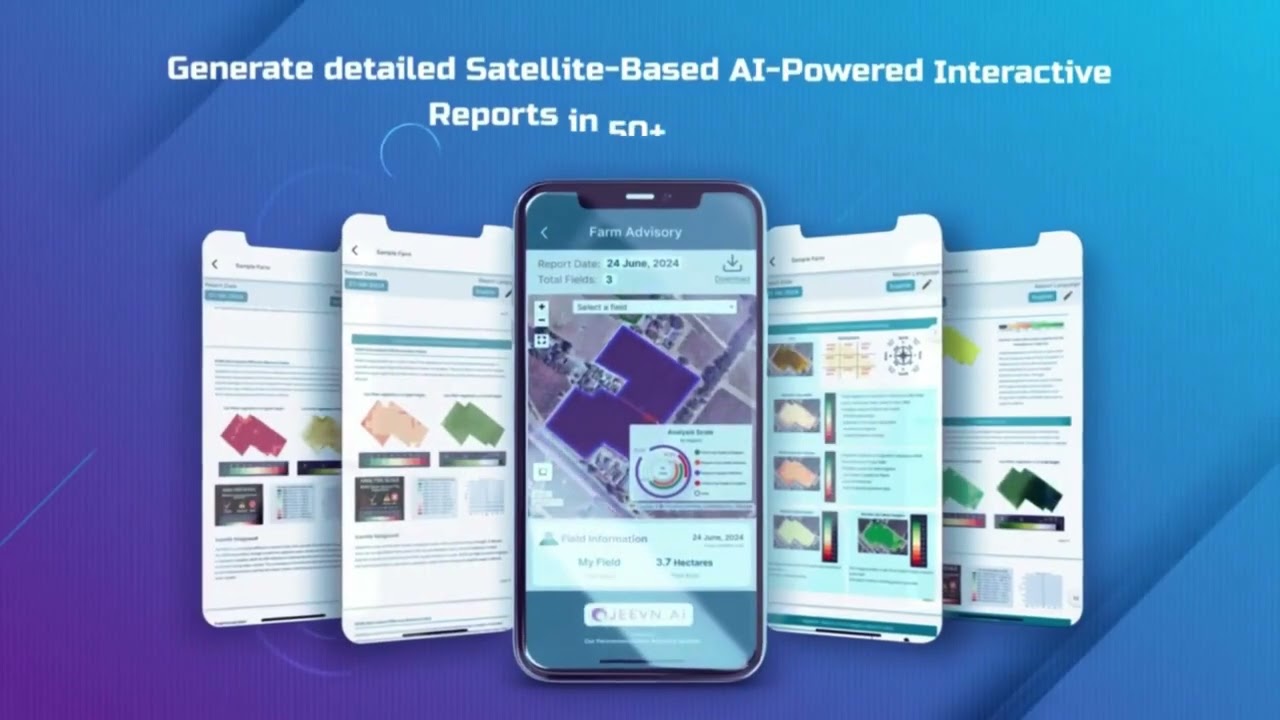
- AI-Based Advisory (JEEVN AI): Personalized recommendations, weather forecasts, and pest/disease alerts for diverse user groups on our Web App, Android, and iOS platforms.
- Traceability & Blockchain Systems: Secure product verification across agriculture, forestry, and mining-linked supply chains.
- Fleet & Resource Management: Optimize assets, logistics, and machinery for scalable operational efficiency (Fleet Management Solution).
- Environmental Impact Tracking: Instant carbon footprint monitoring for agriculture and mining to support transparent and sustainable land management decisions.
- API Integration: Developers and businesses can access Farmonaut’s satellite & weather API for seamless integration into their digital tools – see developer docs.
Unlock affordable, scalable satellite-based monitoring and digital advisory with Farmonaut – helping you drive efficiency, resilience, and sustainability in agriculture, forestry, and beyond.
Frequently Asked Questions
-
What makes the third agricultural revolution distinct from the Green Revolution?
The third agricultural revolution moves beyond yield-focused, high chemical input systems, using targeted, data-driven and ecological approaches like satellite monitoring, AI, biotech, and regenerative practices for sustainable productivity, climate resilience, and environmental health. -
How does precision agriculture improve water and nutrient use?
Precision agriculture leverages satellites, drones, and field sensors to apply water and nutrients only when and where needed, often reducing waste and boosting yields by up to 20–30% compared to traditional farming. -
What sustainability benefits does biotechnology offer?
It reduces dependency on chemical pesticides and enables breeding of crops and trees that thrive in drought or poor soils, enhancing food security and environmental stewardship. -
How is digital farming relevant in mining and forestry landscapes?
Post-mining lands benefit from satellite-aided reforestation and soil restoration; forestry managers gain real-time insights into stocking, health, and carbon gains, making restoration, compliance, and sustainability more measurable. -
Is the transition to the third agricultural revolution accessible to smallholders?
Not always, but with affordable solutions like Farmonaut’s digital platform, even small and medium operations can access data, finance, and advisory critical for competitive, sustainable farming. -
How do carbon footprint and traceability tools help meet new regulations?
They provide evidence-based, transparent reporting for climate and supply chain compliance—essential for market access and environmental reputation in 2025 and beyond.
Conclusion: Toward Smart, Resilient & Sustainable Land Management
The third agricultural revolution marks a pivotal shift building on the Green Revolution’s gains but wholly embracing a new paradigm: precision farming, resilient genetics, digital traceability, and ecosystem-driven land stewardship.
Its relevance is felt across agriculture, forestry, and mining-linked landscapes—from the smallest plots to the largest plantation or reclamation site. By integrating advanced tools with ecological principles, we can sustain productivity, adapt to climate pressures, and maintain ecosystem health, delivering resilient food systems and supply chains for 2025, 2026, and the decades beyond.
With the adoption of technologies and approaches outlined here, and the support of accessible and innovative platforms like ours at Farmonaut, the world’s land stewards are better equipped than ever to minimize waste, regenerate soils, optimize carbon, and produce healthy crops and trees for future generations.