Third Agricultural Revolution: 7 Powerful Shifts for 2026
“By 2026, precision agriculture is projected to increase global crop yields by up to 20% through data-driven decisions.”
Table of Contents
- Introduction: Third Agricultural Revolution Explained
- Historical Context: Third Agricultural Revolution vs Green Revolution
- 7 Powerful Shifts Transforming Agriculture by 2026
- Comparative Summary Table: The 7 Shifts, Then & Now
- Precision, Digital, and Biotech Shaping Agriculture
- Sustainability, Climate, and Resource Management
- Enabling the Revolution: Smart Solutions from Farmonaut
- Callouts, Bullet Points, and Visual Lists
- The Third Agricultural Revolution in 2026 & Beyond
- FAQ: Third Agricultural Revolution
Introduction: Third Agricultural Revolution Explained
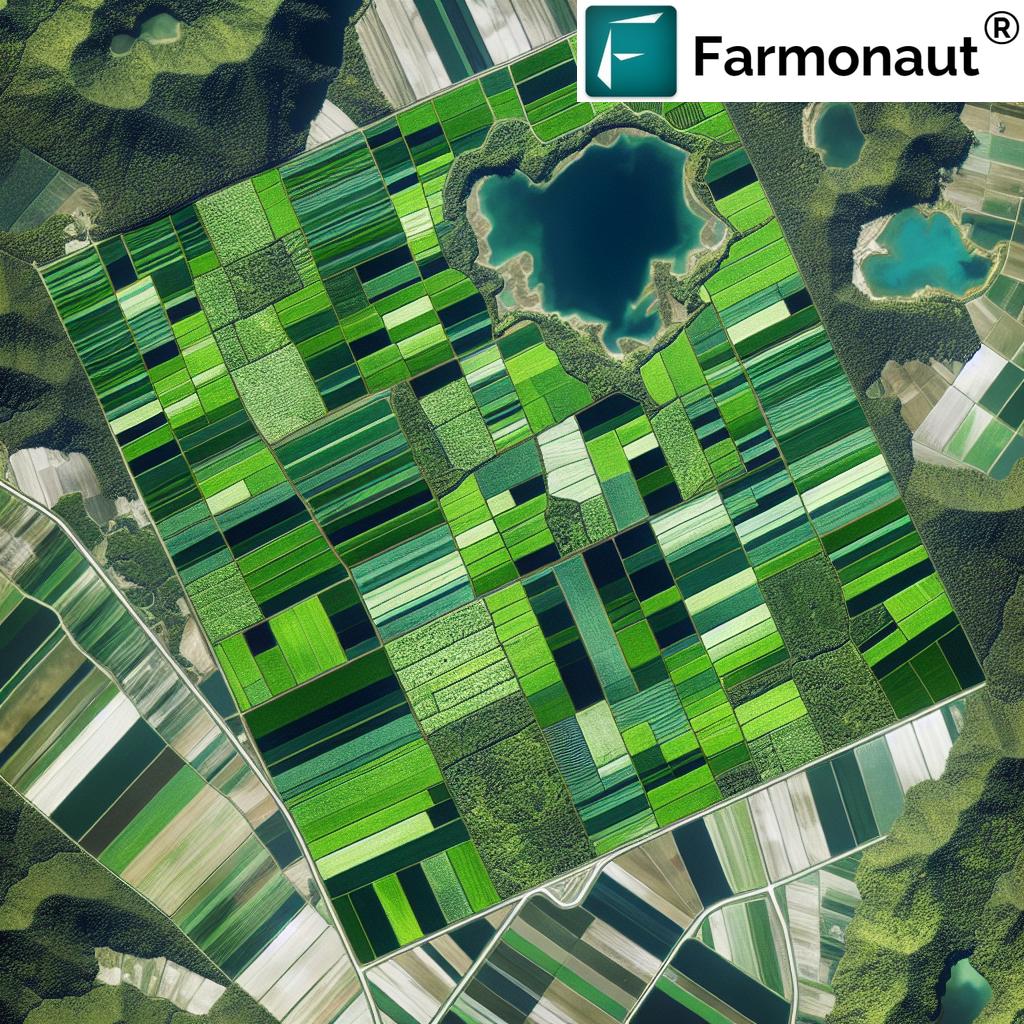
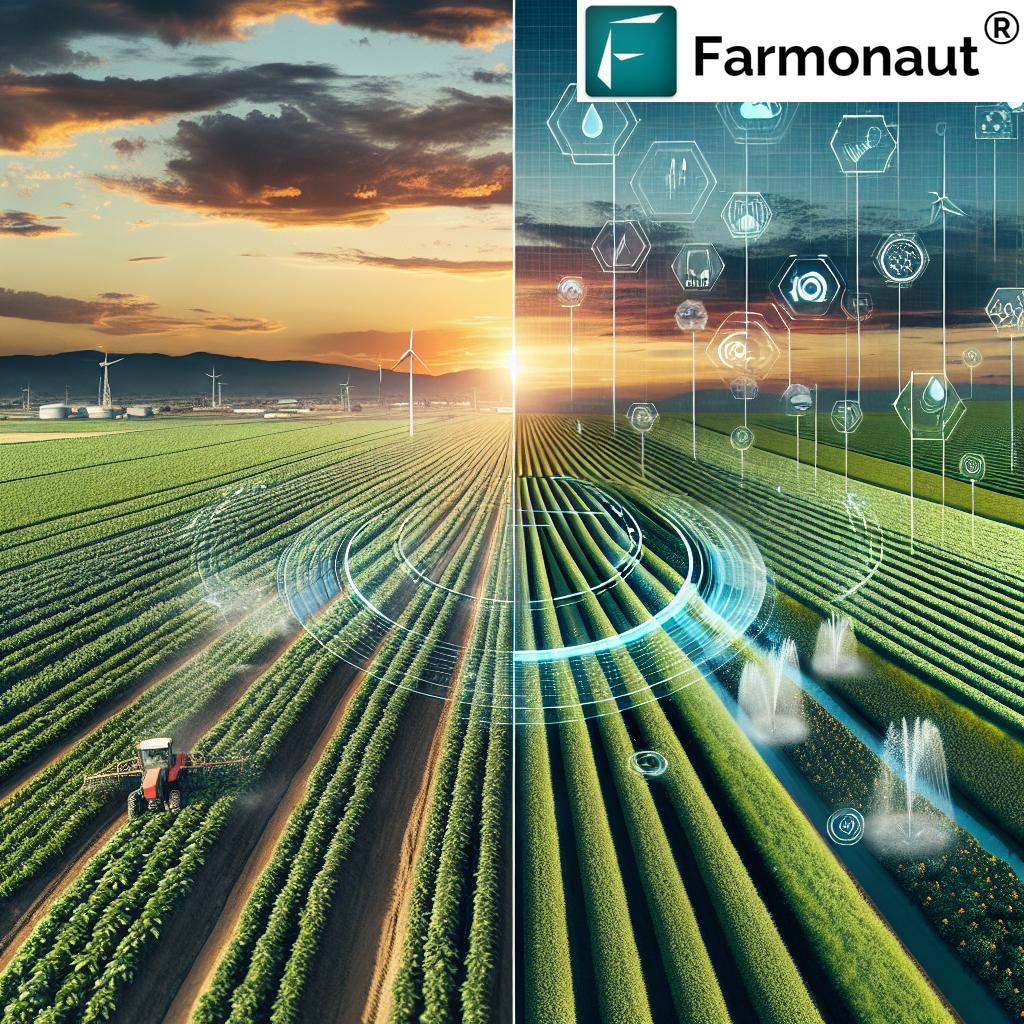
The third agricultural revolution (sometimes called the biointensive or climate-smart revolution) is fundamentally transforming how we produce food, manage natural resources, and secure rural livelihoods. Unlike previous waves of agricultural evolution, today’s revolution is marked by precision farming, digital technologies, sustainable practices, and the integration of biotechnology with ecosystem services for real, measurable gains in yields, resilience, and environmental health.
As we approach 2026, the need for smarter, sustainable management of soil, water, crops, forestry, and related resource sectors has never been more pressing. The world’s food systems are at a crossroads, facing mounting pressures from climate change, population growth, and the legacy of the Green Revolution—which, while transformational, left behind environmental costs that now require urgent action.
This in-depth guide explores how the third agricultural revolution is reshaping not only traditional farming but also forestry, mining-adjacent supply chains, land stewardship, and rural communities worldwide, emphasizing innovations in remote sensing, input efficiency, regenerative practices, and digital farm management that will dominate the landscape by 2026.

Historical Context: Third Agricultural Revolution vs Green Revolution
To understand the rise of the third agricultural revolution, let’s recap past milestones. The Green Revolution of the mid-20th century was a powerhouse—transforming food security for many regions by introducing high-yielding crop varieties, synthetic fertilizers, chemical inputs, and irrigation systems. These approaches boosted yields dramatically, ensuring millions around the world had enough food.
However, as the century wore on, the momentum waned and long-term environmental costs emerged:
- Soil degradation
- Water scarcity
- Loss of biodiversity
- Dependence on synthetic chemical inputs
The third agricultural revolution represents a strategic shift in thinking—building on the Green Revolution’s gains while decoupling productivity from environmental harm. It emphasizes:
- Precision agriculture—using sensors, GPS, analytics, and machinery to apply water, fertilizers, and protection measures only when and where needed;
- Sustainable breeding and genetics—focused on improved varieties tailored for local climates and resource efficiency;
- Resource stewardship—managing soil, water, and ecosystems to maintain productivity without compromising future generations.
This biointensive, data-driven, and climate-resilient revolution prizes soil health, water quality, genetic improvement, and ecosystem services—heralding a new era for agriculture, forestry, mining supply chains, and landscape management from 2025 onward.
7 Powerful Shifts of the Third Agricultural Revolution
Below we explore in detail the seven transformative shifts that define the third agricultural revolution as we move toward 2026:
- Precision Agriculture & Digital Farming
- Sustainable Breeding & Genetics
- Resource Efficiency & Soil Health
- Climate Resilience & Risk Management
- Governance, Equity & Supply-Chain Integration
- Cross-Sector Collaboration (Agriculture, Forestry, Mining)
- Real-Time Monitoring, Traceability & Data Transparency
Comparative Summary Table: 7 Powerful Shifts of the Third Agricultural Revolution
This table compares each major shift with traditional pre-2026 methods, the projected 2026 adoption rate, and the estimated impact on yield and resilience, highlighting precision farming, digital agriculture, sustainable practices, and ecosystem services at a glance.
| Shift | Description | Traditional Method (Pre-2026) | 2026 Adoption Rate (%) | Estimated Impact on Yield/Resilience |
|---|---|---|---|---|
| Precision Agriculture & Digital Farming | Use of GPS, sensors, remote sensing, AI and analytics for targeted input application, field-level decision making, and resource optimization. | Uniform input application; manual data collection; low digital adoption. | 60% | Up to 20% increase in yields, 25% reduction in input costs, improved resilience. |
| Sustainable Breeding & Genetics | Breeding of drought/heat-tolerant, pest-resistant, nutrient-efficient varieties utilizing molecular tools. | Mass selection; limited trait targeting; slow varietal turnover. | 50% | 15–30% higher yields under stress; yield stability, reduced chemical use. |
| Resource Efficiency & Soil Health | Agroecology, reduced tillage, cover crops, targeted irrigation, soil moisture/health monitoring. | Intensive tillage, broad-spectrum fertilizers, monocultures, heavy irrigation. | 45% | More resilient soils, >30% water use reduction, increased biodiversity, yield stability. |
| Climate Resilience & Risk Management | Integrated practices & technologies for coping with drought, pests, and climate volatility. Climate-adaptive forestry. | Reactive adaptation, insurance dependency, lack of forecasting. | 40% | 25% higher livelihood stability, reduced climate risk. |
| Governance, Equity & Supply-Chain Integration | Policy, training, digital supply-chains, market access for smallholders and marginal communities. | Inequitable technology access, inefficiencies, high post-harvest losses. | 55% | 20% reduction in post-harvest loss, improved income equity. |
| Cross-Sector Collaboration | Integrated approaches linking agriculture, forestry, mining-adjacent supply-chains, and ecosystem stewardship. | Sectoral silos, fragmented landscape and resource management. | 30% | Holistic resource use; improved land and watershed outcomes. |
| Real-Time Monitoring, Traceability & Data Transparency | Use of satellites, AI, and blockchain for monitoring, product traceability, and transparent resource measurement. | Manual monitoring, unreliable data, lack of transparency in supply chains. | 35% | Faster decision-making, lower fraud, higher consumer and investor trust. |
Precision Agriculture, Digital Tools & Biotech: The Technology Backbone
The application of precision, digital, and biotechnological tools in agriculture, forestry, and connected resource sectors defines the core of the third agricultural revolution. Here’s how each technology contributes to sustainable productivity and resilience.
1. Precision Agriculture & Digital Farming
- ✔ GPS-guided machinery and variable-rate control systems enable input applications (like fertilizers and water) tailored to crop need (not just crop type).
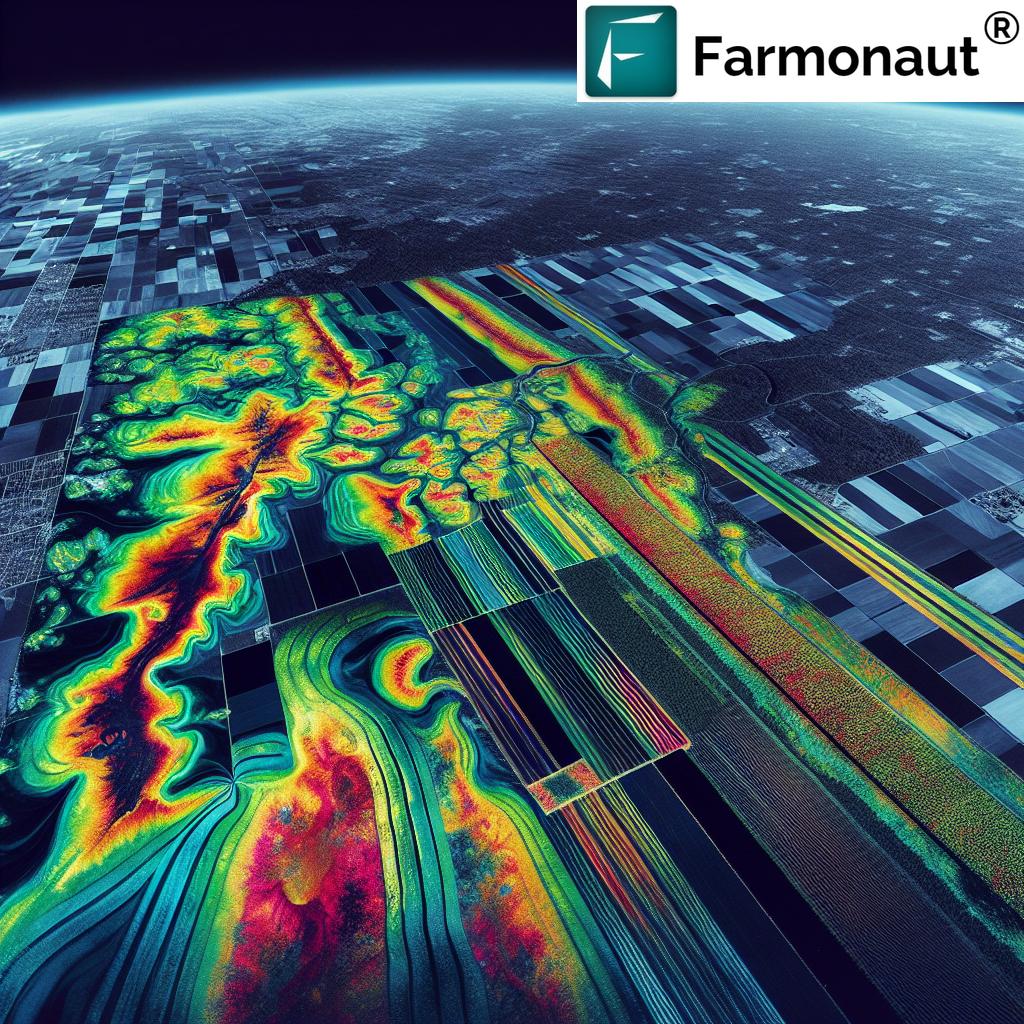
- 📊 Sensors and remote sensing—including multispectral satellite data, soil moisture sensors, and drones—provide real-time insights into crop stress, pest outbreaks, and nutrient deficiencies.
- 💡 AI-driven analytics interpret massive data sets for informed decision-making.
- 🛡 Protection measures—from spot-spraying to automated irrigation—reduce loss and boost efficiency.
- 🌐 Digital platforms link smallholders directly to supply chains, financial services, and precision advisory.

In forestry and agroforestry, these same precision tools improve tree health, manage timber harvests, and optimize mixed-species planting for resilience, carbon sequestration, and ecosystem services.
2. Sustainable Breeding and Genetics
- 🌱 Marker-assisted selection, gene editing (where regulatory conditions allow), and molecular breeding rapidly deliver drought, heat, and pest resistance in crops and trees.
- 🔬 New varieties are fine-tuned for local conditions, resource efficiency, and market needs—critical for smallholders in vulnerable or rural regions.
- 🧬 Improved genotypes in forestry provide faster growth, better wood quality, and ecosystem resilience for sustainable timber supply and reforestation.
3. Real-Time Monitoring, Input Efficiency, and Traceability
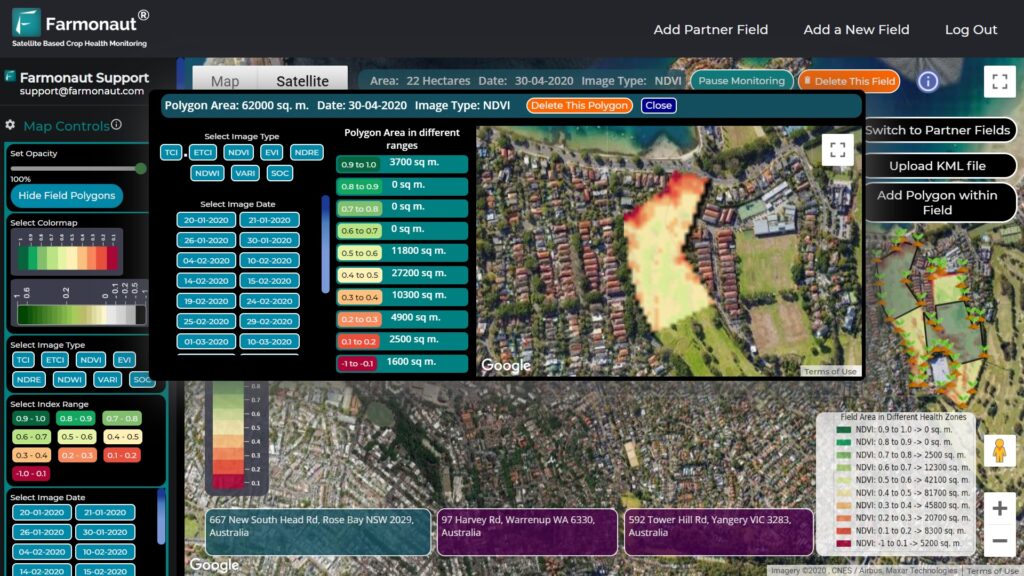
- 🚀 Farmonaut satellite-based remote sensing enables continuous, real-time field monitoring for soil health, vegetation indices (NDVI), and water status, supporting both agriculture and mining-adjacent land stewardship.
- 🔗 Blockchain-powered traceability platforms ensure transparent, tamper-proof supply chains for agricultural, timber, and mineral products. Trace your resources
here. - 🔀 Variable-rate input application (water, fertilizers, crop protection) reduces runoff, contamination, and resource waste—particularly near mining or sensitive forested sites.

Sustainability, Climate Resilience, and Ecosystem Management
The third agricultural revolution is not just about technology—it’s about integrating sustainability, climate adaptation, and ecosystem services into everyday practices and decision-making.
4. Resource Efficiency and Soil Health
- 🌿 Agroecological practices like cover cropping, reduced tillage, and diversified rotations restore and maintain soil organic matter and microbial diversity.
These regenerative methods prevent the soil degradation seen post-Green Revolution and provide long-term productivity. - 💧 Water management innovations: Advanced soil moisture monitoring (such as Farmonaut’s satellite soil moisture tool) helps farmers implement deficit irrigation, rainwater harvesting, and precise timing to optimize water use.
Learn more about carbon footprinting for agriculture. - 🥗 Site-specific nutrient management means applying only what is needed, reducing losses into waterways and boosting nutrient-use efficiency.

5. Climate Resilience and Risk Management
- 🌞 Climate-adaptive crops and tree species, buffer zones, and stress-resilient systems are designed to withstand extreme weather, pests, drought, and floods.
- ⚡ Digital risk management tools anticipate problems before they impact yields, improving rural incomes.
- 🌲 Forestry and agroforestry systems act as carbon sinks, increase biodiversity, and support climate goals by integrating trees within farm landscapes.
See how satellite tech helps forestry monitoring and plantation.

“Over 60% of farms worldwide are expected to adopt digital technologies during the Third Agricultural Revolution.”
6. Governance, Equity, and Supply Chain Integration
- 💪 Inclusive digital platforms train smallholders and marginalized communities, improving access to tech, credit, and market intelligence.
- 🔗 End-to-end supply chains, powered by digital traceability, reduce post-harvest losses and open new markets—including for minerals and gems dependent on sustainable land management.
Access satellite-powered crop loan & insurance verification. - 📦 Fleet management solutions streamline transportation, delivery, and fleet utilization—especially vital for mining and large-farm sectors.
Discover smart fleet management for agriculture & mining.
7. Cross-Sector Collaboration and Integrated Resource Stewardship
- 🔄 Agricultural fields, forests, and mining or infrastructure sites are no longer managed in silos. Integrated watershed planning, environmental monitoring, and joint interventions preserve ecosystem health while optimizing productivity for multiple sectors.
- 🌎 Carbon accounting and biodiversity evaluation become central, rewarding regenerative practices and strategic adaptation that benefit both farm and planet.
Farmonaut: Enabling the Third Agricultural Revolution with Satellite & Digital Solutions
As pioneers in satellite-based agriculture and resource monitoring, we at Farmonaut empower users worldwide to harness the benefits of the third agricultural revolution. Our end-to-end platform integrates satellite imagery, AI, blockchain, and digital advisory for actionable insights in agriculture, mining, forestry, and resource sectors.
Whether you manage a farm, mining site, or a regional natural resource zone, Farmonaut’s suite of tools brings real-time, scalable, and affordable solutions to the heart of your operation.



- 🌟 Scalable Subscription Packages: Tailored plans for individuals, businesses, and government users (see below for pricing).
- 🔍 API Access: Developers can integrate Farmonaut’s satellite and weather data directly. See API Options and review
Developer Docs.

Key Insights, Bullet Points, Visual Lists, and Callout Boxes
5 Quick Bullet Points—The Third Agricultural Revolution
- ✔ Precision farming uses GPS, sensors, and analytics for smarter input use, raising yields while reducing costs.
- 🌱 Sustainable breeding delivers drought, heat, and pest-resistant crop varieties adapted for local resilience.
- 💧 Water and soil health are restored through agroecological practices, real-time monitoring, and targeted interventions.
- 🛡 Climate resilience tools go beyond adaptation, integrating risk management and environmental impact reduction.
- 🔗 Traceability and integration via digital technologies reduce fraud, improve chain-of-custody, and foster smallholder inclusion.
📈 Visual List: 5 Key Benefits of the Third Agricultural Revolution
- ✔️ Yield Uplift: Up to 20% higher yields from precision management and improved genetics.
- 🧩 Biodiversity Recovery: More species-rich fields, forests, and landscapes via regenerative practices.
- 🛡️ Risk Mitigation: Lower exposure to drought, pests, and market shocks with digital risk tools.
- 💚 Resource Efficiency: 25–30% reduction in water, fertilizer, and chemical use.
- 🔗 Transparent Supply Chains: End-to-end digital tracking for agriculture, forestry, and minerals enhances trust and marketability.
⚠ Visual List: Potential Limitations/Risks
- ⚠️ Digital Divide: Not all rural communities have equal access to advanced technology or training.
- ⚠️ Regulatory Barriers: Adoption of next-gen genetics and data platforms depends on country-specific laws.
- ⚠️ Data Overload: Effective use of big data requires skilled interpretation to avoid mismanagement.
- ⚠️ Privacy Concerns: Blockchains and remote sensing must ensure ethical data handling.
- ⚠️ Upfront Costs: Some innovations demand capital investment before benefits are realized.
The Third Agricultural Revolution in 2026 & Beyond: Integrated Systems for a Resilient Future
As we approach 2026, the third agricultural revolution is not about a single “silver bullet”—but a holistic evolution in agricultural systems. We are already seeing:
- Farms and forestry managed through integrated data, real-time monitoring, and digital traceability, driving system-wide productivity and accountability;
- Smallholders and rural communities empowered by access to precision tech, sustainable varieties, and digital financial services;
- Sectors like mining and infrastructure recognizing their role as stewards of land, water, and biodiversity, aligning operations with climate adaptation and ecosystem services;
- Governments incentivizing sustainable practices and transparent supply chains for food security and environmental outcomes.
Policy, education, and technology must move together—localizing solutions, building capacity, and ensuring innovations are accessible to everyone in the value chain, not just large enterprises. The revolution’s ultimate success hinges on strategic collaboration—across farms, forests, mining sites, and rural landscapes.
For those interested in scaling or integrating satellite, AI, and blockchain technology, Farmonaut continues to offer accessible, affordable, and advanced tools to support productivity, resilience, and transparent land stewardship.
Explore large-scale farm management solutions here:
Farmonaut’s Large-Scale Farm Management Platform.
FAQ: The Third Agricultural Revolution
What is the third agricultural revolution?
The third agricultural revolution refers to the current era of agricultural transformation that emphasizes precision agriculture, sustainable genetics, digital technologies, regenerative practices, and integrated ecosystem management. It differs from the Green Revolution by prioritizing sustainability, resilience, and decoupling yield increases from environmental harm.
How does the third agricultural revolution differ from the Green Revolution?
The Green Revolution leveraged high-yielding varieties, synthetic fertilizers, and irrigation for rapid productivity. In contrast, the third agricultural revolution (third agricultural revolution vs green revolution) focuses on data-driven decision-making, reduced chemical inputs, enhanced soil and water health, biodiversity, climate adaptation, and the integration of digital and biotech advances for sustainable productivity gains.
Which technologies are central to the third agricultural revolution?
Central technologies include satellite and drone remote sensing, AI/ML analytics, GPS-guided machinery, blockchain traceability, advanced breeding tools, soil and water sensors, and digital farm management platforms. Satellite-driven services such as those offered by Farmonaut help farmers, foresters, and miners optimize resources and support climate-smart decision-making.
What is the expected adoption rate of digital agriculture by 2026?
Current estimates predict that over 60% of farms worldwide will adopt some form of digital agriculture or precision technologies during the third agricultural revolution by 2026.
How can smallholders benefit from the third agricultural revolution?
By accessing precision services, improved climate-adaptive varieties, digital supply chains, and inclusive financial tools, smallholders gain productivity, resilience, and fairer market opportunities. Digital platforms (like those offered by Farmonaut) provide affordable and scalable solutions for monitoring, advisory, and resource management.
How is climate resilience built into modern agriculture?
Climate resilience is addressed through a combination of technology (predictive analytics, stress-tolerant varieties), resource stewardship (soil/water health), and integrated climate-risk management—allowing farmers and land managers to anticipate, adapt to, and mitigate climate-driven risks.
Can satellite technology monitor environmental impacts in agriculture and mining?
Yes. Modern satellite remote sensing platforms (like Farmonaut’s) monitor vegetation health, soil conditions, water use, environmental impacts, and even carbon emissions in both agriculture and mining—enabling compliance with sustainability standards and improved environmental stewardship.
Where can I learn more about integrating these technologies into my operation?
You can begin by exploring Farmonaut’s array of satellite, AI, and digital tools, available via web and mobile app, or connect with developer and enterprise solutions through their APIs.
The Third Agricultural Revolution: Building a resilient, sustainable, and digitally connected future in agriculture, forestry, and the resource sectors—where data, technology, and stewardship meet to ensure productivity and planetary health by 2026 and beyond.