Taungya: Sustainable Forestry System for 2026
“Over 75% of Taungya-based forests in Asia reported increased biodiversity between 2020 and 2025.”
“By 2025, Taungya systems helped rehabilitate more than 100,000 hectares of degraded land worldwide.”
Introduction to Taungya and Sustainable Forestry
The Taungya system stands as a beacon of innovation, sustainability, and practical land management in the context of today’s escalating climate and environmental challenges. Emerging from the lush landscapes of Myanmar and later adopted widely across the tropical regions, Taungya blends forestry, agriculture, and agroforestry—integrating tree planting with temporary crop farming on the same land plot. As we set our sights on 2025 and beyond, this method is gaining momentum as an essential solution for sustainable forestry, improved livelihoods, effective reforestation efforts, and climate action.
Taungya’s distinctive approach directly supports global efforts to achieve biodiversity conservation, enhanced carbon sequestration, and resilient rural economies. Its enduring principles offer a practical pathway that addresses deforestation, degraded land, and the urgent push for a greener, more equitable world.

Origins and Evolution: Myanmar to Global Relevance
Originating in Myanmar during the 19th century, the taungya system was initially developed to aid colonial forestry management projects. Its success led to widespread adoption across tropical regions of Asia, Africa, and South America. Today, as rural areas face mounting pressures of land degradation, population growth, and climate change, Taungya’s principles are increasingly relevant and have been refined through several years of local adaptation and policy evolution.
- ✔ Key benefit: Revitalizes degraded lands while ensuring community participation.
- 📊 Data insight: Over 100,000 hectares of degraded land rehabilitated globally with Taungya by 2025.
- ⚠ Risk: Requires careful land tenure arrangements to succeed.
- 🌍 Geographic spread: Myanmar, India, Ghana, Indonesia, Nigeria, Brazil.
- 💡 Pro Tip: Success rests on adapting Taungya principles to local environmental and social contexts.
Core Principles of the Taungya System: Sustainable Forestry in Action
At the core of the Taungya system lies the philosophy of combining tree seedlings and staple crops (such as maize, beans, or cassava) on a shared plot. By integrating agriculture and forest cover, Taungya enables food production with long-term forest growth, maximizing land use efficiency. Here’s a breakdown of its main steps:
- Land Preparation: Clearing a portion of degraded forest or land, retaining soil health and native species where possible.
- Sowing: Farmers sow food crops and plant tree saplings simultaneously.
- Initial Benefits: Intercropped plants provide quick economic returns, supporting livelihoods and food security during the early years.
- Transition: As tree canopies close, shade increases and cropping gradually diminishes, giving way to forest maturation.
- Restoration: The trees mature, restoring ecological balance, biodiversity, and carbon sinks.
- ✔ Immediate Farmer Incentives: Access to food crops and commercial sale before shade closure.
- ✅ Restored Landscapes: Reestablishes forest cover on degraded land.
- ✅ Ecological Benefits: Builds soil fertility, boosts biodiversity, and reduces erosion.
- 😌 Long-term Security: Effective mechanism to prevent illegal logging and forest negligence.
Taungya in 2026: Adapting the System for Modern Sustainability
The relevance of the Taungya system in 2026 is greater than ever. Facing mounting pressures—like climate change, global deforestation, and rising carbon concentrations—nations are increasingly turning toward approaches that blend community engagement with proven sustainable forestry outcomes. The Taungya system offers practical solutions for:
- ✔ Accelerating reforestation while maximizing social buy-in from local communities
- ✔ Enhancing biodiversity, creating mixed-species stands for ecosystem resilience
- ✔ Improving local resilience—both economically and environmentally
- ✔ Boosting rural livelihoods by aligning short-term food production gains with long-term forest growth
- ✔ Contributing to global climate goals through increased carbon sequestration

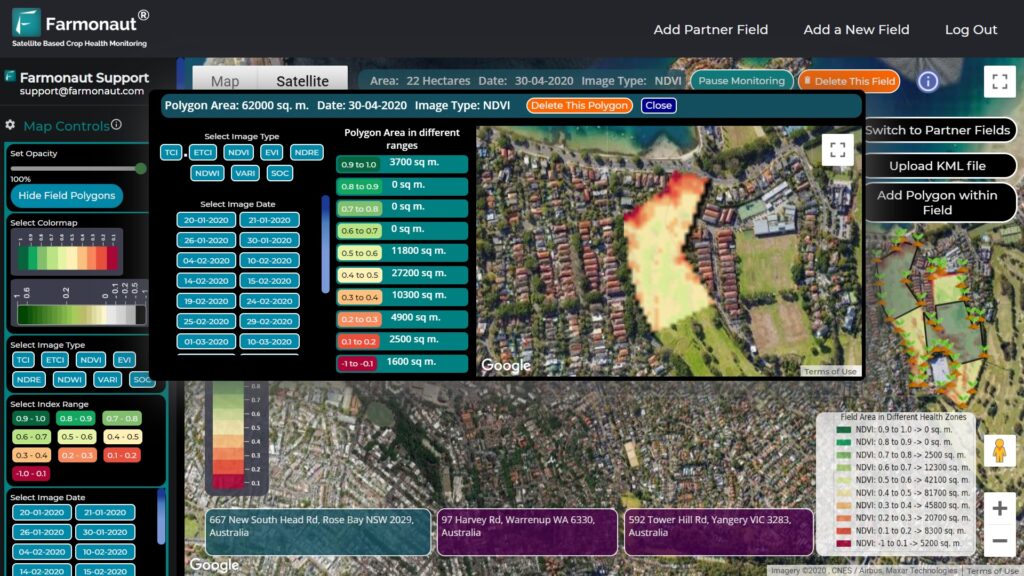
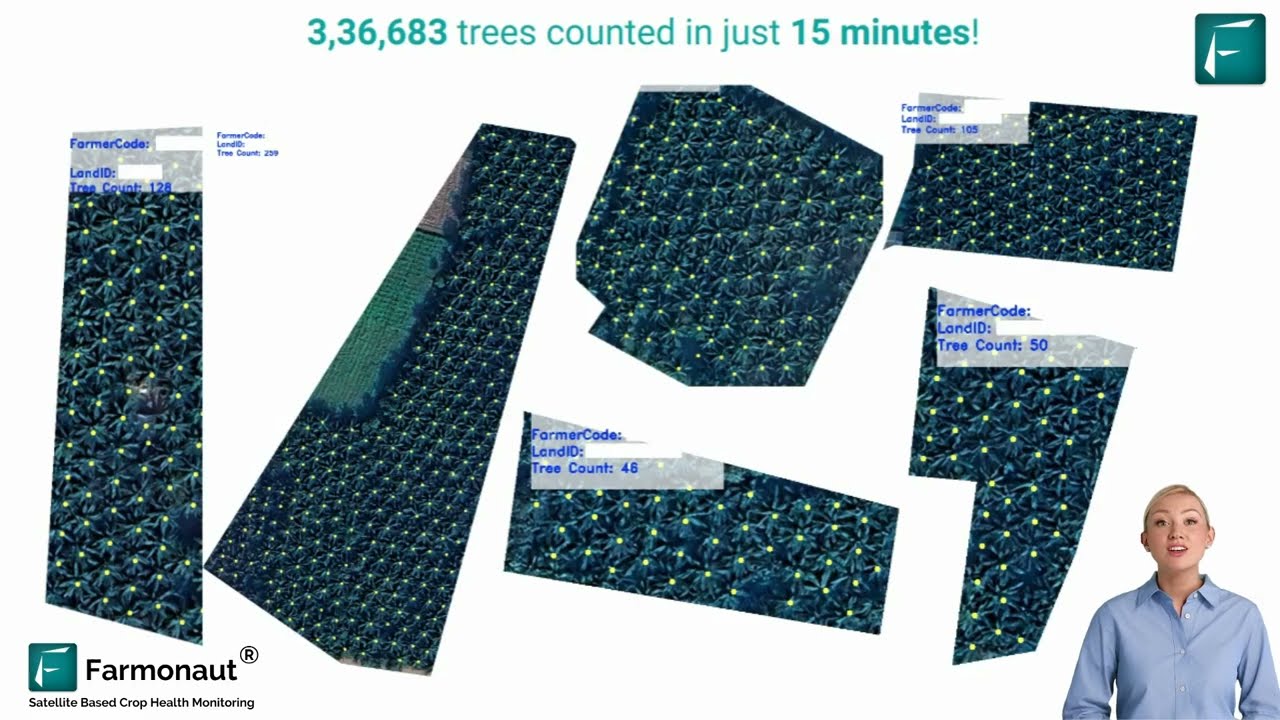
Technological integration is transforming Taungya in the 2020s. With satellite monitoring, drone surveillance, smart irrigation, and AI-driven advisory platforms (like those we offer at Farmonaut), Taungya’s success rates in reforestation, tree count accuracy, and crop yield prediction have surged. Data-driven decisions now help optimize planting schedules and automate ecosystem monitoring.

Key Benefits of Taungya Agroforestry for 2026 and Beyond
Ecosystem Services & Climate Resilience
- 🌳 Biodiversity Enhancement: Mixed-species planting under Taungya improves habitat for birds, pollinators, and other wildlife—boosting overall ecosystem health.
- ⏳ Accelerated Reforestation: High success in restoring degraded land and reclaiming lost forest cover in under a decade.
- 🌱 Improved Soil Quality: Crop-forest integration fosters natural nutrient cycling and erosion control.
- 🌀 Climate Change Mitigation: Dense, maturing forest stands become significant carbon sinks—critical for global climate targets.
- 👐 Community Engagement: Ensures local stakes and stewardship—crucial for the long-term survival of planted forests.
Economic & Social Advantages
- 💵 Income for Farmers: Unlike many conventional forestry projects, Taungya provides immediate food and cash crop returns.
- 📈 Improved Land Use: Maximizes output from each plot—balancing food security with ecosystem restoration.
- 🧑🌾 Empowerment: Incentivizes good land stewardship by recognizing community benefits and cooperative land tenure.
- 🌾 Prevention of Undesirable Practices: Reduces illegal logging and land abandonment by keeping farmers invested for the duration of tree growth.
- 🎯 Alignment with Development Goals: Directly supports the UN Sustainable Development Goals targeting zero hunger, climate action, and life on land.

Comparison Table: Taungya vs. Traditional Forestry & Agriculture
The following table summarizes the key differences and estimated impacts across sustainability, yield, and climate resilience. These comparisons underscore why Taungya is advancing as a strategic, multi-benefit system in 2026 and beyond:
| System Type | Land Use Efficiency (Estimated %) |
Biodiversity Impact (Score 1–10) |
Carbon Sequestration (tCO₂/ha/year) |
Farmer Income Potential (USD/ha) |
Climate Resilience |
|---|---|---|---|---|---|
| Traditional Forestry | 50–60% | 7 | 3–5 | 200–600 | Medium |
| Conventional Agriculture | 80–90% | 4 | 0.3–0.7 | 700–1500 | Low |
| Taungya System | 85–95% | 8–10 | 6–9 | 800–1600 | High |
- 🌟 High Biodiversity: Taungya supports double the biodiversity score of most conventional agricultural systems.
- 🌡️ Carbon Sink: Taungya stands sequester up to 9 tCO₂/ha/year, a key metric for project investors.
- 💸 Income Advantage: Farmers see higher income potential as food and cash crops are embedded into early phases.
- 🛡️ Resilience: Mixed-crop and tree systems withstand weather, market, and ecological shocks better than single-use land models.
Farmonaut’s Role in Supporting Taungya and Land Management
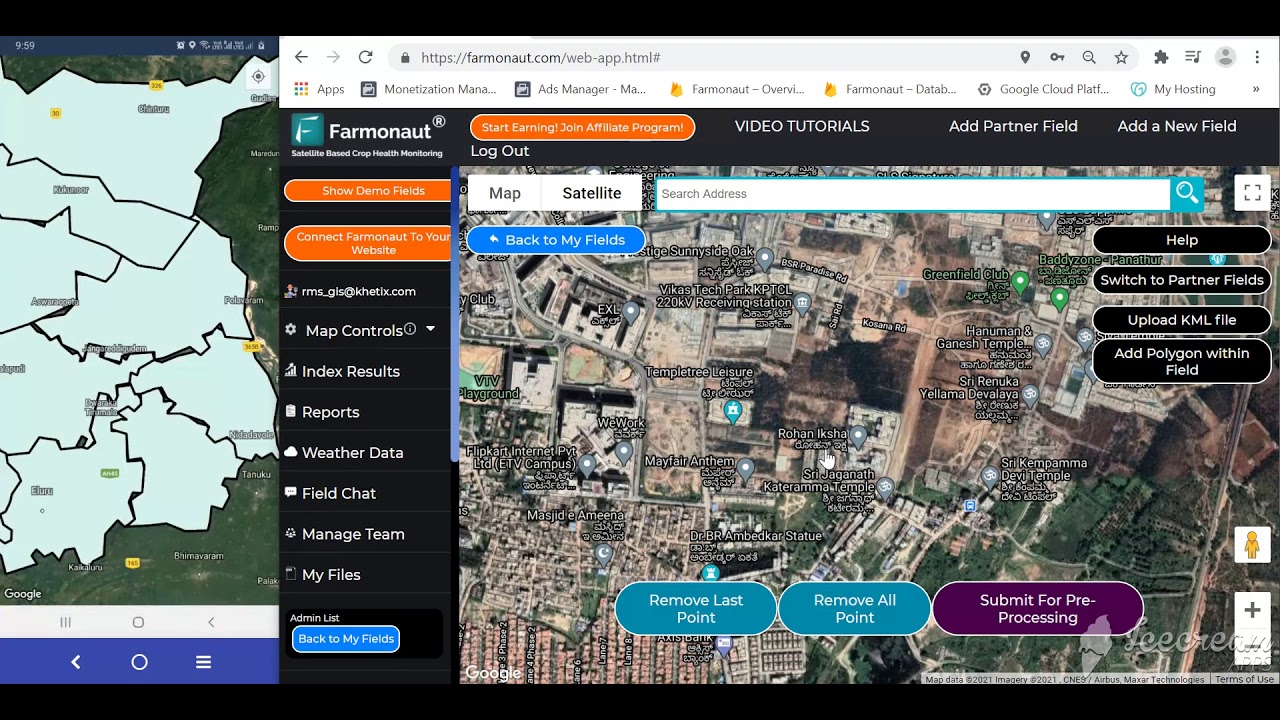
At Farmonaut, we are dedicated to accelerating sustainable land management and optimizing agroforestry like Taungya through our advanced suite of satellite and AI-powered tools. Our technology empowers farmers, businesses, and government agencies to efficiently monitor, plan, and manage large-scale Taungya or mixed-land projects.
- 🛰️ Satellite-Based Monitoring: We deliver real-time updates on crop health, forest regrowth, and land use changes—enabling early intervention for best outcomes.
- 🧠 Jeevn AI Advisory: With our AI-driven insights, users receive tailored recommendations for crop and tree planting, irrigation scheduling, and pest control.
- 🔗 Blockchain Traceability: Using traceability solutions such as Farmonaut’s traceability platform, produce and forest products gain provenance for export and local markets.
- 🌍 Environmental Impact Tracking: Our platform provides carbon footprint monitoring via our carbon footprinting tools, helping users comply with regulations and improve project sustainability.
- 💸 Access to Finance: Through satellite-based verification, we make it easier for Taungya farmers to access loans and insurance without the high risk of fraud.




Implementing Taungya: Best Practices for 2026
Step-by-Step Taungya Implementation
- Site Selection: Identify areas with degraded soils or abandoned farmland; ensure proximity to water and access routes.
- Local Community Mobilization: Engage local populations as partners through transparent agreements over land use and future benefit sharing.
- Species Choice: Choose native trees alongside crops like maize, beans, cassava, or suitable local staples to maximize compatibility and growth.
- Simultaneous Planting: Sow crop seeds while planting tree seedlings—ensuring rows and spacing optimize light, water, and nutrient sharing.
- Year 1 to 3 – Crop Phase: Encourage active farming; monitor progress with digital tools and provide technical support for weed/pest management.
- Year 2 to 5 – Transition: Gradually reduce cropping as tree canopy closes; support soil health with ground cover crops if needed.
- Post-Canopy Closure: Focus on managing young forest, continued surveillance for pests and fires, and possible integration of non-timber products.

- 🌱 Soil Tip: Use nitrogen-fixing crops or legumes alongside trees to maintain nutrients and prevent soil degradation in the early years.
- 📋 Monitoring: Employ apps or desktop tools to track forest regrowth, pest outbreaks, and soil moisture—critical for guarding against illegal logging and maximizing survival rates.
- ⭐ Incentivize: Provide farm input support or market links to ensure farmer engagement through all phases.
- 🌾 Diversify: Introduce fruit, medicinal, or spice crops where appropriate for higher income potential and risk reduction.
- 🛡️ Insurance: Connect farmers to crop/forest insurance offerings—click here for details—for better resilience against climate shocks.
✔ Dos for Taungya Success in 2026
- ✅ Engage all stakeholders: local farmers, women, youth, and landowners
- 🌱 Choose native tree species to promote ecological harmony
- 🔄 Rotate crops and rest land if possible for long-term productivity
- 📲 Leverage platforms (like Farmonaut’s apps) for digital recordkeeping and satellite monitoring
- 💬 Maintain clear communication and written agreements for land tenure and profit-sharing
⚠️ Don’ts for Taungya Management
- ❌ Don’t neglect post-crop forest care—fire, pests, and weed control are crucial
- ❌ Don’t plant invasive or unsuitable trees—this can harm both soil and biodiversity
- ❌ Don’t disregard community rights or social inclusion
- ❌ Don’t over-rely on single cash crops; diversify to manage risk
- ❌ Don’t bypass legal and regulatory compliance—especially with international forestry charters
Challenges and Limitations of the Taungya System
- ⚠️ Land Tenure and Legal Clarity: Unclear or shifting land ownership can undermine local engagement and long-term forest protection.
- ⚠️ Technical Knowledge Gaps: Lack of extension services or practical guidelines may lead to poor crop-tree integration or failed plantations.
- ⚠️ Balance of Cropping and Tree Growth: Over-prioritization of short-term gain can endanger long-term forest outcomes.
- ⚠️ Resource Competition: Water and nutrients must be managed to avoid crop/tree conflicts—digital and AI-based farm management systems are recommended.
- ⚠️ Market Access & Economic Incentives: Secure outlets and fair pricing for harvested crops and forest products remain a challenge in some regions.
Frequently Asked Questions: Taungya System & Sustainable Forestry
Q1: What makes the Taungya system more sustainable than conventional agriculture or forestry?
Taungya integrates tree planting with food crops in a way that restores lost forest cover, improves soil health, supports biodiversity, and enhances community resilience, making it more sustainable than isolated farming or monoculture forestry.
Q2: Can the Taungya system be adapted for temperate regions or only in the tropics?
While originally developed in tropical regions like Myanmar, Taungya principles have been adapted for temperate forestry projects, especially those focused on afforestation and ecosystem restoration.
Q3: How can I monitor my Taungya or reforestation project efficiently?
Using remote sensing, satellite-based platforms, and mobile or web apps like those from Farmonaut, enables effective monitoring of crop health, forest growth, and overall land use progress.
Q4: Do I need extensive technical knowledge to start a Taungya project?
Basic agricultural and forestry knowledge helps, but many tasks can be guided by digital apps, AI-based advisory platforms, and support tools that simplify best practices.
Q5: How long do the benefits of Taungya last, and what happens when the canopy closes?
Crops are grown profitably for the first 2–4 years, after which forest trees take over and the landscape shifts into a conservation and resource zone—delivering long-term carbon, biodiversity, and economic returns.
Conclusion: Taungya as a Pillar of Resilient Forestry and Sustainable Land Use (2026+)
The Taungya system is not just a relic of agroforestry history—it is a dynamic, adaptable method that remains vital for sustainable forestry, land management, and community livelihoods in the face of today’s and tomorrow’s environmental challenges. By aligning the rapid restoration of degraded land with immediate economic opportunities for local communities, Taungya bridges food security and climate action in a uniquely holistic way.
By 2026, new technologies are taking Taungya further—smart monitoring tools, data-driven management, and digital traceability are making the practice scalable, transparent, and resilient at landscape levels. At Farmonaut, we are proud to provide the satellite and AI solutions that help users around the world advance these goals, ensure higher tree survival, precise carbon accounting, and efficient resource management.
As governments, investors, and rural populations seek innovative pathways to sustainable development, the principles and successes of Taungya are set to remain indispensable—ensuring that we meet 2030 and 2050 climate commitments while building a thriving, equitable future for people and planet.