Sustainability Assessment of Food & Agriculture Systems 2026: Advancing Resilience & Environmental Stewardship
“In 2025, over 60% of urban agriculture systems adopted at least one sustainable practice in food production.”
Introduction: Why Sustainability Assessment of Food and Agriculture Systems is Essential in 2026
The sustainability assessment of food and agriculture systems stands at the forefront of global discussions as the planet’s population approaches 8.5 billion. In 2026, we’ve entered an era where resource constraints, environmental degradation, climate change, and social inequities demand our urgent attention. Sustainable food systems must deliver not only high yields but also shield vital resources—soil, water, and biodiversity—while safeguarding farmers’ livelihoods and ensuring equitable access for communities worldwide.
Sustainability is no longer a lofty ambition; it is a necessity for human survival, food security, and environmental wellbeing. Let’s explore what makes up comprehensive sustainability assessments, the driving challenges, and the breakthrough solutions leading us into 2026.



Looking to integrate satellite-driven sustainability insights into your products or platforms? Access our comprehensive API and developer documentation for seamless data integration.
In 2026, effective sustainability assessment frameworks are fundamental for guiding global agriculture towards climate resilience, resource efficiency, and equitable access for all communities.
Defining Sustainability in Food & Agriculture: The Three Core Dimensions
Sustainability in agriculture is more than a buzzword—it is a holistic goal involving a delicate balance among three core dimensions: environmental health, economic profitability, and social equity. Let’s break these down:
- Environmental Health: Sustainability in agriculture aims to protect soil fertility, minimize water and land degradation, maintain biodiversity, and reduce greenhouse gas emissions. Healthy natural systems are the foundation for resilient agriculture.
- Economic Profitability: Sustainability cannot exist without economic viability. Agricultural practices must ensure sufficient yields and farmer livelihoods, enabling investment in sustainable approaches and technologies.
- Social Equity: True sustainability assessment of food and agriculture systems includes a commitment to social justice. This dimension guarantees fair access to resources, support for smallholder farmers, and inclusive community development.
Integrated assessment tools and sustainability metrics now allow policymakers and stakeholders to evaluate the effects and trade-offs of farming systems holistically.

-
🌱
Environmental
Health & Protection -
💰
Economic
Viability & Growth -
🤝
Social
Equity & Inclusion
Always assess sustainability holistically: Is your approach balancing environmental, economic, and social outcomes? Modern tools let you measure all three for lasting impact.
Key Issues in Food Farming and Sustainability
The intensification of food production in recent decades has delivered higher yields, but often at considerable environmental and social cost. These agriculture sustainability issues are especially critical in 2026 as we navigate the intersection of growing demand and pressured ecosystems across all regions.
Major Environmental Agriculture Sustainability Issues
- ✔ Soil Degradation: Overuse of chemical fertilizers and pesticides has led to declining soil fertility and structure, reducing potential yields and threatening long-term food security.
- ✔ Water Scarcity: Water is a critical agricultural resource. Increasing pressures from over-extraction, changing precipitation, drought, and climate change severely threaten food systems, particularly in arid and semi-arid regions.
- ✔ Biodiversity Loss: Intensive monoculture systems, habitat fragmentation, and pesticide use contribute to a significant reduction in the
biodiversity critical for resilience. - ✔ Greenhouse Gas Emissions: High input farming, livestock production, and land conversion for agriculture remain significant sources of greenhouse gas emissions, which contribute to climate change.
Critical Socio-Economic Issues
- 📊 Land Tenure Insecurity: Many producers, particularly smallholder farmers, lack secure land rights, limiting their ability to invest in sustainable practices.
- 📊 Inequitable Resource Access: Access to water, capital, and markets is often skewed towards larger producers, marginalizing smaller or traditional farmers.
- 📊 Market Exclusion & Vulnerability: Smallholders, women, and minority groups are often disproportionately affected by shocks and are less likely to benefit from innovation or social safety nets.
-
⚠
Soil fertility loss -
💧
Water scarcity -
🌏
Biodiversity loss -
🔥
GHG emissions

It is no surprise that ongoing sustainability assessments in agriculture are crucial for identifying, monitoring, and addressing these interlinked environmental and socio-economic issues. Comprehensive frameworks now also integrate risk analysis for climate-induced threats and aim to promote resilience through adaptation and mitigation strategies.
Focusing solely on yield—without considering soil health, biodiversity, or social impacts—can undermine long-term sustainability. All three pillars require equal attention.
Urban Agriculture and Sustainability: Transforming Urban Spaces
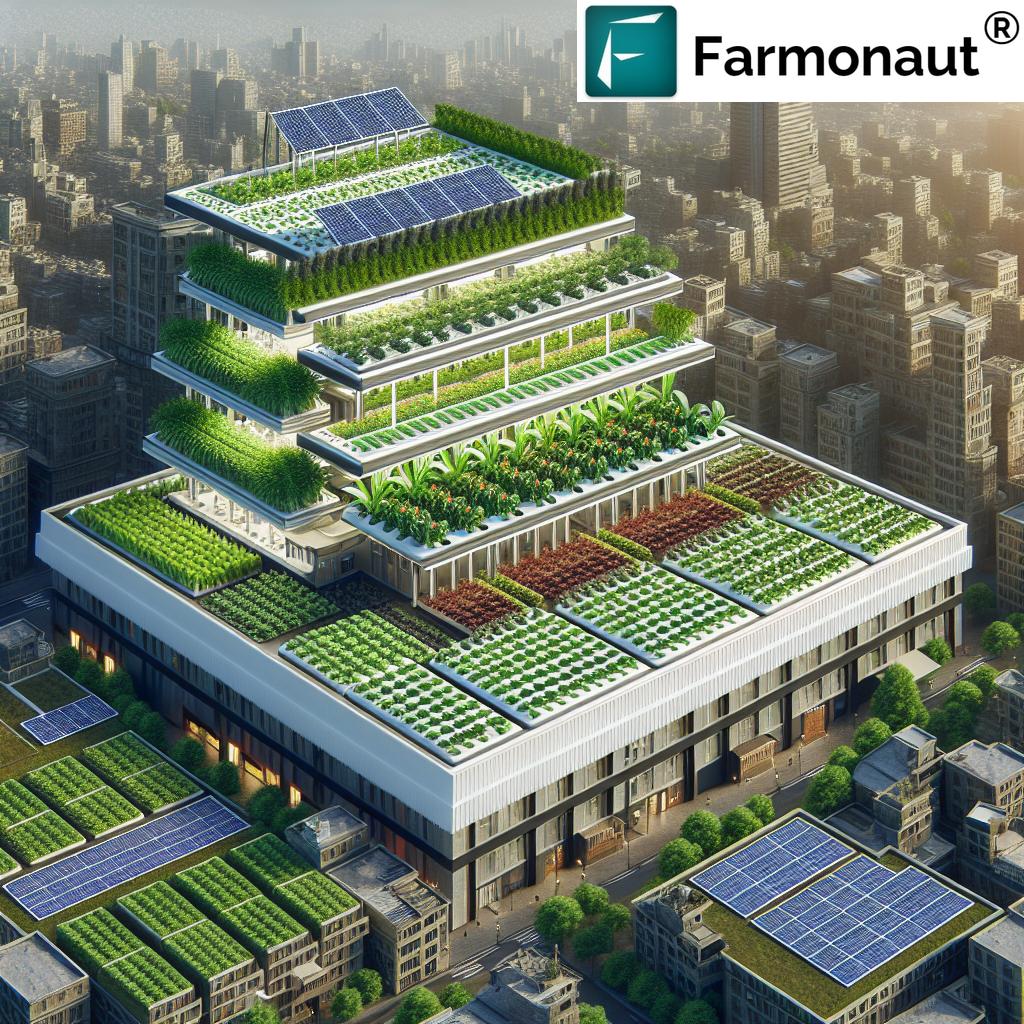
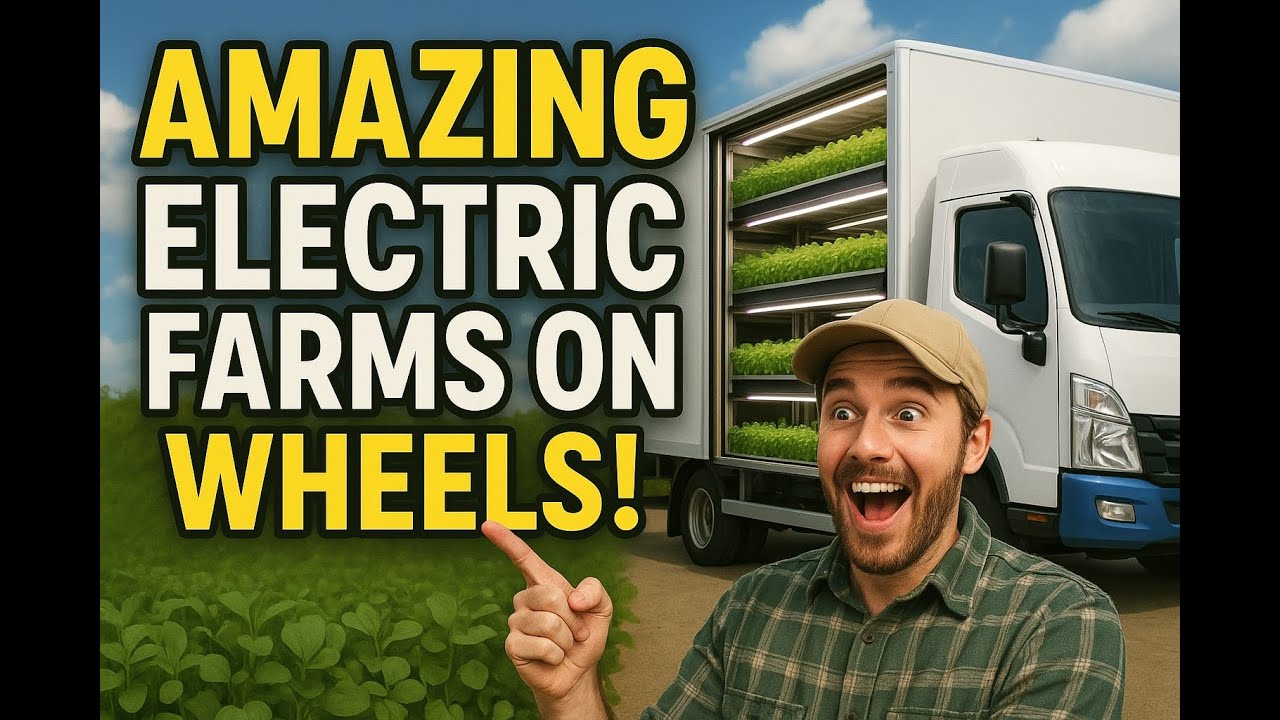
Urban agriculture and sustainability are increasingly intertwined as cities seek innovative solutions for food security, environmental health, and community engagement. In 2026, urban agriculture is not merely a trend; it’s an essential component of resilient food systems, particularly in rapidly urbanizing regions.
Benefits of Urban Agriculture Systems
- ✔ Reduces food mile carbon footprint by bringing food production closer to consumers
- ✔ Creates new green urban spaces—improving air quality, biodiversity, and microclimate regulation
- ✔ Supports local food security and increases access to nutritious produce
- ✔ Empowers communities (youth, women, underrepresented groups) through educational and entrepreneurial opportunities
- ✔ Enables innovation, such as vertical farming and hydroponics, that increases resource use efficiency and adaptability
Urban Agriculture Sustainability Assessment Indicators
- 📊 **Water use efficiency**: Key given urban water scarcity
- 🌱 **Potential contamination risks**: Soil and air pollution near roads/industrial areas
- 🤝 **Social impact**: Community empowerment, food access, job creation
- 💡 **Economic feasibility**: Profitability of urban farming models, market access, consumer demand
- 🛠 **Technology adoption**: Use of sensors, AI-enabled monitoring, closed-loop systems
Did you know? In 2025, over 60% of urban agriculture systems globally had adopted at least one major sustainable practice—from resource recycling to renewable energy use—demonstrating rapid transformation.

Urban agriculture offers diversified revenue streams (fresh produce, agritech rentals, urban farm tourism). Sustainability drives profitability and attracts ESG-focused investors in 2026.
Forestry Sustainability: Safeguarding Forests, Climate, and Communities
Forests are more than tree cover—they are vital carbon sinks, biodiversity reservoirs, and community lifelines. Forestry sustainability is a key component of holistic sustainability assessment of food and agriculture systems, especially as we face rising deforestation, unsustainable logging, and climate-driven wildfires.
Why Forestry Sustainability is Critical in 2026
- ✔ Forests help to reduce greenhouse gas emissions by storing massive carbon reserves
- ✔ Maintain watershed functions—regulating water flows needed in agriculture
- ✔ Harbor immense biodiversity and genetic resources
- ✔ Provide sustainable livelihoods to millions of forest-dwelling communities
- ✔ Prevent erosion, desertification, and land degradation
“Sustainable forestry methods in 2025 reduced soil erosion by up to 35% compared to traditional practices.”
Key Forestry Sustainability Assessment Indicators
- 🌎 Carbon accounting: Tracking sequestration and emissions for climate stewardship
- 🌿 Biodiversity/habitat conservation: Habitat set-asides, endangered species monitoring
- 🤝 Socio-economic outcomes: Benefits to local people, equitable access to resources
- 📊 Forest management practices: Certification status, adherence to standards (e.g. FSC)
- 🛰 Remote monitoring: Satellite, drone, and AI for real-time forest health updates (critical for resource-use planning)

Forestry sustainability assessment now leverages remote sensing and blockchain traceability to ensure transparent, accountable timber supply chains worldwide.
Comparative Sustainability Assessment Table: 2025 Projections
The following table visually compares key indicators across conventional farming, urban agriculture, and forestry—focusing on water usage, carbon footprint, biodiversity impact, land use efficiency, and adoption of sustainable practices. This concise overview empowers readers to compare and evaluate food farming and sustainability strategies at a glance.
| System Type | Estimated Water Usage (liters/kg) | Estimated Carbon Footprint (kg CO₂e/ton) | Biodiversity Impact | Land Use Efficiency (tons/ha) | Adoption of Sustainable Practices (%) |
|---|---|---|---|---|---|
| Conventional Field Cropping | 1200–2500 | 1100–1800 | High | 6–10 | 35–45% |
| Organic Field Cropping | 900–1600 | 800–1400 | Medium | 5–9 | 65–75% |
| Urban Vertical Farming | 100–400 | 350–550 | Low | 40–80 | 60–95% |
| Urban Rooftop Gardening | 200–600 | 400–700 | Low | 12–25 | 65–85% |
| Managed Natural Forestry | 20–150 | -1200* (net sequestration) | Low | 1.5–3 | 60–80% |
| Plantation Forestry | 35–180 | -900* (net sequestration) | Medium | 5–10 | 50–65% |
*Negative values for carbon footprint indicate net CO₂ sequestration.
Caption: Table: Comparative projections of sustainability assessment indicators across major food & agriculture systems for 2025, emphasizing water usage, carbon emissions, biodiversity, and adoption of sustainable practices.
Frameworks, Innovations & Integrated Assessment Tools in 2025+
Effective sustainability assessment of food and agriculture systems now requires integrated frameworks that address the needs of farmers, local communities, enterprises, and policymakers. Let’s explore the latest technological and methodological innovations driving sustainable transformation in farming, urban agriculture, and forestry:
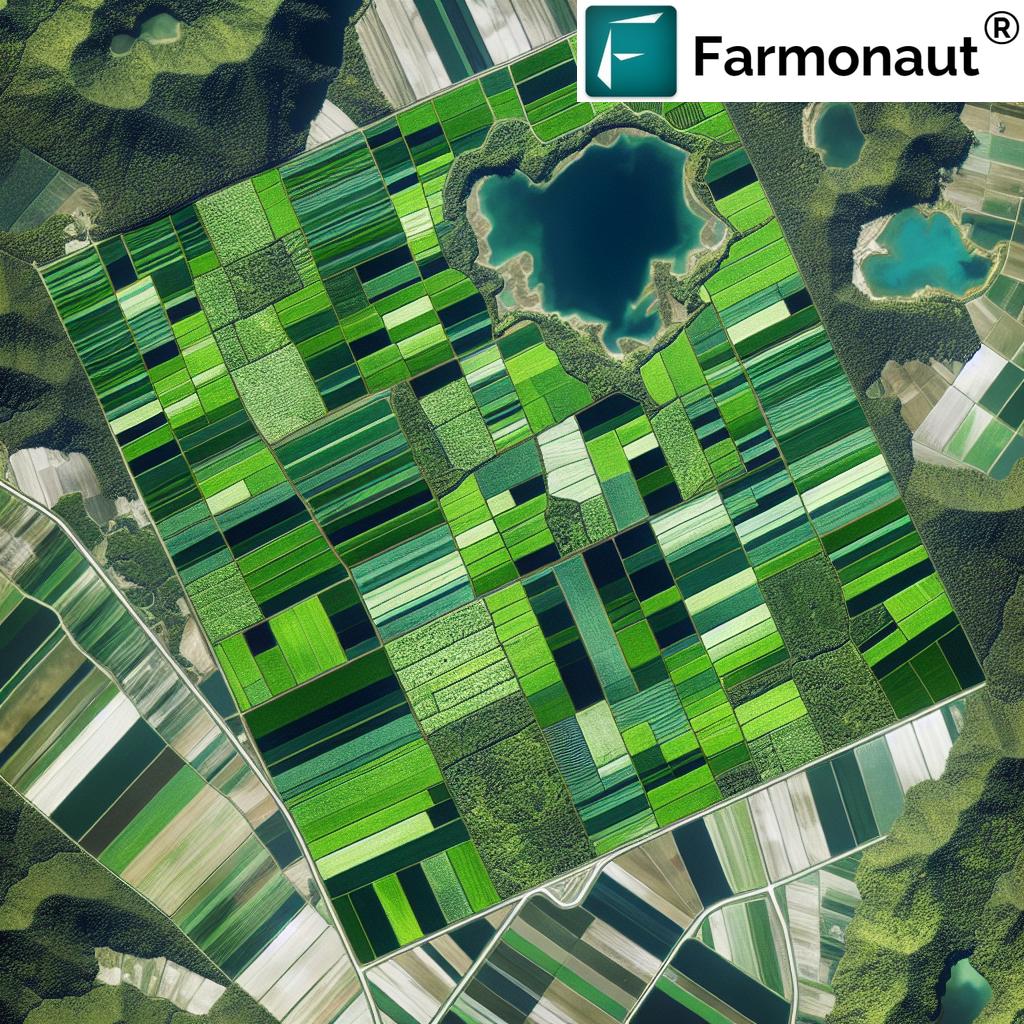
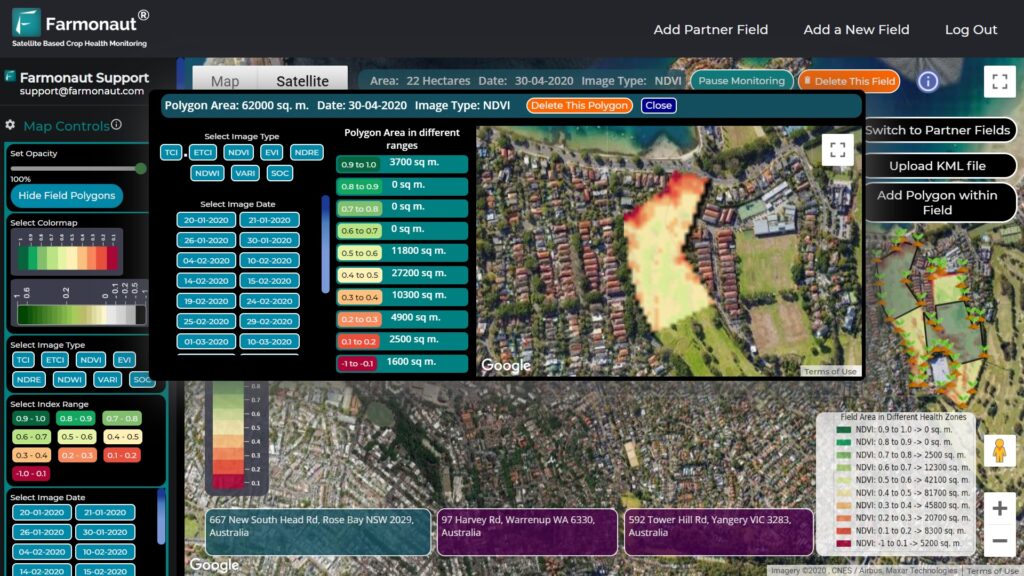
- Remote Sensing & Satellite Technology: Satellite data now enables ongoing monitoring of crop health, water stress, land use changes, and even carbon sequestration. Real-time imagery ensures accurate assessments at global, regional, and field-level scales.
- Life Cycle Assessment (LCA): Complete product/environmental impact analysis from raw material extraction to processing, logistics, and waste.
- Multi-Criteria Decision Analysis (MCDA): Helps stakeholders weigh trade-offs between economic viability, environmental stewardship, and social equity.
- Participatory Approaches: Community and farmer engagement ensures local relevance, knowledge inclusion, and improves adoption rates of sustainable practices.
- Blockchain & Digital Traceability: Secure, transparent verification of sustainability claims across food and forestry supply chains, building trust between producers and consumers.
- AI/ML-Based Advisory Systems: Artificial intelligence models (like Farmonaut’s Jeevn AI) help optimize production, predict climatic risks, and align management with sustainability targets.
- Certification Schemes: Update frequently to reflect the latest sustainability indicators and responsible sourcing standards (e.g., FSC for forestry, organic certifications).

Farmonaut offers carbon footprinting solutions—enabling farms, cooperatives, and agribusinesses to precisely measure, monitor, and report their climate impacts for certifications, supply chain transparency, and ESG targets.
To ensure full traceability and transparency from farm to fork, our platform also supports product traceability. This reduces fraud, builds trust in sustainable claims, and safeguards global food supplies.
- 📊 Remote Sensing: Field/crop/forest health monitoring, disaster risks, and productivity analysis
- ⚠ LCA/MCDA: Quantifying the full spectrum of impacts and trade-offs
- ✔ Blockchain: Authentication and monitoring for supply chain sustainability
- 💡 AI & Decision Support: Precision advisory and resource optimization
- 🤝 Community Engagement: Boosts adoption and efficacy of sustainability measures

Farmonaut: Empowering the Sustainability Assessment of Food and Agriculture Systems
At Farmonaut, we are committed to democratizing access to advanced satellite technology in support of holistic sustainability assessment of food and agriculture systems.
- ✔ Our satellite monitoring tools provide near-real-time resource mapping, crop/forest health assessments (NDVI/Soil/Water indices), and early warning for climate-driven hazards.
- ✔ Jeevn AI Advisory delivers actionable, location-specific recommendations to optimize water, fertilizer, and input use for sustainable results.
- ✔ Blockchain traceability creates trusted links throughout food and forestry value chains, protecting producers and consumers alike.
- ✔ Environmental impact tracking (including CO₂) helps organizations and communities align with local, national, and global climate targets.
- ✔ Fleet and resource management tools improve logistics, safety, and cost-effectiveness for modern agriculture and forestry operations. Explore our fleet management solutions for reducing operational losses and emissions.
- ✔ We offer crop loan and insurance data verification, streamlining finance access for sustainable agriculture, especially for smallholder farmers.

For plantation management and forest advisory needs, our crop, plantation, & forest advisory app empowers decision-makers with AI-powered insights, health diagnostics, and risk analysis for optimizing all land-based production systems.
Large-scale operations can leverage our agro admin app for consolidated field-level oversight, labor management, and sustainability analytics—delivering actionable data at scale.
Ready to adopt affordable, scalable, and data-driven sustainability practices? Explore Farmonaut’s simple, transparent subscription plans below:
Sustainable Practices & Recommendations: Advancing Food, Farming & Forestry Resilience
The future of sustainability assessment of food and agriculture systems in 2026 is all about integrating adaptive, resource-efficient, and community-centric solutions. Sustainable systems aren’t born; they are built through continual improvement driven by evidence, innovation, and collaboration.
Top Strategies for Sustainable Food and Agriculture
- 🌱 Regenerative Farming:
- Emphasizes soil health, crop diversity, minimum tillage, and cover cropping
- Restores carbon to soils, builds resilience to climatic fluctuations
- 💧 Water Conservation:
- Drip irrigation, rainwater harvesting, and recycling in urban systems dramatically reduce water usage
- 🎯 Precision Agriculture:
- Harnesses satellite imagery, AI, and IoT devices to optimize input use, boost yields, and minimize waste
- 🤝 Fair Access & Inclusive Growth:
- Empowering smallholder and marginalized farmers with digital tools and traceability opens up new opportunities
- 🌏 Forest Conservation & Agroforestry:
- Merges tree planting with food production, increases carbon sinks, and supports local biodiversity
- ⚠ Initial investment in technologies and sustainable infrastructure can be significant
- ⚠ Knowledge gaps and resistance to change may slow sustainable practice adoption
- ⚠ Equitable market access issues persist for small-holder and marginalized farmers
- ⚠ Data security challenges with increased satellite monitoring and digital traceability
- ⚠ Regulatory alignment and policy consistency may lag behind innovations
How Can Governments & Policymakers Accelerate Sustainability?
- Fund and incentivize remote sensing & AI monitoring platforms to collect actionable data
- Mandate and reward transparency via blockchain-based product traceability
- Support smallholders with micro-finance, technology education, and access to real-time climate advisory resources
- Prioritize region-specific ecosystem restoration and water stewardship programs
- Facilitate cross-sector collaboration for scaling up sustainable innovations
FAQ: Sustainability Assessment of Food and Agriculture Systems
-
What is a sustainability assessment of food and agriculture systems?
A sustainability assessment evaluates the environmental, economic, and social impacts of agricultural, food, and forestry systems. These frameworks use indicators such as carbon footprint, water usage, biodiversity, and social equity to guide improvements. -
Why is sustainability crucial for food and agriculture in 2026?
With rising global population, climate change, and natural resource constraints, sustainability is essential to ensure food security, economic viability, and environmental health for current and future generations. -
How do technology and data help sustainability?
Advanced technologies—like satellite monitoring, AI-based advisory, and blockchain traceability—provide real-time, reliable information and support smarter decision-making at every stage of the supply chain. -
What are some challenges in transitioning to sustainable practices?
Key obstacles include high upfront costs, knowledge gaps, market barriers for smallholders, and the need for harmonized policies. -
How can we track progress in sustainability?
By adopting frameworks, certifications, and digital traceability, stakeholders can measure key performance indicators, benchmark changes, and drive continuous improvement.
Conclusion: Charting a Path for Sustainable Food and Agriculture in 2026 and Beyond
The sustainability assessment of food and agriculture systems in 2026 is more urgent than ever. As we manage complex challenges—climate swings, population pressures, social inequities—it is clear that only holistic, data-driven, and inclusive solutions will suffice.
Urban agriculture, forestry sustainability, and innovative frameworks all have roles to play in advancing resilience and environmental stewardship. Farmonaut is proud to deliver platforms and tools that empower modern farming, forestry, and food systems towards truly sustainable outcomes. We encourage all stakeholders—from smallholders to large enterprises, policymakers to financial institutions—to embrace robust sustainability assessments, leverage new technologies, and collaborate for a food-secure, climate-resilient, and equitable planet.
Sustainability isn’t an endpoint. It’s our ongoing commitment—for the land, communities, economic prosperity, and the generations yet to come.