Sericea Lespedeza Control: 7 Effective 2026 Tips
- Understanding Sericea Lespedeza & Its Impact in 2026
- Integrated Management Strategies for Sericea Lespedeza Control
- Sericea Lespedeza Control: 7 Effective 2026 Tips
- Comparative Method Effectiveness Table
- Leveraging New Technologies for Sustainable Management
- Restoration & Preventative Approaches for Lasting Success
- Restoring Balance: Supporting Biodiversity & Native Forage
- How Farmonaut Supports Sericea Lespedeza Control
- FAQ: Sericea Lespedeza Control & Management
- Summary: Sustainable Control for 2026 & Beyond
“In 2025, sericea lespedeza infestations can reduce native grassland productivity by up to 80% without control.”
Sericea lespedeza control is an ever-evolving challenge for farmers, ranchers, and land managers in North American rangelands and agricultural settings. As we look toward 2026, effective, ecological, and sustainable management of the invasive sericea (Lespedeza cuneata) is more critical than ever. This blog delivers clear, actionable guidance and the 7 most effective tips for integrated sericea lespedeza control, focusing on the environmental, agricultural, and technological advances at our disposal.



Understanding Sericea Lespedeza & Its Impact in 2026
Sericea lespedeza (Lespedeza cuneata) is a perennial, warm-season legume originally introduced from East Asia. While initially brought to North American soils for erosion control and as a forage crop, it has become a problematic, noxious weed due to its aggressive growth, deep-rooted system, and ability to outcompete native vegetation across rangelands, pastures, and conservation areas.
- ✔️ Rapid spread and dense stands suppress native grasses & forbs
- ⚠️ High tannin content in foliage reduces palatability and nutritional value for livestock and wildlife
- 📊 Alters soil nutrient cycling and blocks light for emerging desirable seedlings
- ⚠️ Creates persistent seed banks—one sericea plant may produce thousands of seeds annually
- 📉 Reduces pasture productivity, livestock gains, and ecological diversity
Key Insight: Sericea lespedeza control requires proactive methods tailored to your land’s ecological conditions and management objectives.

Integrated Management Strategies for Sericea Lespedeza Control
The best sericea lespedeza control draws from cultural, mechanical, chemical, biological, and restorative approaches—adjusted for the site’s soil, climate, existing vegetation, and management objectives. Below, we detail each mechanism, highlighting their roles in a modern, sustainable, and integrated system for 2025-2026 and beyond.
Pro Tip: Combine precision satellite monitoring with on-ground scouting for the earliest detection and targeted treatment of sericea infestations. Carbon footprinting tools can help ensure your management remains sustainable.
- 🌱 Cultural Controls: Rotational grazing, pasture renovation, and fostering competitive native vegetation
- 🛠️ Mechanical Controls: Timely mowing prior to seed set, repeated over seasons
- 💧 Chemical Controls: Targeted herbicide use during vulnerable growth stages (metsulfuron-methyl, triclopyr, etc.)
- 🦋 Biological Controls: Native plant restoration and introduction of natural sericea-suppressing organisms (where approved)
- 🪴 Restorative Measures: Follow-up seeding, soil health improvement, and early monitoring
Sericea Lespedeza Control: 7 Effective 2026 Tips
Looking beyond 2025, here are the top methods to control sericea lespedeza:
-
1. Timed Herbicide Applications—Strategic, Precision-Based
The most consistently effective control for established sericea stands is a chemical approach using selective herbicides like metsulfuron-methyl, triclopyr, and aminopyralid. For maximum efficacy in 2026:
- Apply during early to mid-bloom (usually July to early August in North America).
- Use site-specific, precision herbicide techniques supported by technologies such as drones or AI-guided equipment.
- Integrate with Farmonaut’s real-time satellite monitoring to track affected areas, schedule reapplications, and optimize timing for cost savings.
- Reduce environmental impact by targeting only problem zones, and combine with cultural methods for long-term suppression.
-
2. Culturally Managed Rotational Grazing
Heavy grazing pressure during sericea’s peak leafy growth> (mid-late summer) can suppress vigor. Managed well:
- Encourages livestock to consume sericea when palatability is highest.
- Can reduce reproductive potential when followed by timed mowing or herbicide, weakening root and crown reserves.
- Facilitates regrowth of native and desirable forage species if properly balanced with rest periods.
Common Mistake: Allowing overgrazing or returning livestock before native grass recovery. This favors sericea reestablishment and reduces pasture health. -
3. Repeated Mowing Before Seed Set
Mowing (mechanical control) performed just before seed set in July or early August prevents seed dispersal and weakens sericea plants.
- Must be repeated yearly due to sericea’s persistent root system and seed bank.
- Works best in conjunction with selective herbicides for total stand suppression.
- Can aid pasture renovation by opening space for seeded native grasses and forbs (large-scale farm management tools from Farmonaut can help monitor mowing schedules and regrowth).
-
4. Introducing Competitive Native Grasses and Forbs
Reseeding with native species after sericea reduction helps restore pasture productivity and ecological resilience.
- Promotes biodiversity and long-term weed suppression by occupying ecological niches.
- Encourages desirable forage for livestock and wildlife while reducing future sericea reestablishment.
- Best combined with soil health practices—such as those monitored by satellite for carbon footprinting (learn more).
Investor Note: Restoration not only reduces invasive pressure but also qualifies lands for conservation programs and carbon markets. -
5. Exploring Approved Biological Controls
Biological controls—such as the introduction of specific insects (e.g., seed predators) or fungal pathogens—are gaining traction for sericea lespedeza control in research settings.
- Work alongside increasing native plant competition and adaptive management.
- Currently not commercially widespread, but 2026 may see new biocontrols emerge.
- May be monitored for effectiveness and non-target impact via satellite-based remote sensing tools.
Key Insight: Combined use of biological and chemical methods often achieves over 60% density reduction in year one with proper monitoring. -
6. Soil Health and Regenerative Agriculture Practices
Healthy soils support robust, competitive forage stands that naturally suppress invasive sericea. Incorporate:
- Cover cropping and rotational grazing to rebuild soil structure and biodiversity.
- Integrated monitoring for compaction, moisture, and nutrient levels, aided by Farmonaut’s carbon footprinting & soil health analytics.
- Minimized tillage and reduced bare ground.
Key Insight: Restoring soil health is a preventative control—sericea lesions have difficulty establishing in resilient, healthy swards. -
7. Early Detection, Rapid Response & Preventative Actions
Integrated management requires constant vigilance. Prioritize:
- Regular field scouting—aided by satellite monitoring and API integration to track emergence and regrowth.
- Sanitation of equipment and animals moving between sites—reduces seed spread.
- Seed testing and certification—preventing introduction through contaminated drill seed.
- Buffering high-risk areas with competitive natives or cover crops.
Common Mistake: Ignoring early outbreaks allows rapid escalation. Early action is cheaper and more sustainable!
“Integrated management strategies can lower sericea lespedeza density by over 60% in the first treatment year.”

Comparative Method Effectiveness Table for Sericea Lespedeza Control
Use this table to select the best sericea lespedeza control method(s) for your specific management goals and land conditions in 2026.
| Control Method | Estimated Effectiveness (%) | Environmental Impact | Sustainability Rating (1-5) | Estimated Cost per Acre (USD) | Best Application Season | Additional Notes |
|---|---|---|---|---|---|---|
| Precision Herbicide Application | 75–95% | Moderate—can be reduced with targeted application | 3 | $30–$50 | Early-to-mid bloom (July-August) | Most effective when combined with other controls; repeated applications may be needed |
| Culturally Managed Rotational Grazing | 35–60% | Low | 4 | Minimal (equipment/labor) | Peak growth (mid-late summer) | Best as a suppression/maintenance strategy, not for eradication |
| Repeated Pre-Seed Mowing | 25–50% | Low | 4 | $15–$40 | Before seed set (July–early August) | Must be annual for impact, combine with herbicide for best results |
| Competitive Reseeding with Natives | 40–70% | Low | 5 | $40–$110 (seed + labor) | Fall or early spring | Long-term restoration and resilience, can qualify for conservation programs |
| Biological Controls (Seed Predators, Pathogens) | 20–45% (current), higher as research develops | Low | 4 | Variable (experimental phase) | Growing season | Most effective combined with other methods; site-specific approvals required |
| Soil Health & Regenerative Ag Practices | 20–60% | Low | 5 | $15–$60 | Spring/Fall (ongoing) | Improves land resilience, aids in sericea prevention |
| Early Detection & Preventative Actions | Varies—key for stopping infestations early | Low | 5 | Minimal (monitoring/labor) | Year-round | Integrates Farmonaut’s API tools and remote monitoring for ongoing success |

Leveraging New Technologies for Sustainable Management
In 2026, sustainable sericea lespedeza control is supercharged by digital, remote sensing, and AI-driven solutions. The following technologies are transforming how we approach invasive species management:
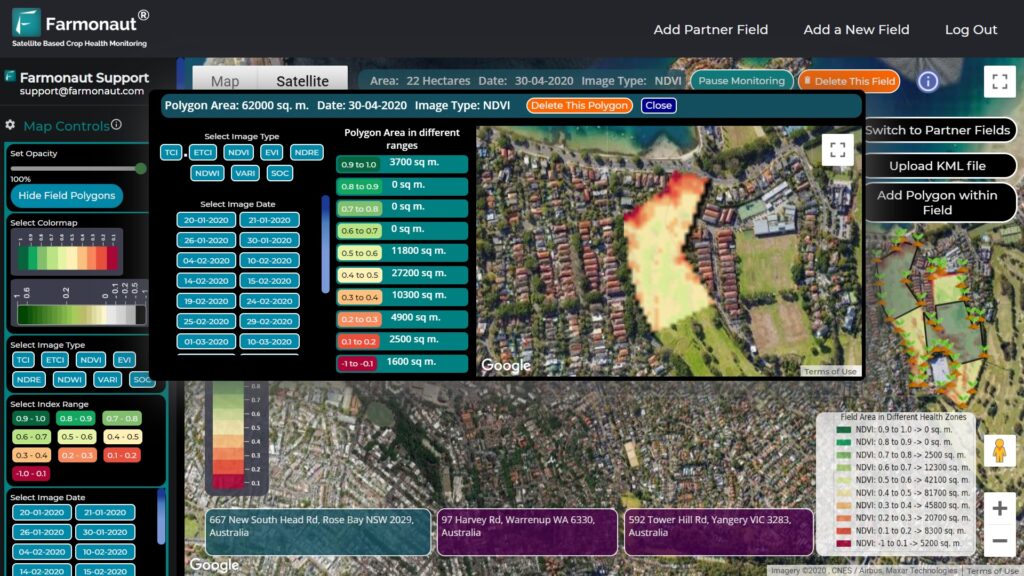
- 🛰️ Satellite monitoring pinpoints infestations with precision; adjust management by tracking plant growth cycles, density, and regrowth.
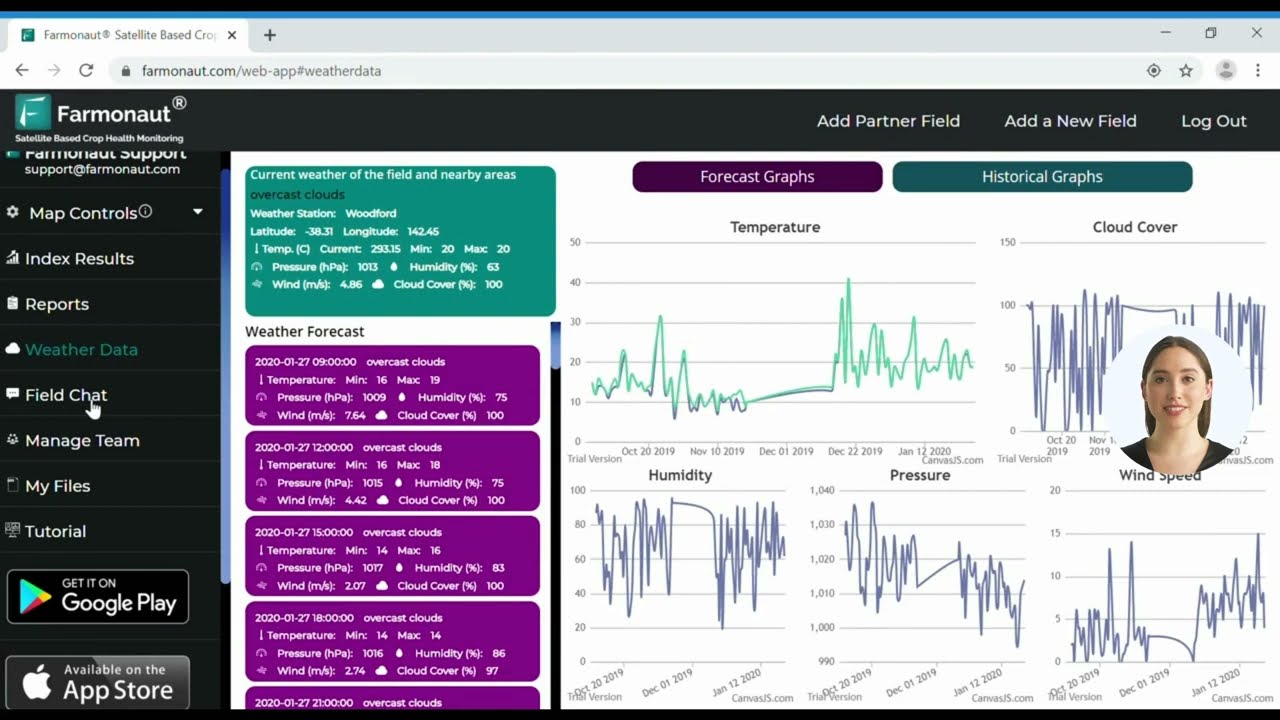
- 🤖 AI-based advisory systems (like Farmonaut’s Jeevn AI) assist with treatment timing, weather risk forecasts, and custom recommendations for each field or site.
- 📉 Blockchain traceability: If using certified seed or claiming land restoration credits, traceability tools (see Farmonaut’s product traceability) ensure compliance and transparency.
- 💡 API integration: Push real-time alerts, field maps, and custom reports to your fleet management system for coordinated treatments and reduced operational costs.

- 🟩 Environmental Protection: New herbicides & biologicals reduce off-target impacts compared to legacy chemicals
- 📊 Data-Driven Decisions: AI & satellite analytics improve accuracy and reporting
- 🌱 Adaptive Management: Dynamic planning based on observed regrowth
- 💸 Cost Savings: Targeted applications minimize input use & labor
- ⭐ Sustainability Credits: Documentation supports conservation incentives
Restoration & Preventative Approaches for Lasting Success
Post-control restoration is not just a follow-up—it is a necessity for maintaining sericea suppression and rangeland quality in 2026 and beyond.
- 🌾 Reseed with high-competition, native forage species immediately after major control operations.
- 🌿 Monitor restored areas with a blend of on-site scouting and digital satellite tools (visualize regrowth and gauge ecological balance with Farmonaut).
- 🧹 Hygiene and sanitation: Remove sericea debris and prevent hay/feed contamination to minimize seed spread.
- 🔄 Implement a routine monitoring and treatment cycle: Early interventions prevent expensive, large-scale management later.
- 📱 Use app-based checklists and IoT sensors for systematic audits and recordkeeping.


Restoring Balance: Supporting Biodiversity & Native Forage
Suppressing sericea lespedeza is as much about ecological stewardship as it is about productivity.
- Rejuvenates wildlife habitat by restoring open, diverse native grassland structure—benefiting pollinators, birds, and small mammals.
- Enhances forage quality for livestock by increasing palatability and digestibility of pasture plants.
- Stabilizes soil and hydrology by encouraging deep-rooted native grasses over the dense, monocultural sericea stands.
- Promotes resistance to future invasions: Biodiverse systems are less likely to succumb to noxious weed encroachment.
How Farmonaut Supports Sericea Lespedeza Control
At Farmonaut, we are committed to making advanced satellite-based tools accessible and affordable for sustainable agriculture and rangeland management worldwide.
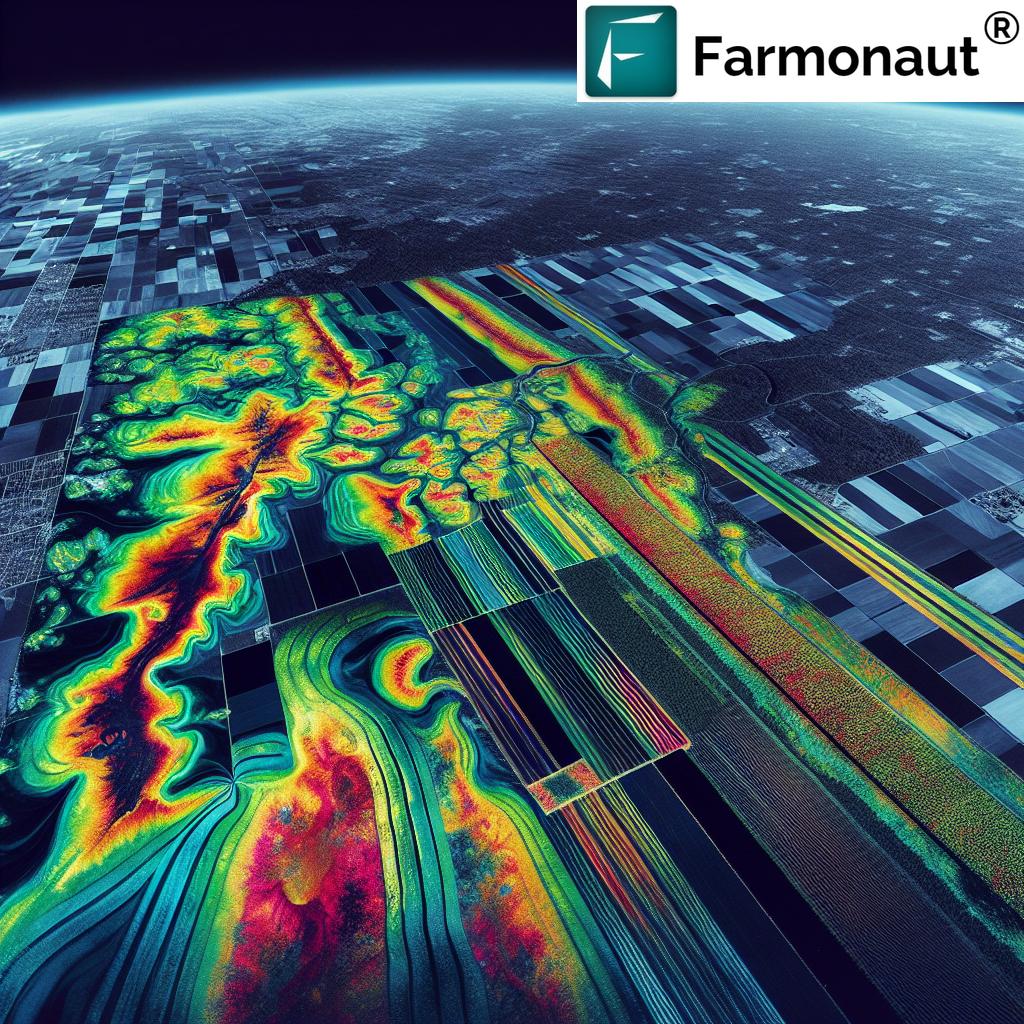
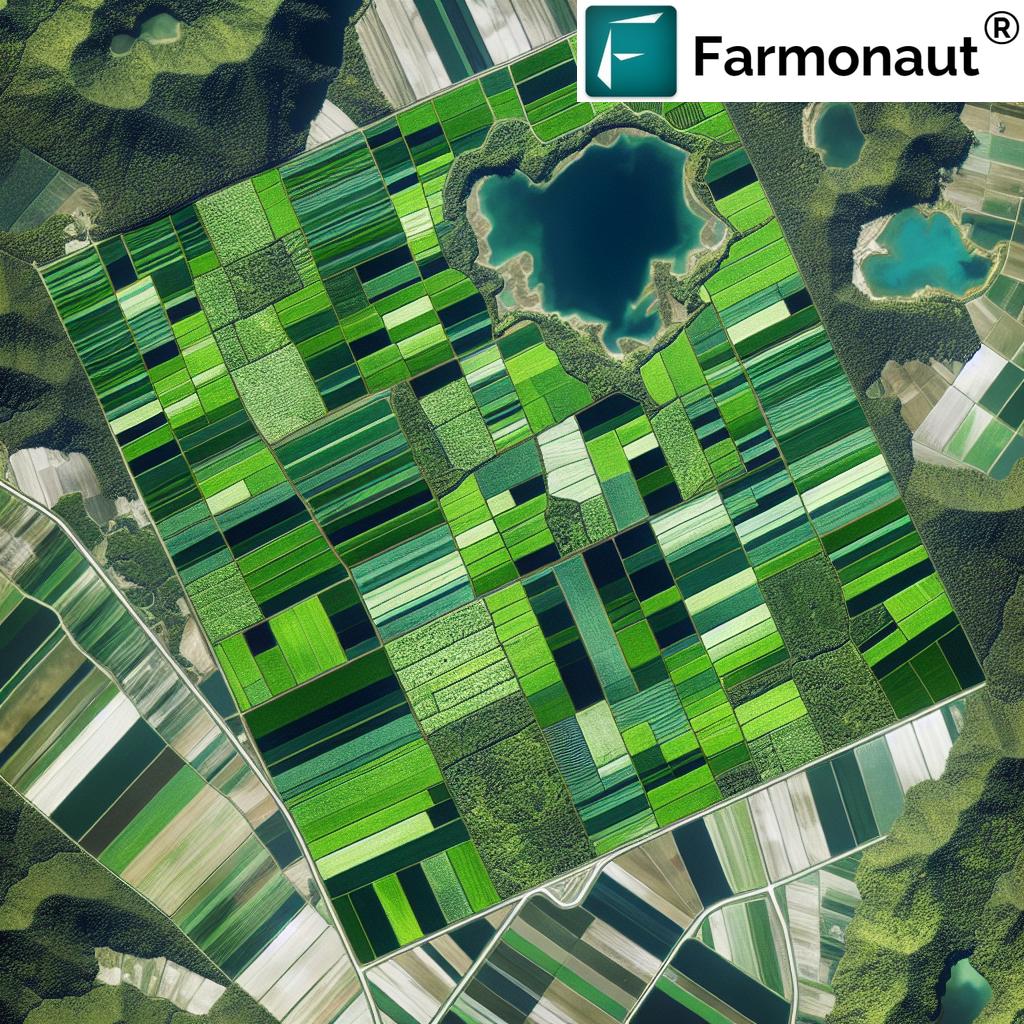
- Satellite Monitoring: Our platform delivers real-time, multispectral imagery to track sericea spread, density, and regrowth patterns at field, ranch, or watershed scale.
- AI-based Advisory: Jeevn AI provides strategic recommendations on treatment timing, weather risk forecasts, and restoration planning.
- Traceability & Compliance: Our blockchain backbone supports traceable documentation for land restoration, invasive control records, and carbon footprinting (learn more here).
- Fleet & Resource Management: Our tools empower users to plan mowing, spraying, and restoration efficiently across large areas—from any device. Explore more with Fleet Management.
- Integration for Developers: We offer APIs for automated field monitoring and data insight integration into custom dashboards or third-party applications. Learn more in our developer documentation.
Explore Farmonaut’s flexible, subscription-based solutions below:

- 🌱 Return and thriving of native grasses & forbs
- 🦌 Increase in wildlife activity and habitat diversity
- 🌾 Improved pasture quality and livestock gains
- 📉 Steady reduction in sericea density, monitored via satellite or on-ground surveys
- 🛡️ Fewer outbreaks or re-invasions in restored areas
- 🧬 Integrated control—combining chemical, cultural, and biological methods—yields rapid, sustainable results.
- 📱 New digital tools make monitoring, mapping, and action-taking more efficient for all land sizes.
- 🍃 Restoration is as critical as suppression—introduce native species and improve soil health for lasting success.
- 🦠 Watch for emerging biological controls—field research in 2026+ will provide more options for eco-friendly management.
- 🛡️ Timely, repeated intervention is key to preventing seed bank build-up and invasive rebounds.
FAQ: Sericea Lespedeza Control & Management
Q1: What is the most effective time to apply herbicides for sericea lespedeza control?
The early to mid-bloom period (typically July to early August) provides the best results as plants are actively moving nutrients—and herbicides—to their root systems and forming seeds. This timing maximizes herbicide efficacy and long-term suppression.
Q2: Can sericea lespedeza be eradicated completely?
Due to its deep-rooted perennial nature and persistent seed bank, complete eradication is challenging. However, integrated management can drastically reduce density and impact, making pastures productive and ecologically balanced once more.
Q3: How do I monitor for early sericea outbreaks?
Use a combination of regular ground scouting and satellite-based monitoring solutions like those from Farmonaut to promptly detect new growth and regrowth, allowing for rapid treatment.
Q4: Are biological controls safe for other plants and wildlife?
Current biologicals in use or under research are carefully vetted for specificity. Always follow regional guidelines to prevent unintended effects on non-target species.
Q5: Should I reseed native species after controlling sericea?
Yes! Restoration with competitive native grasses and forbs is critical to maintaining pasture productivity and preventing sericea recurrence.
Summary: Sustainable Control for 2026 & Beyond
Sericea lespedeza control in 2026 and beyond is defined by precision, sustainability, and a holistic approach:
- Leverage integrated, site-specific techniques (chemical, mechanical, cultural, biological) for reliable suppression.
- Adopt new technologies to reduce labor, inputs, and environmental impacts—while improving outcomes and transparency.
- Prioritize restoration and biodiversity as vital components of long-term land and pasture improvement.
- Maintain constant vigilance through regular monitoring and preventative action to block new outbreaks at the source.
- Use data-driven platforms like those from Farmonaut for real-time decision support—accessible on any device, at any scale.
By focusing on ecological resilience, supporting productive systems, and embracing digital innovation, we all play a role in effective and sustainable sericea lespedeza control.