Satellite Imagery for Agriculture: 5 2026 Innovations Revolutionizing Crop Monitoring & Sustainability
“By 2025, hyperspectral satellite imaging will analyze over 100 crop variables per image, redefining precision agriculture worldwide.”
Table of Contents
- Introduction: The Dawn of a New Era in Agricultural Monitoring
- Understanding Satellite Imagery for Agriculture in 2026
- The Rise of Hyperspectral Imaging for Agriculture
- Satellite Imagery for Agriculture: 5 2026 Innovations
- Comparative Table: 2026 Innovations at a Glance
- Real-Time Monitoring, AI, and the Farmonaut Edge
- Sustainability & Environmental Impact Tracking
- Scaling Accessibility & Usability in the Next Generation
- What Lies Beyond 2026?
- FAQ – Satellite and Hyperspectral Imaging for Agriculture
- Get Started with Farmonaut
Introduction: The Dawn of a New Era in Agricultural Monitoring
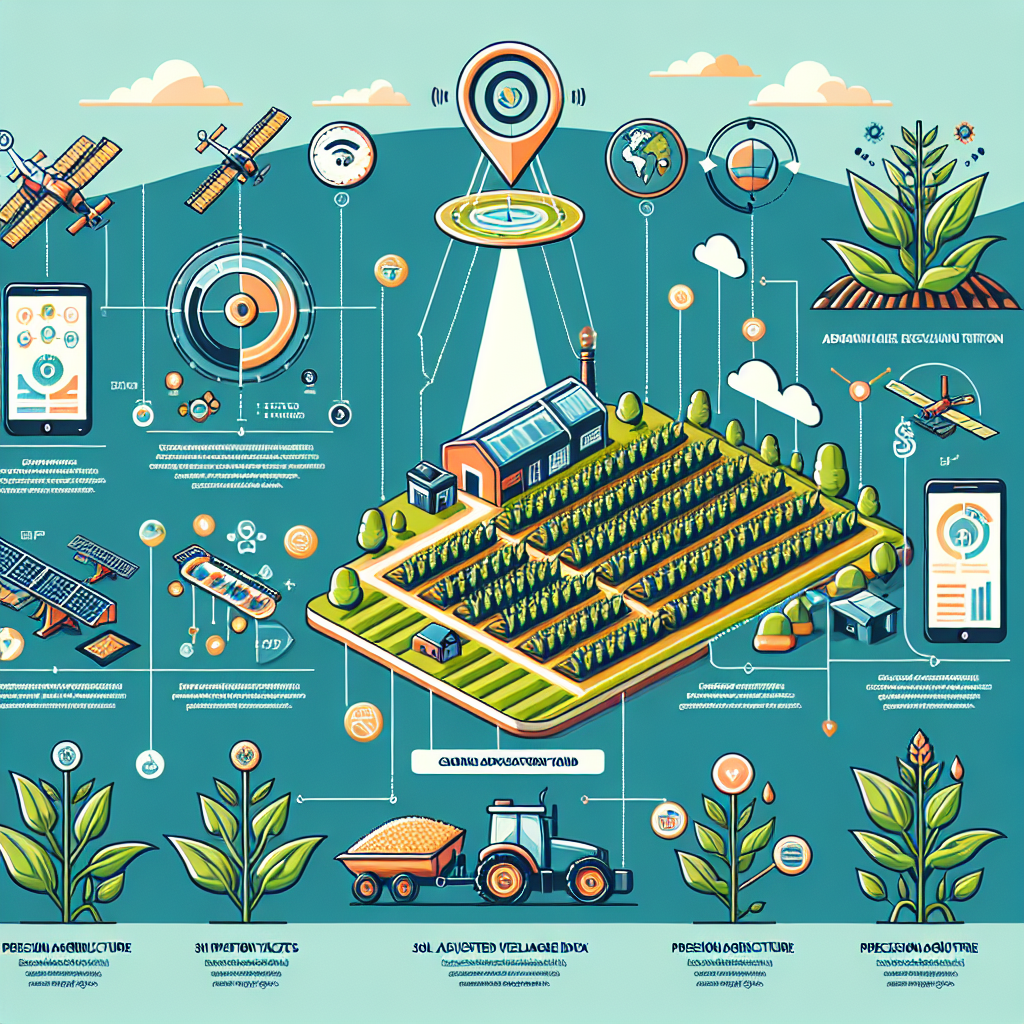
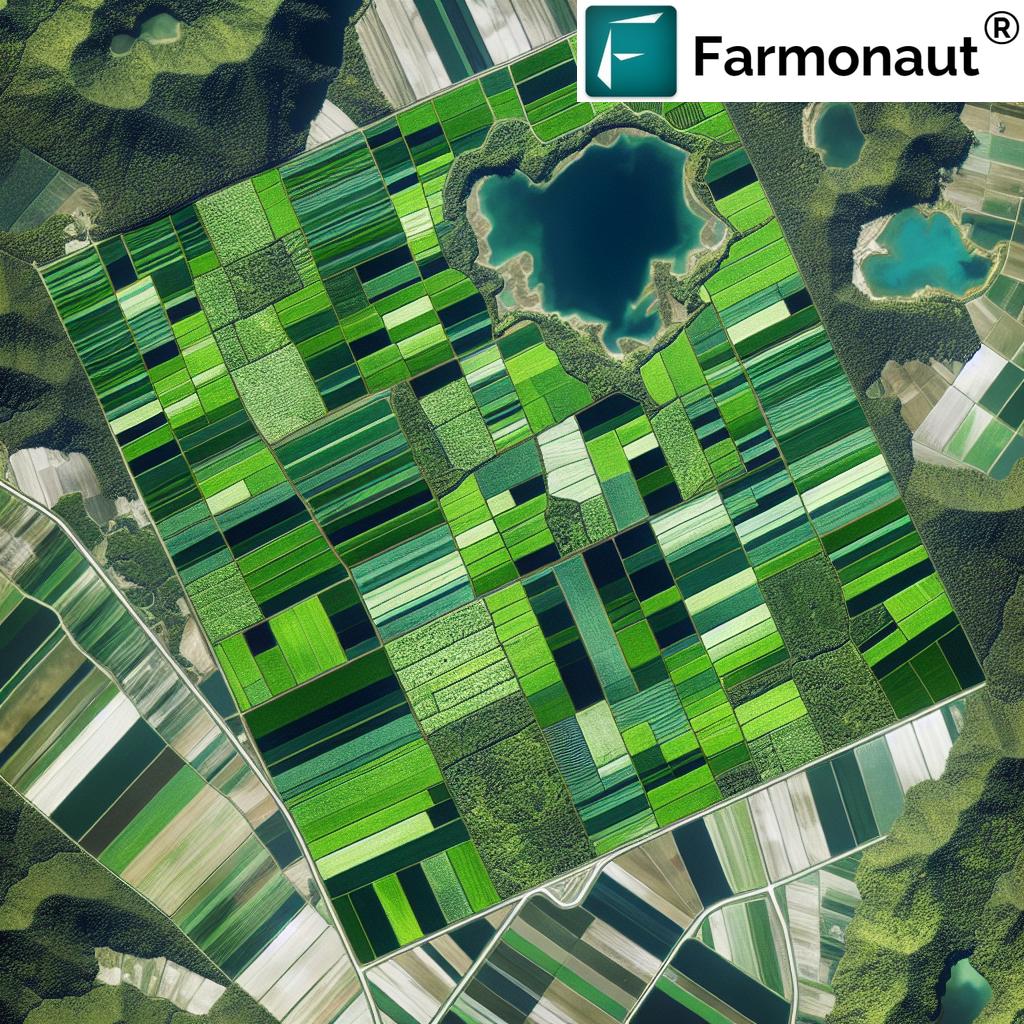
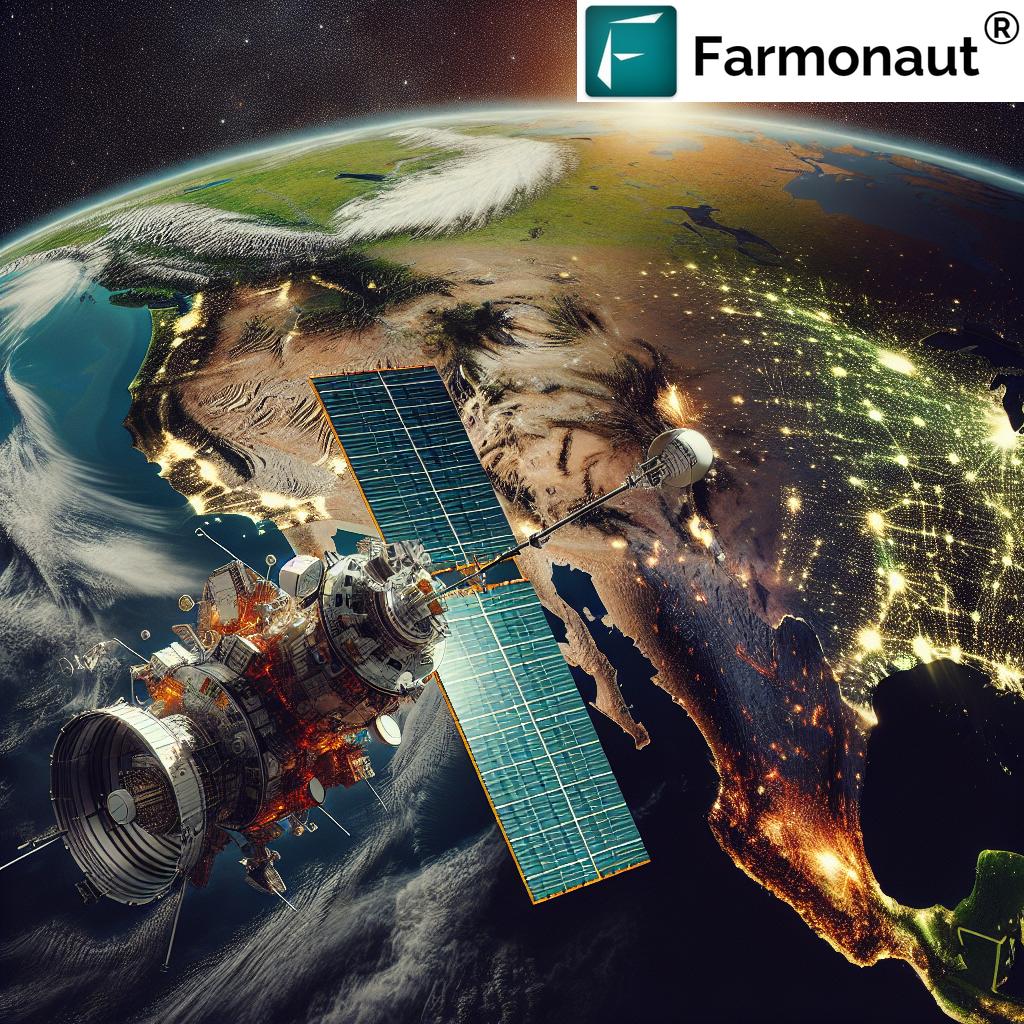
Satellite imagery for agriculture has become a transformative force. In recent years, the convergence of advanced remote sensing, hyperspectral imaging, and AI-powered data analysis has revolutionized how farmers, agribusinesses, and governments monitor, analyze, and optimize agricultural production. As we approach 2025 and look ahead to 2026, these indispensable tools are poised to define the future of agriculture worldwide.
Satellite imagery for agriculture primarily involves satellites equipped with a diverse range of sensors—collecting images and data across various spectral bands to deliver timely, actionable insights about crop health, soil content, environmental conditions, moisture levels, pest and disease stress—all at a scale and frequency never before possible.
- ✔ Optimize crop production and yield
- 📊 Monitor environmental and climatic patterns remotely
- 🌱 Promote sustainable farming practices
- 💧 Enable: efficient irrigation and water management
- 📈 Drive: data-driven decision making in agriculture

Satellite imagery and hyperspectral imaging are setting the standard for precision agriculture, with the global adoption rate expected to cross 65% for large-scale farming by 2026.
Understanding Satellite Imagery for Agriculture in 2026
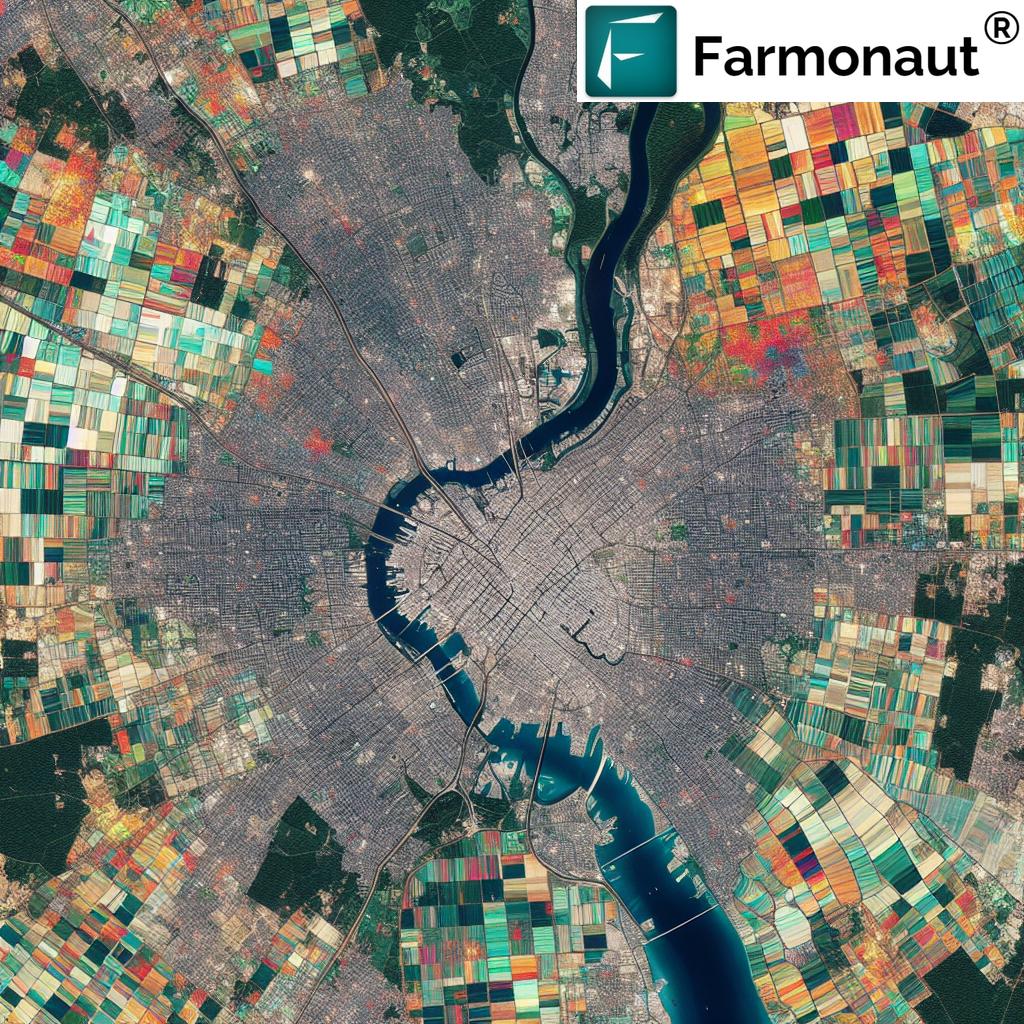
The next generation of satellite imaging for agriculture is defined by increased spatial resolution, spectral depth, frequency of data capture, and smarter interpretation using AI. Earth-observing satellites now capture images of farmland as small as a few square meters, at remarkable frequency—sometimes multiple times per day.
- High-Resolution Imagery: Detects subtle changes in crop health and soil moisture
- Multispectral & Hyperspectral Data: Provides nuanced information across hundreds of bands
- Real-Time Monitoring: Enables continuous observation rather than sporadic physical sampling
- Scalable Coverage: Spans small plots to large expanses of farmland instantly
- Affordable Methods: Reduces costs compared to extensive on-ground inspections
In 2026, satellite imagery for agriculture will not only monitor crop fields but also provide detailed analysis of soil mapping, nutrient content, moisture levels, and pest/disease outbreaks with increasing efficiency and cost-effectiveness.
Assuming all satellite imagery offers the same detail. Advanced hyperspectral and AI-driven analysis can extract far more actionable insights than legacy multispectral systems.
Why Keyword-Rich Satellite Imagery for Agriculture is Critical
The data captured by satellites—especially those with hyperspectral imaging for agriculture—is revolutionizing soil and crop monitoring by providing information across hundreds of narrow, contiguous spectral bands. This granularity allows for the precise identification of plant species, nutrient deficiencies, disease stress, and physiological changes otherwise invisible to the naked eye or standard imaging methods.
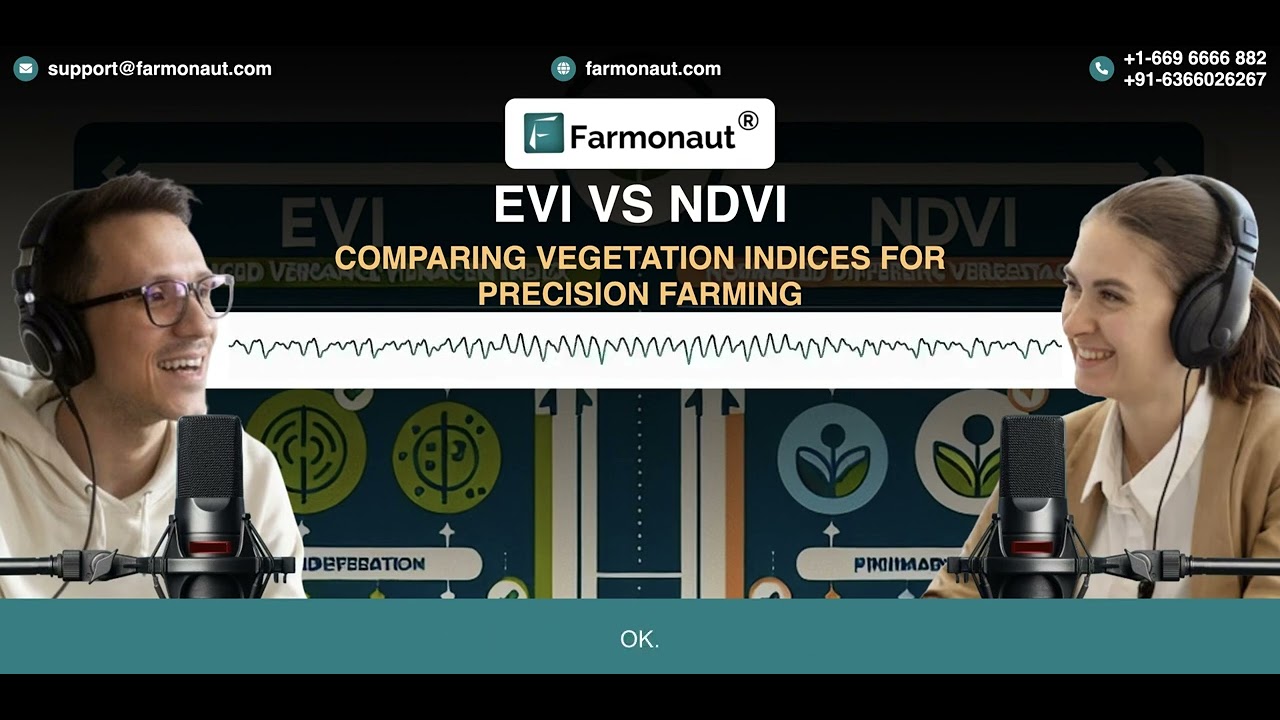
The agricultural geospatial market is expected to exceed $13B by 2026, driven by satellite imaging for agriculture’s applications in farm management, resource optimization, and carbon tracking.
The Rise of Hyperspectral Imaging for Agriculture
Unike conventional multispectral systems (that capture a handful of broad wavelength bands), hyperspectral sensors collect information from hundreds of narrow, contiguous spectral bands. This unlocks never-before-possible accuracy in identification, detection, and mapping of agricultural phenomena.
- Chlorophyll concentration (plant health)
- Water content (drought & irrigation needs)
- Mineral composition (soil mapping)
- Species and varietal identification
- Nutrient and disease stress
- Pest infestations (even before they’re visible!)
Harnessing hyperspectral imaging for agriculture means we can move from basic observation to precise, proactive farm management—detecting subtle biochemical shifts, catching threats early, and recommending specific interventions.

Combine hyperspectral data with on-the-ground IoT sensors for even more accurate analysis and resource management. This hybrid approach leverages strengths of both remote sensing and field data collection.
Satellite Imagery for Agriculture: 5 2026 Innovations
Here are the five major breakthroughs set to define the future of agricultural monitoring and management by 2026:
- Hyperspectral Crop Health Assessment – Detects biochemical changes, chlorophyll concentration, water stress, and early signs of disease.
- Spectral Soil and Nutrient Mapping – Advanced soil analysis provides detailed maps of moisture, organic matter, and minerals.
- AI-Powered Yield Prediction and Monitoring – Uses continuous satellite imaging for growth modeling and high-accuracy yield forecasts.
- Real-Time Water Stress & Irrigation Management – Monitors moisture levels and guides efficient irrigation to conserve water resources.
- Early Warning: Pest & Disease Outbreaks – Identifies subtle infestations with hyperspectral imaging for agriculture before visible symptoms arise.
“In 2026, satellite tech will provide real-time soil data across 45+ million hectares, accelerating sustainable farming innovations.”
Comparative Table: 2026 Innovations at a Glance
Across global agriculture, satellite imagery paired with AI is expected to reduce overall input costs by up to 25% in regions adopting integrated hyperspectral and monitoring technologies by 2026.
Real-Time Monitoring, AI, and the Farmonaut Edge
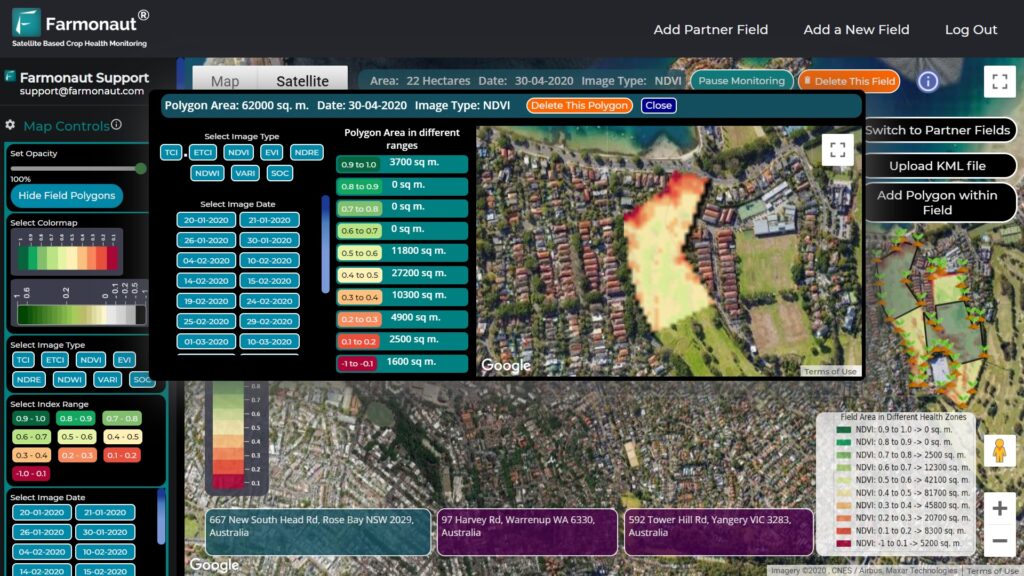
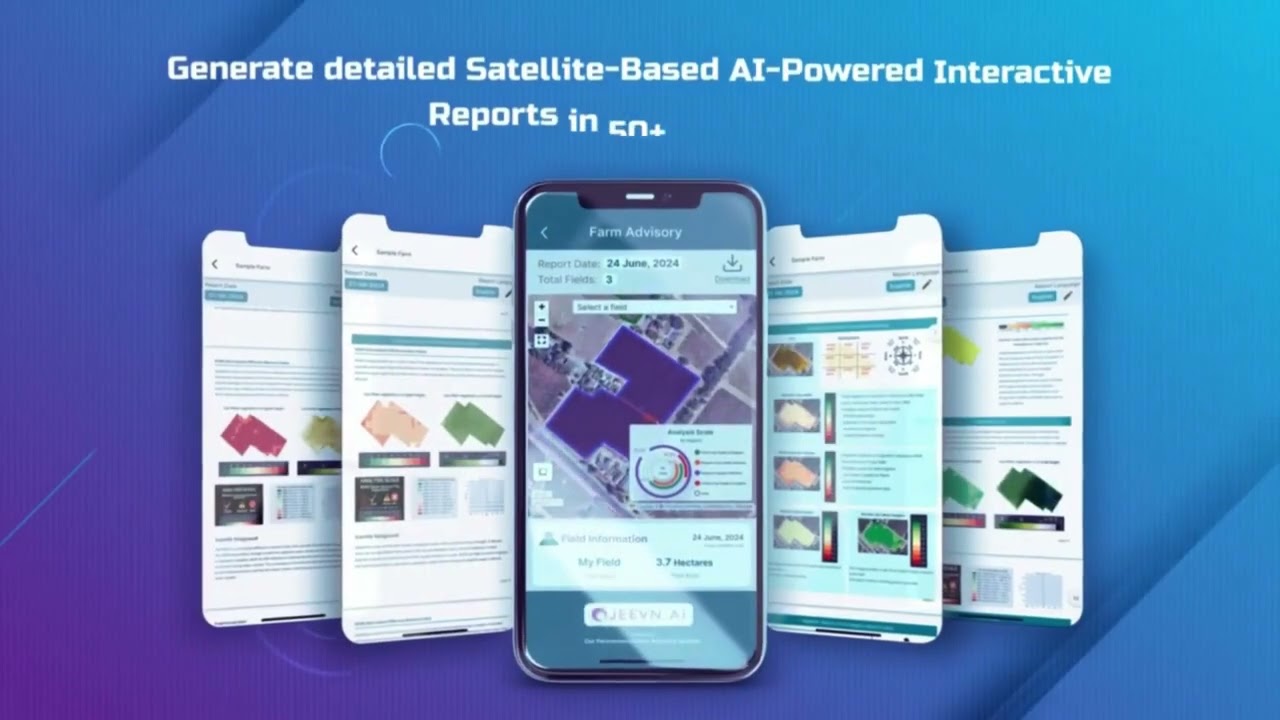
As modern agriculture embraces continuous data-driven observation, Farmonaut stands at the forefront—offering real-time crop monitoring, API access, carbon footprinting, and blockchain-based traceability for the agricultural value chain. Through our web, Android, and iOS platforms, users can monitor crop health, receive AI-driven advisory, and manage resources for large or small-scale farming.




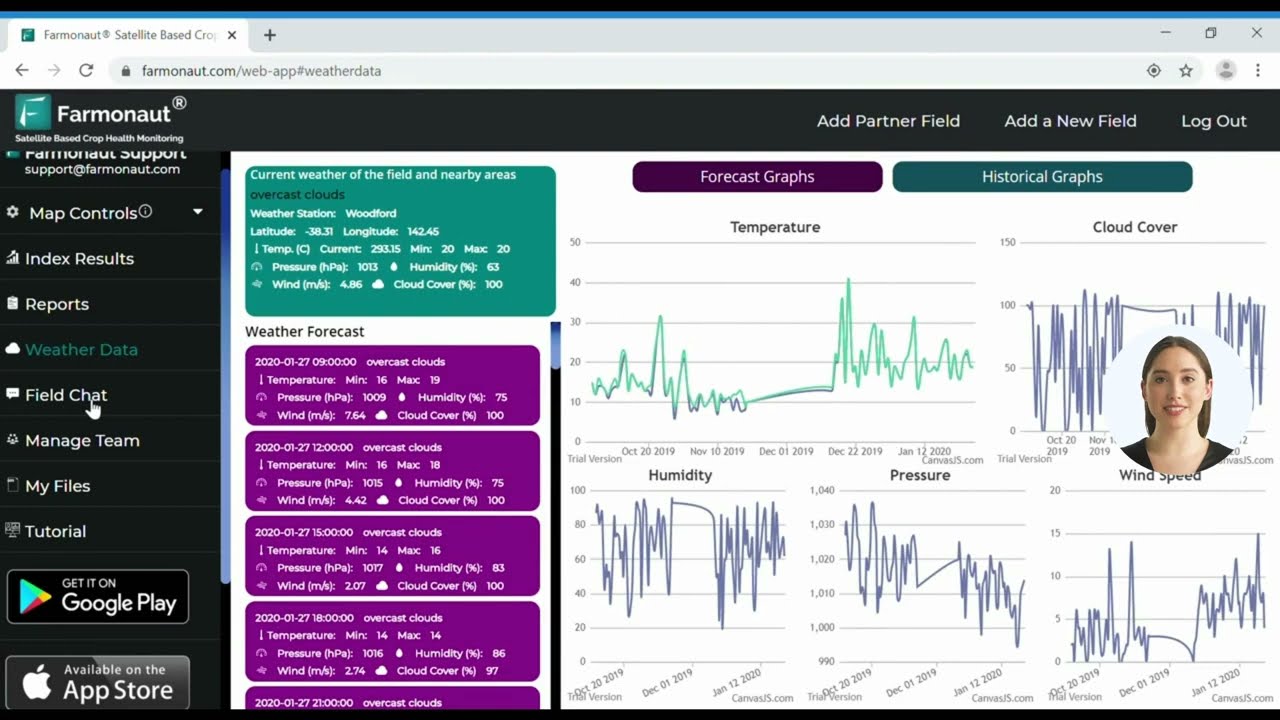
Our Jeevn AI Advisory System analyzes satellite and hyperspectral data in near real-time—providing weather forecasts, growth stage assessments, and actionable recommendations, thereby transforming decision-making for farmers, agribusinesses, businesses, and government users.
- Receive instant alerts on crop stress or pest outbreak
- Access hyper-local weather forecasts auto-generated for your farm
- Monitor irrigation needs using AI-powered moisture analytics
- Reduce yield losses with early warnings
- Integrate Farmonaut API with custom farm management platforms or financial products (API)
The integration of AI and satellite imagery on the Farmonaut platform means even smallholder farmers can afford high-precision management—previously accessible only to industrial-scale agribusinesses.
Sustainability & Environmental Impact Tracking
With climate patterns shifting, it’s never been more essential to reduce environmental impact, monitor resource usage, and promote sustainability. Satellite imagery for agriculture enables precise carbon footprint analysis, water savings, and fertilizer management—optimizing inputs and streamlining sustainable agriculture.

Farmonaut delivers real-time environmental impact tracking, including carbon footprint monitoring for farming operations and large-scale farm management tools. These features help operations achieve sustainability certification, manage compliance, and meet ESG reporting obligations.
- Reduce greenhouse gas emissions via optimized fertilizer/irrigation
- Benchmark sustainability metrics by field, farm, or region
- Learn more about carbon tracking solutions for agriculture
Scaling Accessibility & Usability in the Next Generation
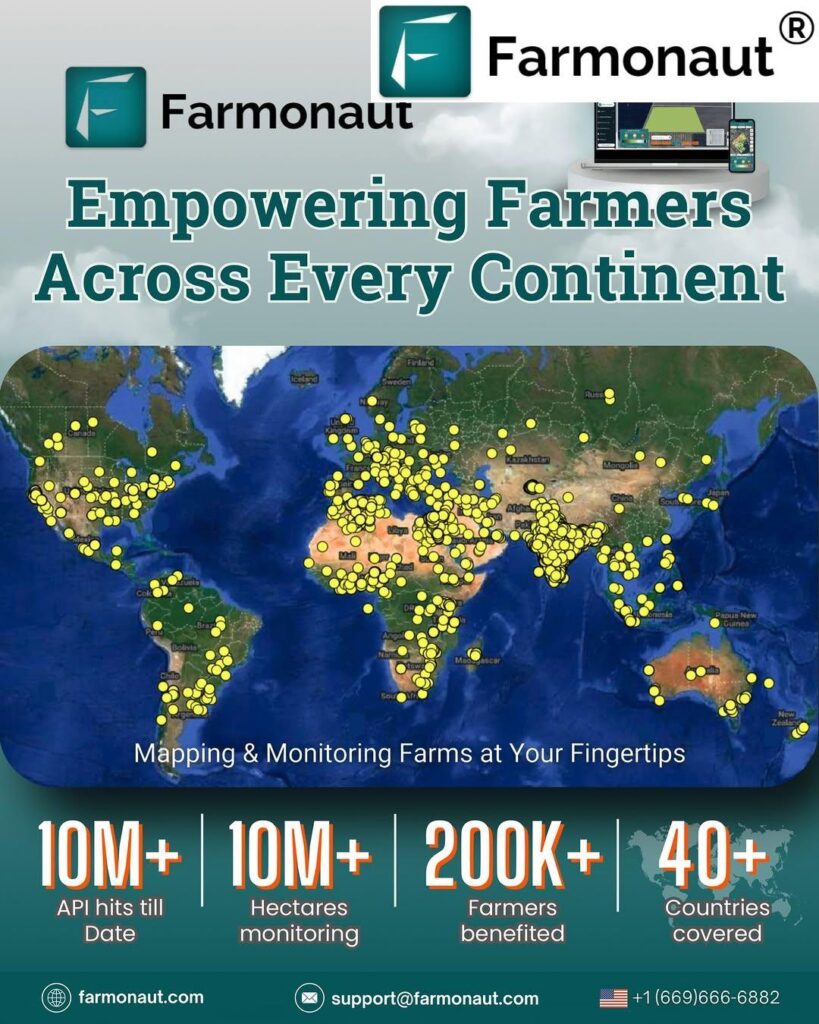
As 2026 approaches, the technology gap is closing rapidly. Farmonaut and other leaders are deploying APIs, satellite-based crop insurance (to reduce fraud for banks and insurers), and fleet/resource management tools to businesses across continents.
- 📉 Reduced input costs and minimized waste
- 🕒 Faster, more accurate farm loan and insurance verification
- 🌱 Transparent supply chains via traceability solutions
- 📦 Scalable to include small family farms and massive operations
- ⏰ Near real-time response to weather or crop stress warnings
Want to empower your business or community? Explore our fleet management and large-scale farm management modules—streamline logistics, resource use, and field operations seamlessly.
Interpreting hyperspectral satellite data requires robust infrastructure and expertise. User-friendly interfaces—like the Farmonaut app—make advanced imagery accessible to non-experts, but ongoing training and support are key for maximum benefit.

What Lies Beyond 2026?
The future of satellite imagery for agriculture is remarkably bright. As AI, cloud computing, and real-time analytics continue their rapid advancement, the integration of satellite, hyperspectral, and ground sensor data will further enable:
- Live crop health dashboards with prescriptive action steps
- Regional and global food security assessment at unprecedented scale
- Disaster detection and rapid response using automated triggers
- Advanced ESG and sustainability metrics accessible to any farm
- Democratized resource access for all farmers worldwide
With real-time satellite and hyperspectral imaging for agriculture, we’re entering an era where precision, efficiency, and sustainability become the norm rather than the exception.
If you’re a decision maker in agriculture, finance, or government, adopting satellite-driven insights by 2026 will set your operations apart—boosting productivity, resilience, and sustainability.
- 🌱 Boost yields and reduce input costs sustainably
- 👁️ Catch pest and disease outbreaks early before they escalate
- 🛰️ Analyze soil, crop, and environmental conditions remotely
- 💧 Manage irrigation efficiently, conserve precious water resources
- 🏅 Achieve climate-smart certification with trusted data-driven proofs
FAQ – Satellite and Hyperspectral Imaging for Agriculture
1. How is satellite imagery for agriculture more efficient than traditional field scouting?
Satellite imagery offers continuous, scalable observation across vast farmlands, detects subtle crop stress and soil changes, and reduces the need for physical sampling or repeated on-ground inspections. It provides real-time data and actionable insights, speeding up intervention and reducing risk.
2. What is the difference between multispectral and hyperspectral imaging for agriculture?
While multispectral imaging collects data from a limited number of broad bands, hyperspectral imaging gathers information from hundreds of narrow, contiguous spectral bands—enabling more precise disease, nutrient, and pest detection at the biochemical level.
3. Can small farms benefit from this technology?
Absolutely. Solutions like Farmonaut are designed to serve both smallholder and large-scale farmers. Accessible mobile and web platforms democratize advanced imaging insights at affordable rates.
4. What kind of decisions can these insights improve?
Satellite imaging for agriculture informs irrigation planning, fertilization schedules, pest control, planting and harvesting timing, resource allocation, and overall strategic management.
5. How frequently is satellite data updated?
With emerging satellite constellations, many farms can receive fresh hyperspectral images multiple times a week, sometimes daily, supporting near real-time monitoring and intervention.
6. How can I integrate satellite data into my own farm or system?
You can get started directly by using our web and mobile apps, or integrate data using the Farmonaut API and developer docs.
Get Started with Farmonaut Satellite Imaging Solutions
Experience the next generation of satellite imagery for agriculture, hyperspectral imaging for agriculture, and AI insights for your farm or agribusiness—whether you’re an individual farmer, commercial grower, government planner, or bank/insurance provider.
Choose the right package for your needs:
For businesses, government institutions, and developers—integrate our API or explore our app solutions here.
- Explore blockchain-based product traceability to secure your agri-supply chain.
- Read about our crop loan & insurance solutions for risk-free, verified financing.
- Optimize resources with fleet and resource management for your farming business.
- Enhance compliance with carbon footprinting modules designed for environmental monitoring and certification.
Conclusion
By 2026, satellite imagery for agriculture—especially enhanced by hyperspectral imaging and AI—will be an indispensable pillar of precision agriculture worldwide. These technologies empower users to optimize production, reduce environmental impact, boost resilience against climate variability, and achieve sustainability—all with accessible, affordable, and scalable solutions.
Ready to join the future of farming? Start monitoring your fields via satellite now or get API access for tailored integration.
For additional information, resources, or personalized satellite imagery for agriculture solutions, contact us directly through the Farmonaut website.