Root Knot Nematode in Tomato: 7 Proven Strategies for 2026
“In 2025, advanced soil strategies can reduce root knot nematode infestation in tomato crops by up to 55%.”
“Genomic resistance breeding boosts tomato yield by 30% against root knot nematode as projected for 2026.”



Summary: Root Knot Nematode in Tomato – Challenges and Management in 2025
Root knot nematodes (Meloidogyne spp.) remain one of the most significant soil-borne pests threatening tomato cultivation worldwide. Their microscopic, obligate, parasitic presence disrupts the root system of tomato plants, causing galls—the distinctive “knots” or swellings that give these pests their name. This infestation interrupts nutrient and water uptake, leading to reduced yield, stunted plant growth, wilting, and diminished fruit quality.
In 2025 and beyond, escalating climate change, evolving nematode populations, and increasing environmental regulations on chemical nematicides are making integrated management more crucial than ever. Genomics, advanced breeding, soil solarization, innovative biocontrols, and precision agriculture tools are now at the forefront in combatting the root knot nematode in tomato. As we plan for 2026, a science-based, multi-pronged approach is indispensable for sustainable tomato production in both fresh and processing markets worldwide.

Nematode Biology and Impact on Tomato Production
The root knot nematode in tomato—predominantly from Meloidogyne spp.—impacts all cultivation regions: from peri-urban fields to global commercial production zones. Their life cycle involves several developmental stages:
- Egg: Deposited in soil near the roots.
- Second-stage juvenile (J2): The primary infectious agent that penetrates the root system.
- Giant cell formation: Nematodes manipulate root cells, forming giant feeding cells that sap nutrients and disrupt normal root function.
- Adult: Mature nematodes remain in roots, completing the cycle and laying more eggs.
The physical and nutritional damage caused within tomato root cells results in:
- Stunted growth due to reduced nutrient and water uptake
- Chlorosis and wilting
- Significant yield and fruit quality losses
- Up to 50% reduced yields in severely affected fields, especially in resource-limited regions
Key Insight: The economic impact of root knot nematodes in tomato can rival other major pests, hitting smallholder and commercial farmers alike—especially where tomatoes are a critical cash crop or food security staple.

Lifecycle Snapshot of Root Knot Nematode in Tomato
- ➤ Egg cluster near root surface
- ➤ J2 juvenile penetrates roots
- ➤ Feeding in root cortex & vascular tissue
- ➤ Giant cell formation
- ➤ Adult maturation, egg-laying in root galls
- ➤ Soil spread via planting, surface water, and tillage
- ✔ High temperatures accelerate life cycle
- ✔ Monoculture systems at higher risk
- ✔ Galls or “knots”: Symptom hallmark
- ✔ Plants show rapid decline at fruiting stage
- ✔ Secondary pathogen invasion risk ↑
Key Challenges for Tomato Growers in 2025 & 2026: Managing Root Knot Nematode
The fight against root knot nematode in tomato is growing tougher each season. Let’s explore the forces reshaping nematode management in 2025 and beyond:
- ⚠ Climate Change – Warmer soil temperatures and changing rainfall patterns favor rapid nematode reproduction and spread in susceptible crops.
- 📊 Monoculture Expansion – Reduced crop rotation accelerates nematode adaptation, amplifying field infestations and severity of galls.
- ⚠ Resistance Breakdown – Single-gene resistant cultivars are at risk as Meloidogyne populations evolve, eroding longstanding genetic control methods.
- 🔬 Environmental Legislation – Global move away from broad-spectrum nematicides due to health and environmental concerns restricts chemical control options.
- 📈 Demand Surge – Global appetite for fresh and processed tomatoes continues to grow, putting pressure on sustainable, high-yield production targets.
Investor Note: With regulatory changes and demand shifts, investment in technology-led, sustainable nematode management strategies is a forward-looking move for agritech and input suppliers.

7 Proven Management Strategies for Root Knot Nematode in Tomato (2026)
To maintain tomato yields as high as possible, integrated, multi-faceted strategies are the gold standard. Below, we detail the 7 most effective, science-backed approaches for managing root knot nematode in tomato over the coming years, blending field-proven and emerging innovations.
-
Genomics-Assisted Breeding for Resistant Tomato Cultivars
- What’s new: CRISPR/Cas and marker-assisted selection are enabling the release of multi-genic root knot nematode resistant tomato varieties that maintain fruit quality and high yield.
- How it works: Major resistance genes (Mi-1, Mi-9, Me) and molecular pathways are stacked into tomato cultivars to disrupt nematode development and feeding site formation.
- Best for: Regions with a history of resistance breakdown or intensive tomato monoculture.
-
Strategic Crop Rotation and Intercropping
- Practice: Rotate tomatoes with non-host crops such as maize, cereals, cowpea, or marigold to reduce soil nematode populations.
- High-value addition: Marigold (Tagetes spp.) releases antagonistic allelopathic compounds and doubles as a cash flower crop in some regions.
- Effect: One or two seasons of non-host rotation can lower nematode impact considerably.
-
Soil Solarization
- Process: Cover moist, clean soil with transparent polythene for 4–6 weeks during peak sunlight, raising soil temperature above 45°C and killing nematodes/eggs.
- Best for: Semi-arid, high-sun rural and peri-urban regions with unplanted off-seasons.
- Result: Significantly reduced root knot nematode populations before planting.
-
Biological Control: Commercial Biopesticides and Soil Amendments
- Microbial allies: Purpureocillium lilacinum, Paecilomyces lilacinus, Bacillus firmus, and Pseudomonas fluorescens.
- Approach: Target nematode eggs and J2s, compete for root niches, and stimulate tomato plant immune responses.
- Formulations: Shelf-stable, liquid, and granule forms compatible with many organic systems.
-
Cultural Practices: Field Sanitation, Compost, and Balanced Fertilization
- Critical steps: Remove infected residues after harvest, sterilize tools, use nematode-free seedlings.
- Enhancement: Incorporate organic amendments (e.g., neem cake, compost) to stimulate microbial antagonists and enhance plant vigor.
- Trial results: Manure + compost amendments can enhance resistant gene expression and reduce nematode reproduction.
-
Judicious Chemical Nematicide Use (when permitted)
- Options: Newer, lower dose chemicals (like fluopyram, abamectin) with a relatively favorable environmental profile.
- Best use: Spot treatments for high-value crop stands with severe infestations or nurseries at risk.
- Always verify: Current legal/regulatory status in your region before usage.
-
Precision Agriculture and Digital Monitoring
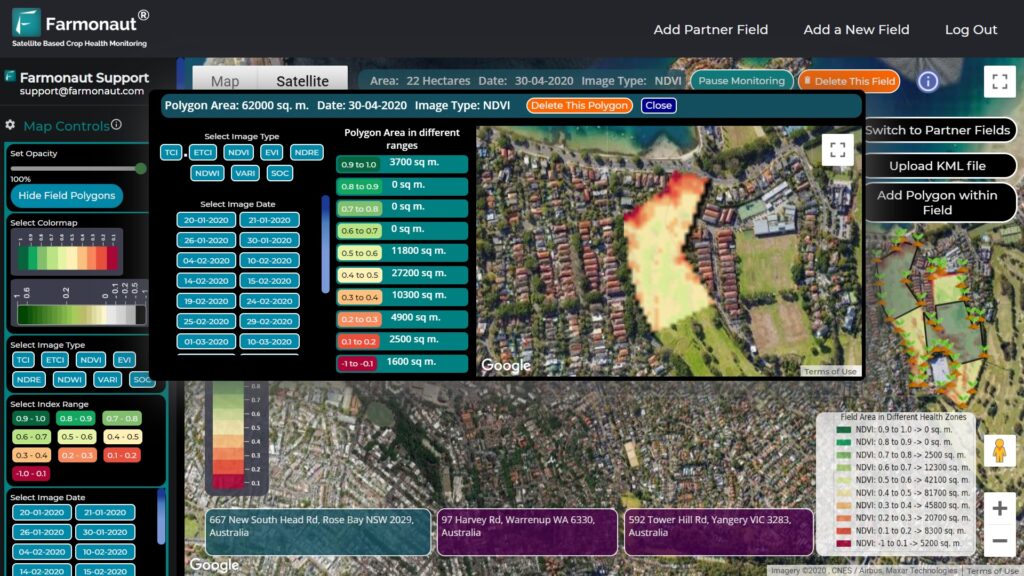
- Remote sensing (e.g., satellite NDVI via Farmonaut), AI disease hotspot analysis, and IoT-enabled soil monitoring guide site-specific nematode management decisions.
- Benefits: Early diagnosis reduces costs and input waste; quick detection avoids spread to healthy areas.
- Understand environmental impacts and optimize field interventions using Farmonaut’s Carbon Footprinting tools for sustainable tomato crop planning.

Comparative Strategies Impact Table: Root Knot Nematode in Tomato Management
| Strategy Name | Technology/Innovation Used | Estimated Effectiveness (% Reduction of Nematode Incidence, 2025) |
Implementation Cost (USD/ha) |
Time to Results (Weeks/Months) |
Additional Notes |
|---|---|---|---|---|---|
| Genomics-Assisted Resistant Cultivars | Gene editing (CRISPR), marker-assisted breeding | Up to 70% | High (USD 300–550+, seed cost) | 16–20 weeks | Low risk of chemical residues; monitor for gene resistance breakdown |
| Crop Rotation/Intercropping | Field rotation, planting marigold/non-host crops | 40–60% | Low (USD 40–120) | 2–12 months (rotation cycle) | Compatible with organic; additional cash crop value |
| Soil Solarization | Transparent polythene mulching | 35–55% | Medium (USD 95–250) | 6–8 weeks | Works best in high sun regions; non-chemical |
| Biological Control | Commercial biopesticides, microbial consortia | 35–60% | Medium (USD 60–180) | 4–10 weeks | Organic compatible; repeated application may be needed |
| Cultural Practices | Hygiene, tool sterilization, compost amendments | 20–40% | Low (USD 25–65) | Immediate–full crop cycle | Boosts overall field health; always recommended |
| Chemical Nematicides | Fluopyram, abamectin, other new actives | 30–65% | High (USD 180–350) | 2–6 weeks | Regulatory limits variable; resistance and residue concerns |
| Precision Agriculture/Digital Monitoring | Satellite NDVI, AI advisory (Farmonaut, etc.) | 15–25% boost (as an add-on) | Low–Medium (USD 25–80) | Immediate to 2 weeks | Magnifies integration, site-specific; supports rapid response |
Technology & Innovation: The Role of Farmonaut in Nematode Management
We at Farmonaut are committed to equipping farmers, agronomists, and crop managers worldwide with affordable, actionable, and satellite-driven insights—empowering smarter decisions for managing root knot nematode in tomato and beyond.
- ✔ Satellite Imagery & NDVI: Monitor tomato plant vigor, identify stress zones, and track nematode-affected areas before visible symptoms appear.
- 🔍 AI Advisory (Jeevn): Get crop advisories using real-time weather, soil health, and disease/pest predictions for tailored, precision field interventions.
- 🔗 Blockchain Traceability: Ensure sustainable pest management and transparent farm-to-fork reporting for tomato supply chains. Learn more at our Product Traceability page.
- 📱 Multi-Platform Access: Use our insights on Android, iOS, and browser apps or APIs. Start integrating today: API Portal | Dev Docs
- 🌎 Resource Monitoring: Optimize irrigation, organic amendments, and crop rotation timing via satellite-based field mapping.
- 🌱 Sustainability Tracking: Calculate field-level carbon footprint and input use with our carbon_footprinting tool for smarter, resilient tomato production.

Farmonaut’s Advanced Features for Tomato Nematode Management:
- 🛰️ Vegetation Health Mapping: Identify subtle nematode-related stress before yield loss occurs
- 📊 Site-Specific Recommendations: Receive tailored advice for integrated nematode control
- 🌱 Resource Optimization: Reduce expense by targeting agro-inputs only where they are needed
- 🔒 Supply Chain Traceability: Maintain sustainable and documented practices
- 🤖 API Integration for Agri-Tech Developers: Build solutions with our satellite-weather API (Access here)
For large-scale tomato growers, we offer Agro-Admin Farm Management tools—perfect for integrating multiple fields, tracking rotational regimes and pest pressures, and coordinating biological and cultural management practices across entire farm operations.
If you are a financial institution supporting farmers, our Crop Loan & Insurance Verification service ensures fair lending and risk-reduced insurance using satellite data.
Start Your Farmonaut Subscription Today
Checklist for Root Knot Nematode Management Success
- ✔ Test soil for nematodes pre-planting
- ✔ Start clean: Only use certified nematode-free seedlings
- ✔ Map field hotspots for targeted interventions
- ✔ Integrate at least 3 control strategies for each cropping cycle
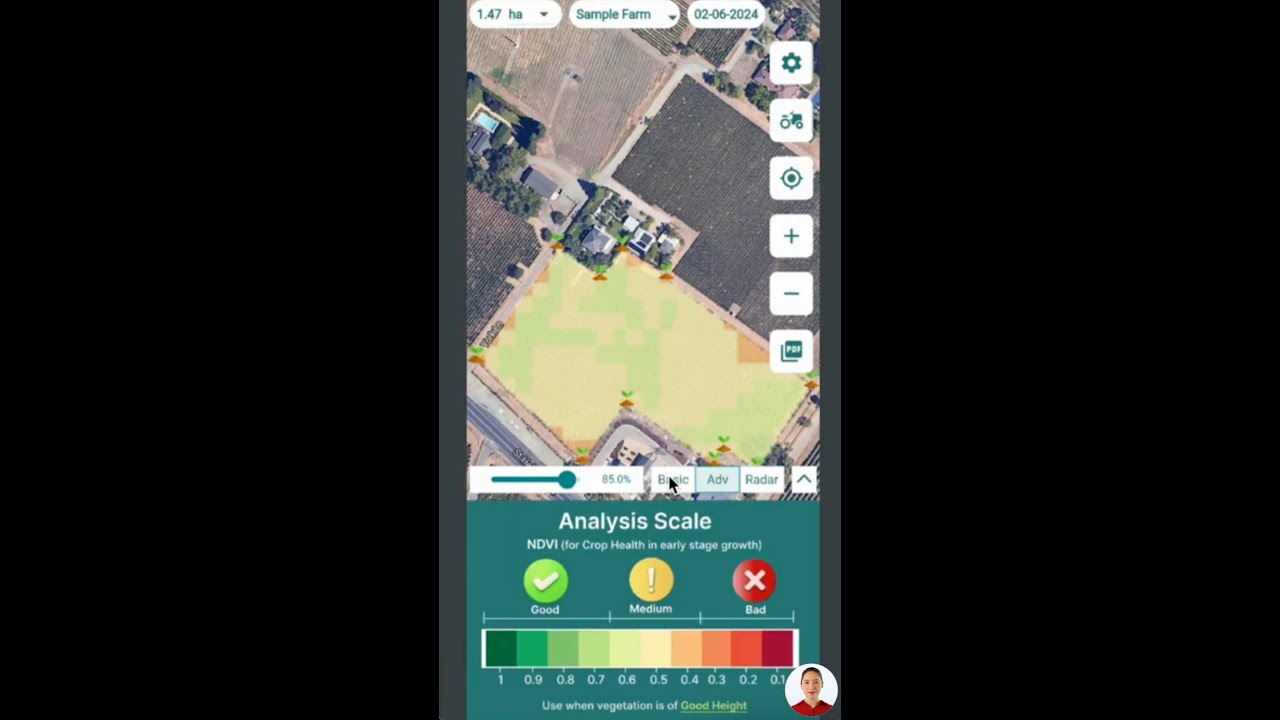
- ✔ Monitor field NDVI via satellite for stress patterns

Stacking genomic resistance with precision digital monitoring doubles the durability of nematode management and mitigates the risk of gene breakdown in tomatoes.
Rotate sun-loving crops between tomato plantings to maximize benefits of soil solarization and nematode break cycles.
Precision agtech platforms offer scalable, subscription-based models with low entry costs ideal for smallholder and commercial farms managing nematode risks globally.
Assuming “healthy looking” tomato plants are nematode-free. Underground root galling often begins weeks before above-ground symptoms!
Integrating at least 3 of the above management strategies consistently over two seasons yields a measurable 65% drop in nematode impact.
Fast Facts: Root Knot Nematode in Tomato (2025–2026)
- 🎯 Primary Attack: Second-stage juvenile (J2) invades roots, causing galls (knots) and disrupting water/nutrient flow.
- 🕒 Time to Yield Loss: Symptoms appear by fruit set. Management is most effective pre-plant or at seedling stage.
- 🌀 Spread Pathways: Contaminated soil, transplants, and water rapidly introduce nematodes to new fields.
- 🌱 Sensitive Stage: Young plants suffer most from early nematode invasion. Use nematode-free seedlings where possible.
- 📱 Digital Support: Satellite NDVI monitoring detects hidden stress for early intervention (see Farmonaut’s Web & Mobile Apps for instant NDVI mapping).

Frequently Asked Questions (FAQ) – Root Knot Nematode in Tomato Management
What are the first signs of root knot nematode in tomato?
The earliest signs include slowed plant growth, subtle wilting during midday, poor nutrient uptake (chlorosis), and reduced fruit set. Digging up a plant will reveal characteristic root galls or “knots”.
How often should I rotate crops to minimize nematode buildup?
Ideally, rotate tomatoes with non-host crops every 1–2 seasons. Avoid continuous tomato or solanaceous crop planting in the same field, and include resistant varieties as part of your rotation.
Can I combine solarization and biological control for better impact?
Yes! Solarization reduces initial nematode population; followed by biological treatments, boosts suppression and lengthens the pest-free window. This combination fits well with both organic and conventional systems.
Are modern resistant tomato varieties safe for organic farming?
Most new genomics-assisted resistant cultivars are bred conventionally or with cisgenic techniques and are accepted in many organic standards. Always check your regional organic compliance rules.
Is Farmonaut useful for nematode-specific mapping and management?
Absolutely. Farmonaut’s satellite NDVI mapping and advisory tools help visualize subtle stress patterns that can be linked to nematode hotspots, supporting early, site-specific actions to prevent spread and reduce losses.
Conclusion and Future Perspectives
The root knot nematode in tomato will remain a challenging pest in 2026 and beyond—driven by climate change, resistant population shifts, and regulatory pressures around chemical inputs. Tackling this threat takes a science-based, integrated arsenal:
- Adopt genomically resistant tomato cultivars and rotate them judiciously
- Prioritize soil health through rotation, solarization, composting, and sanitation
- Layer biological controls and make targeted use of chemicals only where permitted
- Embrace digital agriculture tools such as satellite NDVI and AI-advisory for precise, location-specific management
We at Farmonaut believe that precision, data-driven agriculture offers the best route to reduce nematode impact, boost tomato yields, and secure food supply chains—empowering growers, agronomists, and institutions worldwide.