Regenerative Agriculture USA: 7 Powerful Practices for 2026
Meta Description: Discover how regenerative agriculture in the USA boosts soil health, biodiversity, and crop resilience with sustainable practices. Explore seven powerful methods for thriving farms in 2026.
Table of Contents
- Regenerative Agriculture: A Pathway to Sustainable Farming in 2025
- Introduction to Regenerative Agriculture in the USA
- Trivia – Rapid Growth in Adoption
- Key Principles and Paradigms of Regenerative Farming
- The 7 Powerful Regenerative Agriculture Practices for 2026
- Comparison Table of Regenerative Practices & Estimated Benefits
- Environmental & Economic Impact in the USA
- Digital Support and Technologies Empowering Regenerative Agriculture
- How Farmonaut Empowers Regenerative Agriculture
- Expert Callouts & Key Insights
- Adoption, Opportunities, & Challenges in 2026
- FAQs on Regenerative Agriculture in the USA
- Conclusion: The Future of Regenerative Agriculture USA
Regenerative Agriculture: A Pathway to Sustainable Farming in 2025
Regenerative agriculture has rapidly become more than a buzzword—it’s now a movement paving the way toward a resilient, sustainable future for American farming. Facing climate change, soil degradation, water scarcity, and biodiversity loss, U.S. farmers and policymakers are embracing regenerative agriculture as a transformative approach that restores health to the land while supporting economic and community well-being.
Regenerative agriculture is a system of sustainable farming practices that not only reduce negative environmental impacts but actively rebuild natural systems such as soil health, biodiversity, and water cycles. Unlike conventional or “industrial agriculture,” regenerative farming goes beyond mere sustainability, aiming to restore and enhance entire ecosystems.
These powerful practices—from cover cropping and rotation to planned grazing—will be the backbone of a thriving agricultural sector in the USA by 2026. As a satellite technology company dedicated to empowering agriculture with advanced, affordable monitoring and analytics, Farmonaut is proud to support this transformative movement.
“By 2026, over 35% of U.S. farmers are expected to adopt at least one regenerative agriculture practice.”
Introduction to Regenerative Agriculture in the USA
Regenerative agriculture USA is at the forefront of a major paradigm shift in 2026. Farmers from California almond groves to the cornfields of Iowa and the cattle ranges of Texas are rethinking how they manage their land for better soil health, climate resilience, and sustainable productivity.
But why is the USA seeing such strong momentum? There are four core factors driving this rapid evolution:
- ✔ Demand for sustainable food: U.S. consumers increasingly expect transparency, soil stewardship, and eco-friendly farming from producers.
- 📊 Policy support: Federal and state programs now incentivize regenerative farming practices via grants, technical resources, and carbon credit initiatives to align agriculture with climate goals.
- ⚠ Climate & resource pressures: Recurrent drought, soil erosion, and biodiversity loss demand urgent action—regenerative methods offer holistic solutions not possible with intensive, conventional approaches.
- 🌱 Innovation in digital tools: Satellite imagery, IoT, and AI-based decision support (like Farmonaut’s platforms) are making adoption of regenerative techniques more data-driven and efficient than ever before.
Above all, regenerative agriculture encourages a mindset that puts ecosystem restoration, enhanced nutrient cycles, and natural resilience at the center of every farm’s operation.
“Regenerative agriculture can increase soil organic matter by up to 21% within five years in U.S. croplands.”
Key Principles and Paradigms of Regenerative Farming
The core philosophy of regenerative agriculture USA centers on these principles:
- Rebuilding Soil Health: Practices such as cover cropping, no-till farming, and the addition of organic matter drive up soil carbon stores, increase aeration, and foster vibrant communities of beneficial microbes.
- Enhancing Biodiversity: Regenerative agriculture fosters a diverse blend of crops, integrates wildlife corridors, and employs crop-livestock systems to support natural pest control and ecosystem balance.
- Leveraging Natural Cycles: By minimizing synthetic inputs and promoting organic processes (e.g., nitrogen-fixing legumes), regenerative farmers help restore entire nutrient cycles on their land.
- Reducing Chemical Dependence: Instead of relying on external inputs, soil fertility is achieved through healthy biological interactions and strategies such as rotation and compost.
- Restoring Water Cycles: Improved soil structure and higher organic matter mean enhanced water infiltration, baseline moisture retention, and resilience in dry spells.
- Increasing Farm Resilience: Through these combined practices, farms require fewer external interventions, recover more rapidly after disturbances, and offer long-term economic and ecological stability.
Key Insight
Regenerative agriculture is not just a set of techniques—it’s a philosophy that values natural processes and continuous improvement, making farming more sustainable, adaptive, and productive over time.

The 7 Powerful Regenerative Agriculture Practices for 2026
Below, explore the seven regenerative agriculture practices most impactful for the United States in 2026. These approaches address key areas: soil health, crop resilience, biodiversity, and climate change mitigation.
Pro Tip
To maximize the benefits of regenerative agriculture USA, combine several of these practices on your farm. The interactions (synergy) between methods often enhance overall results!
1. Cover Cropping
- ✔ Prevents soil erosion and nutrient leaching
- ✔ Improves organic matter and fixes atmospheric nitrogen naturally
- ✔ Disrupts weed pressure and fosters soil microbial biodiversity
Cover crops are non-cash crops such as clover, rye, and vetch, planted between main crop cycles. In the USA, their adoption is rising rapidly as farmers witness increased yields and better soil health. Cover crops support natural pest cycles and increase water infiltration.
2. Reduced or No-Till Farming
- ✔ Minimizes soil disturbance—preserving carbon, root structures, and soil microbes
- ✔ Reduces fuel costs and labor inputs compared to intensive tillage
- ✔ Improves moisture retention and resilience during drought
No-till or reduced-tillage systems leave crop residues on the field and plant directly into unplowed earth. This dramatically improves soil health and overall farm sustainability while also feeding the fungal and bacterial communities responsible for essential nutrient cycling.
Common Mistake
Farmers sometimes adopt no-till but neglect cover cropping. The combination—no-till plus cover crops—yields far better results for soil organic matter and pest management.
3. Crop Rotation
- 📈 Disrupts pest and disease cycles
- ✔ Balances and improves soil nutrient profiles over time
- 🌱 Enhances biodiversity above and below ground
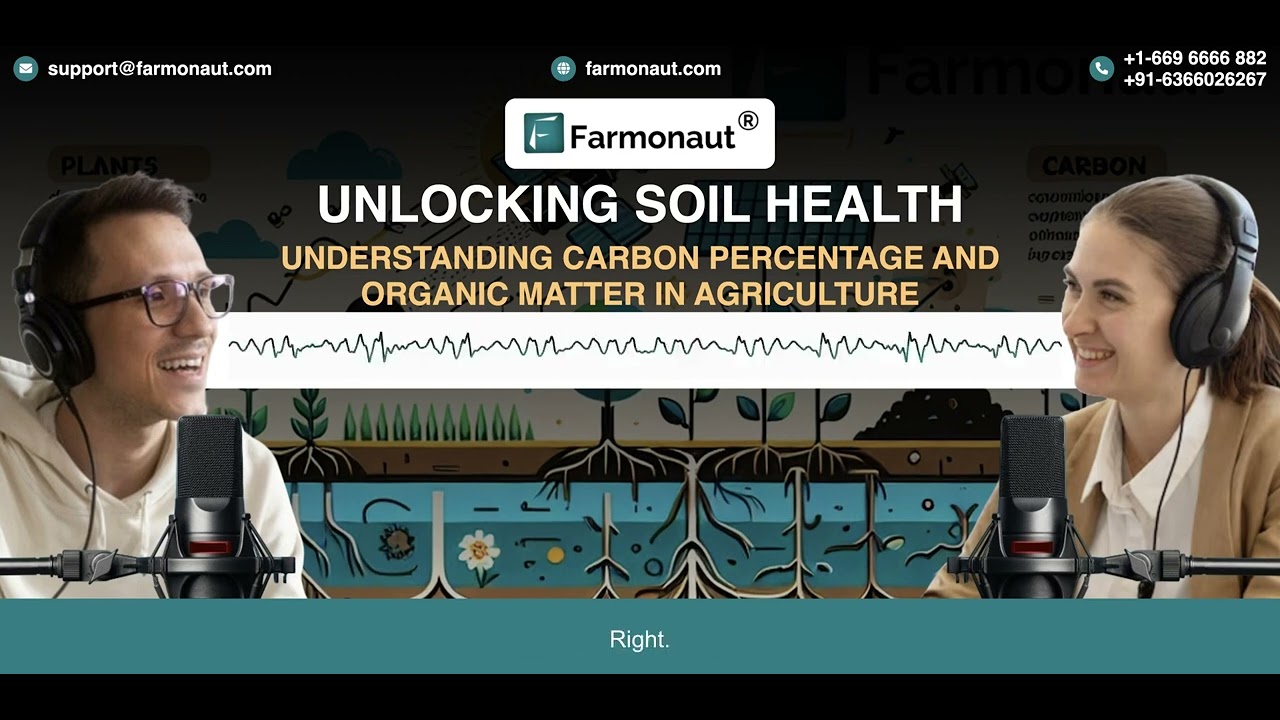
Rotating crops in a planned sequence is key for regenerative agriculture USA. It improves soil health and resilience, reduces input requirements, and supports natural pollinator and beneficial insect populations, boosting long-term productivity.
4. Agroforestry
- 🌳 Integrates trees and shrubs into croplands or pasturelands
- 🌿 Provides multiple benefits: shade, windbreaks, wildlife habitat, and carbon sequestration
- 🌱 Supports diverse pollinators and improves microclimate regulation
From windbreaks of native tree species to alley cropping and silvopasture, agroforestry is gaining traction across the United States. These systems stabilize soil, offer additional creational benefits for farms, and sequester atmospheric carbon at impressive rates.
5. Holistic Planned Grazing
- 🐄 Mimics natural herd movements
- 🌾 Allows pastures to rest between grazing, increasing plant diversity and root biomass
- 💧 Improves water infiltration and organic matter within the soil
By moving livestock in a rotational system that mirrors wildlife patterns, pastures recover, carbon stores are rebuilt, and animal health improves. Holistic grazing is especially effective in the vast arid grasslands of the western USA.
6. Organic Input Management
- 🌱 Reduces synthetic chemical use (fertilizers and pesticides)
- 🧑🌾 Relies on compost, green manures, and organic nutrient amendments for fertility
- 🦠 Protects beneficial microbes and overall soil ecosystem function
Organic input management is foundational in regenerative farming—it focuses on natural fertility sources that enhance soil health and ecosystem balance.

7. Integrated Pest and Pollinator Management (IPPM)
- 🪲 Promotes natural habitat for beneficial insects and birds
- 🌺 Uses flower strips, hedgerows, and minimal disruption to support pollinators
- 🌿 Reduces dependency on broad-spectrum chemical pesticides
By managing farms as dynamic ecosystems, pests are controlled biologically, reducing outbursts, and pollinators thrive—essential for food crops like almonds, strawberries, and more in the United States.

Comparison Table of Regenerative Practices & Estimated Benefits
| Practice Name | Description | Estimated Soil Health Improvement (%) | Biodiversity Increase (%) | Crop Yield Stability (%) | Environmental Benefit |
|---|---|---|---|---|---|
| Cover Cropping | Plant non-cash crops between main crops to protect & enrich soil | 12-21% | 8-15% | 7-20% | Reduces erosion, enhances water retention, supports pollinators, sequesters carbon |
| No-Till/Reduced Tillage | Limit soil disturbance to preserve structure & micro-life | 10-19% | 6-14% | 8-17% | Reduces fuel use, lowers emissions, improves carbon storage |
| Crop Rotation | Alternate crops across seasons to disrupt pests & balance nutrients | 10-15% | 10-18% | 10-17% | Reduces pests, improves plant health, diversifies landscapes |
| Agroforestry | Integrate trees into croplands/pastures for multiple benefits | 15-19% | 15-25% | 11-19% | Sequesters more carbon, provides habitat, stabilizes microclimate |
| Holistic Planned Grazing | Strategic, rotational livestock grazing, mimicking herd patterns | 15-21% | 12-18% | 8-15% | Improves pasture health, increases carbon, restores degraded land |
| Organic Input Management | Reduce chemical use, rely on composts, manures, green covers | 13-18% | 7-17% | 6-13% | Lowers pollution, fosters microbe diversity, improves nutrient cycles |
| IPPM (Integrated Pest & Pollinator Mgt.) | Encourage beneficial predators, plant diversity, minimize pesticides | 8-13% | 10-23% | 10-17% | Enhances natural pest control, boosts pollination, limits pesticide runoff |

Environmental & Economic Impact of Regenerative Agriculture USA
Environmental Benefits
- 🌱 Soil Restoration: Boosts organic matter, structure, and water retention capacity, reducing erosion and runoff into rivers and lakes.
- 🌳 Carbon Sequestration: Increases carbon stored in both crops and soil, helping to mitigate impacts of climate change.
- 🐦 Biodiversity: Supports wildlife, pollinators, and microfauna, rebuilding the full farm ecosystem.
- 💧 Improved Water Cycles: Healthy soil acts as a sponge, moderating floods and drought through better water absorption and gradual release.
Economic Advantages
- 📊 Lower Input Costs: Improved nutrient cycling and natural pest management reduce the need for synthetic fertilizers and pesticides.
- 💡 Increased Resilience: Crops and livestock withstand weather extremes better, reducing financial losses from droughts, floods, or pest outbreaks.
- 💰 Premium Market Access: Regenerative practices open new sales channels and premium pricing in regenerative and organic-labeled supply chains.
- 🏦 Carbon Credits : U.S. farms employing regenerative methods are increasingly able to monetize their positive climate impact through carbon markets and government incentives.
Investor Note
Regenerative agriculture systems exhibit lower risk profiles and more stable returns, as soil health and diversified income stabilize farm financials—even in unpredictable climates.
Digital Support and Technologies Empowering Regenerative Agriculture
Advanced technology is playing a critical role in accelerating the adoption of regenerative agriculture across the USA, making practices more effective, measurable, and accessible for every scale of farm.
Key Insight
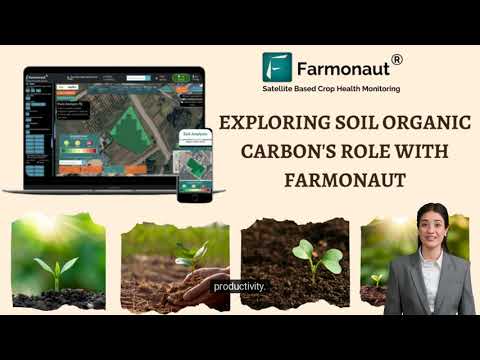
Integrated digital tools (like Farmonaut’s platform) allow farmers, agronomists, and policymakers to track soil health, carbon sequestration, and crop growth with high accuracy—enabling real-time, data-driven regenerative decision making.
Top Technologies Supporting Regenerative Agriculture:
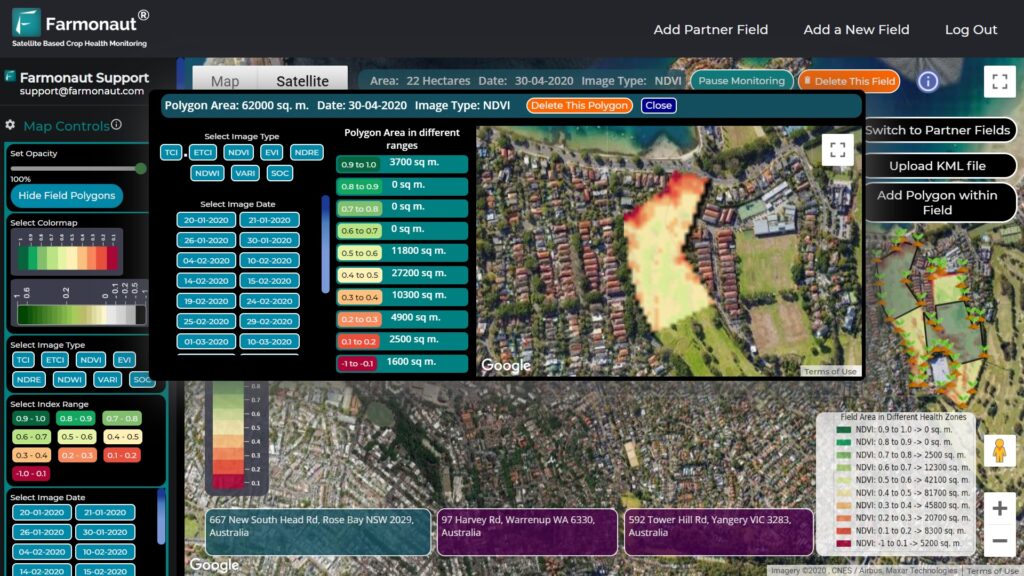
- 🛰 Satellite Crop Monitoring: See crop vigor, detect soil stress, and optimize rotations with tools like Farmonaut’s Large Scale Farm Management Platform (for advanced multi-field, multi-farm monitoring)
- 🤖 AI & Advisory Systems: Artificial intelligence apps analyze weather, soil, and crop signals for actionable regenerative advice. Our Jeevn AI system supports smart, sustainable crop decisions.
- 🔗 Blockchain Traceability: From seed to sale, trace every farm input and output for transparency using product traceability solutions.
- 🌍 Environmental Impact Dashboards: Quantify and maximize carbon sequestration with our carbon footprinting tools.

Operational Innovations for Regenerative Success
- 🚜 Fleet and Resource Management: Efficient machine use minimizes fuel, compaction, input cost—for example, Farmonaut’s Fleet Management solution tracks and optimizes on-farm logistics, saving money and resources.
- 🧾 Crop Loan and Insurance Verification: Satellite-aided verification for agricultural loans and insurance reduces fraud and makes regenerative transitions financially safer (see Crop Loan & Insurance page).
- 📈 API & Integration: Develop custom data flows or dashboards by integrating Farmonaut’s satellite/weather API or read API Developer Docs for agri-businesses.
How Farmonaut Empowers Regenerative Agriculture USA
At Farmonaut, our mission is to help farmers, businesses, and policymakers make regenerative agriculture easier, more profitable, and data-driven across the United States. By delivering affordable, real-time, satellite-based monitoring, we give users:
- ✔ Actionable analytics on soil health, crop performance, and resource use
- ✔ Carbon tracking and environmental impact assessments—critical for eligibility in carbon credit programs
- ✔ Blockchain-backed traceability to build trust with buyers and partners
- ✔ AI-powered advisory on crop management, irrigation, and regenerative transitions for higher yield stability
Our platforms are accessible on web, Android, and iOS, ensuring U.S. farmers and advisors receive data in the field anytime, anywhere. Explore our:
We also offer cutting-edge carbon footprinting (monitor and monetize carbon sequestration), traceability (for transparency in regenerative food supply chains), and satellite-based verification for crop loans & insurance.
Expert Callouts & Key Highlights
Key Insight
Regenerative agriculture delivers the strongest yield improvements on fields facing high degradation or nutrient depletion; start with your most stressed acres for maximum gain!
Pro Tip
Combine soil testing and satellite imagery (like Farmonaut’s) to identify micro-zones needing extra nutrients or cover crop residues to balance soil organic matter evenly across your farm.
Common Mistake
Switching to no-till without adjusting weed management can lead to early yield setbacks—integrate diversified rotations and natural herbicide strategies for smoother transitions.
Investor Note
U.S. agri-businesses able to document and verify soil carbon storage (with Farmonaut’s tech) stand to benefit most in emerging carbon trading markets and future sustainability-linked loans.
⚠ Risk Alert
Farms with limited rotation options or water resources need custom guidance; technology-enabled data monitoring can tailor regenerative systems to highly variable U.S. conditions.
Adoption, Opportunities & Challenges for Regenerative Agriculture USA in 2026
- 📈 Adoption Trends: As of 2026, over a third of all U.S. farmers engage with at least one regenerative agriculture principle—driven by incentives, consumer demand, and documented on-farm benefits.
- ✨ Opportunities: Regenerative practices empower diversified income, premium labeling (e.g., regenerative organic certified), and new carbon market access, while supporting stronger community ecosystems.
- 🚩 Barriers: Transition often requires new knowledge, upfront investment, and changes to farm systems. Technology, advisory resources, and demonstration farms are critical for overcoming learning curves.
- ⚖ Policy & Programs: U.S. government initiatives increasingly align with regenerative imperatives—harnessing these funds and technical support reduces the risk for every adopter.
- 🔍 Verification & Monitoring: The next phase: advanced digital monitoring via satellite data (e.g., Farmonaut), remote sensing, blockchain, and farm-level analytics to measure success and claim credits with confidence.
Key Insight
Regenerative agriculture USA in 2026 represents an unmatched opportunity for farms to build resilience, climate readiness, and new profit streams—when paired with strong measurement and guidance systems.
FAQs on Regenerative Agriculture in the USA
What is regenerative agriculture?
Regenerative agriculture is a holistic farming system that restores and enhances soil health, biodiversity, and ecosystem function—going beyond sustainability to actively rebuild and protect natural resources.
How is it different from conventional or organic farming?
Unlike conventional farming (which can degrade soils), or organic systems (which restrict certain inputs), regenerative agriculture prioritizes holistic ecological management—building soil organic matter, cycling nutrients, and integrating crops/livestock to maximize ecosystem benefits.
Which crops benefit the most from regenerative practices?
All crops can benefit, but row crops (corn, soy, wheat), specialty produce (fruits, nuts), and pasture-raised livestock enterprises see the most dramatic gains.
Does regenerative agriculture work on small farms?
Yes! From market gardens to huge U.S. ranches, regenerative principles scale up or down and are adaptable by design.
Where can I monitor and verify my farm’s regenerative metrics?
Tools like Farmonaut’s satellite monitoring and carbon footprinting platform provide real-time, evidence-based assessment of soil improvement, carbon sequestration, and biodiversity progress for U.S. farms.
Conclusion: The Future of Regenerative Agriculture USA
Regenerative agriculture USA stands as a transformative pathway not just to sustainability but to the restoration of our nation’s soils, farm ecosystems, and rural economies. In 2026, these seven powerful practices—cover cropping, reduced tillage, crop rotation, agroforestry, holistic grazing, organic input management, and integrated pest/pollinator strategies—are enabling American farmers to build climate resilience, crop stability, and new value.
The combined movement of policy, technology (satellite and AI-based monitoring), consumer demand for sustainable food, and financial innovation in carbon markets is driving this change. As more U.S. farmers adopt regenerative practices, the benefits—increased soil organic matter, higher biodiversity, stable yields, and economic opportunity—will only amplify.
At Farmonaut, we are committed to empowering every U.S. farm and agri-business with transparent, actionable data and the right tools to accelerate this crucial transformation. The future of American agriculture is regenerative, resilient, and data-powered—let’s restore our land, together.



For developers and agri-businesses: API access is available at Farmonaut API | Docs at API Developer Docs.
Embrace regenerative agriculture, harness technology, and build the resilient, sustainable farm future America needs in 2026 and beyond.