Precision Agriculture 2026: Data-Driven Advances
Introduction to Precision Agriculture and Its Role in Modern Farming (2025–2026)
Precision Agriculture (PA) stands at the forefront of innovation in modern farming. By 2026, agriculture faces rapidly intensifying challenges related to climate change, resource limitations, consumer demand for sustainable produce, and increasingly strict policy and regulatory compliance.
The integration of technology—spanning from sensing, data collection, and analytics to robotics—is not just “nice to have” but crucial for yield optimization and resource stewardship. Precision agriculture empowers farmers and related sectors (such as forestry, mining, infrastructure) to use actionable insights and timely interventions that:
- ✔ Boost sustainable crop yields and promote soil health.
- 📊 Minimize input costs and lower environmental impact (fertilizer, pesticide, water use).
- 🚀 Enable data-driven compliance with certification and regulatory requirements.
- ⚠ Adapt quickly to weather variability & agricultural risks.
- 🌿 Contribute to climate resilience and carbon monitoring.
The role of precision agriculture in 2025 and beyond is unmistakably aligned with technology & innovation, fostering a data-driven, sustainable model for farm management, forestry, rehabilitated lands, and several related sectors.

Precision agriculture isn’t just about yield. It’s central to climate resilience, input efficiency, compliance, and sustainable resource management across farm, forestry, and rehabilitated lands in 2026.
The Evolution & Relevance of Precision Agriculture by 2026
The “modern” farm in 2026 is wired, connected, and shaped by data. The relevance of precision agriculture (PA) has evolved far “beyond yield gains”. PA now encompasses resource stewardship, climate resilience, and accountable, transparent practices within agriculture, forestry, and related sectors.
- ✔ **Sustainable inputs**: PA reduces and optimizes inputs (fertilizers, water, chemicals, seed) only where needed.
- 📊 **Data, sensing, and analytics**: Farmers use AI, remote sensing, and weather data for decision support.
- 🌱 **Soil and crop health**: Soil moisture, nutrient status, and NDVI/EVI indices provide alerts for timely interventions.
- ⚠ **Risk management**: Early detection of stress from drought, weather, or pest threats enhances resilience.
- 🌐 **Policy & compliance**: Data-driven certification and traceability open new market access and financing opportunities.
2025–2026 sees PA integrating into the backbone of farm and land management around the globe, becoming indispensable for farms of all sizes.
Key Technologies Driving Precision Agriculture for 2026
1. Sensing & Data Collection: Proximal & Remote Technologies
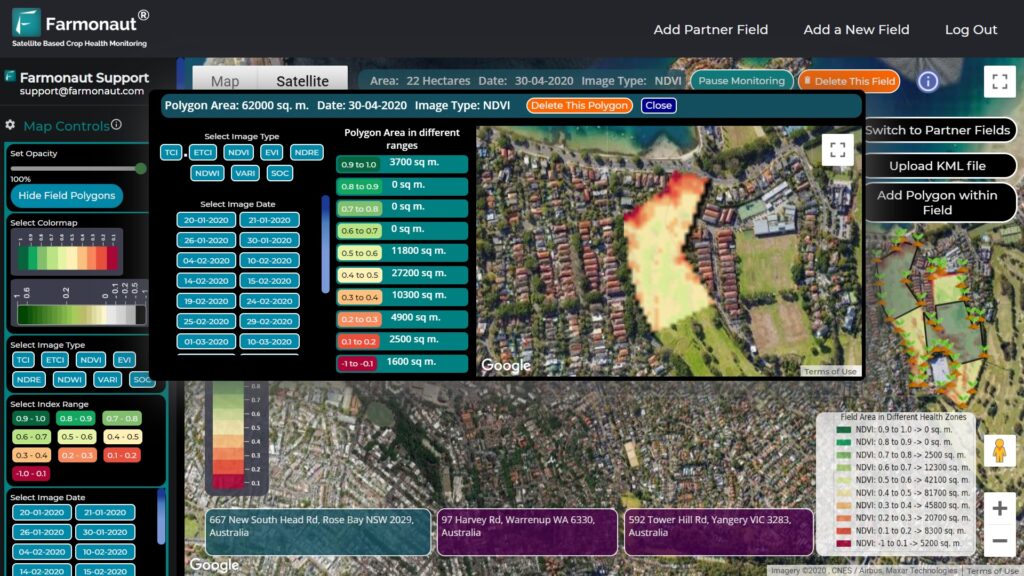
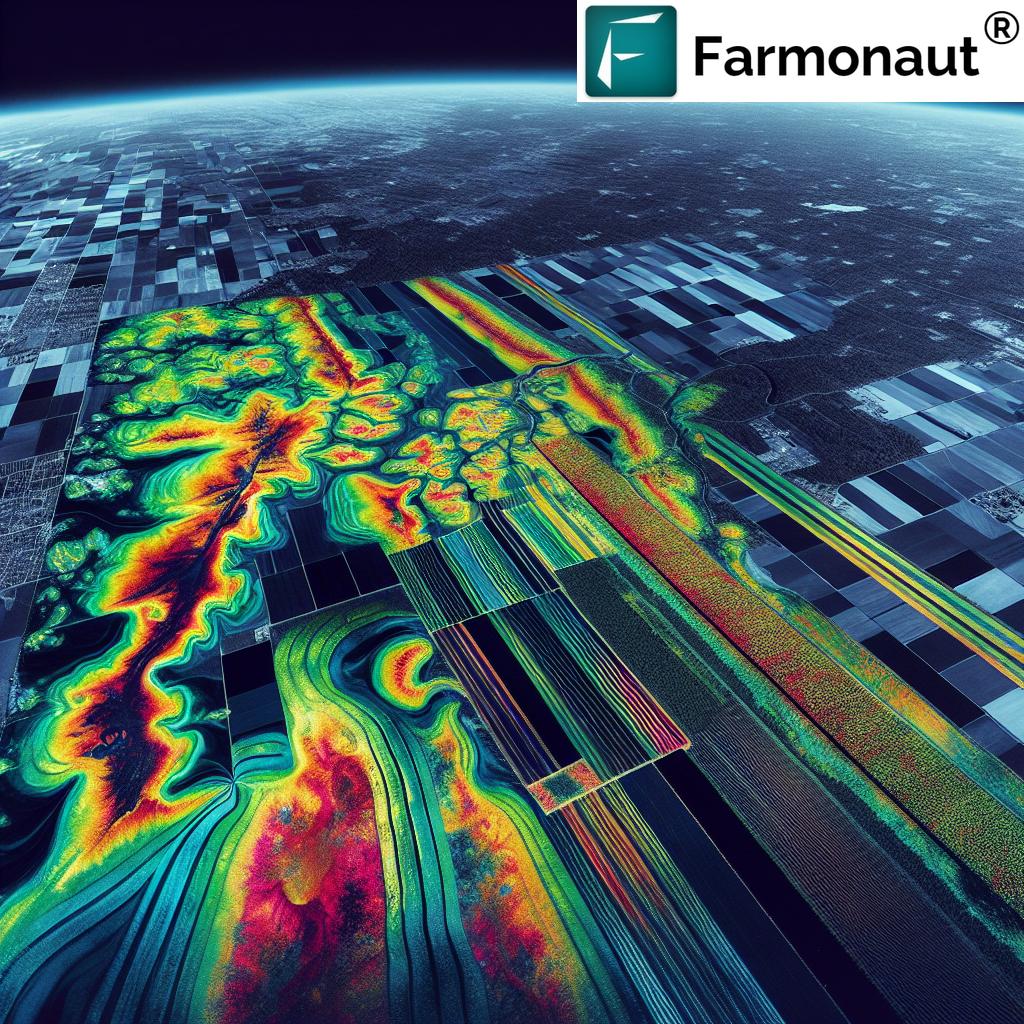
- 🌍 Satellite Sensing: Providers like Farmonaut monitor crop health, soil moisture, and environment using multispectral satellite imagery—enabling field-level analysis and resource optimization from space.
NDVI (Normalized Difference Vegetation Index), EVI (Enhanced Vegetation Index): Provide plant stress and vigor data, guiding timely interventions. - 🚁 Drones: Capture high-resolution imagery for detailed field mapping, enabling detection of stress zones and pest infestations.
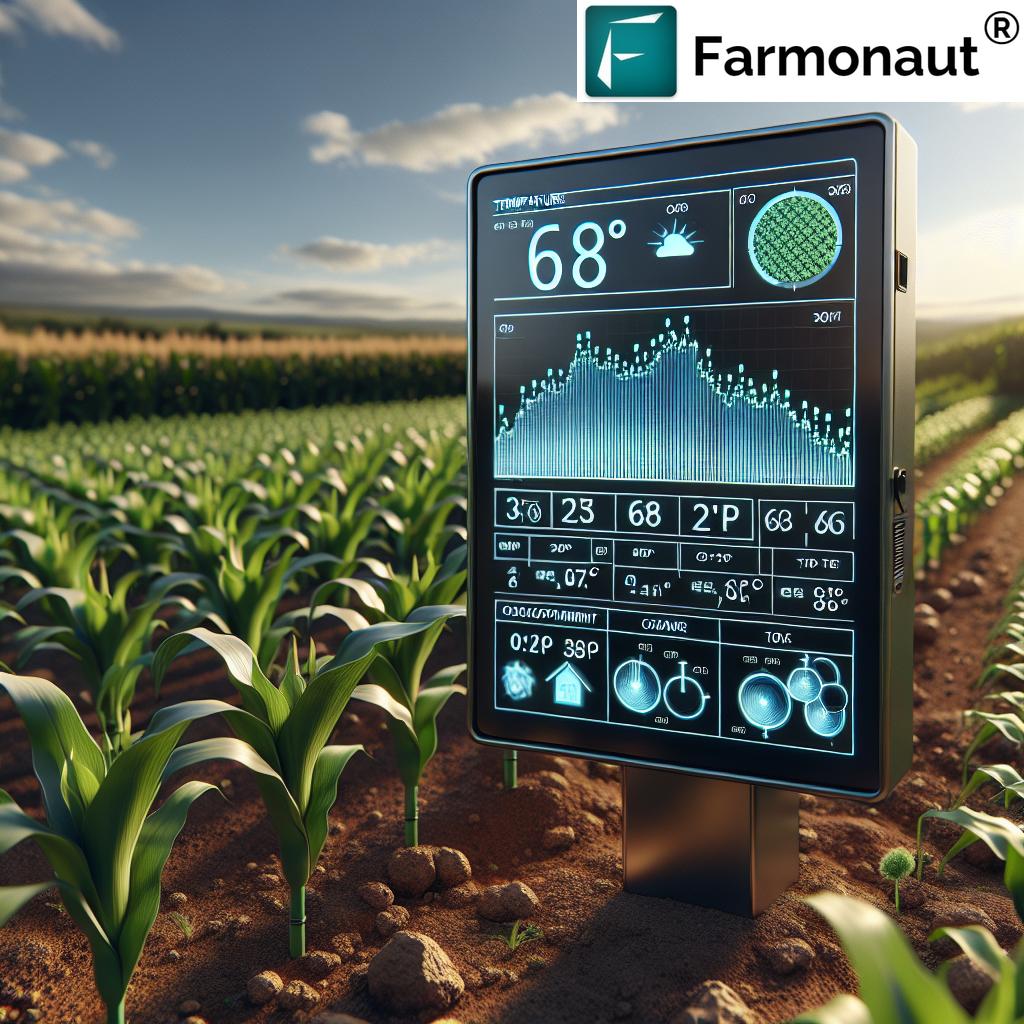
- 🌱 Proximal Sensors: In-field soil moisture probes, nutrient analyzers, and weather stations update real-time status of soil health and environmental conditions.
- 🔄 IoT Devices: Seamlessly collect, transmit, and synchronize field-level data for instant access and historical monitoring.

2. AI, DSS & Data Analytics
- 💻 Decision Support Systems (DSS) use multifactor data: weather forecasts, soil maps, pest models, crop growth curves.
- 🤖 AI & Machine Learning: Analyze satellite, sensor, and historical data to forecast yield, detect stress early, and optimize irrigation, planting windows, and input timing.
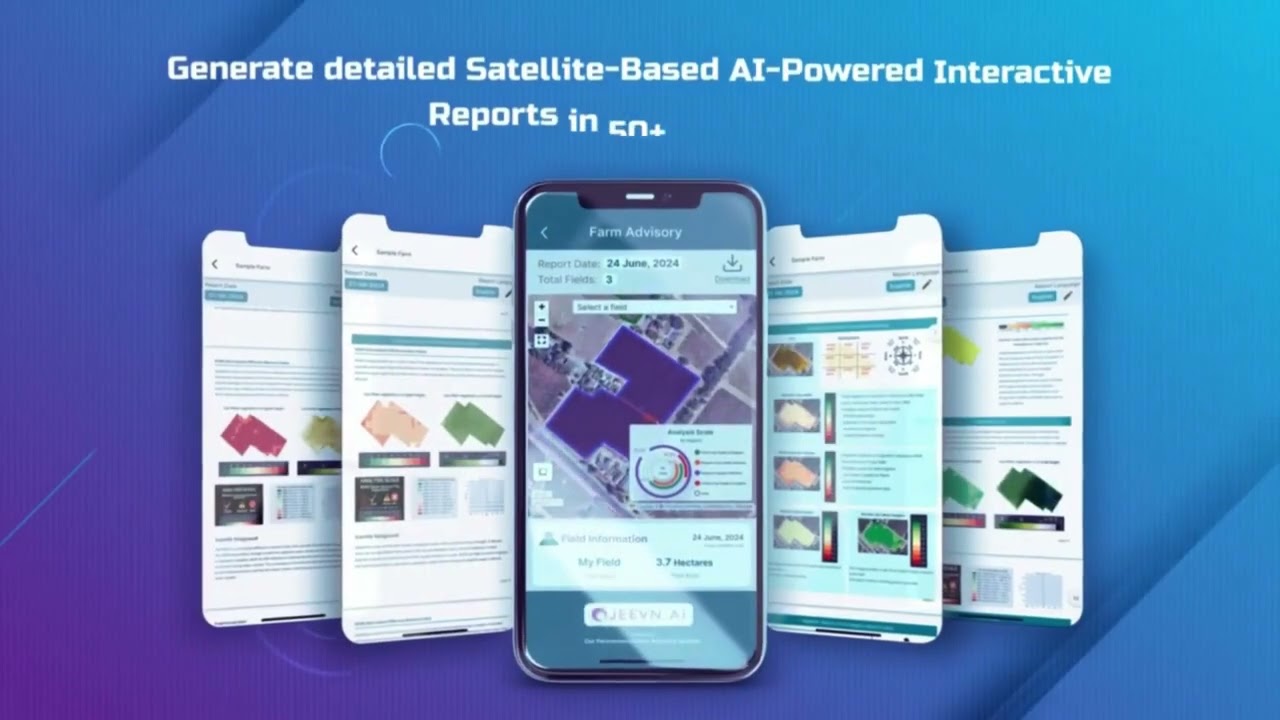
- 📲 Farmonaut Jeevn AI Advisory provides real-time recommendations directly to farmers, enhancing operational efficiency and quality of interventions.

3. Variable Rate Technology (VRT)
- 🌾 Autonomous Tractors & VRT-enabled Equipment dynamically adjust application rates of nutrients, water, seeds, and pesticides—mitigating runoff and input wastage.
- 🌍 GPS-guided Sprayers & Planters minimize environmental impact by reducing overlap and chemical exposure.
4. Robotics & Automation
- 🤖 Robotic Weeders & Harvesters: Remove weeds precisely, harvest crops efficiently, and limit chemical input and manual labor, increasing operational efficiency and labor safety.
- 🛰️ Autonomous Crop Scouts gather actionable data in real-time, alerting for plant stress, disease, or pest threats.

To maximize ROI, start your precision agriculture journey by instrumenting “bottleneck” zones—areas most affected by drought, pests, or low yields. Expand your tech stack after validating savings and improvements in these areas.



🔗 Farmonaut Satellite API
|
API Developer Docs
Outcomes & Benefits of Data-Driven Precision Agriculture
Resource Efficiency & Input Optimization
- 💧 Minimizes water and fertilizer usage by precisely targeting only areas needing intervention.
- 🌱 Reduces chemical application and runoff: Targeted pesticide and herbicide use supports soil health and groundwater protection.
- 🏭 Improves logistics and operational efficiency with fleet and resource management tools.
Yield Quality, Stability, and Economic Gains
- 🚀 Stabilizes and often increases yields by addressing “stress events” (drought, pest, nutrient deficiency) early.
- 📈 Improved product quality due to optimal nutrient and irrigation management.
- 💸 Reduces costs (inputs, labor, logistics), enhancing farm profitability and ROI.
Environmental Stewardship & Climate Resilience
- 🌍 Lowers carbon emissions through optimized input application and fewer machinery passes.
- 🌿 Promotes biodiversity & soil protection with targeted interventions (e.g., variable herbicide use for non-crop zones).
- 🌡️ Supports carbon monitoring and carbon footprinting services.
Social Impact
- 👩🌾 Improved farm labor safety by reducing chemical exposure and dangerous machinery use.
- 👨💼 New opportunities in data analytics, agronomy, and extension services in rural and urban markets.
PA technology adoption rates are accelerating. Over three-quarters of large farms—and growing numbers of small holders—are integrating AI, sensing, and VRT by 2026. This market presents dynamic opportunities for investment in enabling platforms and data-driven services.
Precision Agriculture in Forestry and Related Sectors
- 🌳 Silviculture & Forestry: Precision sensing and variable-rate intervention now support sustainable forest growth, targeted fertilization, pest management, and growth modeling to maximize yield and carbon sequestration.
- ⛏️ Rehabilitating Mining-Affected Lands: Satellite-driven soil, moisture, and vegetation monitoring ensure success of restoration interventions and accelerate ecological recovery.
- 🏢 Infrastructure: Data collection, modeling, and compliance tools help optimize land management, ensure project success, and minimize environmental impact.
Farmonaut’s crop plantation and forest advisory platform—available on Web and Mobile App—offers sector-specific advisories leveraging satellite, AI, and data-driven services. Forestry managers and environmental scientists now integrate PA metrics with their land management strategies for true sustainability.


Many new adopters over-invest or try to implement every PA technology at once. Instead, focus first on solving your farm’s biggest bottlenecks with targeted tools and data-driven practices for maximum early impact.
- 🛰️ Satellite crop health monitoring for yield prediction & stress mapping
- 🌱 Soil moisture & nutrient status mapping for irrigation scheduling
- 🤖 Drone-based pest detection for threshold-targeted chemical application
- 💧 Precision VRT-enabled irrigation in drought-prone fields
- 🌳 Remote sensing in forestry for sustainable timber yield and carbon assessment
Carbon, Environmental Stewardship, and Soil Health in Precision Agriculture
As the urgency of climate change amplifies, carbon accounting and environmental stewardship become core pillars of precision agriculture in 2026. The sector now routinely tracks:
- ✔ On-field carbon emissions (from machinery, fertilizers, and practices)
- 🌾 Soil carbon sequestration improvements with regenerative practices
- 🌱 Runoff and environmental impact reductions
- 📊 Compliance with international sustainability certifications
Farmonaut offers satellite-based carbon footprinting for agriculture and mining, providing actionable insights for sustainable investments, reporting, and certification:
Learn more about carbon footprinting solutions here.

Visual List: Precision Agriculture Environmental Wins
- 🌿 Reduced fertilizer and pesticide runoff
- 💧 Water conservation and improved groundwater
- 🌱 Soil organic matter enhancement
- 🌍 Lowered direct GHG emissions
- 📊 Improved compliance and market access
Advanced blockchain traceability tools by Farmonaut empower agricultural producers and supply chains to guarantee the authenticity, provenance, and environmental compliance of their products, enhancing market trust. Discover more at
Farmonaut Traceability.
Implementation Considerations: Infrastructure, Costs, ROI & Training
Data Infrastructure & Sensor Connectivity
- ✔ Reliable internet and mobile data networks are foundational for transmitting sensor data, receiving advisories, and remote monitoring.
- 📊 High-quality soil, weather, and crop maps (such as those generated by Farmonaut’s satellites and APIs)
- 🌍 Interoperable equipment and software platforms ensure scalability and vendor flexibility.
Costs vs. Long-term Savings (ROI)
- ✔ Sensors, VRT equipment, and data services represent significant initial costs.
- 📈 **ROI typically recovers within 1–3 seasons** via input savings, yield improvements, and operational efficiencies where PA is applied strategically.
- 🌍 **Cooperatives or government subsidies** often facilitate technology access for smallholders.
Skills, Training & Data Interpretation
- ✔ Farmers, agronomists, and extension workers require ongoing training in data collection, model interpretation, and equipment calibration.
- ✨ Outreach and support from technology providers (like Farmonaut) accelerate skill transfer and adoption.
Data Governance & Privacy Considerations
- ✔ Establish clear data ownership & sharing agreements with service providers.
- 📊 Use secure and compliant data infrastructure—blockchain enhances traceability and transparency.
Compatibility & Scalability
- ✔ Prioritize interoperable equipment and open APIs for future upgradeability.
- 📈 Solutions like Farmonaut scale readily from small plots to regional projects, adapting as operations grow.
Need satellite-based verification for your farm insurance or crop loan?
Learn how Farmonaut’s solutions help streamline application and reduce fraud.
Best Practices & Strategies for PA Adoption Success
- Start with pilot fields: Calibrate and validate technology on a sample before scaling to the entire farm.
- Prioritize critical bottlenecks: Target nutrient management, irrigation timing, or weed control in fields with the highest economic or environmental sensitivity.
- Invest in soil health: Combine PA data/insights with regular chemical/physical soil testing, organic matter addition, and cover cropping for sustainable production.
- Collaborate with experts: Stay updated with new practices via agronomists, extension services, and technology providers (like Farmonaut).
- Monitor, review, and adapt: Analyze seasonal performance, adjust zones and management windows, and adapt to weather & market changes for continuous improvement.
Policy, Compliance, and Market Trends Shaping Precision Agriculture in 2026
- ⚖️ Stricter environmental & resource use regulations reward PA adopters for reduced emissions, tracked carbon impact, and sustainable water and chemical management.
- 🌐 Data-driven certification (GlobalG.A.P, Carbon Neutral, Rainforest Alliance) becomes essential for export market access.
- Farmonaut-powered blockchain traceability and environmental impact monitoring offer compliance-ready records.
- 🔎 Consumer demand for residue-free, sustainably-grown products increases market premium for farms using PA practices and monitoring.
- 🎯 Government & bank incentives (like satellite-verifiable insurance and financing) favor traceable, low-risk, and climate-smart agribusinesses.
- 🆕 Expanded role in non-traditional lands: Mining, rewilding, and urban green spaces are now leveraging PA and satellite surveillance to restore and sustainably manage ecological functions.
Estimated Impact of Precision Agriculture Technologies by 2026
The table below outlines projected advances and advantages of leading PA technologies for sustainable farming in 2025–2026:
| Technology | Estimated Yield Increase (%) | Optimized Input Reduction (% Water/Fertilizer/Pesticide) | Projected Cost Savings (USD/Hectare) | Environmental Impact |
|---|---|---|---|---|
| Satellite Sensing | 10–15% | 15–18% | $75–$120 | Reduced GHG emissions & improved soil health |
| IoT Sensors & Probes | 8–13% | 12–17% | $60–$100 | Lower runoff, optimized water usage |
| AI Analytics / DSS | 12–18% | 14–20% | $90–$130 | Less chemical exposure, better compliance |
| Drones | 7–12% | 10–16% | $70–$110 | Targeted spray, wildlife protection |
| Robotics & Automation | 9–14% | 12–15% | $85–$150 | Lower labor exposure, emissions |
| Variable Rate Technology (VRT) | 13–20% | 18–25% | $120–$180 | Greatest input savings, reduced chemical impact |
How We at Farmonaut Empower Precision Agriculture for 2026 and Beyond
At Farmonaut, we are passionate about making data-driven precision agriculture accessible and affordable for individual farmers, businesses, and governments worldwide. Our suite of services integrates satellite sensing, AI analytics, traceability, resource and fleet management, and environmental impact tracking—delivered via intuitive web, iOS, Android apps, and robust APIs.
Farmonaut Key Features:
- 🛰️ Satellite-Based Crop & Soil Monitoring: NDVI, EVI, and multispectral analysis for crop vigor and soil health.
- 🤖 Jeevn AI Advisory: Real-time, personalized recommendations powered by satellite data, weather forecasts, and best practices.
- 🔗 Blockchain Traceability: Transparent supply chain tracking for regulatory compliance and market trust.
- 🚜 Fleet and Resource Management: Optimize logistics, safety, and machine use across large or distributed operations.
- 🌱 Environmental Impact & Carbon Monitoring: Comprehensive tracking of carbon footprint and sustainability metrics for agriculture or mining.
Whether managing a single field or enterprise-scale operations across regions, our solutions are scalable, cost-effective, and designed for cross-sector applications such as agriculture, forestry, infrastructure, and even mined lands rehabilitation.
Farmonaut Subscriptions—Affordable, Flexible, Scalable
Frequently Asked Questions (FAQ) on Precision Agriculture 2026
-
What is the main advantage of precision agriculture?
Precision agriculture optimizes use of inputs (water, fertilizer, seed, chemicals), minimizing waste, maximizing yield, improving soil health, and reducing environmental impact. -
How does PA contribute to climate resilience?
By analyzing weather, soil, and crop data, PA enables farmers to adapt practices for drought, heat, or pest outbreaks, enhancing resilience and crop stability. -
What technologies are most impactful for small farms?
Satellite sensing (affordable via Farmonaut), in-field moisture probes, and DSS/AI advisories—these offer high ROI even for limited acreage. -
How does Farmonaut support compliance and certification?
Our blockchain-based traceability system and real-time monitoring tools provide transparent, easy-to-audit records for global certifications. -
Can PA technologies be integrated with existing equipment?
Yes—modern PA tools, especially those with open API (like Farmonaut’s platform), are designed for compatibility and interoperability. -
What are Farmonaut’s main offerings for large-scale operations?
We provide scalable fleet and resource management, regional soil/crop monitoring, and API access to actionable insights for entire enterprises.
Explore Farmonaut’s web and mobile platforms for actionable satellite insights, Jeevn AI advisories, blockchain traceability, environmental impact tracking and more.
Leverage data to drive efficiency, profitability, and sustainability in 2026 and beyond.