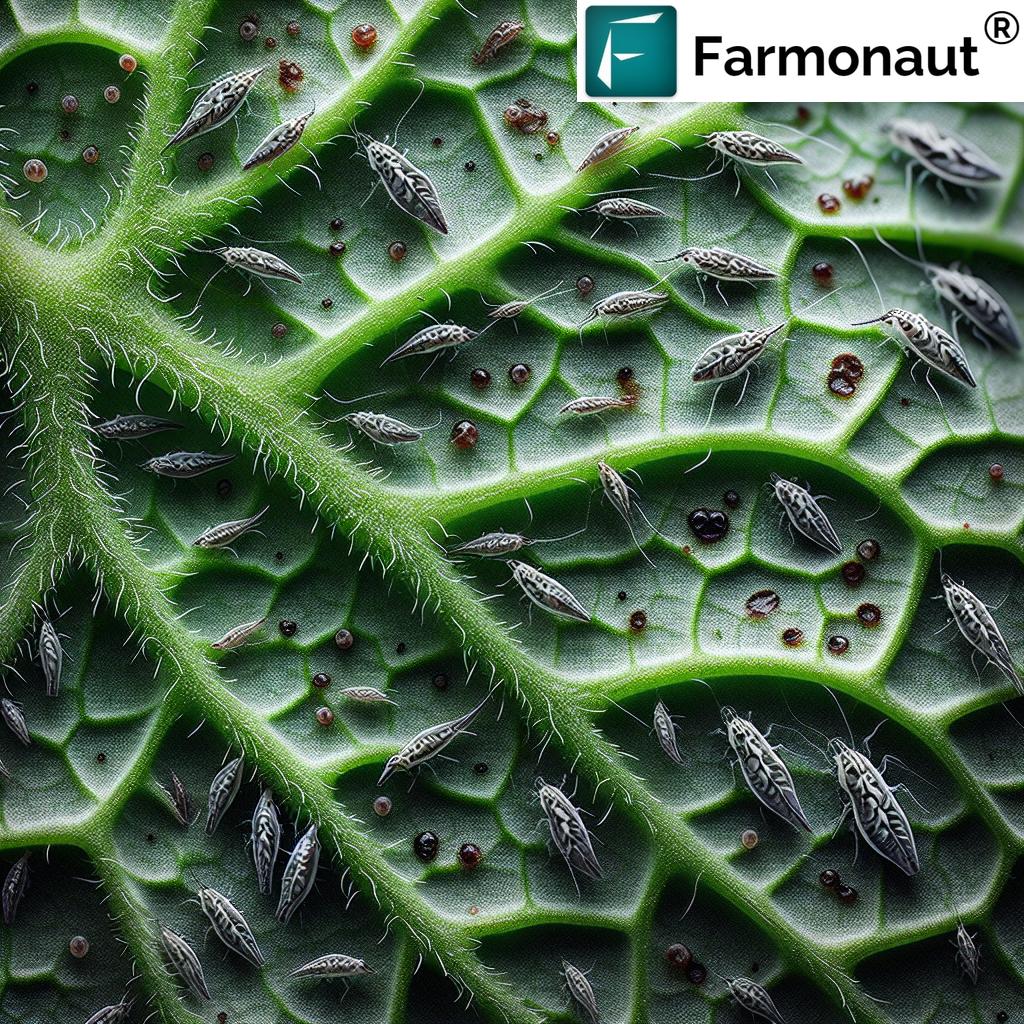
Potato Blackleg, Black Scurf Potato: Top 5 Solutions 2026
Summary: Potato Blackleg and Black Scurf—Challenges and Solutions in Modern Potato Farming
Potato blackleg and black scurf potato remain critical threats to potato farming worldwide, often leading to significant losses in yield and quality. With evolving disease management challenges and advanced technology shaping potato sorting, growers are at the brink of a transformative era. In this blog, we uncover detailed understanding, top innovations, and comprehensive guides for managing blackleg, black scurf of potato, and potato soft rot, particularly as we head into 2026 and beyond.
Table of Contents
- Understanding Potato Blackleg, Black Scurf, and Potato Soft Rot
- Modern Challenges in Potato Farming (2026 and Beyond)
- Comparative Table: Top 5 Solutions for Potato Blackleg & Black Scurf
- Solution #1: Advanced AI Potato Sorting Machine
- Solution #2: Seed Treatment Innovations
- Solution #3: Biological Control Agents
- Solution #4: Precision Irrigation & Soil Health Management
- Solution #5: Integrated Disease Management Protocols
- Role of Farmonaut’s Technology in Potato Disease Management
- Applications in Sweet Potato Fields and Other Crops
- Expert Tips, Key Insights & Callouts
- FAQs on Potato Blackleg, Black Scurf, & Soft Rot Management
- Conclusion: The Future of Potato Disease Solutions
Understanding Potato Blackleg, Black Scurf, and Potato Soft Rot
Potato farming, particularly in regions with high moisture and warm conditions, is often confronted by the persistent threats of potato blackleg, black scurf potato, and potato soft rot. Yield loss, quality degradation, and persistent disease cycles make these pathogens a core concern for growers, agriculture experts, and the food industry. Let’s break down these diseases and their far-reaching impacts.
What is Potato Blackleg?
Potato blackleg refers to a bacterial disease caused primarily by species in the genus Dickeya and Pectobacterium. The disease manifests as a blackened decay at the stem base of the plant, usually accompanied by a foul smell.
- 🧪 Caused by: Dickeya spp. and Pectobacterium spp.
- 🌱 Symptoms: Black, soft, mushy stem base; wilting; rapid spread in warm, wet, or inadequately drained soils
- 🦠 Pathogen Spread: From infected seed, soil, and equipment contamination
- 🚜 Impact: Severely reduces healthy tubers at harvest; decreases quality and marketable yield
What is Black Scurf of Potato?
Black scurf potato is a fungal disease led by Rhizoctonia solani. It presents as hard, black scabs (sclerotia) on the potato’s surface. While the black scurf lesions themselves are cosmetic, the pathogen also infects sprouts, roots, and underground stems, causing:
- ⚫ Appearance: Small, hard black sclerotia on tuber surface
- 🌱 Chronic Effects: Poor plant establishment, reduced plant vigor, and persistent soil inoculum for future seasons
- 🧬 Spread: Primarily via infected seed tuber stocks; survives in soil
- 🌎 Sustainability Issue: Black scurf of potato remains a persistent issue worldwide

What is Potato Soft Rot?
Potato soft rot, often overlapping with blackleg, is induced by Erwinia spp. It causes tubers to become mushy and emit a foul odor. This condition tends to occur during storage or in wet, warm soil conditions.
- 💧 Water-driven: High moisture and poor drainage greatly increase risk
- 🌡️ Emergence: Most visible during tuber storage, but can affect in-field potatoes
- 🔄 Management Need: Proper sanitation and integrated management to limit post-harvest losses
🦠 Potato Disease Life Cycles (Visual List)
- 🔁 Contaminated Seed → Soil (Primary source; introduces pathogens every season)
- 🌱 Infection on Sprouting (Favorable warm, wet soil triggers disease onset)
- 🌾 Symptoms Manifestation (Leaf wilting, stem blackening, tuber rot, black sclerotia formation)
- 🧪 Crop Residue & Storage (Diseased plant debris and unsorted/infected tubers infect next rotation)
The common thread is poor seed tuber quality, sub-optimal soil conditions (high moisture, weak drainage), and reused infected stocks. Both bacterial and fungal pathogens prove remarkably persistent in the field unless managed via modern, integrated, and technology-driven strategies.
Modern Challenges in Potato Farming (2026 and Beyond)
In the realm of agriculture, managing these potato diseases is a critical challenge for growers worldwide. The factors at play are multi-fold, and their influence is only increasing with intensive agricultural practices, changing climates, and global supply demands:
- 🌡️ Warming climates → Prolonged warm/wet periods favor faster pathogen spread and higher losses.
- 🌱 Increasing crop intensification → Shorter rotations and more reused seed stocks promote disease persistence.
- 🧑🌾 Economic pressure → High-quality, disease-free potatoes bring better returns. Infected crops dilute market value and threaten contracts.
- 🚜 Technology gap → Many farms still lack advanced sorting or imaging machines, increasing manual labor costs and disease risk.
With newer precision farming, data-enabled disease scouting, and satellite-supported management (such as by Farmonaut), 2026 presents growers with an opportunity to integrate advanced solutions into their workflows.
- ✔ Certified seed tubers = Foundation for disease-free crops
- 📊 Technology-driven potato sorting machine = Reduces field and storage infection cycles
- ⚠ Missed drainage practices = Exponentially increases blackleg risk in wet fields
- 🔬 New biocontrol agents = Deliver targeted reduction in both black scurf and soft rot
- 🌎 Integrated monitoring (satellite + field scouting) = Early detection for rapid intervention
Comparative Table: Top 5 Solutions for Potato Blackleg & Black Scurf in 2026
Let’s directly compare the most impactful modern solutions for managing potato blackleg, black scurf potato, and soft rot in 2026. This evidence-based approach helps potato growers, agronomists, and food system stakeholders make informed, sustainable decisions.
| Solution Name | Technology/Innovation Used | Estimated Effectiveness (% Disease Reduction) | Ease of Implementation | Cost Estimate (USD/ha) | Sustainability Rating (1–5) |
|---|---|---|---|---|---|
| Advanced AI Potato Sorting Machine | Multispectral imaging, AI, machine learning algorithms, mechanical sorting | Up to 30% | Medium | $120–$350 | 5 |
| Seed Treatment Innovations | Biological and chemical fungicides/bactericides, hot water, organic protectants | 20–40% | High | $10–$70 | 4 |
| Biological Control Agents | Beneficial bacteria/fungi, competitive exclusion, rhizosphere health products | 10–25% | Medium | $20–$100 | 5 |
| Precision Irrigation & Soil Health Management | Drip/smart irrigation, soil health monitoring, drainage, rotation | 15–35% | Medium | $60–$250 | 5 |
| Integrated Disease Management Protocols | Combination of certified seed, rotation, field & storage sanitation, crop scouting | 30–55% | High | $30–$110 | 5 |
Solution #1: Advanced AI Potato Sorting Machine—The Modern Line of Defense
Potato blackleg, black scurf of potato, and soft rot remain most efficiently controlled at the sorting stage. Here, new generations of potato sorting machine technologies are pivotal.
How AI and Multispectral Imaging Transforms Sorting
- 🖥️ Multispectral Imaging: Detects visible and invisible blemishes, sclerotia (black scurf), and tuber deformities related to rot.
- 🤖 Machine Learning Algorithms: AI “learns” which features indicate disease, enabling high-speed, accurate classification of healthy and infected tubers.
- 🚀 Automated Sorting & Mechanical Removal: Diseased or visually compromised potatoes are physically separated, reducing pathogen load in storage and fields.

Benefits:
- 🎯 Enables efficient, high-throughput screening of thousands of tubers per hour
- 🦠 Reduces field and storage spread of blackleg, black scurf potato, and soft rot
- 📈 Improves overall crop quality and boosts market prices
Key Insight:
Potato sorting machines using advanced imaging are pivotal for farm-scale disease control in 2026, cutting overall disease incidence by as much as 30% per harvest cycle.

Solution #2: Seed Treatment Innovations—Certified Health Starts at Planting
Potato blackleg and black scurf of potato are often introduced via infected seed tubers. For sustainable, long-term control, innovative seed treatments are essential:
Modern Seed Treatments Include:
- 🌱 Certified Seed Use: Sourcing only disease-tested, inspected seed lots
- ☀️ Hot Water Treatments: Destroys bacterial and fungal pathogens without chemicals
- 🦠 Biological Fungicides (e.g., Trichoderma, Bacillus): Excludes Rhizoctonia solani and black scurf pathogens via natural competition
- 🧪 Systemic & Contact Chemicals: Targeted, regulated application for specific pathogens

Always use certified, disease-free seed, paired with a modern seed treatment regime. This single practice can reduce disease risk by 40% in the field.
Certified seed and traceability are the future. For example:
Farmonaut’s Traceability Solutions
enable digital tracking of seed health, ensuring transparency from farm to storage. These innovations
help both large-scale and small-scale potato growers stay ahead of strict supply chain and regulatory requirements.
Solution #3: Biological Control Agents—Building a Resilient Soil Ecosystem
In 2026, biological control is a top-tier, sustainable technology for managing potato blackleg and black scurf potato. Biocontrol agents—naturally occurring bacteria and fungi—can outcompete, inhibit, or suppress disease-causing pathogens in the tuber rhizosphere.
- 🦠 Trichoderma spp.: Competes with Rhizoctonia solani for space and nutrients, reducing black scurf potato incidence.
- 🦠 Bacillus subtilis: Secretes antibiotics that inhibit blackleg and soft rot bacteria.
- 🌱 Rhizosphere health products: Improve plant vigor and root resilience, lowering disease risk overall.
These agents are often integrated into seed coatings, in-furrow applications, or as foliar sprays—giving growers multiple tools for holistic farming.
Overreliance on a single biocontrol strain can backfire. Rotate products or combine with chemical treatments for resistance management.
Biologicals are cost-effective, eco-friendly, and well-aligned with sustainability metrics for international fresh and processed potato buyers.
Solution #4: Precision Irrigation & Soil Health Management—Control at the Root
Moisture management is at the heart of potato blackleg and soft rot prevention. Waterlogged, poorly drained soils create the ideal conditions for pathogens to flourish.
In 2026, state-of-the-art precision irrigation and soil monitoring technologies make a tangible difference:
- 💧 Smart drip or sprinkler irrigation systems reduce excessive soil moisture and permit targeting specific field areas, ensuring better drainage.
- 🌱 Satellite-driven soil monitoring (Farmonaut’s Agro-Admin App): See real-time soil moisture levels, plan drainage, and pre-empt high-risk zones easily.
- 🔄 Crop Rotation: Rotating potatoes with non-host crops (like cereals) breaks persistent pathogen cycles in the soil.
🌱 Essential Soil Health Factors for Disease Prevention
- ✔ Proper drainage: Reduces wet, anaerobic “hotspots” for blackleg/soft rot
- ✔ Regular organic matter addition: Enhances soil microbiome, natural disease resistance
- ✔ Frequent soil testing: Early flag for disease-favoring high moisture or compacted patches
Satellite-powered monitoring (such as with Farmonaut apps) brings precision soil health management to every potato field. It allows for timely irrigation, drainage scheduling, and site-specific input application—promoting healthier, disease-resistant crops and reducing dependence on chemical interventions.

Solution #5: Integrated Disease Management Protocols—The Sustainable Standard
A single approach is rarely sufficient in managing potato blackleg, black scurf potato, and soft rot. That’s where integrated disease management (IDM) emerges as the gold standard for sustainable, resilient potato farming:
- 🧬 Multiple disease-resistant varieties
- 🚜 Strict field and storage sanitation
- 🔄 Comprehensive monitoring—field scouting, satellite crop health indices (Farmonaut Crop, Plantation & Forest Advisory)
- 🦠 Targeted interventions—chemical, biological, and cultural practices combined
- 📝 Data-driven resource allocation—optimize costs and reduce environmental impact
IDM achieves the highest overall disease reduction (over 50% in some regions) and aligns with evolving retailer, processor, and export compliance requirements—making it an essential technology suite for 2026 and beyond.

Role of Farmonaut’s Technologies in Potato Disease Management
As a satellite technology company, we at Farmonaut make the implementation of integrated, technology-driven solutions accessible and affordable for potato growers of all scales. Our core services and features in the context of combating blackleg, black scurf potato, and soft rot in modern potato farming include:
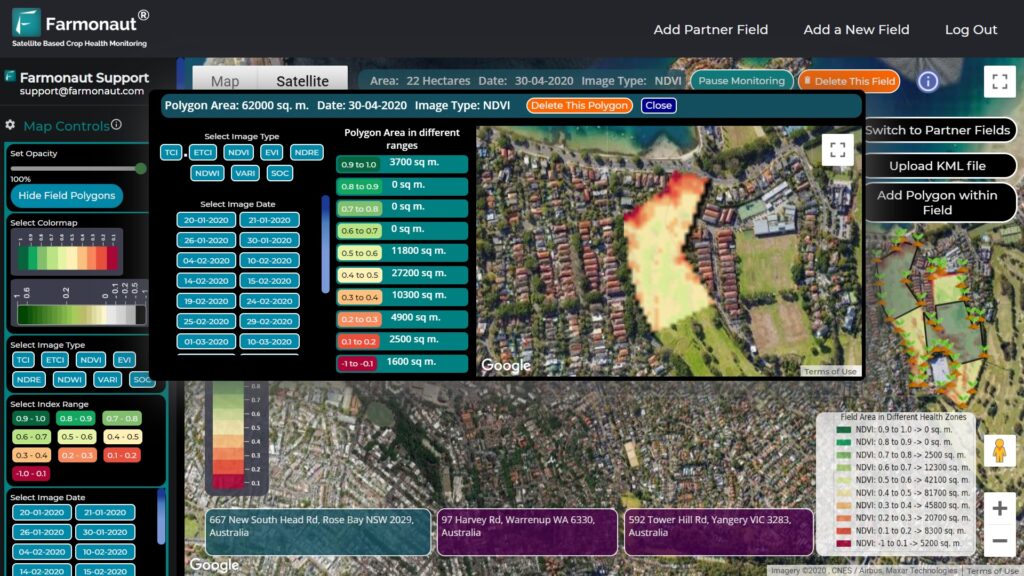
- 🔭 Satellite field monitoring: See real-time soil moisture, drainage patterns, and crop health indices (NDVI, NDRE)—helping pinpoint disease outbreaks before they escalate.
Try Farmonaut Crop, Plantation & Forest Advisory - 📲 AI-based farm advisory (Jeevn AI): Delivers custom strategies for blackleg and soft rot control based on satellite and weather data, maximizing healthy tubers and reducing losses.
- 🔗 Blockchain-enabled traceability: Track seed source, farm operations, and post-harvest movement for compliance and premium pricing with full data security—see Product Traceability Solutions
- 🌎 Environmental impact tracking: Monitor carbon footprint and sustainability impact of disease management protocols. Explore Farmonaut Carbon Footprinting Tools
Technology-led field, soil, and disease monitoring systems are significantly lowering risks for lenders and insurers in the potato value chain. See how Farmonaut supports satellite-based verification for crop loans & insurance.
How to Get Started?
-

Monitor potato crop health and disease risk with Farmonaut Web App -

Download Farmonaut Android App -

Get the Farmonaut iOS App
For developers, seamless API access for potato field monitoring, disease alerts, and resource planning is available:
🔗 Farmonaut API – Real-time Satellite Data
🔗 API Developer Documentation


Applications in Sweet Potato Field and Other Crops
While the discussion centers on potato blackleg, black scurf potato, and soft rot in Solanum tuberosum, it’s important to note:
- 🍠 Sweet potato fields can encounter similar rot and fungal challenges, especially from Rhizoctonia species.
- 🌿 Best practices—sanitation, certified seed, field hygiene, rigorous storage protocols—are equally critical for sweet potato growers.
- 🛰️ Farmonaut’s satellite, AI advisory, and monitoring technologies seamlessly support all root and tuber crops, enabling a unified disease management platform for diversified farms.
Expert Tips, Key Insights & Callouts
Early sorting and rigorous seed certification are non-negotiable for stable, sustainable potato yield in today’s threat landscape.
Implement year-round field scouting and leverage satellite-driven alerts to catch disease hotspots before visible symptoms appear.
Ignoring soil structure and drainage is a leading cause of repeated blackleg and soft rot outbreaks, especially in high-yielding regions.
Digital traceability and satellite-based verification increase lender trust, reducing credit risk for potato, sweet potato, and root crop operations.
Growing global demand for sustainably produced, traceable potatoes is driving technology adoption, especially for export-oriented farms.
Frequently Asked Questions (FAQ) on Potato Blackleg, Black Scurf, & Soft Rot Management
1. What are the early symptoms of potato blackleg in the field?
2. How can technology-based sorting reduce disease risk?
3. Is there a single solution for potato blackleg, black scurf, and soft rot?
4. What’s the role of Farmonaut in potato disease management?
5. How can smallholder farmers benefit from new technologies?
Conclusion: The Future of Potato Disease Solutions
Potato blackleg, black scurf potato, and potato soft rot remain critical challenges in agriculture worldwide—impacting yield, economic returns, and food supply stability. However, as advanced sorting technologies, precision irrigation, robust seed health practices, biological agents, and integrated management protocols become prevalent, the industry is entering a new age of data-driven, efficient, and sustainable production.
With Farmonaut’s leading-edge satellite, AI, and blockchain-powered platform, potato and sweet potato growers can confidently monitor, manage, and mitigate disease threats from planting to storage—with options for web, mobile, and API access. Adopting these technologies and best practices in 2026 and beyond will ensure crop resilience, market competitiveness, and long-term sustainability for the global potato sector.
Explore these smart farming innovations today and position your operation at the forefront of disease-free, sustainable potato production!