Plural Component Sprayer: Advancing Sustainable Farming
Plural Component Sprayer: Overview & Driving Forces in Agriculture
In modern agriculture, the plural component sprayer stands at the forefront of technological innovation—addressing the increasing demand for efficient, precise, and environmentally sustainable crop protection. As we advance into 2026 and beyond, the integration of these specialized systems in daily farming operations is rapidly redefining the benchmarks for pest management, nutrient delivery, and yield improvement. By enabling farmers to apply multiple chemical components—including pesticides, herbicides, and fertilizers—in optimal ratios and at the precise point of application, plural component sprayers are fundamentally changing how we farm: maximizing effect, minimizing waste, and safeguarding our ecosystems.
The future of sustainable farming is being shaped by tools that merge advanced technology, real-time monitoring, and data-driven management—and the plural component sprayer is a prime example of this trend.
Understanding Plural Component Sprayers
A plural component sprayer, also known as a multi-component spraying system, is a specialized system designed to mix and apply two or more chemical components simultaneously, but keep them separate until the exact point of application.
Unlike traditional sprayers that rely on pre-mixed solutions (which can degrade sensitive ingredients over time), plural component sprayers combine reactive compounds—such as fertilizers, pesticides, herbicides, biostimulants, and more—immediately before spraying. This on-demand mixing:
- Prevents premature reactions that could cause loss of efficacy or damage to sensitive ingredients.
- Maintains maximum potency of agrochemicals, especially for newer, biologically-based and innovative products that require precise handling.
- Allows for real-time adjustments in concentration and ratios according to real field conditions.

Key Components & How Plural Component Sprayers Work
- Separate chemical tanks for each component (e.g. fertilizer, pesticide, water, adjuvant, bio-stimulant, etc.).
- Dedicated metering and pumping systems to deliver precise volumes of each ingredient.
- Advanced digital controls for real-time adjustment of ratios and spray rates by field and crop zone.
- Mixing chambers or nozzles where components are combined on-the-fly just before leaving the sprayer.
- Sensor and GPS-based controls for enhanced precision application and fine-scale modulation across the field.
This dynamic mixing ensures that active ingredients and reactive compounds only interact at optimal times, avoiding premature loss, degradation or efficacy reduction. The result: higher yields, reduced chemical waste, and better environmental protection.
Operational Advantages in Agriculture: Why Plural Component Sprayers Stand Out
Plural component sprayers offer numerous operational advantages not found in traditional spraying systems. Here’s a detailed breakdown of their core benefits for 2026+ agriculture:
-
Enhanced Chemical Efficiency and Precise Application
- Mixing components dynamically at the point of spraying maximizes the effectiveness of agrochemicals. This approach is vital for products that only activate when combined—such as certain fungicides that react with a second reagent upon application.
- Reduced volume needed—since each component is always at full potency, farmers can use less overall chemical, resulting in minimal residues and maximized yields.
-
Lower Environmental Impact
- Precision spraying means less overdosing, chemical runoff, and groundwater contamination. This directly translates to safeguarding surrounding ecosystems while complying with tightening regulations in 2026 and beyond.
- Reduced use of active ingredients further lessens the environmental footprint per hectare, aligning with carbon footprinting initiatives that are now central to global sustainable farming.
-
Flexibility for Next-Generation, Innovative Products
- Many emerging biostimulants, biological pesticides, and advanced formulations require components to be stored and handled separately until combined. Plural component sprayers accommodate these needs, enabling farmers to adopt cutting-edge products that were previously challenging to apply with traditional systems.
- Customization per crop, pest, or nutrient pressure is simple, thanks to programmable digital controls and IoT-driven adjustment.

Other Noteworthy Operational Advantages
- Reduced labor and time required for mixing and handling chemicals.
- Enhanced operator safety & lower risk of exposure to hazardous compounds during preparation.
- Enabling advanced, data-driven pest or nutrient management strategies through connectivity with farm management software.
- Better compliance with environmental best practices and legal standards, future-proofing investments.
Technological Features Driving 2025 & 2026 Adoption of Plural Component Sprayers
Modern plural component sprayers are at the heart of digital agriculture, incorporating a suite of technological advancements that make precision, efficiency, and adaptability the new normal in field operations:
- ✔ Precision Dosing Systems: Automated pumps, digital meters, and feedback loops ensure each chemical component is delivered at the exact volume required for the crop, growth stage, and current field conditions.
- ✔ Variable Rate Application (VRA): Using GPS, remote sensors, and IoT integration, these systems adjust spray rates and component ratios dynamically across different areas of the field—optimizing resource use and improving overall yields.
- ✔ Remote Monitoring & Diagnostics: Connectivity (via farm management apps or browser-based control panels) enables operators to receive performance alerts, conduct real-time diagnostics, and address maintenance issues proactively.
- ✔ Automated Cleaning Protocols & Chemical Switching: These features reduce downtime between operations and ensure operator safety.
- ✔ Data Recording & Traceability: All dosing, mixing, and application data can be recorded, stored securely (potentially leveraging blockchain-based traceability platforms), and audited for regulatory compliance, input optimization, and record-keeping.
- ✔ Integration with AI Advisory & Weather Systems: Capable of connecting to AI-powered platforms (like Farmonaut’s Jeevn AI or other advisory tools) which factor in weather, soil health, pest threats, and crop growth to fine-tune application strategies.

Why 2025 & 2026 Mark a New Era for Component Sprayer Adoption
- Stricter environmental regulations on chemical use are pushing adoption of more precision-oriented systems worldwide.
- Growing demand for traceability and AI-enhanced data records across the agricultural supply chain.
- Increasing availability of advanced sprayer models optimized for a variety of crops, field sizes, and nutrient/pest management strategies.
Comparative Feature & Benefit Table: Plural Component Sprayer vs. Traditional Sprayer
| Sprayer Type | Application Precision (Estimated %) |
Resource Savings (Estimated % Fertilizer/Pesticide Reduction) |
Sustainability Score (1-10) |
Operational Efficiency (% Time Saved) |
Example Uses |
|---|---|---|---|---|---|
| Plural Component Sprayer | Up to 98% | Up to 30% | 9 | 25–35% |
Pest, Nutrient & Crop Management; Complex formulations; Biostimulants; Targeted herbicide/fertilizer application. |
| Traditional Sprayer | 80–85% | 0–10% | 5 | 0–10% |
Simple pest or weed control; Broad nutrient application; Less suited to mixed or sensitive compounds. |
Sustainability and Environmental Impact: Plural Component Sprayer Leading the Change

The push for sustainable agriculture is global, and the plural component sprayer is helping farmers and farm managers meet stringent environmental regulations while maintaining high yields. The main ways these systems support sustainability include:
- Reducing chemical overuse by ensuring only the right amount of each active ingredient is applied precisely—this keeps both plants and surrounding ecosystems healthier.
- Minimizing groundwater contamination and runoff—a major source of agricultural pollution in many countries.
- Enabling the use of innovative and biodegradable agrochemicals (such as live biocontrol agents) that lose potency if mixed too early.
- Flexible application of soil amendments and micronutrients, which is critical for maintaining soil health as weather patterns shift in the future.
See how you can leverage satellite-verified carbon footprinting tools for regulatory reporting and sustainable certifications. - Promoting biodiversity by supporting integrated pest management (IPM) practices that combine both preventative and active methods, reducing total synthetic pesticide usage.

Many future-ready carbon credit and regenerative certification programs demand farm-level evidence of reduced agrochemical use and science-based data (from tools like Farmonaut or similar platforms).
Future of Plural Component Sprayer in Precision Agriculture
As global agriculture pivots towards sustainable intensification and climate-resilient practices, plural component sprayers are set to play an even bigger role in precision farming strategies for 2026 and beyond:
- 📊 Data insight: Over 50% of large-scale farms (globally) are expected to use plural component sprayers by 2027, driving a new standard in advanced crop management.
- 📊 Industry movement: Digitally connected spraying systems will further integrate with AI-based farm management, satellite monitoring, and industry traceability.
- 📊 Optimized farm economics: By reducing input costs, maximizing yields, and promoting sustainability, these systems deliver higher ROI for large-scale and progressive farms.
- 📊 Next-gen chemical formulations: As more products hit the market that require specialized handling, only plural component sprayers will be able to deliver consistent quality, minimizing loss and boosting effectiveness.
- 📊 Soil health focus: Real-time, precision application of bio-based soil amendments and micronutrients will support resilient, climate-smart soils.

Practical Considerations for Farmers: Adoption, Training & Safety
- ⚠ Key Limitation: Plural component sprayers involve increased complexity and higher initial investment compared to single-tank systems. Their advanced features require training and ongoing maintenance.
- ⚠ Risk Management: Managing multiple chemical stocks and ensuring operator safety (to avoid cross-contamination) is essential. Always follow manufacturer protocols for loading, cleaning, and handling.
- ⚠ Compatibility Check: Verify that your preferred ‘innovative formulations’ are supported and that the sprayer’s digital system supports integration with your management platforms.
- ⚠ Maintenance Know-How: Regular diagnostics and preventative maintenance will avoid downtime—remote monitoring features of modern sprayers simplify this but do not replace trained staff.
- ⚠ Regulatory Compliance: Data logging and traceability are critical for compliance (especially when products are for international or certified markets).

Farmonaut, Digital Integration & Modern Sustainable Farming
As plural component sprayer adoption grows, what is the digital future of precision agriculture in 2026+?
At Farmonaut, we provide the actionable insights and digital backbone for effective resource, fleet, and crop management to empower modern farmers:
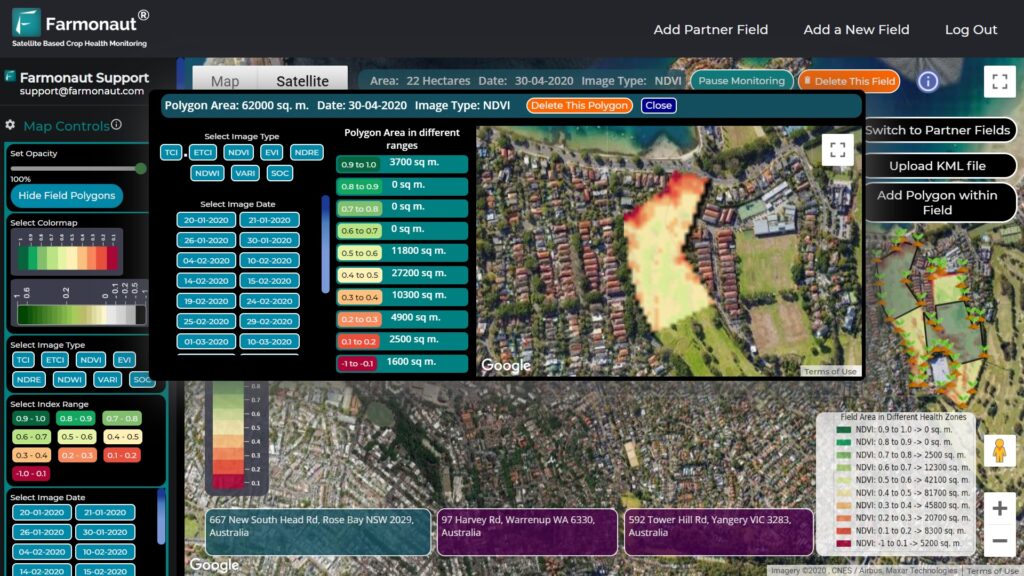
- Satellite-Driven Real-Time Monitoring: Our platform delivers field health maps (NDVI), soil and water status, and crop risk alerts, supporting decision-making for when to spray, fertilize, or intervene—maximizing the effectiveness of every plural component sprayer pass.
- AI Advisory and Weather Integration: Through Jeevn AI, we offer up-to-date, tailored strategies for spraying and input decisions. This prescriptive intelligence enhances both efficiency and environmental responsibility.
- Blockchain-Based Traceability: Farmonaut’s traceability solution helps ensure chemical applications are logged and certified for transparency to buyers, regulators, and carbon programs alike.
- Fleet and Resource Management: Leveraging our fleet management tools, operations can ensure that plural sprayers and all supporting equipment run efficiently, safely, and with minimal fuel and worker time wasted.
- Financial Tools: Crop monitoring and chemical-usage logs help unlock better loan and insurance offers by reducing fraud and proving sustainable input practices through satellite verification.
- Environmental Footprint Monitoring: Our carbon footprinting platform helps map, trace, and improve the climate impact of nutrient and pest management strategies at scale.

Farms that utilize real-time monitoring and advanced plural component application have proven lower input costs and higher traceability—key factors for investors seeking agricultural technology with strong growth and resilience.
Embedded Videos: The Smart Farming Revolution
Experience the future of plural component spraying and digital agriculture in action:
Key Takeaways, Visual Lists & Pro Tips
Always calibrate and validate your plural component sprayer every season to account for changes in formulation viscosity, nozzle wear, and digital system updates—ensuring continued precision.
Mixing incompatible chemicals in a plural sprayer tank can cause clogging and degradation—always consult chemical labels and sprayer manuals for compatibility and cleaning protocols.
Plural component spraying systems can seamlessly interface with blockchain traceability tools, meeting buyer and retailer demands for validated sustainable agronomy practices.
Choose sprayers with strong manufacturer and technical support for integration with farm management and fleet tracking platforms.
- ✔ Separate tanks for each component on the sprayer.
- ✔ Digital calibration interface before each operation.
- ✔ Real-time dose validation dashboard (on cab or smartphone/web app).
- ✔ API access for advanced integration with digital farm records.
- ✔ Maintenance alerts to minimize unscheduled downtime.
📑 5 Fast Facts for Precision Plural Component Sprayer Use
- ✔ Precision application is the core advantage—reduce waste, increase yield.
- ✔ Dynamically mixing at the nozzle prevents chemical degradation and overuse.
- ✔ Environmental benefits support hitting tough carbon or sustainability targets.
- ✔ Advanced digital controls and IoT monitoring enhance operator oversight and agility.
- ✔ Traceability-ready: plural component sprayers can record every application event for compliance and carbon tracking.
🔎 Visual List: Top Capabilities for Modern Plural Component Sprayers
- 🛑 Automated error detection and fail-safes to ensure no over- or under-application.
- 🛰️ Satellite integration for mapping zones and prescription planning (see the power of Farmonaut Apps below).
- 🖥️ Integrated app dashboards for remote control, diagnostics, and logging.
- 💡 Open API tools for developers and tech-enabled operations (see API documentation).
- 🔒 Secure data storage for regulatory and buyer audits (helps with certification and financing).
Farmonaut: Satellite-Driven Insights & API Integration for Smart Farming



Developers, build your own interfaces:
Farmonaut API Portal |
API Developer Docs
FAQ: Plural Component Sprayer Use and Sustainable Farming (2026+)
Plural component sprayers provide dynamic, on-demand mixing of multiple chemical components, maximizing efficacy while reducing waste and minimizing environmental impact. They support precise, variable, and real-time application of sensitive products, allowing for flexible, crop-specific pest and nutrient management.
While advanced plural sprayers cost more upfront and involve more moving parts, their digital monitoring and self-diagnostics simplify maintenance. Ongoing training and proactive attention to cleaning protocols help ensure reliable performance and system longevity.
Main challenges include initial investment, operator training, and managing precise chemical inventories for each crop or season. However, these are outweighed by long-term savings, higher yields, and easier compliance with environmental and traceability regulations.
Digital platforms provide real-time field health, risk alerts, and weather forecasts, allowing for smart spraying schedules. They also ensure complete data records for regulatory and sustainability needs and enable integration with modern API-based management tools.
By 2027, over half of large farms worldwide are expected to use plural component spraying systems, with continuous expansion to smaller operations as costs decrease and digital infrastructure spreads.
Conclusion: Setting a New Standard in Agriculture
Plural component sprayers truly stand as a transformative force propelling agriculture toward greater precision, sustainability, and efficiency. Their unique ability to mix and apply chemicals at the exact point of need—while leveraging the latest digital, satellite, and AI-driven monitoring systems—empowers farms of all sizes to reduce environmental impact, boost yields, and meet the stringent standards of tomorrow’s food supply chain.
As farming advances in 2026 and beyond, embracing smart spraying, real-time data, and integrated digital management is no longer optional—it’s the key to thriving in a world of changing regulations, climate realities, and consumer expectations.
The plural component sprayer will be at the heart of this new, sustainable era.