Permanent Crops: 7 Ways to Boost Sustainability 2026
Permanent Crops: A Sustainable Pillar for Modern Agriculture in 2025
Permanent crops, occupying land for several years without needing replanting after each harvest, have become vital for sustainable agricultural development. Unlike annual crops that are planted and harvested within a single season, permanent crops—including trees, shrubs, and vines (such as coffee, tea, olives, rubber, nuts, fruit, and certain berries)—produce yields over many years. As we approach 2026, the relevance and impact of these crops will only grow, shaping soil health, biodiversity, farm income, and climate resilience worldwide.
What Are Permanent Crops?
Permanent crops occupy land for several years, thrive through different growing seasons, and do not require replanting after each harvest. This group includes:
- 🌳 Fruit and Nut Trees: e.g., apples, almonds, olives, chestnuts
- 🍇 Vines and Shrubs: e.g., grapes, blueberries, tea bushes
- ☕ Coffee and Tea Plants
- 🌿 Rubber Trees and other latex-producing plants
- 🫐 Certain Types of Berries: e.g., blackberries, raspberries
Permanence offers unique advantages when compared to annual crops. Their long lifecycle and minimized land disturbance enhance soil fertility, stabilize ecosystems, and provide consistent, harvestable products for farmers.

The Importance of Permanent Crops in Sustainable Agriculture
In sustainable agriculture, permanent crops contribute significantly not only to the land’s productivity but also to its environmental, social, and economic health. Here’s why:
- ✔ Soil Health & Fertility: Deep-rooted plants reduce erosion and improve structure
- 🌱 Biodiversity: Supports diverse flora and fauna by creating stable habitats
- 🔁 Carbon Sequestration: Perennial systems store more carbon, mitigating climate change
- 💧 Water Retention: Canopies & mulch maintain soil moisture
- 💵 Steady Income: Regular, annual yields from established plants boost farmer security
How Permanent Crops Support the Environment
By preserving the soil’s structure and fertility, permanent crops help prevent erosion and maintain biodiversity both above and below ground.
Their perennial nature means roots heal and anchor, requiring less frequent disturbance compared to annual crop systems. This, in turn, results in healthier, more resilient farmland, with higher resistance to pests and diseases.
Permanent crops are estimated to reduce topsoil erosion by up to 50% compared to annual cropping systems, enhancing both soil health and on-farm sustainability.
Permanent crops such as olive trees, almonds, coffee, and perennial grapes have been
proven resilient in vulnerable climatic regions, withstanding drought and poor soil conditions.
In arable-limited regions, these crops become strategic assets for climate adaptation.
Integrating Agroforestry & Diversified Farming
- 🌳 Agroforestry systems combine permanent trees & annual crops, maximizing land use and supporting food security
- 🌽 Intercropping: Adding diversity reduces vulnerability to market fluctuations and climatic risks
- 🌏 Enhances Ecosystem Services: Water management, pollinator support, and improved microclimates
Comparative Impact Table: Sustainability Benefits of Key Permanent Crops
To better understand the diverse sustainability benefits, below is a comprehensive table comparing several major permanent crop types across key environmental and economic dimensions:
| Permanent Crop Type (Focus Keyword: Permanent Crops) |
Soil Health Improvement (Est.) | Biodiversity Boost (Est.) | Farmer Income Increase (Est.) | Resilience to Climate Change (Est.) |
|---|---|---|---|---|
| Olives | High (↑40% organic matter & structure) | Medium-High (multi-species habitat) | 20–25% (premium oils, stable markets) | High (very drought tolerant) |
| Vineyards (Grapes) | Medium (cover cropping synergy) | High (supports pollinators & ground fauna) | 25–30% (wine markets, farm tourism) | Medium-High (root depth, microclimate control) |
| Orchards (Apples, Almonds) | High (up to 50% erosion reduction) | Medium (bird, bee, insect habitat) | 15–22% (nut & fruit premiums) | Medium (spring bloom, drought-tolerant varieties available) |
| Coffee | Medium (shaded, erosion-resistant) | High (shade-grown, biodiversity refuge) | 30%+ (specialty, direct trade) | Medium-High (with agroforestry) |
| Tea | Medium (mulch and organic matter) | Medium (canopy for native species) | 17–25% (premium, export) | Medium (resilient, some drought risk) |
| Berries (Blueberry, Blackberry) | Medium (improves pH, organic matter) | Medium (pollinator attractor) | 12–20% (fresh/frozen markets) | Medium-Low (frost/drought risks) |
| Rubber | Low-Medium (monoculture limits benefit) | Low (few species, unless mixed) | 11–15% (industrial demand) | Medium (some flood/drought tolerance) |
Permanent Crops: 7 Ways to Boost Sustainability – 2026
As we look toward 2026, boosting the sustainability of permanent crops requires a multi-pronged approach:
-
Agroforestry and Intercropping:
- 🌳 Integrate trees, shrubs, and annual crops for better biodiversity and resilience.
- 🌽 Reduces pests, improves pollination, and balances nutrient cycles.
-
Soil Health Management:
- 🪱 Utilize organic mulching, composting, and cover crops to enhance soil fertility and prevent erosion.
- 🧪 Implement microbial inoculants for improved nutrient cycling and disease suppression.
-
Integrated Pest and Disease Management (IPM):
- 🌿 Introduce beneficial insects and native flora to combat pests naturally and decrease dependence on chemical pesticides.
- 🪰 Regular monitoring for early pest detection and biological interventions.
-
Precision Irrigation and Resource Use:
- 💧 Employ precision irrigation (drip, schedule based on soil data) to optimize water usage.
- 🌞 Monitor microclimates to apply resources only where and when needed.
-
Scientific Advances in Crop Genetics:
- 🧬 Develop climate-adapted, high-yielding rootstock and scion varieties.
- 🌦️ Focus on drought resilience, pest resistance, and improved yield stability.
-
Sustainable Certification & Traceability:
- 💚 Adopt certification systems for fair-trade, organic, or carbon-neutral farming.
- 🔗 Farmonaut Product Traceability: assures consumers of origin and sustainability using blockchain-powered supply chain technology.
-
Adoption of Satellite & AI-Driven Technologies:
- 🛰️ Utilize remote sensing, drones, and real-time data platforms for crop health and yield prediction.
- 🌐 Farmonaut Carbon Footprinting: advanced monitoring of carbon sequestration and environmental impact in permanent farming systems worldwide.

Combining permanent tree crops with cover cropping and regular soil testing maximizes long-term yields and resilience for smallholder and commercial growers alike.
Sustainability Checklist for Permanent Crop Farmers
- ✔ Monitor & manage soil health regularly with satellite data
- ✔ Adopt diversified plantings with native species for biodiversity
- ✔ Integrate precision irrigation and water management systems
- ✔ Maintain detailed records using traceability tools
- ✔ Opt for climate-resilient cultivars and rootstocks

Five Key Sustainability Practices with Icons:
- 🌱 Soil-building cover cropping: feeds soil and smothers weeds
- 🪲 Habitat buffer zones: attract pollinators & beneficial insects
- 🌳 Multi-story agroforestry: creates robust, climate-resilient systems
- 🛰️ Satellite monitoring for crop health: early warning for pests, stress, or drought
- 💚 Certification for sustainable/organic status: premium market access
Many growers focus solely on expanding monoculture plantations—this increases pest risks and may degrade soil health over time. Rotational and mixed-cropping systems offer greater long-term resilience.
Technological Advances: Farmonaut and Modern Management of Permanent Crops
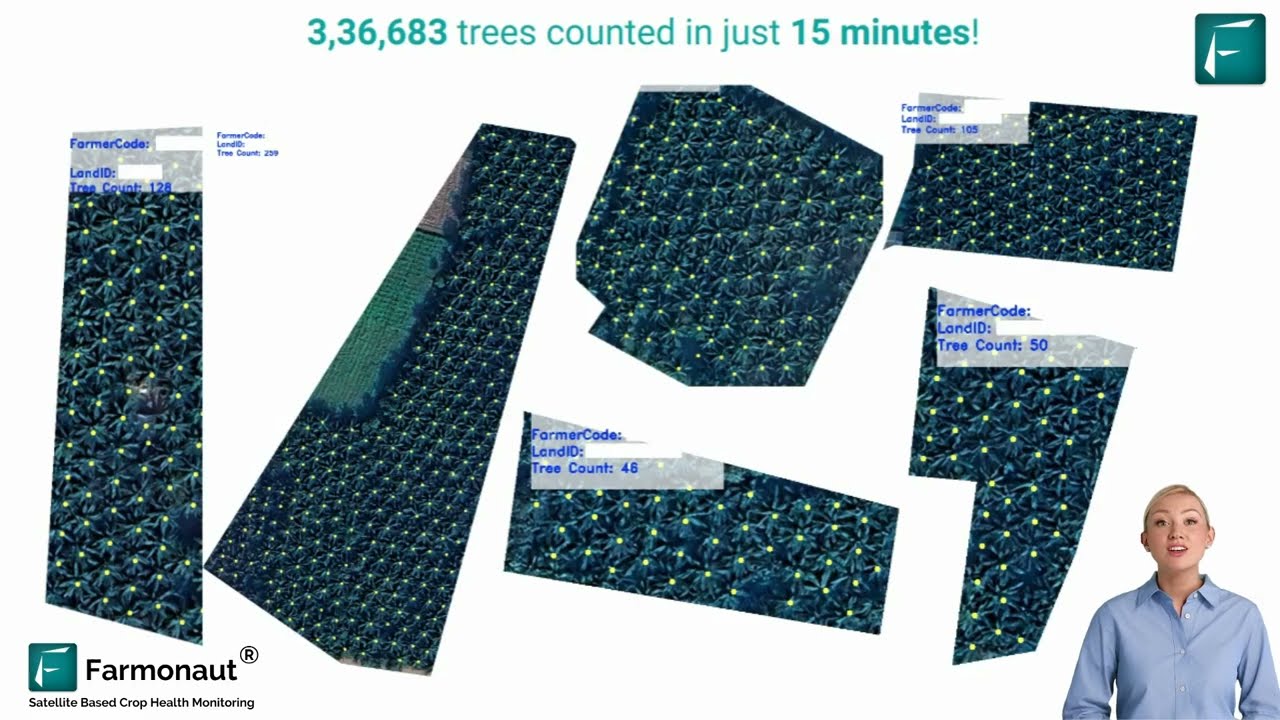
Advances in satellite, remote sensing, and precision agriculture are revolutionizing how permanent crops are managed. Here’s how technology and Farmonaut solutions are vital for sustainable transformation:
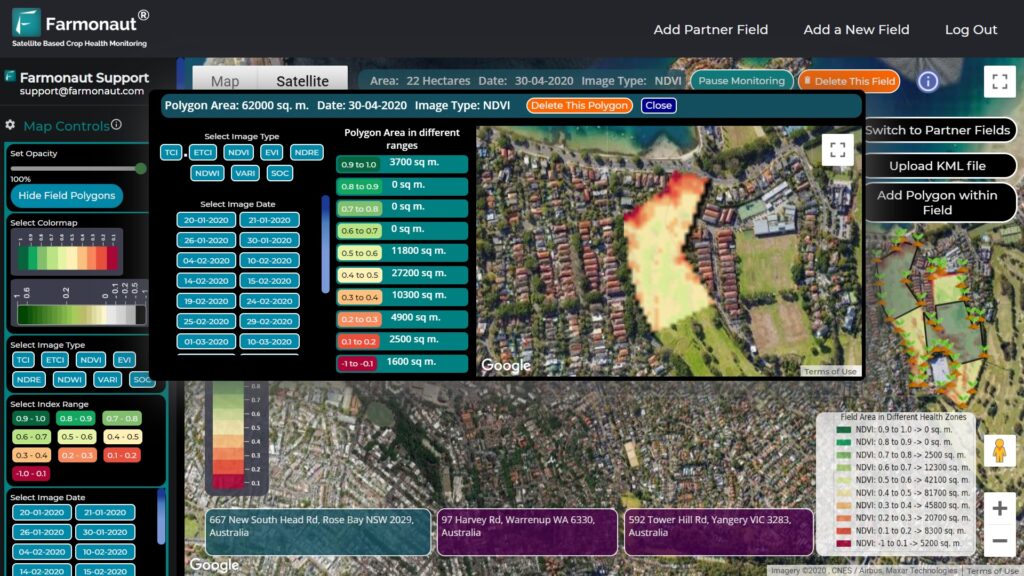
- 📡 Satellite Monitoring: Multispectral imagery identifies vegetation health, pest outbreaks, and soil moisture stress before visual symptoms appear.
- 🤖 AI-Based Advisory: Real-time, data-driven insights guide decision-making and risk management for farmers worldwide.
- 🔗 Blockchain Traceability: Ensures supply chain transparency for commodities (e.g., fair-trade coffee, traceable almonds) via secure blockchain records.
- 🚜 Fleet & Resource Management: Optimize agricultural machinery deployment, reduce costs, and improve efficiency with digital coordination.
- 🌏 Environmental Impact Tracking: Monitor carbon footprint, emissions, and resource use at every stage via comprehensive dashboards.
For example, with Farmonaut’s satellite-based platform, users access crop health reports, yield prediction, and resource allocation for permanent crop fields—via web browser, iOS, or Android apps.



Our API services and Developer Docs empower integration of satellite-driven crop health, soil, and climate intelligence into third-party agricultural platforms.

Permanent crops are among the top-performing asset classes for sustainable investing—demand for certified, traceable commodities is growing rapidly in global markets.

The synergy between scientific advances—including biotechnology, molecular breeding, and smart resource platforms—will further solidify permanent crops as a pillar of sustainability for agriculture in 2026 and beyond.
Economic & Social Dimensions of Permanent Crops in 2026
Permanent crops represent high-value commodities such as almonds, avocados, grapes, olives, coffee, and tea—each commanding strong prices in international markets. For farmers, these systems provide much-needed stability and pathways to increased income. Smallholders and commercial growers alike benefit from steady, multi-year yields and growing demand for sustainably grown products.
Economic Benefits Overview
- 💼 Income Stability: Perennial systems produce reliably year after year, reducing dependence on volatile annual harvests.
- 🌍 Global Market Appeal: Consumers increasingly prefer certified, traceable, and climate-friendly commodities for their health and ecological benefits.
- 💳 Access to Agri-Finance: Permanent crops’ proven yields improve loan and crop insurance eligibility (Farmonaut Crop Loan & Insurance Verification provides robust, satellite-based proof for banks and insurers).
- 👨🌾 Poverty Reduction in Rural Regions: High-value perennial crops open new profit pathways for smallholders and rural communities worldwide.
By 2026, demand for traceable, sustainable permanent crop products is projected to grow by at least 10% annually across major markets in North America, Europe, and Asia-Pacific.
Social Challenges to Consider
- ⚠ High Initial Investment: Establishment costs, labor, and delayed returns can limit adoption for resource-poor farmers.
- ⚠ Monoculture Risks: Large-scale, single-species plantations may suffer from pest and disease outbreaks, undermining sustainability.
- 🚩 Equitable Land Access: Smallholder inclusion, especially in rural and emerging economies, is critical for widespread benefit.
- 📊 Farmer income from diversified, climate-resilient permanent crops is up to 20% higher than from annual monoculture systems.
- 🌟 Permanent crops support community empowerment and rural employment, as they often require specialized skills and ongoing management.
- 🤝 Certification and sustainable markets help close the gender gap by enabling inclusive producer organizations and training for women.

Policy & Environmental Implications for 2026 and Beyond
Permanent crop systems are central to achieving future global goals in climate adaptation, biodiversity conservation, and food security.
Policies and Incentives
- 📃 Incentivizing Adoption: Governments provide grants, technical support, and price incentives for farmers shifting toward perennial farming.
- 🌱 Certification & Compliance: Compliance with sustainability standards ensures access to premium international markets.
- ⚖️ Land-Use Planning: Integration within agricultural zones supports carbon sequestration and watershed protection.
Environmental Benefits
- 🌏 Carbon Sequestration: Mature permanent crops are major carbon sinks. Satellite monitoring (explore Farmonaut Carbon Footprinting) quantifies carbon captured—critical for climate strategies.
- 🦋 Biodiversity Corridors: Perennial crops interspersed with natural vegetation act as corridors, preserving regional flora and fauna diversity.
- 💧 Watershed Protection: Root systems safeguard sources, reduce siltation, and improve downstream water quality.
The ecological benefits of permanent crops multiply when paired with forest buffer strips, hedgerows, and managed natural patches on agricultural landscapes.
Environmental Effects of Permanent Crops (2026+):
- 🌧️ Reduces Runoff & Flooding
- 🌱 Improves Pollinator Populations
- 🌡️ Stabilizes Regional Temperatures
- 🦉 Provides Shelter for Birds & Insects
- 🍂 Enriches Soil Organic Matter
FAQ: Permanent Crops & Sustainability 2026
Q1: What are the main types of permanent crops?
Permanent crops typically include trees (e.g., olive, almond, apple), shrubs (tea, coffee), vines (grapes, kiwi), and some berries (blueberry, blackberry), along with commercial species like rubber and certain nuts.
Q2: How do permanent crops contribute to soil and environmental health?
Their deep roots and perennial growth prevent erosion, anchor soil, boost microbial activity, and provide habitat for beneficial wildlife. This fosters soil fertility, stability, and helps in carbon sequestration.
Q3: What are the economic benefits for farmers?
Permanent crops often produce harvestable yields for decades, creating a stable, reliable income and reducing exposure to annual market and climate volatility. Certified and traceable products fetch higher prices in international markets.
Q4: What are the main challenges of adopting permanent crops?
High up-front establishment costs, time to first yield, potential monoculture disease risk, and market access are challenges. Innovative financing and technology, such as remote crop monitoring and fair-trade certification, can address many of these issues.
Q5: How is technology changing the management of permanent crops?
Advanced satellite, AI, and blockchain-based platforms (including Farmonaut) enable real-time monitoring, health assessment, and transparent supply chain management. This improves yields, supports sustainability, and connects farmers to global markets.
Q6: How can I start with sustainable permanent crop management?
Begin with a soil health assessment, select appropriate perennial species for your region, integrate with agroforestry or intercropping, and leverage cloud/web-based management tools to monitor progress. Consult agronomic experts and explore digital advisories, such as those offered by Farmonaut.
Farmonaut’s Jeevn AI Advisory System provides localized, satellite-based crop advice directly to your phone or computer, making sustainable management actionable and accessible for farmers worldwide.
Conclusion: Permanent Crops as a Foundation for Global Sustainable Agriculture
By 2026 and beyond, permanent crops will remain at the core of sustainable agriculture worldwide. Their resilience, ability to enhance soil fertility and sequester carbon, and the premium value they bring to farmers and markets position them as a foundational pillar for land management across diverse regions. The continued adoption of cutting-edge technologies—like satellite-driven monitoring, farm fleet management systems, and blockchain-powered traceability—ensures that environmental and economic benefits only multiply with each passing year.
Our commitment at Farmonaut is to make satellite-driven insights, advisory systems and real-time monitoring available and affordable to everyone involved in agriculture globally. This, together with regenerative practices and tech-forward policy reforms, will keep permanent crops at the forefront of resilient, profitable, and sustainable farming in 2026 and beyond.
Permanent crops are not just a key to our agricultural past—they are one of the greatest assets for enduring food security and climate resilience in our shared future.