Oxyfluorfen Herbicide 2026: Powerful Weed Control Advances
“Oxyfluorfen usage in global agriculture is projected to grow by 15% from 2023 to 2026 due to advanced formulations.”
Summary & Comprehensive Overview
Oxyfluorfen herbicide stands at the forefront of agriculture in 2025 and moving into 2026, offering powerful, broad-spectrum weed control for a variety of important crops. Its unique mode of action—primarily via PPO enzyme inhibition—positions it as a critical component in addressing weed resistance, climate-related variability, and the growing demand for sustainable farming practices.
This article delves deeper into the properties, applications, mechanisms, safety considerations, environmental implications, and future outlook of oxyfluorfen—exploring how new formulations and integrated approaches are redefining weed management in modern agriculture.
Introduction: Key Agricultural Challenges for 2026
As global agriculture continues to evolve, farmers increasingly face challenges such as evolving weed resistance, climate variability, stricter environmental regulations, and market pressure for sustainable practices. Keeping crop yields high while addressing these critical issues requires innovative weed control solutions that combine efficacy with environmental responsibility.
- ✔ Increasing weed resistance to traditional herbicides is a mounting threat.
- ⚠ Climate variability and changing seasonal patterns influence weed emergence and herbicide performance.
- ✔ Sustainable agriculture practices are now non-negotiable for continued food security.
- 📊 Regulatory bodies are tightening restrictions on problematic active ingredients.
- ✔ Labor shortages highlight the need for effective chemical weed management.
Oxyfluorfen herbicide continues to adapt and play a central role in tackling these challenges, making it an indispensable tool as we approach 2026.
“In 2025, oxyfluorfen-based weed control systems could reduce manual weed removal labor by up to 60% in modern farms.”
Oxyfluorfen Herbicide: Chemical Profile and Mode of Action
Understanding the Science behind Oxyfluorfen
Oxyfluorfen is a chemical broad-spectrum herbicide, classified as a diphenyl ether. Let’s consider the core mechanism that ensures its potency:
- Mode of Action: Primarily inhibits protoporphyrinogen oxidase (PPO), an enzyme essential for chlorophyll biosynthesis in plants.
- By blocking PPO, oxyfluorfen induces accumulation of protoporphyrin IX, a precursor that leads to the generation of reactive oxygen species (ROS).
- These ROS damage plant cell membranes, causing rapid desiccation and necrosis of targeted weed species.
- This mechanism allows oxyfluorfen to efficiently target a wide array of broadleaf weeds and certain grassy competitors.
- Unlike some older herbicides, oxyfluorfen activity is limited to the treated area (contact and residual in soil), minimizing off-site damage.

Oxyfluorfen herbicide – diphenyl ether class; effectively disrupts cellular integrity of targeted weeds.
Key Focus: PPO Enzyme Inhibition
The unique action of oxyfluorfen on the PPO enzyme not only brings high efficacy against germinating weeds but also plays a vital role in resistance management for 2025-2026. With integrated herbicide rotation and tank mixing, oxyfluorfen improves weed control programs—helping to prevent the rise of new resistant weed species.
Agricultural Applications & Usage Trends
Where is Oxyfluorfen Heavily Utilized?
In 2025-2026, oxyfluorfen herbicide remains a preferred choice for weed management in high-value specialty crops. It is especially critical in:
- ✔ Orchards: Almonds, apples, cherries—where broadleaf and grassy weeds can undermine tree productivity.
- ✔ Vineyards: Targeting weeds near the base of vines for effective residual control.
- ✔ Nuts: Hazelnuts, walnuts—crops with high export value.
- ✔ Vegetables: Carrots, onions, and other sensitive row crops where minimal crop injury is essential.
- ✔ Perennial Plants: Areas requiring long-term weed management with limited mechanical intervention.

How is Oxyfluorfen Best Employed for Weed Management?
- Pre-emergent application: Surface-applied to the soil before weed emergence.
- Post-emergent treatment: Especially effective on small, germinating weed seedlings.
- Residual activity: Provides ongoing control by suppressing subsequent weed seedling density.
- Integrated in tank mixes: Used to diversify herbicide modes of action and limit resistance.
- Rotation with alternative chemicals: Key to sustainable weed management and soil health.

Key Benefit: Oxyfluorfen herbicide allows for more efficient labor management, especially as agricultural labor costs rise and demand for mechanized weed control increases in global farming.

Integration with Sustainable & Precision Agriculture
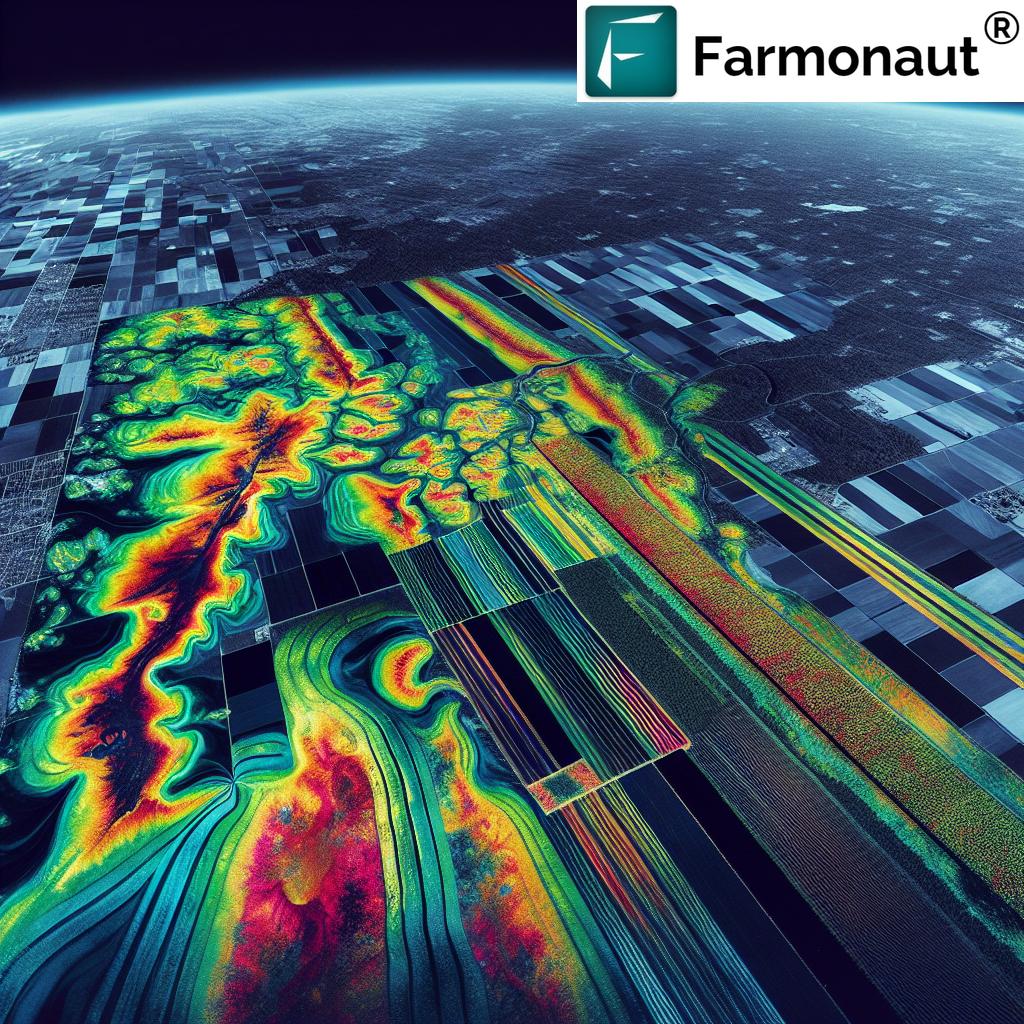
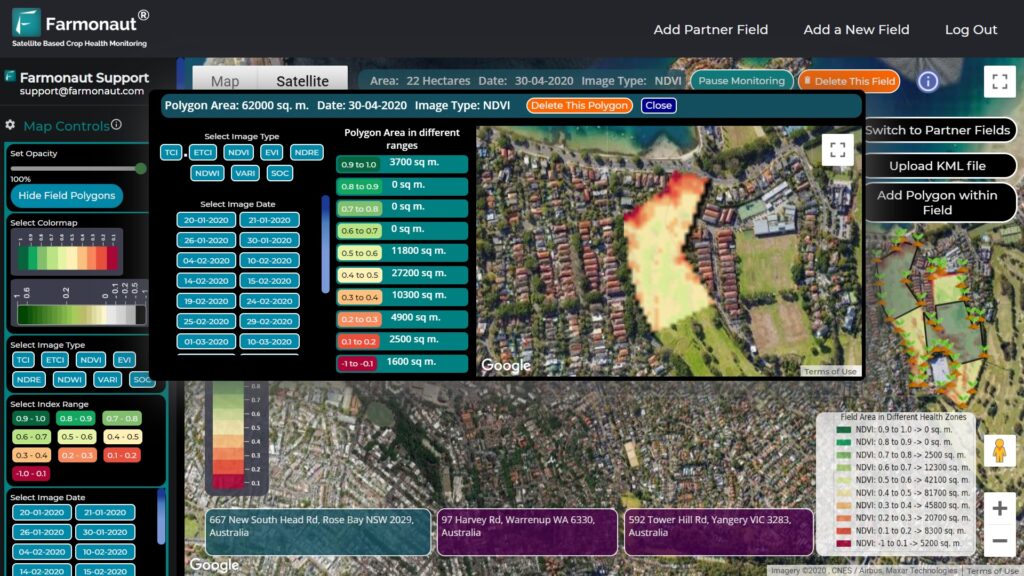
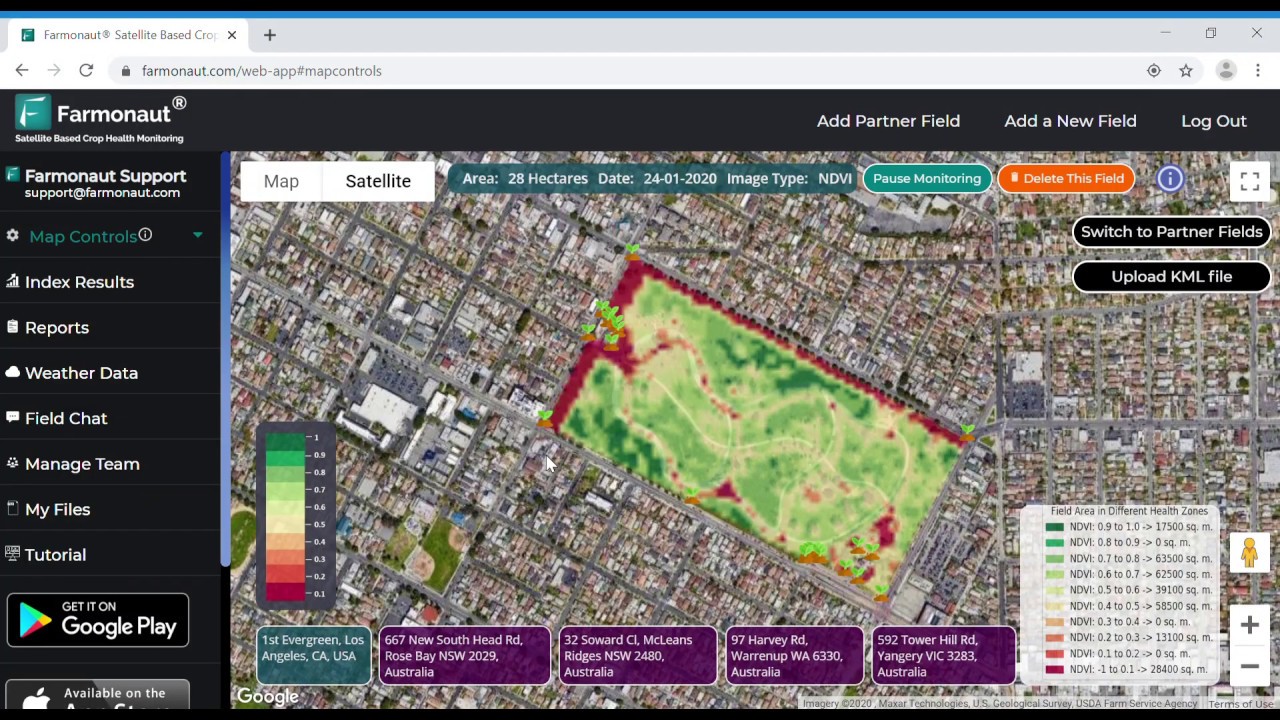
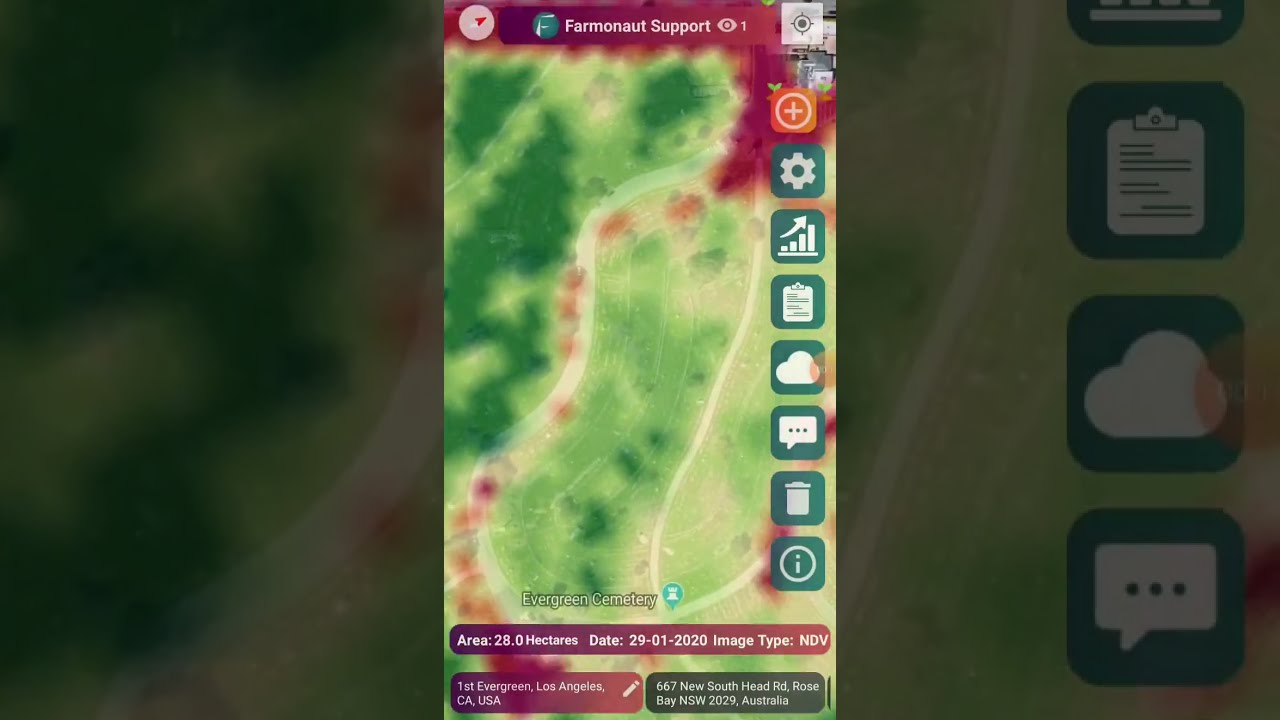
The role of oxyfluorfen in sustainable agriculture is rapidly evolving. With advances in formulation and digital application techniques, the environmental impact of herbicide use is being reduced while efficacy increases. Farmonaut’s satellite-driven crop health monitoring provides essential support for precision timing and spatial application of oxyfluorfen herbicide—optimizing dose, reducing run-off, and improving both crop yield and soil health.



- ✔ AI-driven advisory from platforms like Farmonaut supports farmers by providing data on weed pressure, optimizing herbicide application timing, and reducing waste.
- ✔ Environmental monitoring tools help ensure regulatory compliance, protecting water bodies and non-target species.
- ✔ Blockchain traceability (see Farmonaut Traceability) increases transparency in supply chains and enables eco-labeling for exports.
- ✔ Fleet and resource management (see Fleet Management) ensures precision application of inputs and minimizes operational costs in agriculture.
- ✔ For large areas, Farmonaut’s Large Scale Farm Management systems empower farm managers to monitor multiple fields and optimize herbicide tank mixes as per weed species distribution.

Environmental & Safety Considerations
Mitigating Environmental Impact & Ensuring Safe Use
- ✔ Soil Persistence: Moderate; oxyfluorfen remains in the soil for weeks to months depending on conditions.
- ⚠ Toxicity: High risk for aquatic organisms (especially fish) and non-target plant species if not properly used.
- ✔ Decomposition: Primarily via microbial activity and photolysis.
- ✔ Buffer zones: Regulations require application buffer strips near water bodies to minimize run-off and drift.
- ✔ PPE and Safety Protocols: Applicators should use gloves, goggles, and respirators due to potential for eye/skin irritation and respiratory risk.

- ✔ Farmonaut’s environmental monitoring capabilities (see details) provide agricultural stakeholders real-time insights on the environmental impact of agricultural inputs including oxyfluorfen herbicide.
Regulatory agencies in 2026 emphasize targeted oxyfluorfen application—requiring GPS-guided spraying, wind speed checks, and operator certification to protect sensitive water bodies and non-target areas.

Oxyfluorfen Herbicide: 2026 Advancements vs. Previous Generations
| Feature/Parameter | Pre-2020 Oxyfluorfen | 2025-2026 Oxyfluorfen | Sustainability Impact |
|---|---|---|---|
| Weed Control Spectrum | Broadleaf & selective grassy weeds | Expanded: wider array of weeds incl. resistant species | Reduces resistance, maintains biodiversity |
| Estimated Application Rate (kg/ha) | 0.25–1.0 | 0.12–0.50 (advanced, low-dose) | Lower residue, less environmental load |
| Mode of Action | PPO enzyme inhibition | PPO inhibition + targeted molecular delivery | Delays onset of resistant weed biotypes |
| Soil Residual Activity (months) | 2–4 | 1–2 (precision applications, less persistence) | Reduces risk of accumulation; improves soil health |
| Estimated Environmental Impact Score | 6–8/10 (moderate-high impact) | 3–5/10 (improved, lower drift/runoff design) | Better compliance, lower aquatic toxicity risk |
| Integration with Precision Agriculture | Minimal; manual, broadcast application | Seamless with AI/GPS, drones, digital scouting | Reduced usage, waste, and off-target effects |
Technology & Innovation in Oxyfluorfen Formulation
Significant advancements in oxyfluorfen formulation distinguish 2025-2026 from previous decades:
- ✔ Reduced-volatility formulations: Minimize drift and off-target crop injury—supporting sensitive nuts and vegetables.
- ✔ Encapsulation technologies: Enable controlled release for longer soil activity and precise weed suppression.
- ✔ Real-time monitoring integration: Digital platforms (see Farmonaut API) sync with sensors for in-field assessments, adjusting dosage as required.
- ✔ Drone-enabled application: Ensures targeted coverage and reduces labor needs.
- ✔ Bioremediation strategies: Promote decomposition, managing herbicide persistence and limiting soil accumulation.
- 🌱 Pre-emergence: Controls weeds before infestation, especially in perennial crops.
- 🧬 Mode of Delivery: Lower, targeted doses enabled by modern sprayer tech and AI.
- 💡 Integrated Strategy: Combined with cover crops and crop rotation.
- 🥒 Minimal Crop Injury: Exceptional safety for tolerant species—especially apple, almond, onion, and carrot.
- 🛡 Environmental Buffering: Maximized with geofencing and weather data.
Best Practices for Oxyfluorfen Weed Management in 2026
Improving Efficacy, Safety & Compliance
- ✔ Follow all application rates as per manufacturer and regulatory bodies to avoid required re-treatments or unintended crop stress.
- ✔ Rotate modes of action–mix with differing herbicides to minimize resistance development.
- ✔ Apply during calm, windless periods to maximize targeted weed control and reduce drift.
- ✔ Employ real-time digital monitoring, such as that provided by the Farmonaut Platform, to assess weed growth and application efficacy.
- ✔ Use GPS-guided precision sprayers and drones to improve safety and reduce risk to ecological and human health.
- 📝 Regular Calibration: Sprayer calibration is essential for even application and efficient use.
- 🌾 Monitor Crop Solicitations: Keep track of soil moisture and crop development for optimal herbicide timing and dose adjustment.
- 🚜 Use Smart Platforms: The Farmonaut app empowers users to match weed presence with precise input scheduling for sustainable results.
- 🌍 Embrace Traceability: Modern supply chains now demand transparent input usage records for export and certification (learn more).
- 📉 Keep Records: Meticulous field record keeping helps identify trends and supports regulatory compliance audits.
Integrating AI-driven weed mapping (as available in solutions like Farmonaut) with oxyfluorfen applications ensures weed control is focused, efficient, and environmentally sound.
Skipping tank mix rotation year over year can lead to rapid weed resistance, rendering oxyfluorfen less effective.
Reducing herbicide application rates using digital mapping tools leads to measurable reductions in oxyfluorfen persistence and overall environmental burden.
Oxyfluorfen is poised for a value surge as smart farming transitions accelerate in key agricultural markets globally.
Improper disposal of herbicide containers or accidental spills can lead to localized soil and water contamination. Always follow approved disposal and spill management guidelines.
Precision Agriculture & Future Directions
Looking ahead, the integration of oxyfluorfen with precision agriculture platforms guarantees substantial improvements in both weed control efficacy and environmental stewardship. Emerging technologies will further automate application techniques, leveraging real-time data and AI.
- ✔ AI algorithms dictate optimal sprayer path and speed based on field conditions.
- ✔ Digital weed detection platforms streamline oxyfluorfen dosage and placement.
- ✔ Real-time feedback via satellite imagery drives iterative adjustments mid-season.
Those seeking to automate herbicide logistics or monitor application at scale can benefit from solutions like Farmonaut Fleet Management. Integrating satellite monitoring with oxyfluorfen usage, this system enhances input efficiency and risk management for agricultural enterprises.
Integrate advanced data with your own platforms using the Farmonaut API and accelerate research or compliance via API Developer Docs.
Farmonaut: Satellite Technology Enabling Advanced Weed Control
As a satellite technology leader, Farmonaut offers transformative tools for modern agriculture:
- ✔ Satellite-based monitoring delivers continuous, high-resolution crop health and weed stress analytics.
- ✔ Jeevn AI advisory system recommends herbicide timing and rotation for optimal results and environmental safety.
- ✔ Blockchain traceability ensures herbicide usage records are secure, transparent, and audit-ready.
- ✔ Fleet/resource management tools optimize vehicle usage, cut costs, and ensure safe logistics for large-scale oxyfluorfen delivery.
- ✔ Environmental impact tracking enables proof of sustainability and climate stewardship for regulatory and corporate reporting.
Farmonaut makes these services widely available via Android, iOS, Web Browser Apps, and direct API for seamless integration into your agro-ecosystem.
Explore Farmonaut’s affordable, scalable subscription packages for crop/weed monitoring & resource management:
Key Farmonaut Benefits:
- ✔ Cost-effective satellite data for both smallholders and large enterprises.
- ✔ Enhanced productivity via early warning and tailored advice.
- ✔ Sustainability tools to monitor carbon and input impacts.
- ✔ Transparency and trust with blockchain-based supply chain solutions.
- ✔ Access to financing and risk reduction with satellite-verified input use, mapping to product certifications and green lending opportunities (see crop loan & insurance programs).
FAQ: Oxyfluorfen Herbicide Weed Control in 2026 & Beyond
What weeds does oxyfluorfen control best?
Oxyfluorfen controls a wide spectrum of broadleaf and certain grassy weeds, including many resistant and difficult-to-manage species commonly found in orchards, vineyards, and vegetable crops.
How long does oxyfluorfen persist in the soil?
Persistence varies, but advanced 2025-2026 formulations typically persist between 1–2 months under moderate conditions. Precision application reduces unnecessary residue accumulation.
Is oxyfluorfen safe for use near water bodies?
Only when strict buffer zones, low-drift sprays, and weather conditions are observed. Regulatory checks are increasingly stringent to safeguard aquatic environments.
How can oxyfluorfen use become more sustainable?
By integrating digital advisories, real-time satellite monitoring, herbicide rotation, and encapsulated low-dose formulations to minimize environmental and human health risks.
What role does Farmonaut play in smart oxyfluorfen management?
Farmonaut provides real-time crop/weed monitoring, AI-based tank mix advisories, blockchain herbicide traceability, resource management, and environmental impact analytics—all key to sustainable, effective oxyfluorfen application in modern agriculture.
Conclusion: Oxyfluorfen in Modern, Sustainable Agriculture
As we advance towards 2026, oxyfluorfen herbicide remains a cornerstone of modern agricultural weed management worldwide. Its proven mode of action—centered on PPO inhibition—combined with next-generation formulations, digital tools, and integrated pest management strategies, ensures broad-spectrum weed control and supports high yields even in the face of evolving challenges.
With strict environmental regulations, sustainability demands, and a rising tide of weed resistance, only those who embrace both technology and best practices will unlock the full potential of oxyfluorfen in the years to come. Solutions like Farmonaut seamlessly enable responsible, data-driven herbicide management, ensuring efficient crops, operational continuity, and environmental stewardship—delivering on the promise of next-generation farming.
The future of oxyfluorfen herbicide is bright—rooted in science, advanced further through strategic application, and supercharged by precision satellite analytics. Stay ahead with innovative management for weed control, crop health, and enduring agricultural profitability as we stride into 2026 and beyond.