New Method of Farming: Precision Vertical Agriculture 2026
Table of Contents
- Introduction: Why Precision Vertical Farming in 2026?
- Understanding the New Method of Farming
- How Precision Vertical Farming Works
- Core Technology Components
- Key Advantages Over Traditional Agriculture
- Comparative Feature Performance Table: 2026
- Challenges & Solutions in Vertical Farming
- Farmonaut’s Role in Precision Vertical Agriculture
- Vertical Farming in 2026 and Beyond
- Frequently Asked Questions (FAQ)
- Conclusion: Ensuring Food Security for the Next Generation
“By 2026, precision vertical farms can yield up to 300 times more produce per square foot than traditional farms.”
Revolutionizing Agriculture in 2025: The Emergence of Precision Vertical Farming
As the global population surges toward an estimated 8 billion by 2025, agriculture faces unprecedented challenges—including land scarcity, climate change, water shortages, and soil degradation. The demand for sustainable, efficient, and high-yield farming methods is critical.
These pressing concerns are driving the emergence of a transformative solution: precision vertical farming. This new method of farming leverages breakthroughs in technology and urban agriculture to optimize production, resilience, and sustainability as we move into 2026 and beyond.
Precision vertical farming combines the efficiency of stacked indoor agriculture with the precision of IoT, AI, and automated systems, producing dramatically higher yields with fewer resources—especially in space-constrained urban settings.



Understanding the New Method of Farming: Precision Vertical Agriculture
Precision vertical farming represents a fundamental shift in farming methods. This new method integrates vertical stacking—cultivating crops within stacked layers, often in controlled indoor environments and repurposed urban buildings—with digital precision agriculture technologies. The core objective: maximize crop yield per square meter while minimizing resource use and environmental impact.
- ✔ Increased Yield: More food produced per unit area through multi-layer farming
- ✔ Resilience: Optimal, year-round crop growth protected from outdoor weather extremes
- ✔ Sustainability: Up to 95% less water compared to traditional irrigation (see the science)
- ✔ Data-Driven Decisions: Environmental conditions and inputs precisely controlled via sensors and AI
- ✔ Urban Integration: Farms set up within cities, reducing food miles & boosting local supply
The vertical farming market is projected to surpass $33 billion by 2026, fueled by urbanization, food security needs, and transformative agri-tech solutions.

How the New Precision Vertical Farming Method Works
Precision vertical agriculture is characterized by a scientific approach, stacking layers of crops within controlled indoor environments, employing a suite of innovative technologies:
-
Vertical Structure Design:
Stacked systems using shelves/racks, producing greater volumes in significantly smaller areas. -
Environment Control Systems:
Sensors modulate temperature, humidity, air composition, and light spectrum, optimizing conditions for each crop variety. -
Automated Nutrient and Water Delivery:
Precision irrigation systems deliver water and nutrients based on real-time plant needs, using drip irrigation, nutrient film technique (NFT), and other hydroponic approaches. -
Advanced LED Lighting:
Energy-efficient LEDs replicate the sun’s spectrum. Lighting is customizable for plant variety and growth phase, improving yield and quality. -
IoT Monitoring and AI Analytics:
Sensors feed real-time data to AI systems, which analyze and adjust system parameters to maximize efficiency and minimize resource use.
LED lighting accounts for up to 70% of the energy usage in modern vertical farms. Investing in next-generation LEDs or integrating renewable energy sources is essential for reducing operational costs.
If you want to monitor your crop health and carbon footprint for optimal resource efficiency, Farmonaut’s Carbon Footprinting Solutions can provide data-driven insights for sustainable vertical farming methods.
Core Technology Components in Precision Vertical Farming
- 📡 IoT Sensors: Gather data on temperature, humidity, air quality, light, and plant growth. Adjust systems in real time for precision agriculture.
- 🤖 AI-Driven Controls: Analyze environmental and crop data, automating input delivery and predicting issues before they affect yield.
- 💡 LED Lighting Systems: Programmable and spectrum-specific for the needs of different crops and growth stages.
- 🚰 Automated Irrigation: Monitor and adjust water supply based on plant uptake and environmental factors.
- 🔗 Blockchain Traceability: Record data at every stage to guarantee authenticity, safety, and supply chain transparency.

Farmonaut’s Jeevn AI Advisory System is engineered to deliver real-time, satellite-driven insights, supporting precision farming operators with optimal strategies for cropping, irrigation, and input application. Explore Farmonaut’s fleet and resource management tools to minimize operational costs and maximize farm output—essential for high-density indoor farming.
-
🌱
Sustainable Food Production -
📊
Real-Time Crop Monitoring -
🔋
Renewable Energy Integration -
💧
Significant Water Savings -
🛡️
Climate Resilience
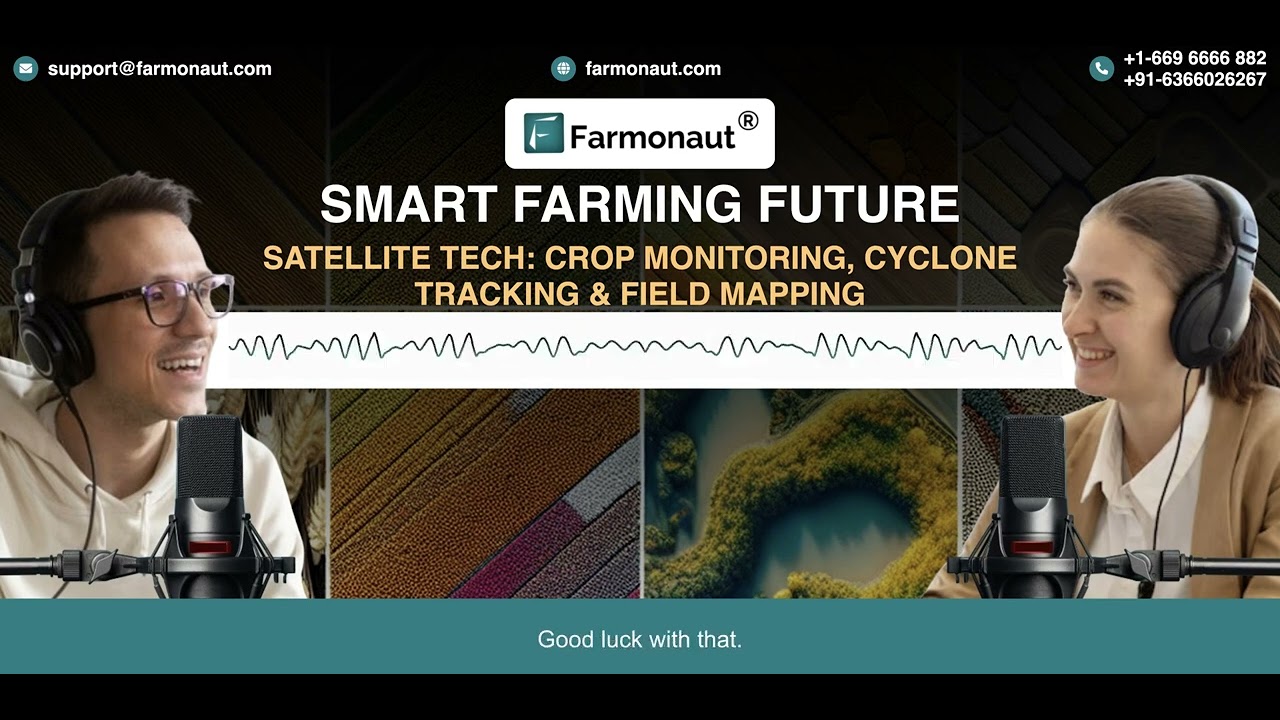
Key Advantages of Precision Vertical Farming Over Traditional Agriculture
Why This New Farming Method Outpaces Conventional Agriculture
- 📈 Higher Yields per Square Foot: Stacked vertical layers in indoor environments multiply output density.
- 💧 Water Conservation: Advanced precision irrigation reduces consumption by up to 95%.
- 🏢 Space Efficiency: Creates new farmland in urban areas by utilizing repurposed buildings and specialized pods.
- 🌡️ Climate & Weather Resilience: Insulated, climate-controlled indoor farming environments, unaffected by weather.
- 🚫 Reduced Chemical Input: Minimal or zero use of pesticides and herbicides, lowering contamination risks.
- ⚡ Labor Optimization: Automation and digital controls cut labor requirements and allow 24/7 operation.
- 🌍 Carbon Footprint Reduction: Shorter transportation, lower energy, and sustainable techniques slash emissions.
- 🧬 Adaptability: Facilities can grow diverse crops, rapidly shifting with market/consumer needs.
- 🕹️ Greater Control: Farmers control all growth factors—timing, nutrients, light—without seasonal or pest interruptions.
- 🚛 Supply Chain Locality: Urban installations minimize food miles, making local supply possible year-round.
Many new vertical farm operators underestimate energy needs for lighting and HVAC systems. To succeed, plan for renewable energy integration and invest in next-generation efficiency tech.
“Automation in vertical farms can reduce water usage by up to 95% compared to conventional agriculture.”
Comparative Feature Performance Table: Traditional vs. Precision Vertical Farming (2026 Estimated Values)
| Feature | Traditional Agriculture (Estimated 2026 Value) |
Precision Vertical Farming (Estimated 2026 Value) |
|---|---|---|
| Water Use (liters per kg product) | 260 liters | 10–15 liters |
| Yield per Square Meter | 3–6 kg/m² | 200–300 kg/m² |
| Energy Consumption (kWh per kg) | 0.3–0.5 kWh | 2–4 kWh* (before renewables) |
| Pesticide Use (kg per hectare per year) | 2–5 kg | 0–0.1 kg |
| Labor Requirement (hours per ton) | 60–90 hours | 12–18 hours |
| Carbon Footprint (kg CO₂ eq per kg product) | 2.5–4.0 | 0.5–1.2 |
*Energy consumption is being offset by the rapid adoption of renewable energy and efficient LED systems.
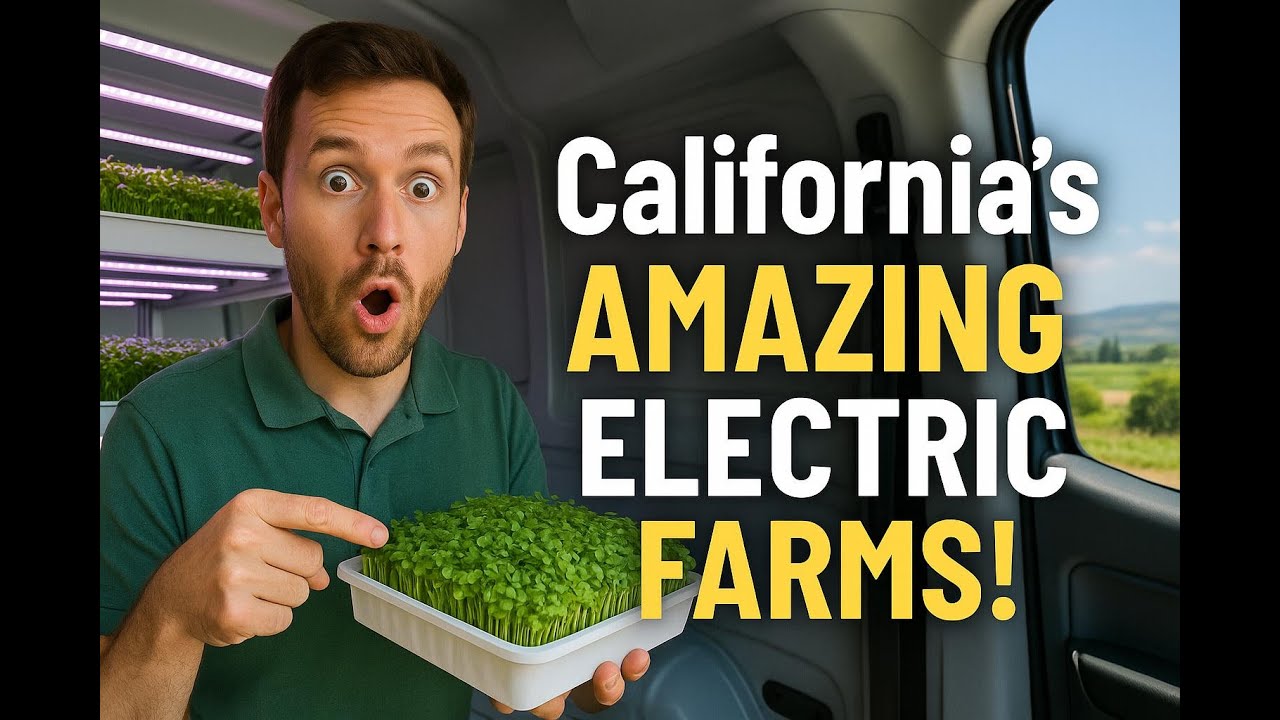
For those implementing vertical farms at scale, Farmonaut offers Large Scale Farm Management Solutions with comprehensive monitoring, resource tracking, and AI-based advisories—centralized for streamlined operations.
Challenges in Adopting the New Precision Vertical Farming Method
Addressing Current and Future Barriers
- ⚠ High Initial Capital Costs: Specialized equipment, climate controls, and technology adoption can be substantial.
- ⚡ Energy Demand: Maximizing efficiency and transitioning to renewables are crucial for cost savings and sustainability.
- 👷 Technical Expertise: Requires skilled labor for system maintenance, data interpretation, and automation.
- 🌀 Integration with Food Supply Chains: Scaling output and connecting with urban/local distribution channels bring new logistics challenges.
- 📢 Consumer Perception: Ongoing education needed to bolster acceptance of technology-driven foods.
Precision vertical farming eliminates soil degradation and agricultural runoff—two leading causes of losses and pollution in conventional agriculture methods.
- ⚠Risk: Energy Price Fluctuations
- ✔Enhancement: Solar & Wind Integration
- ⚠Risk: Technology Dependency
- ✔Enhancement: Multi-vendor Redundancy
To ensure full traceability in your food or agriculture operation, connect with Farmonaut’s Blockchain Traceability Solutions. Transparent product history fosters consumer trust—a vital asset for modern urban/vertical farm brands.

How Farmonaut Empowers Precision & Vertical Agriculture
At Farmonaut, our mission is to make satellite-driven, AI-powered insights affordable and accessible for every agricultural stakeholder—whether traditional, transitioning, or fully modernized vertical farming operators. We deliver tools for real-time field monitoring, resource management, traceability, carbon tracking, and AI-driven agronomic advice.
- ✔ Satellite Crop Monitoring: Optimize plant growth and anticipate stress—whether you’re in a vertical tower or open field.
- ✔ Jeevn AI Agronomy: Instantly receive tailored recommendations for climate, nutrient, and water management.
- ✔ Environmental Footprint Tracking: Accurately measure the resource impact and adapt for greater sustainability.
- ✔ Fleet Management: Maximize utilization of delivery vehicles and machinery (details here).
- ✔ API Integration: Developers can use our API (API Developer Docs) to bring satellite and weather data directly to enterprise dashboards, farm pods, and automation platforms.

Explore our flexible subscription plans below:
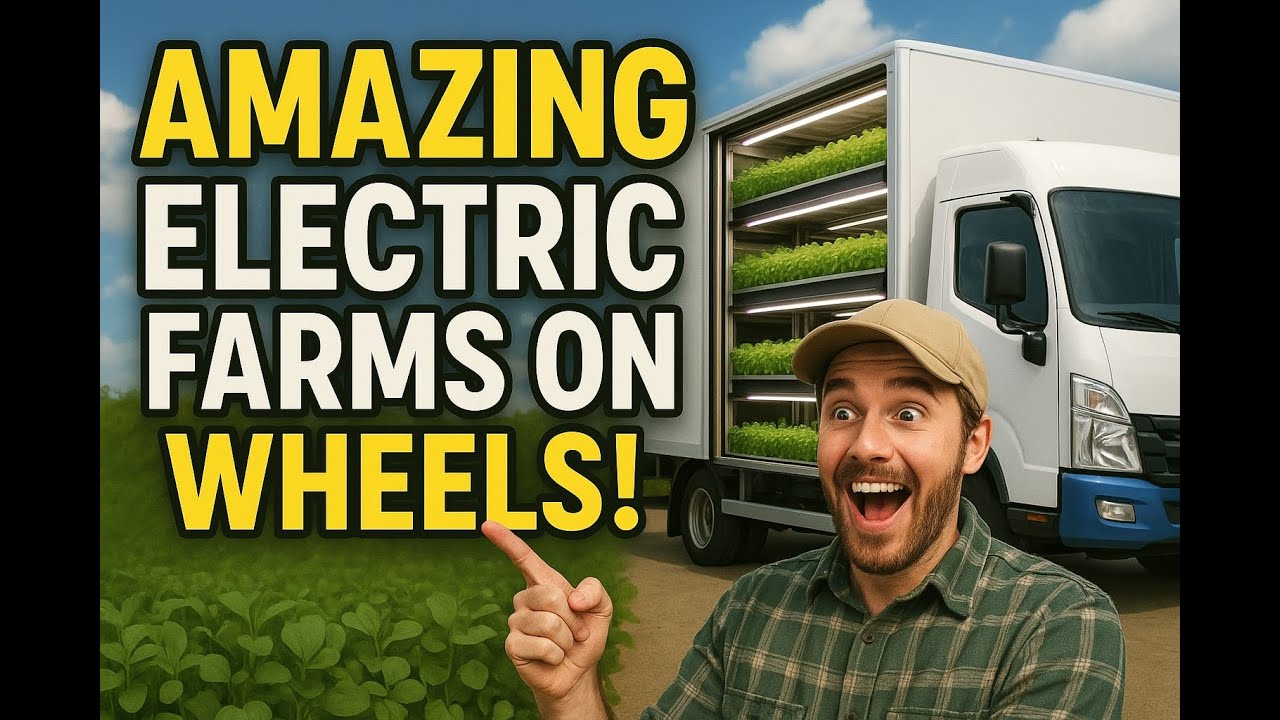
Outlook for Precision Vertical Farming in 2026 and Beyond
By 2026, precision vertical agriculture will have established itself as a cornerstone of sustainable food systems. Driven by rapid technology advancements, urban expansion, and the necessity to adapt to climate change, we foresee continued evolution:
| Key Milestones and Trends: 2026 and Beyond | |
|---|---|
| AI-Driven Farms | Fully autonomous operations leveraging real-time data to boost efficiency and reduce costs |
| Widespread Urban Adoption | Cities across the globe integrating stacked agriculture into their resiliency strategies |
| Renewable Energy Integration | On-site solar, wind, and geothermal powering lighting and climate systems |
| New Crop Varieties | Breeding specifically for indoor environments—faster cycles, better nutrition, tailored flavor |
| Global Food Security | Decentralized farms help buffer disruptions caused by climate or geopolitics |
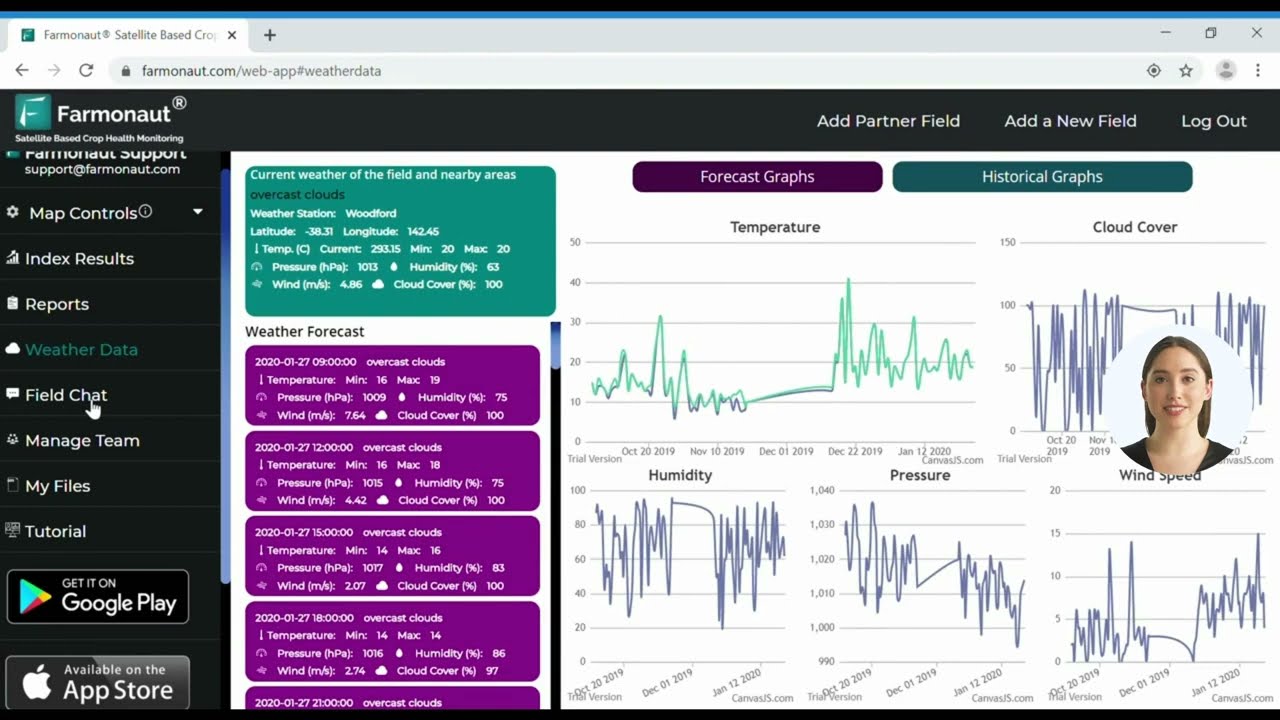
Whether you operate a farm pod in an urban tower or a multi-acre greenhouse, Farmonaut’s Crop Plantation/Forest Advisory Solutions keep you ahead—combining precision monitoring, AI-based recommendations, and adaptive traceability for every season.
- ✔ Focus Keyword Optimization: “New method of farming” and related target phrases embedded throughout for SEO relevance
- 📊 Performance Comparison: Feature table presents quantitative, actionable data for 2026 models
- 🌿 Sustainability Emphasis: Highlights water savings, zero soil loss, and reduced emissions
- ⚡ Tech Integration: Spotlights use of IoT sensors, AI, and automation in future agriculture
- 👨🌾 Actionable Insights: Practical strategies and advice for transitioning farmers and agri-enterprises
Frequently Asked Questions: New Method of Farming & Precision Vertical Agriculture
What is precision vertical farming?
It’s a new agriculture method combining stacked, indoor crop production with high-precision digital automation—including IoT, AI, and LED technologies—to optimize food production efficiency, quality, and sustainability.
How does vertical farming address climate change?
By minimizing land use, enabling year-round production in controlled environments, reducing water consumption, and dramatically cutting agricultural emissions compared to conventional agriculture.
Is precision vertical farming profitable?
Initial costs may be higher, but higher yield, reduced labor, local supply, and lower input costs drive long-term profitability, especially as technology and renewable energy costs decline.
Which crops are best suited to this method of farming?
Leafy greens, herbs, strawberries, microgreens, and select root vegetables are popular now—specialized crop breeding will expand opportunities by 2026.
How can Farmonaut help vertical farming operations?
Farmonaut delivers real-time crop and resource monitoring, AI advisory, traceability, and carbon tracking, helping operators optimize every aspect of production.
How is quality and safety monitored in vertical farming?
Blockchain traceability and satellite monitoring (by providers like Farmonaut) offer end-to-end product tracking and quality assurance for vertical farmed produce.
Are there government incentives for adopting this farming method?
Many regions are beginning to offer grants, low-interest loans, or tax incentives for urban food production and agri-tech innovation—check your local policy environment for updates.
Conclusion: Securing a Sustainable Food Future with Precision Vertical Agriculture
The revolutionizing emergence of precision vertical farming offers solutions to the epic challenges faced by global agriculture—from resource shortages and urban expansion to climate change and supply chain risks. By embracing this new method of farming with advanced technologies and data-driven systems, we make sustainability, resilience, and abundant production not just possible, but inevitable for 2026 and beyond.
By leveraging Farmonaut’s satellite-powered advisory, resource management, and traceability tools, we can collectively accelerate the adoption of innovative agriculture methods—ensuring food security for an increasingly urbanized, climate-challenged world.
Now is the time to invest, upskill, and take part in revolutionizing the future of farming.