Most Fertile Soil: 7 Key Strategies for 2026
Understanding the Most Fertile Soil: The Backbone of Sustainable Agriculture in 2025
Soil fertility remains the cornerstone of sustainable agriculture, directly influencing crop yields, food security, and environmental health. In 2025 and beyond, with rising challenges from climate change, population growth, and land degradation, understanding and preserving the most fertile soil has never been more critical.
High soil fertility sustains robust crops, reduces dependency on synthetic fertilizers, and secures future food supplies amid global change.
What Is the Most Fertile Soil?
The most fertile soil is characterized by its exceptional ability to support plant growth. This remarkable capability stems from a blend of physical, chemical, and biological properties:
- Optimal nutrient content (macronutrients like nitrogen (N), phosphorus (P), potassium (K); micronutrients like zinc, magnesium, and iron)
- Balanced soil texture (a mixture of sand, silt, and clay)
- Robust soil structure (well-defined aggregates fostering aeration and water movement)
- High organic matter content (3–6% is optimal for sustained fertility)
- Excellent water retention and drainage (prevents waterlogging and drought stress)
- Thriving microbial activity (beneficial bacteria, fungi, earthworms, and more)
Among soil types, loam is often considered the benchmark for the most fertile soil due to its balanced mixture of sand (for drainage), silt (for nutrient retention), and clay (for structure and moisture retention). This combination provides ideal conditions for growing most crops worldwide.
Farmers sometimes overfocus on one aspect, like adding fertilizers, but forget that true fertility is a combination of nutrient content, organic matter, structure, and microbial activity.

The Importance of Most Fertile Soil in 2025 Agriculture
As the global population surpasses 8 billion, the demand for food is intensifying at an unprecedented rate. Ensuring soil remains fertile is fundamental for sustainable agriculture and food security in 2025 and 2026.
- ✔ Enhances crop productivity, directly boosting yields
- ✔ Reduces dependency on synthetic fertilizers, saving costs and minimizing environmental risks
- ✔ Improves resilience against pests, diseases, and climate variability
- ✔ Supports carbon sequestration, helping combat climate change
- ✔ Improves water retention, crucial for drought-prone regions
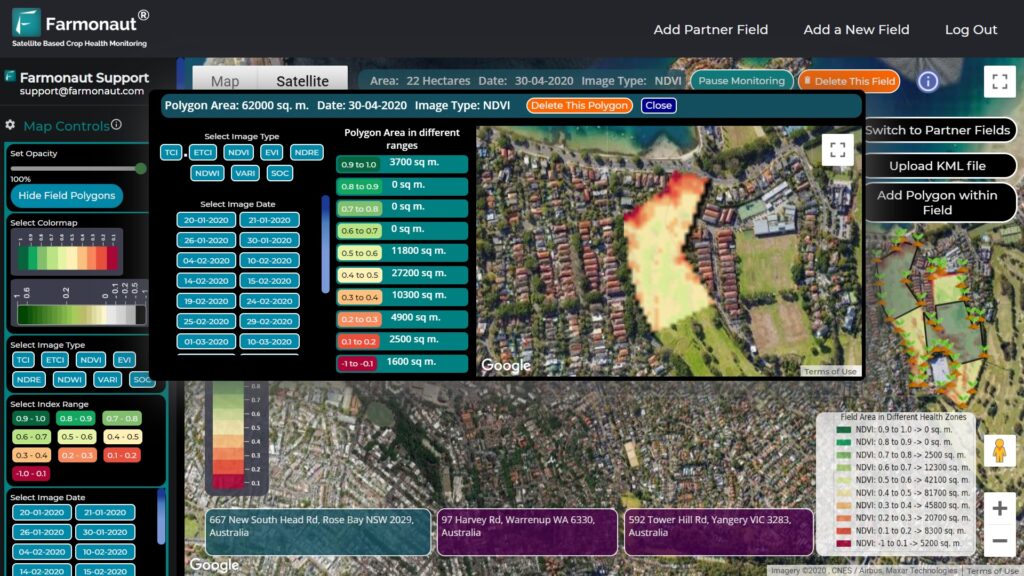
Modern agriculture now leverages precision technologies like satellite imagery, soil sensors, and AI-driven analytics (such as those from Farmonaut) to regularly monitor soil fertility. These tools help optimize water and fertilizer use, tailor crop management, and reduce environmental footprints.


Factors Affecting Soil Fertility
The fertility of soil does not arise by accident; it is shaped over time by a combination of natural and anthropogenic (human-driven) influences. Key factors include:
- Erosion and land degradation: The loss of topsoil by wind, water, or deforestation reduces fertile content and organic matter.
- Monocropping and overuse of chemicals: Growing the same crop repeatedly and applying too many synthetic fertilizers can harm microbial activity and soil structure.
- Climate change: Shifts rainfall patterns, induces drought or flooding, and disrupts nutrient cycles critical for fertility.
- Population growth: Increases pressure on land to produce more food, often at the cost of soil health.
- Irrigation and water management: Over-irrigation or poor drainage causes salinity and nutrient leaching, reducing long-term fertility.
- Loss of organic matter: Depletes the backbone of soil fertility by reducing moisture retention, nutrient availability, and microbe populations.
Intensive plowing and the overuse of fast-release fertilizers degrade soil’s natural structure, making it less productive over time.
Implementing robust crop rotation and adding organic materials reinvigorate tired soils and naturally balance nutrients without heavy chemical use!

Most Fertile Soil: 7 Key Strategies for 2026 and Beyond
To preserve and enhance the most fertile soil in the face of modern agricultural challenges, these seven strategies will be vital in 2026 and beyond. Each approach combines cutting-edge technology with proven sustainable practices and directly improves soil fertility, crop yields, and food security.
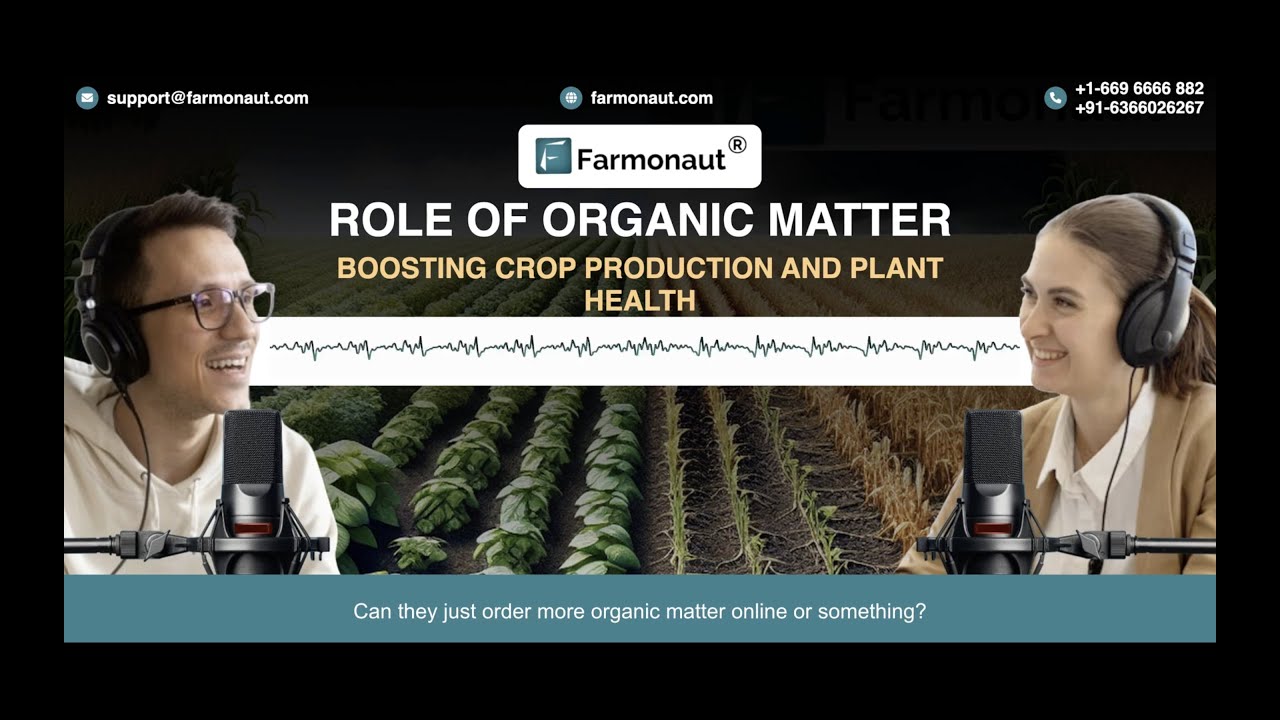
- Organic Matter Enrichment
- Add compost, green manures, farmyard manure, and crop residues to the soil.
- Boost organic content, improve structure, and foster vibrant microbial activity for robust plant support.
- Maintain levels between 3–6% to maximize benefits for moisture retention and nutrient availability.
- Rotational and Diversified Cropping
- Break disease cycles, manage pests, and balance nutrient cycles by rotating crops and including legumes.
- Legumes naturally fix nitrogen, reducing dependency on synthetic fertilizers.
- Minimized Tillage Practices
- Adopt no-till or reduced-till farming to preserve soil structure, moisture, and organic matter.
- Decreases erosion risk and bolsters carbon sequestration.
- Agroforestry & Buffer Strips
- Integrate deep-rooted trees and shrubs to stabilize soils, recycle nutrients, and reduce erosion.
- Establish buffer strips along slopes and waterways for additional protection.
- Precision Nutrient Management
- Conduct regular soil testing to tailor fertilizer application, avoiding over- or under-application (precision agriculture).
- Tools from Farmonaut (using real-time satellite and AI analytics) provide actionable data for fertilizer optimization, reducing waste and environmental impact.
- Efficient Water Management
- Use drip irrigation, mulching, and soil moisture monitoring to improve water retention and use.
- Reduce salinity risks and ensure soil remains moist but not saturated.
- Microbial Restoration & Biofertilizers
- Apply biofertilizers and soil inoculants to restore beneficial bacteria, fungi, and earthworm populations.
- These living components are vital for nutrient cycling and disease resistance.

📊 Key Data Insights for Soil Management (2026)
- ✔ Loam soils: Consistently outperform sandy and clay types, enabling high productivity across diverse crops.
- ✔ High organic matter: Linked with up to 29% more water retention and improved drought resistance.
- ⚠ Poor drainage: Causes root rot and nutrient leaching, drastically lowering yields.
- ✔ Agroforestry: Provides dual benefits of soil enrichment and enhanced ecosystem services.
- ✔ Regular monitoring: Enables early intervention against degradation for long-term soil health and stability.
Farmonaut — Satellite & AI for Sustainable Soil Management
Soil fertility strategies for 2026 increasingly rely on advanced technology to unlock insights, optimize management, and support sustainable agriculture. At Farmonaut, we combine satellite technology, artificial intelligence, and resource management tools to make real-time soil monitoring and precision agriculture affordable and accessible to all farm sizes and stakeholders worldwide.



How Our Platform Enables Sustainable Soil Management
- ✔ Satellite-Based Soil Monitoring: Receive up-to-date and historical soil health data to track changes in soil moisture, organic matter, and fertility indicators remotely.
- ✔ AI Advisory Systems: Use Jeevn AI for predictive fertilizer scheduling, crop health diagnostics, and weather analytics, all tailored to field-specific conditions.
- ✔ Blockchain Traceability: Ensure the sustainability and authenticity of produce with blockchain ledgers, securing every stage from soil to shelf. Learn more about Product Traceability
- ✔ Environmental Impact Tracking: Quantify your field’s carbon footprint to qualify for green incentives and meet international sustainability standards. Understand Carbon Footprinting for Farms
- ✔ Crop Loan & Insurance Verification: Use satellite-based field data for fast approval of crop loans & insurance with minimal paperwork. Explore Crop Loan and Insurance Service
- ✔ Scalable Fleet Management and Farm Oversight: Streamline the movement and health monitoring of field vehicles, equipment, and large-scale farm blocks. Fleet & Resource Management Details
- ✔ API for Developers: Integrate our satellite & weather data directly into your AgTech systems. Access the Farmonaut Soil Monitoring API | API Developer Docs


As agricultural sustainability grows in importance, satellite-driven soil analytics and carbon footprinting services will drive value for both producers and investors alike—unlocking new revenue streams and ensuring regulatory compliance.
Key Soil Fertility Factors and Sustainable Practices
| Soil Factor | Estimated Optimal Range/Value | Environmental Impact | Recommended Sustainable Practice |
|---|---|---|---|
| Organic Matter | 3–6% of soil weight | Enhances structure, water retention, carbon sequestration | Cover cropping, composting, green manure |
| pH Level | 6.0–7.5 | Maximizes nutrient availability, supports plant growth | Liming acidic soils, using pH-neutral organic amendments |
| Nitrogen Content (N) | 20–50 mg/kg (available N) | Essential for chlorophyll, growth, yields | Legume cover crops, minimal synthetic N, biofertilizers |
| Phosphorus (P) | 6–14 mg/kg (available P) | Vital for root and seed development | Animal manures, targeted P applications, mycorrhizal fungi |
| Potassium (K) | 80–200 mg/kg (available K) | Enhances drought resistance, disease suppression | Wood ash, compost, balanced crop rotation |
| Micronutrients (Zn, Mg, Fe) | Soil/leaf test defined, but typically ppm range | Prevents hidden hunger, ensures healthy crops | Add compost, rock dust, tailored micronutrient blends |
| Microbial Activity | High (measured by microbial biomass C; >500 mg/kg) | Improves nutrient cycling, disease resistance | Organic amendments, reduced tillage, biofertilizers |
| Drainage/Aeration | Well-drained; avoid waterlogging | Reduces root suffocation and pathogen build-up | Raised beds, organic mulches, structured rotation |
Combining real-time data with sustainable on-farm practices delivers measurable, lasting improvements to soil fertility — the proven path for food security and climate resilience.
✔ 5 Essential Attributes of the Most Fertile Soil
- 🌱 Deep organic matter content—fuels microbial activity and crop health
- 💧 Ideal moisture retention—supports sustained water flow and nutrient access
- 🧬 Diverse and active microbial communities—powerful natural nutrient cycling
- 🪱 Well-structured aggregates—ensure aeration, drainage, and root strength
- 🛰 Precision monitoring and tailored management—made possible with satellite analytics and AI
Soil is a living ecosystem where organic matter, structure, and microbial life interact. Building soil health is not a one-time fix but a long-term, continuous process.
Relying solely on chemical inputs and ignoring soil’s biological health creates dependency and vulnerability. Smart technology + organic practices = lasting fertility.
Try Farmonaut’s Satellite & AI Monitoring Solutions
Discover affordable, scalable subscription options for real-time agricultural monitoring, environmental tracking, and sustainability analytics:
FAQ — Most Fertile Soil & Sustainable Agriculture
What is the most fertile soil and why is loam the best?
The most fertile soil offers a balanced blend of sand, silt, and clay, called loam. Its structure gives ideal drainage, aeration, and nutrient-holding capacity. Loamy soils naturally support higher yields than sandy (poor nutrient retention) and clay soils (poor drainage).
How does climate change affect soil fertility?
Violent weather, altered rains, droughts, and higher temperatures disrupt organic matter, microbial life, and nutrient cycling. This challenges soil’s ability to remain fertile and productive unless adaptive management (diverse rotations, cover cropping, real-time monitoring) is implemented.
What are the top sustainable practices for preserving fertile soil?
- Rotational cropping with legumes and cover crops
- Using compost, biofertilizers, and reduced tillage
- Agroforestry (see Farmonaut’s large-scale management tools)
- Precision water and nutrient management, enabled by satellite technology and analytics
Why is regular soil testing critical?
Soil testing allows growers to monitor field fertility indicators, avoid nutrient imbalances, and protect plant health—leading to reduced fertilizer waste and higher productivity.
How can I start using satellite analytics for my farm’s soil?
Download the Farmonaut app for Android or iOS, or use Farmonaut’s Soil Monitoring API for tailored soil health analytics and management.
Conclusion: Cultivating the Future on Fertile Ground
The most fertile soil remains the backbone of robust, sustainable agriculture. In 2025 and beyond, understanding and enhancing soil fertility are more vital than ever for food security, climate resilience, and healthy ecosystems.
- 🌱 Loam soil’s unique structure, nutrient profile, and organic content make it the gold standard, but all soils can be improved with the right management.
- 🛰️ Modern challenges—climate change, population growth, and intensified farming—demand both innovative technologies and proven sustainable practices.
- 💡 Combining real-time monitoring, AI-driven advisory, and organic rotations fortifies soil for the next generation of growers.
By integrating these 7 key strategies and leveraging the power of Farmonaut’s satellite-based tools, we all contribute to preserving and enhancing soil fertility, boosting yields, and safeguarding food security for 2026 and beyond. The stewardship of fertile soil is not just a responsibility — it is our legacy to the planet and its people.