- Introduction: Living Soil Handbook 2026
- What Is Living Soil?
- Core Components of Living Soil
- Key 2026 Living Soil Practices
- Regenerative Soil Tactics for Future Agriculture
- Comparative Practices Effectiveness Table
- Living Soil Beyond the Farm: Forestry & Urban Infrastructure
- How Farmonaut Empowers Living Soil Management
- Overcoming Living Soil Challenges in 2026 & Beyond
- Frequently Asked Questions – Living Soil Handbook
- Conclusion: Shaping the Future with Living Soil
“By 2026, farms using living soil practices report up to 30% higher soil organic matter than conventional fields.”
Living Soil Handbook: Key 2026 Farm Practices
In the ever-evolving quest for sustainable agriculture, the concept of living soil has emerged as a cornerstone for boosting soil health, increasing crop yields, and mitigating environmental impacts. As the challenges of food security, climate change, and resource scarcity intensify, the Living Soil Handbook serves as an essential guide for farmers, agronomists, and land managers who seek to reconcile productivity with ecological stewardship.
As we advance into 2026 and beyond, understanding and implementing living soil principles has become crucial for building resilient and regenerative farming systems.
Implementing living soil practices is not just about organic inputs—it’s about supporting a vibrant ecosystem beneath our crops, enabling nutrient cycling, disease resistance, and climate adaptability.



What is Living Soil? (2026 Outlook)
Living soil is not merely a medium for plant growth—it is a complex, dynamic ecosystem teeming with microorganisms, fungi, earthworms, and a rich network of organic matter. Unlike sterile, chemically dependent soils, living soil supports a diverse biological community that sustains nutrient cycling, water retention, and disease resistance. This are the foundational principles that enable healthy plant growth and regenerative agricultural productivity.
Key characteristics include:
- Microbial diversity: Hundreds of species of bacteria, fungi, protozoa, and nematodes interact within living soil.
- Organic matter: Decomposed plant and animal residues feed this diverse ecosystem.
- Soil structure: A crumbly texture and abundant pore spaces enhance water retention and air movement.
- Soil fauna: Earthworms and other soil organisms aerate soil and promote fertility.
- Continuous cycling: Nutrients are constantly released, exchanged, and replenished naturally.
“Sustainable agriculture methods boost nutrient cycling in soil, increasing crop yields by an average of 15% by 2025.”

Core Components of Living Soil
The Living Soil Handbook identifies four core components that foundation the health and productivity of soils in 2026:
1. Microbial Diversity: The Living Network
- Bacteria, Fungi, Protozoa, Nematodes: These microorganisms form symbiotic relationships with roots, breaking down organic matter and aiding nutrient cycling.
- Mycorrhizal fungi extend the root system’s reach, supplying additional nutrients and water, while boosting plant resilience.
For example, mycorrhizal fungi can increase phosphorus uptake by up to 80% in some crops, directly improving yield and growth.
Encourage microbial diversity by reducing chemical inputs, rotating crops, and applying compost or other organic amendments.
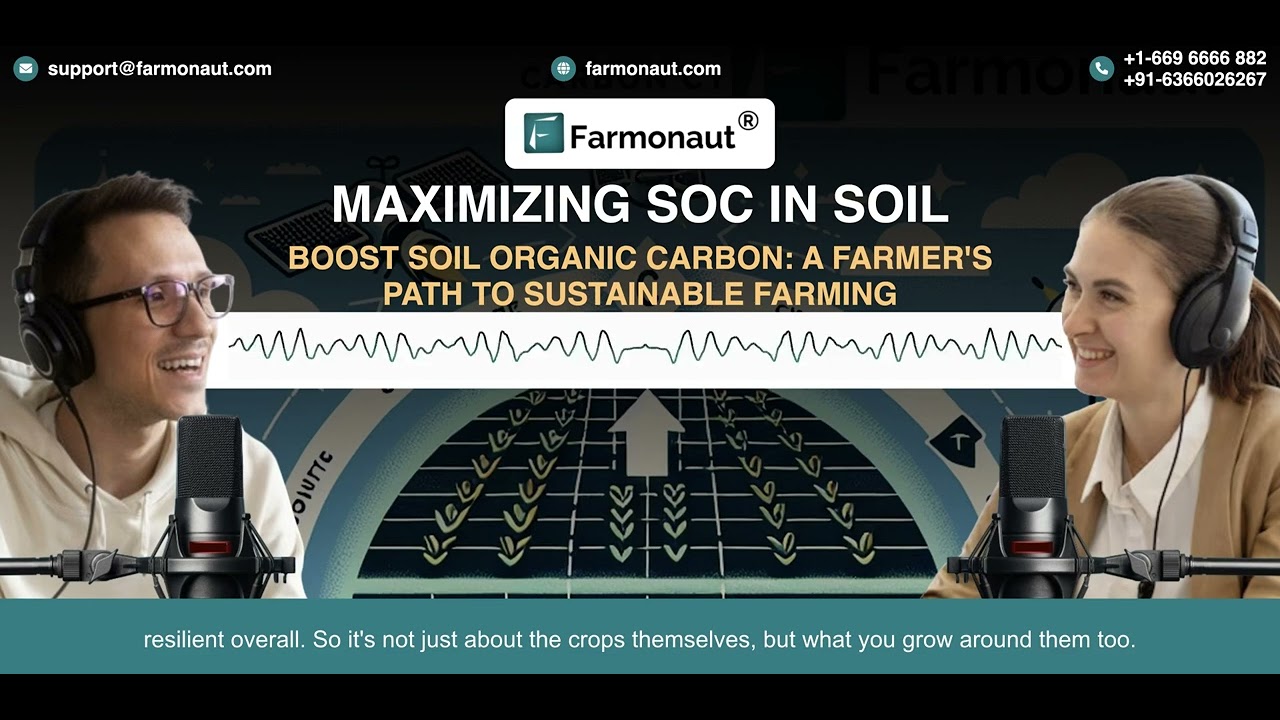
2. Organic Matter: The Soil’s Active Engine
- Decomposed residues: Plant and animal residues provide nutrients and maintain soil structure.
- Improved exchange: Cation exchange capacity is enhanced, enabling soils to hold and release nutrients more effectively.
- Resilience: High organic matter improves soils’ capacity to hold water and resist harsh weather.

3. Soil Structure and Porosity
- Soil with crumbly texture has adequate pores for air and water movement.
- Healthy roots penetrate easily, and pore structure prevents erosion and compaction.
4. Earthworms & Soil Fauna
- Earthworms aerate soil, promote organic matter breakdown, and enhance nutrient mixing.
- Presence of fauna is an indicator of fertile and living soil.
Over-tilling or excessive pesticide use destroys soil fauna like earthworms — avoid these practices to support living soils.

Key 2026 Living Soil Practices for Sustainable Farming
The living soil handbook encapsulates modern best practices proven to boost soil health, regenerate agricultural land, and improve crop productivity. These systems form the foundation of sustainable agriculture heading toward 2026 and beyond.
Minimal or No-Tillage (“No-Till” Farming)
- Promotes soil structure and organic matter accumulation
- Reduces erosion, carbon loss, and disturbance to microbial communities
- Increases water retention and reduces runoff
Cover Cropping
- Planting cover crops during off-seasons enhances soil organic matter
- Prevents erosion and provides habitat for beneficial microbes
- Certain cover species fix nitrogen, reducing fertilizer needs
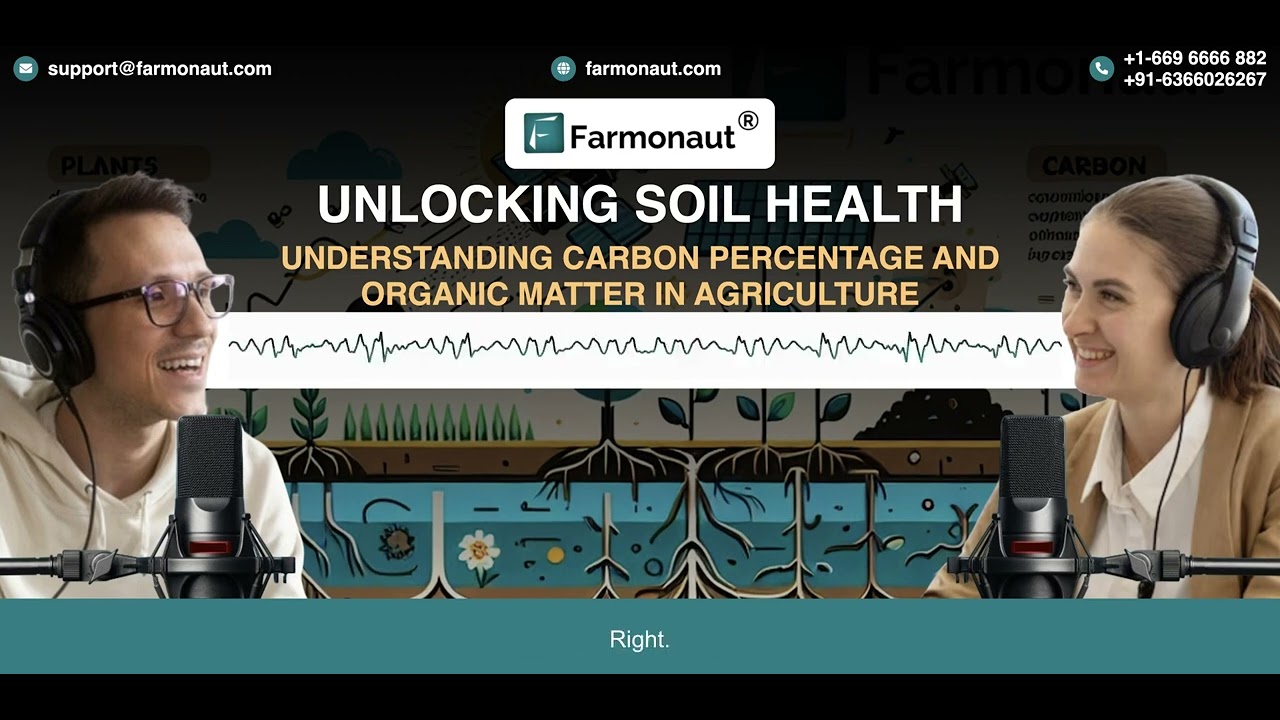
Composting & Organic Amendments
- Applying compost boosts microbial populations and provides balanced plant nutrients
- Organic matter improves soil structure while avoiding synthetic inputs
Crop Rotation & Diversity
- Alternating crops breaks pest cycles and encourages biodiversity
- Crop diversity enhances microbial variety and healthy soil
Integrated Pest Management (IPM)
- Leverages natural soil organisms to regulate pests
- Reduces reliance on chemical pesticides
Precision Water Management
- Efficient and timely irrigation prevents waterlogging and soil degradation
- Helps maintain stable living soil communities

Regenerative Soil Tactics for Future Agriculture
- **Regenerative farming** goes beyond sustainability—it actively repairs and revitalizes soil ecosystems.
- Practices focus on **enhancing biodiversity**, building organic matter, and sequestering carbon.
- 2026 advances emphasize **AI monitoring**, satellite imagery, and **region-specific implementation**.
The shift to living soil management isn’t just a trend. By 2026, it will be a foundation for resilient, high-value agricultural land, attracting sustainable investments across the globe—including geospatial-driven industries.

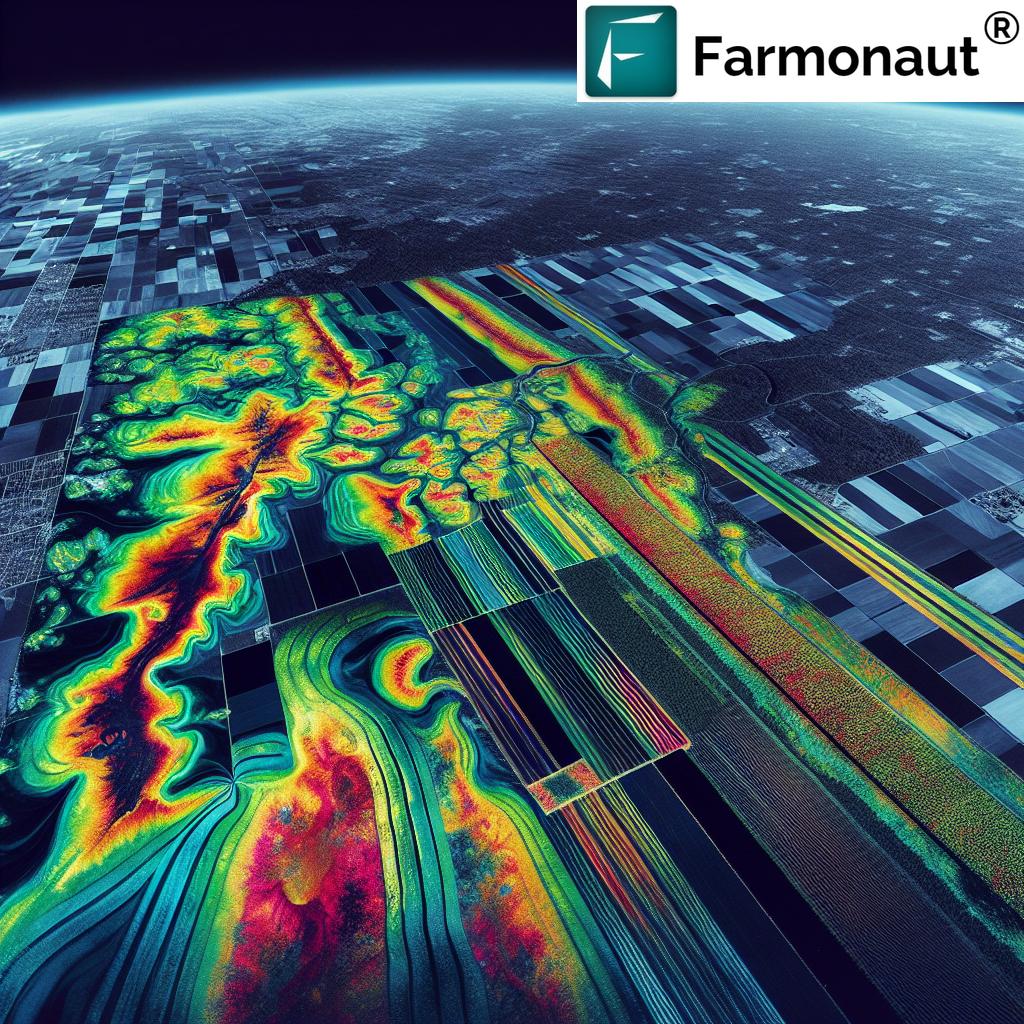
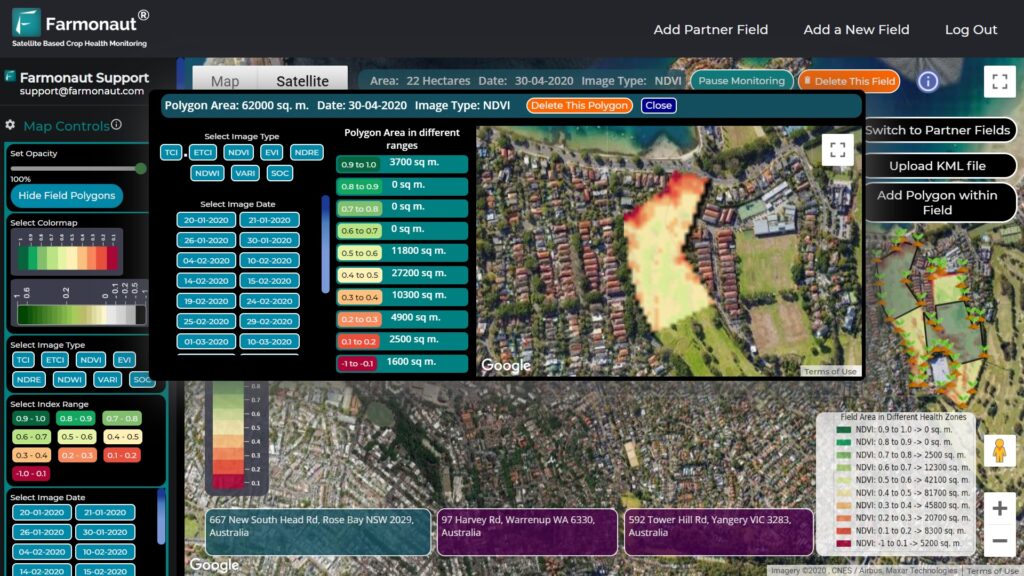
Use advanced satellite platforms for real-time soil monitoring. Farmonaut offers apps and APIs for precise insights into soil moisture, vegetation health (NDVI), and sustainable management without needing expensive hardware on-site.
“Sustainable agriculture methods boost nutrient cycling in soil, increasing crop yields by an average of 15% by 2025.”
Comparative Practices Effectiveness Table: Boosting Living Soil Health (2026)
| Practice Name | Description | Est. Soil Organic Matter Improvement (%) | Est. Nutrient Retention Increase (%) | Impact on Crop Yield (est. %) | Water Usage Efficiency (% reduction) | Sustainability Score (1-5) |
|---|---|---|---|---|---|---|
| Cover Cropping | Off-season cover crops for soil protection and fertility | +20–30% | +25% | +12% | Up to 20% | 5 |
| No-Till Farming | Leaving soil undisturbed to preserve structure/microbes | +15–22% | +15% | +10% | 10–18% | 5 |
| Compost Application | Adding decomposed organic matter to soil | +18–28% | +20% | +14% | 12–19% | 5 |
| Crop Rotation | Years-descent crop alternation to suppress pests & increase biodiversity | +10–16% | +12% | +8% | Up to 9% | 4 |
| Synthetic Fertilizer Only | Chemically derived nutrients with no biological input | 0 (may decrease) | +2% | +5% | 0 | 2 |
| Integrated Pest Management (IPM) | Combines biological and ecological pest controls | +11% | +9% | +7% | Minimal | 4 |
Five Key Benefits of the Living Soil Handbook
- Enhances soil health: Promotes nutrient retention, structure, and increased organic matter.
- Supports higher yields: Improves plant vitality and productive capacity.
- Boosts water efficiency: Higher soil porosity allows for optimal retention and drainage.
- Mitigates climate impacts: Sequesters carbon; reduces emissions & environmental degradation.
- Encourages biodiversity: Fosters biodiverse soil communities for natural pest and disease resistance.
Living Soil Management Systems Checklist
- Reduce tillage to maintain soil structure & biota.
- Deploy cover crops post-harvest and off-season.
- Rotate crops yearly or biannually.
- Integrate compost/organic amendments annually.
- Monitor microbial health with lab or satellite data.
Monitoring soil health in real time using technologies like satellite imagery and AI (e.g., Farmonaut) is essential for achieving measurable gains in living soil quality and productivity.
Living Soil Beyond the Farm: Forestry & Urban Infrastructure (2026)
The impact of living soil practices now extends well beyond the realm of agriculture:
- In forestry: Maintaining living soil promotes tree health, aids in carbon sequestration, and supports biodiversity.
- In infrastructure/urban development: Living soil concepts, such as organic amendments and native plant landscaping, mitigate soil degradation and manage stormwater. These principles, applied to green spaces, foster urban ecological balance.
- For all land managers: Soil preservation is key to sustainable development—an investment in the city and country landscapes of the future.
The intersection of geospatial technology and living soil management is unlocking new value in land surveillance, property appraisals, and biodiversity due diligence.
How Farmonaut Empowers Living Soil Management
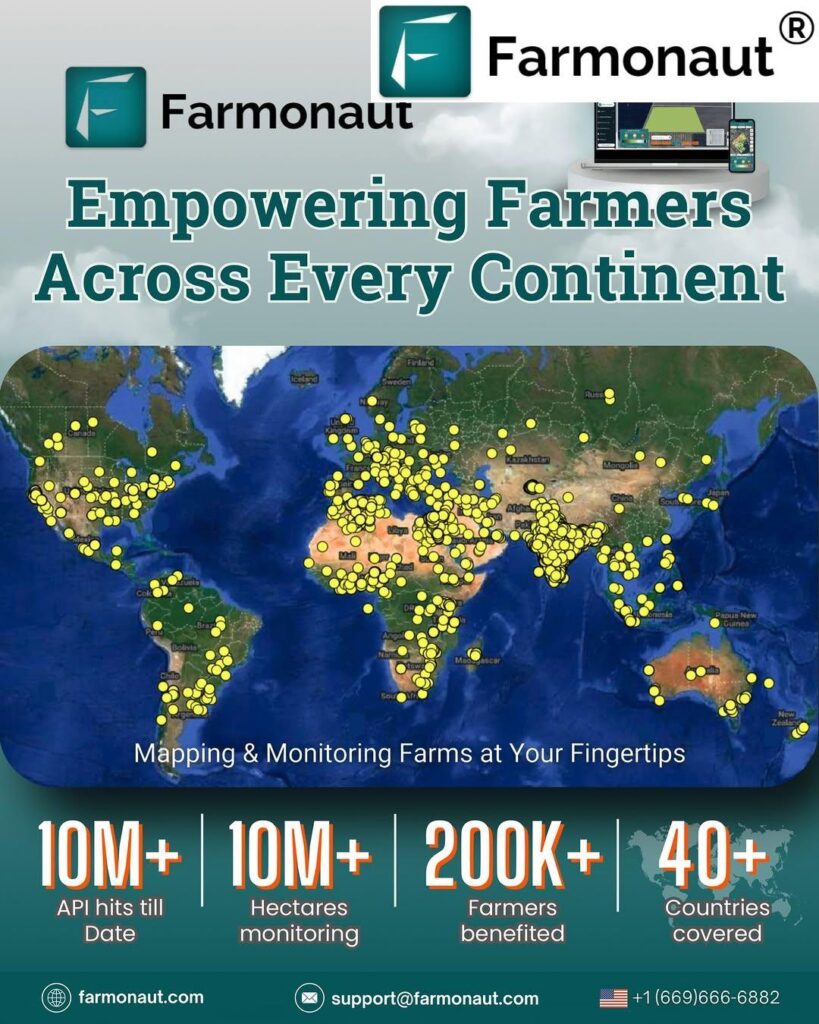
As a satellite technology company, we at Farmonaut are committed to making affordable, advanced monitoring and AI-advisory tools available to users worldwide. These tools directly empower the advancement, implementation, and maintenance of living soil systems into 2026 and beyond.
-
Satellite-based Monitoring (Web, iOS, Android Apps):
Access real-time satellite data—including NDVI and soil moisture—to track crop health, soil conditions, and land changes with practical, cost-effective solutions. -
AI-Driven Ag Advisory (Jeevn AI):
Receive custom strategies for soil management and regenerative practices to increase sustainability and yield. -
Blockchain Traceability Learn More:
Ensure supply chain transparency for organic produce and sustainably managed crops; build consumer trust. -
Environmental Impact Tracking
(Carbon Footprinting):
Quantify how living soil practices reduce emissions and sequester carbon, supporting climate-smart agriculture. -
Fleet & Resource Management (Fleet Management):
Optimize resource use in large-scale farm, mining, and infrastructure projects—minimizing input waste and operational inefficiencies. -
Large-Scale Farm Oversight (Agro Admin App):
Oversee multiple fields and staff operations efficiently for mega-agro and corporate farming enterprises.
Developers can integrate our capabilities via the Farmonaut API (API Developer Docs) – enabling region-specific solutions for any location worldwide.
Supporting Living Soil with Farmonaut (2026 & Beyond)
- Real-time monitoring for fast intervention and success tracking
- Historical comparisons to evaluate management effectiveness year on year
- Scalable and cost-effective for single fields or entire agricultural enterprises
Use satellite-based verification for crop loans and insurance (Learn More) to streamline access to financial resources—no field visit required!
Overcoming Living Soil Challenges in 2026 & Beyond
- Knowledge gaps: Extension services and continual farmer training are crucial to dispelling myths and enabling success.
- Initial transition costs: Upfront investments in composters, seed, or new equipment are often needed, though long-term savings and productivity gains compensate quickly.
- Local adaptation: Every farm ecosystem is unique—practices must be tailored to geography, crop, and resource base.
- Technology adoption: New tools (AI, sensors, satellite imagery) require digital literacy and support for maximal benefit.
Government incentives will continue to favor living soil and regenerative practices, helping bridge gaps for transitioning farmers and communities as part of global climate strategies.
Frequently Asked Questions – Living Soil Handbook
-
What is “living soil” and how is it different from conventional soil?
Living soil is a biologically active, organic matter-rich ecosystem teeming with microbes, fungi, and fauna. Unlike conventional or chemically dependent soils, it sustains plant nutrient cycling and builds resilience against pests, drought, and erosion naturally. -
Do living soil practices actually boost yields?
Yes, farms using these practices report up to 15% higher yields on average due to better nutrient cycling and soil health. -
Is living soil management only for organic farms?
No, these methods benefit all types of agriculture and can be implemented stepwise in both organic and conventional systems. -
How can technology support my transition to living soils?
Platforms like Farmonaut offer real-time monitoring, AI advice, and blockchain-based traceability to make adoption easier, scalable, and traceable. -
Are there financial tools for farmers moving to regenerative soil systems?
Yes—satellite-based verification can expedite crop loans and insurance, providing financial safety as fields transition toward living soil best practices. -
What is the biggest benefit of adopting the Living Soil Handbook in 2026?
The key advantage is building resilience: healthy, living soils enable farms to withstand climate extremes, reduce input costs, and build a more secure food future.
Conclusion: Shaping the Future with Living Soil (2026 & Beyond)
The Living Soil Handbook is more than a set of instructions—it is a roadmap and a manifesto for a soil-centric agricultural future.
By embracing living soil practices, farmers, managers, and every stakeholder in the food chain can unlock regenerative systems that guarantee food security, environmental sustainability, and climate adaptability for generations to come.
As we look toward 2026 and beyond, investing in soil health is not just an agronomic practice, but a societal imperative—ensuring that the foundation beneath our feet can sustain the world.