Leafy Spurge Control: 7 Powerful Strategies for 2026 Success
“Over 1,200 hectares were restored in 2025 by integrating chemical and mechanical methods to control leafy spurge.”
Leafy Spurge Control: Effective Strategies for Sustainable Agriculture and Land Management in 2025 and Beyond
Leafy spurge (Euphorbia esula) is a perennial invasive weed that continues to pose a significant threat to agriculture, rangelands, and natural ecosystems across North America and parts of Europe. As we transition into 2026, controlling leafy spurge remains a high priority for farmers, land managers, and ecological restoration professionals. Its aggressive growth, deep root systems, and resilience make it challenging to eradicate—making the adoption of sustainable, integrated weed management techniques essential.
This comprehensive guide explores 7 powerful strategies for leafy spurge control in 2026, integrating ongoing advances in biological, chemical, mechanical, and cultural management for healthier, more productive ecosystems.



Understanding Leafy Spurge and Its Impact
Leafy spurge (Euphorbia esula) is characterized by its highly adaptable nature, capable of thriving in a wide range of climates and soil conditions. This perennial weed spreads primarily through an extensive creeping root system, allowing it to regenerate from even small root fragments, which makes mechanical and manual control particularly challenging.
- ✔ Aggressive growth outcompetes native plants and forage species
- 📊 Reduces forage quality and livestock productivity on affected rangeland
- ⚠ Poses a threat to soil stability and nutrient cycles in natural ecosystems
- ✔ Left unchecked, leads to reduced biodiversity and economic losses for farmers and land managers
- 📊 Spreads rapidly due to its extensive root system and prolific seed production
Leafy spurge can regenerate from root fragments as small as a few centimeters. Mechanical tilling alone can unintentionally increase the spread by breaking and distributing roots throughout a field.
For land managers across North America and parts of Europe, leafy spurge control is more than just a battle against a weed: It’s a crucial endeavor for protecting ecosystem functions, biodiversity, and agricultural productivity.

Why Leafy Spurge Control Remains Critical in 2026
The need for effective leafy spurge control will remain a high priority well into 2026 due to its ecological and economic impacts:
- ✔ Economic Losses: Reduced yield for farmers, lost grazing value, and increased restoration costs.
- 📊 Biodiversity Threat: Outcompetes native plants and disrupts sensitive habitats.
- ✔ Reduced Soil Quality: Deep root systems deplete soil nutrients and increase erosion risks.
- ⚠ Resistance Issues: Reliance on a single chemical or mechanical control method can promote herbicide resistance and root persistence.
- ✔ Sustainable Agriculture Challenge: Land managers must balance productive farming with ecosystem health and long-term sustainability.
Combining strategies—rather than solely relying on herbicides or mechanical removal—boosts control effectiveness, minimizes environmental risks, and increases sustainability for rangeland and agriculture.

“Biological agents reduced leafy spurge populations by 60% in test plots, promoting ecosystem recovery by 2026.”
7 Strategies for Effective Leafy Spurge Control in 2026
Let’s explore the leading strategies for leafy spurge control that maximize impact, minimize environmental harm, and support sustainable ecosystem functions:
Using natural predators and pathogens, e.g., flea beetles, for sustained suppression.
Selective herbicides applied with precision to target leafy spurge and limit spread.
Tillage, mowing, and manual removal, integrated to manage dense infestations.
Restoring native plant communities and competitive species to resist re-invasion.
Combining all available biological, chemical, mechanical, and cultural methods for maximum efficiency.
Leveraging satellite technology, AI, and data analytics for targeted, timely interventions.
Enhancing land with resilient cover crops, ecosystem-oriented restoration, and post-control interventions.
Failing to monitor newly treated areas can allow leafy spurge roots to regenerate unnoticed. Always combine follow-up surveys with restoration of native species to minimize recurrence!
1. Biological Control: Harnessing Nature for Sustainable Leafy Spurge Control
Biological control (biocontrol) uses natural enemies, predators, and pathogens to target leafy spurge. In North America, the introduction of flea beetles (genus Aphthona) has become a cornerstone of sustainable management:
- ✔ Flea beetles released in infested areas—they feed on foliage and roots, stressing the spurge plant and reducing reproductive capacity.
- 📊 2025-2026 advances: Refined selection, breeding of resilient beetle strains for varied climates, and exploration of microbial pathogens (fungi, bacteria).
- ⚠ Not a quick fix; population suppression is sustained and cumulative, often requiring several seasons for visible area-wide reduction.
- ✔ Low environmental impact—targets the spurge specifically with minimal effect on native flora and fauna.
Biocontrol programs reduce herbicide input costs and are eligible for carbon offset grants and ecosystem payment schemes in some regions.

Example
A sustained application of Aphthona flea beetles in western North America has reduced spurge coverage by over half in pilot areas. Continued monitoring and re-inoculation of beetles ensures population recovery and ecosystem resilience.
2. Chemical Control: Targeted Herbicide Applications for Rapid Results
Selective herbicides remain a vital tool in leafy spurge management, especially in areas of dense infestation or where rapid suppression is essential.
- ✔ Main active ingredients: Picloram, aminopyralid, glyphosate, and mixtures—chosen for their effectiveness against perennial root systems.
- 🌱 Best timing: Early-flowering stage (May–June in North America), for maximum uptake and disruption of new seed production.
- ⚠ Strategic application is essential: Use rotations to prevent herbicide resistance; spot treat where possible to reduce impact on non-target plants.
- ✔ 2026 advances: Precision agriculture tech (AI+satellite mapping) targets spurge patches with minimal drift to native species, reducing total chemical load.
Explore Farmonaut’s Carbon Footprinting Services—track, analyze, and manage the environmental impact of herbicide programs on your land automatically via satellite and AI.
3. Mechanical Control: Physical Disruption and Integration
Mechanical methods include
- ✔ Mowing: Prevents seed maturation and initial spread.
- ✔ Tillage: Breaks up surface growth but can fragment roots, often causing unintentional proliferation if not followed by other controls.
- ✔ Manual removal: Useful for small infestations or sensitive natural habitats.
- ⚠ Integration required: Best used in combination with herbicides or biological agents; never as a sole strategy for perennial root-based weeds like leafy spurge.
Mechanical control is ideal for reducing above-ground plant matter rapidly but must always be immediately followed by herbicide or reseeding interventions to address the persisting root system.
4. Cultural (Ecological) Methods: Leveraging Ecosystem Functions
Cultural controls aim to build ecosystem resistance by making habitats less favorable for spurge establishment:
- ✔ Restoration of native plant communities via reseeding after treatment—competitive perennial grasses and cover crops outcompete spurge regrowth.
- ✔ Soil health improvement (via organic matter, balanced grazing, cover crops) supports more resilient, diverse pastures.
- ✔ Managed livestock grazing (e.g., goats/sheep) targets young spurge; must avoid long-term overgrazing to prevent soil disturbance.
Use Farmonaut’s Advisory Module for ecosystem restoration insights and native species selection—maximize competition against invasive species post-control.
5. Integrated Weed Management (IWM): The Optimal Approach for 2026
- ✔ Combines biological control, chemical control, mechanical, and cultural strategies.
- ✔ Targets different life stages: hits spurge at roots, foliage, seed stage, and post-control recovery.
- ✔ Reduces overreliance on any one method (e.g., herbicide resistance, root escape after mowing).
- ✔ Improves sustainability, minimizes negative environmental impacts, and supports long-term productivity.
- ✔ Customized to local conditions: account for site-specific climate, soil, infestation density, and native species baseline.
6. Advanced Digital Monitoring & Technology: Precision for Sustainable Spurge Control
Modern satellite technology, AI-based advisory systems, and remote sensing allow for real-time identification, mapping, and response to leafy spurge outbreaks. In 2026, these digital tools are revolutionizing weed control:
- ✔ Satellite imagery identifies new infestations early, tracks post-control regrowth, and measures landscape changes.
- ✔ Precision-guided drones and robotics for spot application of herbicides or biocontrol agents—reducing labor and chemical input.
- ✔ AI systems analyze multispectral imagery & historic data, recommend timing and intensity for intervention.
- ✔ API and web access tools (e.g., Farmonaut Satellite API) integrate directly with farm or government land databases.

Leveraging Farmonaut Technology for Weed Control
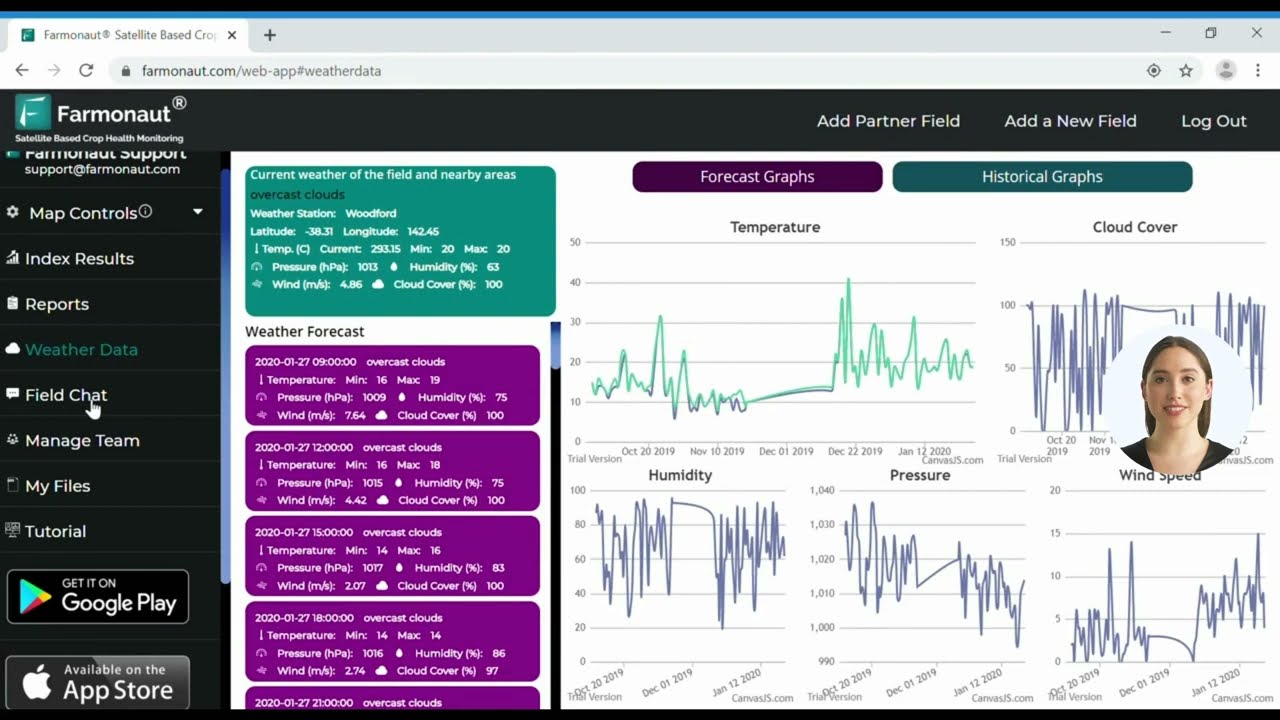
We at Farmonaut empower farmers, land managers, and government agencies to apply data-driven spurge management using satellite insights, AI advisories, and real-time monitoring platforms. Our digital ecosystem supports:
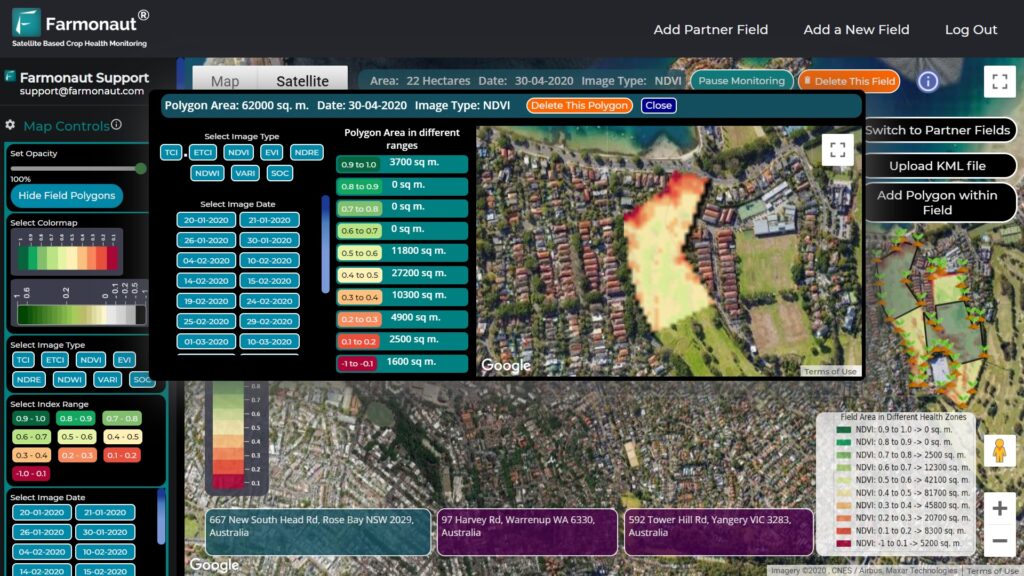
- ✔ Mapping of spurge infestations using multispectral satellite imagery; view weed pressure, vegetation health (NDVI), and soil conditions
- ✔ Custom advisories via JEEVN AI for optimal timing & choice of herbicide application, biocontrol release, and restoration/cover cropping
- ✔ Traceability and blockchain records for field operations, treatments, and yields—boosting transparency and audit readiness. (Learn about Farmonaut’s Traceability Module)
- ✔ Fleet/resource management tools—track equipment, manage multi-site operations, and optimize labor for integrated control programs. (Explore Fleet Management Features)

Integrate spurge-monitoring data and alerts directly into your farm or land management systems using our API Developer Documentation.
7. Restoration & Resilience Building: Completing the Control Cycle
The final, essential step for lasting leafy spurge control is post-removal restoration. Once infestations are suppressed, it is critical to:
- ✔ Reseed affected land with competitive perennial grasses and native plant species—these help outcompete remaining spurge seedlings and restore ecosystem services.
- ✔ Implement rotational grazing and soil amendments as needed, without disturbing soil structure.
- ✔ Monitor regrowth via satellite, aerial, or ground surveys—reapply interventions as needed.
Comparison Table: Sustainable Leafy Spurge Control Methods
Key Benefits of Integrated Leafy Spurge Control Strategies
- ✔ Sustained Weed Suppression: Reduces spurge populations across multiple years.
- 🌱 Ecosystem Health: Restores balance to rangeland/ agricultural landscapes.
- 📊 Productivity Gains: Increases forage availability, crop yields, and soil stability.
- ⚠ Lowered Resistance Risks: Limits the development of herbicide-resistant or biocontrol-resistant spurge.
- ✔ Reduced Input Costs: Minimized reliance on expensive chemicals, less labor through digital tech.

Effective leafy spurge control programs may qualify for governmental sustainability, restoration, or ecosystem resilience funding in North America and parts of Europe.
Boost Your Agricultural Creditworthiness—use Farmonaut’s satellite-based tools for crop insurance verification and enhanced access to credit for restoration or weed management programs.
Future Directions: What Comes Next for Leafy Spurge Control?
Controlling leafy spurge is becoming more sophisticated and targeted with ongoing research and rapid advances in:
- ✔ Gene Editing: RNA-interference, CRISPR-based biotech for species-specific suppression—disrupting vital spurge metabolic functions without harming native plants.
- ✔ Next-generation biocontrol agents—engineered for climatic adaptability and multi-year resilience.
- ✔ Automated drone fleets for real-time surveillance, herbicide delivery, and mapping of even remote or rugged landscapes.
- ✔ Digital, blockchain-backed traceability—for compliance, impact reporting, and ecosystem service payment verification.
- ✔ Integrating environmental & economic monitoring: Quantify carbon offsets, soil health improvement, and land value recovery post-leafy spurge control. (Analyze your carbon impact)
- ⚠ Risk: Herbicide resistance—rotating or combining herbicides is mandatory.
- ⚠ Risk: Delay in biocontrol impact—monitor and support beetle populations over years.
- ⚠ Limitation: Labour and operational costs—digital monitoring helps optimize inventories and workflows.
- ⚠ Risk: Post-control bare ground—must reseed with native species after spurge removal to avoid erosion and re-invasion.
- ⚠ Limitation: Climate unpredictability—successful restoration depends on adaptive, climate-smart interventions.
Get Started with Farmonaut’s Satellite Monitoring & Advisory Solutions
Our modular, subscription-based services support sustainable weed management for individual farms, agribusinesses, and local governments.
FAQ: Leafy Spurge Control 2026
- What is the best time of year to target leafy spurge?
The early-flowering stage (late spring to early summer) is most effective for both herbicide applications and biocontrol releases. - Can biological control agents harm native species?
Commercially released flea beetles (Aphthona) and approved pathogens are tested for host specificity and generally pose minimal risk to native plants and animals. - How does Farmonaut support integrated weed management?
We offer satellite mapping, AI-driven advisories, resource/fleet management tools, and traceability modules for comprehensive monitoring and data-driven decision making. - What is the role of restoration in leafy spurge control?
Restoration (native reseeding, soil resilience building) prevents recolonization and supports ecosystem recovery after suppression. - Can I automate mapping and intervention tracking?
Yes—you can integrate Farmonaut API into your management system for fully digital mapping, monitoring, and traceability.
Use satellite-based fleet/resource management platforms to automate machinery assignments and intervention records for large-scale leafy spurge control. (Explore Farmonaut Large-Scale Tools)
Conclusion: Toward Resilient, Productive, and Sustainable Landscapes
The future of leafy spurge control in agriculture, rangeland, and natural ecosystem management depends on science-based, integrated strategies that are adaptable, sustainable, and digitally enabled.
- ✔ Progress in biological, chemical, mechanical, and digital control promise new levels of effectiveness and efficiency by 2026 and beyond
- ✔ Ongoing monitoring and restoration underpin lasting success and resilience
- ✔ Technology platforms like Farmonaut will be essential for scalable, transparent, and cost-effective weed management—empowering producers, managers, and governments worldwide
By adopting these seven key strategies, land managers, farmers, and restoration professionals can protect nature, boost economic resilience, and ensure a legacy of healthy, productive landscapes.