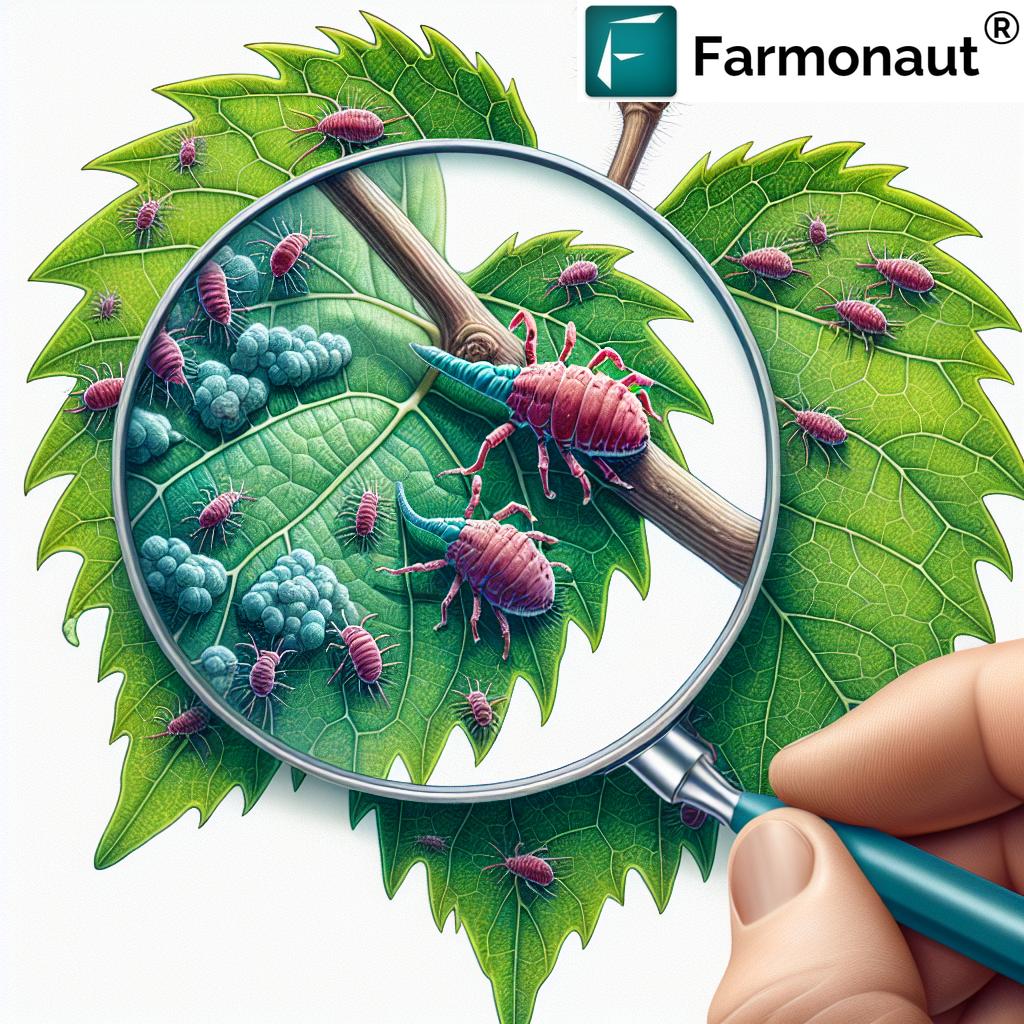
IoT Devices for Agriculture: 7 Precision Methods 2026
“By 2025, over 70% of farms globally will use at least one IoT device for data-driven agriculture.”
What is IoT in Agriculture?
The integration of IoT devices for agriculture is revolutionizing traditional farming practices, transforming fields into intelligent ecosystems where data-driven management and precision methods take center stage. As we move towards 2026, IoT technology—the interconnection of physical devices via the internet for seamless communication and data collection— is unleashing unprecedented efficiency, sustainability, and productivity in how we grow our food.
Precision farming with IoT is more than a technological trend; it’s a paradigm shift. Gone are the days of blanket approaches and guesswork. Today, sensors, drones, and smart machinery collect granular data on soil properties, crop health, weather, and water usage—enabling farmers and managers across the globe to make informed decisions in ways never previously possible.

Access Farmonaut Apps – Real-time Satellite Technology for Agriculture
IoT Devices for Agriculture: The Precision Revolution
By 2025, the fusion of IoT devices for agriculture with AI analytics, cloud computing, and seamless connectivity has become the backbone of precision agriculture. This data-centric approach is driving smarter practices across the entire field-to-fork value chain.
- ✔ Collect real-time data on soil moisture, temperature, crop nutrient status, and more
- 📊 Analyze trends and predict outcomes through AI-powered platforms
- ⚠ Detect risks early (pests, diseases, drought) for faster intervention
- ✔ Enable automated, targeted irrigation and resource use optimization
- 📊 Improve yields, reduce input costs, and enhance sustainability
The heart of IoT’s impact lies in how these devices not only collect data but enable precise, actionable management, protecting crops and livestock amid increasing climate variability and resource constraints.

“Seven distinct IoT precision methods are projected to increase agricultural efficiency by 35% by 2026.”
Comparative Table: 7 Precision IoT Methods Transforming Agriculture (2026)
| Device/Method Name | Main Function | Key Technology | Supported Crops | Est. Adoption Rate (2025) | Proj. Yield Improvement (%) | Sustainability Impact | Example Use Case |
|---|---|---|---|---|---|---|---|
| Soil Moisture & Nutrient Sensors | Monitor soil moisture, nutrients | Smart in-ground sensors | All field crops, horticultural produce | 68% | +20% | Reduces water waste, limits nutrient runoff | Microsite-specific irrigation in wheat fields |
| Drones for Crop Monitoring | Remote visual & multispectral monitoring | Aerial drones with sensors (RGB, NDVI, thermal) | Cereals, oilseeds, cotton, vegetables | 60% | +22% | Targets pest/disease application, reduces chemicals | Pest detection in rice paddies |
| Weather Stations & Micro-Climate Sensing | Track hyperlocal weather patterns | IoT weather stations, cloud platforms | All crops, including orchards & greenhouses | 55% | +13% | Reduces risks amid climate variability | Frost warning for vineyards |
| Satellite-Based Crop Health Monitoring | Assess crop vigor & detect stress | Multispectral satellites + AI | Grains, pulses, fruits, forest plantations | 75% | +25% | Optimizes inputs, improves traceability | NDVI analysis for maize fields |
| Livestock Wearables & Trackers | Monitor animal health & behavior | IoT smart collars/sensors with GPS, biometrics | Cattle, poultry, sheep, goats | 48% | +18% | Improves animal welfare, resource management | Estrus detection in dairy cows |
| Automated Irrigation & Fertilization Systems | Deliver precisely timed & dosed inputs | Smart irrigation/fertigation controllers | All irrigated crops & greenhouses | 52% | +16% | Conserves water & nutrients, lowers costs | Closed-loop drip in tomato farms |
| Blockchain-Integrated Traceability | Track food journey & inputs | IoT + blockchain platforms | High-value/export crops, livestock | 38% | +9% | Reduces fraud, enhances consumer trust | Verifying organic produce supply chain |
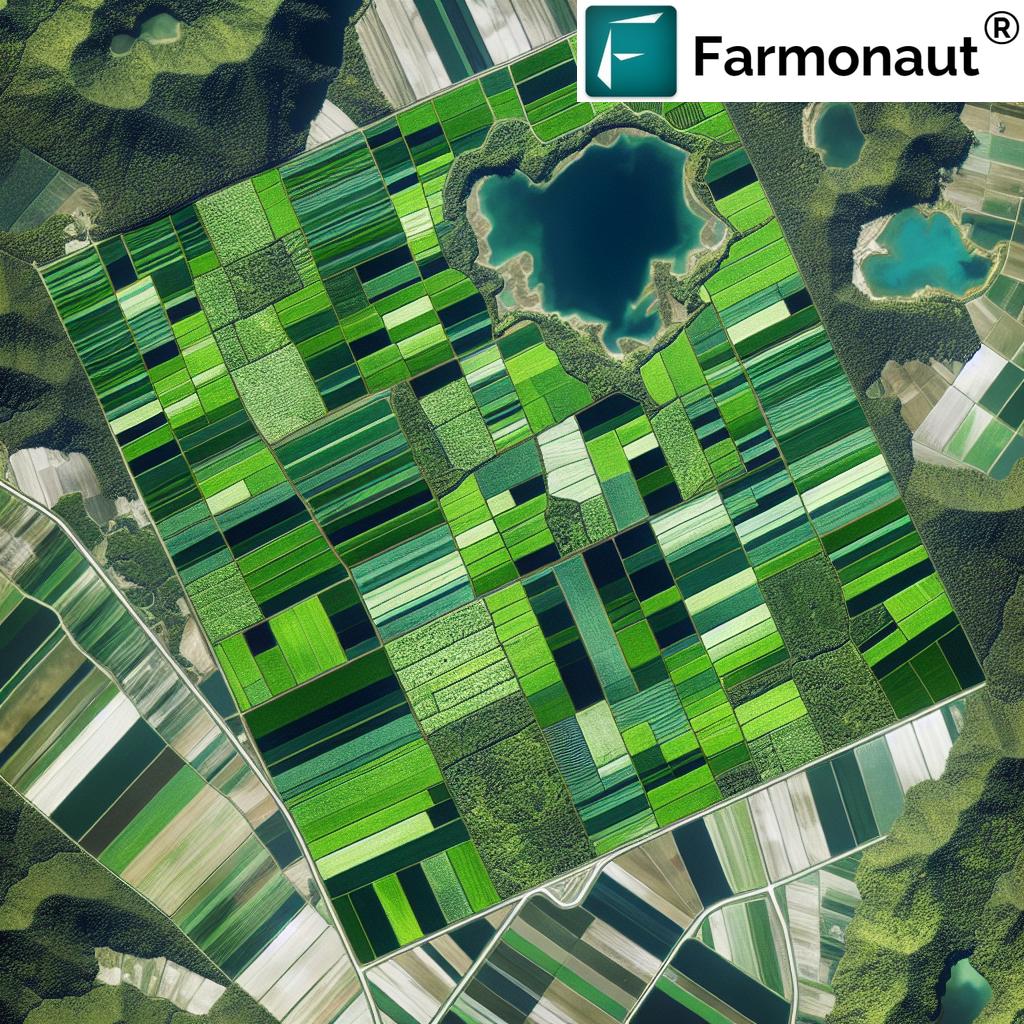
Satellite-based technologies now provide weekly—and in some cases daily—field updates, enabling continuous monitoring and rapid decision-making for remote farm management.
7 Precision IoT Devices for Agriculture in 2026
1. Soil Moisture & Nutrient Sensors
Internet-connected sensors embedded in the soil provide real-time data on moisture levels, pH, electrical conductivity, and nutrient content at different depths. These targeted measurements support irrigation scheduling and fertilizer application, minimizing input waste and conserving water.
- ✔ Granular, site-specific updates – know exactly which areas need attention
- ⚠ Challenge: Sensor calibration and network coverage in remote fields
- 📊 Data insight: Reducing over-irrigation can lower costs by 15-30% seasonally


Download Farmonaut Android App for Satellite-Based Field Monitoring
2. Drones for Crop Monitoring & Analysis
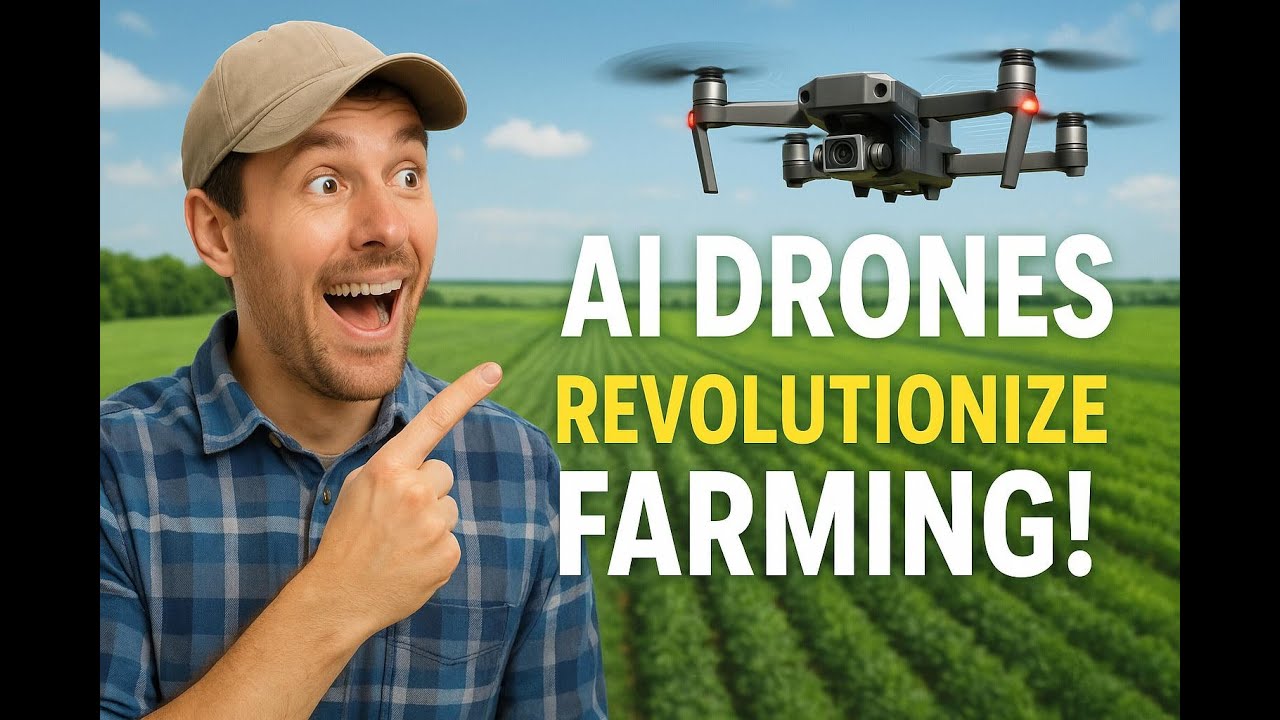
Drones equipped with multispectral, thermal, and RGB cameras provide aerial views of crop conditions. This enables early detection of disease, pests, and stress—often before symptoms are visible to the naked eye. AI-driven analyzing platforms can diagnose and apply targeted interventions.
- ✔ Survey large farms quickly, saving labor and time
- ⚠ Risk: Data overload—requires interpretation via software
- 📊 Precision: Deploying drones for pest scouting reduces chemical use by up to 45%
3. Weather Stations & Micro-Climate Sensors
Precision weather stations, both fixed and portable, connect to the internet to supply real-time updates on temperature, humidity, rainfall, wind speed, and specific micro-climate anomalies. These are essential for risk mitigation and timely decision-making amid increasingly variable climate patterns.
- ✔ Preemptive action – Early warnings help plan irrigation and input use
- ⚠ Limitation: Dense station networks may be costly for small farms
- 📊 Insight: Frost detection has protected fruit crops across Europe and North America
4. Satellite-Based Crop Health Platforms
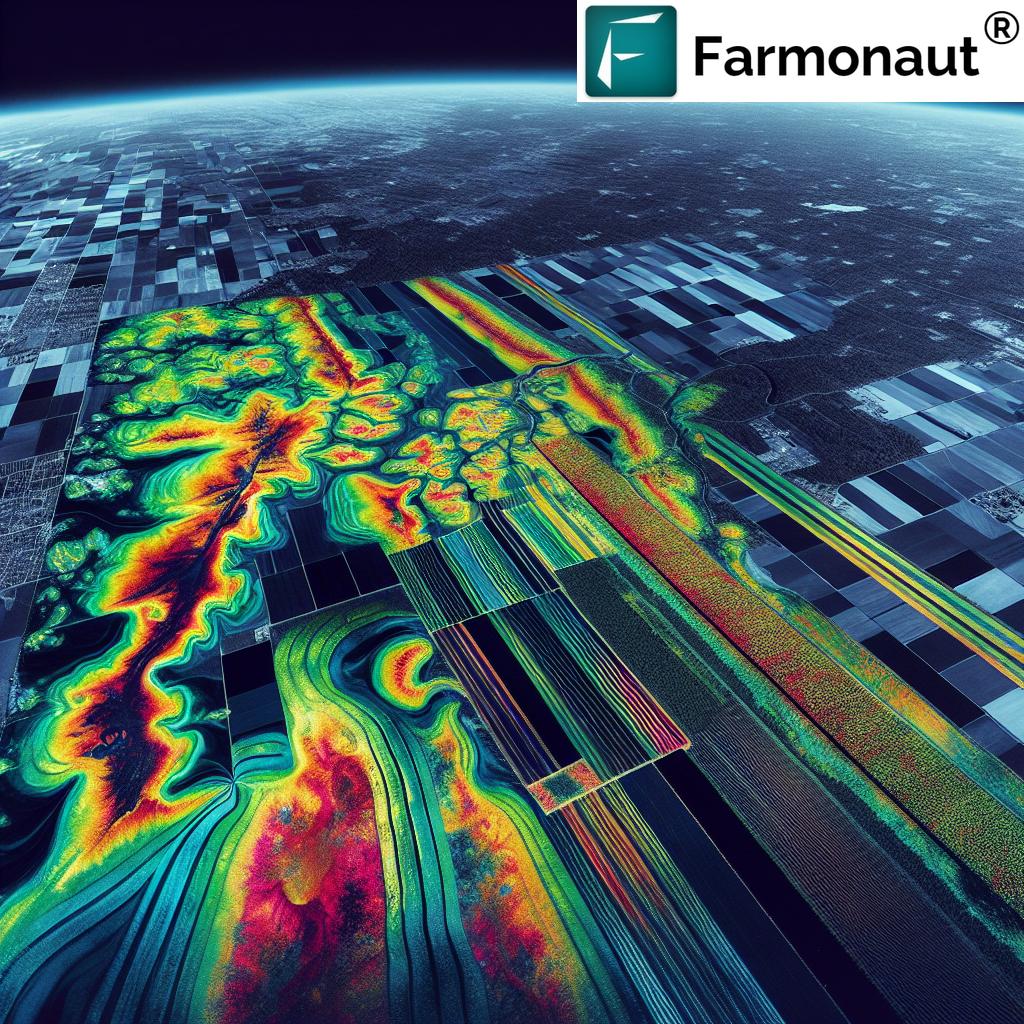
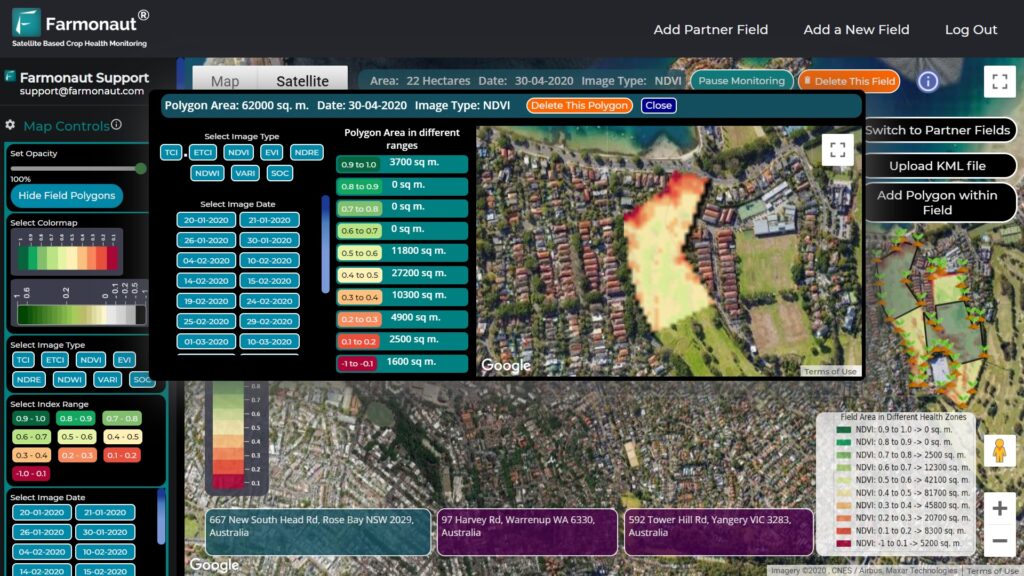
Using multispectral satellite imagery and AI, platforms can monitor entire fields or regions for crop growth, vigor, and stress. Indices like NDVI (Normalized Difference Vegetation Index) detect nutrient deficiencies, diseases, or drought impact from space, making satellite monitoring among the most scalable IoT technologies in large-scale farming.
- ✔ Wide-area coverage for remote and vast farms
- ⚠ Risk: Cloud cover can interfere with frequent updates
- 📊 Impact: Can trigger precision irrigation, boosting yields by up to 25%

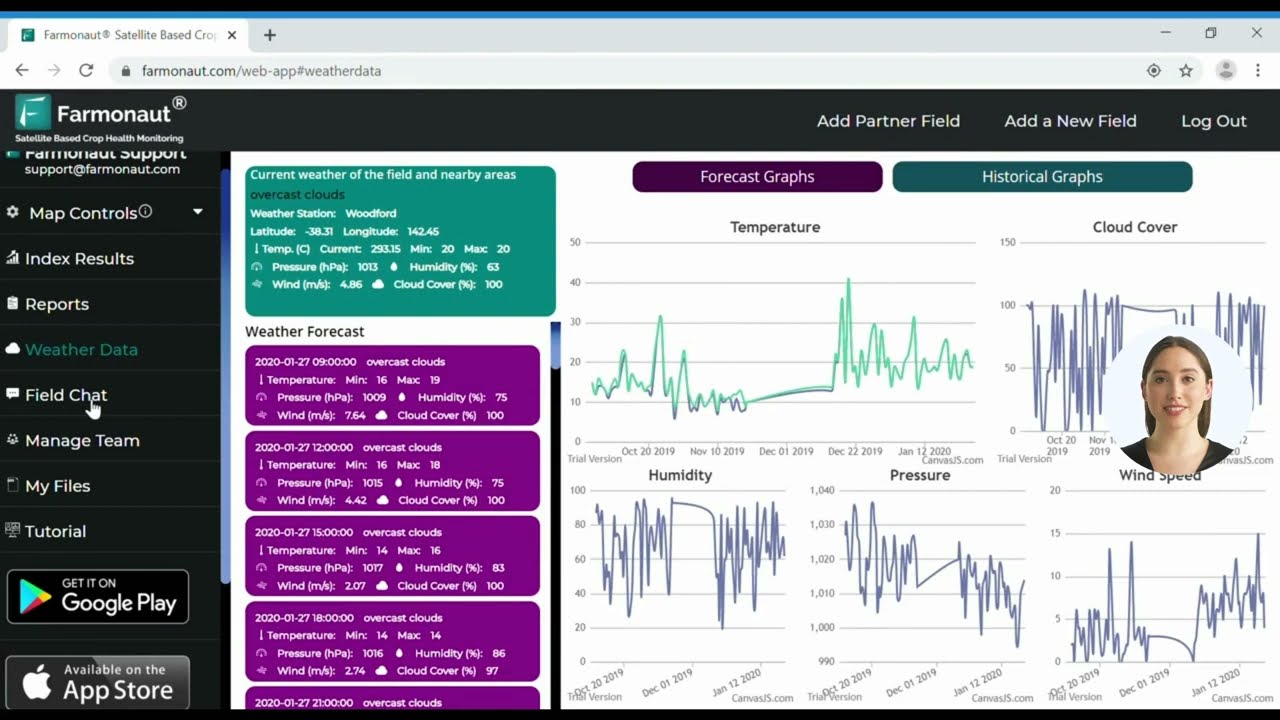
Linking satellite crop health data with on-ground sensors delivers the most accurate diagnosis—combining the bird’s-eye view with root-zone reality.
5. Livestock Wearables & Smart Trackers
Wearable IoT devices track an animal’s health, behavior, movement, and location in real time. Not only do these systems help identify diseases or stress early, but also optimize feeding, breeding, and welfare.
- ✔ Early warning for illness or reproductive cycles
- ⚠ Limitation: Battery life and comfort for animals
- 📊 Productivity: Early detection boosts milk yield and lowers veterinary costs
6. Automated Irrigation and Fertilization Systems
Integrated IoT devices connect smart valves, pumps, and controllers to enable precision irrigation and fertigation. These systems draw on real-time weather, soil moisture/sensor data, and even satellite imagery to deliver water and nutrients when and where needed—reducing runoff and maximizing crop uptake.
- ✔ Reduces labor and resource waste
- ⚠ Challenge: Upfront investment and compatibility with legacy systems
- 📊 Efficiency: Automating irrigation can reduce water consumption by up to 40%

Download Farmonaut iOS App for Precision Agri Insights
- ✔ Automated Fertilizer Dosing: Matches crop stage and detected deficiencies
- 🚀 Real-Time Valves: Respond instantly to mobile inputs or weather triggers
- ⚠ Integration Needs: Must synchronize with weather data and soil profile
7. Blockchain-Enabled Traceability Systems
Combining IoT sensors with blockchain platforms enables traceability from seed to shelf. Sensors track harvest conditions, storage, transit, and input use—each event immutably logged on the blockchain. This answer’s growing consumer demands for food safety, transparency, and proves compliance with evolving regulations.
- ✔ Transparent food origin: Certify every step of the supply chain
- ⚠ Challenge: System interoperability and data privacy
- 📊 Market benefit: Higher value, premium price for verified crops or animal products

Neglecting cybersecurity in interconnected IoT systems can expose farmers and agribusiness data to unauthorized access. Prioritize secure networks and device updates.
IoT Devices for Agriculture: Benefits, Challenges, & Future Impact by 2025–2026
Key Benefits of IoT Adoption in Agriculture
- ✔ Yield Optimization: Precision use of nutrients and targeted irrigation directly increase crop productivity and quality
- ✔ Input Cost Reduction: Minimized waste through data-driven input applications, lowering fertilizer, pesticide, and water bills
- ✔ Sustainability: Reduced runoff and chemical overuse conserve natural resources, reducing environmental contamination
- ✔ Traceability: Blockchain-powered systems support Farmonaut Product Traceability for food authenticity and regulatory compliance
- ✔ Livestock Health & Welfare: Early warning of disease improves animal management and optimizes resource use
- 👉 Resource Conservation: Efficient water and fertilizer scheduling reduces environmental footprint
- 👉 Enhanced Profitability: Lowered input costs combined with quality premiums
- 👉 Food Security: Reliable yields to meet growing global population needs amid climate uncertainty

Adoption rates of smart farming technologies—including IoT and satellite-based systems—are projected to reach double-digit annual growth, especially in regions investing in agri-infrastructure modernization by 2026.
Key Challenges to Overcome
- ⚠ Affordability: Upfront device and connectivity costs, especially for smallholder farmers
- ⚠ Training & Digital Literacy: Need for comprehensive farmer education programs for using IoT systems effectively
- ⚠ Interoperability: Data platforms and devices from different vendors must work seamlessly for integrated management
- ⚠ Data Security: Protect sensitive farm and operational data from breaches
- ⚠ Connectivity: Rural network limitations can hinder real-time uploads and updates; next-gen satellite connectivity is bridging this gap
Farmers and agribusinesses can accelerate returns on IoT investments by combining multiple data streams—(satellite, soil, weather)—for holistic, proactive farm management.
How Farmonaut Enables IoT-Driven Precision Agriculture
As a satellite technology pioneer, we at Farmonaut are committed to making affordable satellite-driven insights accessible for agriculture, mining, infrastructure, and beyond. Our platforms deliver essential IoT-like data collection, real-time monitoring, and actionable advisory—empowering everyone from individual farmers to enterprise agribusiness with the intelligence needed to thrive amid the demands of modern farming.
- ✔ Multispectral Satellite-Based Monitoring
Our technologies use weekly and even daily satellite imagery (NDVI, EVI, true color, moisture tracking) to monitor crop health, detect variation, and identify issues early. - 📊 Jeevn AI Advisory System
This AI-powered tool provides hyper-local weather forecasts, crop input advice, and strategic planning powered by the latest remote sensing and AI algorithms. - ✔ Blockchain Traceability
We deliver traceability via blockchain, enabling end-to-end transparency for food supply chains—meeting regulatory, trade, and consumer needs. - 🚀 Fleet and Resource Management
Our fleet tools optimize machinery, input logistics, reducing downtime and operational inefficiency. - ✔ Environmental & Carbon Impact Monitoring
Our carbon footprinting platform supports sustainable practices and helps meet evolving ESG standards for crops and livestock. - ✔ Integrated Platform Accessibility
Farmonaut Apps for Android, iOS, Web and APIs ensure data-driven farming is available everywhere, even in the world’s most remote rural locations. - ✔ Access for All Farmers
Our mission is to ensure every user, regardless of scale, budget, or geography, leverages the power of IoT-style data to enhance productivity, profitability, and sustainability.
Try Farmonaut’s Agro-Admin App: Large-Scale Farm Management, Precision Insights for Enterprise Users
FAQ: IoT Devices for Agriculture
What are IoT devices for agriculture?
IoT devices for agriculture are physical tools (such as sensors, weather stations, drones, wearables, and controllers) equipped with connectivity features to collect, transmit, and analyze data for better farm management. These systems enable precision farming by supplying real-time, site-specific insights.
How do IoT devices enhance productivity?
They allow farmers to optimize resource use, monitor plant and animal health, reduce waste, automate irrigation and fertilization, and react quickly to risks such as disease or extreme weather—all based on evidence, not estimation.
What is the most important IoT solution for small farmers?
The combination of smart soil sensors and affordable mobile-connected weather stations delivers immediate impact—improving irrigation efficiency, input timing, and reducing costs with a relatively low technology barrier.
How is data from IoT devices kept secure?
Best practices include end-to-end encryption, trusted cloud services, secure authentication protocols, and regular device updates. Emerging standards are being developed to improve interoperability with robust security.
Can IoT be integrated with other agricultural technologies?
Absolutely. IoT can feed data into AI-powered advisory tools, satellite monitoring platforms, blockchain traceability chains, and farm management systems to create a unified decision-making ecosystem.
Conclusion: The Transformative Power of IoT Devices for Agriculture in the 2026 Landscape
The integration of IoT devices for agriculture is rapidly reshaping how farmers, managers, agribusiness, and researchers approach food production in an era marked by growing population and climate change. As we move into 2026, the synergy of sensors, aerial assets, cloud platforms, wearable trackers, and blockchain is enabling an agriculture sector that is not only smarter and more resilient, but—most importantly—sustainable for generations to come.
Whether for a smallholder in Southeast Asia optimizing water amid a drought, or a multinational farm in North America tracing every bushel for export, the future belongs to those who harness data-driven practices for continuous improvement, sustainability, and profitability.
From soil to satellite, drone to dashboard, IoT is at the heart of the next agricultural revolution.
Start Your Precision Ag Journey with Farmonaut – Multi-Platform Smart Agriculture Monitoring