Indigenous Land Management: 7 Sustainable Practices 2026
Summary: Indigenous Land Management—Revitalizing Sustainable Practices for Agriculture and Forestry in 2025
In 2025 and beyond, indigenous land management has garnered renewed attention, especially within the interconnected realms of agriculture and forestry. As global challenges like climate change, biodiversity loss, and land degradation intensify, traditional knowledge systems offer invaluable insights commonly overlooked by contemporary land use. Indigenous land management embodies a time-tested, holistic approach—blending ecological stewardship, cultural values, and sustainable resource use. This paradigm is increasingly recognized as essential for securing resilient agricultural and forestry practices for the future.
Historical Context and Core Principles of Indigenous Land Management
Indigenous land management systems have been stewarded for millennia, deeply finely tuned to local ecosystems. Indigenous peoples developed these practices through generational learning, developing rich knowledge of land, water, plants, animals, and climate patterns. These approaches are inherently holistic, often integrating:
- Deep ecological knowledge and place-based expertise
- Spiritual connections to the earth and cultural values
- Community-driven decision making for land management
- Focus on biodiversity, soil health, water conservation, and ecosystem balance
Unlike industrial monoculture and exploitative logging approaches, indigenous practices typically emphasize the health of whole ecosystems. Controlled burns to reduce wildfire risks, rotational cropping, agroforestry—combining trees with crops—and protection of sacred groves are central examples of these age-old customs.
Key Insight 🧠
Indigenous land management methods—developed over thousands of years—embody enduring values: stewardship, community responsibility, and a resilient balance with nature’s cycles. This makes them essential references for regenerative agriculture and sustainable forestry as we navigate rapid global change in 2026 and beyond.
Relevance to Modern Sustainable Agriculture: Why Indigenous Systems Matter in 2026
As modern agriculture has evolved, especially under pressures to increase short-term yields, so have the challenges—from soil depletion to rising pesticide use, increasing water scarcity, and vulnerability to new climatic shifts. Indigenous agricultural methods often counter this trend by fostering:
- Soil fertility through rotating diverse crops and cover cropping
- Genetic diversity via seed preservation of multiple heritage varieties
- Polyculture techniques that reduce pest outbreaks and support nutrient cycles
- Community-focused land tenure systems for equitable stewardship and conflict reduction
As regenerative agriculture frameworks take hold globally in 2026, these time-tested frameworks provide vital blueprints for addressing contemporary land degradation, food security, biodiversity loss, and climate resilience.
Common Mistake ❌
Misapplying indigenous land management in contexts where local social and ecological systems are ignored can lead to project failure. Always blend community-driven knowledge with contemporary data before implementing new sustainability programs.

Forestry and Ecosystem Management: Indigenous Approaches for Biodiversity & Climate
Globally, forests managed by indigenous peoples account for nearly 28% of the world’s forest area, safeguarding biodiversity hotspots and ecosystem services. These communities often use sustainable harvesting to balance resource extraction with forest health—using methods like:
- Selective logging over clear-cutting, retaining old-growth trees
- Protecting forest patch diversity and habitat mosaics
- Cultural taboos and harvest rules to protect endangered species and promote ecosystem regeneration
- Maintaining sacred groves as reserves for wildlife and medicinal plants
In 2026, the integration of indigenous forestry systems with modern carbon accounting and spatial mapping tools is seen as essential for mitigating climate change, preventing deforestation, and supporting the sustainable development of rural communities.
7 Indigenous Land Management Practices for 2026
Let’s delve into seven highly impactful indigenous land management practices—each exemplifying sustainability, resilience, and adaptability in today’s landscapes.
Indigenous Land Management: 7 Sustainable Practices 2026
-
Controlled Burning (Fire-stick Farming)
Region of Origin: Australia, North America
Indigenous populations have practiced controlled burns for millennia. These seasonal, low-intensity fires reduce wildfire risks, manage undergrowth, promote nutrient recycling, and foster habitat diversity. Unlike catastrophic wildfires, controlled burning enhances soil fertility and supports a mosaic of habitats for wildlife.
-
Agroforestry and Silvopasture
Region of Origin: Amazon Basin, Asia, Africa, Central America
Agroforestry is the integration of trees with crops and livestock, combining economic productivity with biodiversity conservation. These practices enhance soil structure, increase carbon sequestration, and improve water retention. Silvopasture, a variant, supports both grazing and forestry in shared landscapes, reducing ecosystem pressure.
-
Polyculture and Rotational Cropping
Region of Origin: Mesoamerica, Southeast Asia, Andean Highlands
Polyculture systems cultivate multiple, complementary crops simultaneously—replicating natural diversity, reducing pest outbreaks, and supporting balanced nutrient cycles. Rotational cropping further improves soil health and prevents depletion, ensuring food security and resilience to pest and climate shocks.
-
Sacred Groves and Biodiversity Preserves
Region of Origin: India, West Africa, Pacific Islands
Indigenous protection of sacred groves rests on cultural and spiritual foundations. These untouched forests harbor endemic and rare species, maintain genetic diversity, and serve as climate refugia during disturbance. They anchor critical ecosystem functions and water cycles.
-
Water Harvesting and Wetland Restoration
Region of Origin: North Africa (qanats), Andes (waru-waru), Southwest US
Indigenous water management techniques such as terracing, dugouts, reed beds, and canal systems recharge aquifers, mitigate drought, and reduce erosion. Restored wetlands filter pollutants and provide essential habitats for aquatic biodiversity.
-
Wildlife Corridors and Landscape Mosaics
Region of Origin: East Africa, Amazon, Northern Canada
Communities establish wildlife corridors linking habitats, supporting migration, genetic exchange, and resilience to climate-induced ecosystem shifts. These mosaics improve landscape functionality and sustainability over the long term.
-
Traditional Selective Logging and Non-Timber Harvesting
Region of Origin: Pacific Northwest, Southeast Asia, Amazon
Instead of large-scale exploitation, indigenous communities use careful tree selection and harvest non-timber forest products (NTFPs)—like nuts, seeds, fibers, and resins. This maintains forest integrity while ensuring livelihoods and cultural continuity.




Comparative Practices & Impact Table: Indigenous Land Management and Sustainability
| Practice Name | Method Description | Region of Origin | Estimated Impact on Biodiversity |
Estimated Impact on Soil Health |
Contribution to Climate Resilience |
|---|---|---|---|---|---|
| Controlled Burning | Low-intensity, seasonal fires to reduce wildfire risk, regenerate grasses, and recycle nutrients | Australia, North America | Up to 30% increase in understory species diversity | Improves organic content 10-20% in topsoil | Reduces catastrophic fires; enhances drought recovery |
| Agroforestry/Silvopasture | Integration of trees with crops/livestock for multiple yields and ecosystem balance | Amazon, Asia, Africa | Species richness increases by up to 25% | Boosts soil fertility and moisture retention up to 35% | Increases carbon sequestration; buffers climate shocks |
| Polyculture/Rotational Cropping | Mixed plantings and crop rotation prevent pest outbreaks and nutrient depletion | Mesoamerica, Asia | Enhances in-field diversity by 40% | Promotes healthy soil structure and nutrient cycling | Improves yield stability under stress events |
| Sacred Groves | Set aside forest patches for spiritual, cultural, and biodiversity preservation | India, Africa, Pacific | Conserves endemic and rare species (up to 2x non-sacred) | Minimal disturbance, maintains natural soil profiles | Acts as climate refugia and genetic banks |
| Water Harvesting | Terracing, reed beds, and canal restoration for aquifer recharge and erosion control | North Africa, Andes | Supports aquatic and riparian species recovery (increases up to 17%) | Reduces salinity, improves wetland soils | Buffers droughts, maintains water supply |
| Wildlife Corridors | Connected habitats for animal movement and genetic exchange | Africa, Americas, N. Canada | Allows recovery of migratory and apex species | Reduces overgrazing, supports regeneration | Buffers habitat fragmentation under climate change |
| Selective Logging/NTFP Harvest | Careful tree selection and focus on non-timber products | Americas, SE Asia | Maintains canopy cover, supports understory species | Minimizes compaction and erosion | Sustains forest carbon stocks; supports livelihoods |
Pro Tip 💡
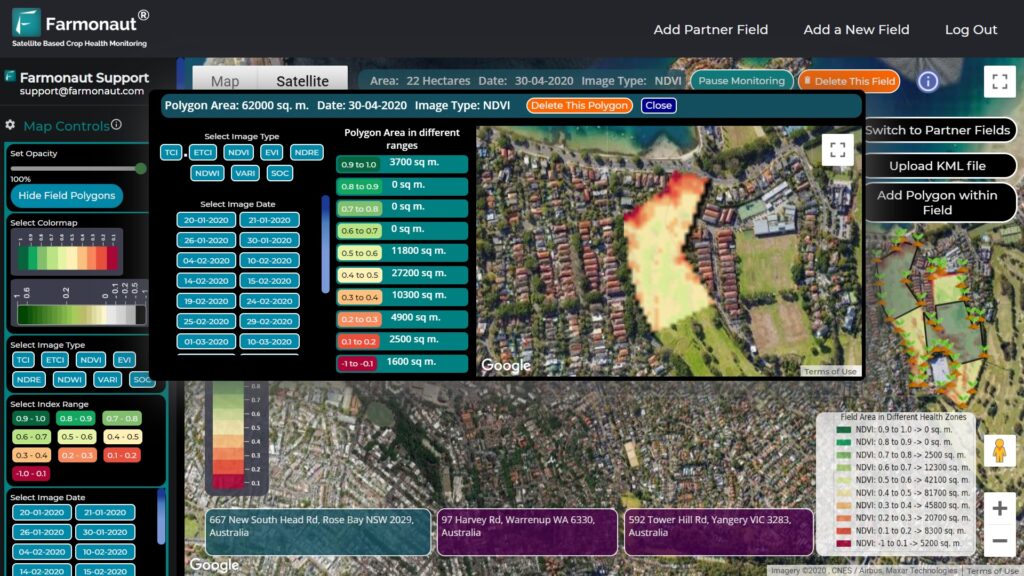
Integrated farm and forest management using high-frequency satellite monitoring (like Farmonaut’s real-time NDVI and soil health analytics) can help you track the impact of indigenous practices—empowering prompt, data-backed decisions for improved sustainability.
Learn more about Farmonaut’s Carbon Footprinting & Environmental Tracking →
Blending Indigenous Knowledge and Contemporary Land Management Systems
Incorporating indigenous land management into modern frameworks offers a path towards resilient, regenerative land stewardship for 2026 and beyond. This integration is facilitated by emerging technologies and data-driven solutions.
- Remote sensing and GIS enable precise mapping of land use, habitats, soil health, and ecosystem change.
- AI-based advisory systems (like Farmonaut’s Jeevn AI) analyze climate, satellite, and field data for ongoing improvement.
- Blockchain-based traceability provides transparent proof of sustainable sourcing and forest/agriculture product origins—critical for compliance and consumer trust.
Explore Farmonaut Traceability Solutions → - Environmental impact monitoring, such as carbon footprint assessment, helps ensure land management aligns with sustainability targets.

Key Benefits of Indigenous Land Management Integration in 2026
- ✔ Boosts food security via resilient polycultures
- 📊 Maintains biodiversity—critical habitat preservation
- ⚡ Mitigates climate vulnerability through holistic resource cycles
- 🌱 Reduces soil loss via cover crops and forest cover
- 🔗 Strengthens community stewardship and land tenure

How We at Farmonaut Empower Regenerative Land Management
At Farmonaut, we are committed to supporting and revitalizing sustainable land management practices globally. Our satellite-based monitoring, AI-powered analytics, and blockchain solutions:
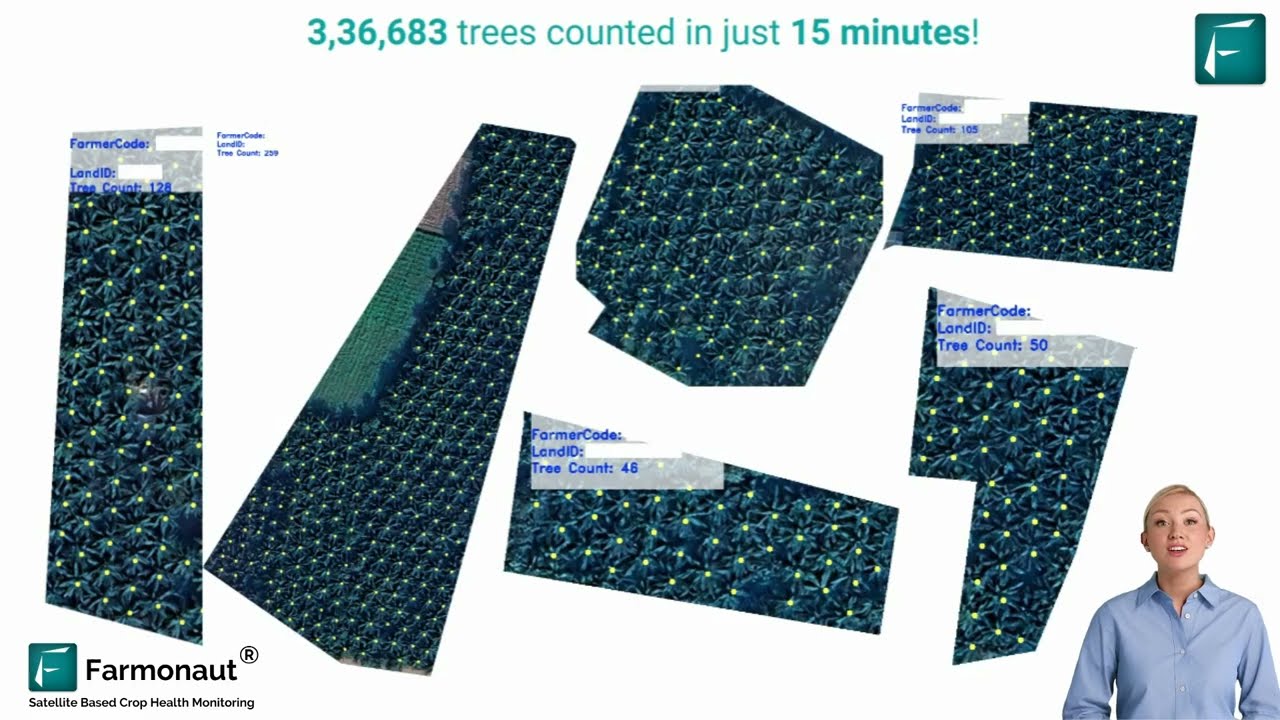
- Empower farmers, forest stewards, and indigenous communities to monitor crop health, forest condition, and soil resources in real time
- Deliver advisory recommendations aligned with both traditional and modern sustainability goals
- Facilitate large-scale farm and land management—from plot-level monitoring to regional ecosystem health
- Offer environmental impact tools for carbon accounting, supply chain traceability, and sustainable mining & infrastructure resource use
- Provide fleet and resource management tools to minimize operational footprint and boost logistical efficiency
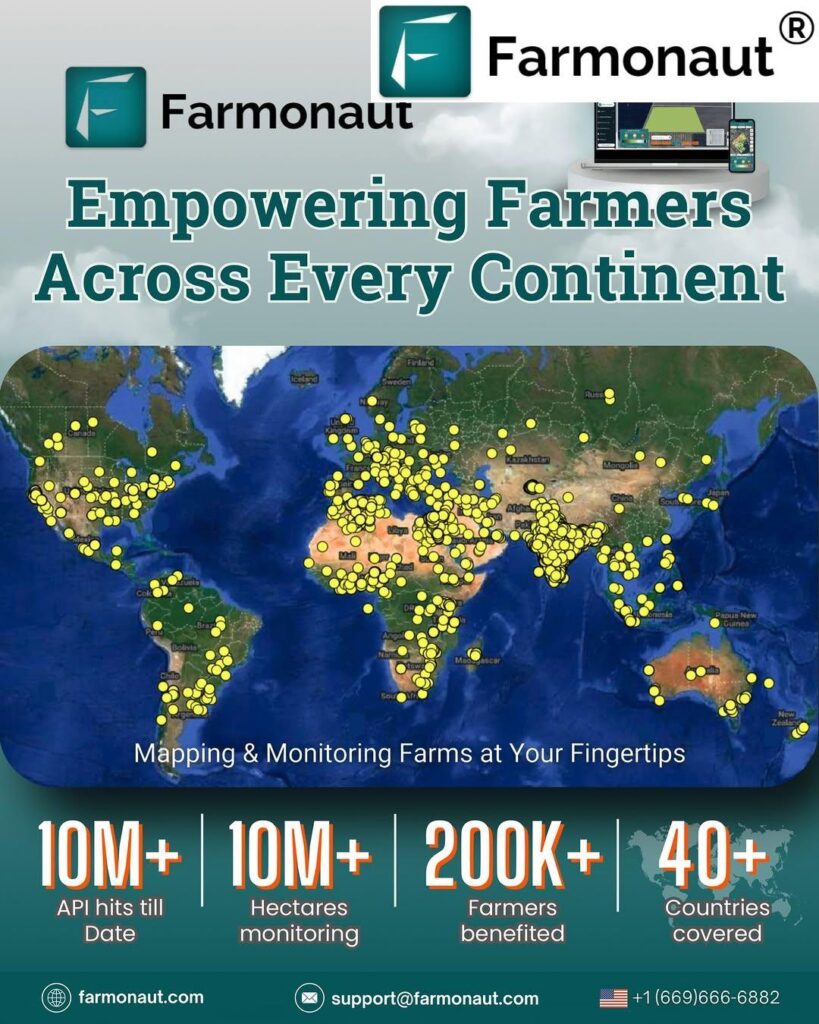
Our platform is available across web, Android, and iOS apps, making these advanced tools accessible and scalable for users worldwide. We also provide a robust API interface and extended developer documentation—helping governments, businesses, and communities integrate satellite-driven insights into their land management frameworks.

Investor Note 💼
As we shift towards net-zero initiatives in 2026, demand for carbon footprinting, regenerative agriculture, and supply chain traceability—especially on indigenous lands—is surging. Leveraging robust monitoring tools like Farmonaut gives you a sustainable edge in environmental reporting and investment compliance.
5 Ways Farmonaut Adds Value to Indigenous Land Management
- 🌍 Affordable, scalable satellite insights for huge, remote landscapes
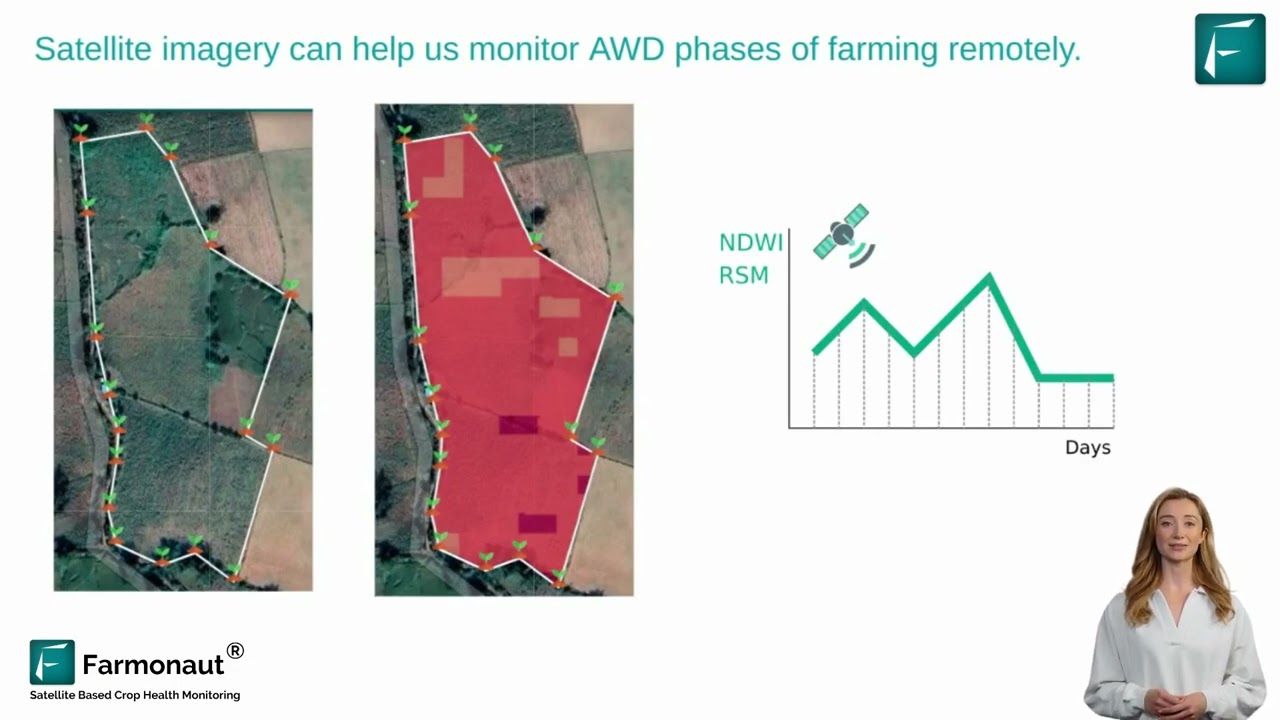
- 🛰 Crop, soil, and forest health tracking for community-driven conservation
- 🔒 Blockchain-based traceability—consumer trust for sustainable products
- 🚜 Fleet/resource management—minimizing waste, maximizing impact
- 📈 API integration—custom solutions for precision land management
Data Insight 📊
Indigenous-managed forests outperform state or private concessions in both biodiversity and carbon storage—sometimes storing up to 30% more carbon per hectare.
Common Mistake 🚫
Overlooking the cultural context and community input can undermine even well-intentioned sustainability programs. Always ensure the integration of indigenous knowledge with contemporary technology is equitable, participatory, and transparent.
Farmonaut Subscription & Pricing
Curious how Farmonaut’s scalable subscription platform can enhance your sustainable land management and resource monitoring? Explore our flexible pricing below:
Challenges and Future Opportunities in Indigenous Land Stewardship
Despite decades of success, indigenous land management faces mounting challenges—including land dispossession, extractive resource industries, infrastructure development, and climate-related disasters.
- Encroachment by large-scale agriculture, mining, and infrastructure can marginalize indigenous communities and disrupt traditional methods.
- Lack of secure land tenure and insufficient policy representation hold back full-scale implementation of time-tested frameworks.
- Knowledge gaps between traditional and modern science sometimes delay policy momentum.
However, future opportunities abound. Strategies for 2026 should prioritize inclusive governance, respect for sovereignty, and the enabling of indigenous-led monitoring and land management with advanced technology.
- Indigenous knowledge systems offer invaluable blueprints for ecological restoration and sustainable land use worldwide.
- Modern technology—like Farmonaut’s satellite insights—can enhance, not replace, these frameworks.
- Legal and financial structures must support community-led stewardship and protect indigenous land rights for tangible, long-term ecosystem gains.
- Combining traditional wisdom and real-time data yields optimal food security, biodiversity, and climate adaptation results.
- A thriving future depends on equitable collaboration, respect, and continuous learning.
Key Insights & Callouts
- ✔ Restoration of degraded landscapes: Indigenous land management frameworks rehabilitate soil, enhance biodiversity, and improve water cycles.
- 📊 Data insight: Integrating AI and satellite monitoring can tangibly measure improvements in ecosystem health and resilience.
- ⚠ Risk or limitation: Disregarding the social and cultural context can reduce program acceptance and effectiveness.
- 💼 Investor note: Companies adopting indigenous-informed sustainable supply chains are better positioned for future environmental standards and investment returns.
- 💡 Pro tip: Combine the best of both worlds: traditional wisdom and high-resolution, real-time data (tap into Farmonaut’s robust APIs for customized solutions).
Frequently Asked Questions (FAQ)
-
What is indigenous land management?
Indigenous land management refers to the traditional knowledge, systems, and practices used by Indigenous peoples to manage, conserve, and sustain their lands and resources. -
How do traditional practices support biodiversity?
Indigenous techniques promote habitat diversity, maintain genetic reservoirs, and support multiple species by mimicking natural cycles such as controlled burning, polyculture cropping, and agroforestry. -
What is the role of technology in indigenous frameworks today?
Satellite, AI, and blockchain solutions (like those offered by Farmonaut) enhance the monitoring, measurement, and global scalability of indigenous-inspired regenerative approaches. -
Are these traditional practices applicable outside indigenous lands?
While rooted locally, core principles such as soil regeneration, water conservation, and ecosystem balance are globally adaptable. Cultural engagement and context-specific adaptation are key to success. -
How do I start integrating satellite insights into my land management plan?
Use Farmonaut’s web or mobile app for monitoring and subscribe to our API for deeper integration into your own management systems.
Conclusion: Revitalizing Indigenous Land Management for a Resilient Future
The lessons of indigenous land management are more relevant than ever as we face intensifying climate disruptions, biodiversity loss, and soil degradation in 2026 and beyond. Time-tested ecological stewardship, combined with modern data-driven insights, offers a compelling path forward for sustainable agriculture and forestry—benefiting people, communities, and the planet.
At Farmonaut, we are dedicated to making satellite-driven insights accessible and actionable—enabling organizations, governments, and communities worldwide to integrate traditional frameworks with cutting-edge technology for thriving, resilient landscapes.
Ready to take your sustainable land management to the next level?
Browse the Farmonaut API for tailored satellite data solutions. Need developer support? Check our API Developer Documentation.
Together, by revitalizing indigenous knowledge and integrating smart technologies, we can secure food security, ecosystem stability, and a sustainable future for generations to come.