Hydraulic Sprayer: Boost Crop Efficiency in 2026
Table of Contents
- Quick Trivia
- Introduction to Hydraulic Sprayers in Modern Agriculture
- What is a Hydraulic Sprayer?
- Hydraulic Sprayer Technology: Key Advancements in 2026
- Key Tech Advancements in Hydraulic Sprayers (2024 vs. 2026 Estimates)
- Enhancing Efficiency & Sustainability in Modern Crop Management
- Farmonaut Insights: Maximizing Sprayer Potential with Satellite Data
- Hydraulic Sprayers: Applications, Control, and Best Practices
- FAQ: Hydraulic Sprayer Technology
- Conclusion: The Future of Hydraulic Sprayers in Agriculture
- Key Callouts & Pro Tips
- Farmonaut Subscriptions & App Links
Hydraulic Sprayers in Modern Agriculture: Enhancing Efficiency and Sustainability in 2026
In the vibrant, dynamic realm of modern agriculture, technology and sustainability are rewriting the rulebook for crop management success. Among the most pivotal tools now transforming the landscape is the hydraulic sprayer. As the global demand for food continues to escalate amidst climatic challenges, there is growing pressure to embrace innovative, efficient, and sustainable farming practices.
By 2026, hydraulic sprayers are predicted to become integral in crop protection programs. They promise unmatched efficiency, precision, and environmental responsibility—addressing both present and future agricultural needs.
This comprehensive guide examines how hydraulic sprayer technology has evolved, the sophisticated advancements propelling its adoption, and how platforms like Farmonaut, with satellite data integration, empower farmers to make smarter, more sustainable decisions than ever before.

What is a Hydraulic Sprayer?
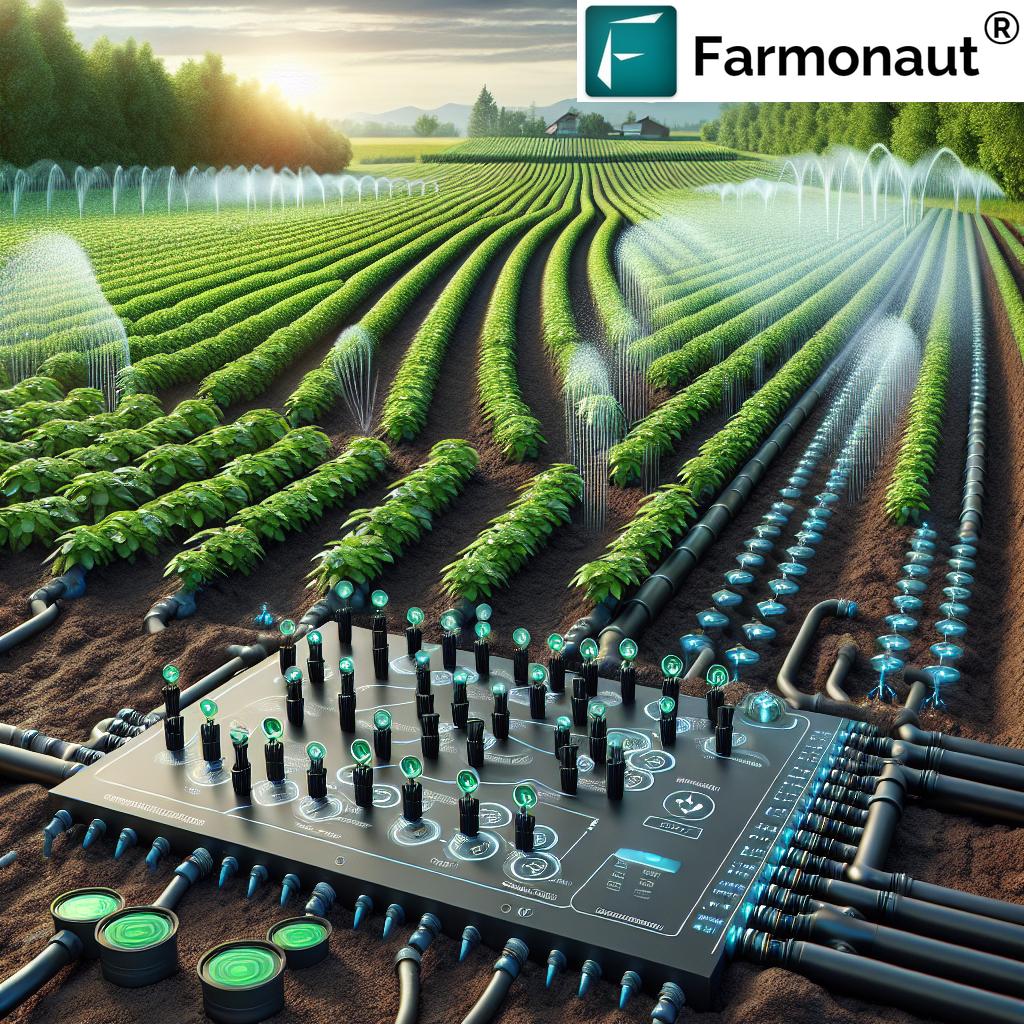
A hydraulic sprayer is a device engineered to atomize and distribute liquids-primarily pesticides, fertilizers, or herbicides-across agricultural fields. Unlike rudimentary spray mechanisms, these systems rely on hydraulic pressure to finely control the flow and droplet size, delivering far more than basic mechanical coverage.
- System Components: Pump, pressure regulator, nozzles, hydraulic power source (often connected to tractors or automated platforms).
- Functionality: Utilizes hydraulic dynamics to atomize and uniformly distribute the liquid input.
- Precision: Permits tight control over spray rate, pressure, droplet size, and distribution uniformity—lead to less waste and enhanced efficacy.
The result is a markedly more sophisticated device—one that is finely tuned for variable, data-driven applications, supporting precision farming at scale.

Hydraulic Sprayer Technology: Key Advancements in 2026
The hydraulic sprayer is no longer just a basic mechanical device. With the integration of smart technology, fluid dynamics, automation, and digital management tools, sprayers are propelling efficiency and sustainability in 2026.
- ✔ Variable Rate Technology (VRT): Enables site-specific application, adjusting spray rate based on crop health, soil variability, and real-time sensor data.
- ✔ Advanced Nozzle Designs: Optimal droplet sizes minimize chemical drift and waste, leveraging air induction for superior atomization.
- ✔ Automation & Integration: Remote control, IoT monitoring, and software-driven automation enhance safety, labor efficiency, and input optimization.
- ✔ Hydraulic-Powered Precision Controls: Dynamic flow and pressure adjustments enable uniform applications over diverse field conditions.
- ✔ IoT and AI-Driven Spraying Platforms: Autonomous, data-rich spraying with adaptive intelligence for real-time adjustments and documentation.
- ✔ Eco-Friendly Fluids & Pumps: Reducing environmental impact and enhancing energy efficiency in spraying operations.

The integration of these technological advancements in hydraulic systems is driving the future of agriculture. By adopting these innovations, farmers are not only reducing chemical waste—but also enhancing crop protection, increasing yields, and reducing environmental impacts.

Key Tech Advancements in Hydraulic Sprayers (2024 vs. 2026 Estimates)
| Technology Feature | 2024 Estimated Performance | 2026 Estimated Performance | Impact on Efficiency/Sustainability |
|---|---|---|---|
| Nozzle Design | Standard, single pattern; limited drift control | Multi-pattern, air induction; dynamic drift reduction | Up to 35% less chemical drift; improved coverage consistency |
| Automation & Control | Manual or basic electronic controls; limited integration | AI-IoT enabled, remote & autonomous regulation | 40% lower labor, faster setup, real-time adaptability |
| Chemical Efficiency | Average application uniformity; moderate waste | Targeted, variable-rate applications via VRT | Reduce input waste by 30%; cut costs, boost yields |
| Precision Application | Field-wide uniform rate; limited data sources | Real-time, sensor-based zone management | Increase effective coverage by 28%; lessen environmental impact |
| Environmental Monitoring | Manual scouting; spot checks only | Integrated remote sensing (satellite/AI platform) | Enable predictive spraying, compliance, and sustainable practices |
| Energy Efficiency | Conventional hydraulic pumps; medium load | Eco-fluid & smart-pump tech; reduced power draw | 20%+ energy savings; lower carbon footprint |
Enhancing Efficiency & Sustainability in Modern Crop Management
Adopting hydraulic sprayers profoundly benefits modern farming operations. Here’s a quick breakdown of how these systems optimize input use, reduce waste, and support environmental protection in 2026:
- 🌱 Up to 30% less pesticide/fertilizer waste via precise, targeted application
- 💰 Lower input costs per hectare due to improved uniformity and real-time regulation
- 🌎 Sustainable spraying practices that help protect soil, water, and beneficial insects
- 🚜 Reduced operator risk through automation and remote control
- 🔄 Versatility across diverse crops and terrains: from row crops to orchards and specialty fields
- ⚡ Dynamic Control: On-the-fly rate/pressure adjustments reduce over-application and drift.
- 📊 Data Insight: Digital logs enable evidence-based management decisions.
- 🧑🌾 Labor Optimization: Operators can monitor multiple sprayers from a single platform—minimizing exposure and fatigue.
- 📈 Yield Boosting: Accurate, uniform spraying enhances crop health and output.
- ⚠ Risk Reduction: Predictive maintenance and digital alerts head off system failures before they result in costly downtime.

Farmonaut Insights: Maximizing Sprayer Potential with Satellite Data
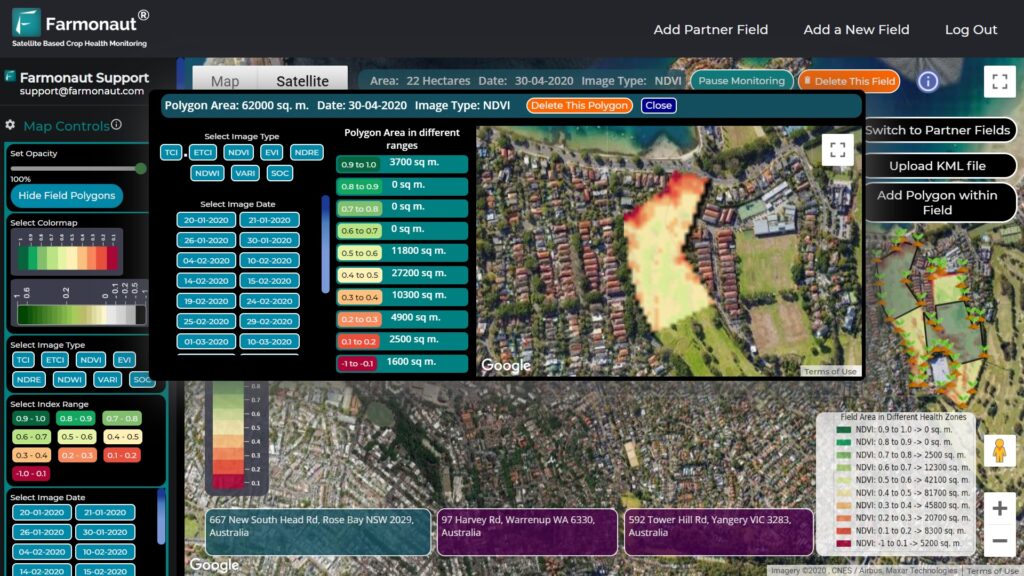
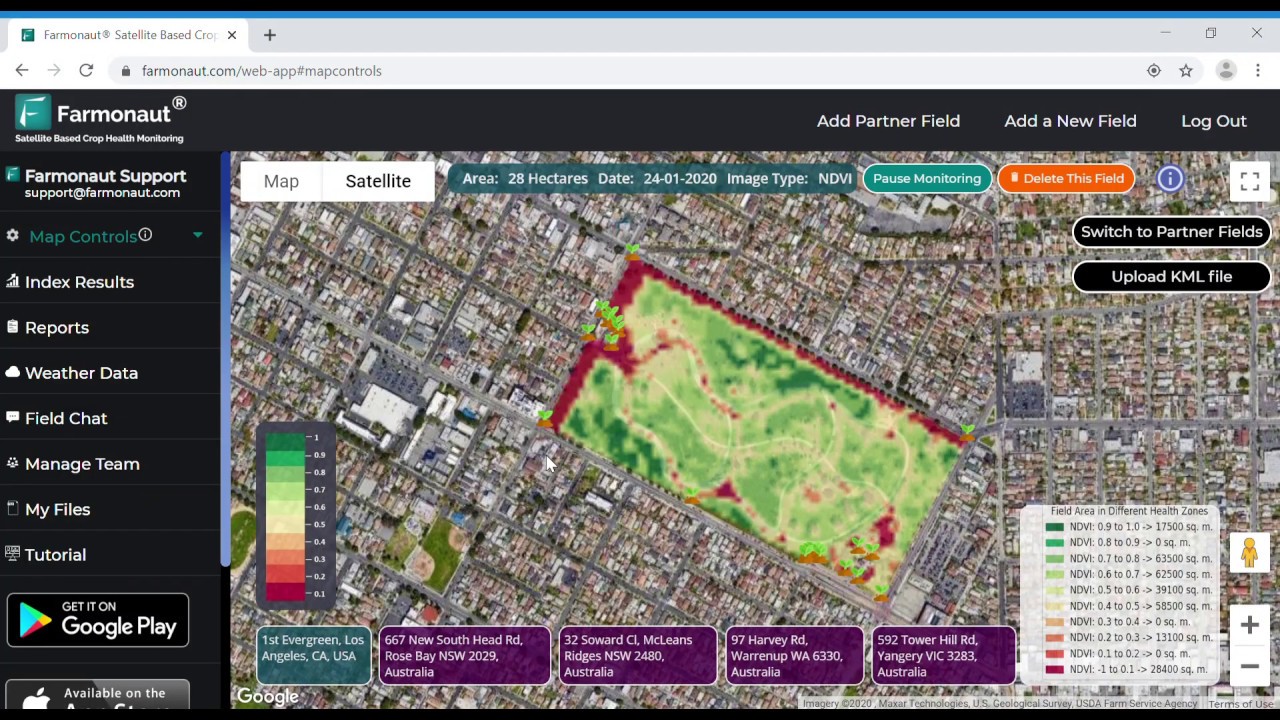
At Farmonaut, we empower farmers, agribusinesses, and governments with real-time, satellite-derived data and AI analytics. These innovations seamlessly integrate with hydraulic sprayer platforms to ensure every application aligns with actual crop health and soil conditions.
Our platform delivers:
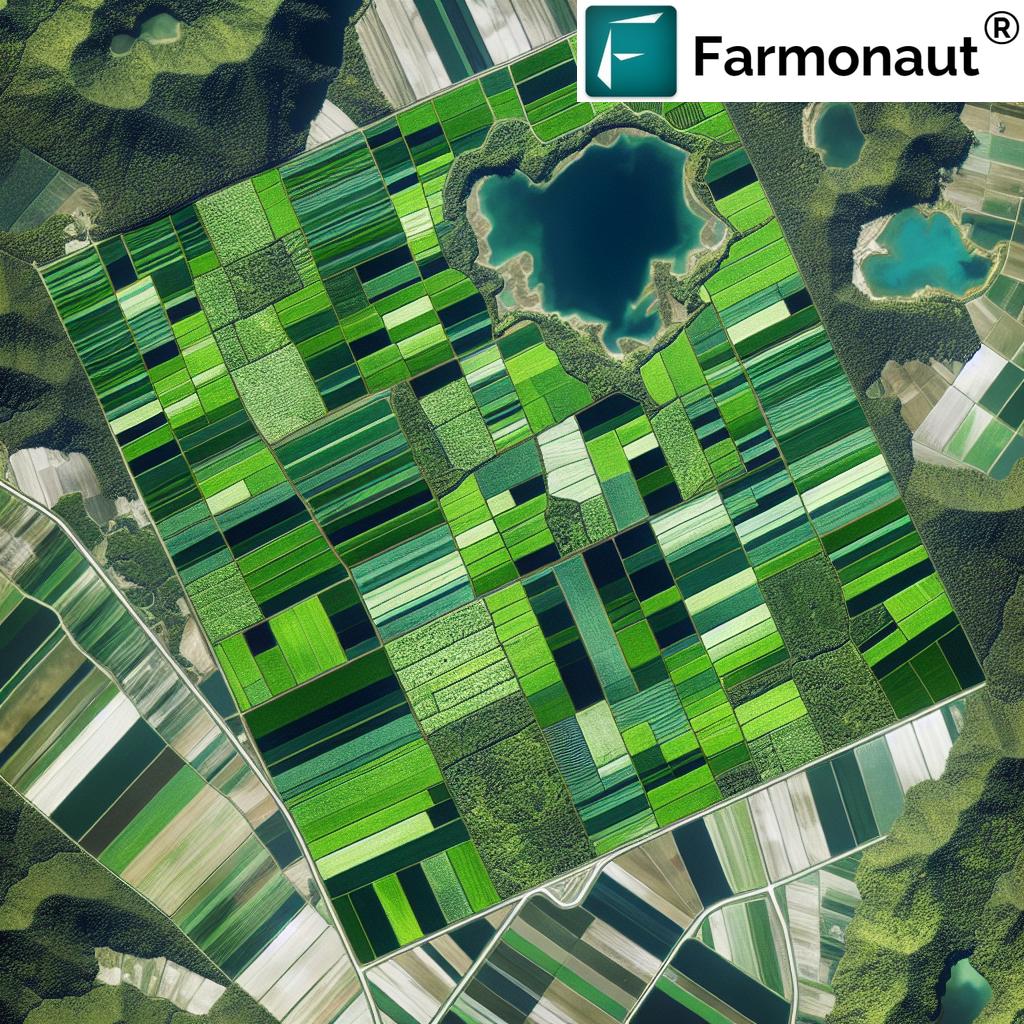
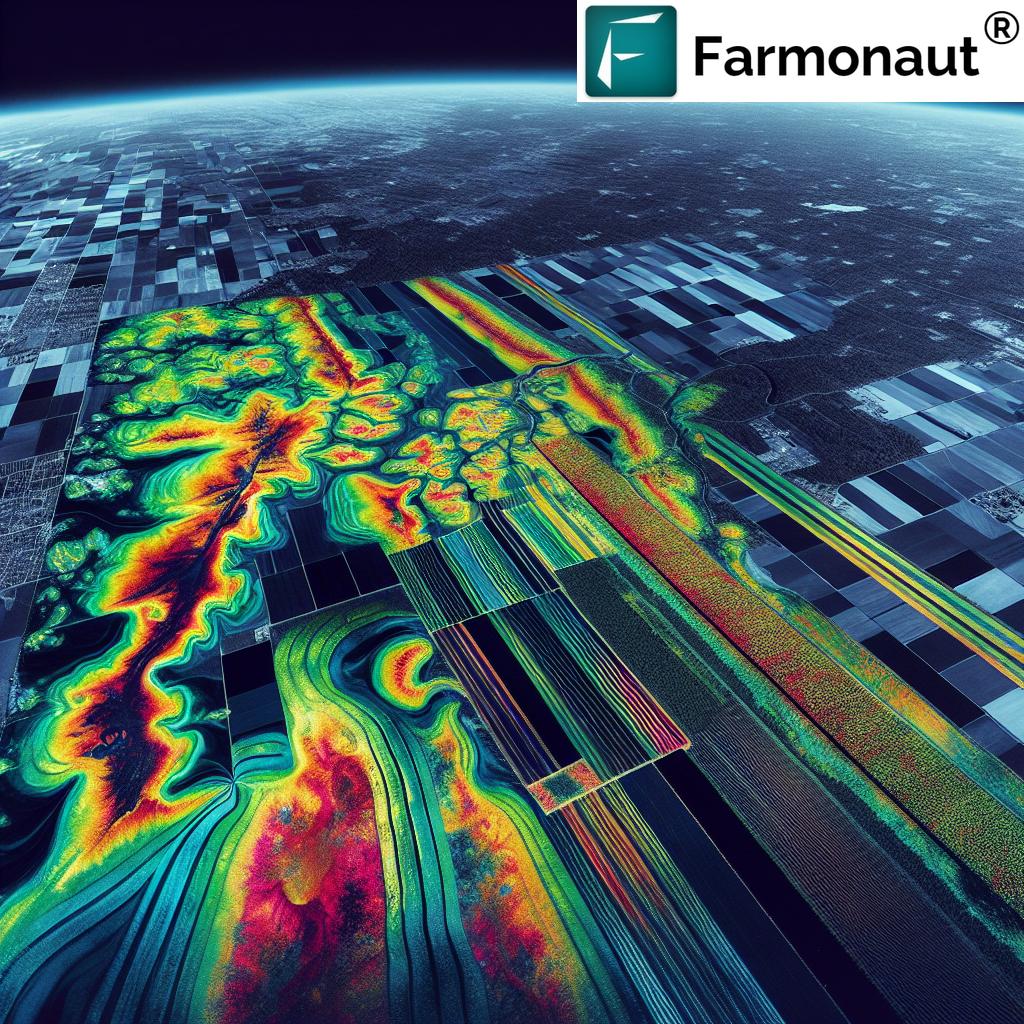
- 🌐 Satellite-based vegetative monitoring (NDVI), enabling predictive, zone-specific spraying
- 🧠 Jeevn AI-driven recommendations for optimal input timing and rate based on weather and crop stress data
- 🔗 Blockchain-powered traceability—creating verifiable digital spray records for compliance and sustainability goals
- 📱 Mobile & API access for deploying insights directly into modern hydraulic sprayer systems
Benefits for Farmers in 2026:
- 📈 Optimize input use and reduce waste by connecting real-world data with hydraulic sprayer automation
- 🌱 Improve yields through adaptive, evidence-driven application strategies
- 🚩 Ensure safety and accountability with automated documentation and traceability tools

Farmers or businesses interested in integrating satellite analytics with hydraulic sprayer systems can track and manage their farm carbon footprint—enabling compliance, market access, and sustainability reporting.
For larger operators and institutions pursuing fleet efficiency in spraying operations, Farmonaut’s fleet management solution (see Fleet Management here) is a powerful way to monitor assets and optimize logistics—all via satellite and mobile.
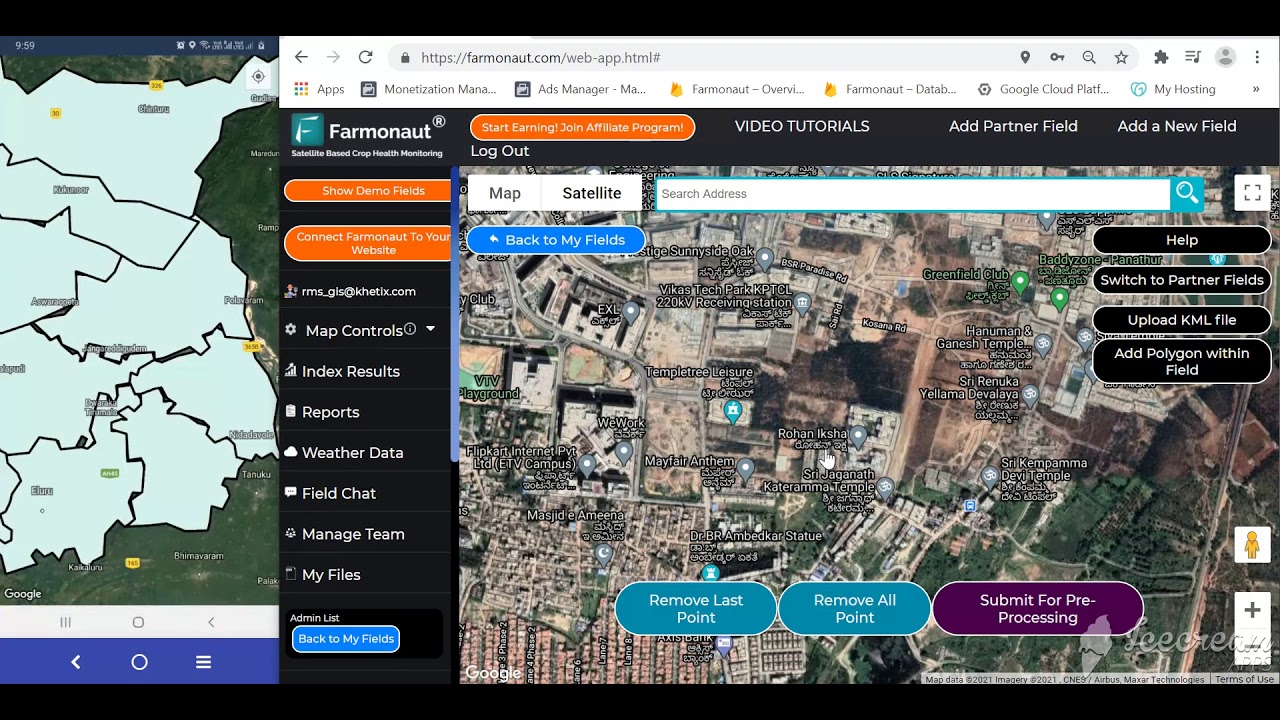
Want to get started?



API Integration: Integrate Farmonaut data in your hydraulic spraying workflow with our robust API and Developer Docs.
Hydraulic Sprayers: Applications, Control, and Best Practices
Practical Applications in 2026
- 🦠 Disease and pest management: Applying pesticides precisely when and where needed using real-time crop data
- 🥕 Fertilization and micronutrient foliar feeds: Localized and custom rates for different crop zones
- 🌾 Pre-emergent and post-emergent herbicide use: Controlled to reduce runoff and drift, protecting neighboring ecosystems
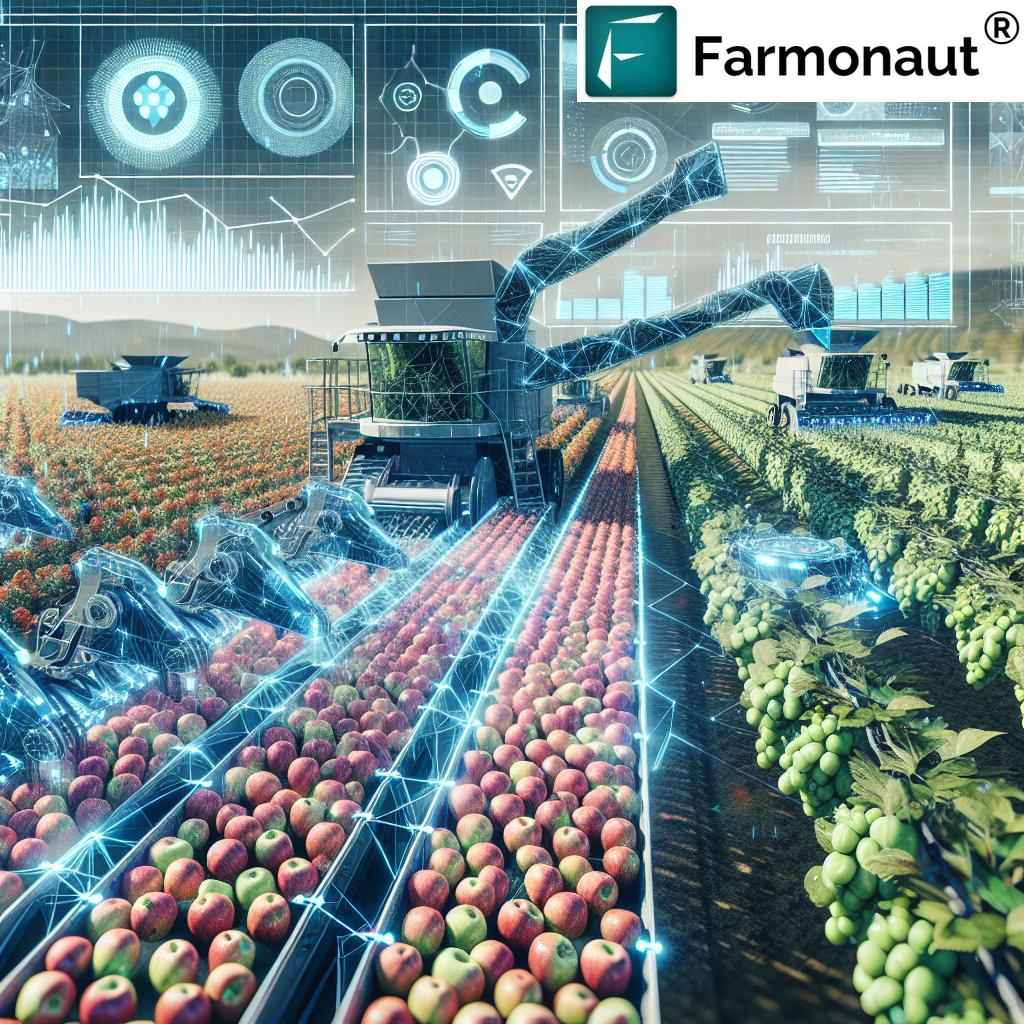
- 🚜 Specialty spraying: Orchards, vineyards, and irregular fields benefit from dynamic pressure modulation and sensor-guided applications
Best Practices for Maximizing Sprayer Efficiency
- Regular system maintenance to ensure pump, nozzles, and valves perform optimally;
- Calibrate nozzle patterns and spray rates at regular intervals, factoring in real-time satellite-driven insights;
- Leverage field mapping and crop health data for zone-specific automation and input control;
- Adopt predictive maintenance tools, reducing costly downtime and field failures;
- Continuously educate operators on digital technologies and safety protocols for reduced labor demands.
Challenges Ahead for Hydraulic Sprayers
- ⚠ Upfront System Cost: Advanced sprayers are an initial investment, but cost-of-ownership drops rapidly as input and labor savings accumulate.
- 🚧 Operator Training: Sophisticated automation and digital control modules demand upskilling and ongoing support.
- 🔗 Data Integration Complexity: Seamless linking between satellite platforms (like Farmonaut) and machine automation requires robust, API-driven solutions.
- 🌱 Environmental Stewardship: Regulatory compliance is increasingly tied to digital spray documentation and environmental impact analysis.
- 🌍 Scalability for Smallholders: As technology matures, cooperative models, financing options, and low-cost alternatives can help democratize access for farms of all scales.
Want to unlock the full advantages for plantations and large farming operations? Explore Farmonaut Large Scale Farm Management and enjoy seamless integration of satellite, AI, and hydraulic spraying insights.
Frequently Asked Questions: Hydraulic Sprayer Technology
What are the primary benefits of using a modern hydraulic sprayer in 2026?
Modern hydraulic sprayers improve input efficiency, lower costs by reducing chemical waste, enhance yield through optimized coverage, and support sustainable practices by minimizing drift and environmental impact.
How does variable rate technology work with hydraulic sprayers?
VRT integrates satellite or sensor data with sprayer controls, adjusting spray rates dynamically based on field zone requirements. This ensures inputs are only applied where needed, further reducing costs and environmental risk.
What should I look for when upgrading to a new hydraulic sprayer?
Key features include advanced nozzle options, pressure regulation, automation capability, GPS/VRT integration, support for sensor/AI data, and compatibility with digital traceability and management platforms.
Are there eco-friendly hydraulic systems for sprayers now available?
Yes, leading manufacturers and technology partners are developing low-impact hydraulic fluids and energy-efficient pumps, aligning sprayer operations with carbon reduction and sustainability goals.
How can small-scale farmers access these technologies affordably?
With growing adoption, cooperative models, leasing, and integration with platforms like Farmonaut are reducing barriers. Subscriptions and support services help make advanced sprayer insights accessible to farms of all sizes.
Conclusion: The Future of Hydraulic Sprayers in Agriculture
As agriculture evolves to meet growing food needs and environmental responsibilities in 2026 and beyond, hydraulic sprayer technology stands at the heart of this transformation. Technological advancements—driven by automation, artificial intelligence, precision nozzles, and data integration—are empowering farmers to achieve new heights in efficiency, sustainability, and yield potential.
Platforms such as Farmonaut amplify these gains by providing satellite-based analytics, AI advisories, resource management tools, and blockchain traceability—all critical to unlocking the next wave of smart spraying and crop protection.
Hydraulic sprayers are not just tools—they are the drivers of resilient, data-driven agriculture for 2026 and the future.
Key Callouts & Pro Tips
Farmonaut Subscriptions & Platform Links
Ready to harness satellite intelligence, resource management, traceability, and precision crop advisory for your hydraulic sprayer investments? Learn more and subscribe to Farmonaut:
© 2026 Farmonaut. All rights reserved. For more about Farmonaut’s satellite-driven solutions, visit our website.