Hopper Silo, Cereal Silo: Essential Innovations for 2026
“By 2026, over 70% of new grain storage facilities will utilize advanced hopper and cereal silo designs.”
Table of Contents
- Summary: Hopper and Cereal Silos in Modern Agriculture
- Understanding Hopper Silo, Cereal Silo Technology
- The Evolving Role of Silos in Modern Agriculture for 2025 & Beyond
- Innovations in Silo Design, Materials, and Technology
- Smart Storage Systems: How IoT and Automation Are Transforming Storage
- Silos and the Grain Supply Chain: Boosting Food Security
- Comparative Feature & Innovation Table
- Farmonaut Satellite Solutions for Silo Operations
- Key Callouts
- FAQ: Hopper Silo, Cereal Silo, and Future Storage
- Conclusion: Silo Infrastructure as the Cornerstone of Secure Grain Storage
Summary: Hopper and Cereal Silos—Essential Infrastructure for Modern Agriculture in 2025
In the rapidly evolving landscape of agriculture, choosing the right storage solutions plays a pivotal role in ensuring food security. The hopper silo and cereal silo remain at the core of modern agricultural infrastructure—preserving grain quality, optimizing supply chain efficiency, and minimizing losses. With advancing technology and the integration of smart farming systems, these silos are rapidly becoming highly advanced assets for farmers worldwide. As we move into 2025 and beyond, keeping grain safe from moisture, pests, and variable temperature is more crucial than ever.
Advanced hopper and cereal silo systems, equipped with IoT-based monitoring and automated aeration, can reduce spoilage by up to 30%—directly impacting food security and farmers’ profits in 2025 and the years to come.
Understanding Hopper Silo, Cereal Silo Technology
What is a Hopper Silo?
A hopper silo is a vertical structure primarily characterized by its conical or pyramidal bottom. This ingenious design allows grain and bulk materials to flow downward by gravity, delivering several core benefits:
- ✔ Easy, controlled unloading via the bottom outlet, minimizing manual handling.
- ✔ Reduces labor costs and the risk of spoilage during unloading.
- ✔ Efficient flow of grain, feed preparation, or seed preservation, making them ideal for commercial farms and co-operatives.
- ✔ Minimizes grain handling losses, especially when compared to flat-bottom silos.
How Do Cereal Silos Differ?
A cereal silo specifically refers to storage structures designed for holding cereal grains like wheat, barley, oats, corn, and rice. Beyond basic storage, modern cereal silos typically integrate aeration systems, real-time temperature and moisture controls, and data-driven monitoring tools.
Choosing a hopper silo with integrated sensors and automated fans ensures that the grain remains dry and safe in regions with unpredictable climate patterns—minimizing moisture and condensation issues year-round.
Visual List: Key Features Comparison (Hopper vs. Cereal Silos)
- Bottom Design: Hopper silos = conical/pyramidal; cereal silos = varied
- Purpose: Hopper: discharge & quick turnover; Cereal: long-term storage
- Common Grains: Both handle wheat, barley, oats, corn, rice
- Smart Tech Use: Heavily integrated in the latest cereal silos for quality maintenance
- Batch Handling: Hopper silos excel in multi-batch, multi-grain operations

The Evolving Role of Silos in Modern Agriculture for 2025 & Beyond
In 2025 and moving into 2026, the role of hopper silos and cereal silos has transformed alongside the growing demands of global agricultural systems.
Why does this matter?
- 📊 Data Insight: Up to 20% of global harvested grains are lost post-harvest, often due to poor storage infrastructure.
- 📦 Supply Chain Security: Silos act as crucial buffers—storing surplus production safely between harvest season and market demand.
- ⚡ Operational Efficiency: Hopper silos reduce energy requirements through gravity-fed discharge, optimizing both farm and cooperative operations.
- 🚚 Distribution Flexibility: Silo systems enable farmers to sell when prices are favorable, not just at harvest time.
- 🛡 Food Security: Efficient silos minimize losses, ensuring more food is available for populations facing volatility due to climate patterns and market shifts.
Why Modern Silos Are Indispensable in Agriculture Infrastructure:
- Preserving Quality: Prevents spoilage by allowing precise monitoring of storage conditions
- Minimizing Manual Handling: Gravity-fed hopper silos mean less labor intervention, less risk of contamination
- Reducing Spoilage: Real-time sensor systems catch temperature and moisture anomalies fast
- Supporting Large-Scale Operations: Modular silo design accommodates variety and turnaround speed, vital for large commercial farms and cooperatives
- Sustainable Practices: Integrates with renewable energy, rainwater collection, and advanced insulation materials

Ignoring regular cleaning and real-time data from silo monitoring systems can rapidly offset the advantages of advanced silo design. Schedule maintenance and follow alerts to prevent sudden spoilage.
Did you know? According to FAO studies, improper grain storage methods can account for a massive range of 10% to 20% post-harvest losses globally. Uniform and well-monitored silo system infrastructure is critical as population growth and shifting climate patterns continue to challenge food supply and quality.
Innovations in Silo Design, Materials, and Technology
The leap in hopper silo, cereal silo design from 2024 onwards is both profound and measurable. Let’s break down the core advancements that ensure these vertical structures remain efficient and robust across climates:
- 🛡 Materials: Modern silos use corrosion-resistant steel, polycarbonate/UV-stabilized polymers—enhancing lifespan and operational safety even in extreme climates.
- 🌡 Insulation: Improved wall and roof insulation helps maintain ideal internal temperature, reducing risks from condensation and moisture fluctuations.
- 🛰 Smart Integration: Sensors monitor temperature, humidity, and grain flow 24/7, integrating with remote management software via IoT and mobile apps.
- ☀ Sustainability: Design accommodates solar-powered aeration systems and rainwater catchment, making them eco-friendly and viable in remote, off-grid areas.
With an increasing emphasis on food security and sustainable agriculture, investing in smart and advanced hopper/cereal silo technologies can future-proof agricultural portfolios, especially as over 70% of new storage in 2026 will leverage these features.
What Do These Innovations Mean for Farmers and the Broader Supply Chain?
- Reducing Losses: Automated aeration fans and precision sensors decrease physical and economic losses
- Ensuring Quality: 24/7 monitoring of moisture, pests, and temperature conditions maintains grain quality over extended periods
- Market Flexibility: With real-time insights, farmers store surplus production and sell when prices are high
Hint: For more on leveraging silo automation for better grain management, use Farmonaut’s Large Scale Farm Management Platform—it synergizes satellite monitoring with smart grain storage.
Smart Storage Systems: How IoT and Automation Are Transforming Storage
“Smart silos can reduce post-harvest grain loss by up to 30% through precise environmental control.”
The integration of smart farming technologies into hopper silo, cereal silo systems is already the norm in 2025, and will only intensify by 2026. Here’s how these breakthroughs are revolutionizing post-harvest management:
- ⚙ Automated Aeration: Fans activate in response to real-time temperature and moisture monitoring, ensuring optimal conditions and reduced manual intervention.
- 📱 Remote Mobile Control: Modern silos can be managed from anywhere via smartphone apps—adjust aeration, check grain quality, and trigger maintenance.
- 🌐 IoT Sensor Networks: Every metric (temperature, humidity, grain movement) is logged and managed, preventing hotspots, spoilage, and pest outbreaks.
- 📊 Predictive Analytics: AI analyzes conditions and forecasts optimal sale/rotation times for stored grains based on market and structural data.
- 🔒 Traceability & Blockchain: Data trails ensure transparency, authenticity, and quality across the supply chain.

For those wanting seamless traceability from harvest to distribution, check out Farmonaut’s Blockchain-Based Product Traceability Platform for the most transparent, secure supply chain monitoring.
Automated, sensor-driven grain management is the defining feature of smart cereal and hopper silos in 2025—helping farmers worldwide maintain high-value grain quality until it’s time to market.
For advanced environmental impact monitoring, see Farmonaut’s Carbon Footprinting Product Page. It helps you quantify and reduce the carbon footprint of your agricultural storage and logistics.
Silos and the Grain Supply Chain: Boosting Food Security
Efficient storage via hopper silos and advanced cereal silo infrastructure doesn’t just benefit individual farmers—it fortifies the entire supply chain and enhances regional food security. Here’s how:
- 🔗 Aggregated Bulk Handling: Cooperatives and grain networks can pool resources, making transport to markets and ports more streamlined and profitable.
- 🧪 Quality Control at Scale: Modern silos simplify batch sampling, homogenize storage conditions, and slash spoilage due to pests or humidity spikes.
- 🕒 Stabilized Supply: Grain is released into the market as needed, optimizing prices and keeping food reliably on shelves.
- 🌍 Food Security: Strong infrastructure helps countries reduce imports, boost national reserves, and react to emergencies.
- 🔒 Data-Driven Decisions: With real-time sat-tech monitoring (like Farmonaut’s), every stakeholder can react fast to anomalies or strategic shifts in demand or climate.

For supply chain fleet optimization and real-time resource tracking of your silo sites, Farmonaut’s Fleet Management Tool delivers satellite-enabled logistics mastery—cutting costs, maximizing safety, and enhancing route planning.
Comparative Feature & Innovation Table: Old vs Next-Gen Silos
| Silo Type | Storage Capacity (tons, est.) | Smart Features | Quality Maintenance (Est. Loss Reduction %) |
Efficiency Gains (Est. Labor Savings) |
Food Security Impact (Spoilage Reduction) |
|---|---|---|---|---|---|
| Conventional Grain Silo | 250–5,000 | Minimal: Manual inspection, basic aeration | Up to 10% | Low; High manual labor | Minor: Spoilage often 10%+ |
| Modern Hopper Silo | 100–10,000 | Modular sensor arrays, automated gravity discharge, basic remote monitoring | 15–20% | Moderate; Reduces manual unloading by 50–65% | Moderate: Spoilage typically 5–8% |
| Smart Cereal Silo | 500–15,000 | IoT/AI, real-time aeration, mobile app control, blockchain traceability, climate-adaptive insulation | Up to 30–35% | High; Labor savings exceed 80% | High: Spoilage drops to 2–4% |
Farmonaut Satellite Solutions for Silo Operations
At Farmonaut, we empower the agricultural sector with satellite-driven data intelligence to monitor and maximize silo operations across crop, infrastructure, and environmental layers. Here’s what we bring to the table for modern silo management:
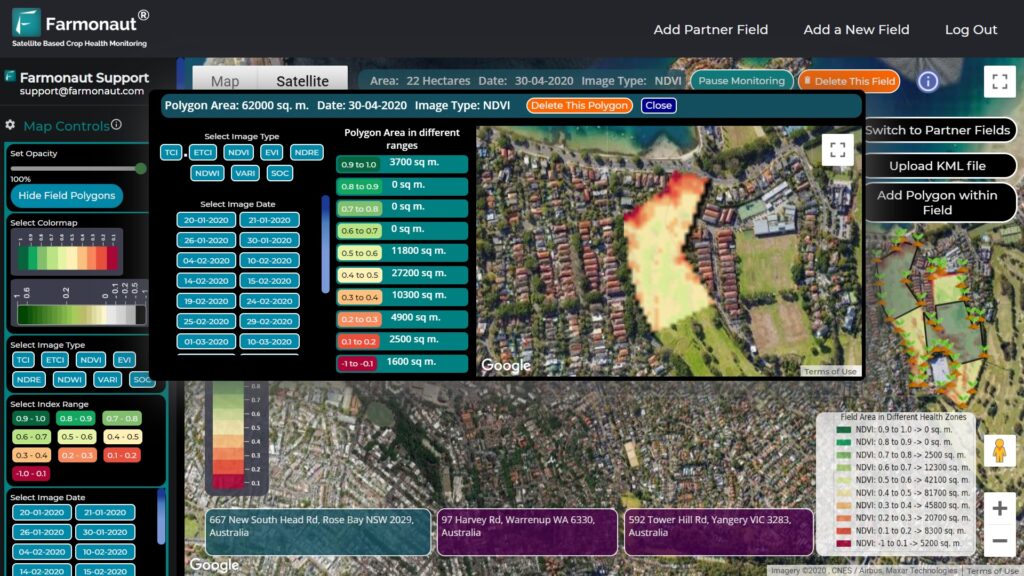
- Real-time crop health and resource monitoring: Our multispectral satellite imagery delivers actionable insights on field yield, moisture, and adjacent infrastructure.
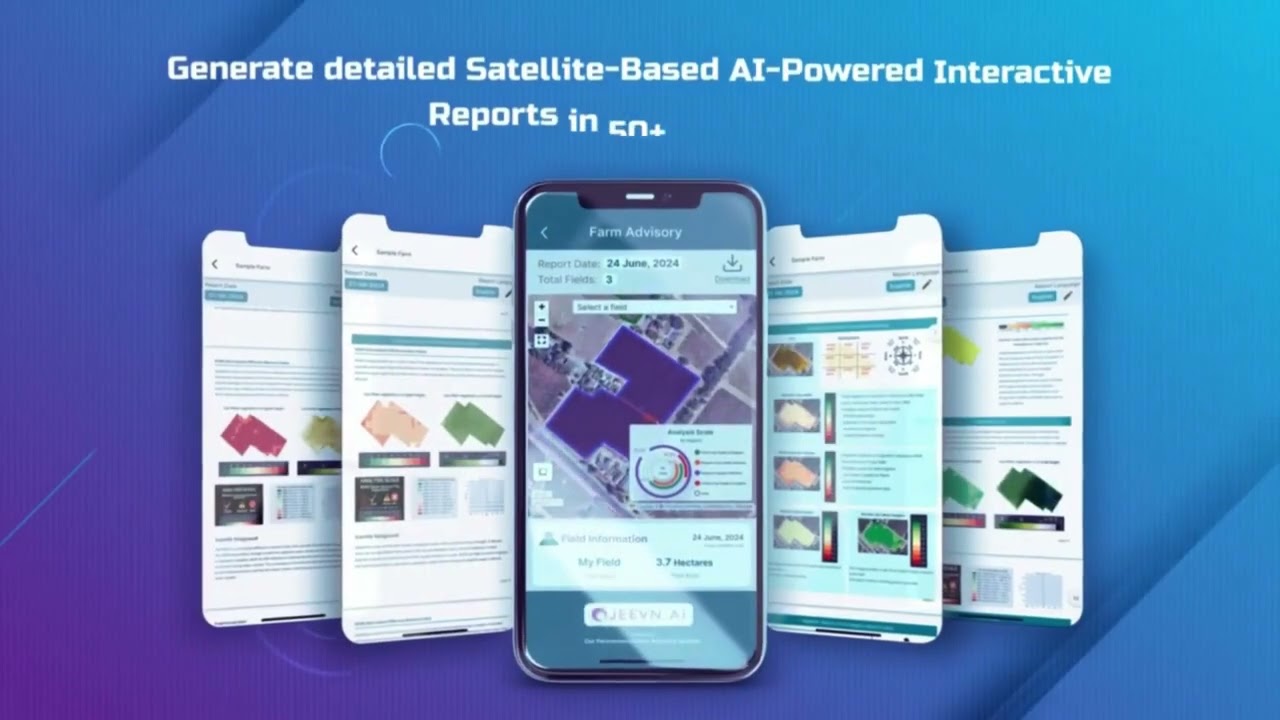
- AI-Based Advisory: Jeevn AI helps automate decision-making—ensuring aeration, unloading, or strategic sales are always timed for maximum gain.
- Blockchain Traceability: With our blockchain-backed platforms, all silo-stored grain is fully traceable—building trust and transparency into your supply chain. Learn more here.
- Fleet & Logistics Management: Satellite tracking of transport and farm machinery cuts costs, boosts safety, and supports compliance. Learn more here.
- Environmental and Carbon Intelligence: Stay compliant and sustainable with our Carbon Footprinting tools.



🌐 Integrate satellite insights via API for fully automated grain management: Farmonaut API | Developer Docs
Callout Highlight Boxes for Silo Investment & Usage
Utilizing real-time geospatial monitoring with Farmonaut’s satellite solutions offers a critical advantage in tracking grain levels, identifying storage anomalies, and aligning field-to-silo logistics with intelligent precision.
Frequently Asked Questions: Hopper Silo, Cereal Silo, and Storage Tech
-
Q: What is the key difference between a hopper silo and a cereal silo?
A hopper silo features a conical or pyramidal bottom for gravity-driven unloading, excelling in quick turnaround and multiple small-batch handling. A cereal silo is optimized for long-term storage of grains like wheat, barley, or corn, often integrating more advanced climate and quality control measures. -
Q: How can a smart silo help reduce grain losses compared to conventional storage?
Smart silos use sensors and automation to control temperature, humidity, and even detect pest outbreaks. This minimizes the risk of spoilage and allows for data-driven decision-making, often reducing losses by 20–30% over traditional designs. -
Q: Are advanced silos more sustainable?
Absolutely. Many advanced silos now utilize solar-powered fans, rainwater collection, and high-durability materials that minimize environmental impact while maintaining optimal storage conditions. -
Q: How does Farmonaut improve my silo operation?
We provide satellite-based monitoring, AI-driven analytics, and blockchain traceability to ensure your storage infrastructure is managed with maximum efficiency, transparency, and sustainability—helping you maintain grain quality and reduce supply chain risks. -
Q: Can I integrate Farmonaut’s services with other software?
Yes. Our APIs are designed for easy integration, allowing you to bring satellite data, AI advisories, and logistics tools directly into your farm management or supply chain platforms. View integration docs here. -
Q: Which Farmonaut products are best for tracking environmental impact or securing loans for advanced silos?
To track your grain operation’s carbon footprint, use our Carbon Footprinting module. For financial verification or crop insurance, see our Crop Loan and Insurance Platform.
Conclusion: Silo Infrastructure as the Cornerstone of Secure Grain Storage
In summary, the hopper silo and cereal silo infrastructure remain essential to solving the ever-growing challenges of global agriculture systems in 2025, 2026, and beyond. Their evolving design—characterized by advanced materials, real-time monitoring, and automated systems—ensures grain quality, supply chain resilience, and regional food security amidst unpredictable climate patterns and market pressures.
As the agricultural world focuses on optimizing efficiency, minimizing losses, and building sustainable practices, investing in smart, scalable silo infrastructure is the surest step toward a profitable and resilient future.
Factory-style bulk storage is no longer enough—advanced hopper silo and cereal silo innovations are the new standards, guaranteeing your grain’s value from harvest through to the consumer’s table.
Ready to revolutionize your storage and farm management? Try Farmonaut’s advanced satellite, AI, and blockchain-powered platforms to keep every batch of grain secure, traceable, and profitable.