Hoop Barns for Sheep: 7 Powerful Benefits for 2026 Farming
“By 2026, hoop barns for sheep can reduce energy use in shelters by up to 30%, promoting sustainability.”
Table of Contents
- Summary: A Sustainable Shelter Solution in Modern Agriculture
- What Are Hoop Barns?
- Relevance of Hoop Barns for Sheep in 2026
- Modern Design & Features of Hoop Barns for Sheep
- Comparative Benefits: Hoop Barns vs. Traditional Barns
- 7 Powerful Benefits of Hoop Barns for Sheep in 2026
- Practical Considerations for Implementing Hoop Barns
- Sustainability & Environmental Impact
- Farmonaut: Advanced Technology for Modern Agriculture
- Quick Callouts & Pro Tips
- Frequently Asked Questions
- Conclusion
Summary: Hoop Barns for Sheep—A Sustainable Shelter Solution in Modern Agriculture
The push for sustainable, resilient, and welfare-centered farming practices shapes our industry’s present and future. In this landscape, hoop barns for sheep have emerged as a critical alternative to raise and protect livestock in climate-adaptive farms. Thanks to their unique design, use of advanced materials, and cost-effective construction, hoop barns are at the forefront of modern sheep husbandry — especially as we approach and move beyond 2026.
In this comprehensive blog, we explore the relevance, features, advantages, and considerations of hoop barns for sheep, empowering farmers to make informed decisions for healthier flocks, greater productivity, and reduced environmental impact.



What Are Hoop Barns?
Hoop barns are semi-cylindrical structures composed of a series of bent metal pipes or trusses covered with sturdy polyethylene fabric or similar durable materials. Originally leveraged for crop storage, these flexible and quickly erected shelters have gained momentum as innovative livestock housing, especially in sheep farming.
- Structure: Comprised of lightweight, weather-resistant steel frames.
- Cover Material: Heavy-duty, UV-protected polyethylene fabric is stretched tightly across the frame.
- Foundation: Often do not require permanent foundations, but stable anchoring is essential.
- Ventilation: Integrated adjustable side panels and end openings facilitate excellent airflow control.
Key characteristics include high adaptability to flock size, rapid installation, cost efficiency, and superior ventilation when compared to many traditional barns or sheds.

Hoop Barns for Sheep: Critical Relevance for 2026 Sheep Farming
As we approach 2026, the need for adaptable, cost-effective, and durable housing solutions has never been greater. Sheep farming faces mounting demands due to unpredictable weather, increasing focus on animal welfare, and the push for sustainable practices.
- Conventional barns can be expensive to build and maintain and typically require permanent foundations.
- Sheep are sensitive to moisture accumulation and poor airflow, leading to respiratory problems, heat stress, and decreased productivity.
- Hoop barns provide critical shelter against rain, wind, snow, and excessive sun, especially in regions experiencing extreme climatic conditions.
- Modern farming systems require flexible, scalable, and environmentally conscious solutions.
With their advanced design, quick construction, and sustainability impact, hoop barns for sheep are an ideal option for the 2025–2026 sheep producer looking to optimize herd health, welfare, and operation economics.
“Hoop barns provide up to 40% better airflow, ensuring healthier sheep and supporting environmentally friendly farming practices.”
Modern Design & Features of Hoop Barns for Sheep (2026 Outlook)
The evolution of hoop barn design is a tale of innovation—incorporating advanced materials, smart ventilation systems, and a drive for sustainability. Let’s explore the state-of-the-art features that make hoop barns optimal for sheep farming in 2026:
Core Structural Features
-
✔ UV-Resistant, Insulated Covers:
- Latest-generation polyethylene fabrics are UV-inhibited and optionally insulated, increasing durability through severe weather conditions.
- Thermal layers improve climate control, keeping the barn cooler in summer and warmer in winter.
-
📊 Modular, Scalable Design:
- Expands/reduces with flock size—perfect for seasonal lambing or scaling operations.
-
⚠ Integrated Ventilation Systems:
- Roll-up sidewalls and adjustable panels ensure optimal airflow control and reduce harmful drafts.
- High-volume, passive natural ventilation.
-
💧 Environmentally Conscious Construction:
- Frames made from recycled steel, and fabric covers are often recyclable.
- Energy-efficient by design; minimal lighting or heating required in mild climates.
Adaptability in the Field
- Terrain Flexibility: Can be installed on uneven or sloped farmland, maximizing land usage.
- Ease of Relocation: Move or adjust as flock management strategies evolve or market demands shift.

Comparative Benefits Table: Hoop Barns vs. Traditional Sheep Barns

7 Powerful Benefits of Hoop Barns for Sheep in 2026
1. Cost Efficiency: Lower Investment, Quicker Returns
- Hoop barns require fewer materials (less steel, concrete, or wood) and leverage lightweight polyethylene fabric covers.
- Farmers save on construction costs — typically 40-60% less than traditional barns.
- Practical Solution: Free up capital for flock expansion or infrastructure upgrades.

2. Flexibility & Scalability: Adaptable Housing for an Evolving Flock
- Modular design allows barns to expand or reduce size as flock numbers fluctuate.
- Hoop barns facilitate fast, cost-effective adjustments for seasonal lambing, shearing, or isolation areas.
- Farmers can react to changing market demands or weather conditions instantly!
3. Improved Animal Health & Welfare: Airflow, Comfort, and Control
- Hoop barns promote natural airflow, reducing heat stress, moisture accumulation, and dangerous dampness.
- Adjustable panels give farmers control over ventilation, ensuring optimal temperature for sheep welfare year-round.
- Reduced respiratory issues maximize flock productivity and minimize veterinary costs.
- Air quality in hoop barns is up to 40% better compared to many traditional barns.
4. Rapid Installation & Mobility
- ✔ Build hoop barns in a matter of days—not months—especially critical when unexpected climatic conditions require urgent shelter solutions.
- 📊 No need for permanent foundations in most cases; suitable for various sites.
- ⚠ Option to relocate or adjust barn orientation as seasonal sun/wind patterns change.
5. Multipurpose Use: Beyond Shelter
- Hoop barns support lambing, shearing, isolation, and even on-farm product storage.
- Seasonal or year-round use adapts to operational shifts and changing flock needs.
- Offers operational versatility unknown to traditional sheep sheds.

6. Low Maintenance & Durability
- 💧 Polyethylene fabric covers are tough, UV-resistant, and easy to replace at low cost.
- 🧰 Steel or aluminum frames require minimal periodic inspection.
- ⚡ Hoop barns for sheep are structurally resilient in snow, rain, and high winds.
7. Environmental & Climate Adaptability: Farming for the Future
- Recycled and recyclable materials reduce environmental footprint.
- Less embodied energy in construction vs. concrete/brick buildings.
- Natural airflow and daylight reduce operational energy needs by up to 30%.
- More robust against climate volatility—adapt quickly to conditions as needed.
For carbon footprint-conscious operations, powering a flock’s hoop barn in 2026 can support sustainable carbon tracking options for compliance and ecosystem management. Explore carbon monitoring tools to benchmark and improve your farming operation’s climate impact!
Key Advantages at a Glance
- 🌱 Eco-friendly
- 💡 Energy-efficient
- 🧩 Modular and Scalable
- 💨 Superior Ventilation
- 🐑 Animal Welfare
Practical Considerations for Implementing Hoop Barns for Sheep
Before construction, be sure to consider these critical factors for successful and sustainable implementation:
- Site Preparation: Ensure well-drained ground to prevent flooding or excessive mud; consider soil compaction if relocating.
- Anchoring: Use high-tensile stakes or screw anchors for wind resistance; periodic inspection is recommended.
- Maintenance: Check panels, doors, and frames for wear; address any small tears in fabric immediately to maintain weather-tightness.
- Biosecurity: Plan cleaning and disinfection routines. Smooth interior covers are easier to wash down, supporting disease control.
- Integration with Digital Tools: Use Farmonaut’s traceability services to track livestock history and movement, which can be aligned with building/relocating barns for optimum biosecurity and marketability.
- 🔧 Check anchors regularly (wind safety)
- 🟢 Choose recyclable materials to support sustainability efforts
- 💧 Inspect drainage—avoid standing water
- 🪟 Adjust ventilation panels with the seasons
- 💻 Leverage digital monitoring tools for flocks

Sustainability & Environmental Impact: A Greener Livestock Shelter Solution
Hoop barns for sheep align naturally with sustainable agriculture goals for 2026:
-
Reduced Carbon Footprint:
- Lower embodied energy in materials and minimal site disruption compared to pouring permanent foundations for traditional barns.
- Greatly reduced CO2e emissions annually—an important factor for eco-certified and regenerative farms.
-
Energy Efficiency:
- Passive heating/ventilation; little to no mechanical climate control needed in moderate zones.
- Smart barn orientation & use of fabric covers optimize both daylight and insulation.
-
Materials Lifecycle:
- Polyethylene and recycled steel parts support low-waste, circular construction models.
-
Wildlife & Soil Impact:
- Temporary nature allows barns to be moved for land restoration (useful in regenerative grazing).
- Minimal concrete—less soil compaction and better percolation.
Farmonaut: Advanced Satellite Technology for Modern Sheep Farming & Facility Management
Farmonaut provides farmers and livestock managers with state-of-the-art satellite-based insights essential for operating hoop barns for sheep and other livestock systems in 2026 and beyond. Our platform delivers:
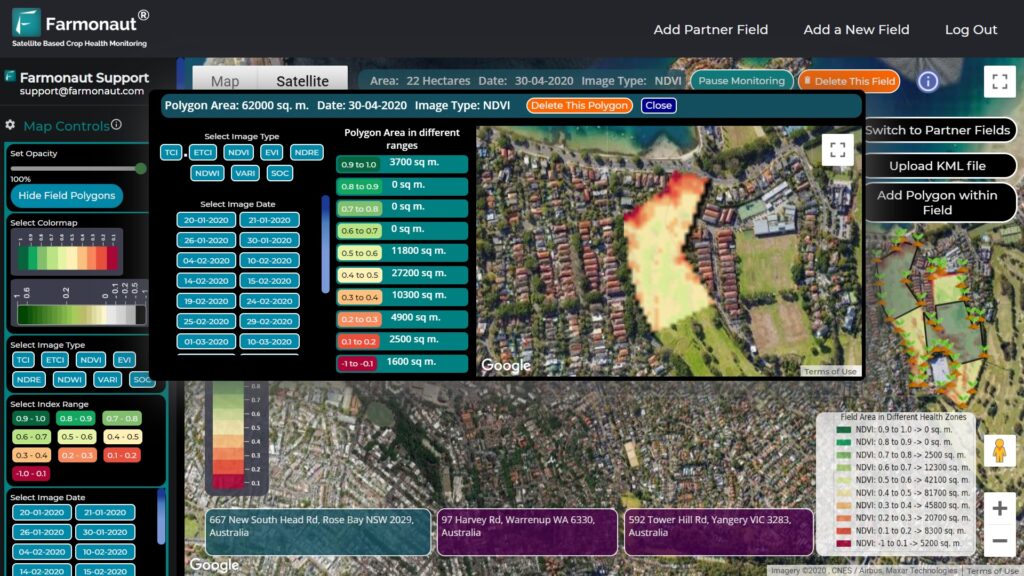
- Real-time field and pasture health checks (NDVI & soil condition analysis).
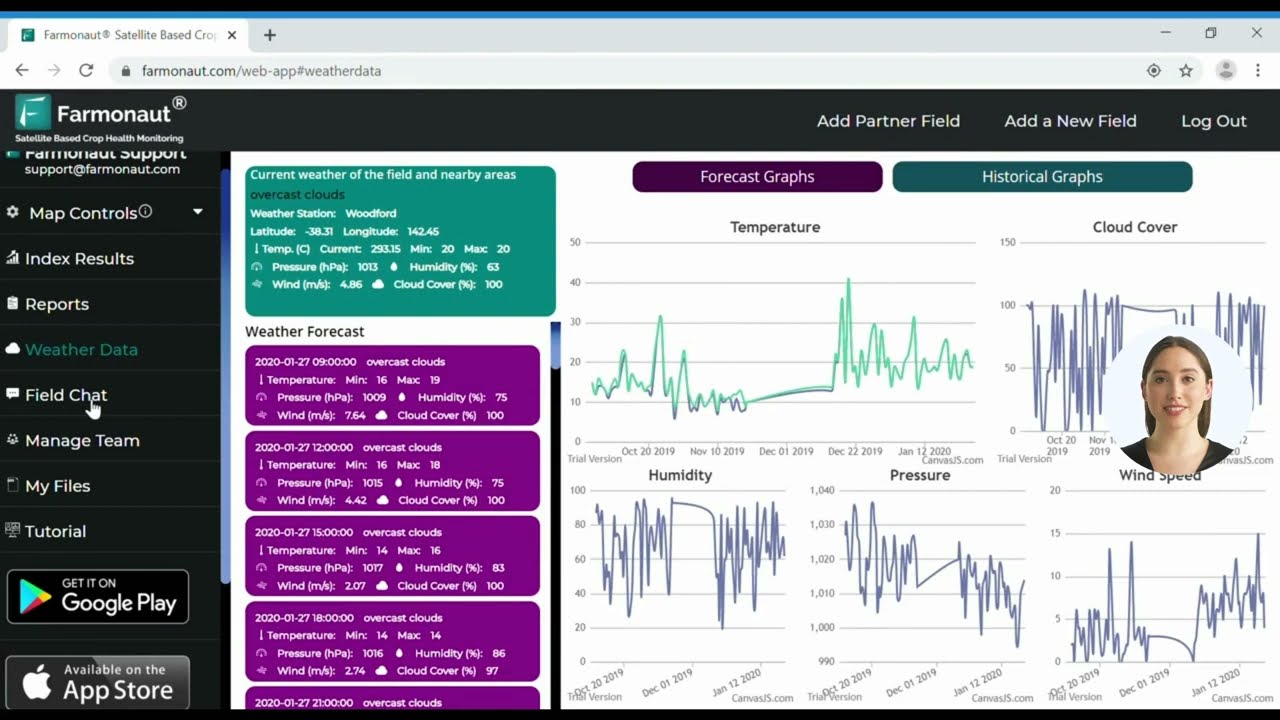
- Weather prediction & AI-based flock advisory to preemptively respond to dangerous climatic swings; integrate with shed management for sheep welfare.
- Blockchain-based traceability of shelter & livestock for improved supply chain transparency; useful for organic/export sheep markets.
Discover blockchain traceability for sheep. - Fleet & Resource Management for on-farm machinery/supplies supporting flock infrastructure—Optimize logistical flow to and from remote barns and fields.
- Carbon Footprinting & environmental monitoring for eco-certifications.
Track and improve your farm’s carbon footprint. - API access for app/data integration: Connect our insights directly to your farm’s management system or barn sensor network.
Farmonaut API & API Developer Docs.
Farmonaut empowers sheep producers to combine digital intelligence with sustainable infrastructure choices—producing healthy flocks, resilient to change, in a greener world.
Affordable Satellite Insights for Every Farm – Get Started
Our mission is to put satellite-driven data into the hands of sheep farmers, small and large. Choose a Farmonaut subscription:
Questions about our tools for farming, fleet, crop health, or livestock management? Chat with us or learn more via the Farmonaut Web App or download for Android and iOS.
Frequently Asked Questions: Hoop Barns for Sheep
-
Are hoop barns for sheep suitable for all climates?
Yes—with modular, insulated covers and adjustable panels, hoop barns are highly adaptable to a wide range of weather conditions. In regions with harsh winters, opt for extra insulation layers and closely monitor ventilation to prevent condensation. -
What is the lifespan of a hoop barn compared to a traditional barn?
Hoop barns typically last 15–25 years depending on fabric upgrades and maintenance; traditional barns may last longer, but costs and environmental impacts are higher. -
How do hoop barns improve sheep health compared to traditional options?
Superior airflow, reduced dampness, and optimal environmental control greatly lower risk of respiratory problems and heat/cold stress, resulting in healthier, more productive flocks. -
Can hoop barns be expanded or relocated?
Absolutely! The modular design allows farmers to expand, reduce, or even move hoop barns with ease as flock size and operational needs evolve. -
Is it easy to integrate biosecurity protocols in hoop barns?
Yes—smooth interiors make cleaning and disinfection straightforward, supporting strict disease control and safeguarding animal welfare. -
Do hoop barns meet sustainability certifications for eco-farming?
They support lower carbon footprints and efficient use of recyclable materials, making them an excellent fit for sustainable and regenerative agriculture certifications. -
How does Farmonaut support hoop barn-based sheep operations?
We provide satellite-based field monitoring, AI-driven farm advisory, traceability, carbon footprint tools, and fleet/resource management—helping optimize shelter operation, flock health, and environmental sustainability.
Quick Callouts & Pro Tips
- ✔ Key Insight: Natural light and airflow in hoop barns boost lamb growth and farm energy efficiency.
- 📊 Data Insight: Hoop barns for sheep are up to 50% less expensive to build and typically reduce annual operation costs.
- ⚠ Risk: Failing to repair fabric punctures quickly can lead to expensive weather damage.
- 💡 Pro Tip: Use smart, sensor-based panels linked to real-time weather to automate barn ventilation adjustments.
- 🔗 Investor Note: Track your barn assets and infrastructure with Farmonaut’s blockchain traceability platform.
Conclusion: Hoop Barns for Sheep—The Future-Proof Shelter for Sustainable Farming in 2026
The era of contemporary sheep farming is marked by growing climate challenges, economic pressures, and evolving standards for animal care. Hoop barns for sheep respond directly to these critical demands: offering a flexible, cost-effective, and durable solution that enhances animal welfare and slashes operational costs. Their advanced materials, ventilation control, and modular design allow for adaptation as market conditions, climate, and flock size shift.
Combined with next-generation farm management solutions—like the satellite, AI, and data-driven tools from Farmonaut—hoop barns for sheep are a proven route to building a sustainable, productive, and profitable farm enterprise for 2026 and beyond.
Take action today: Upgrade your flock’s shelter, enhance their welfare, streamline your operations, and join the movement for eco-friendly, future-ready agriculture!