Genome Editing in Agriculture: 7 Sustainable Solutions
Meta Description: Explore 7 sustainable genome editing solutions in agriculture—boosting crop resilience, yield, and nutritional quality for a secure global food future.
“Genome-edited crops can increase yields by up to 30%, supporting sustainable food supply for a growing global population.”
Table of Contents
- Introduction: The Need for Innovation in Agriculture
- What is Genome Editing in Agriculture?
- 7 Sustainable Genome Editing Solutions
- Comparative Solutions Impact Table
- Regulatory, Ethical & Adoption Perspectives
- Farmonaut: Empowering Sustainable Agriculture with Satellite Tech
- Key Insights, Pro Tips & More
- FAQ: Genome Editing in Agriculture
- Conclusion: Securing a Sustainable Agricultural Future
Introduction: The Need for Innovation in Agriculture
As the global population is projected to surpass 8 billion by 2030, the demand for food production is escalating dramatically, creating urgent challenges for agriculture. Farming, the backbone of food security, faces mounting issues: climate change, soil degradation, frequent pests, and evolving diseases. These stressors can threaten yields and the very sustainability of our food systems, especially as traditional methods struggle to keep up with such unprecedented dynamics.
- Food Security at Risk: Crop failures put millions at risk every year.
- Environmental Pressures: Deforestation, overuse of agrochemicals, and resource depletion threaten both crops and ecosystems.
- Water Scarcity: Irrigation needs for crops compete with drinking water as droughts become more common globally.
- Soil Degradation: Decades of intensive agriculture have reduced soil fertility and biodiversity.
- Yield Stagnation: The Green Revolution gains are plateauing, and new methods are needed for further productivity improvement.
The solution? Genome editing in agriculture—a technological leap that offers efficient, precise, and sustainable crop improvement.

What is Genome Editing in Agriculture?
Genome editing in agriculture refers to a suite of advanced molecular techniques enabling scientists to make targeted modifications to the DNA of plants and other organisms. This revolution is led by powerful tools like CRISPR-Cas9, TALENs, and zinc finger nucleases.
- Precision: Unlike traditional genetic modification (GMOs), editing tweaks the plant’s own genes, often without foreign DNA insertion.
- Speed: Editing accelerates the breeding process, often shaving years off crop development cycles.
- Versatility: Can target single genes or multiple traits—such as disease, drought tolerance, or nutritional improvement—within the same organism.
- Fewer Regulatory Concerns: Many regulatory authorities treat non-insertional genome-edited crops differently from GMOs.
These editing modifications can make crops resilient to environmental stresses, enhance nutritional content, reduce pests and diseases, and even support sustainable resource management. No wonder genome editing is seen as transformative for modern agriculture.
“Over 80% of surveyed scientists agree genome editing accelerates crop resilience against climate change impacts.”

Genome Editing in Agriculture: 7 Sustainable Solutions
Let’s explore the seven primary ways in which genome editing in agriculture is revolutionizing our future food systems. Each solution directly addresses pressing challenges in agriculture, often resulting in powerful environmental and productivity benefits for farmers worldwide.
-
Drought Tolerance Through Genome Editing
Droughts and unpredictable rainfall patterns, exacerbated by climate change, threaten crops in regions that are already water-stressed. By editing genes responsible for water-use efficiency and root architecture, plants can thrive with minimal water—conserving a vital resource and ensuring stable food supplies.
Key Insight 💡: CRISPR-based editing has allowed scientists to make crop roots extend deeper or reduce water loss by closing leaf pores, enabling maize, rice, and wheat to survive extended dry periods.- Reduced Irrigation: Less pressure on depleting water aquifers.
- Stability: Farmers gain yield stability, even in years with mounting climatic stress.
-
Salinity Resistance in Crops
Soil salinity is a major constraint for agriculture in arid regions and areas with poor irrigation practices. Editing specific genes enables plants to exclude or compartmentalize salt, making them more productive on degraded soils.
Common Mistake ⚠: Traditional breeding for salinity resistance is slow and rarely effective across diverse crops, whereas genome editing offers a fast-track by tweaking the key ion transporter genes.- Expanding Arable Land: Marginal, saline soils can now be profitably cultivated.
- Environmental Benefit: Reduces incentive to convert forests into farmland.
-
Enhanced Pest and Disease Resistance
Conventional pesticides often harm the environment and non-target species. Genome editing enables precise disabling of plant genes that pathogens exploit, strengthening innate immunity.
Investor Note 💼: Editing single resistance genes can reduce pesticide use by 30–50% in many key crops, representing a huge sustainable impact and cost saving.- Reduced Chemical Inputs: Less risk of contamination for soil and water systems.
- Biodiversity Conservation: Lower disturbance to beneficial species in agricultural systems.
-
Nutritional Improvement of Staple Crops
Even as food supplies increase, much of the world’s population still faces malnutrition and “hidden hunger.” Genome editing can boost levels of key micronutrients—such as iron, zinc, and vitamin A—by targeting genes involved in nutrient synthesis or storage.
Key Insight 🍽: Editing may produce rice and wheat with up to 50% more zinc and iron, addressing deficiencies for millions in developing regions.- Improved Public Health: Directly targets stunting and anemia.
- Fast Response: Unlike traditional breeding or fortification, nutritional enhancement via editing offers faster deployment in critical regions.
-
Improving Crop Yield and Productivity
With yield plateaus challenging many major cereals, editing genes governing photosynthesis efficiency, grain filling, or canopy structure can dramatically boost productivity.
- Yield Gains: Genome-edited crops can outperform conventional varieties by 20–30% in optimal conditions.
- Resource Use Efficiency: More grain per drop of water, per unit fertilizer input.
- Economic Empowerment: Supports farmers through higher, more reliable incomes.
-
Extended Shelf Life & Quality Improvement
A significant portion of food loss occurs post-harvest—either during storage or transit due to spoilage. Editing specific genes involved in ripening or enzymatic browning can give us tomatoes, bananas, and potatoes that resist bruising and maintain quality longer.
Pro Tip 🚚: Supply chain managers can leverage longer shelf lives for both export and domestic markets; this reduces food waste and enhances food security.- Reduced Waste: Up to 25% less wastage in perishable crops.
- Improved Market Value: Better-looking, longer-lasting produce is favored by consumers and retailers.
-
Abiotic Stress Tolerance Beyond Drought and Salinity
Extreme temperatures (both heat and cold) as well as flood-prone weather events are increasingly prevalent due to climate change. Genome editing can target heat shock proteins or proteins involved in early seedling vigor for resilience across diverse stresses.
Key Insight 🌡: Editing stress-protective genes can maintain up to 80% yield even during years of record-breaking weather events.- Predictable Outcomes: Risk hedging for farmers confronting unpredictable global climate.
- Soil Conservation: More resilient crops mean fewer cycles of replanting and less erosion.

Comparative Solutions Impact Table
| Solution Name | Target Crop(s) | Main Benefit | Estimated Yield Improvement (%) | Reduction in Chemical Inputs (%) | Environmental Impact |
|---|---|---|---|---|---|
| Drought Tolerance | Maize, Wheat, Rice | Water efficiency, survival under drought | 15-25 | 10 | Saves up to 30% water; less pressure on aquifers. |
| Salinity Resistance | Rice, Barley, Coastal Crops | Grows in saline/degraded soils | 10-18 | 10 | Enables use of marginal, saline areas. |
| Pest and Disease Resistance | Wheat, Potato, Fruits | Reduces disease, enhances immunity | 5-15 | 30-50 | Reduces chemical pesticide use—improves biodiversity. |
| Nutritional Enhancement | Rice, Wheat, Cassava | Elevates micronutrient content | 5-10 | 0-5 | Addresses micronutrient deficiencies, improves health. |
| Yield/Photosynthetic Improvement | Cereals, Oilseeds | Boosts yield, photosynthetic efficiency | 20-30 | 5 | Higher output per hectare, more food per land unit. |
| Shelf Life & Quality | Tomato, Banana, Potato | Slower spoilage, higher transportability | 5 | – | Reduces food waste, lowers carbon footprint. |
| Multi-abiotic Stress Tolerance | Rice, Maize, Others | Resilience to extreme weather/fluctuating climate | 10-15 | 10 | Ensures sustainability despite climate change shocks. |
Regulatory, Ethical & Adoption Perspectives
As genome editing in agriculture moves mainstream, regulatory frameworks and public acceptance guide its global progress. Here’s what’s shaping the landscape:
How Genome Editing Differs from Traditional GMOs
- No Foreign DNA: Many edited crops do not contain genes from unrelated organisms, reducing regulatory hurdles and consumer concerns.
- Faster to Market: Edited crops are often eligible for simpler approval processes.
- Labeling: Some regions distinguish between “genome-edited” and “GMO” for food labeling purposes.
- Transparency: Public education and blockchain-based traceability traceability tools support consumer trust.
Ethical Considerations & Opportunities
- Equity: Universal benefits for both large- and smallholder farmers are critical for fair development.
- Safety: New varieties must be rigorously assessed for food and environmental safety worldwide.
- Diversification: Editing is being expanded beyond major grains to underutilized crops and region-specific species for diversified food systems.
- Transparency: Encouraging open science and transparent regulatory processes is key to consumer confidence.
Future Trends: Integrating genome editing with digital agriculture, large-scale satellite monitoring, and real-time analytics will likely define agriculture in 2026 and beyond.

Farmonaut: Empowering Sustainable Agriculture with Satellite Tech
Farmonaut stands at the intersection of satellite technology and sustainable agriculture. As a pioneering technology platform, we leverage satellite imagery, artificial intelligence, blockchain, and smart advisory systems to enable farmers, agribusinesses, and policymakers to make data-driven, sustainable decisions.
How Our Technology Complements Genome Editing in Agriculture
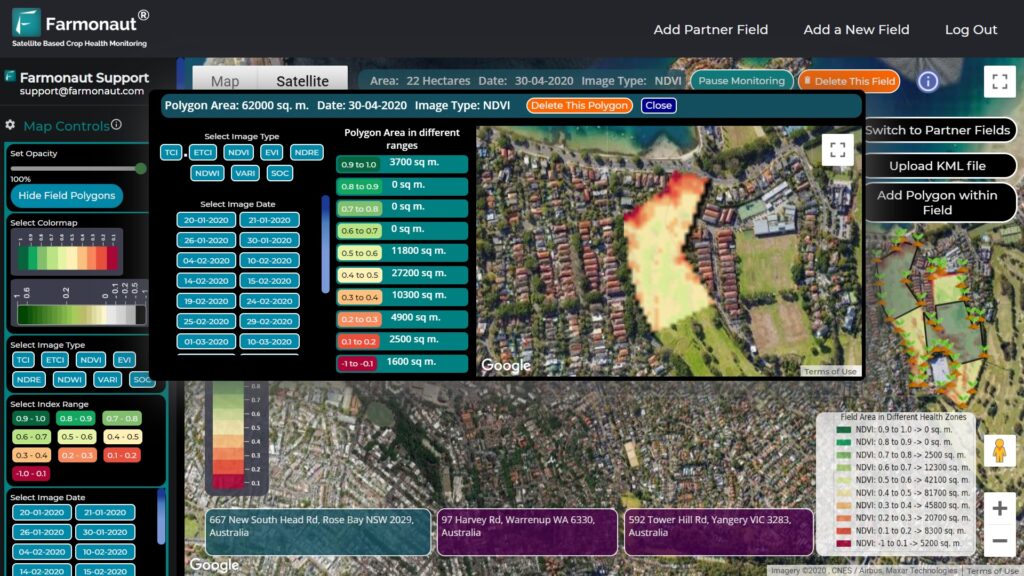
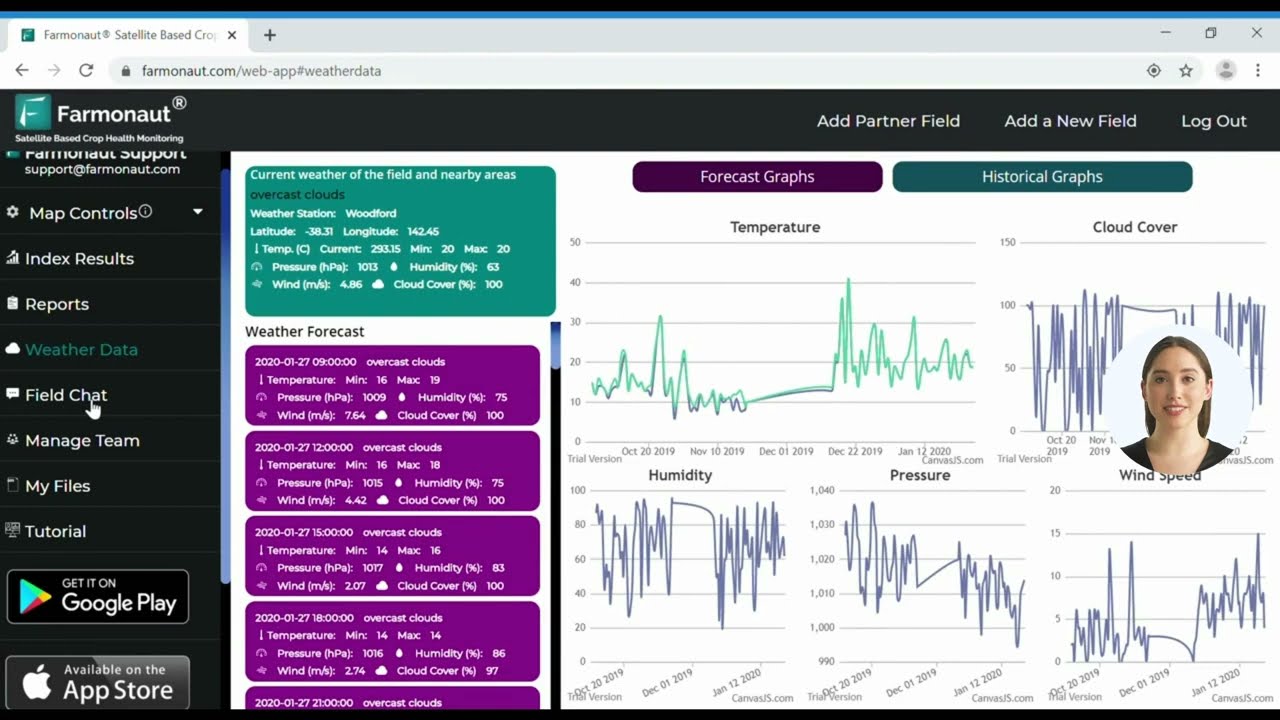
- Real-time Crop Monitoring: Using multispectral satellite images and indices (NDVI, NDWI, etc.), we track vegetation health and soil conditions, helping validate phenotypic outcomes of genome-edited crops.
- Jeevn AI Advisory: Our AI system analyzes weather, crop, and field data, supporting decision-making for farmers growing both traditional and edited crop varieties in real time.
- Blockchain-Based Traceability: Ensures supply chain transparency from field to table—building trust in genome-edited food products via traceability.
- Resource & Fleet Management: Satellite-driven fleet monitoring tools enable efficient transport of enhanced-perishable crops with extended shelf life. Explore our fleet management solutions.
- Environmental Impact Monitoring: We offer practical modules for farmers and agri-businesses to track carbon footprint, emissions, and sustainable practices.



For developers and agri-tech companies: Explore our powerful satellite and weather API at Farmonaut API, or review developer docs.

Key Insights, Pro Tips & More
Genome editing in agriculture is driving sustainability at every level—from reduced input use to increased biodiversity in agro-ecosystems.
Integrate genome-edited seeds with real-time satellite monitoring via Farmonaut for maximum crop efficiency and risk reduction.
Confusing genome editing with traditional GMOs—regulations, outcomes, and public reception are often distinct.
Sustainable farming enabled by genome editing reduces operational costs, improves food security, and opens new premium export markets.
Combining genome editing with carbon footprinting modules from Farmonaut may help farm businesses meet 2030 emissions reduction targets.
FAQ: Genome Editing in Agriculture
What is the difference between genome editing and GMOs?
Genome editing, particularly with technologies such as CRISPR-Cas9, makes precise changes to an organism’s native DNA without introducing foreign genes. Most GMOs involve the insertion of genes from other organisms (transgenic), often attracting different regulatory treatment and public perception. Genome editing in agriculture is frequently viewed as safer and less controversial, especially when the edits mimic naturally occurring mutations.
Are genome-edited crops safe to eat?
Yes, international assessments and studies have found genome-edited crops—when properly evaluated—to be as safe as conventionally bred varieties. Regulatory authorities demand safety tests for new varieties to ensure they pose no increased risk to human health or the environment.
How does genome editing contribute to sustainability?
Genome editing in agriculture can reduce chemical input, conserve water, expand use of marginal lands, and directly address climate change challenges—all contributing to sustainability at the farm, regional, and global level.
How can smallholder farmers access these technologies?
Policy support, public breeding programs, and platforms like Farmonaut—offering affordable crop and soil monitoring—can help democratize access to genome-edited seeds and their supporting management tools.
Will genome-edited foods be labeled differently than GMOs?
In many countries, food from genome-edited crops without foreign DNA insertion is either exempt from mandatory GMO labeling or labeled distinctly. Always check regional regulations.
Summary: Genome Editing in Agriculture—Revolutionizing Farming for a Sustainable Future
Genome editing in agriculture stands at the forefront of revolutionizing our sustainable food future. By enabling precise crop improvement—tackling drought, salinity, disease, nutritional deficiencies, and yield stagnation—this technology empowers farmers and the global agriculture sector to thrive while conserving the environment. As regulatory landscapes adjust and advanced tools like those from Farmonaut support decision-making, genome editing will define how we meet the food demands of a population set to surpass 8 billion by 2030.
- Climate Resilience: Key to surviving future climate shocks.
- Productivity Gains: Up to 30% more yield potential.
- Risk Reduction: Lower crop failure through abiotic and biotic stress resistance.
- Environmental Stewardship: Lower inputs, reduced water/pesticide usage, enhanced biodiversity.
- Sustainable Economic Growth: Benefits farmers, consumers, and future generations worldwide.
Conclusion: Securing a Sustainable Agricultural Future
In summary, genome editing in agriculture offers powerful, sustainable solutions to today’s and tomorrow’s food system challenges. By integrating satellite-driven insights and smart advisory tools, we can collectively empower agriculture for higher productivity, true sustainability, and global food security. As the world advances toward 2030 and beyond, adopting such transformative technology is not just an opportunity—it’s an imperative for humanity’s future.
For businesses, farmers, agronomists, and policymakers seeking actionable tools to manage next-generation crops, Farmonaut’s affordable, scalable satellite solutions deliver clarity and confidence—explore our platform today.
Ready to advance your fields, improve crop health, and make farming more sustainable? Join the agricultural revolution—engineered for the challenges of 2026 and beyond!