Forestry Farming 2026: Essential Sustainable Land Solutions
Table of Contents
- Introduction: Forestry Farming – The 2026 Landscape
- Trivia: Did You Know?
- The Concept Unveiled: Forestry Farming & Its Evolution
- Environmental Benefits of Forestry Farming in 2026
- Economic & Social Advantages: Why Forestry Is the Future
- Technological Innovations Shaping Forestry Farming
- Key Sustainable Forestry Farming Practices
- Comparative Analysis Table: Sustainable Techniques
- Key Insights & Highlights
- Visual Lists: Essential Tips & Insights
- How Farmonaut Supports Modern Forestry Farming
- Challenges & The Road Ahead (2026 & Beyond)
- FAQs on Forestry Farming & Sustainable Land Solutions
- Conclusion: Embracing Forestry Farming for a Sustainable Future



Forestry Farming: The Future of Sustainable Land Management in 2026
The year 2026 marks a pivotal era for forestry farming, a sustainable land management solution that unites forestry, farming, economics, and advanced technology. As global concerns about environmental conservation, climate change, and food security intensify, practitioners worldwide are turning to integrated forestry and farming methods—synonymous with agroforestry and silvopasture—to boost biodiversity, build resilience in rural livelihoods, and drive economic growth.
Uniquely blending tree cultivation, crop farming, and livestock rearing, this method offers environmental, economic, and social benefits that are essential for a sustainable future. The synergy between trees, crops, and animals supports ecosystem services and helps us combat key challenges such as soil degradation, carbon emissions, and unstable farm incomes—while restoring our land’s capacity to provide food, timber, and climate mitigation.
The Concept Unveiled: Forestry Farming & Its Evolution
Forestry farming (often referred to as agroforestry or silvopasture) is an integrated method of utilizing land by combining forestry and farming activities. Instead of segregating farmland and woodland, farming and forestry are blended harmoniously, maximizing output, sustainability, and resilience. This approach is not new—traditional societies have practiced it for centuries—but in 2026, it benefits from breakthroughs in science, technology, and global environmental awareness.
What Sets Forestry Farming Apart from Traditional Methods?
- 🌳 Multi-Layered Land Use: Trees, shrubs, crops, and sometimes livestock share the same land, maximizing productivity per unit area.
- 🌱 Diversified Outputs: Farms yield timber, food crops, fruits, nuts, medicinal plants, and animal products—providing multiple income streams and ecosystem services.
- 🛡️ Soil Health & Resilience: Roots from various species interlock to reduce erosion, improve water retention, and enhance soil nutrients through decomposition and nitrogen fixation.
- ♻️ Ecosystem Services: Integrated vegetation types provide habitats for wildlife, including pollinators.
- ⏳ Climate Mitigation: Trees act as carbon sinks, lowering CO2 emissions and storing carbon, which is vital for meeting global environmental targets.
Forestry Farming: A Renewed Concept for a Changing World
Unlike monoculture farming (growing just one crop or tree species per field)—which leads to soil degradation, nutrient depletion, and increased pest risk—forestry farms cultivate diversity. Trees offer shade, wind protection, and microclimate regulation for crops and livestock. Animals, in turn, provide manure and help manage undergrowth, maintaining a healthy, productive ecosystem.

Environmental Benefits of Forestry Farming in 2026
Forestry farming drives positive environmental impact on several fronts, making it indispensable for sustainable land management in 2026 and beyond.
- 🌎 Carbon Sequestration: Trees act as carbon sinks, sequestering significant amounts of CO2 from the atmosphere, thus mitigating climate change. With global carbon targets tightening, combining forestry with farming is critical.
- 💧 Enhanced Soil & Water Quality: Roots of varied tree species reduce soil erosion, improve water retention, and enrich soil nutrients through leaf litter and nitrogen-fixing plant decomposition.
- 🦋 Biodiversity Boost: The mix of vegetation types in forestry farms provides habitats for diverse wildlife, including endangered species and pollinators essential to crop yields and ecosystem function.
Combining forestry and farming enhances landscape resilience, improves ecosystem services, and supports sustainable food production—fundamental pillars for a sustainable future.
The Synergy Effect: Forestry and Crops in Harmony
- 🌲 Trees Provide: Shade (reducing crop heat stress), wind protection, nutrient cycling (leaf litter), and habitats for pollinators and pest-controlling animals.
- 🌾 Annual & Perennial Crops Provide: Food income, improved soil cover.
- 🐄 Livestock: Natural grass control and manure for nutrient cycling, increasing soil fertility.
The best benefits are realized on integrated forestry farms—requiring management practices that harmonize diverse needs for carbon, food, timber, and conservation.


Technological Innovations Shaping Forestry Farming
Digital & Satellite-Driven Forestry Farm Management
In 2026, technology is revolutionizing forestry farming on every front:
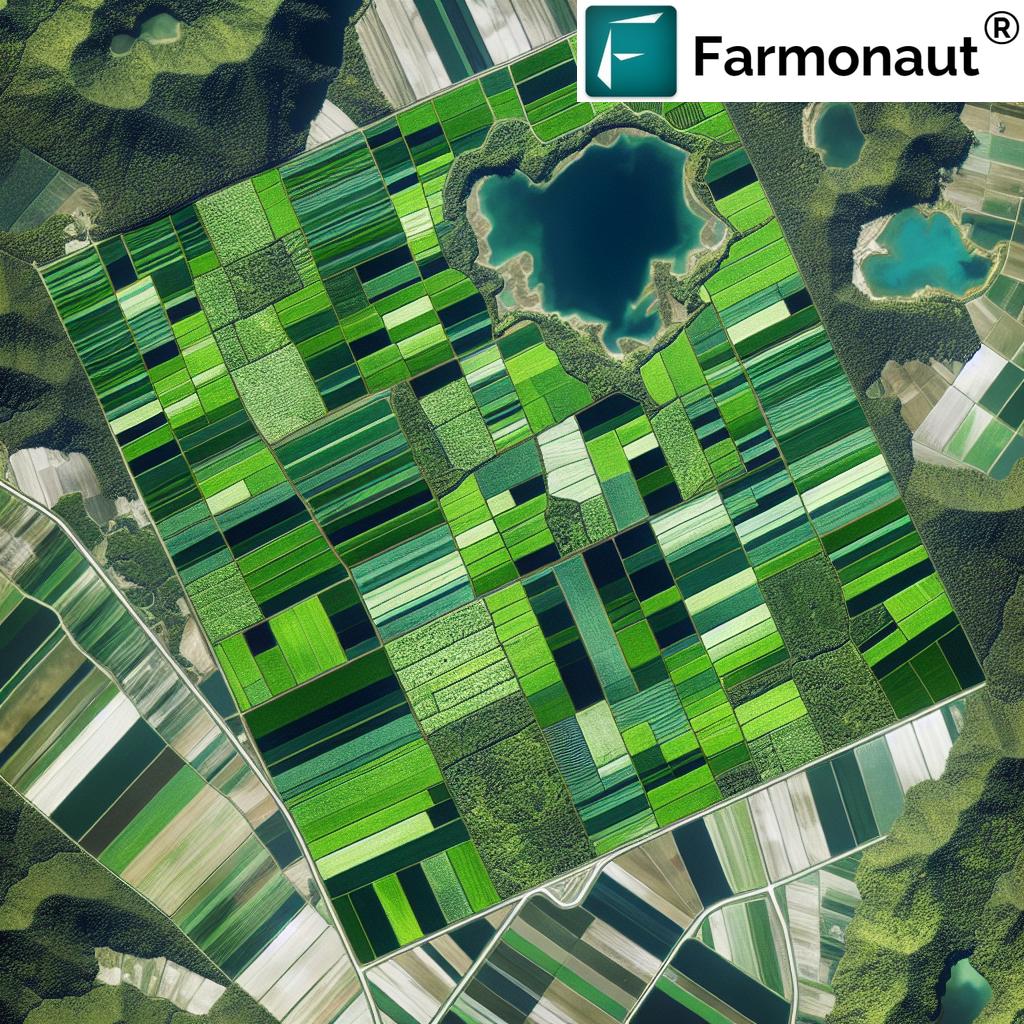
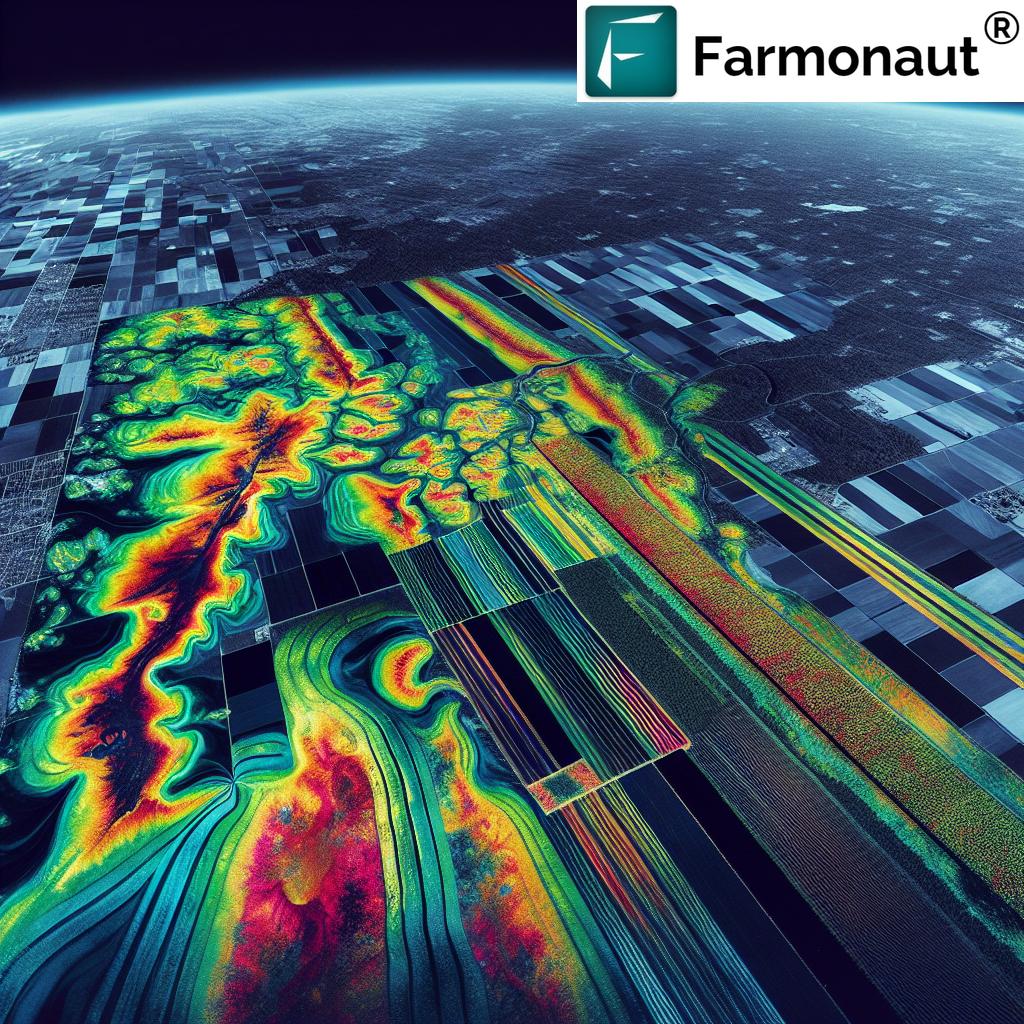
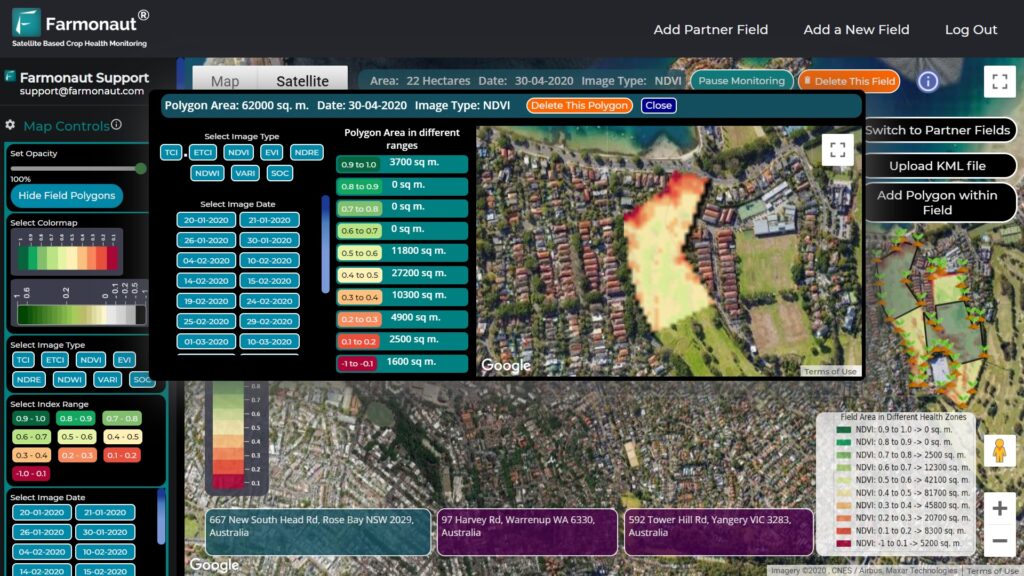
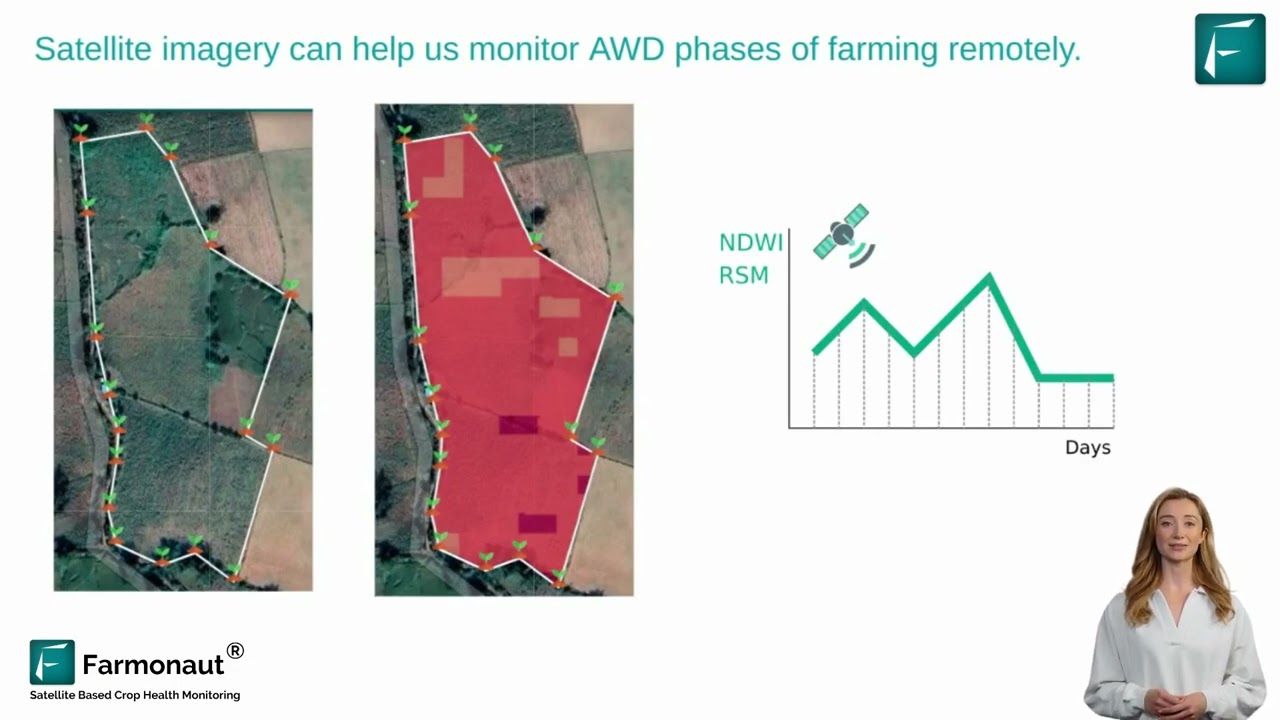
- 🛰️ Remote Sensing via Satellite: Farms use multispectral imaging to monitor tree health, crop conditions, soil moisture, and pest outbreaks.
Want real-time, AI-driven forest monitoring?
Try Farmonaut’s Large Scale Farm Management Solutions—including detailed satellite crop monitoring to improve land use efficiency and maximize productivity. - 🤖 AI-Powered Advisory: Decision-making is enhanced by analyzing satellite and field data, generating custom plantation, fertilization, and harvest strategies using advanced algorithms.
- 🌱 Blockchain Traceability: Modern farms employ
blockchain-based traceability for verifying forest and crop product origins, which increases trust in sustainable supply chains. - 📈 Real-Time Compliance: Farms utilize carbon footprint tracking and environmental impact tools to comply with emission regulations and adopt responsible practices.
- 🚗 Fleet Management: Optimize transport and equipment with Farmonaut Fleet & Resource Management solutions for smarter logistics—reducing costs and improving environmental outcomes for your farming and forestry operations.
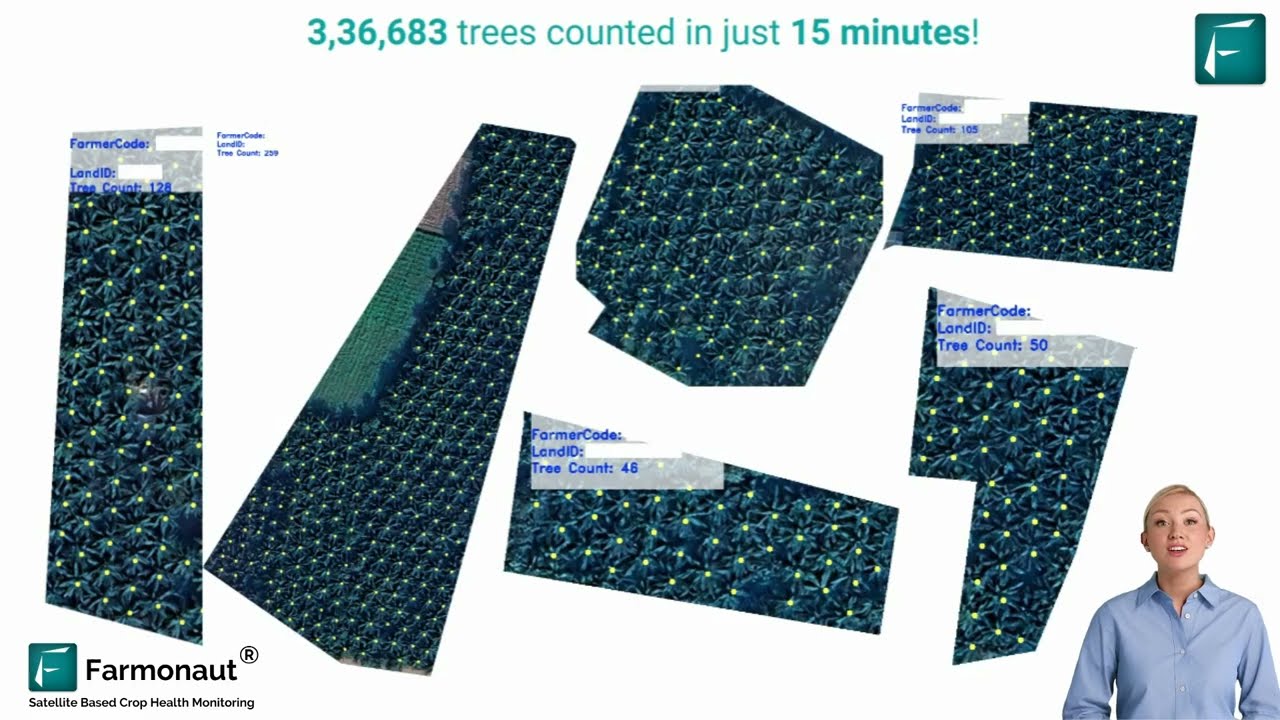
With innovations in precision planting, AI pest/disease detection, and automated data collection, farmers gain granular knowledge—leading to maximized output while minimizing inputs and environmental impact.

📊 Forestry Farming Technology Advantages (Visual List)
- ✅ Detect issues faster with satellite insights
- ✅ Track soil health & water moisture in real time
- ✅ Enhance traceability through blockchain
- ✅ Reduce costs via smart fleet management
- ✅ Tailor planting schedules with AI-based advisories

Key Sustainable Forestry Farming Practices
Forestry Farming Techniques for 2026
- 🌿 Agroforestry: Rows or clusters of trees planted alongside crops; optimizes land productivity and increases environmental benefits.
- 🌲 Silvopasture: Integration of trees and livestock on the same land; provides shade, improves animal welfare, and adds timber/crop value.
- 🌳 Reforestation: Replanting trees on degraded or cleared lands to restore ecological balance and carbon sequestration.
- 🌴 Mixed-Species Planting: Planting various tree and crop species together for resilience, pest management, and increased yields.
- 🔄 Contour Planting & Mulching: Climate-smart methods to reduce erosion, improve water retention, and increase soil fertility.
Comparative Analysis Table: Sustainable Forestry Farming Techniques
Here is a comprehensive table comparing key sustainable forestry farming methods and their projected impact in 2026—empowering informed choices and sustainable land investments:
| Technique | Estimated Increase in Biodiversity (%) | Carbon Sequestration Potential (tons/ha/year) | Economic Benefit (Estimated $/ha) | Adoption Rate (Projected 2026, %) |
|---|---|---|---|---|
| Agroforestry | 20 – 25 | 6 – 9 | $1,100 – $2,300 | 38 |
| Silvopasture | 28 – 32 | 5 – 8 | $1,300 – $2,800 | 31 |
| Reforestation | 31 – 38 | 10 – 16 | $700 – $1,800 | 15 |
| Mixed-Species Planting | 29 – 36 | 7 – 12 | $1,400 – $2,600 | 19 |
✔ Forestry Farming 2026: Key Benefits at a Glance
- 🌱 Boosts Biodiversity: Blends tree, livestock, and crop cultivation, increasing on-farm species diversity.
- 💡 Improves Climate Resilience: Integrated management supports soil stability, water retention, and ecosystem health.
- 💰 Drives Economic Diversification: Multiple revenue streams lower income risk for farmers.
- 🔬 Enables Data-Driven Decisions: Satellite and AI solutions refine plantation, irrigation, and harvest timing.
- ⚡ Promotes Sustainable Supply Chains: Blockchain traceability validates sustainable production.
Key Insights & Helpful Highlights
Forestry farming adoption is forecasted to climb as markets increasingly seek certified, sustainable products—with strong demand for satellite-verified carbon credits.
Farms using satellite monitoring report up to 18% reduction in fertilizer and pesticide use due to targeted interventions.
Strategically vary tree species and planting densities; this not only enhances biodiversity but also optimizes microclimates for understory crops.
Many farmers underestimate site-specific planning—copying generic models rather than using modern data insights leads to suboptimal returns. Always tailor your forestry farm for local ecology and market demands.
🌟 Forestry Farming Must-Knows (Visual List)
- 📚 Knowledge is key: Stay updated with global best practices, local regulations, and climate trends.
- 🛰️ Use of satellite data: Real-time crop and forest monitoring optimizes land management.
- ⚠ Risk: Land tenure issues may stall projects if not resolved early.
- 🧬 Genetic diversity: Choose disease- & climate-resistant species suited to your region.
- 🌊 Water strategy: Employ mulching, contour planting, and smart irrigation for drought resistance.
How Farmonaut Supports Modern Forestry Farming
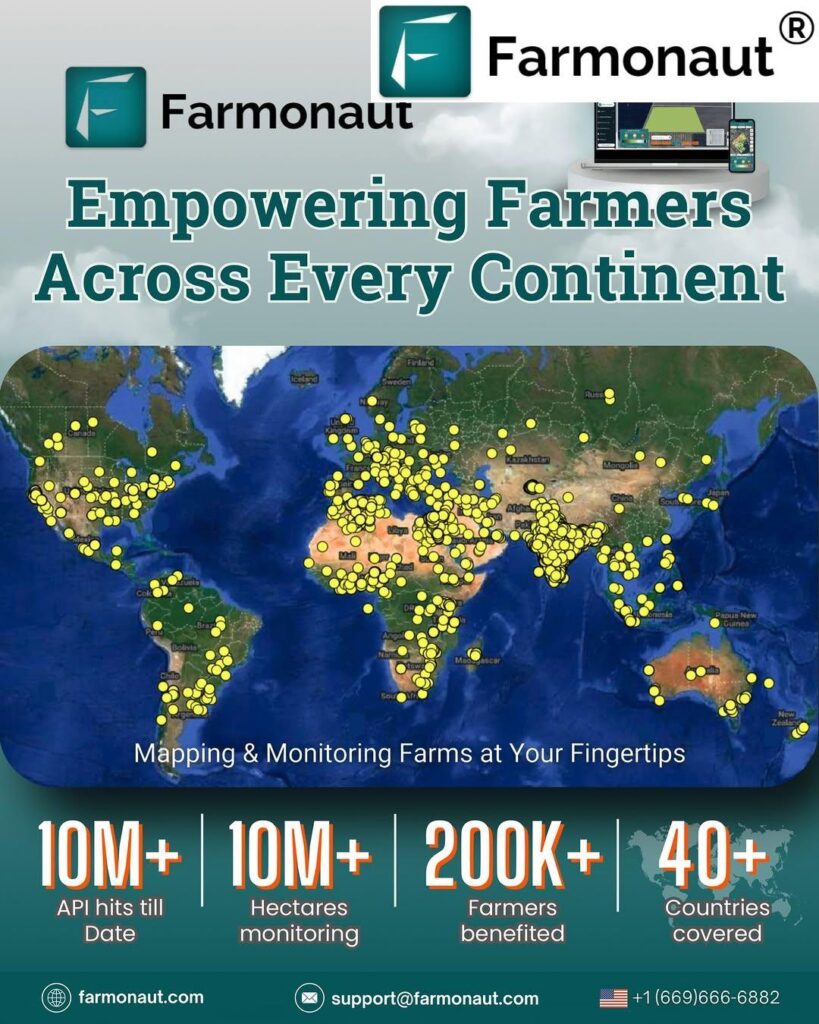
As the future of forestry farming hinges on data-driven, sustainable decision-making, we at Farmonaut are dedicated to delivering affordable, advanced tools for farmers, land managers, and government agencies worldwide. Our satellite technology platform accelerates:
- 🌐 Field-to-Cloud Monitoring: Get instant access to field and forest health data via mobile, web, and API—try the Farmonaut API or Developer Docs for custom integrations.
- 📊 AI Advisory: Receive real-time, AI-based insights into planting, irrigation, and crop/forest risk management via our Jeevn AI Advisory System.
- 🔒 Blockchain Traceability: Certify timber and forest products, ensuring transparency for sustainable supply chains—explore our
traceability solutions. - 🌱 Environmental Impact Tracking: Monitor your carbon footprint and report for regulatory compliance—get full details on carbon accounting for sustainable forestry farming.
Choose our satellite-based crop loan & insurance solutions to unlock financing for your next forestry farming project.
Farmonaut Subscriptions for Forestry Farming & Agroforestry
We offer accessible, scalable subscription packages to suit the needs of every user—from smallholders to large land management entities. Check our latest pricing below:
Challenges & The Road Ahead (2026 & Beyond)
Current Challenges in Forestry Farming
- 🔒 Land Tenure Insecurity: Unclear property rights can slow sustainable forestry adoption.
- 💸 High Initial Investment: Tree establishment and tech upgrades require upfront resources, though long-term gains are substantial.
- 📉 Knowledge Gap: Some regions lack training in integrated forestry farming methods, technological skills, or data use.
- ⚠ Policy & Regulation: Evolving environmental and market standards demand flexible, adaptive management strategies in 2026.
- 🔗 Market Integration: Ensuring fair access to evolving markets for sustainable, certified products is a continuing challenge.
Investments in training, affordable tech, and simplifying access to sustainable finance will define the next phase of forestry farming growth.
The Way Forward: Building Resilient, Sustainable Landscapes
- 🎯 Training & Extension Services: Scale up education in data-driven forestry farming practices and tech adoption.
- ⚖️ Policy Support: Advocate for clear land tenure and incentives for sustainable land use.
- 🌱 Inclusive Financing: Use credible, satellite-based verification to support crop loan & insurance access (details here).
- 🔍 Research-Driven Evolution: Continue adapting best practices as ecosystems, technologies, and market demands evolve.
FAQs on Forestry Farming & Sustainable Land Solutions
What is forestry farming and how is it different from traditional agriculture?
Forestry farming (also called agroforestry or silvopasture) is a sustainable land management method that integrates trees, crops, and sometimes livestock in the same system. Unlike traditional monoculture agriculture, it uses a multi-layered approach to maximize productivity, resilience, and ecological benefits.
What are the key environmental benefits of forestry farming?
Forestry farming improves carbon sequestration, supports biodiversity, reduces soil erosion, and increases water retention. It helps combat climate change while maintaining productive land.
How does forestry farming support economic resilience?
By producing timber, crops, livestock products, and non-timber forest products, forestry farms deliver diversified income—reducing risk and improving financial stability for farmers and landowners.
What technologies are used in modern forestry farming?
Satellite imaging, AI-based advisory systems, blockchain traceability, fleet/resource management, and real-time environmental monitoring are revolutionizing planned, efficient, and sustainable forestry farming.
How can I get started with satellite-based forestry farm monitoring?
Platforms like Farmonaut offer real-time monitoring, AI insights, traceability, and carbon footprinting via web, app, or API. Explore our services for integrated, scalable solutions tailored to forestry, farming, and sustainability goals.
Conclusion: Embracing Forestry Farming for a Sustainable Future
Forestry farming is the cornerstone of sustainable land management in 2026. By integrating trees, crops, and livestock, we can build resilient ecosystems, secure diverse income, address climate and environmental challenges, and foster rural vitality.
With scientific innovation, digital monitoring, and a global move toward carbon and biodiversity targets, any forestry farm can become a model of sustainability. As we work together to improve knowledge, social engagement, and technology access, forestry farming stands out as the vital method to safeguard soil, water, and livelihoods—now and for generations to come.