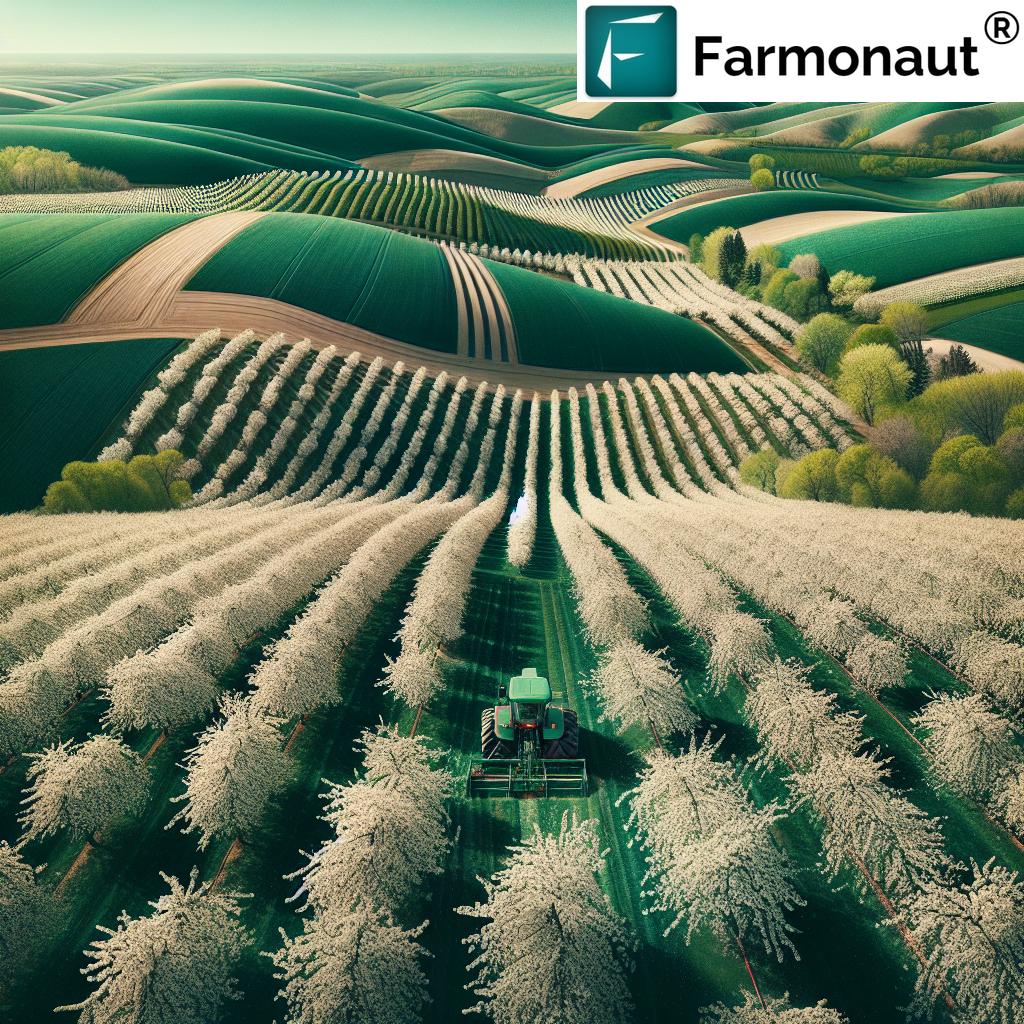
Ford 8N HP & Implements: Timeless Power for 2026 Farms



The Ford 8N Tractor: Timeless Utility and Revival in Modern Agriculture
The Ford 8N tractor, first introduced in 1947 and produced until 1952, remains one of the most iconic, durable, and versatile machines in the history of American agriculture. Now as we enter 2026, this vintage marvel continues to serve a new generation of farmers, hobbyists, and collectors who embrace both its historical heritage and practical utility. Powered by a robust 4-cylinder engine with approximately 27–30 horsepower, the Ford 8N bridges the gap between past and present farming equipment, offering a unique balance of reliability, affordability, and ease of maintenance.
Interest in sustainable farming and practical mechanization continues to rise worldwide. For smaller-scale farms and diversified operations, classic tractors like the Ford 8N remain affordable, functional, and surprisingly modern in their impact. In this comprehensive exploration, we dive deep into ford 8n hp, implements compatibility, restoration trends, market value, farming applications, and how technologies such as Farmonaut’s satellite-driven insights enhance the value of owning such a machine today.
Despite the dominance of high-tech tractors in large-scale agriculture, the Ford 8N’s straightforward mechanics, modest horsepower, and implement versatility make it a top choice for smallholder and sustainable farms in 2026.
The Ford 8N Legacy: Innovation that Endures
The history of the Ford 8N is rich with innovation and agricultural evolution. When it was introduced in 1947, it offered key advancements over its predecessors (notably the Ford 9N and 2N), including a 4-speed transmission, improved hydraulic system, and an easy-to-use design that revolutionized farming equipment for the everyday farmer.
Between 1947 and 1952, over 520,000 units were produced—a testament to its popularity and reliability. Even in 2026, we see restored and well-maintained models actively working in fields, orchards, and even urban gardens throughout the United States and beyond.
- ✔ Iconic design: The Ford 8N’s distinctive red and gray livery ensures instant recognition.
- 📊 Over 520,000 units produced: Many are still in use or restored for functional, collectible, and display purposes.
- ⚡ Easy maintenance: The engine and hydraulic components are straightforward to repair and upgrade, perfect for do-it-yourself enthusiasts.
- 🔄 Sustainable choice: Reusing and restoring a Ford 8N minimizes environmental impacts compared to manufacturing new tractors.
- 🛠️ Aftermarket support: Genuine and aftermarket parts are widely available, easing repair and restoration.
New owners sometimes overlook the importance of regular oil changes and hydraulic fluid checks for the Ford 8N—two vital steps for long-term reliability and performance.
Ford 8N HP & Performance for Modern Farms
How Much Horsepower Does a Ford 8N Have?
The Ford 8N HP (horsepower) is one of its defining features. The tractor’s 4-cylinder, 2.0-liter gasoline engine delivers approximately 27–30 HP (drawbar) and about 23.4 HP on the PTO shaft (Nebraska Test #382). In 2026, this horsepower range is still considered appropriate for a vast range of tasks:
- Plowing and cultivating: Ideal for small to medium fields and plots.
- Hauling: With the addition of a drawbar or rear hitch, the Ford 8N easily pulls carts, wagons, and implements.
- Mowing and landscaping: Excellent for finishing mowers, brush cutters, and material management.
- Loader attachment capabilities: While not designed as an industrial loader, the Ford 8N loader enables moving feed, earth, or debris with ease.
Why Ford 8N Horsepower Remains Practical in 2026
Despite massive advances in modern tractors, the Ford 8N continues to thrive. Its modest horsepower is surprisingly well-suited to the realities of sustainable and organic farming in the United States and worldwide, where heavy industrial equipment is not always required, cost-effective solutions are favored, and environmental impact is a concern.
The efficiency of the Ford 8N becomes evident in “right-sized” farm operations, orchards, greenhouses, and even urban agriculture initiatives. For farmers who want a manageable balance of power and fuel economy, the Ford 8N remains a top pick, especially when paired with a diverse selection of implements.
-
🟢
Balanced Output:
27–30 HP suits a wide range of non-industrial implements -
🔋
Fuel Efficient:
Lower fuel consumption than many modern counterparts -
🔧
Easy Maintenance:
Straightforward design allows do-it-yourself repairs
Implements Compatibility & Modern Integration: Ford 8N Implements
One of the most celebrated qualities of the Ford 8N is its continued compatibility with a wide variety of implements. Its 3-point hitch system—revolutionary at the time—remains the industry standard for many tractors into 2026. This innovation allows owners to quickly connect plows, harrows, cultivators, seeders, mowers, loaders, and more, making the 8N a truly multifunctional tool.
What Implements Can the Ford 8N Use?
- Plows – 1- or 2-bottom plows for garden and field prep
- Disc Harrows & Cultivators – For breaking and smoothing soil before planting
- Seeders & Planters – Efficient for small acreage or organic farming
- Mowers & Brush Cutters – Versatile for pastures, lawns, and field maintenance
- Blades (Box & Rear) – Leveling soil, snow removal, grading driveways
- Post Hole Diggers – For fencing and tree planting
- Loaders (Front/Rear) – Ford 8N loaders support feed movement, earth relocation, and more
Attachments are either original, reproduction, or newly designed for universal 3-point hitch use. This means older and modern implements alike remain compatible with the Ford 8N, enhancing both its value and practicality.
When searching for a Ford 8N for sale, confirm that the 3-point hitch arms are in good working order. A properly functioning hitch greatly increases your implement compatibility and farm productivity.
-
🚜
3-Point Hitch:
Instantly compatible with modern and classic implements -
🛠️
Aftermarket Parts:
Wide market for Ford 8N implements in new and used condition -
🔗
Upgrade Potential:
Easily adapt modern PTO-powered tools and attachments
With the surge in restoration and vintage tractor market value, both unrestored and restored Ford 8Ns are increasingly seen as smart, appreciating investments for agri and collectibles portfolios in 2026 and beyond.
The Ford 8N Loader: Versatile Material Handling
The Ford 8N loader attachment is one of the most requested implements in the 2026 vintage tractor market. While the original tractor wasn’t engineered to be a dedicated loader machine, its strong front axle, four-speed transmission, and available hydraulic kits nevertheless enable it to handle a surprising range of material tasks.
Common loader uses include:
- Loading and unloading feed or hay bales
- Moving soil, gravel, or mulch
- Snow removal
- Debris, branches, and brush handling on small forestry plots
Modern loader kits—either reproduction or aftermarket—are routinely retrofitted to restored 8Ns, extending their utility across diverse farm and forestry operations.
A well-restored 1950 Ford 8N equipped with an efficient loader attachment remains one of the most sought-after functional collectibles at auctions—delivering vintage appeal alongside modern-day utility.
Ford 8N Restoration & Market Demand in 2026
The culture of Ford 8N restoration has become a movement in itself. In 2026, online platforms are filled with “Ford 8N for sale” ads—ranging from barn finds and “as-is” machines to high-grade, showroom-restored classics. This demand is fueled by nostalgia, the growing hobbyist market, and the practical realization that a restored Ford 8N delivers value at a fraction of the cost of new tractors.
- 🔎 Most Searched: 1950 Ford 8N – Iconic model for authentic restoration and parts interchangeability
- 🎨 Showroom Appeal: Original “Ford Gray and Red” paint attracts event displays and vintage shows
- 🏆 Functional Collectible: Dual-purpose as working machine and classic asset
- 🛒 Affordability: Restored models can cost less than half a new compact tractor, with comparable basic performance and less complex electronics
Restoration typically includes engine repair or rebuild, electrical updates, brake and clutch replacements, implement sourcing, and repainting. For many, the journey of bringing an old Ford or 8N back to life is as rewarding as farming itself—a way of preserving heritage and ensuring practical utility.
Verify aftermarket parts availability before purchasing a project tractor. Many Ford 8N models are compatible with new and remanufactured parts—synergizing longevity with vintage appeal.
Integrate your tractor fleet into digital operations with Farmonaut’s Satellite API. Access remote field data, resource analytics, and implement precision farming—even with classic equipment.
Explore our API Documentation for custom integrations and data-driven farm management.
Ford 8N’s Continuing Relevance in Today’s Agriculture
What makes the Ford 8N uniquely relevant in 2026? As the agriculture sector pursues high-tech machinery for massive, monoculture farms, the Ford 8N fills a crucial gap for:
- Smallholder and family farms – Affordable, reliable, and easy to repair.
- Diversified and regenerative agriculture – Modular implement compatibility and minimal soil compaction.
- Urban and peri-urban farming – Maneuverability and implement scaling for smaller plots.
- Orchards and forestry operations – Low-profile design and effective loader/blade usage.
- Entrants to sustainable agriculture – Functionality without the learning curve or cost of modern, computerized tractors.
For organic farming practices, the Ford 8N’s modest emissions, straightforward engine mechanics, and avoidance of digital diagnostics or proprietary software mean more up-time, greater ease of operation, and fewer specialized service interventions.
The demand for “restored” and “working” vintage Ford 8Ns is projected to increase further into 2026 as more farmers and hobbyists prioritize manageable, practical, and sustainable machines.
Online listing volume for “Ford 8N for sale” doubled from 2021 to 2025, with consistent high bidding on restored and running tractors—even as new compact tractor sales plateau.
Ford 8N Specification & Implements Compatibility Table
| Feature/Specification | Ford 8N Details | Compatible Implements | Modern Equivalent Use |
|---|---|---|---|
| Year Introduced | 1947 | — | Restoration, Vintage Shows |
| Year Produced | 1947–1952 | — | Heritage Operations |
| Engine Type | 4-cyl, 2.0L gasoline | — | Functional Restoration |
| Horsepower (Drawbar/PTO) | 27-30 HP / 23.4 HP | Most 3-point implements | Hobby Farms, Market Gardens |
| Transmission | 4-speed manual | — | Starter/Entry-level Training |
| Hydraulics | Live hydraulics (add-on) | Loader, Blade, Post Hole Digger | Material Handling & Landscaping |
| Loader Capacity (Est.) | 700–1000 lbs | Ford 8N Loader, Aftermarket Loader | Feed Movement, Soil Handling |
| Plow Size | 1-2 bottom | Plow, Cultivator, Disc Harrow | Field Prep, Garden Tilling |
| Mower / Brush Cutter | Up to 5 ft | Finish Mower, Rotary Cutter | Grass, Pasture, Brush Clearing |
| Attachment System | 3-point hitch | All 3-point implements | Flexible, Multifunctional Use |
| Modern Benefit | Affordable, Easy Maintenance | — | Sustainable Hobby and Entry Farming |
For visual learners, this table offers a snapshot of Ford 8N’s specifications, essential implements, and direct translation to today’s most popular small-scale agri-use cases—making it easy to compare and plan for restoration or purchase.
Integrating Technology: How Farmonaut Empowers Owners of Classic Tractors
As we champion the legacy and relevance of the Ford 8N tractor, it’s essential to recognize the transformative potential of satellite-driven technology for both classic and modern agricultural operations. Farmonaut, as a global leader in affordable satellite and AI solutions, brings enhanced value and sustainability to owners and operators of vintage machinery, including the Ford 8N.
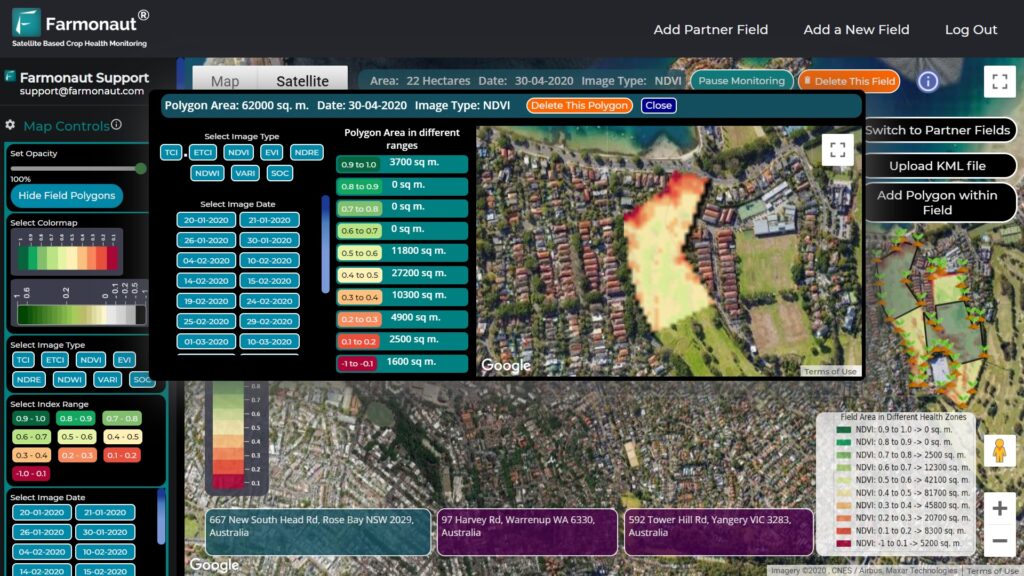
- ✔️ Field Health Monitoring: Real-time NDVI and crop status even when using older tractors, helping you prioritize restoration tasks or field passes for your Ford 8N.
- 📊 Carbon Footprinting: Calculate and minimize your environmental impact while benefiting from classic equipment’s low emissions.
- 🔗 Blockchain-Based Traceability: Ensure transparency and build trust in your products, even with heritage machinery.
- 🛡️ Insurance & Lending Verification: Accelerate access to credit and insurance for equipment by leveraging satellite-based farm verification.
- 🌲 Forestry and Orchard Monitoring: Precision mapping and Jeevn AI-advisory lead to smarter, more sustainable tractor usage.
Our web, Android, and iOS apps ensure that users—even on smaller or classic equipment—gain the power of spatial, environmental, and operational data without investing in expensive on-board electronics. API access (learn more here) lets developers or agri-businesses integrate Ford 8N status and field outcomes seamlessly into management systems.
This digital revolution enables owners of versatile machines like the Ford 8N to optimize every field pass, minimize resource use, and verify compliance with sustainability standards—bridging tradition and innovation for 2026 and beyond.
Frequently Asked Questions (FAQ): Ford 8N HP, Implements & Modern Agriculture
-
What is the horsepower of a Ford 8N?
The Ford 8N produces approximately 27–30 drawbar HP and 23.4 PTO HP. This makes it ideal for over 40 types of compatible 3-point implements in modern 2026 smallholder agriculture. -
What are the most popular Ford 8N implements today?
Plows (1-2 bottom), disc harrows, finish mowers, rotary brush cutters, box and rear blades, loaders, and post hole diggers remain the most common. All are compatible via the standard 3-point hitch. -
Why is the Ford 8N so popular for restoration?
With over 520,000 units produced, strong parts support, easy engine and hydraulics, and broad collectability, Ford 8N tractors are practical for both work and collection. Restoration brings classic style and modern function together. -
Is the Ford 8N a good investment in 2026?
Yes. Due to sustained demand, restored and running Ford 8Ns frequently appreciate in value. As new compact tractors become costlier and more complex, the Ford 8N offers a robust, user-friendly alternative for small farms and hobbyists. -
How does Farmonaut enhance the value of owning a Ford 8N?
Farmonaut’s satellite-based monitoring, AI-advisory, field analytics, and blockchain traceability bring professional-level decision support and compliance to classic tractor owners—unlocking modern farm efficiency without expensive new equipment.
Conclusion: The Enduring Value of Ford 8N HP and Implements for Farming’s Future
The Ford 8N tractor stands as a unique symbol of agricultural history and an active force in present-day farm operations. With its robust design, practical horsepower, broad versatility in implements, and passionate restoration movement, the Ford 8N bridges tradition and progress for global agriculture in 2026 and beyond.
Whether pursuing a restoration project, searching for a Ford 8N for sale, or integrating it into daily farm operations, this tractor remains timeless: delivering power, reliability, nostalgia, and modern relevance in equal measure. For those leveraging digital agriculture and sustainability with Farmonaut’s technologies, the Ford 8N is more than a classic—it’s a future-forward asset.
Discover the seamless blending of vintage mechanics and cutting-edge geospatial intelligence. Elevate your Ford 8N experience with advanced monitoring, resource management, and blockchain traceability today.
Ford 8N HP & Implements: Timeless, Essential, and Ready for the Digital Farm Era.