Table of Contents
- Introduction
- 2026 Trends: Shaping the Future of Weed Control
- Florasulam Herbicide: Overview, Characteristics, and Applications
- Explorer Herbicide: A Deep Dive into Modern Formulations
- Comparison Table: Florasulam Herbicide, Explorer Herbicide & Modern Weed Control Methods (2025-2026)
- Integrated Weed Management: Combining Florasulam, Explorer, and New Generation Practices
- Precision Agriculture & Satellite Technology: Steering Weed Control Innovations
- Environmental Impact, Resistance & Regulatory Outlook
- FAQs: Florasulam & Explorer Herbicide in Modern Agricultural Systems
- Conclusion: The Way Forward (2026 and Beyond)
Florasulam Herbicide, Explorer Herbicide: Top 2026 Trends
In the continually evolving landscape of modern agriculture, effective weed management remains the cornerstone of sustainable crop productivity and long-term farming success. With global agricultural demands intensifying amid climate uncertainty and environmental scrutiny, the search for sustainable, technology-driven weed control solutions is at its peak in 2025 and looking forward to 2026.
Among the arsenal of herbicides available today, two names have not only emerged but solidified their place as critical tools: florasulam herbicide and explorer herbicide. These products anchor modern, sustainable weed management by controlling a broad range of weed species—especially in vital cereal and legume cropping systems.
In this blog, we’ll explore the characteristics, advancements, and future implications of florasulam and explorer herbicides, their roles in next-generation integrated weed management (IWM), and how breakthrough technologies like precision agriculture, satellite monitoring, and AI-driven decision tools from Farmonaut are maximizing their efficacy and sustainability in 2026 and beyond.
The synergy between herbicidal advancements like florasulam herbicide, explorer herbicide, and digital farming methods is redefining sustainable agricultural productivity.
2026 Trends: Shaping the Future of Weed Control
Herbicide technology is rapidly evolving to address persistent weed challenges, environmental sustainability, and the need for higher crop yields. In 2025 and looking forward to 2026:
- ✔ Increase in post-emergent and broad-spectrum herbicides like florasulam and explorer for maximum control across all weed growth stages.
- ✔ Integration with precision agriculture, satellite insights, and AI-powered applications drives down chemical rates and environmental footprints.
- ✔ Adoption of bespoke, site-specific weed control strategies based on real-time data, optimizing application rates and reducing the risk of herbicide resistance.
- ✔ Rising regulatory pressure and consumer demands for transparency, residue control, and full traceability throughout the crop protection supply chain.
- ✔ Push for environmentally safe profiles: New herbicides exhibit lower soil persistence and have minimal impact on non-target organisms.
These trends signal a shift towards integrated, technology-enabled solutions—where florasulam herbicide, explorer herbicide, and precision farming technologies stand out prominently.

🌱 Key Benefits of Modern Herbicidal Activity
- 🌍 Broad spectrum control: Effective against a diverse range of broadleaf and grassy weeds
- 💧 Low application rates: Reducing input costs and environmental impact
- 🔄 Compatibility: Can mix with fertilizers and other agrochemicals for tailored management strategies
- 📊 Systemic activity: Translocated throughout weed plants to target both roots and shoots
- 👨👩👦 Safe for major food crops: Especially suitable for wheat, barley, and legume species
With a projected 18% surge in florasulam usage and 30% explorer adoption by 2026, the herbicide sector is ripe for investment in innovative, sustainable weed management technologies integrated with precision farming.
Florasulam Herbicide: Overview, Characteristics, and Applications
Florasulam herbicide has gained recognition as a cornerstone of post-emergent weed control—particularly in cereal and legume cropping systems. As a member of the triazolopyrimidine sulfonanilide family, florasulam is:
- ✔ Widely recognized for its precise action against a broad spectrum of broadleaf weeds;
- ✔ Applied post-emergence, meaning it targets actively growing weeds and offers flexibility for different farming calendars;
- ✔ Largely safe for wheat, barley, and legume crops due to selective activity;
- ✔ Effective at low application rates, heightening adoption in precision-farming systems.
How Does Florasulam Work? (Herbicidal Activity Explained)
Florasulam’s mode of action is based on inhibiting the plant enzyme acetolactate synthase (ALS). ALS is required for synthesis of essential branched-chain amino acids—vital for plant growth. By blocking ALS:
- ⚡ Development of target weeds is halted rapidly—growth stops, and plant tissues yellow and die;
- ⚡ Systemic translocation ensures action at both leaves and growing tips, stopping reproduction and seed production;
- ⚡ Soil persistence is low, making it ideal for sustainable, rotational cropping methods and minimizing impact on non-target soil organisms.
Key Applications and Use Cases (2025-2026)
- ✔ Wheat, barley, and legume production zones: Safe, highly selective action enables frequent use;
- ✔ Integrated with conservation agriculture: Reduces need for tillage, protecting soil health and reducing erosion risks;
- ✔ Programme-based application: Slotted easily into bespoke weed management programs, either alone or tank-mixed with other herbicides or fertilizers.
Florasulam’s systemic nature makes it highly effective in spot-treating persistent weeds without harming adjacent crops. Pair with satellite-guided precision jets for minimum application and maximum results.
Environmental Profile & Regulatory Perspective
- ✔ Favorable profile: Exhibits low soil persistence and breaks down quickly;
- ✔ Minimal impact on non-target organisms—provided use follows the product label and local regulations;
- ✔ Compatible with modern regulatory frameworks seeking environmental safety in agricultural systems.

Repeated application of ALS-inhibiting herbicides like florasulam without rotation can increase weed resistance. Always rotate modes of action as part of your integrated weed management plan.
Explorer Herbicide: A Deep Dive into Modern Formulations
The term explorer herbicide commonly references a family of herbicidal products—often containing diverse active ingredients and designed for agile use across variety of crops, including cereals, forages, and pastures. The key attributes driving explorer herbicide’s rise in 2025-2026 include:
- ✔ Diversified chemical profiles, such as aminopyralid, fluroxypyr, or others;
- ✔ Suitable for both pre- and post-emergent applications—offering flexibility for targeting developing weeds at different stages;
- ✔ Designed for broadleaf and tough perennial weeds, especially in pastures and rotational cropping systems;
- ✔ Ease of mixing with other products, meaning it often fits perfectly in integrated pest management (IPM) approaches.
Why is Explorer Herbicide a Top Choice for 2026?
- ⚡ Broad spectrum activity: Targets both grassy and broadleaf weed populations;
- ⚡ Formulated for modern farming needs: Compatibility with drone- and precision sprayer systems;
- ⚡ Helps delay herbicide resistance by rotating active ingredients and using combined modes of action.
Popular in regions with significant livestock production and rotational cropping, explorer herbicides serve as vital weed management tools for pastures, cereals, legume species, and more.

Key Use-Scenarios & Efficacy (2025 & Beyond)
- ✔ Rotational livestock systems: Explorer herbicide is widely used for maintaining forage quality by removing competitive, hard-to-kill broadleaf weeds.
- ✔ Cereal crop protection: Tank-mixed with other herbicides for custom control, ensuring weed populations do not dominate.
- ✔ Support of integrated weed management methods: Deploying explorer herbicide in sync with mechanical, biological, and cultural strategies.
Comparison Table: Florasulam Herbicide, Explorer Herbicide & Modern Weed Control Methods (2025-2026)
| Herbicide/Product Name | Active Ingredient | Application Method | Target Weeds | Estimated Efficacy Rate (%) | Environmental Impact | Precision Agriculture Compatibility | Estimated Cost per Hectare (USD) |
|---|---|---|---|---|---|---|---|
| Florasulam Herbicide | Florasulam (triazolopyrimidine sulfonanilide) | Post-emergent foliar spray | Broadleaf weeds (esp. in cereals, legumes) | Up to 95% | Low (Score: 2/10) | Yes | $18–22 |
| Explorer Herbicide | Aminopyralid, Fluroxypyr (+other variants depending on region) | Pre- & Post-emergent; foliar & soil-applied | Grassy and broadleaf weeds (incl. perennials, forages) | 90–94% | Medium-Low (Score: 4/10) | Yes | $16–28 |
| Cultural & Mechanical Methods | — | Tillage, manual, crop rotation | Annual/biennial weeds, some perennials | 60–75% | Very Low (Score: 1/10) | Yes | $12–15 |
| Integrated Herbicide Programs (Tank Mixes) | 2+ actives (e.g., Florasulam + Fluroxypyr) | Pre- & Post-emergent, precision spraying | Wide range of grassy & broadleaf weeds | 98% | Low (Score: 3/10) | Yes | $23–32 |
| Organic/Biological Control Solutions | Natural plant extracts, bioherbicides | Foliar, soil drench, biocontrol agents | Limited weed types (mostly broadleaf) | 35–55% | Minimal (Score: 0.5/10) | Partial | $25–45 |
Note: All efficacy and environmental impact values are projected estimates for 2025/2026 based on the latest agricultural research. Compatibility indicates ease of integration with satellite-guided and AI-advisory farming systems such as those provided by Farmonaut.
Integrated Weed Management: Combining Florasulam, Explorer, and New Generation Practices
The most robust, sustainable weed control systems in 2025–2026 rely on integration—applying chemical, cultural, mechanical, and biological methods in unison. Florasulam and explorer herbicides both play key roles here:
- 🎯 Bespoke strategies: Farmers build custom programs, using florasulam herbicide for early post-emergent control and explorer herbicide for persistent broadleaf weeds or in rotation with mechanical tillage.
- ⚖ Resistance management: Alternating modes of action is vital for delaying resistance in weed populations;
- 📈 Productivity boost: By reducing weed pressure, crops gain greater access to vital resources (light, nutrients, water).
- 🌱 Soil health preservation: Systemic and low-soil-persistence herbicides support conservation agriculture goals—minimizing erosion and maintaining soil structure.
Combining florasulam herbicide, explorer herbicide, and AI-driven recommendations from satellite platforms allows truly data-driven, field-specific weed mapping, tailoring treatments for each unique micro-zone.
Precision Agriculture & Satellite Technology: Steering Weed Control Innovations
The next frontier in weed management lies in digital transformation—where satellite imagery, AI-powered advisories, and IoT-enabled spraying equipment collaborate to revolutionize herbicidal applications.
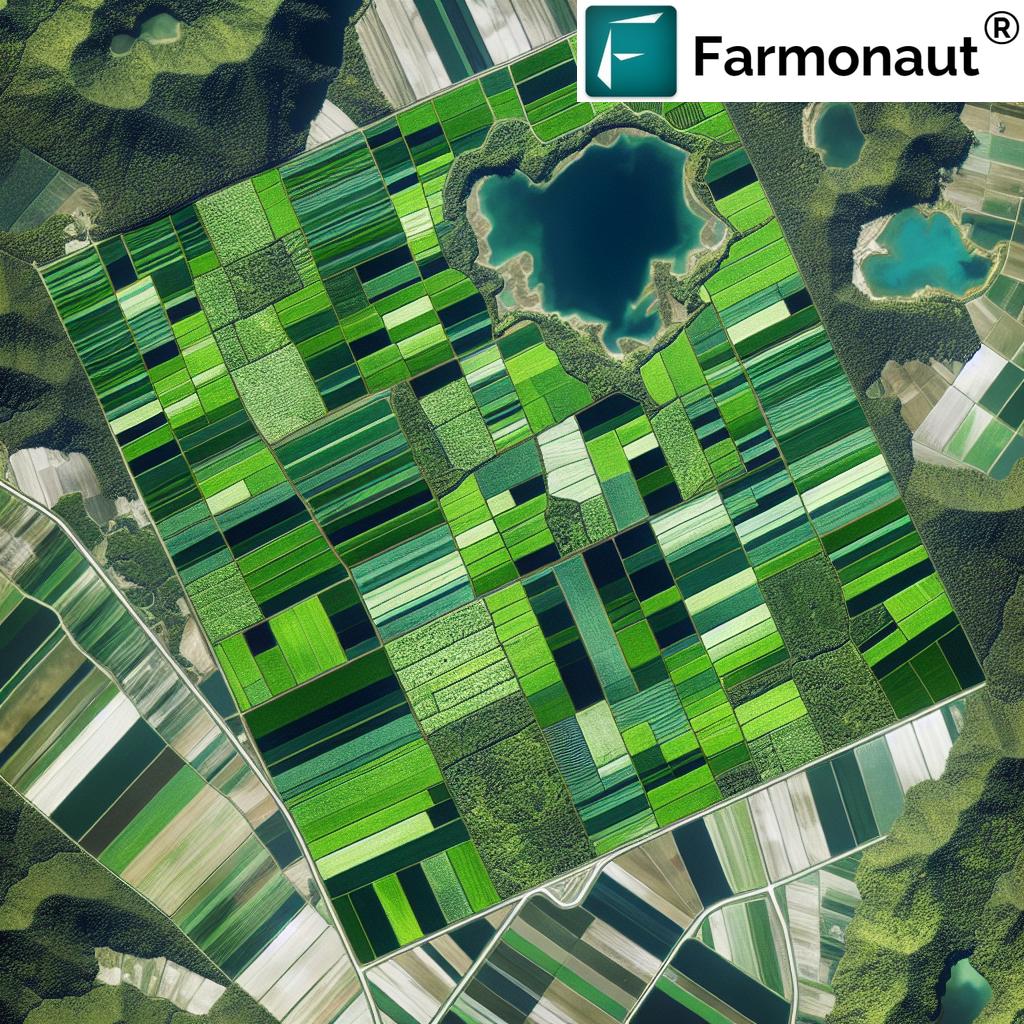
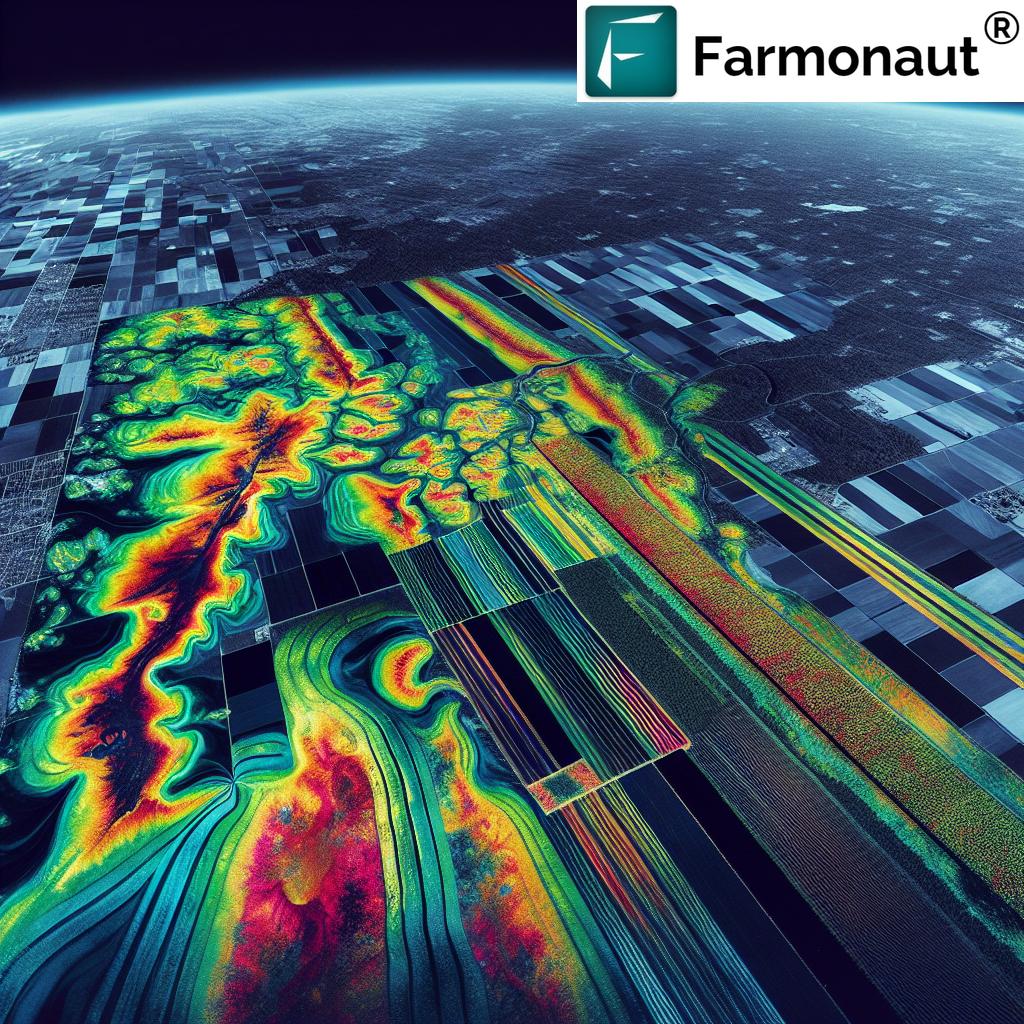
- 📡 Satellite monitoring (like Farmonaut’s NDVI-based crop health): Identifies weed patches, stress signals, and application zones.
- 🧠 AI-driven spraying advice: Determines optimal timing, rate, and herbicide choice—maximizes efficacy, minimizes waste.
- 🚁 Drone and smart sprayer systems: Deploy florasulam, explorer herbicide with sub-meter precision, reducing drift and off-target impact.
- 🌐 Blockchain-backed traceability: Ensures transparency from application to harvest. (Read more about Farmonaut’s product traceability for agriculture and supply chains.)



🌐 Modern Weed Control: Digital Features Overview
- 🛰 Satellite-based weed mapping pinpoints real-time weed hotspots
- ⚙ AI-powered advisory provides day-to-day, field-specific chemical recommendations
- 🔗 API integrations (Farmonaut API | Developer Docs) enable agri-platforms to automate herbicide scheduling and record-keeping
- 📦 Traceability dashboards track chemical use for compliance and end-to-end supply chain transparency
- 🌳 Resource management apps help optimize fleet, fuel, and fertilizer use in tandem with weed control (See Farmonaut Fleet Management for details)
The fusion of explorer herbicide applications with real-time satellite advisories significantly increases ROI for both smallholders and agribusinesses, while supporting environmental reporting and compliance with international standards.
Farmonaut Empowers the Future of Sustainable Weed Control
We at Farmonaut are committed to democratizing access to advanced satellite-based agricultural insights. Whether users aim to monitor crop health, optimize herbicide timing, track carbon footprinting (View Farmonaut Carbon Footprinting), or ensure transparent traceability, our platform is a one-stop solution for the data-driven farming landscape of 2026.
- 🚀 Real-time monitoring—see weed activity as it happens
- ⚡ Smart notifications for optimal spraying times
- 🔐 Blockchain-based traceability
- 🌎 Environmental impact dashboards to track compliance with evolving regulations


Environmental Impact, Resistance & Regulatory Outlook
Environmental Implications: Moving Toward a Cleaner Future
- 🌏 Low-persistence profiles of both florasulam herbicide and newer explorer products are in tune with sustainable farming practices.
- 🌱 Minimized off-target effects result from precision-guided applications and lower chemical loads.
- 🌤 Real-time monitoring of environmental impacts is now feasible with AI-integrated platforms like those from Farmonaut.
- ⚠ Regulatory tightening requires traceable, residue-compliant solutions—blockchain agriculture traceability becomes essential by 2026.
By 2026, regulatory frameworks will demand not only environmental reporting, but digital traceability for all herbicide applications across international markets. Farmonaut’s traceability suite is positioned to lead this responsibility. (Learn about traceability)
Managing Resistance: The Ongoing Challenge
Over-reliance on any single mode of action, even those with advanced selectivity like florasulam herbicide, explorer herbicide, risks the development of resistance in weed populations. As a precaution:
- 1️⃣ Rotate modes of action frequently – avoid overusing ALS inhibitors or other single-target herbicides.
- 2️⃣ Combine chemical and non-chemical methods (cultural, mechanical, biological techniques).
- 3️⃣ Monitor weed populations using satellite or drone-based NDVI surveys to adapt control plans rapidly.
Risk Factors to Watch
- ⚠ Resistance emergence in key broadleaf weed species
- ⚠ Environmental contamination from improper application methods
- ⚠ Regulatory delays in approving novel chemistries
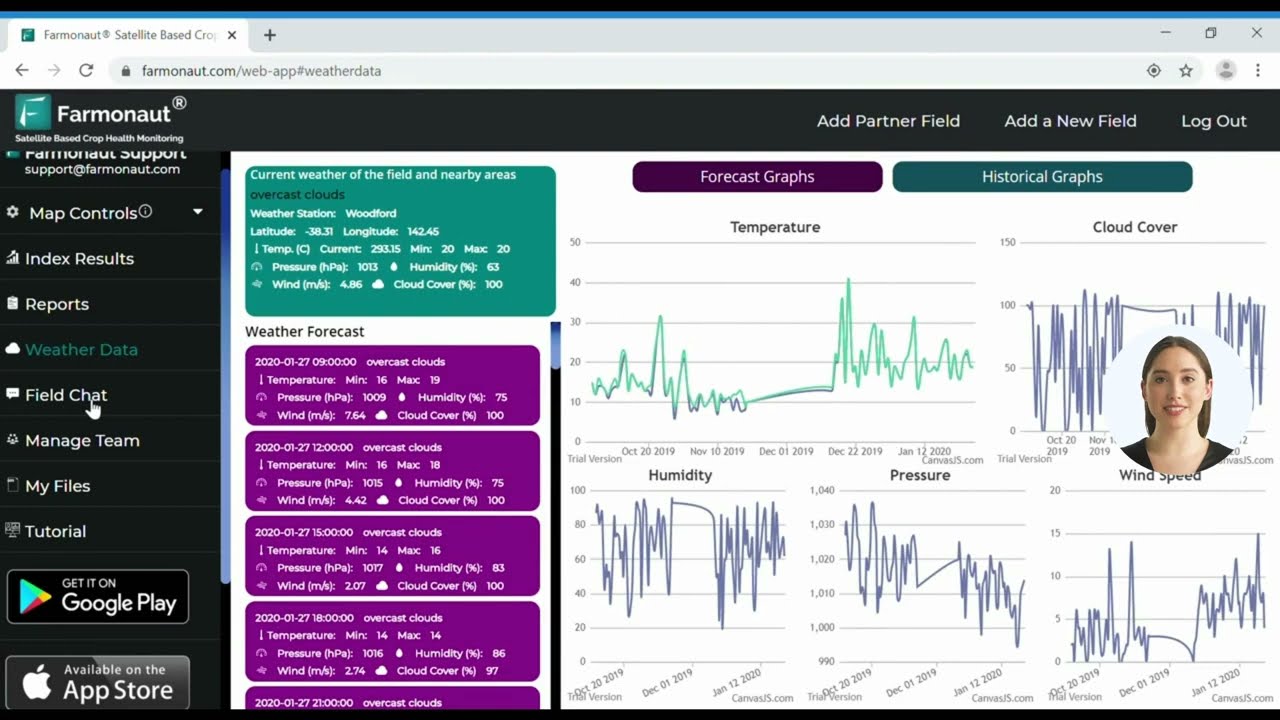
For guidance on field management or environmental compliance, our large-scale farm management solutions offer robust oversight and AI-supported decision-making.
📊 Data Insights: 2025-2026 Weed Control Outlook
- 📊 Florasulam herbicide is projected to play an even larger role in sustainable cereal systems
- 📊 Explorer herbicide adoption in forage and pasture crops is accelerating due to sector-specific innovations
- 📊 Herbicide programs that use digital integrations show a 20% improvement in weed suppression and cost efficiency

The intersection of satellite technology, herbicidal innovation, and blockchain traceability is set to define the next generation of agtech. Real-time data flows will give rise to fully autonomous, self-optimizing weed management systems by 2027.
FAQs: Florasulam & Explorer Herbicide in Modern Agricultural Systems
Florasulam’s systemic activity, selectivity for cereals and legumes, low application rates, and minimal soil persistence distinguish it as one of the top solutions for sustainable weed control in 2025–2026.
Q2. Are explorer herbicides compatible with the latest drone or AI-guided spraying technologies?
Yes, modern explorer herbicide formulations are specifically designed for precision ag compatibility. They can be applied via autonomous drones, smart rigs, and benefit from satellite-determined weed mapping.
Q3. How do satellite technologies help reduce herbicide use?
By providing real-time imagery and field-level analytics, platforms like Farmonaut enable accurate targeting of weed patches, reducing chemical use by up to 30% in some studies and minimizing environmental impact.
Q4. What is the best way to manage herbicide resistance in weed populations?
Rotate modes of action (e.g., alternate between ALS inhibitors and synthetic auxins), combine with mechanical/biological methods, and use data from digital crop monitoring systems to adaptively change strategies.
Q5. Can traceability and environmental compliance be automated in weed control operations?
Yes—with solutions such as Farmonaut’s traceability module and blockchain integrations, end-to-end record-keeping, and compliance reporting can be automated throughout the season.
Conclusion: The Way Forward (2026 and Beyond)
As agriculture evolves into an era of data-driven precision, environmental accountability, and higher expectations for yield, florasulam herbicide and explorer herbicide will remain at the forefront of sustainable weed management. Their continued prominence is tied to:
- ✔ Technological synergy with satellite-based monitoring, AI-based advisory, and blockchain traceability systems
- ✔ Environmental compatibility for conservation-oriented farming systems
- ✔ Flexible, data-informed application that adapts to local weed pressures and regulatory developments
- ✔ Integrated management approaches reducing resistance risk and supporting soil health goals
We at Farmonaut are strongly committed to supporting businesses, farmers, and agri-professionals worldwide in this transformation journey—providing satellite insights, resource management tools, compliance data, and scalable digital farming solutions for a resilient future.

By embracing florasulam herbicide, explorer herbicide, and digital weed control platforms, agricultural producers can balance sustainability, productivity, and profitability for 2026 and beyond.
Summary: Advancements and Applications of Florasulam and Explorer Herbicides in Modern Agriculture (2025)
The rise of florasulam herbicide and explorer herbicide in 2025–2026 reflects a broader movement toward precision agriculture, data-driven field management, and sustainable weed control methods. These herbicides offer targeted, broad-spectrum, and integrated weed management potential, supported by satellite monitoring, AI-driven recommendations, and enhanced regulatory compliance. Together, they boost productivity and environmental stewardship, providing a resilient foundation for the farms of the future.