Farming Materials & Automated Vertical Farming: Top Trends for 2025
Table of Contents
- Introduction: The Future of Food Production
- Trivia: Automated Water Savings & Yield Density
- What is Automated Vertical Farming?
- Farming Materials Optimized for Automated Vertical Farms
- Automation: Driving Efficiency in Vertical Farms
- Comparative Trend Analysis Table: Automated vs Traditional Farming
- Key Advantages Revolutionizing Global Agriculture
- Farmonaut: Transformative Satellite & AI Innovations
- Top Trends in Automated Vertical Farming for 2025 & Beyond
- Critical Insights & Pro Tips
- Challenges & Solutions: Addressing the Road Ahead
- FAQs About Automated Vertical Farming & Materials
- Conclusion: Feeding the World with Automation & Innovation
Introduction: The Future of Food Production
The global population continues to surge toward an estimated 8.5 billion by 2030, putting unprecedented pressure on our food systems. As land becomes increasingly limited and climate change brings greater variability, traditional agricultural methods face critical challenges: limited arable land, water scarcity, volatile yields, and increased production costs. If we are to feed the world sustainably, leveraging innovation is no longer an option, but a necessity.
In this context, automated vertical farming has emerged as a transformative solution. By integrating sophisticated automation, tailored farming materials, artificial intelligence (AI), and Internet of Things (IoT) sensors, these systems are optimizing every aspect of food production. This article explores the top trends in farming materials and automated vertical farming for 2025 and beyond—spotlighting how these technologies, materials, and methods improve water usage, efficiency, sustainability, and food security worldwide.

What is Automated Vertical Farming?
Automated vertical farming refers to growing crops in vertically stacked layers within climate-controlled environments, utilizing smart automation throughout every farming stage. Unlike field-based traditional farming, these futuristic systems are independent of seasonal variability and can be implemented in challenging urban locations, drastically multiplying crop yields per square meter.
Key Elements of Automated Vertical Farming
- Stacked Layered Growth: Cultivating crops in vertical racks maximizes space—especially in urban environments.
- Control Systems: AI and IoT sensors monitor and optimize light, humidity, temperature, nutrient levels, and CO₂—ensuring every batch receives optimal conditions.
- Soilless Mediums: Farming methods such as hydroponics, aeroponics, and aquaponics deliver water and nutrients directly to plant roots—reducing water usage by up to 90%.
- Integrated Automation: Robotics and smart machinery automate every stage, from planting and monitoring to harvesting and logistics.
- Energy-Efficient Lighting: Advanced LED grow lights with tunable light spectra stimulate photosynthesis without harmful UV—accelerating growth cycles without ecosystem disruption.
Farming Materials Optimized for Automated Vertical Farms
The foundation of successful automated vertical farms lies in selecting farming materials tailored for efficiency and sustainability. In 2025, we see an exponential jump in material performance—especially regarding water usage, recyclability, and root health. Here are the key materials setting new standards:
1. Soilless Mediums: Hydroponics, Aeroponics, and Aquaponics
Hydroponics utilizes water-based nutrient solutions, replacing traditional soils with substrates such as biodegradable coconut coir blends and bioengineered sponges.
Aeroponics suspends roots in air, misting them with nutrients, offering even greater water efficiency—saving up to 90% compared to conventional methods.
Aquaponics integrates aquaculture, using fish waste to nourish plants. All three methods reduce soil-borne diseases and boost yield density.
Key Insight
Biodegradable substrates, like coconut coir and bioengineered sponges, provide an eco-friendly solution for vertical agriculture by minimizing waste and maximizing root access to water and nutrients.
2. LED Lighting: Multi-Spectral Grow Lights
Modern LED grow lights are pivotal in vertical farms. By using adjustable light spectra, LED systems precisely stimulate photosynthesis.
- Blue light encourages leafy growth in early cycles.
- Red light accelerates flowering and fruiting stages.
AI-driven light scheduling ensures plants receive the exact wavelengths they need for each growth phase, accelerating yields while reducing energy consumption.

3. Environmental Sensors & Smart Robotics
Farms are now equipped with advanced nutrient, temperature, CO₂, pH, and humidity sensors, all linked to automated controls. Data-driven robotics handle:
- Precision planting, transplanting, and pruning with minimal damage
- Automated harvesting at peak ripeness, reducing labor costs and post-harvest losses
- Drone-based logistics for internal transport and pest detection
4. Biodegradable & Reusable Substrates
Unlike conventional farming, which relies on soil tillage and single-use materials, vertical systems utilize reusable trays, net pots, and biodegradable rooting platforms. This minimizes the environmental footprint and facilitates rapid re-planting cycles.
- 🌱 Eco-Substrates: Coconut coir blends, bioengineered sponges
- 💡 LED Spectra: Custom light recipes for each crop phase
- 📶 IoT Sensors: Data-driven environmental monitoring
- 🤖 Robots: Automated transplanting, pruning, and harvesting
- 🔄 Reusable Infrastructure: Stackable trays, modular frames
5. Smart Irrigation & Water Recirculation Systems
Automated vertical farming systems feature closed-loop irrigation, where nutrient-rich water is recirculated and runoff is minimized. Sensors precisely adjust water flow to each plant’s growth stage, ensuring no drop is wasted—critical for regions facing water scarcity.

Automation: Driving Efficiency in Vertical Farms
Full-scale automation is the engine that transforms vertical farms from boutique setups into commercial food factories. Here’s how automation is revolutionizing food production:
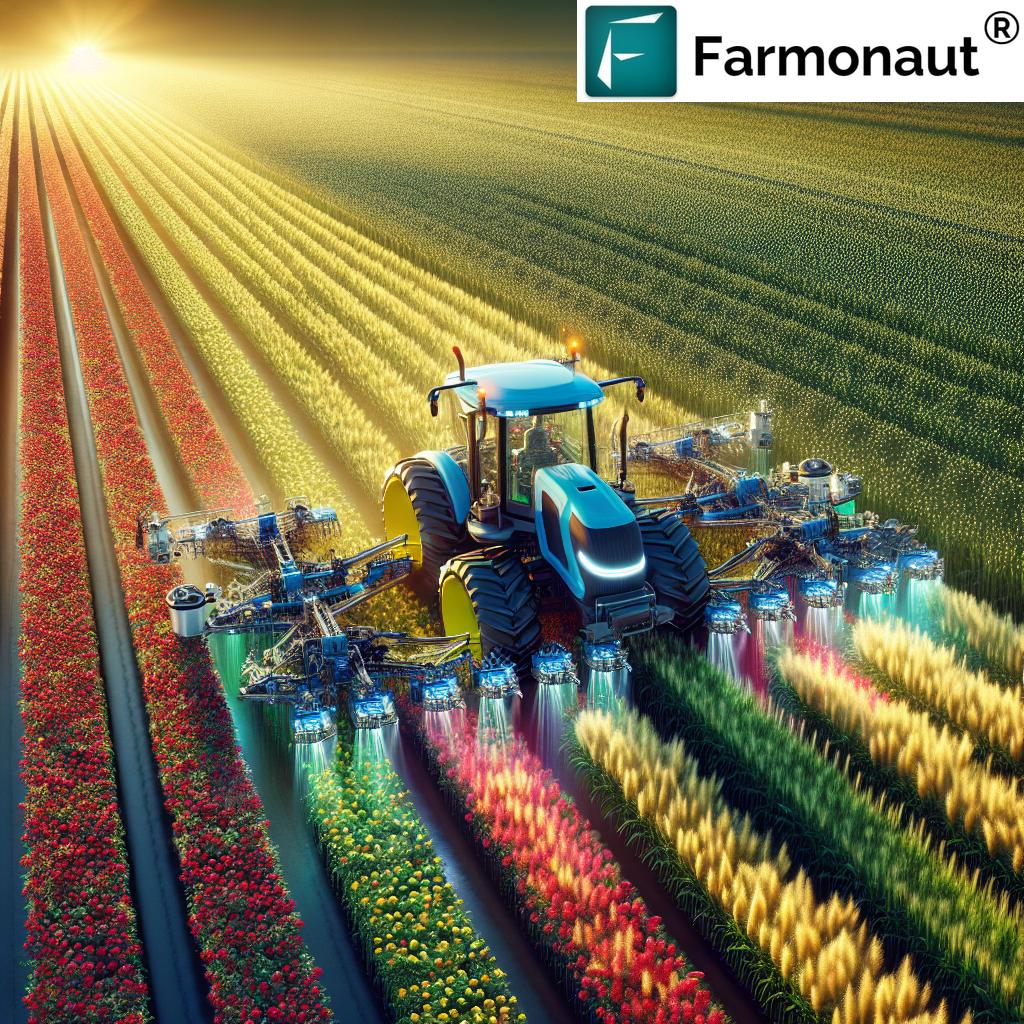
- 🤖 Robotic Arms: Perform delicate seed planting, transplanting, and harvesting 24/7, reducing labor requirements and inconsistencies.
- 🧠 AI and Machine Learning: Analyze real-time data from sensors, automatically adjusting nutrient delivery, light intensity, and environment for maximum productivity.
- 🚨 Early Disease & Pest Detection: Machine vision and predictive analytics notify managers of emerging issues instantly, reducing pesticide use and crop losses.
- 🚚 Internal Logistics Automation: Drones and conveyor bots move seedlings and produce between stations efficiently, streamlining the supply chain.
- ⏰ AI-Optimized Scheduling: Ensures every growth cycle is fine-tuned for peak resource use—helping farms scale reliably.
- 🚀 Speed: Non-stop operations and reduced downtime
- 🔬 Precision: Every crop receives tailored care, minimizing waste
- 📉 Lower Costs: Labor reduction and targeted interventions decrease operating expenses
- 🔄 Consistency: Repeatable results yield predictable, high-quality crops
- 📊 Scalability: Effortless expansion of vertical systems as demand grows
Comparative Trend Analysis: Automated Vertical vs Traditional Farming
| Technology / Material | Application (Vertical / Traditional) | Estimated Resource Savings (%) | Estimated Yield Increase (%) | Sustainability Impact | Cost Effectiveness |
|---|---|---|---|---|---|
| AI-Driven Smart Sensors | Vertical & Traditional | 30% (avg. input reduction) | 15% (fewer losses) | Huge: Data-driven decisions reduce pesticides & fertilizers | High (after initial setup) |
| Hydroponic / Aeroponic Substrates | Vertical | Water: 95% Land: 90% |
Up to 300% | Excellent: Eliminates soil erosion, minimal runoff | Moderate (improves with scale) |
| Automated Irrigation Systems | Vertical & Advanced Traditional | Water: 50–95% | Up to 20% | Strong: Optimizes every drop | High return over time |
| LED Multi-Spectral Grow Lights | Vertical | Energy: 40% (vs. legacy lamps) |
30–80% | Significant: Custom spectra boost precision & cut waste | Rising cost-effectiveness in 2025+ |
| Biodegradable Substrates (Coir, Sponges) | Vertical | Waste: 70% | 20% | High: Compostable & reusable | Improves with wider adoption |
| Manual Labor | Traditional | None | Baseline | Low: Prone to errors, resource-intensive | Declining as labor costs rise |
| Broad-Spectrum Pesticide Use | Traditional | -10% (higher input use) | Variable | Negative: Runoff & residue risks | Lower short-term; costly long-term |

Data Insight
By 2025, automated vertical systems using smart farming materials can reliably deliver 12–15 crop cycles per year, compared to 1–3 cycles in traditional open-field agriculture.
Key Advantages Revolutionizing Global Agriculture
What sets automated vertical farming apart? Here are the most impactful benefits—transforming global food systems and strengthening security, efficiency, and sustainability:
-
Land Efficiency:
Vertical stacking means more produce per square meter—ideal for urban cores or locations with limited arable land. -
Water Conservation:
Closed-loop irrigation and soilless substrates reduce water usage up to 95%, critical for areas already facing climate-induced scarcity. -
Reduced Supply Chains:
Urban vertical farms bring food closer to consumers, lowering transport emissions and minimizing spoilage. -
Year-Round Harvests:
Controlled environments free farming from seasonal variability, ensuring stable supply—rain or shine. -
Labor Optimization:
Robotics and AI-driven systems reduce labor needs and amplify consistency—key as agricultural workforces shrink globally.
Investor Note
Analysts predict the global automated vertical farming market will exceed $20 billion by 2028, as stakeholders seek solutions that address food security, urbanization, and climate change.
Farmonaut: Transformative Satellite & AI Innovations for Agriculture
At Farmonaut, our mission is to make satellite-driven insights and AI-based decision tools accessible for every level of agriculture, mining, infrastructure, and defence.
We combine multispectral satellite imagery with machine learning, real-time environmental monitoring, and blockchain-based traceability to tackle the critical challenges of food security, resource optimization, and sustainability.
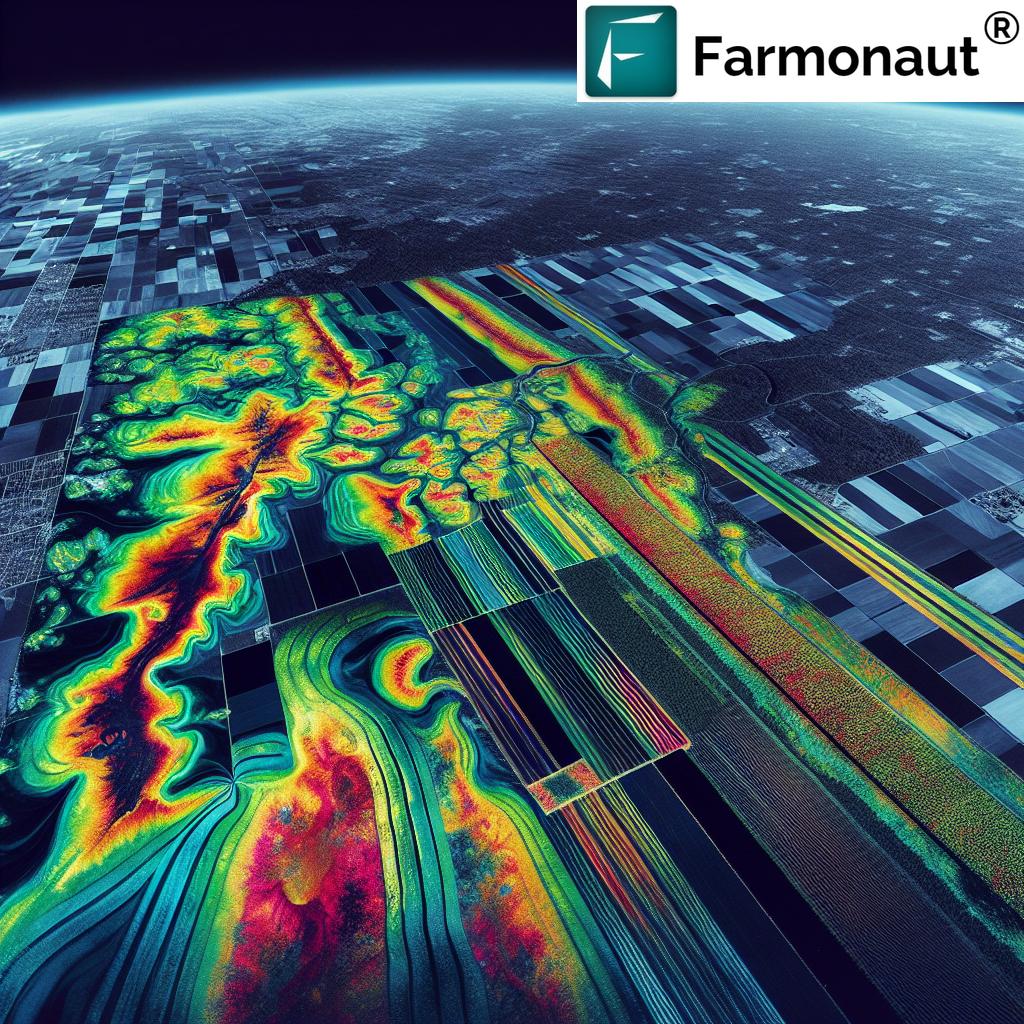
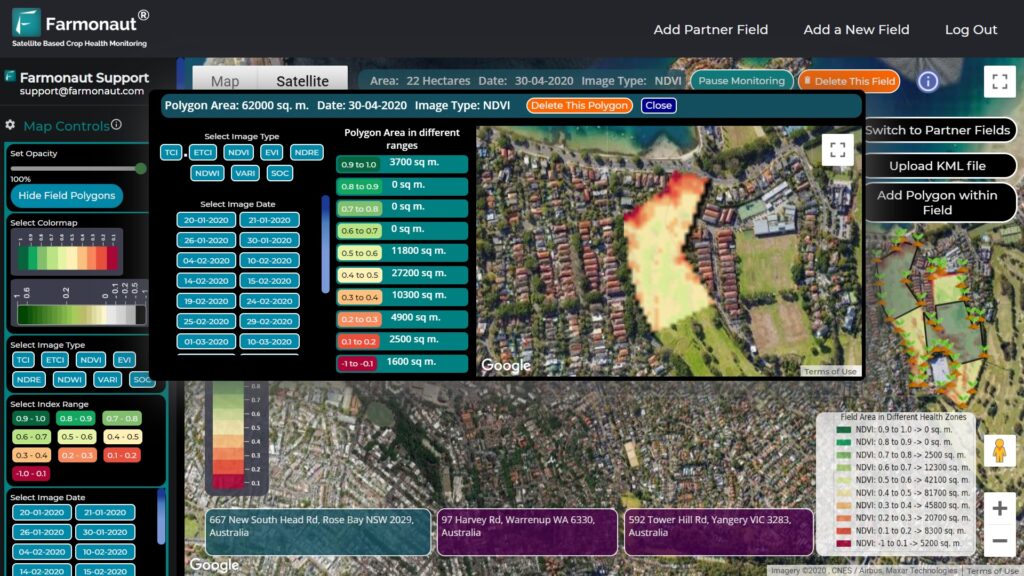
- Satellite-Based Monitoring: Analyze vegetation health (NDVI), soil moisture, temperature, and carbon footprint in real time, enabling better management and yield prediction across automated and traditional farms.
- Jeevn AI Advisory System: Our proprietary AI provides weather-based and satellite data analysis for tailored agricultural interventions.
- Blockchain Traceability: Guarantee food and input authenticity throughout the supply chain—a vital tool for food safety and trust.
-
Fleet & Resource Management: Powerful telematics and logistics tools help optimize equipment use and reduce costs, suitable for both conventional and automated vertical farms.
Discover how Farmonaut’s fleet management platform can help scale your vertical farm’s operational efficiency. - Environmental Impact Monitoring: Satellite-powered carbon and resource tracking encourage sustainable farm practices.



Check out the Farmonaut API |
Developer Documentation
Pro Tip
Leverage Farmonaut’s real-time satellite and AI-driven advisory tools to identify resource hotspots, track environmental impacts, and optimize crop cycles in any automated or traditional farming system.

Top Trends in Automated Vertical Farming Materials & Systems for 2025+
- ✔ AI-Driven Decision Making: Algorithms analyze millions of real-time data points to optimize light, nutrient, and climate—boosting efficiency and yields seamlessly.
- ✔ Water Recirculation Systems: Up to 95% water is reused, reducing wastage and logistics.
- ✔ Smart Traceability: Blockchain verifies food origins—critical for urban and export markets requiring transparency.
- ✔ Net-Zero Carbon Platforms: Automated vertical farms integrate solar, wind, and Farmonaut’s carbon tracking to minimize environmental impact.
- ✔ Urban Farm Integration: Skyscrapers and green buildings now feature modular vertical farms, enhancing local food availability and security.
Common Mistake
Many early adopters overlook energy demand. Ensure your vertical farming operation pairs LED and automation systems with renewable energy sources to maximize sustainability and long-term savings.

Challenges & Solutions: Addressing the Road Ahead
No revolution is without challenges. Automated vertical farming systems face hurdles—primarily high initial investment, complex integration of AI/automation, and energy costs. Here are key solutions for 2026 and beyond:
- ⚠ Capital Intensity: While setup costs are high, scale and automation dramatically lower long-term operational costs and broaden ROI over time.
- ⚠ Energy Demand: Migrating to renewable sources (solar, wind) and next-gen LED efficiencies reduces overall power needs—ensuring environmental alignment.
- ⚠ Standardization Gaps: As vertical farming materials and automation protocols become standardized, expect streamlined training and global scalability by 2026.
- ⚠ Interoperability: Open data protocols and platforms (including APIs like Farmonaut’s) help bridge tech from sensors to supply chain software.
- ⚠ Skills Transition: Focus is shifting to “agri-tech” skills—robotics maintenance, data analysis, AI systems—heralding a new era of digital agriculture careers.
Farmonaut Subscription Plans
Access Farmonaut’s suite of AI, satellite, and blockchain solutions for monitoring your automated vertical farming or traditional agriculture operations. Choose the plan that fits your needs—scalable for individuals, businesses, and government agencies.
- ✔ High-efficiency materials and automation drive up yields by 200–300% over traditional methods
- 📊 Data analytics and smart sensors reduce resource consumption by 30–95%
- ⚠ Integrating renewable energy is now essential for true sustainability
- 🌱 Biodegradable substrates and water recirculation slash environmental footprints
- ✅ AI and IoT platforms unlock 12+ crop cycles annually—feeding urban populations with improved reliability
Frequently Asked Questions
Q1: What are the most critical materials for automated vertical farming in 2025?
A: The most critical materials are smart sensors, biodegradable growing substrates (e.g., coconut coir, bio-sponges), multi-spectral LED lights, and precision irrigation systems. These enable higher efficiency, sustainability, and yield.
Q2: How does automation benefit vertical farming?
A: Automation (robotics, AI, IoT) boosts consistency, reduces labor needs, streamlines resource use, and provides real-time crop monitoring—producing more reliable food at lower long-term costs.
Q3: Can vertical farms really reduce water usage by 90–95%?
A: Yes. Controlled, recirculated irrigation and soilless methods minimize evaporation and runoff—ensuring up to 95% less water is used compared to traditional field farming in 2025.
Q4: Is vertical farm produce as nutritious as traditionally grown crops?
A: Scientific studies show that controlled environments ensure equal or superior nutrition by precisely managing nutrients, light, and growth cycles.
Q5: How can small farmers or businesses access advanced tech in 2025?
A: Subscription-based models, like Farmonaut’s, democratize access to satellite, AI, and traceability tools—making powerful insights accessible without huge upfront investment.
Conclusion: Feeding the World with Automation & Innovation
Automated vertical farming, powered by tailored farming materials and next-gen automation, is redefining food production for 2025 and beyond. From eco-friendly substrates and smart robotics to AI-driven analytics and traceability, these systems combine optimal efficiency, sustainability, and urban adaptability. The convergence of technology and agriculture offers a blueprint for securing global food supplies, navigating climate variability, and preserving environmental resources.
For farms, businesses, and governments seeking to thrive in a shifting world, embracing automated vertical farming and smart material innovation isn’t just a trend—it’s the new standard for resilient, sustainable agriculture.
Stay updated, optimize your operations, and join the future of farming with proven tools, guided by the latest science and technology.