Farm Operating Loans 2026: USDA, FSA, Ag & Credit Options
“In 2025, USDA-backed operating loans are available up to $400,000 to help finance farm operating expenses.”
Introduction: Farm Operating Loans—Vital Financing for 2025 & Beyond
The farm operating loans environment in the United States remains both dynamic and critical for producers, especially as we look to 2025 and 2026. Rising input costs, variable weather patterns, and shifting market demands mean that the need for reliable, affordable credit is greater than ever. Farmers and ranchers across the country rely on ag operating loans to maintain, improve, and expand their agricultural operations—making these loans a true financial lifeline.
Changing regulations, advanced digital processes, and an emphasis on data-driven decision-making all shape today’s landscape, guiding farmers as they seek the right funding to cover everything from seed and fertilizer to modern technologies and sustainable practices.
Farm operating loans not only cover seasonal expenses, but can be instrumental in adopting sustainable technologies and protecting crops against unpredictable weather in 2026.

Understanding Farm Operating Loans
Farm operating loans are specialized financing tools created to support the day-to-day running costs of farming operations. Unlike long-term loans used for buying land or buildings, operating loans focus on the immediate and seasonal inputs required to keep your farm functioning smoothly. This includes, but is not limited to:
- Purchasing seed, fertilizer, pesticides, and fuel
- Labor costs and seasonal hiring
- Machinery repairs and maintenance
- Feeding livestock and acquiring feed
- Covering all other operational expenses ahead of harvest
Efficient agricultural production now depends heavily on swift access to capital, offered in various forms by the USDA, FSA, Farm Credit System, and commercial private lenders.

Establish a positive credit history early with local lenders—this can help you access better rates and more flexible terms on farm operating loans in future cycles.
Types of Farm Operating Loans in 2025–2026
1. FSA Farm Operating Loans (USDA)
The Farm Service Agency (FSA), a key branch of the USDA, offers fsa farm operating loans with competitive interest rates and flexible repayment options. In 2025, loan limits have expanded to $400,000 for direct FSA loans, supporting family farmers, socially disadvantaged producers, and veterans who may not qualify for traditional commercial credit.
FSA loans are especially crucial for beginning farmers, those with limited resource access, or farms dealing with variable income and cash flow disruptions. They cover:
- Purchasing livestock and feed
- Acquiring equipment
- Seed, fertilizer, and operational inputs
- Meeting payroll and seasonal labor costs
Enhanced digital application processes are now standard, reducing wait times and simplifying eligibility checks.
2. Farm Credit Operating Loans
Farm Credit operating loans are provided by a network of cooperative institutions known as the Farm Credit System. These loans offer:
- Personalized service and local knowledge
- Competitive interest pricing
- Flexible applications tailored to each farm’s needs (seed, fertilizer, equipment)
- Support for both traditional and innovative farms, including organic and specialty crop producers
- Funding for every stage: planting, mid-season costs, and harvest expenses
Farm Credit is often the primary lender for mid- to large-scale farms in 2025, thanks to their trusted, relationship-driven approach.

3. Commercial & Private Lender Operating Loans
Many commercial banks and private lenders now tailor their farm loans to address the diverse, evolving landscape of US agriculture. These financial institutions offer:
- Higher loan amounts for large or capital-intensive operations
- Faster approval times using digital credit assessments
- Flexible collateral options (not always requiring land as security)
- Custom packages for vertical farms, organic growers, and tech-driven agri-businesses
Rates may be higher, but so is loan flexibility and speed.
Applying for the wrong loan type or miscalculating operational needs often leads to cash shortages at peak planting or harvest. Always identify your exact funding gap before beginning the application process.

Role of Farm Operating Loans in Today’s Agricultural Landscape
- Bridge seasonal cash flow gaps: Ensure uninterrupted supply of seed, fertilizer, and fuel during critical windows.
- Enable adoption of modern technologies: Access to operating funds lets farmers invest in precision ag tools, weather monitoring, and smart irrigation.
- Strengthen resilience against market fluctuations and rising input costs.
- Support sustainable practices: Loans help fund cover cropping, no-till, and carbon-reducing strategies aligned with climate-smart mandates.
- Boost productivity: Ready operating credit maximizes yield potential year after year.
“FSA microloans offer up to $50,000 with simplified applications to support beginning and small-scale farmers in 2025.”
With climate variability and shifting supply chain dynamics, farms that leverage smart, timely operating loans are best positioned to adopt regenerative agriculture and carbon tracking strategies—see why carbon footprinting solutions are surging in demand.

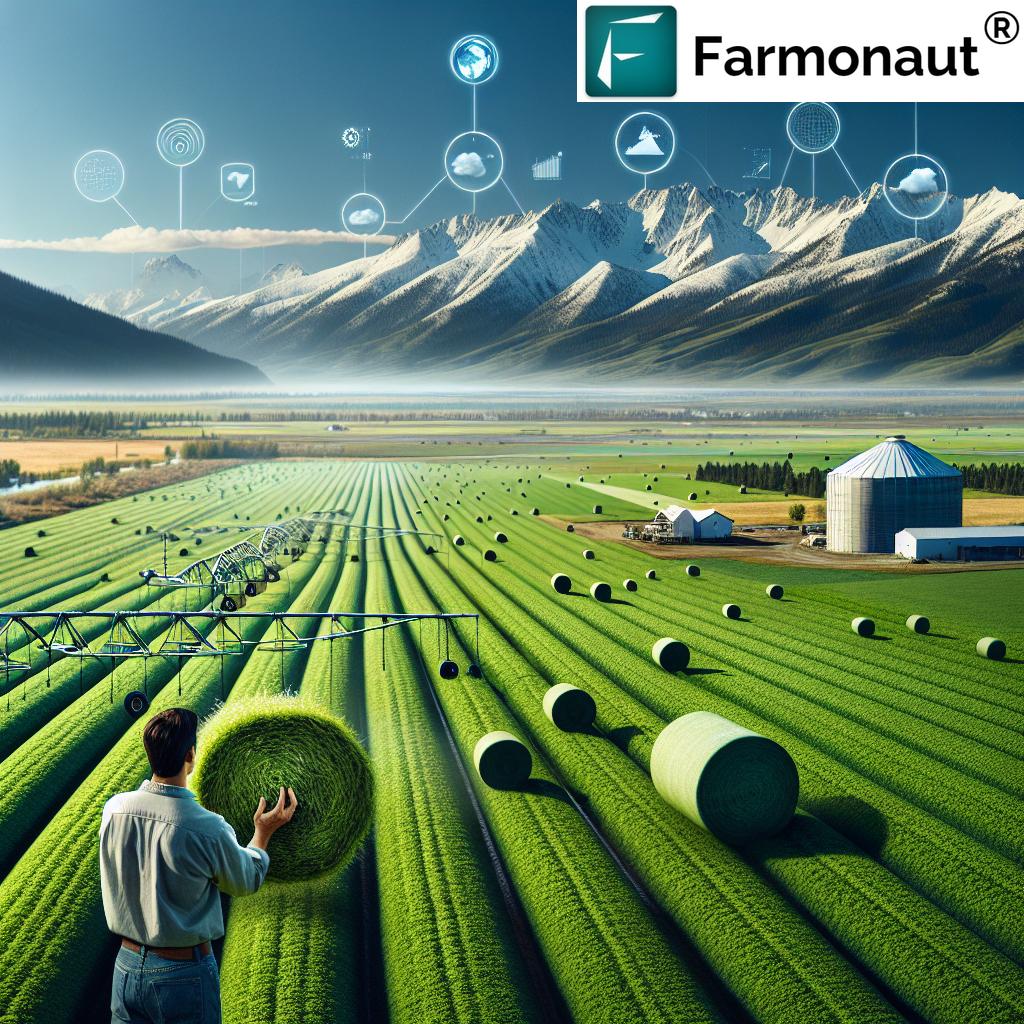
Visual Benefits of Farm Operating Loans
- Spring planting fully funded: Cover bulk purchases of seed and fertilizer when market prices are lowest
- Weather-adaptive technology: Invest in monitoring tools to boost yield and cut water/pesticide use
- Timely repairs: Keep tractors and equipment running, reducing costly breakdowns
- Cash for innovation: Fund test plots, new crop varieties, and sustainability pilots
- Protect against volatility: Buffer against commodity price swings and late payment cycles

Comparative Loan Options Table: 2025–2026
| Loan Type | Estimated Interest Rate (2025–2026) | Maximum Loan Amount (USD) | Eligibility Criteria | Repayment Terms (Years) | Application Timeline (Weeks) | Key Advantages |
|---|---|---|---|---|---|---|
| USDA Operating Loan | 3.5% – 5.2% | $400,000 | U.S. citizens, Family Farms, Limited Credit Access | 1–7 | 4–8 | Low rates, tailored support, government guarantee |
| FSA Direct Farm Loan | 3.0% – 4.8% | $400,000 (Microloans: $50,000) |
Beginning, Veteran, Socially Disadvantaged | 1–7 | 3–6 | Simplified apps for small/new farms, flexible |
| AgriBank/Corr. Institution | 4.7% – 7.3% | $1,000,000+ | All professionally managed farms/ranches | 1–5 | 2–4 | Large loan size, fast processing, local advisors |
| Commercial/Private Loan | 6.5% – 9.0% | $50,000 – $3M | Good credit, asset-backed, high diversity | 1–4 | 1–3 | Custom, rapid funding, fewer restrictions |
Note: Interest rates and timelines for all farm operating loans are estimates and may vary by region and lending year. Always confirm specific requirements with your preferred lender. Microloans through the FSA have the simplest applications and provide critical early-stage funding.
Choosing the right loan program (USDA, FSA, Cooperative, Commercial) depends on your farm’s growth stage, credit history, and operational goals. Compare not just rates—but processing speed, flexibility, and value-added advisory services.
Eligibility & Application Process for 2025–2026 Farm Operating Loans
- USDA and FSA: Prioritize applicants lacking access to traditional bank credit (especially beginning farmers, veterans, and minority producers).
- Farm Credit System: Open to established, family-owned, and corporate farms with steady revenue streams.
- Commercial and Private Lenders: Require comprehensive business plans, strong credit, and sometimes personal or asset-based guarantees.
Applications are now predominantly digital in 2025, leveraging automated credit checks and AI-backed assessment tools. Required documents usually include:
- Proof of farm income and tax returns
- Updated balance sheets and cash flow projections
- Business and operational plans
- Asset and liability statements
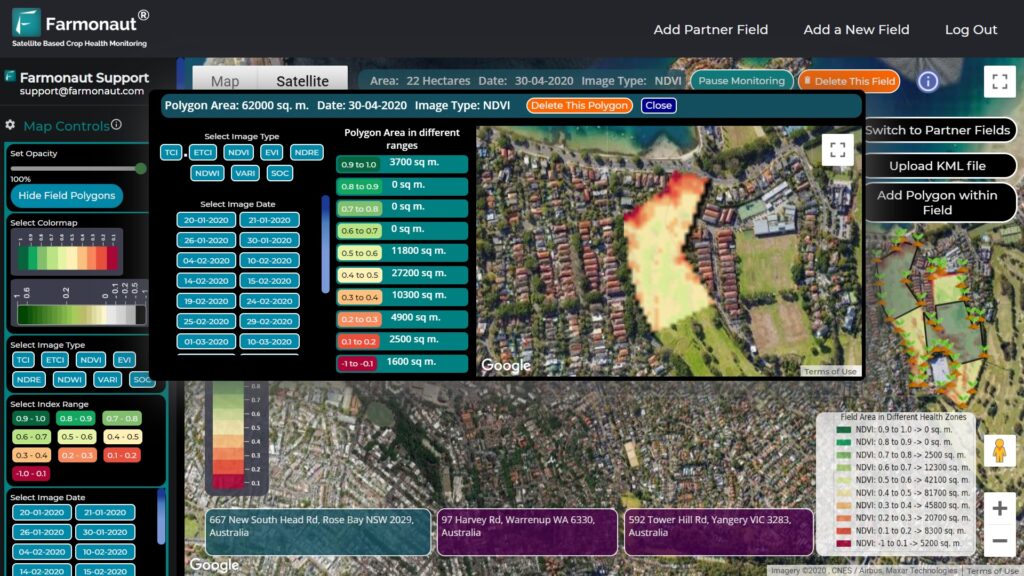
Explore satellite-based verification and digital crop insurance solutions with Farmonaut for smoother loan approvals and risk management.

📁 Common Application Steps (2025)
- Choose lender based on loan amount, rates, and farm profile
- Prepare digital paperwork: Financial statements, operation plans, satellite imagery (for verification)
- Submit online application through lender’s portal (FSA, Farm Credit, or bank)
- Fulfill follow-up requests: May include updated crop/asset records or additional proof of income
- Review and accept loan offer; execute digital agreements
Be sure all required information is accurate to avoid delays!
Tips for Maximizing Approval Odds
- Demonstrate sustainable practices: Lenders increasingly prefer farms with environmental risk mitigation (e.g., water-efficient irrigation).
- Utilize satellite verification: Speeds approval and enhances transparency—see Farmonaut’s carbon tracking tools.
- Provide clear cash flow analysis: Show anticipated income, major seasonal expenses, and off-season planning.
- Engage with digital advisories: Modern monitoring tools (like those on the Farmonaut Agro Admin App) can strengthen your business plan’s credibility.
Farms using blockchain-based product traceability and digital monitoring have reported faster bank approvals for operating loans thanks to enhanced transparency and proof of compliance.
Farmonaut: Empowering Access to Operating Loans & Farm Productivity



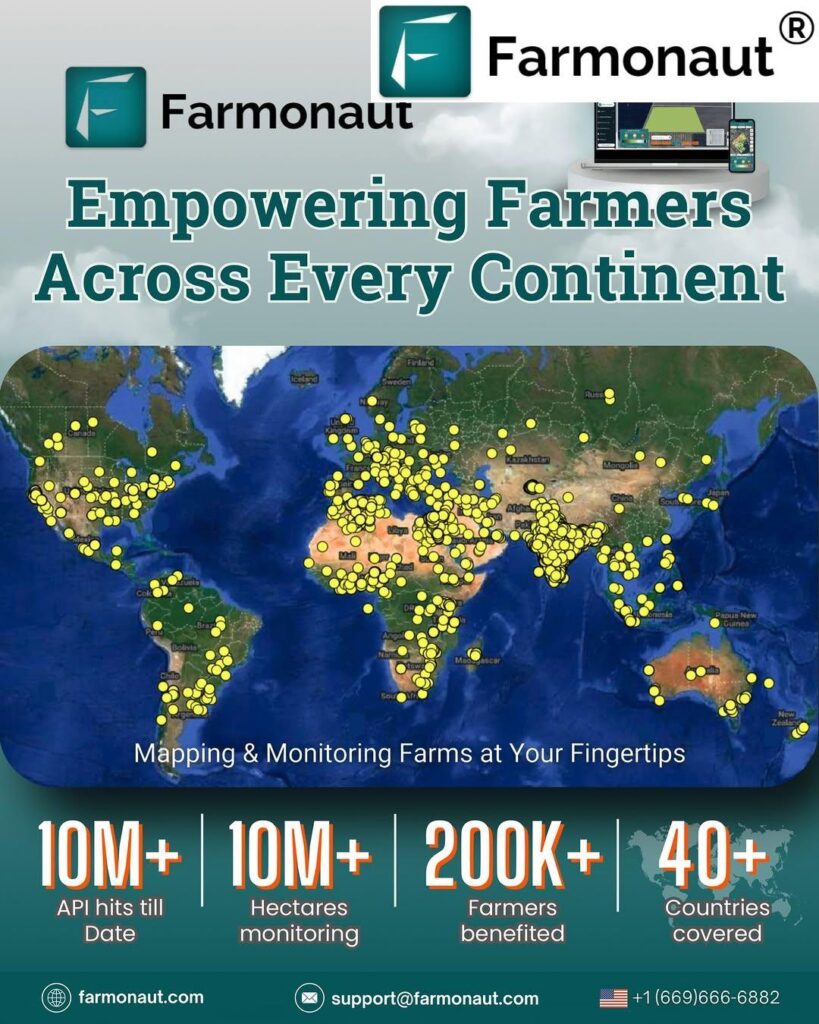
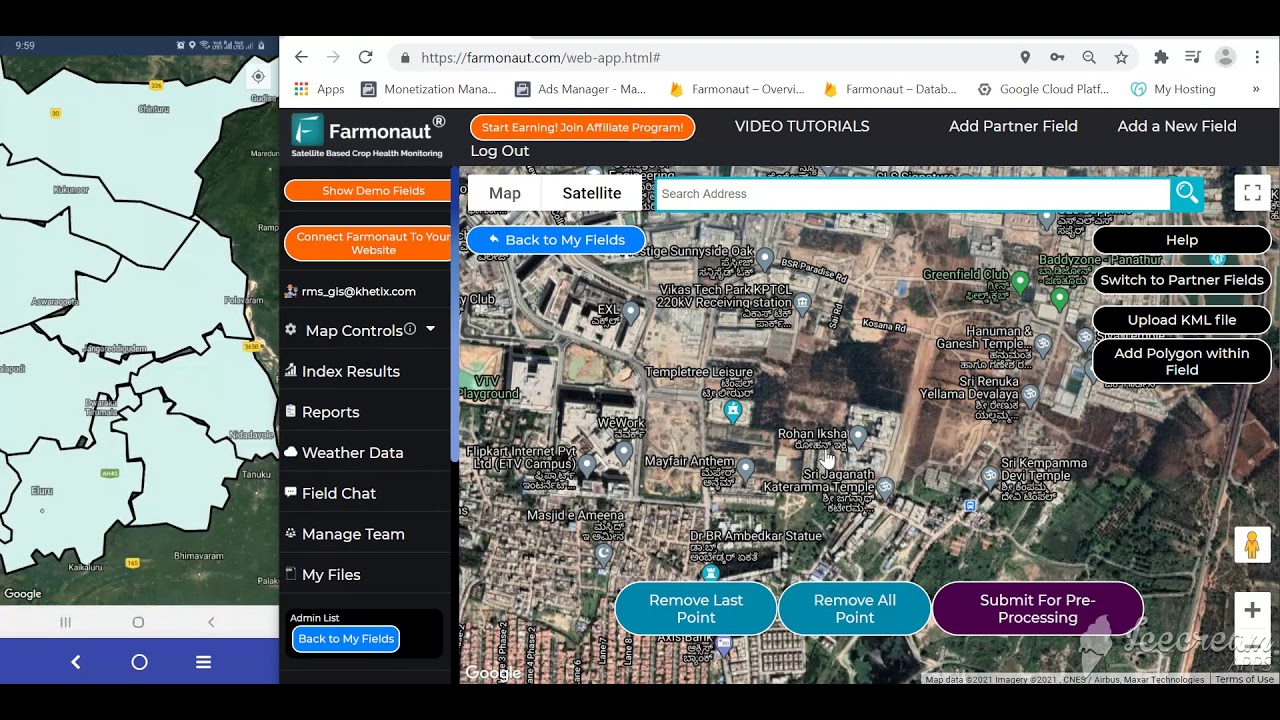
Access Farmonaut insights across devices to support data-driven loan applications and operational decisions!
At Farmonaut, we understand the unique challenges facing U.S. farmers as they navigate the 2026 agricultural lending landscape. Our satellite-based monitoring, advisory, traceability, and resource management tools are designed to enhance your eligibility for farm operating loans, streamline application documentation, and provide the transparency today’s lenders require.
Whether it’s updating your digital crop health records—or demonstrating sustainability efforts for carbon-footprinting or fleet management—our platform can be your operational edge.
- Seamlessly connect to Farmonaut API for integrating satellite insights into your financial and operational systems.
- Implement large scale farm management tools for easier tracking of farm assets and productivity KPIs.
- Explore developer documentation to build custom integrations for your ag finance and compliance workflows.
- Use traceability solutions to support bulk input purchases and compliance reporting for lenders and insurers.
Smart Strategies for Using Farm Operating Loans—and Avoiding Risk
- Review true cost-per-acre: Only borrow what you need for actual input and operational expenses.
- Time purchases wisely: Take advantage of input bulk buying power and pay down high-interest balances first.
- Build a contingency fund: Weather volatility or disease outbreaks can cause expenses to spike—reserve 5%–10% for such events.
- Leverage digital monitoring: Automated data from satellite platforms makes it easier to track performance and demonstrate responsible use of loan funds to lenders.
- Prioritize sustainability: Invest in water efficiency, cover cropping, and traceability wherever possible—it’s not only “green” but can mean lower long-term costs and improved lender relationships.
Delaying application until after input prices rise or planting windows close may result in lost production potential and reduced loan offers. Start your operating loan planning promptly after harvest season.
Looking Ahead: The Future of Farm Operating Loans
The next decade in U.S. agriculture will see farm operating loans becoming even more data-driven, sustainable, and accessible as economic, environmental, and regulatory forces converge:
- Digital credit modeling: AI tools will analyze your entire operational profile, potentially increasing approval rates and adjusting repayment schedules based on real performance data.
- Greater climate focus: Government and private lenders may tie lowest rates to clear emission reduction and sustainable practices—including no-till, solar, and carbon farming.
- Expanded microloan programs: As more producers seek loans under $100,000, microloan offerings will grow and digitize further, especially for first-generation farmers.
- Sustainable supply chain funding: Lenders may reward verified, traceable crops and resources—adding value for those adopting blockchain traceability and environmental reporting.
2026 Trends to Watch
- Satellite-verified lending: Satellite data for input use, yield results, or sustainability compliance will feature in more loan programs.
- Automated portfolio monitoring: Lenders will monitor crop/financial health in near real-time—accountability and opportunity both increase for U.S. farms.
- Rates linked to sustainability: “Green” farming practices will unlock interest discounts and longer repayment terms.
- New ag sectors: Lending models will be adapted for vertical, aquaponic, and specialty farms—expanding the traditional farm loan landscape in the U.S. and across the world.
FAQs: Farm Operating Loans 2025–2026
What is a farm operating loan?
Who is eligible for USDA or FSA operating loans in 2025–2026?
How much can I borrow?
What types of expenses do farm operating loans cover?
How long does the application process take in 2025?
Access Powerful Agri-Intelligence for Loan Decisions & Operations
- Use Farmonaut’s satellite monitoring to generate data-rich reports for loan applications (see Crop Loan & Insurance tools).
- Automate resource tracking and management via our web, iOS, or Android solutions for large and small farms.
- Leverage blockchain product traceability to enhance transparency with suppliers, buyers, and lenders.
- Track environmental impact and sustainability with carbon tracking modules.
- Integrate with your agri-finance tools using Farmonaut’s open API and developer docs.
Ready to maximize your productivity in 2026? Explore powerful, affordable monitoring and digital resource management via Farmonaut’s platform and ensure your next operating loan application stands out in America’s evolving agricultural landscape.
For detailed product inquiries or tailored support, visit the Farmonaut App Portal or contact us through our web platform or app interface.