Dry Cow Therapy 2026: Key Innovations for Dairy
“By 2025, over 60% of dairy farms are expected to adopt selective dry cow therapy for targeted antibiotic use.”
Meta Description: Dry cow therapy remains pivotal to dairy health and milk quality. Discover 2026’s key innovations—selective treatments, advanced diagnostics, and AI integration—shaping dairy farming’s future.
Table of Contents
- Summary: Dry Cow Therapy as a Cornerstone in 2025
- What is Dry Cow Therapy? Essential Foundations for Modern Dairy
- Types of Dry Cow Therapy: BDCT & SDCT Explained
- Significance in 2026 and Beyond: Why Dry Cow Therapy Is More Important Than Ever
- Comparative Innovations Overview Table: Technologies & Their Impact
- Best Practices in Dry Cow Therapy (DCT) for Dairy Excellence
- Integration of AI and Advanced Diagnostics in Dry Cow Therapy
- Challenges and Future Directions for Dry Cow Therapy
- Farmonaut: Satellite Intelligence & Advisory for Dairy Sustainability
- FAQ: Dry Cow Therapy 2026
- Conclusion
Summary: Dry Cow Therapy as a Cornerstone in 2025
Dry cow therapy (often abbreviated as DCT) remains a cornerstone in dairy farming—a management protocol designed to ensure animal health, optimal milk quality, and improved herd productivity. As the dairy industry advances in 2026, with new technologies and stricter regulations, efficient DCT has never been more crucial. With the growing emphasis on antimicrobial stewardship and strategies to reduce antibiotic use due to antimicrobial resistance, the future of dry cow therapy relies on innovation and precision.
Dry cow therapy, by targeting intramammary infections during the dry period, ensures healthier cows, higher-quality milk, and cost efficiency for farmers. In 2026, selective dry cow therapy (SDCT) with integrated diagnostics and AI-powered monitoring becomes the cornerstone for safe and sustainable dairy production.
What is Dry Cow Therapy? Essential Foundations for Modern Dairy
Dry cow therapy refers to the prophylactic and therapeutic treatments administered to dairy cows at the end of their lactation period—the dry phase that typically spans 40-60 days. This period is critical. Why? Because the mammary tissue of the udder regenerates and heals, prepping the cow for the upcoming lactation cycle.
Primary Goals of Dry Cow Therapy
- ✔ Eliminate existing intramammary infections (IMIs): Treating subclinical mastitis or active infections before the cow rests.
- ✔ Prevent new infections: Sealing and protecting the teat canal to avoid bacterial invasion during the dry period.
- ✔ Reduce future mastitis incidence: Ensuring herd health and better milk quality at calving.
- ✔ Enhance economic returns: Minimizing antibiotic use, treatment costs, and milk discard post-calving.
- ✔ Improve sustainability: Emphasizing precise, targeted therapies and reducing environmental antibiotic loads.
Think of the dry period as a ‘reset’ for your herd’s udder health. This is the best opportunity to address lingering infections and set the stage for a productive new lactation!
Types of Dry Cow Therapy: BDCT & SDCT Explained
As dairy farming advances, so do the approaches to dry cow therapy. There are two main types used today:
-
Blanket Dry Cow Therapy (BDCT):
✔ Administering intramammary antibiotics to every cow, irrespective of infection status.
✔ The traditional ‘one-size-fits-all’ approach, once mainstream but increasingly under scrutiny.
✔ Useful when infection rates are high or systematic diagnostics are lacking.
⚠ However, this can lead to unnecessary antibiotic use—a key concern for AMR (antimicrobial resistance). -
Selective Dry Cow Therapy (SDCT):
✔ Relies on infected-status identification using somatic cell counts (SCC), culture results, or clinical history.
✔ Only high-risk or infected cows receive antibiotic treatment; healthy cows may receive only a teat sealant as protection.
✔ Reduces overall antibiotic use and aligns with evolving regulations in 2026.

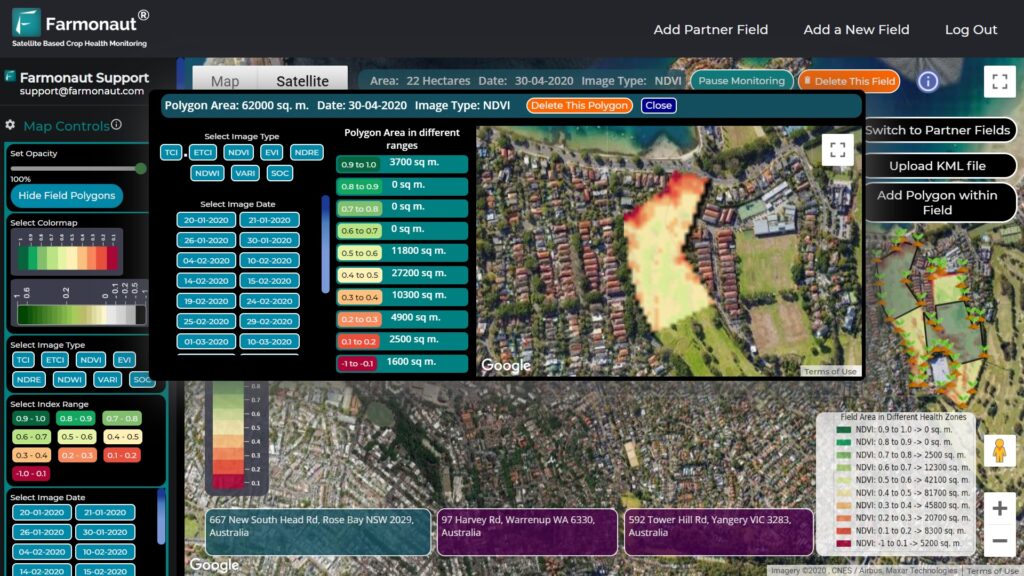
Empower your dairy with satellite-driven health monitoring via the Farmonaut Web App. Optimize your herd’s well-being, resource use, and compliance—all from one dashboard!
Switching to SDCT without robust diagnostics can miss subclinical infections. Always base your treatment protocol on comprehensive testing and reliable SCC records!

Blanket vs. Selective: Quick Visual List
- 🟡 Blanket DCT: All cows treated (maximum coverage, risk of overuse)
- 🟢 Selective DCT: Only identified cases treated (targeted, efficient, reduced antibiotic load)
Significance in 2026 and Beyond: Why Dry Cow Therapy Is More Important Than Ever
In 2026, as the dairy industry adapts to stricter regulations, heightened consumer awareness, and the threat of antimicrobial resistance, dry cow therapy‘s role has evolved from routine practice to strategic imperative.
Four Key Reasons for DCT’s Pivotal Role:
- ✔ Antimicrobial Stewardship: Reducing antibiotic use is integral for global AMR management and safeguarding both animal and human health.
- 📊 Milk Quality and Safety: By lowering somatic cell count (SCC) and mastitis incidence, DCT directly improves milk quality and shelf life.
- 🧩 Technological Integration: New diagnostic technologies and AI-powered monitoring enable truly selective, targeted treatment protocols.
- ⚠ Sustainability and Economic Returns: Fewer discarded milk batches, reduced culling rates, and lower usage of antibiotics all contribute to sustainability and higher profitability for farmers.
Comparative Innovations Overview Table: Technologies & Their Impact
| Innovation/Technology | Functionality | Impact on Milk Quality (% Increase) | Reduction in Antibiotic Use (%) | Herd Health Improvement Score (1-10) |
|---|---|---|---|---|
| Blanket Dry Cow Therapy (BDCT) | Treats all cows with antibiotics at dry-off irrespective of infection status. | 12% | 0% | 7 |
| Selective Dry Cow Therapy (SDCT) | Antibiotics given only to cows identified as infected/high-risk. | 15% | 40% | 8 |
| Internal/External Teat Sealants | Physical barrier to prevent new intramammary infections during dry period. | 8% | 35% | 6 |
| On-Farm Rapid Culture Diagnostics | Quick infection status identification using microbiological tools. | 18% | 40% | 9 |
| Automated SCC Monitoring and AI Integration | Automated milk testing & predictive analytics for infection risk. | 20% | 45% | 9 |
| Digital Record Keeping & Smart Monitoring | Track treatments, diagnostics, and outcomes for better management. | 13% | 30% | 8 |
| AI-Driven Satellite Monitoring (e.g., via Farmonaut) | Remote monitoring of herd health and resource use, environmental compliance. | 14% | 35% | 8 |
The push toward AI-driven monitoring and selective dry cow therapy will accelerate digital transformation in dairy by 2026. Investment in diagnostics, monitoring solutions, and advisory platforms like Farmonaut can yield compounding returns as dairy farms globally shift to precision health management.
“Advanced diagnostics could reduce unnecessary antibiotic treatments in dry cow therapy by up to 40% by 2026.”

Best Practices in Dry Cow Therapy (DCT) for Dairy Excellence
Adopting best practices in dry cow therapy is crucial for both large and small dairy operations in 2026. Integrating updated protocols ensures maximum health benefits, efficient antibiotic use, and consistent milk quality.
Top Best Practices for Dry Cow Therapy
- ✔ Proper Udder Preparation: Clean and disinfect teats before antibiotic application to minimize contamination risks.
- ✔ Utilize Long-Acting Antibiotics When Needed: These formulations remain active through the entire dry period, preventing late-term infections.
- ✔ Apply Internal or External Teat Sealants: Barrier protection is vital in preventing new infections during the non-lactating phase.
- ✔ Tailored Selective Treatments: Harness real-time data (SCC, infection status, culture results) to guide antibiotic targeting.
- ✔ Comprehensive Monitoring and Record Keeping: Document every treatment and result—linking outcomes to individual cows for future management and audit.
For those managing large-scale operations or geographically dispersed herds, robust monitoring tools like Farmonaut Agro Admin App provide real-time tracking, advisory, and resource management to keep DCT strategies on track everywhere, every day.


🔑 Five Pillars of Effective DCT
- Preparation: Clean teats, follow hygiene protocols
- Diagnostics: SCC analysis, rapid cultures
- Tailoring: Apply SDCT based on risk level
- Sealing: Use of internal/external teat sealants
- Monitoring: Digital records, outcome tracking

Integration of AI and Advanced Diagnostics in Dry Cow Therapy
The ongoing transformation of dry cow therapy in 2026 is not just about antibiotics or traditional mastitis management. It’s about “smart farming”—where diagnostics, monitoring, and advisory are all digitally connected.
Technological Innovations Revolutionizing DCT
- 🔍 On-Farm Rapid Milk Cultures & Genomic Screening: Identify infections instantly to treat only what is necessary.
- 🤖 Automated Somatic Cell Counting (SCC): Integrated into modern milking systems, automatically flags high-risk cows for attention.
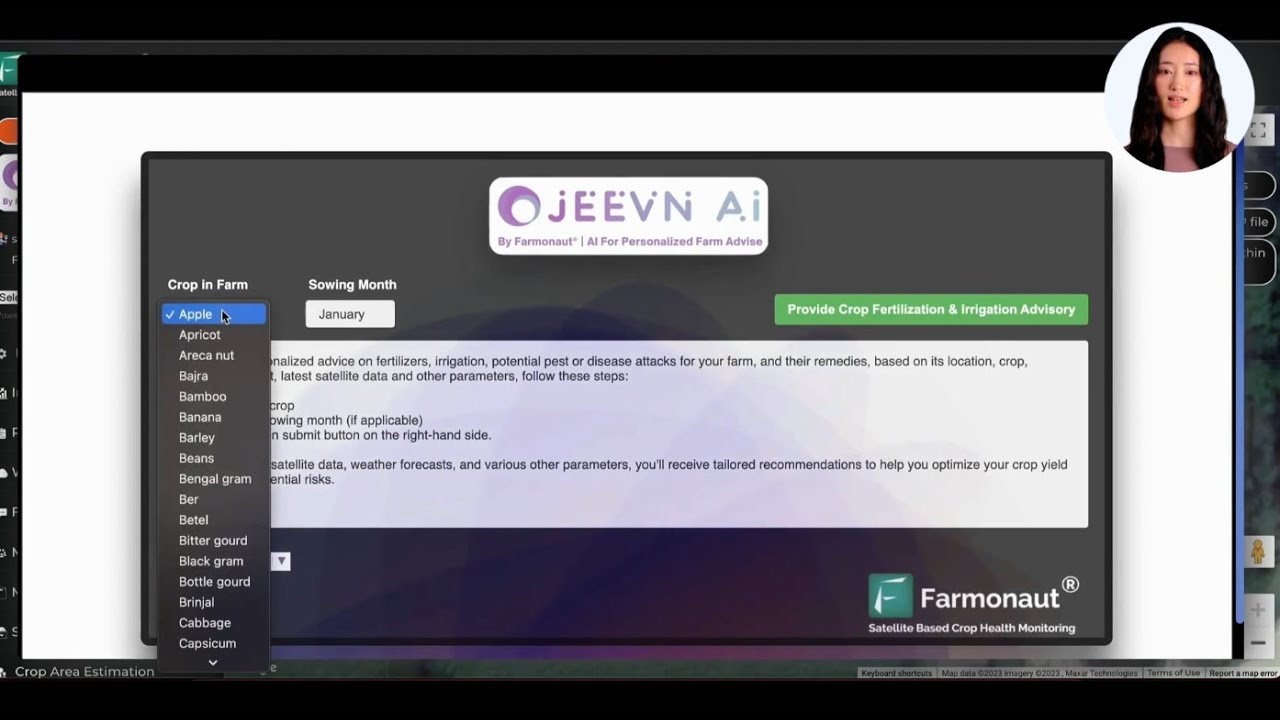
- 🌐 AI Integration: Predictive analytics—powered by platforms like Farmonaut’s Jeevn AI—draw on satellite data, historic herd patterns, and diagnostics to anticipate new infection risks and recommend tailored treatments.
- 📲 Record-Based Recommendations: Mobile apps and cloud services can now push real-time alerts and best-practice reminders directly to farmers.
- 🏷 Blockchain Traceability: Tracks every treatment and milk batch—offering full transparency and compliance, crucial for export operations. Learn more about dairy traceability solutions.
- 🌱 Carbon Footprint Integration: Monitor and report your dairy’s sustainability metrics alongside animal health by using Farmonaut’s Carbon Footprinting solutions.
Combining AI-driven advisory with real-time diagnostics transforms dry cow therapy from a scheduled protocol into a dynamic, responsive process— dramatically reducing both mastitis risk and antibiotic use.
📊 Key Digital Tools in 2026 DCT
- Automated SCC analyzers for continuous monitoring
- Rapid, pen-side culture kits for instant diagnostics
- Mobile record-keeping synced to cloud or farm control centers
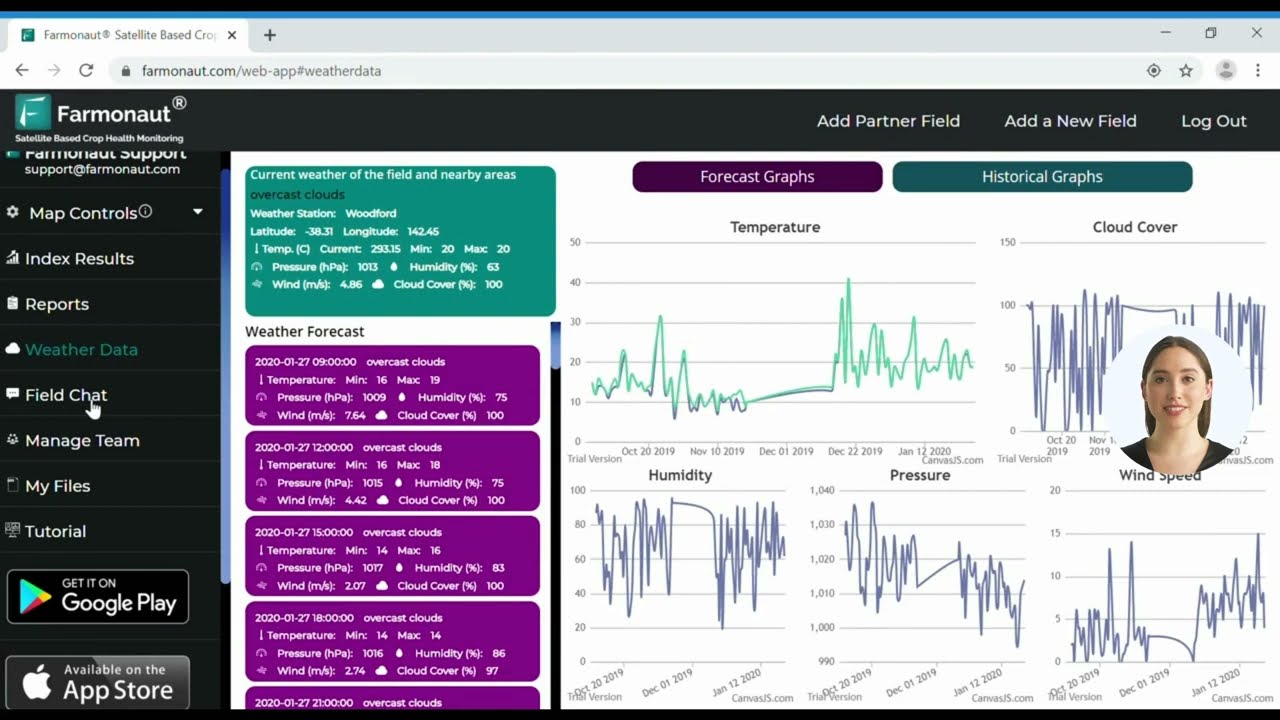
- Satellite-based health monitoring and environmental reporting (e.g., via Farmonaut)
- AI-powered advisory systems for predictive herd management (Farmonaut Jeevn AI)

Challenges and Future Directions for Dry Cow Therapy
Despite rapid progress, several challenges remain for effective dry cow therapy as we approach 2026:
- ⚠ Farmer Education: Transitioning from blanket to selective DCT requires farmer and veterinarian training on diagnostics and interpretation of SCC/cultures.
- ⚠ Diagnostic Accessibility: Smaller or remote operations may lack on-site tools. Digital monitoring and mobile solutions are bridging these gaps.
- ⚠ Economic Pressures: Short-term costs may push some farmers toward blanket therapy rather than optimal SDCT with proper data. Long-term ROI, however, favors adoption of innovation and monitoring.
- ⚠ Regulatory Compliance: Varied international regulations on antibiotic use, milk residue, and reporting require robust traceability and recordkeeping.
- ⚠ Cultural and Historical Bias: Long-standing traditions in smallholder dairies may hinder advancements in digital management.
Emerging Solutions and Opportunities
- 🌟 Artificial Intelligence: AI-fueled platforms handle complex, multi-variable herd monitoring, prediction of infection risks, and early alerts for both individual cows and entire herds.
- 🌟 Non-Antibiotic Treatments: Research into microbiome modulation and vaccine strategies is accelerating.
- 🌟 Regenerative Practices: Links between soil health, cow health, and milk quality are becoming clearer as integrated farm management extends to include environment, animal, and product traceability.
-
🌟 API and Data-Driven Decision Support:
For seamless integration of DCT data flows into custom management systems, check Farmonaut’s API—ideal for enterprises and dairy consultants looking for comprehensive satellite and field monitoring.
Farmonaut Satellite API Portal | API Developer Docs
Herds utilizing AI-supported SCC monitoring and selective therapies are projected to achieve over 15% better milk yields and significantly reduced mastitis rates in the first year of adoption.
Farmonaut: Satellite Intelligence & Advisory for Dairy Sustainability
At Farmonaut, we believe that integrating remote sensing, AI, and data-driven advisory is vital for the next leap in animal health and dry cow therapy optimization. Our Android, iOS, and Web platforms deliver real-time insights for herd health, milk quality, and resource efficiency directly to farmers, veterinarians, and dairy consultants across the globe.
- 🌍 Satellite-Based Herd Monitoring: Track pasture conditions, cow movement, and health risk patterns—all remotely.
- 🛰 AI-Based Advisory: Our Jeevn AI delivers custom strategies for dairy health, productivity, and compliance, helping optimize DCT protocols in real time.
- 🔗 Blockchain Traceability: Secure and verify every step—from dry-off through calving to product delivery—ensuring milk safety and meeting increases in consumer and regulatory demand for transparency.
Learn more: Dairy Traceability with Blockchain - 🚚 Fleet Monitoring and Resource Management: Our fleet management solutions help optimize dairy logistics, from milk transport to feed deliveries, reducing environmental and financial costs.
- 🌱 Sustainability Tracking: Farmonaut Carbon Footprinting delivers regulatory-grade reporting tools for environmental compliance.
Our subscription-based platform makes satellite-powered insights accessible for every scale of operation. Try the Farmonaut Web App or contact us for tailored dairy monitoring that supports the future of sustainable and compliant dry cow therapy.
FAQ: Dry Cow Therapy 2026
Q1: What is the biggest change in dry cow therapy by 2026?
A: The transition to selective dry cow therapy (SDCT), supported by advanced diagnostics and AI-powered monitoring systems, is the most significant shift. This enables targeted antibiotic use, reduces resistance risk, and improves both milk quality and herd health at scale.
Q2: How do on-farm diagnostics support SDCT?
A: Rapid milk culture and SCC analysis let farmers identify infected cows quickly, ensuring only those who actually need it receive antibiotics. This lowers overall antibiotic consumption, boosts dairy sustainability, and improves profitability by reducing unnecessary treatment costs.
Q3: Why is antibiotic resistance a concern for dairy in 2026?
A: Overuse of antibiotics in blanket therapy addresses short-term infection but contributes to AMR (antimicrobial resistance)—a pressing global health threat. SDCT and smart monitoring counteract this risk by adopting prudent, evidence-based treatment protocols in line with regulatory standards.
Q4: How can Farmonaut help modern dairies manage DCT?
A: We offer real-time monitoring, predictive AI advisory, and blockchain-based recordkeeping—all accessible via web and mobile tools. This empowers modern dairies to manage herd health, ensure compliance, and track sustainability metrics efficiently.
Q5: What non-antibiotic approaches are being researched for future DCT?
A: A wide range, including vaccines, probiotics, and approaches that modulate the mammary gland microbiome are in active development. Adoption of these will reduce dependence on antibiotics, especially as precision diagnostics and AI-enabled risk prediction become the norm.
Conclusion
Dry cow therapy clearly stands as a cornerstone in modern dairy management, directly influencing herd health, milk quality, and industry sustainability. As we enter 2026 and beyond, selective therapy, digital diagnostics, and AI-driven monitoring are redefining best practices in DCT.
Ongoing integration of advanced monitoring tools, real-time advisory platforms, and data-based compliance systems means that farmers and veterinarians can now deliver targeted, effective treatments—reducing antibiotic use while actually improving herd outcomes. The future of dairy farming belongs to those who embrace this shift to technology and innovation.
At Farmonaut, we are dedicated to providing cutting-edge tools—satellite-based, digital, and AI-powered—to help you stay ahead. Together, we can ensure your dairy is resilient, compliant, and prosperous, meeting both the regulatory challenges and the expectations of a health-conscious, sustainability-driven marketplace.
Harness the power of selective dry cow therapy and digital herd health management to stay compliant, profitable, and sustainable in 2026 and beyond.
📋 Five Key Takeaways:
- ✔ Dry cow therapy is evolving; selective treatment and advanced diagnostics are the future.
- ✔ AI and remote monitoring deliver predictive herd care and compliance insights.
- ✔ Reducing antibiotic use is vital for industry sustainability and regulatory approval.
- ✔ Blockchain traceability and sustainability reporting are now within reach of every farmer.
- ✔ Investing in technology platforms like Farmonaut brings value through better milk, happier cows, and a safer planet.