Difference Between Traditional and Modern Farming Methods: Sustainability, Technology, and Impact in 2025
“Modern farming methods can increase crop yields by up to 40% compared to traditional practices by 2025.”
Introduction: Why the Difference Between Traditional and Modern Farming Methods Remains Critical in 2025
The difference between traditional and modern farming has become an ever more critical subject as we stride into 2025. As global populations continue to rise and climate change intensifies, food security and environmental sustainability depend on how well we can understand, evaluate, and innovate upon these two foundational agricultural approaches. Policymakers, farmers, and stakeholders must grasp the nuances between both systems to optimize productivity while also preserving the environment for future generations.
In this comprehensive guide, we’ll analyze:
- The major characteristics of traditional and modern farming methods.
- How technologies like precision agriculture, AI, and satellite monitoring are reshaping agricultural landscapes.
- Sustainability implications that impact ecosystem health and food security.
- The evolving approaches blending old wisdom with new innovations.
- Farmonaut’s role in facilitating efficiency, transparency, and sustainability in modern agriculture.
By 2025, the clear distinction between traditional and modern farming methods is less about which is “better” and more about how their integration will define the future of sustainable agriculture.
Traditional Farming: Overview and Characteristics
What is Traditional Farming?
Traditional farming encompasses age-old methods and practices passed down through generations. It’s characterized by heavy reliance on manual labor, animal power, and natural inputs. Farmers typically leverage local indigenous knowledge, utilizing cropping patterns suited for their specific environments.
Key Characteristics of Traditional Farming
- Inputs: Uses organic fertilizers such as manure, compost, and green manure.
- Cropping Patterns: Crop rotation, intercropping, and polyculture are common for soil health and yield stability.
- Seeds: Relies on indigenous seeds adapted over time to local soil and climatic conditions.
- Labor: Manual labor and animal power used for plowing, sowing, and harvesting.
- Knowledge Systems: Local, experiential knowledge shapes all decision-making.
- Inputs Use: Minimal use of synthetic chemicals or machinery.
- 🌱 Biodiversity preservation through mixed cropping systems.
- ⚙ Low external input dependency (fertilizers, pesticides, energy).
- 👥 Community-centric and localized practices.
- 💧 Natural water-management approaches, such as rainwater harvesting and irrigation through traditional channels.
- 🕰 Suits subsistence and smallholder farming over large-scale production.
Advantages and Limitations of Traditional Farming
- ✔ Biodiversity conservation through diverse crop rotations.
- ✔ Reduced environmental footprint due to organic inputs and minimal chemicals.
- ✔ Promotes soil health with compost, mulch, and green manures.
- ✔ Preserves traditional knowledge and supports rural communities.
- ⚠ Lower yields compared to modern techniques.
- ⚠ Higher vulnerability to pests, diseases, and climate variability.
- ⚠ Labor-intensive and time-consuming.
- ⚠ Limited scalability for large populations and commercial demands.
Modern Farming: Evolution and Traits
What is Modern Farming?
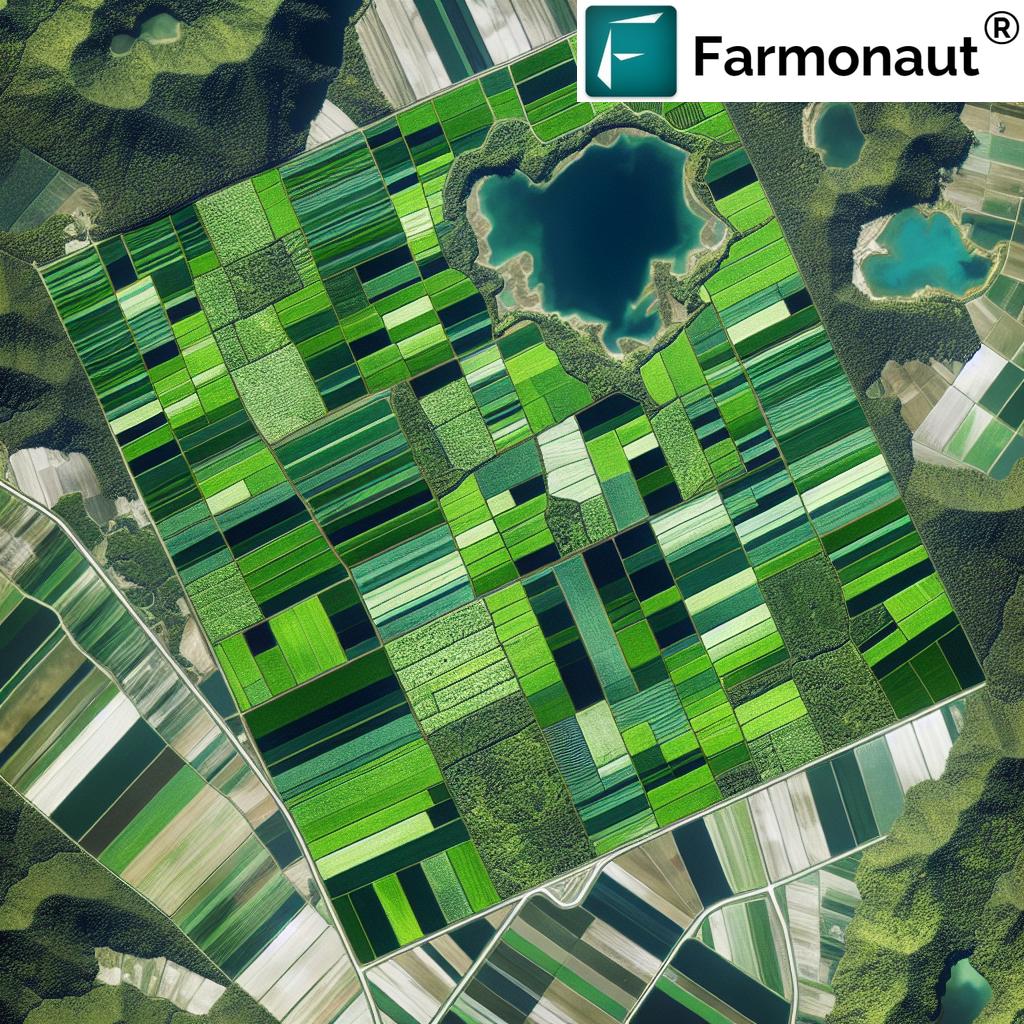
Modern farming, also known as contemporary or scientific agriculture, leverages the latest advances in science, technology, and agronomy to maximize output and efficiency. In 2025 and beyond, modern farming is increasingly defined by integration of precision agriculture, AI-powered platforms, satellite technology, advanced machinery, and biotechnology.
Key Characteristics of Modern Farming
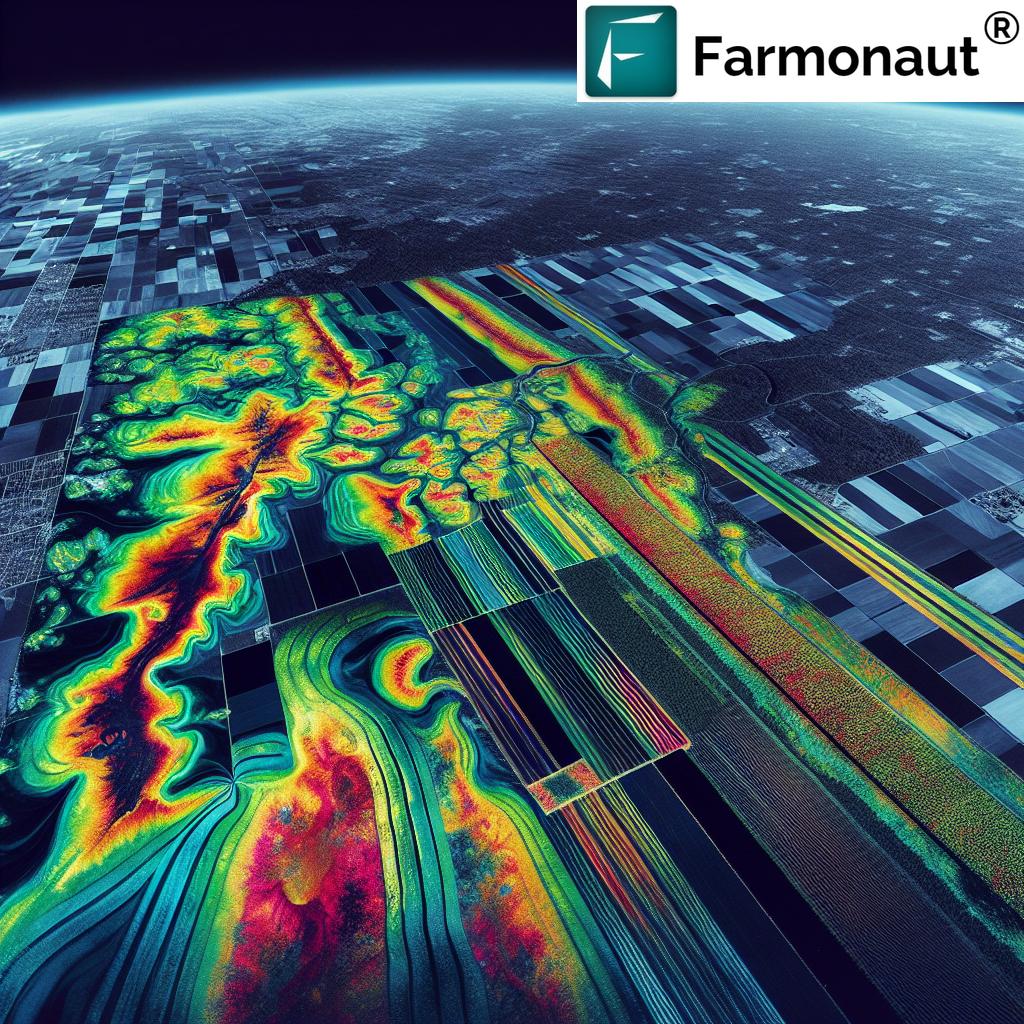
- 🛰 Precision Agriculture: Use of drones, satellite imaging (NDVI), and AI analytics to monitor planting, irrigation, fertilization, and pest management with remarkable accuracy.
- 🚜 Mechanization: Advanced tractors, automated harvesters, and robotic weeders significantly reduce labor requirements and improve efficiency.
- 🧬 Biotechnology & GMOs: Application of genetically modified crops for drought tolerance, pest resistance, and higher nutritional value.
- 🧪 Agrochemicals: Widespread use of synthetic fertilizers and pesticides to achieve higher productivity and crop protection.
- 🏢 Controlled-environment farming: Innovations like vertical farms and hydroponics for urban and resource-constrained settings.
- 📈 Data-driven management systems: Digital platforms for real-time monitoring and decision-making.
“Sustainable techniques in modern agriculture can reduce water usage by 30% versus traditional farming in 2025.”
Advantages and Limitations of Modern Farming
- ✔ Higher yields and food security potential.
- ✔ Reduces manual labor requirements.
- ✔ Efficient use of water, nutrients, and inputs (precision).
- ✔ Greater scalability for commercial and export markets.
- ✔ Ability to innovate rapidly using technology and research insights.
- ⚠ Environmental impact: Potential for chemical runoff and soil depletion without sustainable practices.
- ⚠ Biodiversity reduction (monocultures).
- ⚠ High input costs (machinery, chemicals, GM seeds).
- ⚠ Dependency on external innovation and supply chains.
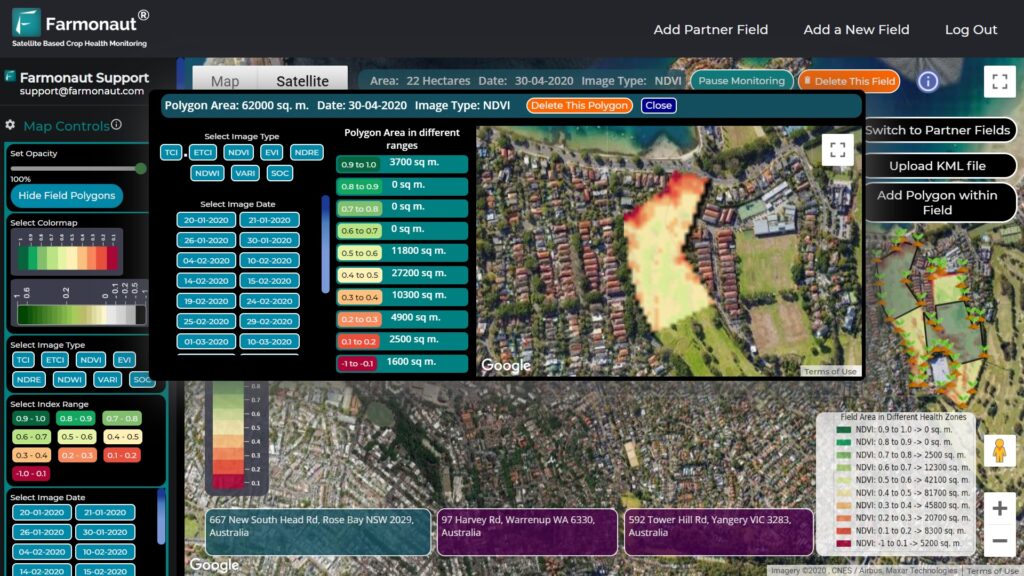
Integrating satellite-based crop health monitoring (such as NDVI) enables precise input management, helping farmers make real-time adjustments for maximum efficiency.
For scalable, real-time monitoring, discover large-scale farm management with detailed satellite insights.
Core Differences Between Traditional and Modern Farming Methods
Understanding the difference between traditional and modern farming methods requires close examination of inputs, outcomes, knowledge systems, scalability, and sustainability.
- 📉 Input and Technology Usage: Traditional relies on manual, organic means; modern focuses on synthetic, scientific, and technological interventions.
- 📈 Yield and Productivity: Modern typically achieves higher yields per hectare through optimized management; traditional offers lower but more ecologically balanced outputs.
- 🌱 Environmental Impact: Traditional supports biodiversity and soil conservation; modern may risk environmental issues unless balanced with sustainable practices.
- 🧠 Knowledge Systems: Traditional farming uses local, indigenous knowledge; modern relies on data-driven, scientific research.
- ⚖ Scale and Market Orientation: Traditional is mostly subsistence-level; modern is commercial and global.
Ignoring the long-term environmental impact of intensive modern farming can lead to irreversible soil and water damage. Always incorporate sustainable management tools to preserve ecosystem integrity.

Traditional vs. Modern Farming Methods: Key Comparison
- 🌾 Traditional: Low monetary input, high manual labor, higher ecological balance, lower yields.
- 🛰️ Modern: High capital investment, mechanized/precise, higher yields, risk of ecological imbalance without sustainable practices.
- 🌱 Traditional: Indigenous seeds, adaptable to local environments.
- 🧬 Modern: Genetically modified crops for resilience and nutrition.
- 🔬 Modern: AI, satellites, and blockchain provide actionable insights for resource use optimization.
Sectors like fleet and resource management in agriculture provide scalable models for investment, with technologies such as satellite monitoring improving both efficiency and sustainability.
Sustainability & Environmental Impact in 2025
The transition from traditional to modern farming comes with complex environmental implications. Sustainability has emerged as the unifying theme in global agriculture, especially as we acknowledge the difference between traditional and modern farming methods:
- 🌍 Resource Efficiency: Modern precision farming can achieve up to 30% water savings compared to traditional methods (see trivia above).
- 🌿 Reduced Chemical Inputs: Integrated pest management and targeted application reduce the environmental burden.
- ♻ Regeneration: Regenerative agriculture borrows from tradition, focusing on soil health, carbon capture, and ecosystem restoration.
- 🌾 Soil Health: Modern monitoring systems (e.g., Farmonaut) now offer real-time carbon footprinting tools for tracking and improving sustainability.
Critical Challenges for 2025 & Beyond
- ⚠️ Climate change pressure on both traditional and modern systems.
- ⚠️ Soil health degradation from unsustainable chemical use.
- ⚠️ Water scarcity demanding efficient irrigation and crop selection.
- ⚠️ Policy gaps in promoting regenerative and adaptive practices.
- ⚠️ Ensuring social inclusion amid rapid technological change.
Sustainability is no longer an ideal; it is an economic necessity. Integrating real-time environmental impact monitoring informs both policy and on-field decisions, helping farmers and businesses remain resilient.
Farmonaut’s Role in Optimizing Modern Agriculture
As we embrace the difference between traditional and modern farming methods, advanced technology platforms like Farmonaut are transforming how agricultural stakeholders operate.
- 🌐 Satellite-Based Crop Health Monitoring: We, at Farmonaut, leverage multispectral satellite imagery to analyze vegetation health, soil moisture, and crop stress in real time, helping optimize inputs and maximize outcomes.
- 🤖 AI Advisory: Our Jeevn AI delivers instant, field-level insights on planting, irrigation, pest management, and weather, tailored for each user’s unique conditions.
- 🔗 Blockchain Traceability: Farmonaut’s product traceability solution ensures transparency in the journey from field to market, building trust and reducing fraud in agricultural supply chains.
- 🚜 Resource and Fleet Optimization: Our fleet management tools help track agricultural and mining equipment in real time—reducing fuel consumption, emissions, and operational costs.
- 💳 Access to Financing: Satellite-based crop loan and insurance verification offers risk-reduction for lenders while increasing smallholder access to much-needed credit.
- 📦 Scalable, Modular Subscriptions: From smallholder users to enterprise and governments, subscriptions are easily scalable according to operational needs and budgets.
- 🌱 Environmental Impact Monitoring: Our carbon footprinting tools support sustainable farming by providing real-time emission tracking and advisory for mitigation.
- 📊 Data insight: Actionable reports for crop health, harvest forecasting, and risk assessment available via web and mobile applications.
- 🛡 Security: Blockchain and satellite-driven monitoring dramatically reduces risk of crop insurance fraud.
- ⏱️ Efficiency: Save time and money by automating input decisions and tracking environmental compliance.
- 🌎 Global Reach: Our platform is used in diverse geographies, adapting rapidly to local knowledge and regulatory needs.
- 🧩 API and Integration: Developers integrate satellite and weather data into their own systems for expanded utility.
Visit our API Developer Docs for details.



Farmonaut’s satellite-based insights often reduce crop input wastage by over 20%, directly boosting efficiency, sustainability, and cost savings for agricultural businesses and individual farmers.

Integrative Approaches & The Future Outlook: Sustainable Agriculture in 2026 and Beyond
The binary choice between traditional and modern farming is giving way to integrative, hybrid models. In 2026 and beyond, agricultural leaders agree that food security and environmental integrity depend on blending indigenous knowledge with scientific innovation.
Emerging Hybrid Approaches
- 🧩 Agroecology: Integrates ecological principles into farm design and management, drawing on both local knowledge and scientific research.
- 🌱 Regenerative Agriculture: Focuses on rebuilding soil organic matter, increasing biodiversity, and improving ecosystem services for long-term productivity.
- 🌾 Climate-Smart Farming: Adaptation of crop choice, planting schedules, and water management to ensure resilience under variable climatic conditions.
- 🔬 AI & Satellite Monitoring: Precision inputs that conserve energy, water, and chemicals, while maximizing yield and reducing emissions.
Subsidies and incentives must prioritize sustainability: reward farmers for soil health, carbon sequestration, water conservation, and biodiversity preservation—rather than just high outputs.

What Does the Future Hold?
- 🔄 Adaptation: Future farms will be adaptive systems that harness local diversity and state-of-the-art technology.
- 🛰️ Digitization: Agricultural data platforms like Farmonaut will be integral to policy, finance, insurance, and farm-level decision making.
- 🌍 Global Supply Chains: Traceability and blockchain will bring transparency and trust to global food and resource markets.
- ✨ Socio-Economic Inclusion: Ensuring technology is affordable and accessible to all, empowering smallholders, enterprises, and public sectors.
The agriculture of tomorrow is neither fully traditional nor wholly modern—it is fundamentally integrative and sustainable.
Direct Benefits of Integration for Stakeholders
- 🤝 Farmers: Increased yields with reduced input waste.
- 📉 Policymakers: Improved resource allocation and policy targeting.
- 🌾 Communities: Enhanced food security and socio-economic opportunities.
- 🌎 Environment: Carbon reduction, restored biodiversity, balanced ecosystems.
- 💰 Investors: New sustainable business models and value chains.
Failing to upskill and support smaller farmers with technology adoption widens the productivity gap. Inclusive innovation is essential.
Relevant Video Resources


Over-dependence on synthetic chemicals without environmental checks can undermine progress. Always balance input use with environmental compliance and real-time data.
Frequently Asked Questions (FAQ)
- Q1: What is the main difference between traditional and modern farming methods?
- Traditional farming relies on manual labor and organic inputs, emphasizing local knowledge and crop diversity. Modern farming uses advanced technology, synthetic inputs, precision tools, and scientific management to maximize productivity and efficiency.
- Q2: How do modern farming practices affect the environment?
- While modern farming can increase yields, the excessive use of synthetic chemicals and machinery may lead to soil, water, and biodiversity loss. However, the adoption of sustainable and precision methods in modern agriculture can offset these impacts.
- Q3: Can traditional and modern farming be integrated?
- Absolutely. Hybrid frameworks—such as agroecology and regenerative agriculture—combine indigenous wisdom with scientific technology for sustainable outcomes.
- Q4: Why is sustainability so important in 2025 and beyond?
- With climate and population pressures mounting, agriculture must adapt to produce more food using fewer resources—while ensuring environmental integrity for future generations. This calls for sustainable, resilient systems.
- Q5: How do Farmonaut’s tools support sustainable modern agriculture?
- We, at Farmonaut, provide satellite and AI-driven insights for crop monitoring, yield optimization, pest control, fleet management, and transparent supply chains. These empower users globally to make data-driven decisions, reduce waste, and enhance sustainability.
Conclusion: The Path Forward
The difference between traditional and modern farming methods is not simply technological—it’s philosophical, ecological, and socio-economic.
In 2025 and beyond, sustainable agriculture depends on integrating the best aspects of both worlds: the resilience and biodiversity of traditional practices, with the efficiency and innovation of modern systems.
- 🧠 Understanding and respecting indigenous knowledge remains essential.
- 🤖 Adoption of precision technology optimizes resource use and productivity.
- 🌍 Policy and investment should prioritize soil health, carbon reduction, water efficiency, and social inclusion.
- 🔗 Transparent, traceable supply chains will ensure food security and market trust worldwide.
- 🌱 Farmonaut’s affordable, scalable tools empower all agricultural stakeholders—smallholders, enterprises, and institutions—to thrive sustainably in a digital future.
The agriculture of the future is not one or the other—it’s a balanced, integrative evolution. Let’s optimize productivity and preserve our planet, together.