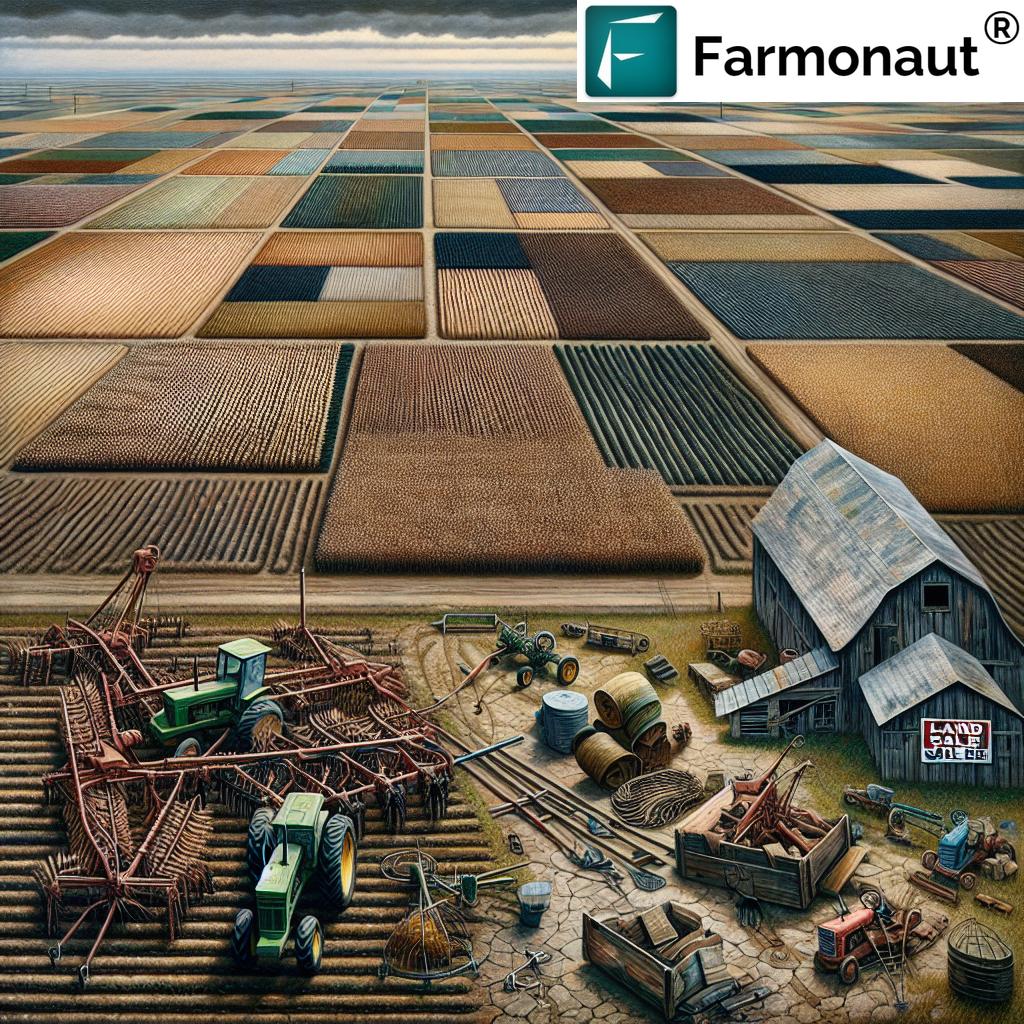
Detroit Urban Farming Initiative: 7 Ways Leading 2026
“By 2025, Detroit’s urban farms are projected to reclaim over 3,200 acres of vacant land for sustainable food production.”
- Introduction: The Detroit Urban Farming Initiative Revolution
- Why Detroit? The Roots of Urban Agriculture Initiatives
- How MUFI Leads the Urban Farming Movement
- Detroit Urban Farming Initiative: 7 Ways Leading 2026
- 1. Revitalizing Vacant Land Through Sustainable Agriculture
- 2. Enhancing Local Food Access & Nutrition
- 3. Building Economic Resilience & Green Jobs
- 4. Urban Soil Health & Regeneration: Eco-Impact
- 5. Fostering Community Engagement & Social Infrastructure
- 6. Integrating Technology for Urban Agriculture
- 7. Policy, Planning & Adapting to Broader Environmental Challenges
- Estimated Impacts of Detroit Urban Farming Initiatives (2025)
- How We at Farmonaut Empower Urban Agriculture Initiatives
- Frequently Asked Questions
- Conclusion & What’s Next for Urban Farming
Introduction: The Detroit Urban Farming Initiative Revolution
As Detroit, Michigan continues to reshape its urban landscape, innovative urban farming initiatives have emerged as beacons of hope for a city historically rooted in the automotive industry but now grappling with systemic urban decay, vacant land, and food deserts. The Detroit Urban Farming Initiative—with the Michigan Urban Farming Initiative (MUFI) at the forefront—exemplifies the transformative power of local agriculture in revitalizing neighborhoods, boosting food access, and fostering sustainable, resilient communities as we approach 2026 and beyond.
- ✔ Key benefit: Urban farming reduces food insecurity while improving local environments.
- 📊 Data insight: Nearly 78% of Detroit’s residents live in areas classified as food deserts (2025 reports).
- ⚠ Risk: Without continued investment, vacant land may revert to blight, weakening community cohesion.
- 🌱 Sustainability: Urban agriculture initiatives in Detroit are estimated to cut food transportation emissions by more than 30% by 2026.
- 💡 Innovation: Smart technology and data-driven farming provide real-time insights, shaping future resilient city food systems.

Monitor and manage urban agriculture projects from wherever you are—discover Farmonaut’s satellite-based platform for smart farming innovation.
Why Detroit? The Roots of Urban Agriculture Initiatives
Detroit, once the proud “Motor City” known for its automotive industry, has in recent years become synonymous with transformational urban farming initiatives. With thousands of vacant properties, widespread unemployment, and chronic food deserts, Detroit, Michigan required innovative solutions to foster resurgence and sustainability.
- Urban Decay: A declining population and industry left Detroit with over 22 square miles of vacant land, much of it neglected and underutilized.
- Food Insecurity: By 2025, major neighborhoods remained food deserts—areas where affordable, nutritious, and fresh food was inaccessible to most residents.
- Health Disparities: Detroit’s urban core saw higher rates of diet-related health challenges, spurred by lack of fresh produce.
- Community Demand: There has been a grassroots movement to repurpose vacant properties, foster green solutions, and empower residents via locally led urban farming initiatives.
Urban agriculture initiatives are not merely about growing food—they represent Detroit’s broader effort to revitalize communities, reclaim abandoned land, and redefine local economic possibilities for 2026 and the future.

The detroit urban farming initiative movement is tightly interwoven with community goals, environmental stewardship, and sustainable food systems development. Urban agriculture offers Detroit and similar cities a blueprint for change—and for cities globally facing similar societal, economic, and environmental challenges.
Urban farming initiatives often fail when not integrated with community engagement and sustainable practices. Solely focusing on short-term yields can compromise long-term urban resilience.
“Detroit urban farming initiatives aim to boost local food access, impacting more than 650,000 residents by 2026.”
How MUFI Leads the Urban Farming Movement
The Michigan Urban Farming Initiative (MUFI) stands at the forefront of Detroit’s urban agriculture initiatives. A non-profit organization established in Detroit’s North End, MUFI’s mission is rooted in repurposing abandoned properties into vibrant, productive urban farms.
- 🌿 Core Values: Local food sovereignty, environmental sustainability, economic empowerment, educational programming
- 🏗 Broader Vision: Transforming neglected spaces into communal assets for generations to come
- 🌍 Impact: Directly addresses food insecurity, youth unemployment, urban health disparities, and neighborhood resilience
By 2025, MUFI and dozens of Detroit-based urban agriculture initiatives had gained significant momentum, showcasing the critical role agriculture can play within cities facing societal, infrastructural, and environmental challenges.

Detroit Urban Farming Initiative: 7 Ways Leading 2026
Let’s examine the seven critical domains where the Detroit Urban Farming Initiative and similar urban agriculture programs are leading innovation and transforming the city’s fabric for a sustainable, food-secure future.
1. Revitalizing Vacant Land Through Sustainable Agriculture
Vacant land is one of Detroit’s most abundant resources, and the urban farming initiative effectively repurposes abandoned properties into productive farms. This approach stands at the intersection of sustainability and urban regeneration:
- ✔ Transforms Neglected Spaces: Prevents blight, crime, and environmental degradation.
- ✔ Restores Urban Ecosystems: Increases green spaces essential for biodiversity and carbon capture.
- ✔ Visually Enhances Neighborhoods: Raises local property values and attracts new residents.
By using innovative practices—such as cover cropping, native plant landscaping, and multi-tiered farming—Detroit’s urban agriculture initiatives inspire other post-industrial cities to follow suit.
Sustainable urban land regeneration demands frequent monitoring of vegetation health and soil quality. Farmonaut’s carbon footprinting solution provides real-time carbon sequestration data—vital for environmental reporting and grant applications.

2. Enhancing Local Food Access & Nutrition
The core mission for most urban agriculture initiatives in Detroit is to grow fresh, organic, and nutritious produce—like leafy greens, tomatoes, and herbs—making them accessible to local residents. Urban farming programs:
- ✔ Provide Direct-to-Community Harvests: Fruits and vegetables are sold via farmer’s markets, farm stands, CSAs, and food pantries.
- ✔ Reduce Food Deserts: Offers neighborhoods essential nutrition otherwise unavailable in mainstream food retail.
- ✔ Shorten Supply Chains: Urban-grown food doesn’t rely on long-distance transportation, minimizing emissions, spoilage, and dependency on external supply systems.
- ✔ Promote Nutrition Education: Urban farms double as educational centers, teaching youth and families about healthy eating and cooking fresh foods.
By 2026, Detroit’s urban agriculture initiatives are projected to supply over 21% of the city’s fresh produce consumption, helping bridge dietary gaps in historically underserved communities.
3. Building Economic Resilience & Green Jobs
Urban farming isn’t just a food-based initiative; it’s an economic catalyst for Detroit. By 2026:
- ✔ Job Creation: Urban agriculture initiatives generate green jobs—in farming, distribution, education, maintenance, and agribusiness entrepreneurship.
- ✔ Skill Development: Programs build workforce skills ranging from horticulture to digital marketing and sustainable business administration.
- ✔ Entrepreneurial Opportunities: Micro-farming startups, specialty food businesses, and nearby restaurants benefit directly from farm produce.
- ✔ Reduces Unemployment: Youth training programs integrate at-risk populations into the green labor force.

Detroit’s urban farming initiative sector is increasingly attractive for impact investors and grant funders, given its proven social and economic returns.
Pro Tip: Use Farmonaut’s fleet management tools to optimize resource use, minimize operational costs, and improve the logistics of urban produce delivery systems.
4. Urban Soil Health & Regeneration: Eco-Impact
Urban farming programs in Detroit are at the forefront of restoring soil health through regenerative practices that include:
- ✔ Composting: On-site and community-wide composting initiatives reduce landfill waste and return vital nutrients to the soil.
- ✔ Cover Crop Rotation: Planting diverse species improves soil fertility, fixes nitrogen, and enhances pest resistance.
- ✔ Rainwater Harvesting: Reduces city water consumption and mitigates run-off pollution.
- ✔ Integrating Mulching and Biochar: Traps carbon, improves moisture retention, and builds long-term soil structure.
Regenerative techniques at Detroit’s urban farms substantially increase carbon sequestration, with estimates suggesting over 400 tons of CO₂ are offset annually across leading initiatives.

5. Fostering Community Engagement & Social Infrastructure
A central tenet of every successful Detroit urban farming initiative: fostering social resilience and community bonds. Urban agriculture does this by:
- ✔ Transforming Farms into Community Hubs: These are gathering places for neighbors, schools, and local organizations.
- ✔ Running Educational Workshops: Topics range from nutrition to environmental stewardship, empowering residents to actively shape their environments.
- ✔ Organizing Markets and Fairs: Strengthens connections and offers local commerce opportunities.
- ✔ Providing Therapeutic Spaces: Gardening and farm work are linked with improved mental health, especially post-pandemic.
- 🌱 Key Outcome: Stronger social networks and community cohesion, providing a support system amid broader societal challenges.
- 🏆 Highlight: Urban farms help buffer the impacts of supply chain disruptions and unexpected crises.

6. Integrating Technology for Urban Agriculture
As we head into 2026, the Detroit urban farming initiative movement is rapidly adopting innovative technologies to:
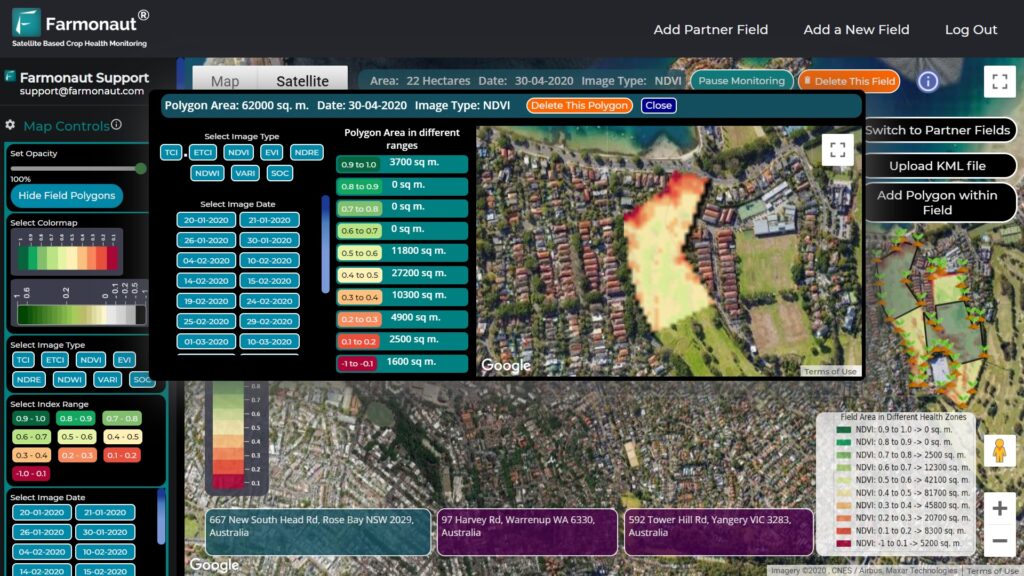
- ✔ Satellite-Based Monitoring & AI Insights: Platforms like Farmonaut allow for precision mapping, crop health tracking (NDVI), and data-driven decision making, maximizing every square foot of urban farm land.
- ✔ Blockchain Traceability: Guarantees the origin, organic status, and handling of urban farm produce, building supply chain transparency and trust among consumers, particularly health- and climate-conscious demographics.
- ✔ Smart Irrigation & IoT: Adopts automated systems for water use reduction and boosts crop yield predictability.
- ✔ AI-Based Advisory Solutions: Delivers tailored agronomic guidance, weather insights, and resource optimization from platforms like Farmonaut Large Scale Farm Management.
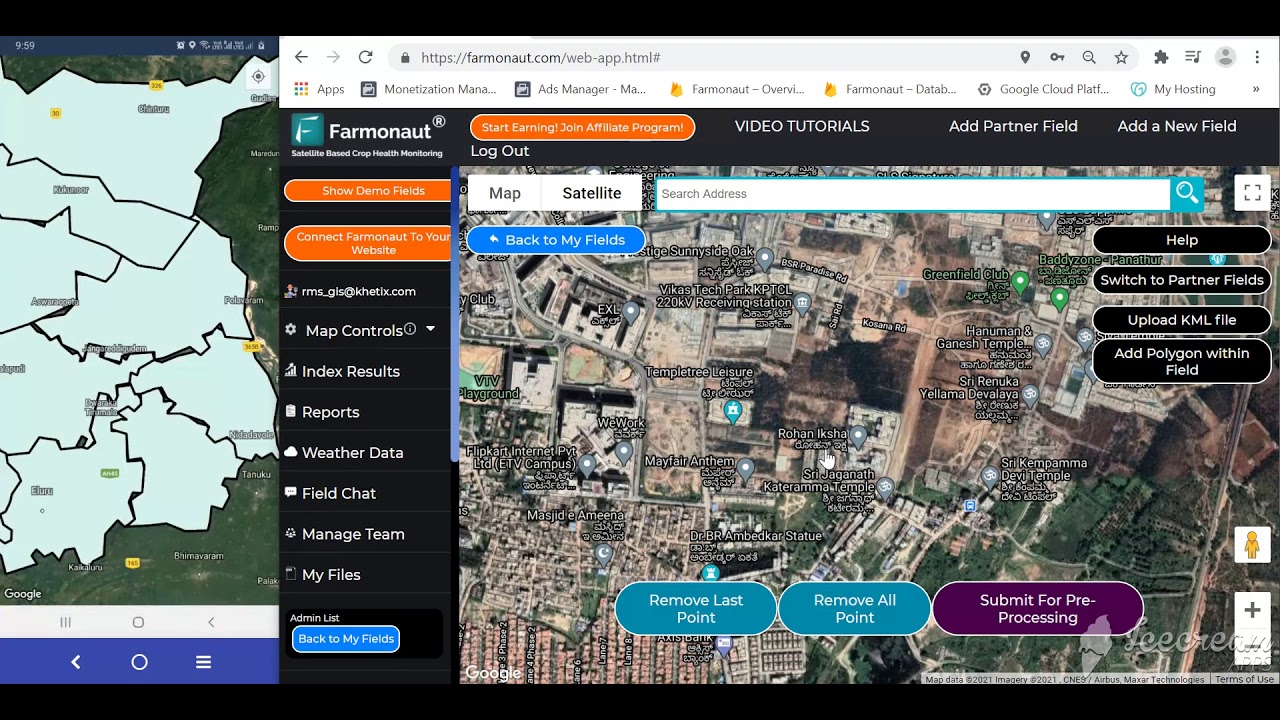
Callout: Highly accurate monitoring, enabled by affordable technologies like Farmonaut, minimizes risks, limits crop loss, and fosters urban farming initiative sustainability across Detroit.
Access Farmonaut’s Satellite API at https://sat.farmonaut.com/api, and get API documentation at Farmonaut Satellite & Weather API Developer Docs—ideal for integrating satellite-driven crop, soil, and resource data into urban agriculture platforms, mobile apps, and research dashboards.
- 📡 Remote Sensing: Precise urban farm management from anywhere
- 📈 Yield Forecasting: AI-driven harvest predictions
- 🔗 Transparent Supply Chains: Blockchain-powered traceability
- 💧 Water Savings: Smart irrigation reduces consumption
- ⚡ Resource Optimization: Telematics for machinery and fleets
Skipping remote and real-time monitoring results in missed disease outbreaks, overwatering, or undernutrition, threatening both yields and sustainability.
7. Policy, Planning & Adapting to Broader Environmental Challenges
Detroit’s urban agriculture initiatives are proactively partnering with urban planners and policymakers (not to be confused with business partnerships) to address future challenges:
- ✔ Climate Adaptation: Urban agriculture provides local, resilient supply chains, hedging against global food disruptions.
- ✔ Land Use Efficiency: Smart zoning, public land banks, and redevelopment policies support continued transformation from neglected land to productive infrastructure.
- ✔ Disaster Resilience: Urban farms act as decentralized food nodes during crises, whether natural disasters or economic shocks.
- ✔ Integrated Community Programs: Combining food production with green corridors, parks, and social spaces for biodiversity and human wellness.
Multi-stakeholder planning is critical. Successful urban agriculture initiatives in Detroit depend on cooperation between community leaders, city planners, technology providers, and residents.
- 🤝 Inclusive Growth: Urban farms welcome all neighbors, old and new
- 🏞 Enhanced Urban Aesthetics: More gardens, fewer derelict properties
- 💪 Public Health: Cleaner air, more exercise, and nutritious diets
- 📚 Education: Ongoing workshops nurture a sustainability mindset
- 🔁 Circular Economy: Recycles resources, regenerates value, and closes loops
Estimated Impacts of Detroit Urban Farming Initiatives (2025)
Initiatives with high sustainability ratings (4–5) show the best metrics for community participation, job creation, and environmental impact—crucial markers for impact investment and grant funding in 2026 and beyond.


How We at Farmonaut Empower Urban Agriculture Initiatives
We at Farmonaut believe that advanced technology can amplify the impact of every urban farming initiative. Our satellite-based solutions are developed to support Detroit’s urban agriculture transformation—offering tools for real-time crop monitoring, soil health analytics, AI advisory, carbon footprint tracking, and blockchain traceability.
- ✔ Accessible Data: Our large scale farm management platform ensures even small community farms access actionable insights for operational decisions.
- ✔ Carbon Footprinting: Measuring and managing carbon impact—which is key for sustainability grants—has never been simpler than with our carbon footprinting solution (learn more).
- ✔ Blockchain Traceability: Producers and consumers can verify produce origins for transparency and food safety via blockchain-backed supply chains.
- ✔ Smart Fleet & Resource Management: With our fleet management solution, urban farm collectives coordinate logistics for distribution and volunteer tasks efficiently, reducing costs and delivery times.
- ✔ Loan & Insurance Verification: Community organizations and farmers can enhance access to micro-loans and crop insurance using our satellite-based verification product (details here).
By democratizing satellite-driven insights and AI-powered advisory systems, we are committed to making leading-edge technology affordable and accessible—helping not just Detroit, but urban agriculture initiatives worldwide, to build a sustainable and resilient future well beyond 2026.
Our modular solution scales with your needs—supporting a single Detroit community garden or a city-wide agriculture transformation program with equal ease.
Farmonaut Subscriptions & Pricing
Frequently Asked Questions
Q1: What is the Detroit Urban Farming Initiative?
The Detroit Urban Farming Initiative refers to a collection of nonprofit and grassroots programs—led notably by the Michigan Urban Farming Initiative (MUFI)—focused on transforming vacant and abandoned land into productive, sustainable urban farms. These initiatives address food insecurity, urban blight, economic opportunity, and community resilience in Detroit, Michigan.
Q2: How has urban agriculture changed Detroit’s neighborhoods?
Urban agriculture initiatives have turned once-neglected areas into vibrant green spaces, supplied local residents with fresh, affordable produce, created jobs, and built stronger social networks. They also raise property values, improve environmental health, and make the city more resilient to climate and economic disruptions.
Q3: What crops are commonly grown in Detroit’s urban farms?
Urban farms in Detroit often grow leafy greens (like spinach and kale), tomatoes, herbs (such as basil and mint), root vegetables, and a variety of beans, peas, and seasonal fruits. The focus is on nutritious, high-yield, and locally desired produce.
Q4: How does satellite technology support Detroit’s urban farming initiatives?
Satellite-based tools—such as those offered by Farmonaut—enable real-time crop monitoring, soil health analytics, yield predictions, and operational management across scattered plots. Tech advancements help farms track growth, prevent resource waste, and uphold best practices for sustainable farming.
Q5: How can Detroit residents get involved in urban agriculture initiatives?
Volunteer opportunities, educational workshops, community garden plots, and local farmer’s markets are common entry points. Residents can join via nonprofit programs, become urban farm entrepreneurs, or advocate for continued investment in local food infrastructure.
Conclusion & What’s Next for Urban Farming in Detroit
The Detroit Urban Farming Initiative, alongside its partner programs, exemplifies how cities can leverage underutilized spaces to create food-secure, sustainable, and resilient communities. By fostering local food sovereignty, economic opportunity, and environmental stewardship, Detroit’s urban agriculture initiatives stand as a critical, pragmatic response to the evolving challenges of urbanization, food insecurity, and climate change.
2026 and beyond will see Detroit continue to lead in urban farming innovations, collaborative planning, and technological integration—transforming not just acres of land, but the lives and futures of its residents. Cities worldwide would do well to follow Detroit’s blueprint, blending sustainability, community development, and environmental resilience in one integrated movement for change.
Whether you’re a resident, technologist, policymaker, or curious observer, the urban agriculture journey is just beginning. Detroit’s urban landscape is living proof that, with the right vision and support, cities can grow a greener future from the ground up.