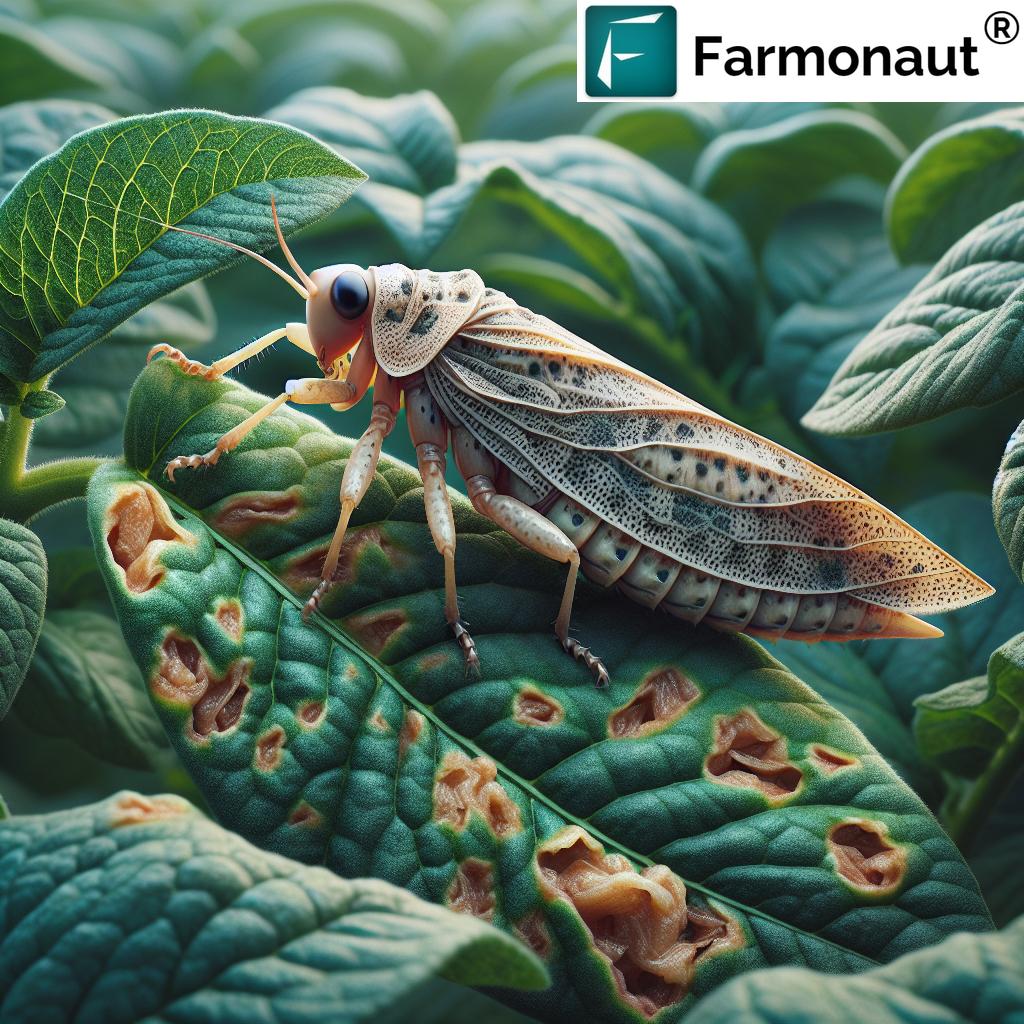
Crown Rot Corn & Stalk Rot: Powerful 2026 Management Guide
“Crown rot and stalk rot can cause up to 30% yield loss in corn if not managed sustainably.”
Table of Contents
- Overview: The Growing Threat of Crown Rot Corn & Stalk Rot
- Understanding Crown Rot Corn and Corn Stalk Rot: Pathogens, Symptoms, & Impact
- Integrated Management Strategies: Reducing Losses in Sustainable Corn Production
- Comparison Table: Integrated Practices for Crown Rot & Stalk Rot Management
- Satellite-Driven Monitoring & Digital Solutions in 2026
- Consumer Trends: “Pick Your Own Corn Near Me” and the Need for Crop Health
- Crown Rust in Oats vs. Crown Rot in Corn: Accurate Diagnosis
- The Future: How Technology Will Revolutionize Crop Disease Management
- FAQ: Crown Rot Corn & Stalk Rot Management
- Conclusion: Your Path to Disease-Resilient, Sustainable Corn in 2026 and Beyond
Overview: The Growing Threat of Crown Rot Corn & Stalk Rot
Corn is one of the most widely grown cereal crops globally, essential for food, feed, and industrial uses. However, modern corn production faces persistent threats from various fungal diseases, especially crown rot corn and corn stalk rot. These plant diseases significantly reduce yield, diminish grain quality, and endanger overall sustainable production.
As we look ahead to 2026 and beyond, climate variability, evolving agricultural practices, and increasing demand for corn—driven by population growth and expanding bioenergy sectors—make effective management of crown rot and stalk rot vital.
Early, integrated management of crown rot corn and stalk rot can reduce yield losses by over 40% in 2025 and beyond!

Understanding Crown Rot Corn and Corn Stalk Rot: Pathogens, Symptoms, & Impact
What is Crown Rot Corn?
Crown rot corn is a fungal disease primarily caused by soil-borne pathogens like Fusarium spp. and Rhizoctonia solani. The infection begins at the base or “crown” of the corn stem (where the stem meets the soil), affecting the tissue that supports the entire stalk.
- Infection often starts early in the growing season and remains hidden until the later stages.
- Symptoms include browning and rotting of crown tissue, stunted growth, yellowing leaves, and—in severe cases—premature death of plants.
- Infected plants may often fail to thrive, showing reduced vigor and lower yield.
The pathogens such as Fusarium spp. and Rhizoctonia solani thrive in moist and poorly drained soils, especially when plants are stressed by drought or nutrient deficiency.
📸 Typical Crown Rot Corn Symptoms
- Browning at Base: Decay of crown tissue visible at soil level.
- Stunted Growth: Affected plants are smaller than healthy ones.
- Wilted Leaves: Yellowing and drying of lower leaves.
- Weak Stalks: Susceptibility to lodging (falling over).
- Premature Death: In severe cases, plants die before maturity.
Farmers sometimes confuse crown rot with root rot or stalk rot. Precise diagnosis of the affected tissue (base vs. upper stalk vs. roots) is critical for effective management.
Corn Stalk Rot: A Related Threat
Corn stalk rot represents a suite of infections that target the stalk above the base (crown). Key pathogens include:
- Fusarium verticillioides
- Colletotrichum graminicola (causes anthracnose stalk rot)
- Diplodia maydis
These fungi invade stalk tissues, causing weakened, hollow stems that break easily. The most severe damage happens when plants lodge—that is, they fall over before harvest, making mechanical harvesting difficult and increasing grain and yield losses.
- Stalk rot generally develops after crown rot, or when plants experience stress due to drought, nutrient deficiency, or other environmental conditions.
- Mechanical harvesting is compromised since lodged plants break or remain unharvested.
The pathogens may infect via wounds or natural openings, especially when residue from previous corn crops contains viable fungal spores (“inoculum”). This highlights the importance of managing crop residue and practicing crop rotation.

Regular in-season field scouting for browning, soft stalks, and premature leaf yellowing can help identify and map crown rot and stalk rot hotspots long before harvest. Early detection is key to timely, effective intervention.
- ✔ Yield and grain quality are directly affected by these fungal diseases.
- 📊 Up to 30% loss can occur if corn stalk rot and crown rot in corn remain unmanaged.
- ⚠ Economic risks are high due to increased harvesting costs and contamination from fungal toxins.
- 🌱 Stay sustainable: Integrated practices reduce the need for harsh chemicals and improve plant health.
- 🎯 Precision management is becoming standard in 2026 farms for efficient disease tracking and response.
“Integrated practices in 2025 could reduce corn stalk rot incidence by over 40%, boosting crop resilience.”
Integrated Management Strategies: Reducing Losses in Sustainable Corn Production
Modern corn management has shifted from reactive to integrated, preventative strategies targeting the entire disease cycle. The following solutions help reduce the risk and severity of crown rot corn and corn stalk rot:
1. Resistant Hybrids and Genetic Solutions
- 📘 Hybrid Selection: Choose corn plant hybrids bred for partial resistance to Fusarium, Rhizoctonia, and other rot pathogens.
- 🌾 Localized Adaptation: Select varieties adapted to local stress and soil conditions.
- ✍ Seed Treatment: Quality fungicide seed treatments add a layer of protection in the critical early growth stages.
Tip: Work with trusted local seed suppliers and extension specialists when making hybrid choices for fields with a history of disease.
2. Crop Rotation and Residue Management
- 🔄 Rotate with Non-Host Crops: Rotating corn with soybeans or small grains reduces the fungal “inoculum” in soil, breaking the disease cycle.
- 🧹 Residue Removal or Strategic Tillage: Where practical, incorporate or remove infected plant debris that can harbor rot-causing fungi.
- 💡 Balance Conservation and Disease Control: Conservation tillage enhances soil health but may increase surface residues; modify practices based on disease pressure.
3. Soil Health, Fertilization & Irrigation
- 💧 Timely Irrigation: Drought-stressed plants are more susceptible to crown rot and stalk rot. Supplement moisture during dry spells, but avoid waterlogged soils.
- 🧪 Balanced Fertilization: Maintain optimal nutrient levels, especially potassium and nitrogen; deficiencies can increase disease vulnerability.
- 🧭 pH and Organic Matter Monitoring: Healthy soil builds resilient plants less likely to succumb to pathogens.
The integrated adoption of digital agriculture and sustainable farming methods is projected to significantly improve corn crop profitability and risk mitigation strategies for agribusiness investors between 2025 and 2030.
4. Fungicide Application: When, How,& Limitations
- 🛡 While few fungicides act directly on the basal rots, strategic use of foliar fungicides can reduce secondary stalk and foliar infections.
- 🔬 Best Practice: Apply only as needed based on risk modeling and field scouting — indiscriminate use may increase resistance and impact environmental health.
- 🔗 Explore advanced monitoring platforms such as Farmonaut’s large-scale farm management solutions for real-time, satellite-guided application decisions: Learn about Farmonaut’s Large Scale Farm Management App here.

🌱 Visual List: Top 5 Practices to Reduce Crown Rot Corn
- ➤ Rotate crops yearly to minimize soil-borne fungal build-up.
- ➤ Select partial-resistant hybrids suitable for local outbreaks.
- ➤ Improve drainage and prevent over-irrigation.
- ➤ Balance nutrients to prevent deficiencies.
- ➤ Scout fields with AI tools for early detection and precise treatments.
Combining cultural, crop, and digital disease management practices is the strongest approach for sustainable corn in 2026 and beyond. Avoid over-reliance on any single control method!
Comparison Table: Integrated Practices for Crown Rot & Stalk Rot Management
| Practice | Estimated Yield Loss Reduction (%) | Estimated Cost per Acre (USD) | Environmental Impact | Implementation Ease |
|---|---|---|---|---|
| Crop Rotation | 20–35% | $0–$15 | Low | Easy |
| Resistant Hybrids | 10–30% | $5–$30 | Low | Easy |
| Field Residue Management/Tillage | 10–25% | $5–$20 | Medium | Moderate |
| Optimized Fertilization and Irrigation | 15–25% | $10–$50 | Low | Moderate |
| Fungicide Application | 5–20% | $15–$50 | Medium–High | Moderate |
| Biological Control | 5–15% | $10–$45 | Low | Challenging |
| Precision AI & Remote Sensing Monitoring | 5–30% | $8–$25* | Low | Easy |
Digital crop monitoring and AI-powered advisories can identify disease hotspots, optimize intervention, and improve sustainable outcomes with minimal environmental impact.

Satellite-Driven Monitoring & Digital Solutions in 2026
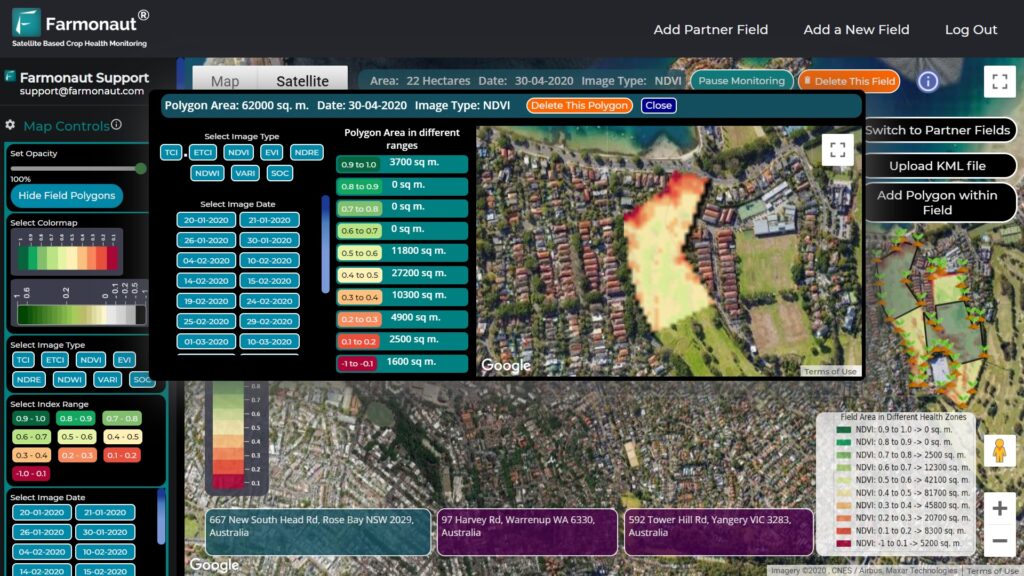
In 2026, satellite technology is transforming how farmers manage corn diseases like crown rot corn and corn stalk rot. At Farmonaut (a leading satellite technology company), we use real-time monitoring, multispectral satellite imagery, and AI-based advice to:
- ✔ Detect disease outbreaks early across large fields.
- 📊 Track vegetation health (NDVI), soil moisture, and stress predisposing plants to rot.
- ⚡ Deliver actionable, field-specific guidance for timely interventions directly to mobile and web apps.
- 🔗 API access for developers enables seamless integration of satellite insights into custom farm & crop management software.
- 🛰 Support resource management, traceability (traceability solutions here), and carbon footprint monitoring (Farmonaut carbon footprinting) for sustainable operations.
Farmonaut’s Large-Scale Farm Management Systems and Fleet Management platforms offer affordable, subscription-based disease monitoring and operational analytics via Android, iOS, and web.



Our tools also empower bankers and insurers to validate field conditions for crop loans and insurance faster and more securely.

Subscription-based Farmonaut services (see pricing below) allow scalable, affordable adoption for both small and large corn operations:
AI and remote sensing accelerate disease assessment, optimize timely interventions, and reduce input costs—making modern disease management sustainable and scalable.

Consumer Trends: “Pick Your Own Corn Near Me” and the Need for Crop Health
A significant trend in modern agriculture is the rise of “pick your own corn near me” farms. These agri-tourism ventures connect local communities to corn production, enhance crop value, and increase awareness about food quality and sustainability.
- 👨🌾 Healthy crops are essential for visitor experience — crown rot corn and stalk rot outbreaks can devastate both yield and farm reputation.
- 🏷 Visible disease symptoms (rotted bases, weak stalks, withered leaves) make fruit unattractive, lowering marketability.
- 📱 Local listings for “pick your own corn near me” see better reviews when crop health is maintained via sustainable practices.
For growers operating these farms, robust integrated management strategies are critical—not only to protect yield and quality but also to ensure sustained customer trust.
If running a “pick your own corn near me” enterprise, schedule weekly disease scouting and soil health checks, especially before peak harvest times, to minimize surprises and maximize positive reviews.
Crown Rust in Oats vs. Crown Rot in Corn: Accurate Diagnosis
Crown rust in oats is a fungal disease primarily caused by Puccinia coronata. It is notably different from crown rot corn:
- 🟧 Crown rust in oats appears as powdery, orange pustules on oat leaves, not on basal stem tissue.
- 🌾 Crown rot corn and corn stalk rot begin at the base or inside the stalk of corn, leading to decay and potential plant death.
Key tip: Correctly identifying the affected cereal crop and symptom type informs the best management practice. For oats, choose resistant varieties and fungicide sprays; for corn, focus on soil and stalk-targeted methods above.
The Future: How Technology Will Revolutionize Crop Disease Management
Looking ahead to 2026 and beyond, advances in AI, satellite monitoring, blockchain traceability, and environmental impact tracking will enable sustainable and scalable solutions for crown rot corn and stalk rot.
- 🛰 Remote Sensing: Satellites can monitor vast farm areas for subtle signs of stress or disease long before symptoms are visible on the ground.
- 🤖 AI-Based Advisories: Integrated decision platforms – like Farmonaut’s Jeevn AI system – use satellite and field data to alert growers about rot risk and suggest timely, targeted actions.
- 🔗 Blockchain-based Traceability: (Explore Farmonaut’s traceability solutions) ensures safe, high-quality grain for both consumer markets and industrial users.
- 🌍 Carbon and Environment Metrics: Regulatory pressure for climate-smart agriculture is rising; carbon tracking platforms (details here) enable sustainable production certification and access to new markets.

Top 3 Future Enhancements for Corn Disease Management:
- AI-powered field robots for automated disease scouting and input application.
- Satellite and drone imagery integrated into everyday farm decisions (via platforms like Farmonaut).
- Regeneratively farmed, carbon-tracked corn for premium markets.
The next decade will reward growers who embrace precision, data-driven crop health strategies with higher resilience, lower losses, and better market access.
FAQ: Crown Rot Corn & Stalk Rot Management
Q1: What are the primary causes of crown rot corn and corn stalk rot?
Crown rot corn is mainly caused by Fusarium spp. and Rhizoctonia solani fungi, whereas corn stalk rot can be due to Fusarium verticillioides, Colletotrichum graminicola, and Diplodia maydis. Both thrive in fields with high residue and stressed plants.
Q2: How can I identify crown rot in corn early?
Look for browning and decay at the stem base near soil level, stunted growth, and yellow lower leaves. Use precision monitoring tools for early alerts!
Q3: What is the most sustainable way to manage these diseases?
An integrated approach—including crop rotation, resistant hybrids, maintaining soil health, and precision tech advisories—is most sustainable and environmentally friendly.
Q4: Are fungicides effective for crown rot corn?
Fungicides can help in managing secondary stalk infections but are limited against pathogens inside basal stem tissues. Use only when necessary and combine with other practices.
Q5: What is the difference between crown rust in oats and crown rot corn?
Crown rust in oats affects oat leaves and appears as orange pustules; crown rot corn targets the stem base and causes tissue decay.
- Rotate crops with non-host species each season
- Adopt partial-resistant corn hybrids in all high-risk regions
- Monitor fields regularly using satellite or in-person scouting
- Maintain balanced fertilization and proper soil moisture
- Access Farmonaut’s tools for affordable field monitoring (see app and API links above)
Conclusion: Your Path to Disease-Resilient, Sustainable Corn in 2026 and Beyond
The battle against crown rot corn and corn stalk rot is at the forefront of sustainable, resilient corn farming in the modern era. As pressure mounts from climate variability, consumer trends, and economic demands, relying exclusively on older, reactive methods is no longer sufficient.
- ✔ Integrated disease management is a proven path to reducing losses, maintaining grain quality, and safeguarding yields.
- 🛰 Harnessing AI, satellite insights, and digital field tools enables efficient, scalable disease risk assessment and response, benefiting both large and small growers.
- 🌾 Applying sustainability-focused interventions ensures compliance, premium market access, and improves both economic and environmental returns.
By embracing science-based, technology-supported solutions, your farm is better equipped to reduce fungal disease pressure and ensure that your corn remains a reliable, profitable, and sustainable crop—today and tomorrow.
Ready to proactively manage crown rot and stalk rot? Get started with Farmonaut via our web app, Android, or iOS app. Need advanced integration? Access our API or explore the Fleet Management platform now.
Together, let’s secure a sustainable future for every corn field—in 2026 and beyond.