Conventional vs Sustainable Agriculture: 7 Insights 2026
Sustainable Agriculture vs Conventional Agriculture: A 2025 Perspective
As global populations grow and environmental concerns become increasingly urgent, the debate between conventional agriculture vs sustainable agriculture has intensified. The methods we use to meet the world’s food demands are under scrutiny, given their profound impact on the planet, human health, and economic systems. With 2026 on the horizon, understanding the distinctions between conventional and sustainable agriculture has never been more critical.
Conventional agriculture, rooted in industrial-scale production, has historically prioritized maximizing yields through the use of chemical fertilizers, pesticides, monoculture cropping, and mechanization. The resulting efficiency has driven up food output but at a considerable cost to soil, water, biodiversity, and climate stability.
In contrast, sustainable agriculture emphasizes environmental stewardship, social equity, and economic viability. The model balances productivity with preserving environmental and resource capital for future generations, aligning with global sustainability goals and resilient food systems.
This comprehensive post explores how the conventional vs sustainable agriculture debate is shaping the very future of food production, soil health, climate impact, and resource management through seven core insights relevant to 2025 and beyond.



Conventional vs Sustainable Agriculture: Defining the Approaches
What Is Conventional Agriculture?
Conventional agriculture describes industrialized farming methods focused on maximizing output. Since the Green Revolution, farms have operated at ever-increasing scales, driven by:
- Heavy use of synthetic fertilizers and pesticides
- Monoculture cropping (large expanses of a single genetically uniform crop)
- Extensive mechanization (tractors, harvesters, irrigation systems)
- Reliance on fossil fuels throughout operations
These practices produce high yields per hectare and support global food supply chains, but they introduce significant environmental and social costs.
- ✔ High productivity
- ⚠ Soil and water degradation risks
- 📊 Increases in greenhouse gas emissions
What is Sustainable Agriculture?
Sustainable agriculture refers to methods and systems that meet present food needs without compromising the ability of future generations. This model is built upon:
- Crop diversification and integrated farms
- Use of organic fertilizers (manures, compost)
- Reduced chemical inputs; focus on integrated pest management (IPM)
- Water-efficient irrigation
- Conservation tillage and soil protection strategies
- Agroforestry and biodiversity enhancement
Sustainable agriculture reduces negative impacts on ecosystems, supports social equity, and boosts the resilience of food systems—key for uncertain future scenarios in 2026 and beyond.

7 Core Insights: Conventional vs Sustainable Agriculture
- 1. Farming Methods: How are crops grown—monoculture & chemical inputs vs diversified & organic?
- 2. Crop Yields: Are outputs higher, more stable, or at risk in each model over time?
- 3. Soil Health: Do practices protect soil structure and fertility, or lead to degradation?
- 4. Pesticide Use: How much do farms rely on chemicals, and what are the risks?
- 5. Water Consumption: Do systems efficiently use and conserve this vital resource?
- 6. GHG Emissions: How does each method impact the climate through emissions?
- 7. Biodiversity & Food Security: Does the approach support ecosystem and global food resilience?

Conventional vs Sustainable Agriculture: Key Differences (Estimated Data – 2025/2026)
| Aspect/Insight | Conventional Agriculture (2025 – Estimated) | Sustainable Agriculture (2025 – Estimated) |
|---|---|---|
| Farming Methods | Monoculture, heavy chemical input, mechanization | Diversified cropping, organic & integrated methods, conservation tillage |
| Crop Yields (tons/hectare) | 6.0–9.0 (varies by crop; initial yields usually high) | 5.0–8.0 (competitive over time as soil health improves) |
| Soil Health Index | Low to Moderate (risk of decline, especially with continuous monocropping) | High (improvement year-on-year, higher organic matter) |
| Pesticide Use (kg/hectare) | 8–13 (high; potential runoff) | 1–4 (low; prioritized IPM and ecological control) |
| Water Consumption (liters/hectare) | 400,000–650,000 | 220,000–380,000 (use of efficient irrigation, soil moisture conservation) |
| GHG Emissions (tons CO₂e/hectare) | 4.1–5.7 (high due to agrochemical and fossil fuel reliance) | 2.9–3.8 (low–moderate through organic inputs and carbon sequestration) |
| Biodiversity Impact | Negative (habitat loss, monocropping reduces species) | Positive (supports pollinators, diverse flora & fauna) |
| Long-term Food Security | Moderate (relies on continuous inputs; faces risks from degradation) | High (builds resilience, reduces dependency on external inputs) |
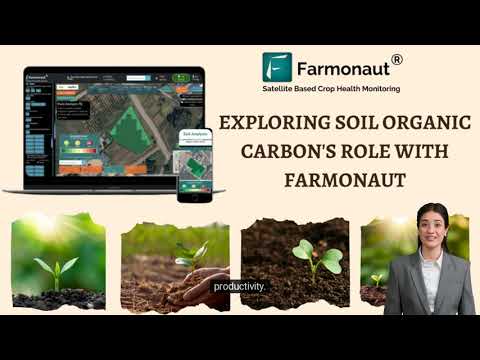
- 🌱 Boosts organic matter: Critical for soil fertility and water retention
- 🌎 Reduces climate impact: Lower greenhouse gas emissions per hectare
- 💧 Conserves water: Precision irrigation & soil structure reduce waste
- 🐝 Protects biodiversity: Diverse farming systems sustain pollinators & wildlife
- 🔍 Enhances traceability: Technologies like blockchain traceability make supply chains more transparent

Conventional vs Sustainable Agriculture: Unpacking Seven Insights for 2026
- ⚠ Conventional agriculture: Major risks
- Loss of soil fertility
- Increased input costs
- Vulnerability to climate change
- Negative biodiversity impact
- 🔒 Sustainable agriculture: Key protections
- Restores organic matter & soil microbial life
- Secures long-term food production capacity
- Strengthens ecosystem services
- Improves climate resilience
1. Farming Methods: Uniformity vs Diversity
Conventional farming methods are characterized by monoculture cropping, streamlined mechanization, and heavy inputs of synthetic fertilizers and pesticides. Crops are bred for maximum output, with little genetic diversity, increasing the risk of systemic crops failures from pests or disease. Mechanization, while boosting initial labor efficiency, erodes natural soil structure if overdone, and tilled fields contribute to carbon emissions.
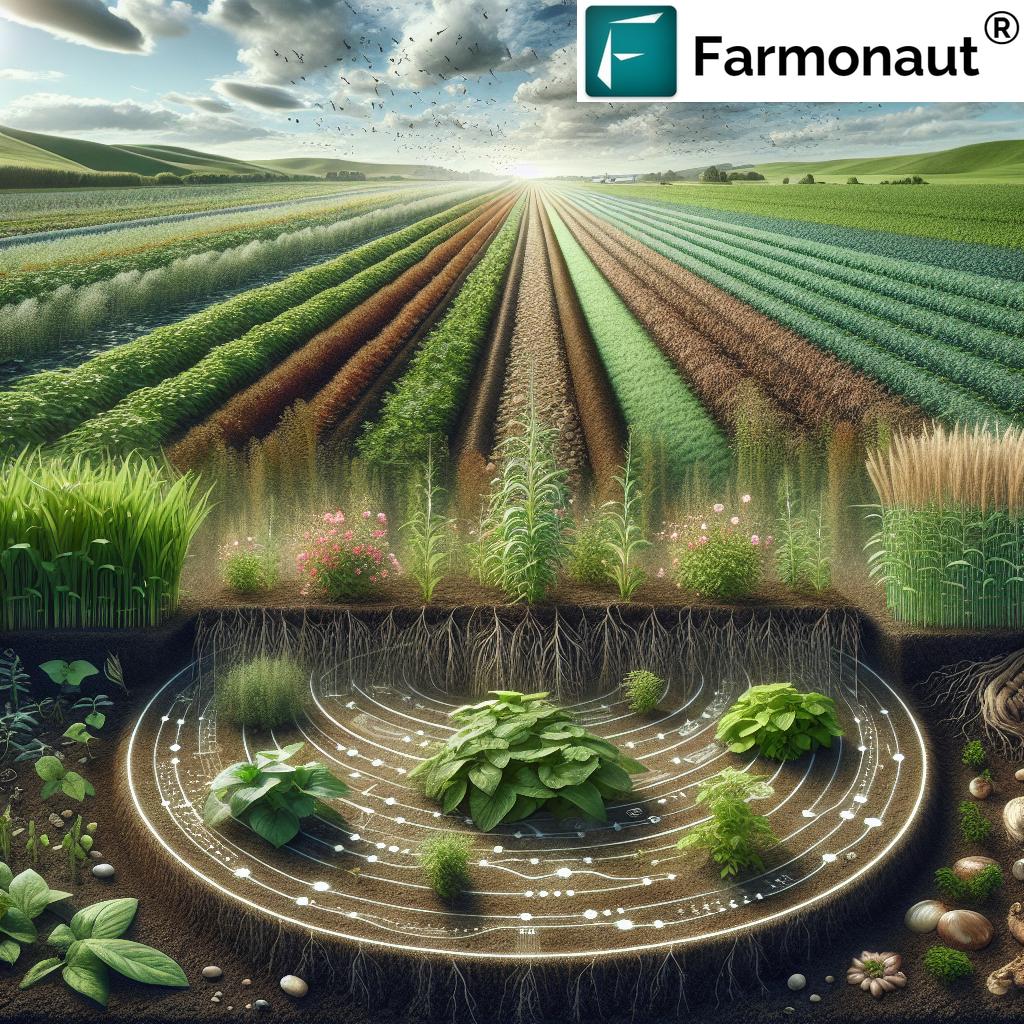
In contrast, sustainable farming vs conventional farming means embracing a diversity of crops (polyculture), rotating plantings to disrupt pest cycles, and using organic inputs. Integrated practices such as conservation tillage and agroforestry support biodiversity and promote soil ecosystem stability.

2. Crop Yields: Short-term Gains vs Long-term Security
The yield debate is a flashpoint in sustainable vs conventional agriculture. Conventional systems maximize immediate yields with genetically uniform, high-responding crops and high-input inputs. However, yields often plateau or decline as soil degradation, pest resistance, and climate variability mount.
Sustainable farming may see slightly lower initial yields but often experiences yield stability, particularly during climate shocks. Long-term field data from 2025/2026 suggests, as soil health improves, yields in sustainable systems can be nearly identical and more reliable year-on-year, especially when resource costs are factored in.
- ⚠ Escalating input costs: Increasing amounts of fertilizer and pesticide needed each year
- ⚠ Pest resistance: Over-reliance on chemicals fosters resistant pest populations
- ⚠ Crop failure risk: Genetic uniformity increases vulnerability
3. Soil Health: Regeneration or Degradation?
Conventional approach: Monocropping, synthetic chemicals, and repeated tillage disrupt soil food webs and reduce organic matter. Result: More frequent soil erosion, compaction, and fertility loss, requiring further synthetic intervention.
Sustainable agriculture replenishes organic carbon and nutrients, fosters biological activity, and improves soil structure—key for water retention and plant resilience. Practices like cover cropping and composting demonstrate that, over five years, sustainable farms may boost soil organic matter up to 30% more than conventional alternatives.

4. Pesticide Use: Quantity vs Strategy
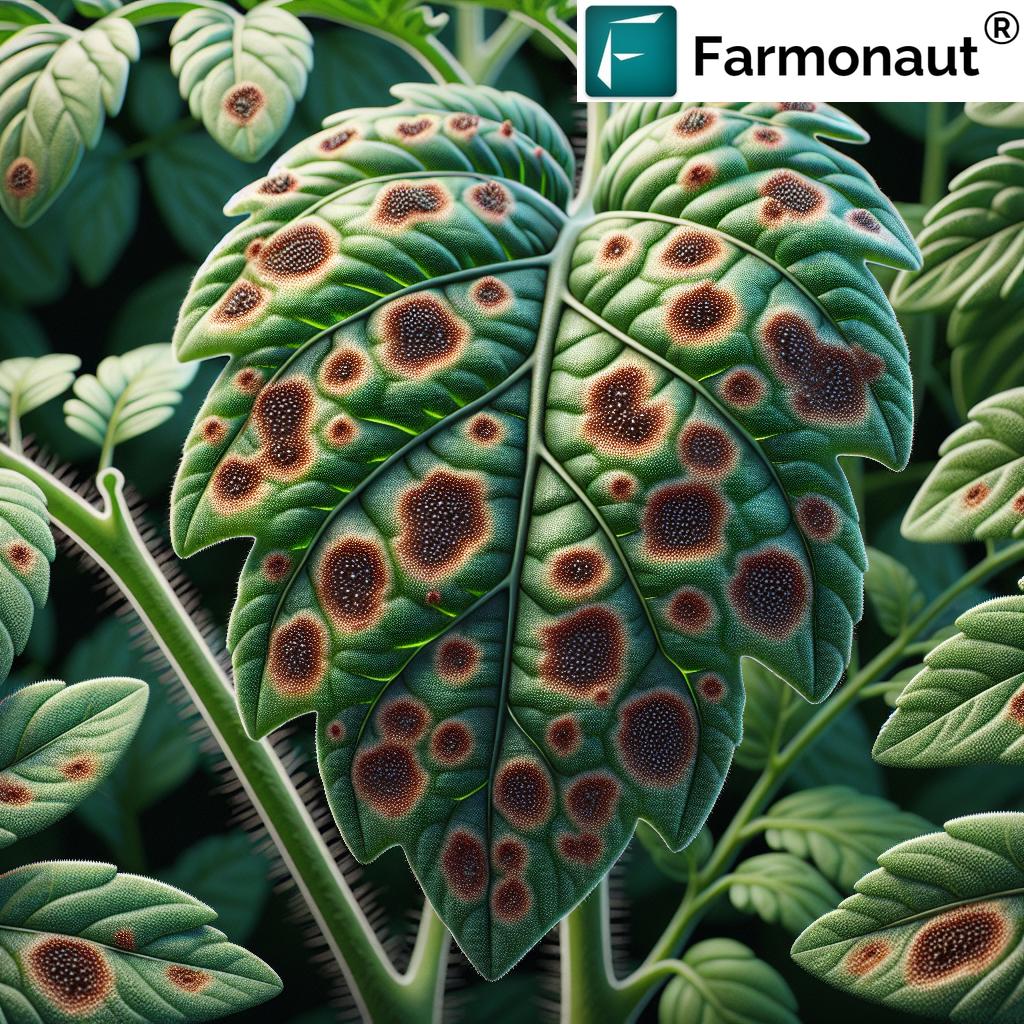
Conventional systems are heavily reliant on chemical pesticides. This leads to runoff into water sources, harm to non-target organisms, and public health concerns (e.g., herbicide residues in foods).
Sustainable models embrace integrated pest management (IPM), using biological controls, companion planting, and resistant varieties. Reducing pesticide use leads to improved water quality and ecosystem health—key sustainability goals for 2026.
5. Water Consumption: Waste vs Stewardship
Conventional irrigation (flooding, overhead spray) is notorious for water waste and runoff. With global water scarcity worsening, such systems are increasingly unsustainable.
Sustainable systems adopt drip irrigation, mulching, and soil cover to retain moisture, reducing water usage by up to 40%. Smart irrigation management platforms (like those we provide at Farmonaut) enable farmers to monitor crop water needs in real-time—optimizing every drop.

6. GHG Emissions: Source or Solution?
Conventional agriculture is a major source of greenhouse gas emissions. These result from fossil fuel use, synthetic fertilizer production, methane from mechanized rice paddies, and soil carbon oxidation.
By 2025, switching to sustainable practices may cut GHG emissions by up to 20% compared to the conventional baseline. Methods include carbon farming, reduced tillage, cover cropping, and integrating agroforestry—all of which build carbon sinks rather than depleting them.

7. Biodiversity, Longevity & Food Security
Biodiversity collapse is a major hidden cost of conventional farming. Loss of hedgerows, native vegetation, and pollinators threatens not only natural habitats but also the future productivity of food systems.
By supporting diverse crops, soil life, pollinators, and natural predators, sustainable agriculture emerges as a major guardian of food security through 2026 and beyond.
- 🌾 Builds natural resilience—less reliant on volatile commodity markets
- 🔗 Enables blockchain traceability for safer, ethical food (discover: Product Traceability)
- 👩🌾 Empowers smallholders and communities—supports fair livelihoods and sovereignty
Future of Food Production: 2026 and Beyond
Looking ahead, agriculture must evolve to meet rising food demand without further damaging the planet. The conventional model—while efficient—faces unsustainable resource demands and rising regulatory and climate-related risks.
Conversely, sustainable models present a pathway to climate-smart, regenerative food systems. These approaches align closely with the UN’s Sustainable Development Goals, government incentives, and consumer demand for sustainable products.
- 🌱 Healthier soils = durable productivity
- 📉 Lower input and operating costs
- 🔄 Circular economy models increase resource use efficiency
- 💡 Integrating tech (satellite, AI) enables data-driven resilience
- 🌍 Supports biodiversity, water, and climate goals globally
How Farmonaut Empowers Sustainable Agriculture (2026 Perspective)
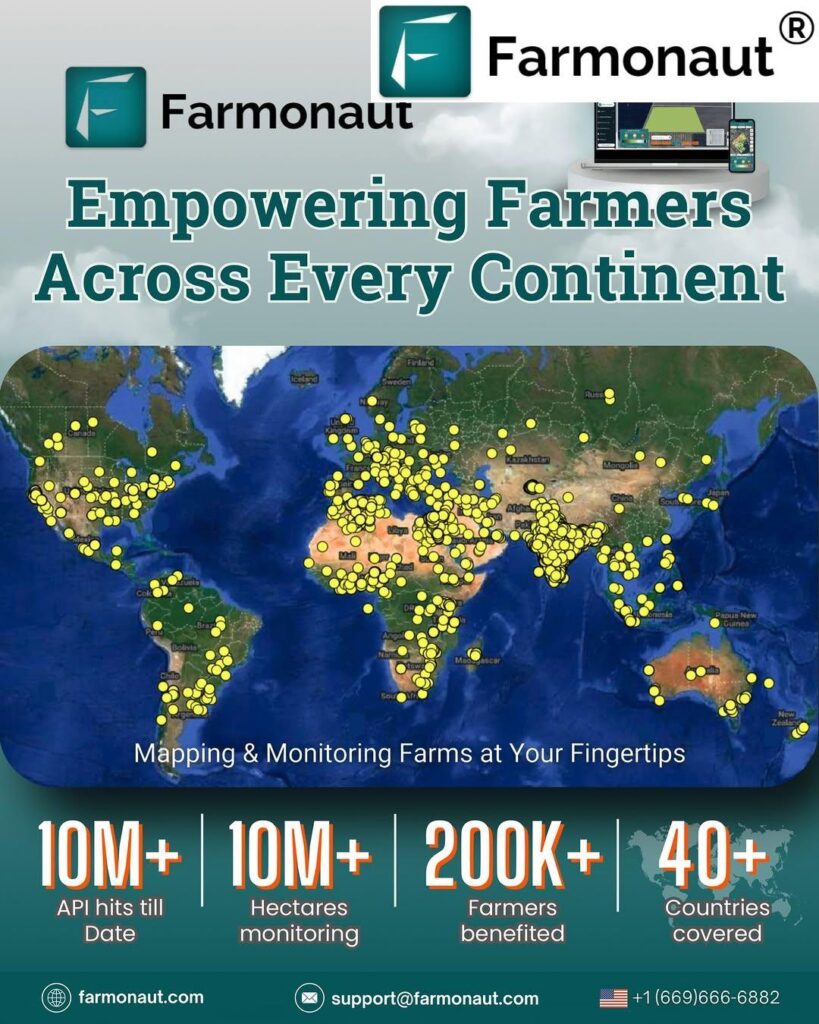
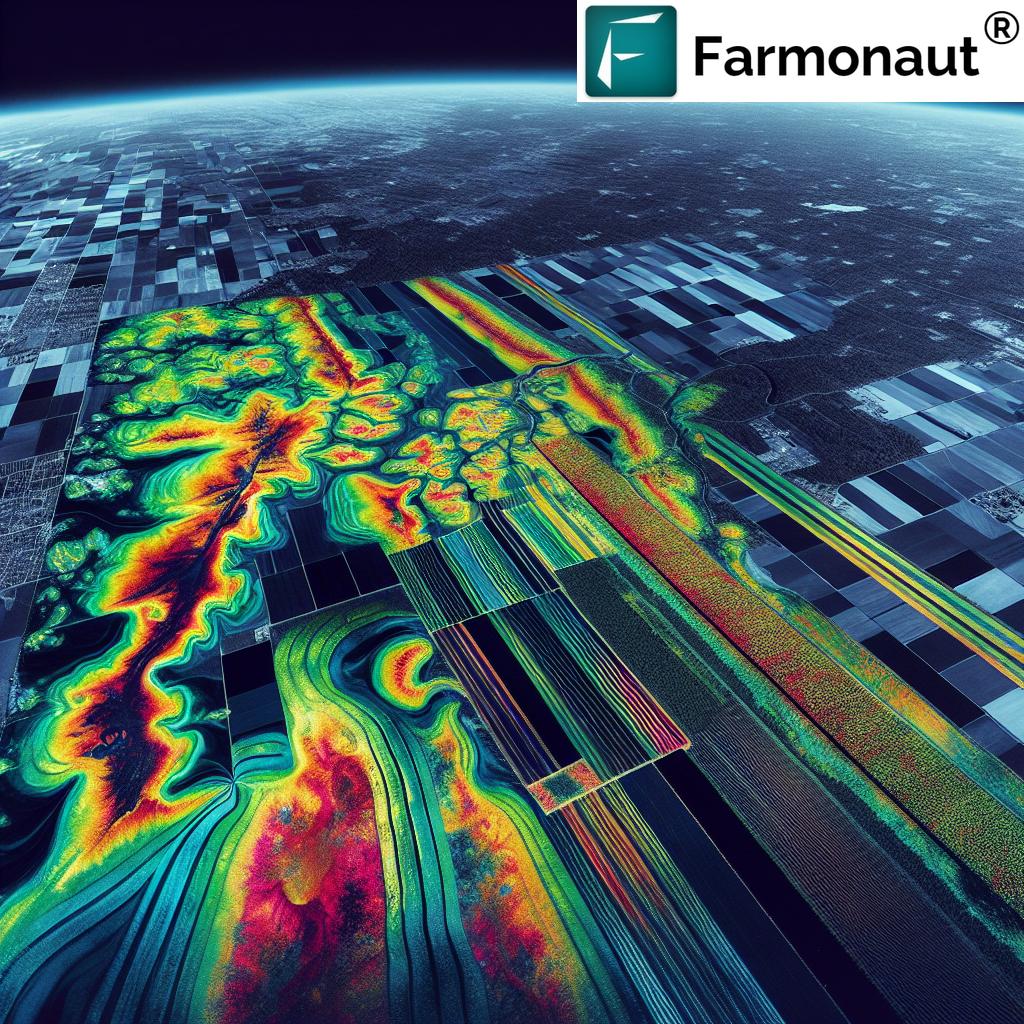
As the demands for sustainable agriculture vs conventional agriculture accelerate in 2026, access to reliable data and actionable insights is critical. At Farmonaut, we have developed advanced satellite technology solutions to help farmers, agribusinesses, and governments globally shift to sustainable practices and improve productivity without compromising the environment.
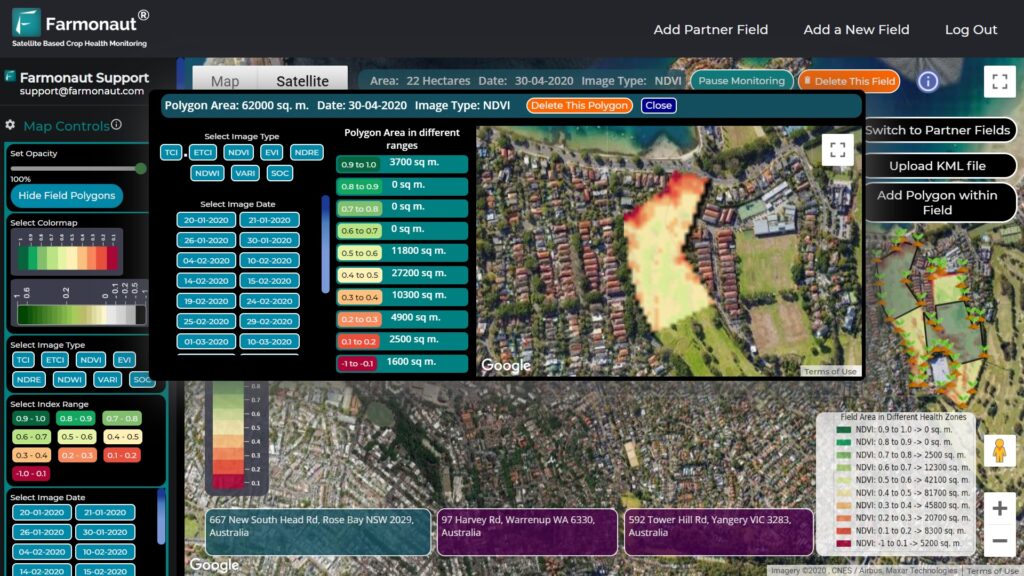
- 🛰 Satellite Crop Monitoring: Real-time assessment of vegetation health, soil condition, and stress.
- 🌡 Jeevn AI Advisory: Precision analytics for water, nutrient, and integrated pest management.
- ⛓ Blockchain Traceability: End-to-end transparency for food supply chains—vital for ethical, sustainable sourcing.
- 🚜 Fleet & Resource Optimization: Minimize fuel, reduce emissions, improve operational efficiency.
- ⬛ Environmental Impact Monitoring: Track and report carbon footprint to meet rising regulatory and market demands.
Farmonaut Subscriptions: Affordable Access to Satellite Technology
FAQ: Sustainable vs Conventional Agriculture (2025/2026)
What are the biggest differences between conventional agriculture vs sustainable agriculture?
- Conventional agriculture uses high volumes of chemical inputs, monoculture systems, and prioritizes immediate yields but can degrade soil, water, and biodiversity.
- Sustainable agriculture minimizes external inputs, focuses on soil health, biodiversity, and resource cycling for resilience and environmental protection.
Can sustainable farming produce enough food to feed the global population in 2026?
Is all organic agriculture automatically sustainable?
How can satellite and AI help boost sustainable agriculture?
What is the role of traceability in sustainable food systems?
Conclusion: Charting the Future of Agriculture
The distinction between conventional and sustainable agriculture is at the core of today’s environmental, economic, and social debates. As we approach 2026, it is clear that sustainable models are no longer just an alternative—they are an imperative for long-term food security, climate resilience, and preservation of the planet’s ecological foundation.
Transitioning from conventional vs sustainable agriculture is not a binary choice. For many farms, hybrid and regenerative models blending the best of both can deliver optimal results, especially when leveraged with advanced technologies like satellite monitoring and AI advisory systems.
At Farmonaut, we are proud to support the journey toward agricultural sustainability, making satellite insights affordable and accessible for all. From real-time crop diagnostics to blockchain traceability and carbon footprinting, the tools and knowledge for sustainable, profitable farming are here to drive the food systems of the future.
Start leveraging satellite-powered insights from Farmonaut for a healthier, more resilient, and profitable farm future—2026 and beyond.