Botrytis in Tomatoes, Strawberry Botrytis: 7 Control Tips for 2025
Botrytis in tomatoes, strawberry botrytis spell a major threat to modern horticulture, dramatically impacting yield, product quality, and growers’ livelihoods worldwide. With 2025 ushering in new precision agriculture and biotechnology advancements, integrated management is more vital than ever to control this destructive fungal disease and ensure a sustainable future for tomato and strawberry production.
Understanding Botrytis in Tomatoes and Strawberries
Botrytis cinerea—commonly known as gray mold—remains one of the world’s most destructive fungal pathogens affecting major horticultural crops. Its impact is particularly severe in tomatoes and strawberries, both in open-field and greenhouse cultivation.
Botrytis Life Cycle: How It Infects Crops
The botrytis fungus thrives in cool, moist conditions—prevalent during prolonged humidity or after irregular rainfall patterns, as well as in protected greenhouse environments. The disease infects plant tissues by penetrating wounds or natural openings. Once inside:
- Lesions develop on fruits, leaves, and stems
- Leads to rapid rot, blight, and decay
- Premature senescence of tomato plants and blossom blight in strawberries
Botrytis outbreaks can swiftly escalate, particularly after periods of prolonged humidity or mild winters which favor survival of spores in crop debris and in the surrounding vegetation.

Key Symptoms of Botrytis Infection
- Gray, fuzzy mold on decaying tissue
- Brownish lesions on fruits, stalks, and leaves
- Water-soaked spots that later turn necrotic
- Fruit collapse and extensive tissue decay
Strains of Botrytis cinerea can infect more than 200 plant species—making vigilance essential for tomato and strawberry growers globally.
Economic Impact and Challenges of Botrytis
The economic impact of botrytis in tomatoes, strawberry botrytis is formidable and escalating with climate change and evolving pathogen dynamics.
- In strawberries, post-harvest losses can exceed 30% in poorly managed fields, with overall losses sometimes reaching up to 60% in severe outbreaks.
- Tomato growers face major spoilage and quality losses during transportation and shelf life.
- Frequent fungicide applications, additional labor for sanitation, and the potential for crop replanting all increase production costs.
Why Is Botrytis So Challenging to Manage?
- Rapid Progression: Infection can explode in favorable conditions, especially under increased humidity or poor airflow.
- Pathogen Variability: Evolving resistance to chemical fungicides undermines longstanding control protocols.
- Favorable Climates: Mild winters and irregular rainfall patterns create prolonged risk periods year-round.
- Multiple Crops: Botrytis infects various crops, allowing it to survive between seasons.
- Post-Harvest Issues: Spores continue to cause decay during storage and transportation.
- 📊 Data Insight: Over USD 3 billion in direct and indirect global losses are attributed to botrytis each year.
- ⚠ Risk: Sole reliance on chemical sprays often triggers resistant Botrytis populations.
- 🔬 Innovation: AI-based disease modeling reduces unnecessary fungicide use by 25%.
- 💸 Cost: Increased need for sanitation and replanting raises the bottom-line expense per hectare.
The market for advanced botrytis management solutions is projected to grow by 7.3% CAGR till 2028, driven by demand for precision agriculture and biotechnologies in crop production. Explore the Farmonaut Carbon Footprinting module for investments on emission-compliant, sustainable farming operations.
Integrated Management: 2025 Strategies and Innovation
Managing botrytis effectively in tomatoes and strawberries in 2025 requires a shift from reactive to proactive, integrated approaches—from cultural to chemical, biological, and precision agriculture technologies.
Combining modern monitoring technologies with biocontrol and smart fungicide use dramatically enhances botrytis management, especially under variable climate conditions.
Cultural Practices for Botrytis Control
- ✔ Crop rotation and removal of infected debris to reduce inoculum
- ✔ Proper plant spacing and pruning to improve airflow
- ✔ Resistant or tolerant cultivars boosted by genomics
- ✔ Controlled irrigation, avoiding leaf wetness—particularly crucial in greenhouse production
- ✔ Prudent sanitation of tools and harvest bins
Chemical Approaches: Smart Fungicide Use
- 🔎 Fungicide rotation among different chemical classes to delay resistance
- 🎯 Targeted sprays guided by sensor and AI-based infection risk
- ⚡ Nanoformulations and micro-encapsulation for better adherence and efficacy
- 🛡️ Lower-residue, reduced-risk products preferred for premium fruit quality
Judicious and targeted use has emerged as the core 2025 chemical strategy—ensuring effective disease control while reducing environmental impact and preserving product quality.
Biological Control & Biostimulants: Enhancing Crop Immunity
- 🧬 Trichoderma spp. and Bacillus subtilis as biocontrol agents suppress botrytis
- 🌱 Biostimulants and natural compounds enhance plant immunity, reducing infection rates
- ☘️ Biological approaches offer low environmental impact, can be combined with precision tools
Biocontrol agents and biostimulants are increasingly integral to integrated management—boosting resistance and enabling sustainable disease suppression.
Precision Agriculture & Advanced Technologies for Botrytis Management
- 📡 Optical sensors detect early infection symptoms before visible damage
- 🧠 AI-driven models forecast outbreaks by analyzing microclimate, plant stress, and canopy moisture data
- 📲 Digital platforms for real-time monitoring & advisory on risk and intervention timing
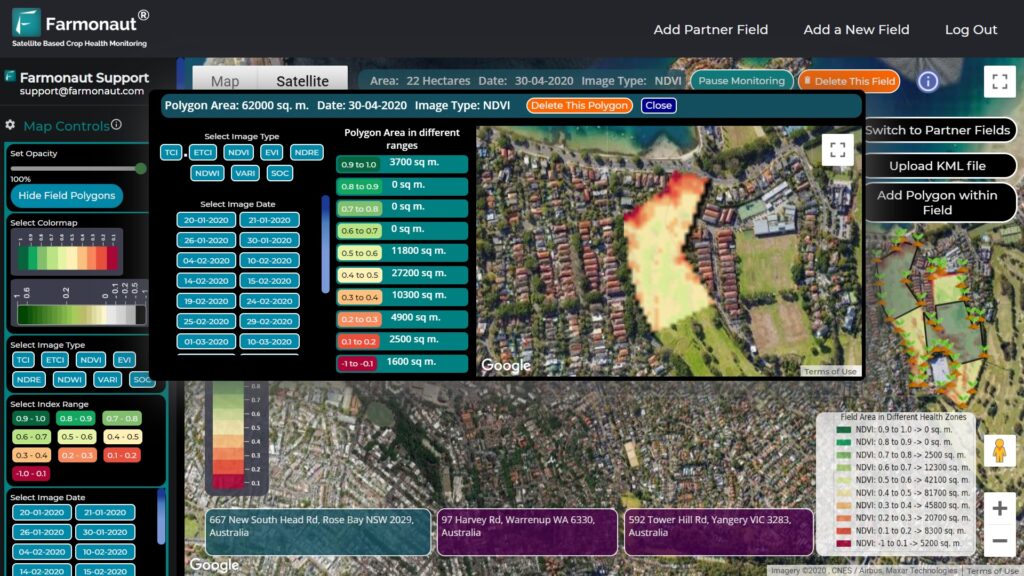
- 🌐 Satellite-based crop health monitoring for field, greenhouse, and large-scale farm management
Comparison Table: Botrytis Management Solutions for Tomatoes and Strawberries (2025)
| Solution Type | Technology / Method | Mode of Application | Estimated Efficacy (% Reduction in Botrytis) | Cost Range (USD/ha) | Environmental Impact | Integration Level |
|---|---|---|---|---|---|---|
| Cultural | Crop rotation, sanitation, pruning | Field operations | 20-35% | $30-$80 | Low | Standalone / Integrated |
| Chemical (Traditional) | Standard fungicides (FRAC groups 11, 7, M) | Spray / Drip | 40-60% | $120-$200 | Moderate–High | Standalone / Integrated |
| Chemical (Nanoformulation) | Encapsulated actives | Precision spray | 55-75% | $150-$250 | Moderate | Integrated |
| Biological | Trichoderma, Bacillus subtilis | Soil/foliar application | 30-60% | $65-$120 | Low | Integrated |
| Biostimulants | Plant extracts, natural compounds | Foliar spray/drip | 20-40% | $70-$110 | Low | Integrated |
| Precision Agriculture | AI sensor monitoring, predictive risk modeling, IoT microclimate | Digital/remote, field sensors | Up to 35% loss reduction in precision-farmed tomatoes and strawberries | $60-$220 | Low | Integrated / Automated |
| Gene-Edited Cultivars (R&D) | CRISPR-edited, resistant lines | Seed adoption | 40-70% | $160+ (seed premium) | Low | Integrated |
Note: Efficacy varies by local conditions, disease pressure, and integration with other solutions. Blending methods is key for durable Botrytis control in tomatoes and strawberries.
7 Essential Tips: Managing Botrytis in Tomatoes & Strawberries
- Inspect and Sanitize Regularly: Remove infected fruits, leaves, and plant debris quickly to interrupt the disease cycle.
- Monitor Microclimate: Use sensors or digital tools to track humidity, temperature, and leaf wetness—vital for early intervention.
- Rotate Crops and Diversify Genetics: Limit inoculum build-up by not planting tomatoes or strawberries successively in the same fields, and select the latest resistant cultivars.
- Smart Fungicide Rotation: Prevent resistance by alternating chemical modes of action.
- Employ Biocontrol Agents: Apply Trichoderma or Bacillus spp. especially during flowering and fruiting stages for additional suppression.
- Adopt Precision Agriculture Platforms: Leverage digital technologies (including satellite & AI) for real-time alerts and targeted interventions.
Example: Unlock Farmonaut’s Large Scale Farm Management app for multi-field disease tracking and automated resource allocation. - Optimize Post-Harvest Processes: Maintain clean containers, minimize fruit injuries, and keep storage humidity below 90%.
Future Outlook Beyond 2025: Biotech and Digital Innovation
The next decade promises a seismic shift in Botrytis management via biotechnology and precision agriculture advancements:
- 🌱 Gene-Edited Resistance: CRISPR/Cas and genomic selection for durable Botrytis resistance in both tomatoes and strawberries, reducing need for repeated fungicide applications.
- 🔬 Molecular Diagnostics: Portable DNA-based tests for early detection—deployable on-farm for precise, rapid diagnostics.
- 🤖 AI-Driven Decision Support: Machine learning models tailored to evolving climate variability and pathogen dynamics.
- 🌐 Integrated Digital Platforms: Real-time & historical data empower growers—digital traceability with blockchain improves food safety and marketability.
See: Farmonaut Product Traceability enables transparent, tamper-proof crop disease records across the supply chain for strawberries and tomatoes. - 🚀 Post-Harvest Innovation: Oxygen-absorbing packaging, cold plasma, and antimicrobial coatings extend shelf life and reduce gray mold decay in storage & transit.
Visual List: Innovations Driving Botrytis Management
- 🛰 Satellite crop health analytics for early outbreak detection
- 🧬 Gene editing empowering next-gen resistant cultivars
- 🏷 Blockchain traceability for supply chain trust and provenance
- 📈 AI-advised prescriptions for targeted spraying and resource allocation
How Farmonaut Empowers Precision Botrytis Management
At Farmonaut, we recognize that crop disease management in 2025 and beyond demands intuitive, affordable technologies that merge field, greenhouse, and digital insights. Our satellite-driven solutions empower growers, large-scale producers, and governments to monitor crop health dynamically and respond to evolving botrytis and climate threats.
Our Key Platform Features for Botrytis Control
- 🌍 Satellite-Based Crop Monitoring: Multispectral images diagnose stress and early disease symptoms, across tomatoes, strawberries, and other horticultural crops.
- 🤖 AI Advisory (Jeevn): Real-time disease and weather forecasting, tailored management tips, and risk alerts—helping users optimize interventions.
- 🔗 Blockchain Traceability: Transparent, secure crop records enhance market recognition and reduce fraud.
Read more on Farmonaut Product Traceability - 🚛 Fleet and Resource Management: Managers monitor field vehicles and resource flows, reducing operational costs through precise logistics.
Fleet Management platform details - 🌿 Environmental Impact Tracking: Monitor your farm’s carbon footprint and drive sustainability compliance.
Learn how Farmonaut supports carbon-neutral agriculture
Start Monitoring Now: Farmonaut Apps & API



- 🌐 API Integration: Seamlessly connect satellite and AI-powered disease forecasts to your existing systems.
API portal: https://sat.farmonaut.com/api | API Docs: View Developer Documentation
Farmonaut Subscription Plans
Frequently Asked Questions: Botrytis in Tomatoes & Strawberries
Q1: What are the best integrated practices to control botrytis in 2025?
A: The best approach combines cultural practices (sanitation, crop rotation), timely fungicide rotation, biocontrol agents, use of resistant cultivars, precise irrigation, and adoption of digital or satellite technologies for early risk detection and strategic interventions.
Q2: How can satellite technology help manage botrytis outbreaks?
A: Satellite imagery detects early plant stress, mapping microclimate patterns (humidity, temperature, NDVI). It enables field-level, region-wide, or fleet-level monitoring to predict, prevent, and respond to outbreaks efficiently, minimizing blanket sprays and losses.
Q3: How does AI-driven advisory improve botrytis management outcomes?
A: AI models, such as Farmonaut’s Jeevn system, synthesize climate and crop data, offering real-time disease risk alerts, forecasted infection windows, and actionable intervention strategies, reducing unnecessary chemical applications and improving yield.
Q4: Are biocontrol and biostimulant solutions effective against botrytis?
A: Yes, especially when integrated with other control methods. Biocontrol agents (e.g., Trichoderma, Bacillus subtilis) and biostimulants boost plant resistance and suppress early pathogen growth with minimal environmental impact.
Q5: What post-harvest steps help reduce botrytis spoilage in strawberries and tomatoes?
A: Handle fruit gently, store at optimal temperature/humidity, sanitize containers, use antifungal coatings or packaging, and track shelf life with digital tools for early warning on decay risk.
Conclusion: Revolutionizing Botrytis Management with Integrated, Precision Solutions
Botrytis cinerea remains a key threat to tomato and strawberry crop production globally, especially amid the unpredictable climate variability forecast for 2026 and beyond. In today’s landscape, only an integrated management approach—combining cultural, chemical, biological, and precision agriculture technologies—can ensure high yields, preserve product quality, and sustain farmer livelihoods.
The adoption of satellite monitoring, AI-based advisory, blockchain traceability, and other digital tools not only empowers efficient botrytis control but also streamlines resource use and strengthens global food security. All of us at Farmonaut are committed to delivering affordable, scalable, and innovative technologies that help growers and agri-enterprises thrive in a changing world.
Ready to build resilient, data-driven strategies against botrytis and other diseases? Explore Farmonaut’s mobile, web, and API solutions for next-generation crop monitoring, traceability, and sustainable agriculture—today, and for the future.
Launch the Farmonaut App or connect via Farmonaut API for next-gen disease early warning, tailored insights, and smarter crop management.
- ✔ Integrated control outperforms standalone chemical applications in both tomatoes and strawberries.
- 📊 Data-driven precision reduces unnecessary chemical use and maximizes sustainable yield.
- 🧬 Biotech advances (CRISPR, biocontrol) to lead the next era of disease resistance.
- 🌐 Satellite platforms (like Farmonaut) extend efficient disease management globally.
- ⚡ Automation and traceability are key to future-proofing horticultural production amid climate change and market volatility.
“Botrytis in tomatoes, strawberry botrytis and advanced integrated management—stay ahead, stay sustainable, stay secure.”