Bokashi Soil Factory: Sustainable Farming in 2026
“Bokashi soil factories can convert up to 95% of organic waste into nutrient-rich compost by 2025.”
- Introduction: Bokashi Soil Factory’s Role in Modern Sustainable Agriculture (2026)
- Understanding Bokashi: From Traditional Technique to Industrial Soil Factories
- Key Components & Operations of Bokashi Soil Factories
- Bokashi vs. Traditional Composting: Sustainability & Environmental Impact Table (2026)
- Environmental & Agricultural Benefits of Bokashi in 2026
- Modern Technology: Enhancing Bokashi Soil Factories
- Challenges, Limitations, and Future Prospects
- Farmonaut’s Role in Sustainable Agriculture and Farm Management
- Frequently Asked Questions
- Conclusion
Introduction: Bokashi Soil Factory’s Role in Modern Sustainable Agriculture (2026)
The bokashi soil factory is redefining the landscape of sustainable agriculture as we move into 2026. With organic waste mounting worldwide and the urgent need for environmentally sound farming practices, this innovation is rapidly gaining attention. Rooted in a time-honored Japanese technique, bokashi factories leverage controlled anaerobic fermentation to transform food waste, agricultural residues, and even some livestock manure into nutrient-rich soil amendments.
Bokashi is not just about waste conversion; it’s a holistic approach that revitalizes soil health, boosts crop yields, and minimizes the environmental impact of farming. As industrial-scale bokashi soil factories proliferate in 2026, their influence on agriculture is nothing short of revolutionizing.
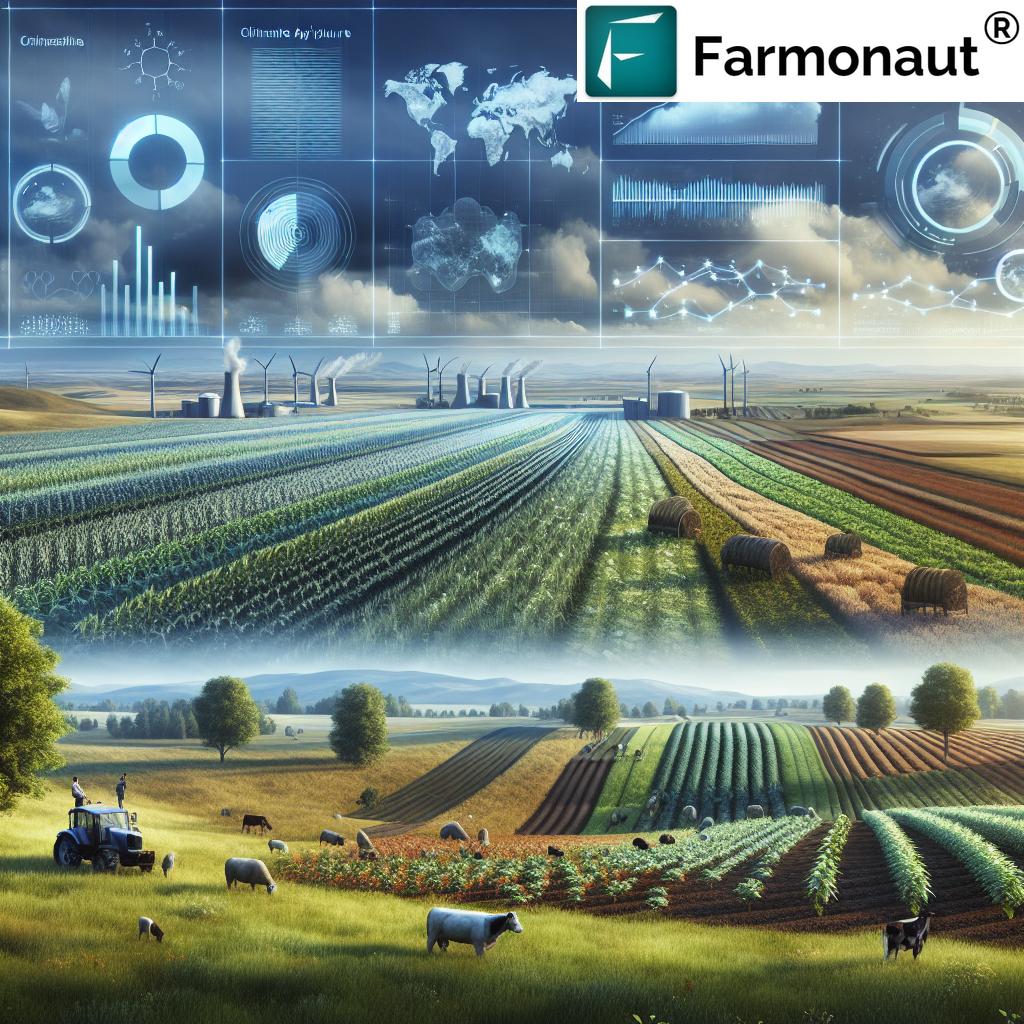
Bokashi soil factories in 2026 rapidly convert diverse streams of waste into high-value soil solutions, supporting regenerative, climate-smart agriculture globally.
🛰️ Jump to: How Farmonaut Supports Sustainable Agriculture
Understanding Bokashi: From Traditional Technique to Industrial Soil Factories
To comprehend the significance of the bokashi soil factory in modern agriculture, it’s essential to understand the bokashi process and how its adaptation at scale is a pivotal innovation.
The term “bokashi” means “fermented organic matter” in Japanese. Bokashi composting is rooted in traditional agriculture but diverges significantly from conventional aerobic composting.
- ✔ Anaerobic Fermentation: Bokashi operates in sealed containers without oxygen, unlike aerobic composting that depends on oxygen flow.
- ✔ Effective Microorganisms (EM): Uses a specialized mix of microorganisms (lactic acid bacteria, yeasts, photosynthetic bacteria, and more) to rapidly ferment and break down the organic matter.
- ✔ Nutrient Retention: The airtight, anaerobic process preserves more nutrients compared to traditional composting, minimizing losses from volatilization.
- 📊 Minimal Odors & Faster Cycling: Properly managed bokashi produces minimal odors and can finish a complete cycle in just 2–3 weeks.
Scale-Up: From Backyard to Industrial Bokashi Factories
The leap from household bokashi bins to full-scale bokashi soil factories involves advanced processing setups. At the industrial level, factories can process tons of organic waste daily, integrating agricultural residues (straw, husks), food waste streams, and sometimes manure.
- 🔄 Controlled conditions: Monitoring moisture, pH, temperature ensures optimal fermentation.
- 🔬 Microbial inoculant consistency: Factories may produce their EM or procure from reliable sources for uniformity.
- 🌱 Direct Soil Application: The finished product—fermented organic matter—is rich in humic substances, organic acids, beneficial microbial activity, and nutrients, ready to transform that year’s crop yields.

🔍 Bokashi Soil Factory Inputs & Outputs
- 🔽 Primary Inputs:
- • Agricultural residues (straw, husks, leaves)
- • Food and kitchen waste
- • Green manure crops
- • Livestock manure (sometimes)
- • EM microbial inoculants
- 🔼 Key Outputs:
- • Fermented bokashi soil amendment
- • Increased microbial diversity
- • Reduced organic waste volume
- • High-quality compost teas (for liquid applications)
“In 2026, sustainable farms using bokashi soil amendments may increase crop yields by over 30%.”
Key Components & Operations of Bokashi Soil Factories
A successful bokashi soil factory in 2026 revolves around meticulous processing of organic matter. Here’s a breakdown of the key components and operational elements for optimal production:
- Waste Collection & Segregation:
Sourcing inputs (agricultural streams, food waste, green residues), segregating for purity, and avoiding contaminants. - Microbial Inoculant Production/Acquisition:
The heart of bokashi—the EM inoculant (lactic acid bacteria, yeasts, photosynthetic bacteria)—is produced or procured to maintain effective fermentation. - Fermentation Chambers:
Waste is layered and mixed with EM in sealed, anaerobic tanks or bioreactors. Conditions (humidity, temperature, pH) are controlled. - Fermentation Process:
Over 10–21 days, microorganisms work rapidly to break down organic matter, producing minimal odor and conserving maximum nutrients. - Post-Fermentation Maturation:
The fermented product is aerated for a short period (stabilizing it) and then packaged or directly applied as a soil amendment.

🛠️ Bokashi Soil Factory: Process Overview
- 🔎 Input Preparation
— Separate, shred, and premoisten batch waste streams for even fermentation. - 🦠 Microbial Inoculation
— Uniformly inoculate inputs with EM for predictable microbial action. - 🎛 Batching & Sealing
— Place in sealed, monitored fermentation chambers for controlled, efficient anaerobic breakdown. - ⏱ Fermentation (10–21 days)
— Monitor for optimal temperature, pH, and odor profile. - 🌬 Maturation
— Aeration (if needed), testing, and stabilization before direct soil or compost application.
Bokashi vs. Traditional Composting: Sustainability & Environmental Impact Table (2026)
| Parameter | Bokashi Soil Factory (2026, Estimated) | Traditional Composting (2026, Estimated) |
|---|---|---|
| Time to Produce Soil Amendment | 10–21 days | 60–120 days |
| Nutrient Retention Level | 85–95% | 65–75% |
| Organic Waste Reduction | 90–95% | 70–80% |
| Greenhouse Gas Emissions (kg CO₂e/ton waste) | 5–15 | 35–80 |
| Chemical & Pathogen Suppression | High (fermentation breakdown of some pesticides/pathogens) | Moderate to Low (depends on compost temperature and completeness) |
| Estimated Crop Yield Increase | 25–35% | 10–17% |
| Cost per Ton Processed (USD, Estimated) | $35–$55 | $50–$75 |

Environmental & Agricultural Benefits of Bokashi in 2026
The shift from conventional composting to bokashi soil factories in 2026 ushers in a new era for sustainable farming and reduced resource waste. Here’s how:
- 🌱 Soil Health & Fertility: Increases soil organic matter, improves structure, boosts microbial diversity and fertility—supporting robust crop growth.
- 💧 Water Efficiency: Enhanced soil amendments raise water retention by up to 30%, minimizing irrigation needs.
- 🍃 Waste Management: Transforming up to 95% of organic waste into useful soil products, drastically reducing landfill overflow.
- ⚡ Emission Reduction: Lower greenhouse gas output (CO₂e) compared to older composting technologies.
- 🦠 Pathogen & Pesticide Reduction: The fermentation process suppresses pathogenic organisms and some pesticide residues, creating cleaner, safer soil.
- ⬆️ Crop Yield Improvement: Farms using bokashi soil amendments may see yield increases up to 30% or more.
- 🔁 Circular Bioeconomy: Supports closed-loop nutrient cycles and the bio-based economy, enhancing resilience in 2026’s agricultural systems.
Top 5 Benefits of Bokashi Soil Factories
- ✅ Speed: Biowaste is fully processed in weeks, not months.
- ✅ Nutrient Conservation: Vitamins, minerals, and essential acids are preserved for fertile soil.
- ✅ Greater Waste Flexibility: Can process a broader range of organic matter (including some foods not suitable for aerobic composting).
- ✅ Reduced Disease Risk: The fermentation suppresses disease, making compost safer for crops.
- ✅ Odor Control: Minimal unpleasant aromas, even at industrial scale.

Modern Technology: Enhancing Bokashi Soil Factories
With rapid advances in biotechnology, AI, and the Internet of Things (IoT), the bokashi soil factory of 2026 is far from a rustic operation. Here’s how modern technology drives performance and sustainability:
- 📡 IoT Sensors: Continuous monitoring of fermentation conditions (temperature, moisture, gas) ensures optimal process control, minimizing errors and waste.
- 🧬 Biotech Innovation: Development of specialized EM mixes for tailoring the microbial consortium to different soil types and crops.
- 📲 Data Analytics: AI-driven analysis tracks production cycles and outputs, enabling precision soil amendments.
- 🔗 Integration with Satellite and Blockchain: Traceability of waste inputs and outputs using digital ledgers, supporting transparency and ESG compliance.
Application Buttons & API Links
Maximize the value of precision agriculture and real-time resource monitoring with Farmonaut’s Satellite Insights Platform:



- API (for developers & agri-businesses): Integrate Farmonaut’s Satellite Data API directly into your dashboard for crop, soil, and environmental monitoring.
- API Documentation: Explore robust capabilities at Farmonaut API Developer Docs.
Challenges, Limitations, and Future Prospects in Bokashi Soil Factories
As bokashi soil factories surge across the global agricultural landscapes, several challenges remain. Overcoming these is key to maximizing the widespread adoption and benefits of the bokashi process in 2026 and beyond.
- ⚠ Initial Capital Requirement: Establishing a bokashi factory at scale requires investment in bioreactors, automation, and process control systems.
- ⚠ Microbial Inoculant Logistics: Guaranteeing the correct (effective and resilient) mix of EM strains for regional needs can be logistically and scientifically challenging.
- ⚠ Farmer Awareness & Training: Farmers new to bokashi amendments may need support and education for best results in different soil and crop systems.
- ⚠ Regulatory Hurdles: Emerging regulations on compost products require robust traceability and certifications for large-scale deployment.
- ⚠ Contamination Risks: Any mixing of non-biodegradable items threatens the anaerobic process and product safety.
Look Ahead: The Future of Bokashi in Sustainable Farming
Despite challenges, the future for bokashi soil factories is bright:
- 🌍 Bokashi factory setups are being designed as modular, scalable units: from rural co-op models for small farmers to large-scale agri-business factories spanning continents.
- 🌾 Precision agriculture tools (including satellite monitoring and resource tracking) are being integrated with bokashi amendment delivery for customized, site-specific nutrient management.
- 💡 Ongoing biotech research is yielding new microbial combinations (EM) that address region- and crop-specific nutrient cycles for optimized soil health.

To maximize the environmental and economic benefits of bokashi, governments and agri-businesses in 2026 are providing more subsidies, training, and research funds than ever before. Bokashi soil factories could well become the central pillar of circular, low-carbon agriculture in this decade and beyond.
Farmonaut’s Role in Sustainable Agriculture and Farm Management
As we look toward a sustainable future in agriculture, the integration of data-driven, satellite-enabled technologies is crucial. That’s where our work at Farmonaut adds immense value to eco-friendly soil and waste management cycles—including those supported by bokashi soil factories.
We empower farmers, agri-businesses, and governments worldwide with satellite-based crop, soil, and environmental impact monitoring. Our tools support real-time decision-making and maximize productivity for those adopting cutting-edge sustainable farming solutions, like bokashi.
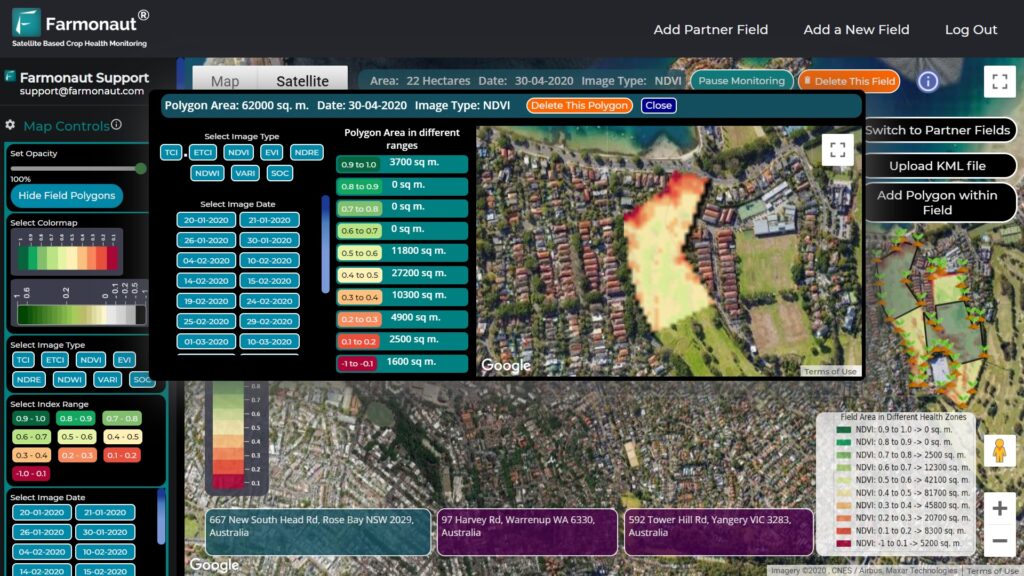
- 🌏 Monitor Soil Health: Our multispectral analytics offer critical insights into vegetation health, soil conditions, and nutrient cycles for precision agriculture.
- 👨🚀 AI-Based Advisory: Our Jeevn AI system uses data to deliver actionable, sustainable guidance for maximizing yields in fields applying bokashi soil amendments and other innovative farming protocols.
- 🔗 Blockchain Traceability: Our traceability module leverages blockchain to verify organic inputs, aiding regulatory compliance in bokashi and similar production systems.
- ⚙ Fleet & Resource Management: For industrial-scale bokashi factories, our platform optimizes vehicle routes and resource utilization, minimizing environmental footprints.
- 🪴 Large-Scale Farm Management App: For administrators of big ag projects or soil factory networks, our admin tools enhance data-driven governance, sustainability, and performance.
- 🌳 Crop, Plantation & Forest Advisory: Plan and analyze sustainable plantings with actionable insights from Farmonaut’s advisory suite.
Sustainability-focused businesses also monitor carbon footprinting and emission reduction efforts, supported by our trusted data channels.
Unlock scalable, affordable, and actionable monitoring for your agriculture enterprise:
Frequently Asked Questions
What is a bokashi soil factory?
A bokashi soil factory is an industrial-scale facility that leverages controlled anaerobic fermentation to convert organic waste ( such as food waste, crop residues, and sometimes manure) into nutrient-rich soil amendments using effective microorganisms (EM).
How does bokashi differ from traditional composting?
Unlike aerobic composting (which relies on oxygen and takes months), bokashi is an anaerobic (no oxygen) process that uses EM to rapidly ferment organic matter—retaining more nutrients, suppressing pathogens, and producing minimal odor within just a few weeks.
What can be processed in a bokashi soil factory?
A wide range of organic waste: agricultural residues (straw, husks), kitchen and food waste, some livestock manure, and green manure crops. Contaminant-free separation is essential!
What are the main benefits of using bokashi soil amendments?
Improved soil health and structure, increased microbial diversity, faster processing time, higher nutrient retention, reduced greenhouse gas emissions, and greater yield improvements (up to 30% or more).
How does Farmonaut support sustainable farming approaches like bokashi?
We provide satellite-driven soil and crop health analytics, AI advisory, blockchain traceability, environmental impact monitoring, and resource management tools—empowering farmers and agribusinesses to make informed, sustainable decisions.

Conclusion
As we confront the mounting environmental challenges of this decade, the bokashi soil factory stands out as both a nod to traditional farming wisdom and a leap into the future of sustainable agriculture. By transforming organic waste into fermented, nutrient-dense soil amendments through scientifically optimized anaerobic fermentation, bokashi soil factories minimize landfill contributions, reduce emissions, bolster soil health, and help achieve higher, more resilient crop yields.
When paired with modern technology, real-time monitoring, and supportive platforms like Farmonaut, the full potential of circular, data-driven, and eco-friendly agriculture is unlocked. The bokashi soil factory is more than an innovation—it’s a pillar for the regenerative, climate-smart farming practices that will feed the world sustainably now and for generations to come.
Together, we can cultivate a greener, healthier planetary future—one fermenting tank at a time.