BMR Corn: Top 7 Ways to Boost Livestock Feed 2026
BMR Corn: Revolutionizing Forage Quality and Livestock Productivity in 2025
“BMR corn can improve livestock feed digestibility by up to 10% compared to conventional corn varieties, enhancing sustainability.”
What is BMR Corn? Understanding the Breakthrough
Brown Midrib (BMR corn) represents a true milestone within the agricultural sector, especially for farmers focused on livestock feed and sustainable farming. As the name suggests, BMR corn exhibits a distinct brownish coloration in the midrib of its leaves — a physical manifestation of its unique genetics. But why is this mutation revolutionary for modern forage systems?
The Genetic Edge: Reduced Lignin for Enhanced Digestibility
At the heart of BMR’s power lies its lower lignin content. Lignin is a complex polymer embedded in the plant cell walls, giving corn its rigidity and resistance to degradation. In standard or conventional corn varieties, high lignin content limits the ability of ruminant animals (like cattle) to efficiently digest fiber, thus reducing nutrient and energy availability.
By reducing lignin levels, BMR corn has significantly improved digestibility of its cell wall fibers. This is a game-changer for beef and dairy producers seeking to maximize milk production, beef gain, and the overall sustainability of their systems.
BMR corn is not genetically engineered in the modern GMO sense—it’s derived from a naturally occurring mutation that leads to the “brown midrib” trait!
Agronomic Performance—Yield, Standability & Hybrid Advances
Initially, some farmers wonder whether reduced lignin would result in lower yield or performance trade-offs. While early BMR hybrids did show slightly reduced standability, modern breeding techniques have optimized these hybrids for yield, disease resistance, and stalk strength.
In 2025 and 2026, many BMR hybrids match or trail only slightly behind their conventional counterparts in terms of agronomic yield (with proper management). In fact, BMR corn continues to rapidly gain prominence as improved hybrid development steadily minimizes previous trade-offs.
- ✔ Optimized yield potential approaching conventional corn
- ✔ Enhanced digestibility without excessive standability loss
- ✔ Modern breeds withstand common diseases and local environmental stresses
Visual List: Top Physical Characteristics of BMR Corn
-

Distinct Brownish Midrib
-

Reduced Lignin for Higher Digestibility
-

Optimized Hybrid Stalk Strength
Assuming all BMR corn hybrids perform the same. Always consult the latest 2026 hybrid ratings to select those best suited for your region, pest pressure, and forage system!

Nutritional and Environmental Benefits of BMR Corn
The primary advantage of BMR corn in livestock feed is improved digestibility of fiber (NDFD – Neutral Detergent Fiber Digestibility).
This translates directly to increased dry matter intake (DMI) by ruminants such as cattle, enabling improved milk yields, beef gain, and overall better feed efficiency.
But that’s not all—BMR corn significantly boosts forage quality and aligns with sustainability goals, making it a leading choice for forward-thinking operations.
- 📊 10% or More Increase in Fiber Digestibility: Greater nutrient availability per unit of silage.
- 🚜 Enhanced Intake by Animals: BMR silage increases DMI, driving higher milk and meat production.
- 🌱 Reduced Methane per Unit Production: Enhanced feed efficiency means every liter of milk or kg of beef is produced with less methane output, supporting climate-smart agriculture.
- 💡 Lower Feed Cost per Unit: Greater efficiency means less purchased protein or external feed inputs required.
- ♻️ Supports Sustainable Systems: Improved conversion translates to reduced nutrient runoff and overall environmental impact.

BMR corn silage may require slightly different fertilization and harvesting management compared to traditional hybrids. Monitor nutrient demands and harvest at the correct moisture to maximize digestibility.
Key Nutritional Metrics Improved by BMR Corn
- Fiber Digestibility: Improves ability of ruminants to extract nutrients.
- Crude Protein Levels: BMR hybrids often match or slightly exceed those of conventional silage.
- Net Energy for Lactation (NEL): Increased available energy per unit.
- Reduced Methane Intensity: Direct result of feed efficiency and energy utilization improvements.
- Potentially Lower Need for Grain Supplementation: High quality silage allows for a reduced grain share in animal diets.
“By 2026, over 40% of livestock farms aim to adopt BMR corn to boost forage quality and environmental outcomes.”
Comparative Benefit Table: BMR Corn vs. Conventional Corn (2026)
This table provides a concise overview of how BMR corn outperforms conventional corn across the metrics that matter most to silage quality, livestock productivity, and environmental sustainability.
- Key benefit: Each +1% DMD in BMR silage is estimated to increase daily milk yield by 0.25–0.35 kg/cow.
- Data insight: Lower GHG emissions per product unit support sustainability certifications for producers.
- Risk: If harvesting occurs too late, even BMR digestibility can be compromised. Monitor plant maturity closely.
- Investor note: BMR adoption is a strong ESG (Environmental, Social, Governance) play for agri investors and livestock enterprises alike.
- Efficiency: Improved Water Use Efficiency means more milk and meat can be produced per drop of irrigation water invested.
Top 7 Ways to Boost Livestock Feed with BMR Corn: 2026
Adopting BMR corn in your operation can catalyze a step-change in feed quality and productivity. Here are the top strategies for leveraging BMR to the fullest potential in 2026 and beyond.
-
Choose the Right BMR Hybrid for Your Region
With continual hybrid development, select BMR corn hybrids bred for your climate zone, pest pressure, and forage system. In 2026, hybrid performance ratings for yield, standability, and nutritional quality will guide decisions—consult field trial results from reputable agri-extension sources. -
Timely Planting and Crop Establishment
Optimize planting date for maximum biomass production. Early planting allows BMR corn to reach full yield potential, while minimizing late-season pest pressure and disease risk. Monitor soil temperatures and avoid compacted fields for best root development. -
Fertilization Tailored to BMR Needs
BMR hybrids may have slightly altered nitrogen uptake dynamics. Use split application of nitrogen, and carefully balance P and K based on soil tests. Farmonaut offers satellite-based carbon footprinting and nutrient monitoring services to optimize fertilization strategies across diverse farming systems, reducing risk of over- or under-application. -
Pest and Disease Management
Monitor pest and disease patterns closely. Pair BMR hybrids with integrated pest management (IPM) and use disease-resistant selections. Satellite monitoring from Farmonaut can provide early warning so corrective actions can be made before major yield or quality losses occur. -
Precision Harvest Timing
Harvest BMR corn at 60-65% whole-plant moisture (milk line at 3/4) to maximize digestibility and nutitional value. Harvesting too early leads to lower yield; too late, and fiber digestibility drops rapidly as plant lignification accelerates. Always test moisture in the field. -
Efficient Silage Chopping and Packing
Silage chop length should be 0.75–1.0 cm for optimal animal intake. Proper packing minimizes oxygen and preserves nutrients. Add inoculants to ensure rapid and stable fermentation, locking in the enhanced nutrition of BMR hybrids. -
Integrate BMR Silage Thoughtfully within Animal Diets
Work with feed nutritionists to balance BMR silage with grain, protein, and minerals. Monitor cow comfort, DMI, and milk yield. BMR silage may enable lower external protein supplementation due to increased nutrient availability.
Consider using Farmonaut’s large-scale farm management solutions (see Agro Admin App) to coordinate silage inventory, monitor field maturity, and streamline harvesting logistics—all powered by satellite data.

- ✔ Key benefit: Early warning and data-driven management help avoid weather or pest surprises during the critical silage window.
- 🟢 Optimization: Satellite monitoring enables tailored harvest and fertilizer schedules, boosting efficiency and minimizing waste.
- 📈 Performance boost: BMR hybrids, under correct management, can produce similar forage yields to conventional types yet deliver more digestible energy.
- ⚡ Modern tech: AI-driven analytics empower real-time improvements in feed system performance.
- 🌾 Sustainability: Improved resource-use efficiency supports reduced inputs and a lower GHG footprint.
Visual List: BMR Corn Adoption – Ensuring Maximum Livestock-Feed Impact
-

Precision Silage Harvesting – Maximize Quality
-

Satellite-Guided Field Monitoring – Minimize Risk
BMR corn’s proven eco-efficiency, when paired with satellite technology, positions livestock operations as ESG leaders—a compelling story for investors seeking impact and returns.
Integrating BMR Corn into Sustainable Farming Systems
In 2026, sustainability is not optional—it’s the gold standard for agriculture worldwide.
BMR corn shines here, supporting environmental goals while maintaining or increasing productivity, allowing farmers to align with new market, regulatory, and climate realities.
- 🌱 Lower GHG Emissions per Unit Output: Efficient feed conversion reduces methane and CO2 per kg of milk or meat.
- 💧 Water Savings: Higher digestibility per ton silage reduces water needed for each unit of animal gain.
- 🌾 Reduced Land Footprint: Greater output per field means less area required for feed, unlocking land for diversification or conservation.
- ♻️ Resource Optimization: With increased animal nutrient utilization, total manure output decreases, minimizing nitrogen and phosphorus runoff.
- 🔗 Traceability and Certification: Improved sustainability supports blockchain-based traceability and enables easy verification for eco-label programs using technologies like Farmonaut’s Traceability.

In an era of climate-smart farming, BMR corn’s lower input-to-output ratio can help farms reach their carbon footprint targets much faster.
Farmonaut’s Carbon Footprinting Solutions track GHG metrics in real time for compliance and market advantage.
How Farmonaut Empowers Modern Agriculture
As sustainable livestock systems and BMR corn adoption proliferate through 2025 and 2026, satellite technology is transforming farm management at scale. At Farmonaut, we deliver affordable, accessible, data-driven tools that enable farmers to:
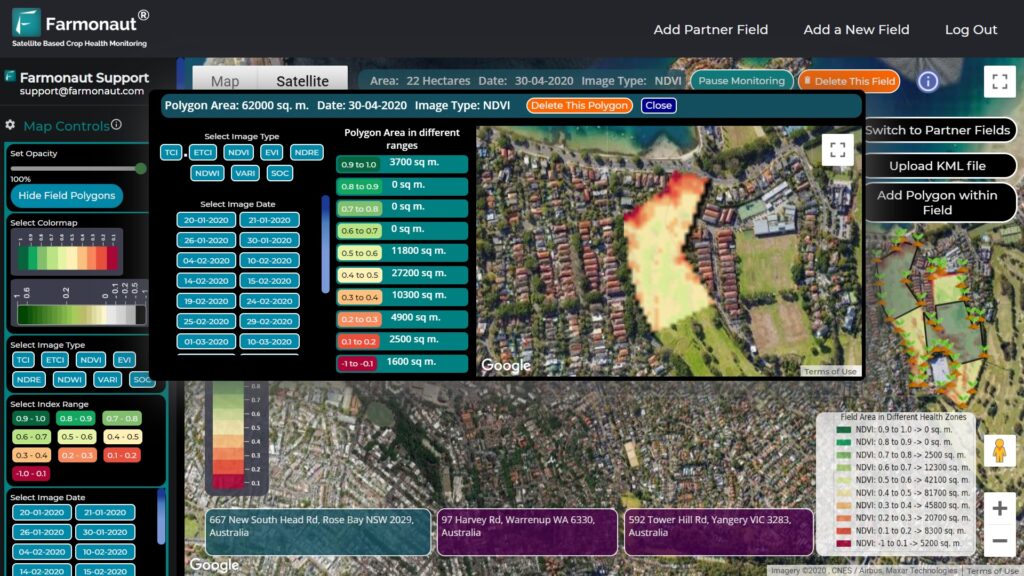
- 📡 Monitor Crop Health Remotely: Farmonaut’s app uses NDVI and multispectral imaging, giving real-time insights into BMR corn vigor and disease risk.
- ⏱️ Time Harvest for Optimum Nutrition: Our large-scale management suite helps pinpoint field maturity so no silage quality is lost due to late or early cuts.
- 🌤 Leverage AI-Powered Decision Support: The JEEVN AI system recommends fertilization, crop management, and irrigation based on live satellite data.
- 🔒 Verify Sustainability and Traceability: Blockchain tools let you confidently report product provenance (see Traceability Solutions).
- 📊 Optimize Inputs—Reduce Waste: Our models minimize over-fertilization and water waste, aligning with carbon and resource goals.

Developers can embed these insights directly into agri-software via Farmonaut’s API documentation.
Enterprises can plug crop, livestock, or supply chain traceability directly into their digital ecosystems.
See real-time subscription pricing for precision crop monitoring, sustainability tracking, and more:
Emerging Trends: BMR Corn in 2025 & 2026
As we look ahead, several major trends will define how BMR corn revolutionizes the livestock feed landscape in 2026 and beyond:
- 🔗 Gene Editing Enhances BMR Hybrids: Ongoing breeding programs are integrating new traits (drought resistance, pest resilience) into BMR lines.
- ⏳ Precision Satellite Monitoring: Widespread adoption of platforms like Farmonaut enables real-time adaptation to weather, pests, and maturity windows.
- 🌾 Regenerative Systems Go Mainstream: BMR’s lower footprint supports soil health and ecosystem balance in diversified, forestry-livestock farms.
- 🏆 Sustainability Certifications Grow: More buyers demand proof of eco-friendly production, traceability, and emissions compliance.
- 📈 Wider Adoption by Livestock Segments: Beyond dairy and beef, BMR enters specialized markets (goat, sheep, advanced finishing systems).

BMR corn’s role in improved feed efficiency, high nutrient conversion, and sustainable livestock production is only expected to grow, with adoption predicted to exceed 40% of global livestock farms by late 2026.
Frequently Asked Questions (FAQ): BMR Corn
Q1. What exactly is BMR corn and how does it differ from conventional corn?
A: BMR corn is a naturally occurring mutation of corn characterized by a brown midrib and significantly reduced lignin content. This enables higher fiber digestibility, improving feed quality over conventional hybrids.
Q2. Does BMR corn yield as much as standard corn hybrids?
A: Modern BMR corn hybrids in 2026 are carefully bred and optimized for yield and standability, often matching or only slightly trailing high-performing conventional types—especially if managed well.
Q3. What are the main benefits of BMR silage in livestock systems?
A: Main benefits include improved digestibility, greater DMI by animals, higher milk and meat production, lower per-unit feed cost, reduced methane, and better sustainability metrics.
Q4. Is BMR corn more expensive to produce?
A: BMR seed costs are higher, but overall cost per unit of milk/meat often drops due to efficiency gains. Enhanced productivity offsets initial input costs.
Q5. How does Farmonaut support BMR corn cultivation?
A: We provide satellite-based monitoring, AI-driven health and maturity analytics, carbon footprint tracking, and traceability tools via app or API to help optimize every stage from planting to harvest.
Q6. Can BMR corn help my operation earn sustainability certifications?
A: Absolutely. Improved GHG, nutrient, and water data facilitated by both BMR corn and tools like Farmonaut’s digital platforms make certifications simpler and more transparent.
Conclusion & Resources
As the world shifts to sustainable, high-efficiency livestock farming, BMR corn stands out as an innovation whose time has come. With reduced lignin, enhanced digestibility, and improved nutritional profile—supported by satellite-driven data from us at Farmonaut—producers can revolutionize animal productivity, environmental impact, and operational profitability.
By embracing BMR corn and integrating next-generation technologies, farmers position their operations on the leading edge of global agriculture’s response to climate and resource challenges in 2026 and beyond.
Explore More with Farmonaut:
- Carbon Footprinting: Track and improve GHG data for livestock, cropland, or silage production.
- Traceability: Ensure full, blockchain-secured provenance for your animal products.
- Crop Loan & Insurance Verification: Use accurate field data to streamline agricultural financing.
- Fleet Management: Monitor and optimize farm machinery logistics and costs, improving field efficiency for crops or feed harvests.
- Large-Scale Farm Management: Manage teams, fields, and supplies for sprawling silage or livestock enterprises, all satellite-driven.
BMR Corn is more than just a feed—it’s an opportunity to revolutionize your livestock operation for the resilient, sustainable era ahead.
Ready to empower your farm with Farmonaut? Access app, insights, and solutions now: