Black Rot of Cabbage, Club Root & Harvesting Machine: Biotechnology & Mechanization Leading the Change in 2025
Table of Contents
- Introduction: Cabbage Cultivation in 2025
- Black Rot of Cabbage: Disease, Challenges & Modern Management
- Club Root of Cabbage: Persistence and Advanced Solutions
- Cabbage Harvesting Machine: Mechanization & Technology
- Comparative Impact Table: Biotech vs Mechanization
- The Farmonaut Edge: Satellite-Powered Precision Farming
- FAQs: Modern Cabbage Protection, Harvesting, and Technology
- Conclusion: Embracing Technology for Sustainable Cabbage Farming

Introduction: Cabbage Cultivation in 2025
Cabbage (Brassica oleracea var. capitata) remains a crucial vegetable crop globally, providing significant nutritional and economic value to farmers and consumers alike. As we move into 2026 and beyond, successful cabbage cultivation is increasingly dependent on a fusion of science-led protection and cutting-edge mechanization. However, two persistent phytopathological challenges—the black rot of cabbage and club root of cabbage—continue to threaten large- and small-scale production.
Alongside these threats, labor shortages, rising costs, and the demand for uniform quality have accelerated the adoption of the cabbage harvesting machine and advanced mechanization. Modern biotech tools, gene editing, and precision agriculture are reshaping integrated management strategies, sustainability, and yield outcomes for the cabbage sector. This article explores the status, solutions, and transformative impact of these innovations, highlighting how cabbage farmers are meeting both new and old challenges in 2025 and laying the groundwork for the years ahead.



Black Rot of Cabbage: Disease, Challenges & Modern Management in 2025
Understanding Black Rot: The Persistent Pathogen
The black rot of cabbage is among the most devastating diseases affecting Brassica oleracea var. capitata worldwide. The disease is caused by the bacterium Xanthomonas campestris pv. campestris. Once introduced, the pathogen is notorious for:
- ⚠ Spreading rapidly through infected seeds, contaminated soil and water, and even farm equipment
- 🌱 Causing yield losses that range from minor blemishes to total crop loss under severe outbreaks
- 🍃 Characterized by distinctive V-shaped yellow lesions at leaf margins, progressing inwards, and blackening of vascular tissues
- 📉 Lowering quality and marketability due to blemished or decaying cabbage heads
- 🔬 Adaptability, as new and evolving strains emerge to overcome older resistant cultivars
Not only does black rot threaten crop yield, but it also jeopardizes quality due to internal decay, amplifying post-harvest losses even after the best field management and careful harvesting.
Symptoms and Signs of Black Rot in Cabbage
- ✔ V-shaped yellowing starts at the leaf edge and moves toward the center
- 🖤 Blackening (necrosis) of vascular tissue and veins
- 🌱 Wilting of outer leaves
- ⚠ Infected heads are prone to decay quickly during storage and transport
- 🔄 Recurring outbreaks, often due to contaminated seeds or debris in the soil
How Black Rot of Cabbage Spreads
- Via infected seeds – Seedborne infections can persist and cause widespread contamination
- Through contaminated water, soil, or irrigation systems
- By adhering to harvesting equipment, machinery, and shoes
- Carried across fields by farm animals or wind-driven rain
Modern Integrated Management Against Black Rot (IDM 2.0+)
The cornerstone of black rot control in 2025 is modern, integrated disease management (IDM). This approach combines biotech advances, traditional sanitation, and precision agriculture for real, sustainable yield gains:
- 🧬 Resistant cultivars: Gene editing (CRISPR), marker-assisted selection, and accelerated breeding allowing resistance to new and prevalent strains of Xanthomonas campestris pv. campestris
- 🔥 Hot water & bactericidal seed treatment: Reduces initial inoculum and ensures cleaner planting material
- 🔄 Crop rotation: Alternating with non-cruciferous crops breaks the disease cycle
- 🧴 Sanitation: Cleaning equipment, removing infected debris, and disinfecting water sources
- 🌍 Remote sensing, AI-based early disease monitoring: Enables timely interventions before severe outbreaks occur
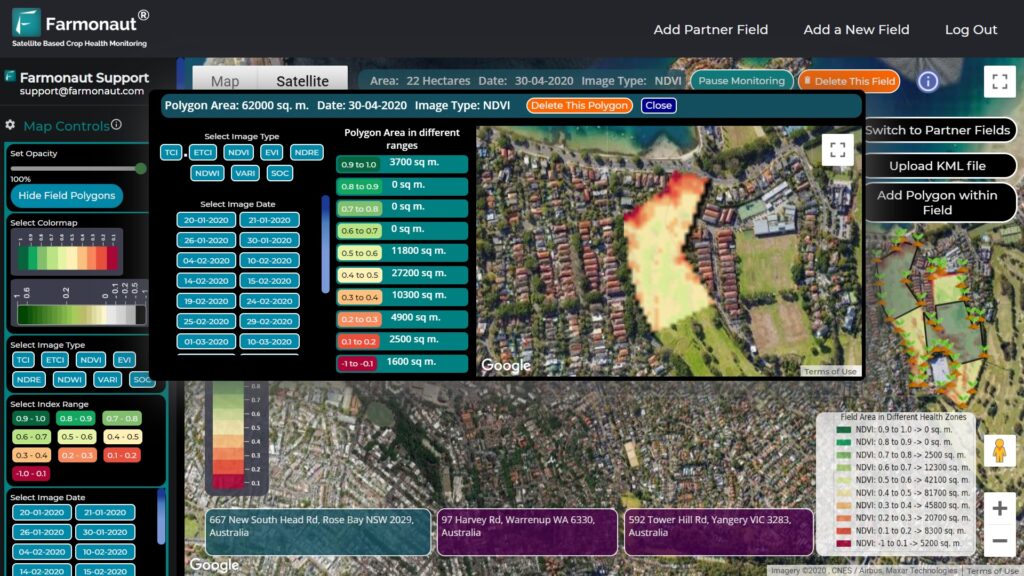
Early stage detection of yellow V-shaped lesions can help prevent entire field losses. Remote satellite/AI monitoring, such as through our own carbon footprinting solutions, enables real-time alerts and rapid remedial action, ensuring yield and quality protection.

Biotech Advances: Breeding, Selection, & Editing
- Marker-assisted breeding in Europe, China, and the Americas has introduced high-resistance lines for decades—these are now standard in 2025, with new prevalent strains constantly monitored for resistance breakdowns.
- CRISPR/Cas9 and other gene editing breakthroughs rapidly accelerate the process of developing and verifying resistant cabbage cultivars, reducing crop vulnerability while maintaining produce quality.
- AI-driven variety selection helps match resistant cultivars with local pathogen populations, soil type and microclimate, maximizing yield and disease protection on specific farms.
- 🌱 Field Sanitation: Remove all crop debris & sterilize tools.
- 🔁 Crop Rotation: Rotate for 2–3 years with cereals or legumes.
- 🧪 Seed Treatment: Deploy hot water/bactericidal agents for seed safety.
Skipping proper field sanitation and trying to control black rot only with chemical sprays. The bacterium survives on debris and in weeds—comprehensive IDM remains essential.
Club Root of Cabbage: Persistence, Evolving Challenges & Next-Gen Solutions
What Makes Club Root of Cabbage So Difficult?
Another notorious disease in cabbage cultivation is club root of cabbage, caused by the soil-borne parasite Plasmodiophora brassicae. Unlike black rot, club root leads to grotesquely swollen roots (“clubbed”), which restrict nutrient and water uptake, stunting growth and occasionally wiping out entire plantings.
- 🧫 Persistence: The pathogen forms robust resting spores, surviving in soil for up to 20 years!
- 🌡 Favorable Conditions: Thrives in warm, acidic, waterlogged soils
- 🌱 Symptoms: Stunted, yellowing plants, with clubbed/swollen roots
- ⚠ Economic Impact: Can cause yield losses of 10–70% (or complete loss in severe years)

Advanced Solutions: Precision Agriculture, Sustainable Practices & Genetics
Modern club root of cabbage management strategies hinge on enhanced resistant varieties, soil amendments, and microbial interventions—all increasingly targeted by precision tools and data.
- 🌱 Club root-resistant cultivars—genomic selection and gene editing for durable field-level resistance
- 🧪 Lime soil amendment: Raise soil pH above 7.2 to reduce spore germination
- 🦠 Biocontrols: Use of beneficial rhizobacteria, Trichoderma spp., and competitive fungi
- 🔁 Crop rotation and sanitation: Break infection cycles, control disease persistence
- 🛰️ Precision mapping: Use remote sensing and GPS-guided applications for localized treatment and yield preservation
We recognize at Farmonaut that advanced satellite monitoring and AI-based advisory can help map infestation areas as well as monitor crop vigor, supporting timely localized interventions for sustainable cabbage farming. Learn how our carbon footprinting suite and traceability solutions support climate-smart management and product authentication in the cabbage value chain.
Adoption of double-resistant, gene-edited club root-resistant cabbage lines is estimated at over 30% of commercial acreage in developed markets for 2025, with expanding uptake in Asia, Latin America, and Africa.
How Biotech & Precision Tools Combat Club Root Persistence
- Next-generation cultivars target both regional and evolving pathotypes using rapid, marker-assisted selection.
- Precision soil analysis—pH, moisture, and organic matter mapping enables customized biological and lime applications only where needed, preserving resources and ecosystem balance.
- AI-driven prediction: Environmental data and past yield map overlays allow proactive club root mitigation years in advance.
- Block chain-based traceability: Cabbage growers ensure produce quality and origin authentication for buyers and retailers.

For club root hot spots, never reuse irrigation water between infested and clean fields, and always sanitize farm machinery—especially when using shared or contract harvesting equipment.
- ✔ Precision soil mapping guides soil amendment zones, boosting efficiency
- ✔ Biologicals and lime reduce reliance on chemical fungicides, supporting sustainability
- ✔ Advanced breeding matches resistance to evolving club root pathotypes worldwide
- ✔ Integrated field data enhances yield and quality decision-making in real time
- ✔ Blockchain traceability protects product value and origin

Cabbage Harvesting Machine: Mechanized Revolution in Post-Harvest Operations
From Manual Labor to Robotics: How Mechanization is Reshaping Cabbage Harvesting
Traditionally, cabbage harvesting is labor-intensive, plagued by rising wages, labor shortages, and post-harvest losses due to excessive handling. In 2025, the adoption of the modern cabbage harvesting machine is transforming cabbage farming from smallholder fields to large commercial producers by:
- ✔ Reducing labor need by up to 80% in large operations
- ✔ Standardizing produce quality (less bruising, more uniform size & cut)
- ✔ Improving harvest efficiency and yield by up to 35% thanks to speed and precision (see trivia above!)
- ✔ Enabling timely harvests despite weather unpredictability
- ✔ Integrating with traceability, yield mapping, and post-harvest processing lines for fully digital farm records
Modern cabbage harvesting machines use machine vision, gentle robotics, and AI-derived harvesting logic to identify mature heads, adjust cutting height, and minimize field losses—even on variable or sloped terrain.
Characteristics of the 2025 Cabbage Harvesting Machine
- 🤖 Robotic arms for gentle, precise cut and collect
- 👁️ Machine vision sensors—discriminate healthy, mature, and diseased heads for quality sorting
- 📡 GPS and auto-steering—navigate tight rows and variable field edges with minimal overlap
- 💾 Data integration—send real-time yield and disease maps back to farm management platforms, optimizing future planting and disease interventions
- 🦾 Autonomous or semi-autonomous operation for large acreages or contract harvesting fleets
Integration of mechanized cabbage harvesters with satellite-based fleet management platforms (see Farmonaut’s solution here) enables real-time machinery monitoring, task allocation, and ongoing maintenance alerts—a modern way to lower operation costs and boost efficiency.
How Mechanized Harvesting Supports Crop Protection and Sustainability
- ✔ Reduces post-harvest disease risk by ensuring quick, clean cuts and separating out symptomatic heads
- ✔ Prevents soil compaction by optimizing harvester routes using digital field maps
- ✔ Supports traceability by tracking each harvested head batch through the digital supply chain
- ✔ Improves sustainability by enabling swift collection and soil cover operations immediately after harvest
- ✔ Aligns with regenerative practices thanks to reduced passes and lower diesel/electricity use via real-time fleet control
- 📊 Data insight: Mechanized harvesting slashes labor costs while standardizing cabbage quality, greatly increasing farm profitability.
- ⚠ Risk: Initial investment in cabbage harvesting machines is substantial, but ROI is reached rapidly when acreage justifies.
- ✔ Key benefit: Digital record-keeping with mechanized harvesters supports compliance and food safety audits.
- 🧭 Efficiency: Robot harvesters work reliably in extreme temperatures, adverse weather, and at night—extending seasons and improving productivity.
- 🔗 Integration: When linked to supply chain technologies like block chain traceability (see here), mechanized harvesters ensure authenticity and reduce market fraud.

Interested in building your own data-driven farm management or harvest tracking tools? Farmonaut’s Satellite-Weather API is available for seamless integration into business or research solutions. Explore the API or review the developer docs here.
Comparative Impact Table: Biotech & Mechanization in Cabbage Farming (2025+)
Combining integrated disease management with digital mechanization gives cabbage growers unmatched protection, yield, sustainability, and compliance—a must in 2025’s demanding market.
The Farmonaut Edge: Satellite-Powered Precision Farming for Cabbage Disease & Harvest Management
As a pioneering satellite technology company, Farmonaut offers advanced, satellite-based solutions that address the current and future needs of agriculture and cabbage cultivation. In the context of black rot of cabbage, club root of cabbage, and mechanized harvesting, our mission aligns with empowering farmers and agribusinesses for a data-driven, sustainable future.
- 🌍 Real-Time Crop Monitoring: Using multispectral satellite imagery for early pest, disease, and stress detection, including black rot and club root
- 🤖 Jeevn AI Advisory System: AI advisory based on satellite-derived weather, soil, and vigor data—offering personalized, timely disease and harvest guidance
- 🔗 Blockchain-Traceability: Authentic reporting of cabbage harvesting, packaging, and supply chain for premium markets (Learn more here)
- 🚜 Fleet and Harvest Management: Web-accessible fleet solution for real-time tracking of cabbage harvesting machines, route optimization, and maintenance
- 🌱 Resource & Environmental Impact Monitoring: Tools for carbon footprint mapping and tracking sustainability outcomes from field to storage (Details here)
Whether you are a smallholder or a corporate grower, our platform and mobile apps support large-scale farm management easily with no costly hardware required (discover scalable farm admin options).
FAQs: Modern Cabbage Protection, Harvesting, and Technology
What is the main difference between black rot and club root of cabbage?
Black rot is caused by Xanthomonas campestris pv. campestris (a bacterium) and primarily damages leaves and vascular tissue, spreading rapidly through water and infected debris. Club root results from the soil-borne parasite Plasmodiophora brassicae, causing root deformation, plant stunting, and persists in soil for decades.
How do gene editing and marker-assisted selection help manage cabbage diseases?
These biotech advances quickly develop resistant cabbage cultivars by targeting resistance genes for both black rot and club root, making disease management more reliable and sustainable, even as pathogen strains evolve.
How do AI and satellite monitoring benefit cabbage crop protection?
AI and satellite-based precision agriculture tools (like those from Farmonaut) enable real-time field stress and disease detection, optimized rotation, and targeted interventions; thus greatly reducing input costs and maximizing yield and quality.
Are mechanized cabbage harvesting machines suitable for small farms?
Compact, semi-autonomous harvesters or shared/contract harvesting models are increasingly accessible to smaller farms. These machines improve efficiency, reduce labor reliance, and enhance product quality when scaled appropriately.
Where can cabbage growers access digital tools for disease and crop management?
Dedicated apps and web platforms (like Farmonaut for web/mobile) offer affordable, real-time monitoring and AI guidance for everything from disease management to harvesting logistics.
Conclusion: Embracing Technology for Sustainable Cabbage Farming
In 2025 and beyond, cabbage growers stand at the nexus of tradition and innovation. Management of black rot of cabbage and club root of cabbage now fuses biotech and integrated pest management with precision farming techniques for sustainable, high-yield cultivation.
Concurrent adoption of the cabbage harvesting machine and smart mechanization amplifies harvest efficiency, optimizes labor, enhances produce quality, and integrates seamlessly into digital, traceable supply chains.
As the sector evolves, embracing modern gene editing, resistance breeding, advanced sanitation, and mechanized harvesting will be crucial in reducing losses and ensuring food security. Precision technology platforms, especially satellite-based solutions like those offered by us at Farmonaut, are pivotal for real-time crop surveillance, disease prediction, and environmental stewardship. Such integrated innovations not only improve farm productivity but also ensure resilient, climate-smart, and sustainable cabbage farming for the future.