Biological Inputs Farming: 7 Top Bio Inputs for 2026
Biological Inputs in Agriculture: Paving the Way for Sustainable Farming in 2025
- 1. Summary & Introduction
- 2. Trivia: Biological Inputs Adoption
- 3. Understanding Biological Inputs Farming
- 4. Biological Farming vs Organic Farming
- 5. Advantages & Key Benefits
- 6. Related Videos
- 7. Biological Inputs Farming: 7 Top Bio Inputs for 2026
- 8. Comparative Table: 7 Leading Bio Inputs
- 9. Callouts & Insights
- 10. Challenges & What’s Next?
- 11. Farmonaut’s Role in Sustainable Farming
- 12. Frequently Asked Questions
- 13. Conclusion: The Path Ahead
Summary & Introduction
In the rapidly evolving landscape of modern agriculture, biological inputs farming has emerged as a cornerstone in sustainable, ecological and resilient agriculture. As we approach 2026, the world grapples with climate change, soil degradation, and an increasing demand for safe, high-quality food. Incorporating bio inputs in agriculture paves the way for farming practices that align productivity with environmental stewardship and long-term food security.
Biological inputs—including biofertilizers, biopesticides, microbial inoculants, and more—enhance soil health, reduce reliance on synthetic chemicals, improve crop yield, and support both the planet and future generations. Let’s explore how biological farming systems are shaping the future, how they compare to organic systems, and which seven top bio inputs will define resilient agriculture systems in 2026.
- 🌱 Biofertilizers – Nitrogen-fixing & Phosphate-solubilizing bacteria
- 🦠 Plant Growth Promoting Rhizobacteria (PGPR)
- 🥬 Biopesticides – Botanical & Microbial extracts
- 🪱 Vermicompost & Organic Compost
- 🔬 Mycorrhizal Fungi Inoculants
- 🌾 Enzyme & Plant Hormone Biochemical Inputs
- 💚 Biostimulants & Seaweed Extracts
Understanding Biological Inputs Farming
Biological inputs in agriculture—often referred to as bio inputs—are a transformative solution that utilizes living organisms or their derivatives to support plant growth, disease control, and soil fertility. Unlike synthetic chemicals, these natural products harness ecological cycles, restore soil health, and bring back biodiversity to our fields.
These inputs encompass a wide range of products derived from bacteria, fungi, algae, plants, and organic matter. They include biofertilizers, biopesticides, microbial inoculants, plant growth promoting rhizobacteria (PGPR), compost, and vermicompost. The term biochemical inputs in agriculture overlaps, referring to enzymes, hormones, and natural plant extracts used to stimulate growth.
Collectively, these biological and biochemical inputs offer sustainable solutions for soil management and crop production. By promoting natural nutrient cycling and suppressing pests and diseases, they form the backbone of biological farming systems, propelling agriculture toward resilient, sustainable, and high-quality food production for 2026 and beyond.

Biological Farming Systems vs Organic Farming: What Sets Them Apart?
Biological farming systems and organic farming both seek a sustainable, chemical-free approach. However, they differ in focus, flexibility, and practice:
- Biological farming emphasizes harnessing beneficial microbes and natural biological processes, with flexibility in adopting new scientific advances and technologies.
- Organic farming follows strictly certified standards, often prohibiting any synthetic chemicals and relying on traditional, labor-intensive methods.
- In practice, biological farming is more adaptable, integrating innovation to optimize outcomes, while offering scalable solutions for smallholders and commercial farms.
As systems catering to diverse conditions and crops, both approaches reduce chemical dependency and improve environmental outcomes, yet biological inputs farming is increasingly recognized as a new frontier in modern sustainable agriculture.

Key Benefits of Biological Inputs in Modern Agriculture
- ✔ Environmental Protection: Biological inputs farming helps reduce chemical runoff into water bodies, preserves biodiversity, and minimizes pollution.
- ✔ Soil Health Restoration: Replenishes soil organic matter and increases microbial activity, enhancing fertility, structure, and water-holding capacity.
- ✔ Enhanced Crop Quality: Minimizes synthetic residues and leads to safer, higher-nutrient food that meets market and consumer demands.
- ✔ Climate Resilience: Supports plants in managing biotic and abiotic stresses such as pests, disease, drought, and salinity—crucial in our changing climate.
- ✔ Economic Efficiency: Reduces dependence on expensive agrochemicals and fosters local resource utilization, supporting rural economies and sustainability.
- 🌱 Promotes nutrient cycling for higher soil productivity
- 📊 Boosts beneficial microbial diversity in the rhizosphere
- ⚠ Reduces reliance on synthetic fertilizers & chemicals
- 🌾 Improves water efficiency and drought resistance
- 🕊 Builds ecosystem resilience & biodiversity

Biological Inputs Farming: 7 Top Bio Inputs for 2026
Current research and global trends in 2025-2026 underline these seven biological inputs as essential for resilient, sustainable agriculture systems. Let’s explore each one’s source, benefits, mechanism, and strategic role.
1. Biofertilizers
Biofertilizers—such as nitrogen-fixing bacteria (e.g., Azotobacter, Rhizobium) and phosphate-solubilizing bacteria— introduce beneficial microbes into the soil. They convert atmospheric nitrogen or unlock soil phosphorus, making these nutrients available for plants naturally, reducing synthetic fertilizer input.
- 🌱 Key role: Enhance soil fertility, structure, and nutrient cycling
- ✔ Benefits: Boosts yield, cuts chemical use, improves plant vigor
2. Plant Growth Promoting Rhizobacteria (PGPR)
PGPR are a group of beneficial soil bacteria (Pseudomonas, Bacillus) living closely with plant roots, stimulating plant growth through hormonal effects, disease suppression, and nutrient acquisition. They’re vital for modern, sustainable farming systems.
- 🌱 Key role: Promote root growth and plant immune response
- ✔ Benefits: Increase yield, improve stress tolerance
3. Biopesticides (Botanical & Microbial)
Biopesticides are natural products derived from plants, bacteria, fungi, and viruses that control pests and diseases by targeted, eco-friendly mechanisms. Examples: Bacillus thuringiensis for insect control, neem extract for various pests.
- 🦗 Key role: Targeted pest and disease suppression
- ✔ Benefits: Safe for beneficial insects, reduces chemical residues

4. Compost and Vermicompost
Compost (from decomposed organic matter) and vermicompost (compost processed with earthworms) are vital organic inputs for improving soil organic matter, texture, microbial life, and nutrient retention.
- 🌾 Key role: Organic soil enrichment, water retention, microbial activation
- ✔ Benefits: Enhances soil health and crop resilience

5. Mycorrhizal Fungi Inoculants
Mycorrhizal fungi form symbiotic associations with plant roots, extending the root system and improving water and nutrient absorption. Their inoculants unlock phosphorus, promote drought resistance, and strengthen plants.
- 🔬 Key role: Soil-plant symbiosis for nutrients and moisture
- ✔ Benefits: Reduces fertilizer need, builds stress resilience
6. Enzyme & Plant Hormone Biochemical Inputs
Biochemical inputs in agriculture include plant-derived enzymes and natural phytohormones (e.g., auxins, gibberellins). Unlike synthetic regulators, these compounds enhance plant growth, regulate flowering, and improve stress responses.
- 📈 Key role: Stimulate physiological and metabolic processes
- ✔ Benefits: Boosts yield quality, increases resilience to shocks
7. Biostimulants & Seaweed Extracts
Biostimulants—especially those derived from seaweed—provide bioactive molecules that stimulate plant metabolism, enhance nutrient uptake, improve tolerance to abiotic stress, and regulate growth.
- 💚 Key role: Hormonal balance, metabolic activity, resilience
- ✔ Benefits: Increases crop vigor, improves quality, and enables sustainable intensification

Comparative Summary Table of Biological Inputs (2026)
| Bio Input Name | Source | Main Function | Est. Environmental Impact (1-5) | Approx. Yield Improvement (%) | Application Method | Sustainability Rating (1-5) |
|---|---|---|---|---|---|---|
| Biofertilizers (N-fixing/Phosphate-solubilizers) |
Microbial (Bacteria) | Soil fertility, nutrient cycling | 5 | 9–23% | Seed/soil inoculation, foliar spray | 5 |
| PGPR | Microbial (Bacteria) | Growth promotion, stress tolerance | 5 | 8–16% | Soil, root dip | 5 |
| Biopesticides | Microbial & Botanical | Pest & pathogen control | 4 | 6–12% | Foliar spray, soil treatment | 4 |
| Compost/Vermicompost | Organic matter, Earthworms | Soil health, moisture retention | 5 | 10–18% | Top dressing, soil mixing | 5 |
| Mycorrhizal Fungi Inoculants | Microbial (Fungi) | Root symbiosis, drought resistance | 5 | 7–13% | Soil/root inoculation | 5 |
| Enzyme & Plant Hormone Inputs | Biochemical (Enzymes, Hormones) | Growth & quality enhancement | 4 | 5–11% | Foliar spray, seed/soil treatment | 4 |
| Biostimulants / Seaweed Extracts | Botanical (algae, plant extracts) | Stress mitigation, yield boost | 5 | 7–15% | Foliar, soil spray, seed priming | 5 |
For farmers or agri-businesses seeking to track their environmental impact, Farmonaut’s Carbon Footprinting tool (see details) leverages advanced satellite analytics for real-time emission monitoring—empowering sustainable decision-making directly from field to policy level.
To ensure transparent and secure supply chains, check Farmonaut’s blockchain-powered Product Traceability (read more).
The growth of biological inputs farming and geospatial monitoring markets is fueling innovation in carbon tracking, climate adaptation, and traceable food supply chains—sector poised for robust investment and scalability through 2026.



Adopting biological inputs at large scale? Explore how Farmonaut’s Agro Admin App for large scale farm management (launch here) offers custom decision tools for resource tracking, soil/crop monitoring, and operational insight—ideal for commercial farms embracing sustainable practices in 2025 and beyond.

Challenges in Biological Inputs Farming & The Path Forward
- ⚠ Product Variability: Bio inputs may have inconsistent quality across suppliers due to living nature and storage sensitivity.
- ⚠ Limited Farmer Awareness: Extension efforts and digital education are crucial to foster understanding and adoption.
- ⚠ Access Gaps: Rural areas sometimes lack reliable distribution networks for high-grade bio inputs.
- ⚠ Regulatory & Certification Delays: Streamlined, science-based policy support is needed to promote market trust and safety.
- ⚠ Integration with Modern Platforms: Precision monitoring and digital tools—such as Farmonaut—are increasingly critical for optimizing bio input applications and measuring outcomes at scale.
Farmonaut: Accelerating Sustainable Agriculture Through Technology
As we pursue a paradigm shift in biological inputs farming, precision, monitoring, and transparent data are key. At Farmonaut, we provide satellite-powered insights that help users assess soil status, crop health, and environmental impact in real time—empowering informed, scalable, and science-based farming decisions in 2026 and beyond.
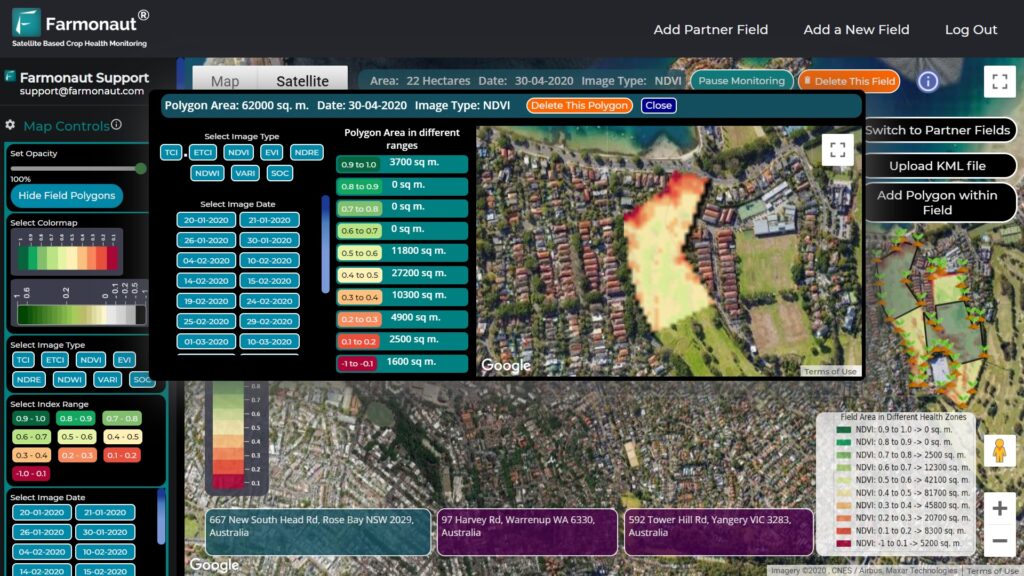
- 🌎 Satellite monitoring of vegetation health, soil structure, and water use—enabling optimal biological/input application and benchmarking results.
- 📲 AI-Powered Jeevn Advisory System delivers custom weather and crop recommendations using remote-sensed data and predictive algorithms.
- 🔗 Blockchain-based traceability tools validate organic and biological input usage, assuring supply chain transparency for buyers and regulators.
- 📊 Real-time carbon footprint metrics empower agri-businesses to adapt to climate policies and maximize environmental stewardship.
- 🚀 Scalable access to digital infrastructure—web, APIs, and mobile—for small farms to government and commercial operations.
We are committed to democratizing access to sustainable farming technology, ensuring every farmer, agribusiness, and policymaker can unlock the benefits of biological inputs and satellite-driven precision tools for a resilient agricultural future.
Did you know? Farmonaut’s satellite-based crop loan and insurance verification reduces fraud risk, increases fast access for farmers, and strengthens financial inclusion across the sustainable agriculture value chain.
Frequently Asked Questions: Biological Inputs Farming
What is the difference between biological farming and organic farming?
Biological farming focuses on using beneficial microbes and natural processes to enhance soil and plant health with flexibility in technology adoption; organic farming follows certified standards that strictly prohibit synthetic chemicals and require traditional inputs and methods.
How do biological inputs improve soil fertility and crop yield?
By increasing soil microbial diversity, facilitating natural nutrient cycling, and boosting organic matter, biological inputs enhance soil structure, nutrient availability, and overall plant health—leading to higher yields and more resilient crops.
Are bio inputs enough to replace synthetic fertilizers entirely?
Not always. While bio inputs can drastically reduce the dependency on synthetic fertilizers and chemicals (by up to 40% with the right combination), transition strategies and precision monitoring (like those offered by Farmonaut) ensure safe and effective scaling.
Is biological input adoption costlier or more labor intensive?
Initial knowledge investment is required, but long-term use often lowers input costs and increases profits due to improved soil health, yield, and reduced need for external chemicals.
How can I ensure the biological inputs I use are effective?
Use third-party monitoring platforms for soil and crop analytics, opt for reputable suppliers, and combine with extension advisory services and professional knowledge support.
Integrating multiple bio inputs, satellite monitoring, and digital management systems delivers resilient productivity gains for every hectare—in 2026, sustainability and efficiency go hand in hand.
For smart guidance on crop plantation management using remote advice, access Farmonaut’s Crop & Forest Plantation Advisory.
Conclusion: The Path Ahead for Biological Inputs Farming
Biological inputs farming is more than a trend—it is the pivot to a sustainable, productive, and resilient agricultural future. As the move away from chemical-intensive methods accelerates in 2026, bio inputs in agriculture will underpin food security, climate action, and rural prosperity.
By integrating these seven top bio inputs—biofertilizers, PGPR, biopesticides, compost/vermicompost, mycorrhizal inoculants, biochemical enzymes/hormones, and biostimulants—farmers worldwide can align productivity gains with ecological stewardship and quality food production.
Embracing satellite technology, digital resource management, and scientific monitoring platforms like Farmonaut will be essential to optimize, validate, and scale the benefits of biological inputs. Let’s pave the way for sustainable farming—feeding the world and protecting our planet for generations to come.