Bacillus thuringiensis Insecticide: 5 Key Benefits 2026
Bacillus thuringiensis Insecticide: A Sustainable Solution for Modern Agriculture in 2025 and Beyond
“**Bacillus thuringiensis reduces chemical pesticide use by up to 50% in sustainable agriculture practices by 2026.**”
- Introduction: The Need for Sustainable, Modern Pest Management
- Understanding Bacillus thuringiensis (Bt)
- Mode of Action: How Bt Makes A Difference
- Applications in Modern Agriculture: Managing Pests Sustainably
- Comparative Benefits Table – Bt vs. Chemical Insecticides
- Bacillus thuringiensis Insecticide: 5 Key Benefits for 2026
- Farmonaut Satellite Tools: Monitoring the Impact of Biological Control
- Challenges and Future Directions
- Highlight Boxes
- FAQs: Bacillus thuringiensis in 2026 and Beyond
- Conclusion: Bt Insecticide for a Greener Tomorrow
Introduction: The Need for Sustainable, Modern Pest Management
The global shift towards sustainable and eco-friendly agriculture has never been more critical. With increasing awareness of environmental pollution, soil degradation, and the negative impacts associated with chemical pesticide overuse, the agricultural community is embracing solutions that help protect both productivity and planet. One remarkable innovation shaping the future of pest control is the Bacillus thuringiensis insecticide (commonly known as Bt).
This article delves into why Bt remains one significant ally in integrated pest management systems, offering targeted relief from destructive pests while supporting healthy crops, safer food supplies, and a better world for future generations. As we move through 2026 and beyond, understanding how Bacillus thuringiensis is redefining insecticide use is essential for all stakeholders in the agriculture sector.
“**By 2025, over 40% of eco-friendly farms will adopt Bt insecticide to control pests without harming beneficial insects.**”
Understanding Bacillus thuringiensis (Bt): The Science Behind the Solution
Bacillus thuringiensis, often simply called Bacillus or Bt, is a naturally occurring bacterium found in soil environments worldwide. This biological control agent was discovered in the early 20th century and has since revolutionized the fight against insect pests in agriculture.
Key Scientific Attributes of Bacillus thuringiensis
- ✔ Gram-positive, spore-forming bacterium: Bt forms durable spores that persist in the environment.
- ✔ Produces crystal (Cry) proteins: These toxins target only specific insects.
- ✔ Natural occurrence in soil: Makes Bt an environmentally friendly alternative to synthetics.
- ✔ Spectrum of activity: Effective against Lepidoptera (moths, butterflies), Coleoptera (beetles), and Diptera (flies, mosquitoes).
- ✔ Harmless to humans and most non-target organisms: The toxins do not affect birds, mammals, or beneficial insects like bees.
Bt’s unique mode of action targets only susceptible pest larvae, making it one of the safest choices for preserving farm biodiversity and sustaining pollinator health.
Mode of Action: How Bacillus thuringiensis Insecticide Transforms Pest Control
The cry proteins Bt produces during sporulation are the key to its potency as an insecticide. Here’s how this remarkable mode of action unfolds:
-
Ingestion by Susceptible Larvae:
Insect larvae—primarily moth, butterfly, beetle, fly, and mosquito species—feed on crops treated with Bt-based insecticides (sprays, dusts, or through genetically modified crops expressing Bt genes). -
Activation of Cry Toxins:
The alkaline conditions in the larval gut dissolve the crystal proteins, releasing activated toxins. -
Disruption of Midgut Lining:
Activated toxins bind to specific midgut receptors causing cell lysis, gut paralysis, and starvation. -
Lethality without Affecting Non-targets:
Only certain insect species possess the necessary gut receptors, meaning humans, mammals, birds, pollinators, and most beneficial insects are unaffected.
To ensure optimal pest control efficiency, always apply Bt insecticide when pest larvae are actively feeding on young plant tissues. Monitor crop development and pest populations for timing applications.
Which Pests Does Bt Control Most Effectively?
- 🦋 Lepidoptera: Moths & butterflies – including corn earworm, cabbage looper, diamondback moth, gypsy moth
- 🐞 Coleoptera: Beetles – e.g., Colorado potato beetle, corn rootworm
- 🦟 Diptera: Flies & mosquitoes – including fungus gnat larvae and black flies in water systems
- 🌱 Pest-resistant crops: Bt genes engineered into crops for in-plant pest control (see below).
Applications in Modern Agriculture: Managing Pests Sustainably in 2025 and Beyond
As the agriculture sector emphasizes sustainable practices in 2025 and beyond, Bt insecticide plays a critical role as a biological control agent. Here’s how it’s being used in contemporary agriculture:
Traditional Bt Insecticide Applications
- 🧴 Foliar Sprays: Crops like cotton, corn, vegetables (cabbage, broccoli, tomatoes), and fruit orchards receive regular and targeted Bt spraying to prevent infestations that threaten yield and quality.
- 🌾 Soil Treatments: Bt can be applied to soils harboring larvae of beetles, rootworms, or fungus gnats to control pests at the source.
- 🌱 Seed/Root Dips: Some vegetable nurseries use Bt solutions to protect seedlings at transplant.
Genetically Modified (GM) Crops Expressing Bt Genes
- 🌽 Bacillus thuringiensis genes are introduced into the genetics of popular crops such as corn, cotton, soybean, and eggplant.
- 🛡️ This provides continuous, internal protection against key pests, drastically reducing the need for external spraying or dusting with chemical insecticides.
- 🔬 Modern GM varieties now stack multiple cry genes, broadening their protective spectra and enhancing durability against resistance.
- 🌍 Increasing adoption across North and South America, Asia, and Africa supports global sustainability targets.



Farmonaut Satellite Monitoring API – Integrate real-time crop and environmental insights on pest risk and eco-friendly management into your large-scale agricultural systems.
API Developer Docs – Build custom monitoring tools for Bt-enabled sustainable farming.

Comparative Benefits Table: Bacillus thuringiensis (Bt) vs. Conventional Chemical Insecticides
To better understand the advantages of Bacillus thuringiensis insecticide, review the following table contrasting it with legacy chemical solutions. These estimates reflect 2026 adoption patterns in sustainable agriculture across major cropping regions.
| Parameter | Bt Insecticide (Estimated Value) |
Conventional Chemical Insecticide (Estimated Value) |
Environmental/Sustainability Impact |
|---|---|---|---|
| Pest Control Efficiency (%) | 85–95% | 90–98% | Both are effective, though Bt offers high selectivity for target pests |
| Reduction in Chemical Residue (%) | Up to 90% less residue | Minimal reduction | Bt significantly lowers the chemical load in produce |
| Impact on Non-target Organisms | Low: Safe for beneficials | High: Damages non-target beneficials | Bt preserves farm biodiversity and pollinator health |
| Soil Health Improvement (%) | +35–50% | Little to no improvement; may cause decline | Bt supports healthier microbial communities in soil |
| Decrease in Water Contamination (%) | 70–80% | Minimal reduction | Bt reduces runoff and risk of water pollution |
| Estimated Adoption Rate in 2026 (%) | 40–45% | Steady decline to 50–55% | Bt adoption continues its upward trajectory in sustainable farming |

Top Five Benefits of Bacillus thuringiensis Insecticide
- 🌱 Eco-Friendly Pest Solution: Bt is biological, naturally occurring, and targets only harmful pests, preserving pollinators and beneficial insects vital for crop ecosystems.
- 🔬 Reduced Chemical Loads: Up to 50% reduction in synthetic pesticide use means less harmful residue on foods and in the environment (see Table above).
- 💰 Economic Benefits: Higher yields, improved produce quality, and lower input costs for pest management; less dependence on expensive chemical insecticides.
- 🌏 Improved Soil and Water Health: Lower runoff, reduced groundwater contamination, and healthier soil biota after Bt adoption compared to synthetic alternatives.
- ⏳ Sustainability and Resistance Management: When combined with monitoring tools, refuge planting, and crop rotation, Bt extends the effectiveness of biological pest control into the future.

Bacillus thuringiensis Insecticide: 5 Key Benefits for 2026
1. Targeted, Environmentally Friendly Pest Control
One of the most significant benefits of Bacillus thuringiensis insecticide is its selectivity. Unlike broad-spectrum synthetics, Bt affects only insect pests possessing the correct midgut receptors. This means:
- 🦋 Protection of beneficial pollinators (bees, butterflies) and natural predators (ladybugs, lacewings), enhancing agro-ecosystem stability.
- 🌎 Low risk to farm workers, birds, fish, mammals, and humans, improving farm safety and rural health.
Key Visuals: Bt Impact on the Farm
- 🦋 Butterflies Thrive
- 🐝 Strong Pollinator Populations
- 🌾 Healthy Soils

2. Reduction in Chemical Residue, Enhanced Food Safety
Bacillus thuringiensis insecticide applications mean we can reduce our reliance on synthetic, chemical-based insecticides by up to 50% (per latest estimates). This translates into:
- ✔ Safer food: Consumers demand produce with the lowest possible residue levels—Bt is key to meeting and exceeding these standards.
- ✔ Cleaner environment: Runoff into rivers and aquifers is greatly reduced, protecting aquatic life and farm communities.
- ✔ Less risk of chemical resistance: By minimizing use of single-site chemical insecticides, we slow resistance development in pest populations.
Explore our Carbon Footprinting tools to measure the environmental impact of pest management shifts, including the adoption of Bt insecticides in agriculture. Real-time data can help us monitor, optimize, and reduce carbon emissions—supporting global sustainability goals in 2026!

3. Soil & Water Health: Protecting Essential Resources
Conventional chemical insecticides, while effective against pests, can degrade soil health and contribute to waterway contamination. Bacillus thuringiensis flips the script:
- ✔ Bt does not disturb soil microbiome balance, allowing soil bacteria, fungi, and invertebrates to thrive—and support plant growth.
- ✔ Runoff from Bt is minimal; the risk of contaminating streams, groundwater, and sensitive aquatic systems is drastically lower.
- ✔ Crop roots access nutrients efficiently, reducing fertilizer and remediation costs for farmers.
Overapplying Bt can be wasteful—and unnecessary. Apply at the recommended rate as part of an integrated pest management plan, and monitor with tools like large-scale farm management platforms.
4. Lower Risk to Human & Animal Health
- 👩🌾 No known toxicity to humans, livestock, or pets when used as directed, unlike many traditional insecticides.
- 🦅 Safe for beneficial birds and mammals, ensuring integrated farm environments stay vibrant and resilient.
- 🌾 Farmers and workers enjoy a noticeably safer working environment with no strong pesticidal odors, low accidental poisoning risk, and easy cleanup after handling Bt-based controls.

5. Sustainable Yield Gains and Economic Benefits
- 💹 Higher yields and improved crop quality mean farmers will see tangible economic gains from reduced pest pressure and healthier plants.
- 🔁 Reduced input costs and labor expenses: Fewer pesticide applications, lower fuel use for machinery, and less need for replanting due to pest losses.
- 🌱 Long-term productivity: Healthy farm ecosystems ensure yield stability in the face of changing weather and shifting pest populations.
Traceability is crucial for sustainable agriculture. Farmonaut’s blockchain-based traceability platform supports transparency in supply chain for Bt-treated crops, helping growers and consumers verify eco-friendly produce origins.

Global adoption of Bacillus thuringiensis insecticide is projected to accelerate, especially as governments introduce stricter residue regulations and farm sustainability benchmarks by 2026.

Farmonaut Satellite Tools: Monitoring the Impact of Biological Control
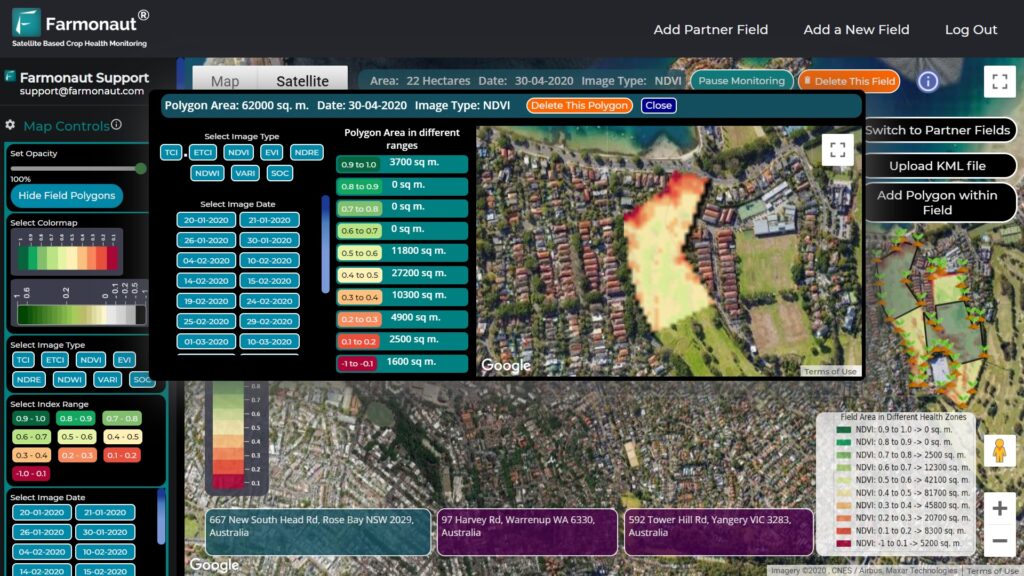
With increasing adoption of Bacillus thuringiensis insecticide, it’s never been more important for farmers, businesses, and governments to monitor and optimize pest management strategies. That’s why we at Farmonaut have developed industry-leading satellite-driven technologies designed to track, assess, and advise on the full landscape of agricultural sustainability—including the impact of Bt on crops, soils, and farm operations.
What Can You Achieve With Farmonaut’s Suite?
- 🌍 Real-time monitoring of crop health, pest infestation hotspots, and efficacy of biopesticide interventions—using advanced satellite imagery and AI analytics.
- 📲 AI-based advisory for timing Bt applications, adjusting IPM plans, and minimizing pest resistance risks.
- 🛡️ Blockchain-based traceability to assure buyers, retailers, and regulators of authentic, eco-friendly produce from field to market.
- 📉 Environmental impact tracking such as carbon footprint and soil health improvements from switching to Bt insecticides.
- 🚜 Resource and fleet management reduces operational costs in both large and small farming setups.
For those seeking tailored solutions, Crop Loan & Insurance Services leverage satellite imaging for verifying pest impact, reducing fraud in Bt-adopting farms, and improving access to secure funding for resilient agricultural production.
Explore Fleet Management Tools to optimize logistics and reduce input costs during pesticide, fertilizer, or biopesticide application seasons!
Challenges and Future Directions: Securing the Benefits of Bacillus thuringiensis Insecticide
While Bacillus thuringiensis insecticide offers a sustainable solution for modern agriculture, several critical challenges and strategic action areas remain:
- ⚠ Insect Resistance: Overuse or constant exposure to the same Bt toxins in GM crops or repeated sprays risks selecting for resistant pest populations. Solutions include gene stacking, refugia planting, and regular rotation with other biological control agents.
- ⚠ Short Environmental Persistence: Bt often degrades quickly due to sunlight and weather, requiring careful timing for peak effectiveness.
- ⚠ Public Perception of GM Crops: While Bt crops are safe, ongoing dialogue, consumer education, and transparent science communication remain essential for wider acceptance.
- ⚠ Geographical and Pest-Specific Limitations: Not all pests or regions are equally served by current Bt strains; ongoing research and technology transfer will expand impact.
- ⚠ Regulatory and Certification Hurdles: Navigating international rules remains vital, yet increasingly supportive policies are emerging for biopesticide and integrated management adoption.
Pest resistance is the most serious limitation. Be proactive: diversify pest management tools, rotate crops, and regularly monitor efficacy with modern data-driven platforms.
Ongoing research into new Bt strains, improved formulations (for UV and rain persistence), and integrated data-driven management systems (e.g., Farmonaut’s multi-parameter monitoring platforms) continues to reshape the pest control landscape.
Quick-Glance: Bacillus thuringiensis Insecticide Efficiency
- ✔ 85–95% pest control efficacy in target orders (Lepidoptera, Coleoptera, Diptera) by 2026.
- 📊 Up to 90% reduction in chemical residues on produce.
- 🌱 35–50% improvement in soil biological activity and health metrics.
- 💧 70–80% decrease in waterway contamination risk after Bt transition.
- ⚠ Main limitation: emergence of resistant pest strains—monitor and rotate for best results.
Highlight Boxes
FAQs: Bacillus thuringiensis Insecticide in 2026 and Beyond
What is Bacillus thuringiensis and how does it work as an insecticide?
Bacillus thuringiensis (Bt) is a natural, soil-dwelling bacterium that produces crystal (Cry) proteins targeting specific pest species. When ingested by larvae of moths, beetles, or flies, these proteins disrupt the insect’s midgut, causing death. Bt is safe for humans, mammals, birds, and most beneficial insects.
Which crops benefit most from Bt-based pest control?
Crops with recurring infestations of soft-bodied insect larvae—such as cotton, corn, fruit trees, cabbage, tomato, and other vegetables—gain maximum benefit from Bt sprays or Bt-engineered varieties.
Is there a risk of pests developing resistance to Bt insecticides?
While possible, this risk can be managed by rotating Bt varieties, combining bio-control agents, planting non-Bt refugia, and closely monitoring pest population changes.
Are Bt insecticides safe for organic agriculture?
Yes, Bt sprays (but not GM-Bt crops) are certified for use in organic farming in most regions, as they do not harm non-target organisms or the broader environment.
How is satellite technology transforming the monitoring of Bt pest management?
Advanced platforms like Farmonaut harness satellite imagery and AI-advisory systems to provide real-time pest, crop, and soil health monitoring, empowering farms to optimize Btinsecticide application, identify resistance hotspots, and document sustainable outcomes.
Conclusion: Bacillus thuringiensis Insecticide for a Greener Tomorrow
As we stride into 2026, Bacillus thuringiensis insecticide remains one of the most significant and effective biological control agents in modern agriculture. Its proven record of offering safe, specific, and sustainable pest management elevates both the productivity and environmental health of farms worldwide. From reduction in chemical insecticide dependence and enhancement of crop quality to the preservation of soil and water resources and the well-being of non-target organisms, Bt stands at the forefront of a new agricultural revolution.
Future Outlook
With ongoing innovation, new genes, improved application strategies, and advances in satellite technology and digital traceability, the benefits of Bacillus thuringiensis insecticide will only grow. Effective pest resistance management and ongoing consumer engagement will be essential for maximizing this biological solution’s impact through 2026 and beyond.
Ready to lead the next generation of sustainable, tech-driven agriculture? With tools like Farmonaut’s crop plantation & forest advisory and state-of-the-art monitoring apps, we can all make every acre count—for both yield and sustainability.
Let’s empower sustainable agriculture together—minimize chemical residues, preserve our soil and water, and ensure global food security with Bacillus thuringiensis insecticide and integrated digital monitoring.