AI Pest Control: 7 Powerful Agri Trends for 2026+
AI pest control is moving from an experimental concept to an operational necessity across modern agriculture, forestry, and land management. As farming systems face climate volatility, tighter sustainability rules, rising input prices, and pest resistance, the old model of broad, reactive spraying no longer delivers the same value. In 2026 and beyond, the most relevant context remains crop production and forest protection, where artificial intelligence is transforming pest control by enabling more targeted, faster, and more traceable interventions.
At its best, ai in pest control applications benefits technology future planning by combining sensors, predictive analytics, field imaging, robotics, and site-specific spraying. These systems analyze data from the field, distinguish pest damage from abiotic stress, forecast outbreaks, and recommend the most effective actions. The result is better timing, lower chemical use, improved ecosystem health, and more stable yield.
Table of Contents
- Why AI Pest Control Matters in 2026+
- AI Pest Control Trends for 2026+
- The 7 Powerful Trends Redefining Pest Management
- How Farmonaut Fits into AI-Driven Monitoring
- Implementation Roadmap for Growers, Forest Managers, and Land Teams
- Future Outlook: Digital Twins, Edge AI, and Transparent Decision Systems
- FAQ
Why AI Pest Control Matters in 2026+
By 2026, the pressure on growers and land managers will be even sharper than it was in 2025. Warmer winters can shift pest phenology. New migration patterns can create surprise outbreak events. More variable rainfall can change crop vulnerability windows. At the same time, markets demand cleaner produce, governments tighten environmental rules, and farm businesses want to reduce unnecessary inputs without risking output.
That is why ai matters so much. It does not simply automate old routines. It improves how decisions are made. Instead of blanket pesticide applications, AI-based systems can identify where pests are present, estimate local risk, and decide whether to apply a treatment, a biocontrol, a pheromone lure, or no intervention at all. This shift is central to sustainable pest management.
✔ Five Core Benefits of AI Pest Control
- ✔ Precision targeting: AI analyzes multispectral drone imagery, scouting records, and satellite feeds to detect early pest presence and crop stress at vulnerable stages.
- ✔ Reduced chemical usage: By identifying exact treatment zones, growers can lower pesticide volumes, cut costs, and help protect pollinators and non-target species.
- ✔ Improved decision speed: Real-time weather, smart traps, and sensor feed streams allow managers to receive alerts with recommended actions and safe schedules.
- ✔ Resistance management: AI tracks historical outcomes, resistance markers, and product performance to rotate modes of action more intelligently.
- ✔ Ecosystem health: Better timing and more localized interventions help maintain biodiversity, soil life, and beneficial insects across agricultural and forest ecosystems.
These benefits are not only technical. They are economic and strategic. When AI improves the accuracy of treatment timing, it can reduce repeat sprays. When early detection catches pest pressure before visible canopy collapse, it can preserve yield. When resistance tracking is built into decision support, it can help extend the life of existing products. In that sense, ai in pest control applications benefits future trends because it connects today’s farm operations to tomorrow’s regulation, sustainability, and profitability goals.
The biggest leap in AI pest control is not a single machine. It is the connection of sensors, models, and field actions into one decision loop.
Start with high-risk zones first. Fields with repeated historical pest pressure provide the fastest value from predictive monitoring.
Many teams treat AI as a replacement for agronomy. In reality, AI works best when paired with local crop knowledge, weather context, and scouting.
Precision control technologies create value in agriculture, forestry, and mining-related reclamation because each depends on healthier land and lower environmental risk.
For readers exploring digital monitoring tools, Farmonaut’s crop, plantation, and forest advisory access point is relevant because it brings satellite-based monitoring and AI advisory capabilities into a mobile and web workflow. It is useful for teams that need affordable visibility into crop and land conditions without building a custom remote-sensing stack from scratch.



AI Pest Control Trends for 2026+
To make the next few years easier to evaluate, the table below compares seven major trends in AI-enabled pest management. All impact ranges are clearly marked as estimated. Actual outcomes will vary by crop, geography, pest pressure, and execution quality. Still, this structure helps decision-makers compare innovations side by side.
| Trend | How It Works | Primary Use Case | Estimated Reduction in Pesticide Use | Estimated Yield Protection | Estimated Adoption Timeline | Key Challenge |
|---|---|---|---|---|---|---|
| Smart Pest Sensors | Connected traps and microclimate sensors collect pest counts, temperature, humidity, and movement data in near real time. | Early warning in orchards, row crops, greenhouses, and forest edges. | Estimated: 10–25% | Estimated: 4–10% | 2026–2028 mainstream expansion | Calibration, battery life, and network coverage in remote lands. |
| Drone-Based Scouting | Drone flights collect high-resolution and multispectral imagery to map crop damage and hot spots. | Rapid field scouting after weather shifts or suspected outbreaks. | Estimated: 10–30% | Estimated: 5–12% | 2026–2027 strong growth | Pilot skills, regulation, and image interpretation quality. |
| Predictive Outbreak Analytics | Machine learning models combine historical infestations, weather, crop stages, and trap inputs to forecast pest risk. | Spray planning, labor scheduling, and pre-season preparedness. | Estimated: 15–35% | Estimated: 6–15% | 2026–2029 | Clean training data and local model adaptation. |
| Computer Vision Pest Detection | AI vision systems distinguish insect presence, egg masses, lesions, and abiotic stress from photos or video. | Species recognition and treatment threshold verification. | Estimated: 10–28% | Estimated: 4–11% | 2026–2028 | Image quality, occlusion, and species diversity. |
| Precision Spraying | AI-guided sprayers adjust droplet volume, nozzle timing, and application zones to deliver precise treatment only where needed. | Row crops, orchards, vineyards, and localized spot treatment. | Estimated: 20–40% | Estimated: 5–12% | 2026–2030 | Equipment cost and compatibility with older machinery. |
| Satellite Monitoring | Satellite imagery tracks vegetation vigor, moisture, and stress signatures over broad areas for anomaly detection. | Regional crop surveillance, forestry watch, and large-farm prioritization. | Estimated: 8–22% | Estimated: 3–9% | 2026–2027 widespread scaling | Cloud cover, revisit frequency, and ground-truthing needs. |
| Autonomous Farm Robotics | Autonomous ground units and aerial machines monitor, release beneficial agents, or perform targeted spraying. | High-value crops, protected cultivation, repetitive scouting routes. | Estimated: 15–35% | Estimated: 5–14% | 2027–2031 | Capital cost, safety validation, and maintenance. |
Visual List: What AI Uses to Make Pest Decisions
- Observe: smart traps, leaf photos, satellite images, weather stations, and soil readings.
- Interpret: AI models classify pest pressure, crop stress, and likely pest species.
- Forecast: predictive tools estimate emergence timing, migration, and high-risk windows.
- Act: users choose biocontrol, pheromones, selective pesticide, or no treatment.
- Learn: outcomes feed back into the system to improve the next season’s decisions.
The 7 Powerful Trends Redefining AI Pest Control
1) Smart Pest Sensors Will Turn Monitoring into Continuous Intelligence
The first major trend is the spread of sensor networks that track pest pressure continuously, not occasionally. Traditional scouting often depends on labor availability and visibility. Smart traps and microclimate devices change that model. They record insect captures, humidity, temperature, leaf wetness, and other indicators that influence pest development. That stream of data becomes a living record of risk.
In practical terms, this means fewer blind spots. When AI interprets trap counts alongside local weather, it can estimate whether a pest population is likely to rise, stabilize, or fall. This matters because treatment timing can be more important than treatment volume. A small, well-timed intervention may outperform a larger, late response. For growers, this can mean reduced use of broad-spectrum chemical solutions and more reliance on threshold-based actions.
In forestry, the same approach helps detect pressure from bark beetles and related forest pests before they trigger landscape-scale damage. In disturbed areas and reclamation zones, sensor-driven monitoring also helps land managers support recovering vegetation while avoiding unnecessary treatment on fragile sites.
2) Drone-Based Scouting Will Make Early Detection Faster and More Precise
Drone scouting is becoming one of the most practical AI tools in pest management. High-resolution images from drones can reveal canopy changes, feeding patterns, discoloration, and stand irregularities that ground scouts might miss. When combined with machine learning, these images help detect pest signatures at early stages, often before severe visual symptoms spread across the whole field.
The value lies in speed and coverage. A drone can scan an area quickly after a storm, heatwave, irrigation issue, or unusual trap signal. AI then flags suspicious zones for deeper inspection. This is especially important because pests do not always spread evenly. Many begin in edges, moisture pockets, stressed rows, or shaded sectors. Drone-based scouting makes targeting practical.
It also supports lower-cost follow-up. Instead of sending crews across every acre, managers can prioritize risk zones. The result is a tighter link between scouting and intervention. In 2026+, this trend will likely expand further as imaging quality improves and autonomous flight planning becomes easier.

For broad-area crop observation, Farmonaut’s large-scale farm management tools are relevant to enterprises and administrators who need visibility across many plots. The use case is operational oversight: prioritizing scouting, resource allocation, and crop monitoring at scale through satellite-driven insights.
3) Predictive Outbreak Analytics Will Move Pest Control from Reactive to Proactive
This may be the single most important shift. Pest control has often been reactive: observe a problem, then respond. AI changes this by forecasting likely outbreaks before economic loss is obvious. Predictive analytics combine historical infestations, crop calendars, planting dates, local habitat conditions, and real-time meteorology. The model then estimates where pressure is building and when crop vulnerability will peak.
That matters because a pest outbreak is rarely random. It follows patterns linked to heat accumulation, moisture cycles, host plant stages, and movement pathways. AI does not remove uncertainty, but it reduces it. Better forecasting supports better labor planning, better inventory timing, and better intervention choices. It can also help avoid panic spraying when signals do not justify treatment.
In practical terms, predictive systems help answer questions such as:
- Is the current trap count likely to signal a true outbreak or just a temporary spike?
- Will expected rain reduce or amplify treatment effectiveness?
- What are the safest application windows for efficacy and worker exposure?
- Should a grower use a biocontrol product now or wait for a threshold breach?
Predictive systems grow stronger when they integrate pest biology, crop stage, and local microclimate. Weather alone is useful; weather plus phenology is far more actionable.
4) Computer Vision Will Distinguish Pest Damage from Abiotic Stress
One of the most expensive errors in farming is confusing pest injury with nutrient deficiency, water stress, heat injury, or disease. Leaves can yellow for many reasons. Wilting can signal multiple causes. If managers misread the signal, they may choose the wrong product, spray too late, or spend money on unnecessary applications. This is where computer vision becomes powerful.
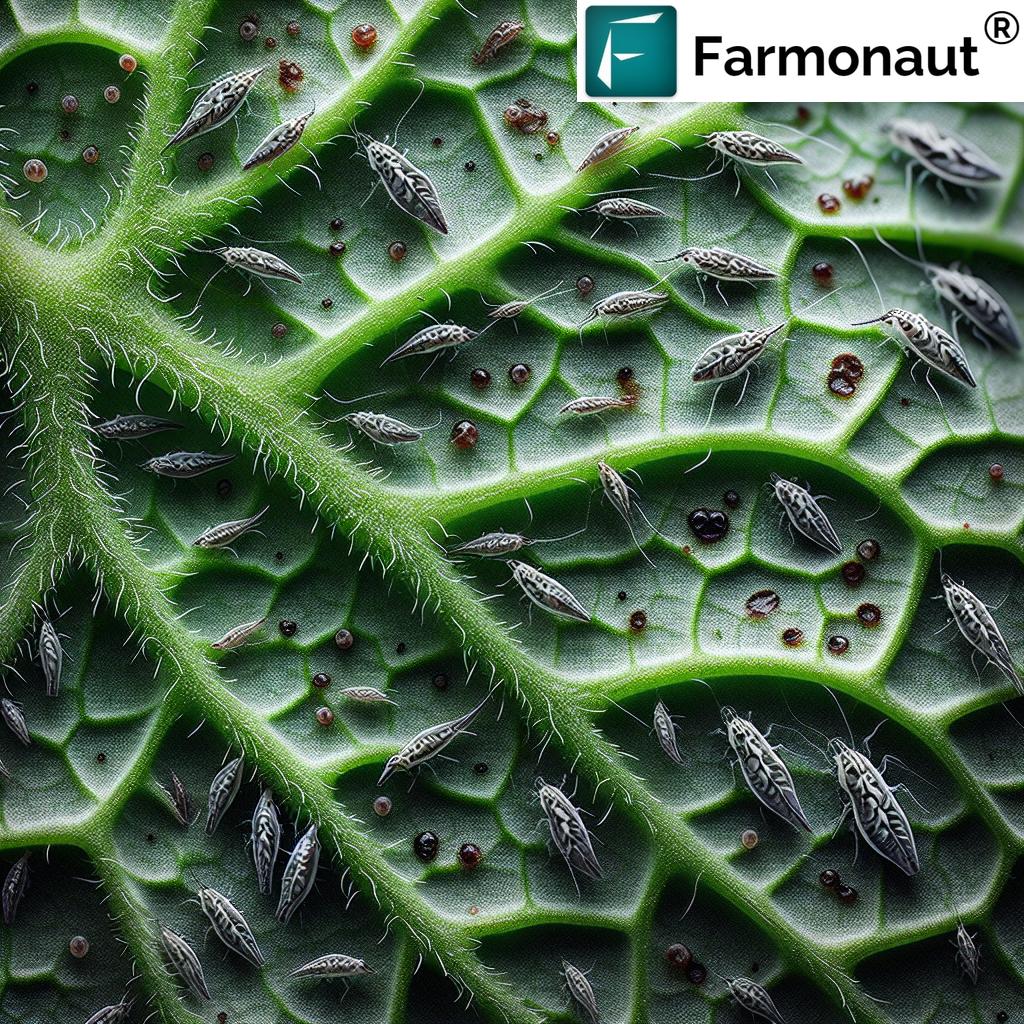
AI vision models compare image patterns against trained libraries of pest signatures, lesions, chewing marks, eggs, frass, stem boring, and canopy deformation. They can often distinguish pest-related stress from abiotic causes. That distinction improves both agronomic accuracy and environmental performance. A precise diagnosis prevents excess pesticide use and reduces off-target effects.
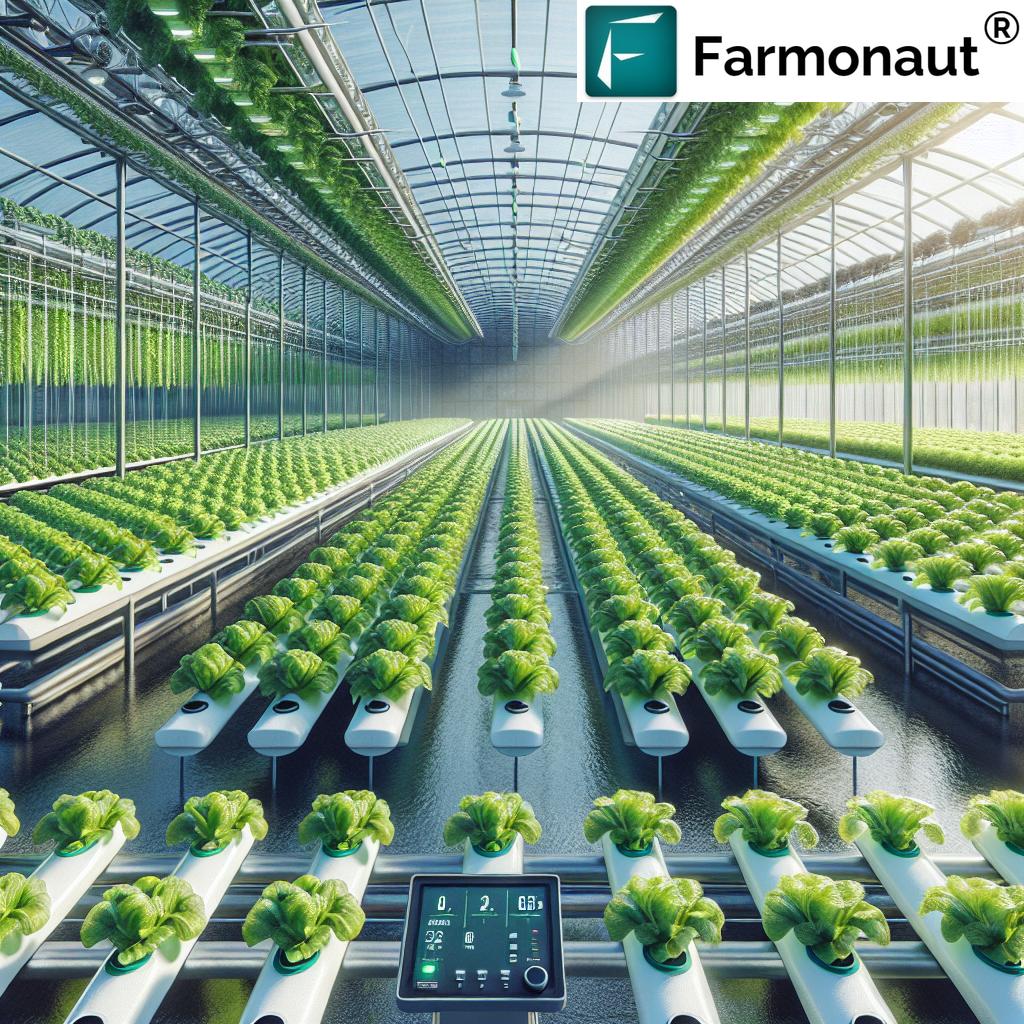
Over time, better image libraries will allow models to recognize more localized pest variants and crop-specific symptoms. In forestry, image intelligence can support rapid crown assessment and identify decline patterns linked to boring insects or defoliators. In nursery and horticulture systems, close-range imaging can help workers identify hotspots before they scale into facility-wide problems.

Where pest pressure is linked with moisture and vegetation stress, Farmonaut API and the API developer docs are useful for teams building dashboards or integrating remote-sensing inputs into their own software stack. The benefit is faster access to satellite and weather-linked layers for custom risk monitoring.
5) Precision Spraying Will Reduce Blanket Applications and Environmental Impact
Precision spraying is the direct action layer of AI pest control. Detection and forecasting matter, but value is only realized when interventions are applied accurately. AI-guided sprayers can vary dosage by row, canopy density, or mapped hot spot. They can also switch nozzles on and off in real time to limit drift and prevent over-application.
This trend addresses several industry pressures at once. First, it helps reduce chemical use and cost. Second, it improves environmental compliance by minimizing non-target exposure. Third, it supports worker safety when treatment schedules and routes are optimized. Fourth, it helps protect beneficial insects and nearby habitats by focusing only on high-risk zones.
In 2026+, precision spraying will likely become more connected to AI recommendations. Instead of a manager deciding manually where to spray, the spraying system may receive a map built from sensor counts, drone imagery, and historical treatment outcomes. This will make pest control more measurable and more auditable, which is increasingly important for certification programs and food-chain transparency.
6) Satellite Monitoring Will Expand Pest Intelligence Across Large Areas
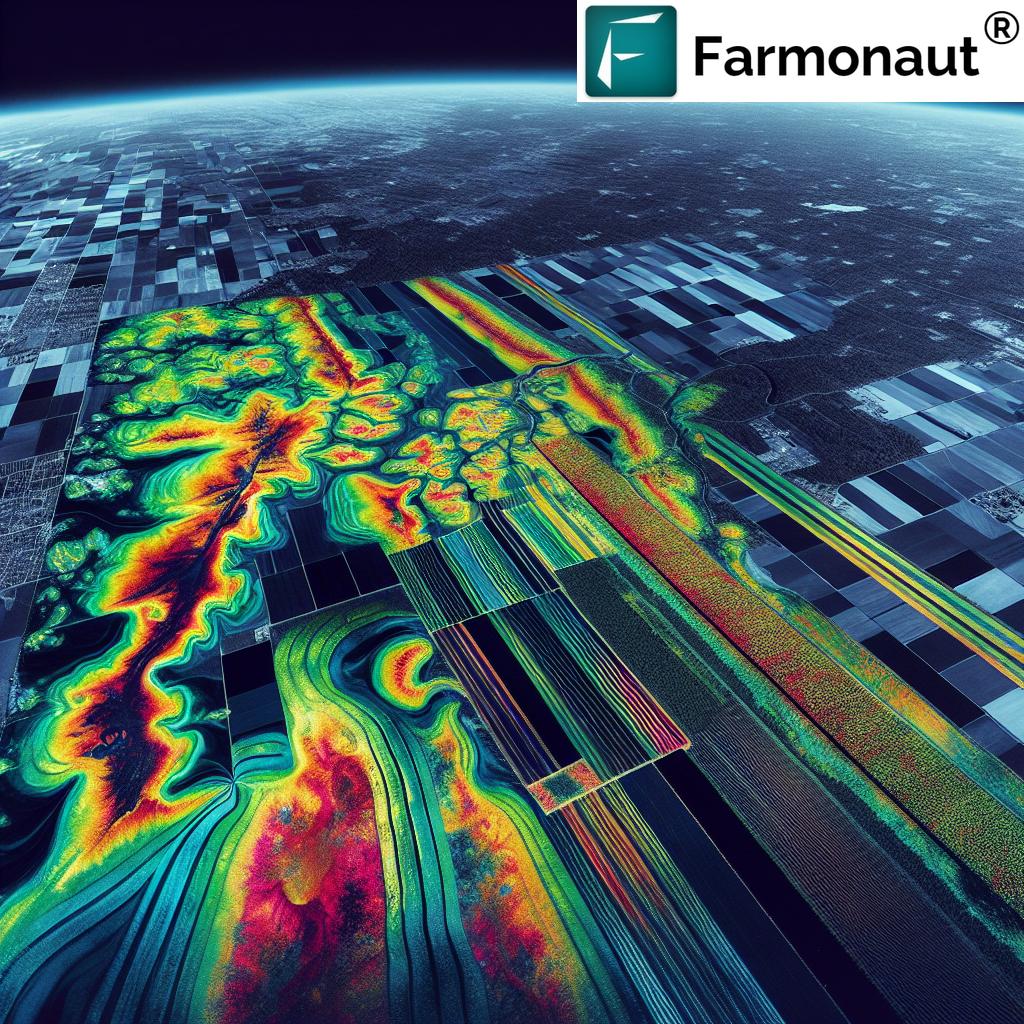
Satellite-based monitoring is essential where scale matters. A grower with many plots, a forestry department covering extensive lands, or a land management team responsible for disturbed terrain cannot rely only on foot scouting. Satellites provide repeat visibility over wide areas, making them useful for spotting vegetation anomalies, moisture stress, and broad patterns that may correlate with pest pressure.
Satellite imagery does not replace close-up observation. It prioritizes it. When a satellite system highlights abnormal vegetation performance, managers can direct scouting teams, drones, or sensors to those coordinates. This layered approach is efficient because it aligns high-coverage monitoring with ground verification. It is especially useful in forest protection, where early signs of pest attack can appear across dispersed terrain.
Satellite intelligence also matters in mining-related land stewardship. On reclamation sites, invasive pest pressure can compromise restoration. AI-supported satellite monitoring helps identify uneven vegetation recovery, stress zones, and possible ecological threats while supporting sustainable rehabilitation plans.

In Farmonaut’s context, the company offers satellite-based monitoring, AI advisory, resource management tools, and environmental tracking across agriculture, mining, infrastructure, and intelligence workflows. Farmonaut’s carbon footprinting page is especially relevant for organizations trying to align crop protection decisions with sustainability reporting, because reduced input waste and better land stewardship increasingly connect to carbon and compliance goals.
7) Autonomous Robotics Will Support Integrated Pest Management at the Edge
Autonomous robotics is the final trend in this list, and perhaps the most visible. Ground robots and aerial systems can patrol crop rows, inspect canopy conditions, release beneficial insects, place pheromone tools, or perform ultra-localized treatment. In integrated pest management, that matters because not every problem requires a broad spray pass.
Robotics supports precision in both detection and action. A robot can revisit the same route repeatedly, collect highly consistent images, and compare subtle changes over time. AI can then convert those observations into treatment maps or release plans for biocontrol agents. This is especially promising in high-value crops, controlled environments, and labor-constrained operations.
In the longer term, robotics may help solve a persistent bottleneck: the gap between knowing where a pest is and acting quickly enough to stop spread. By reducing response time, autonomous machines can improve pest containment while limiting the need for broad chemical escalation.
Visual List: The Best Intervention Ladder for 2026+
- Step 1: Detect anomalies with satellite, sensors, or drone imagery.
- Step 2: Confirm pest identity with computer vision and field checks.
- Step 3: Estimate risk with predictive analytics.
- Step 4: Choose the least disruptive intervention first: pheromones, biocontrol, or targeted treatment.
- Step 5: Monitor outcomes and update future models.
How Farmonaut Fits into AI-Driven Monitoring for Agriculture, Forestry, and Land Management
Farmonaut is a satellite technology company focused on making satellite-driven insights affordable and accessible through Android, iOS, web/browser applications, and API access. In the context of pest-aware operations, its relevance is strongest in monitoring, advisory support, environmental impact tracking, traceability, and resource management rather than selling farm inputs or acting as a regulatory body.
Using the provided context alone, Farmonaut’s platform can support AI-era pest strategies in several practical ways:
- Satellite-based monitoring: multispectral imagery can help identify vegetation health patterns, soil conditions, and anomalies that deserve scouting attention.
- Jeevn AI advisory system: AI-driven insights and weather forecasts can contribute to better timing and operational planning.
- Blockchain-based traceability: traceability matters when buyers, regulators, or supply-chain teams want clarity around crop protection practices and handling.
- Fleet and resource management: large operations need efficient routing for scouting vehicles, spray equipment, and machinery.
- Environmental impact monitoring: sustainability performance is increasingly tied to resource use, emissions, and land stewardship outcomes.
Farmonaut’s value is strongest where wide-area visibility, affordable remote sensing, and data-driven decision support are needed across dispersed operations.
Transparent data records are becoming more important as markets seek cleaner production, lower residues, and clearer sustainability reporting.
Several Farmonaut product pages are naturally relevant in this context:
- Traceability: useful when crop protection records and product journey transparency matter for food-chain trust and verification.
- Crop loan and insurance: satellite-based verification can support financing and risk assessment where pest damage, weather shocks, and field performance affect credit decisions.
- Fleet management: relevant for agriculture, mining, and infrastructure teams managing vehicles, logistics, and equipment deployment across large territories.
Because the future of pest control depends on better data pipelines, tools like these can complement field scouting and agronomy programs. In agriculture, they help prioritize plots. In forestry, they improve the ability to monitor dispersed ecosystems. In mining-related land care, they support restoration and risk reduction across disturbed areas where invasive pests or vegetation stress may threaten long-term rehabilitation.
Implementation Roadmap: How to Adopt AI Pest Control Without Overcomplicating Operations
Adopting AI pest control does not mean buying every new tool. The most effective path is staged and practical. Organizations that move too fast often create disconnected systems with poor data quality. A better roadmap starts with clear goals, strong baselines, and a focus on economic thresholds.
Phase 1: Build a Reliable Data Foundation
Start with the essentials: accurate field boundaries, crop types, planting dates, historical pest pressure, treatment records, and basic weather data. Add smart traps or scouting logs where feasible. AI is only as strong as the context it receives. If records are inconsistent, recommendations will be weaker.
Phase 2: Prioritize High-Risk Zones
Not every acre needs the same level of monitoring. Use historical maps, satellite anomalies, and local knowledge to identify recurrent hot spots. This makes pilot programs more efficient and helps teams show value sooner. For forest teams, this may include edges, stressed stands, transport corridors, or previously infested compartments.
Phase 3: Connect Detection to Action
Detection alone does not save crops. Build clear rules for what happens when the system flags risk. Who verifies the signal? What threshold triggers action? Is the preferred response a biocontrol, pheromone, mechanical measure, or selective pesticide? Define these workflows before peak season.
Phase 4: Measure Outcomes
Track more than spray count. Measure treatment area, product volume, timing accuracy, labor hours, follow-up need, and final yield impact. In sustainability reporting, also track reduced off-target exposure, habitat protection, and lower input waste. These metrics make future investment decisions easier.
📊 Five Practical Metrics to Track
- 📊 Pesticide volume per hectare before and after AI-guided targeting
- 📊 Detection speed from first signal to confirmed diagnosis
- 📊 Yield protection in high-risk blocks versus untreated or traditionally managed blocks
- 📊 Retreatment frequency as a sign of timing quality and resistance pressure
- 📊 Non-target impact indicators such as pollinator-friendly timing or reduced drift risk
Teams should also remember the human factor. AI cannot fully replace agronomists, foresters, or land managers. It is strongest as decision support, not blind automation. Local pest biology, soil type, crop stage, labor constraints, and market commitments still matter. Good AI-enabled pest control is a blend of algorithms and practical field judgment.
Future Outlook: AI in Pest Control Applications Benefits Technology Future Beyond 2026
The future of AI pest control will be shaped by integration. The next generation of systems will not be isolated dashboards. They will connect sensing, forecasting, field execution, and compliance records into one ecosystem. This is where ai in pest control applications benefits technology future, ai in pest control applications benefits technology future, ai in pest control applications benefits future trends becomes more than a phrase. It becomes an operational framework.
Digital Twins of Farms and Forests
Digital twins are virtual representations of real farms, orchards, forests, and reclamation zones. By combining terrain, crop stage, moisture, weather, pest history, and intervention records, AI can simulate what may happen under different scenarios. That allows users to test treatment strategies virtually before acting in the field. For example, a manager could compare the likely effect of early pheromone disruption versus delayed spraying under a high-heat forecast.
Low-Toxicity and Biological Control Integration
Future systems will likely give more weight to lower-risk tools. AI can help identify where to release beneficial organisms, where to place pheromone devices, and when to use biologically based products for maximum efficacy. This matters because sustainability goals are not only about using less input. They are about using smarter input combinations that align with ecosystem resilience.
Transparent and Traceable AI Decisions
As regulation evolves, traceability will matter more. Food producers, exporters, and land managers will need to explain why an intervention happened, what data supported it, and how the outcome was assessed. Transparent AI will help users meet these expectations. Decision logs, treatment maps, satellite layers, and weather context can create defensible records for audits and sustainability reviews.
Localized Edge Computing
In remote agricultural zones and forest landscapes, connectivity remains uneven. Edge computing will become more important because it allows AI models to process data close to the source, even with limited internet access. A field device or robot could interpret images locally and trigger rapid actions without waiting for cloud processing. This will be especially helpful in remote farming communities and hard-to-reach forest corridors.
Resistance Management Will Become More Strategic
Resistance is one of the biggest long-term threats to effective pest control. Future AI systems will increasingly combine genotype tracking, efficacy records, product histories, and treatment sequence analysis. That will help managers rotate active ingredients and intervention types more effectively, slowing resistance development and extending the useful life of current products.
In short, the long-term trajectory is clear. Pest control will become more preventive, more site-specific, more explainable, and more connected to environmental accountability. The farms and land teams that build these capabilities early are more likely to protect margin, reduce waste, and stay resilient in a climate-uncertain world.
Explore Monitoring and Access Options
If satellite-driven visibility, AI advisory, and API access are relevant to your workflow, these Farmonaut resources can help you assess fit:
- Web and app access for satellite-based monitoring and advisory workflows
- API access for custom platform integrations
- Developer documentation for implementation details
FAQ: AI Pest Control in Agriculture and Forestry
1) What is AI pest control in agriculture?
AI pest control in agriculture uses sensors, imaging, predictive analytics, and automated or guided application systems to detect pests early, estimate risk, and support more targeted interventions. Its goal is to improve timing, reduce waste, and protect crop yield.
2) How does AI reduce pesticide use?
AI reduces pesticide use by replacing broad or routine spraying with more precise decisions. It identifies where pests are active, whether treatment is truly needed, and which zones require action. This helps lower product volumes, reduce off-target exposure, and improve environmental performance.
3) Can AI help protect pollinators and biodiversity?
Yes. Better timing and more localized treatment help protect pollinators, beneficial insects, and surrounding habitats. AI also supports alternatives such as biocontrol and pheromones, which can reduce dependence on broad-spectrum chemistry.
4) Is AI pest control relevant only to crops?
No. It is also relevant to forestry, where early detection of bark beetles and other forest pests can support rapid containment. It also matters on mining-related reclamation sites and managed landscapes where invasive species or vegetation stress affect restoration goals.
5) What data sources are most useful for AI pest management?
The strongest systems combine smart traps, local weather stations, satellite imagery, drone images, crop stage records, historical outbreak data, and treatment outcomes. The more complete the context, the better the AI can estimate real pest pressure.
6) Does AI replace agronomists or foresters?
No. AI improves decision support, but local expertise remains essential. Field validation, threshold setting, product selection, and interpretation of local conditions still need skilled professionals.
7) What is the biggest challenge in AI pest control adoption?
The biggest challenge is usually integration: getting good-quality data, connecting tools into a usable workflow, and making sure recommendations lead to practical field actions. Technology works best when it fits real operational constraints.
Final Thoughts
AI pest control is no longer just a future-facing concept. It is becoming a practical framework for resilient, lower-waste land stewardship. Across agriculture, forestry, and managed landscapes, AI is enabling earlier detection, better forecasting, smarter input use, and more transparent decision-making. The seven trends discussed here—smart sensors, drone scouting, predictive outbreak analytics, computer vision, precision spraying, satellite monitoring, and autonomous robotics—show where the field is headed.
For growers and land managers, the message is clear: the future of pest control is not about using more intervention. It is about using the right intervention, at the right time, in the right place, with stronger evidence behind it. That is how AI helps reduce environmental impact, improve crop and forest health, and build more sustainable systems for 2026 and beyond.