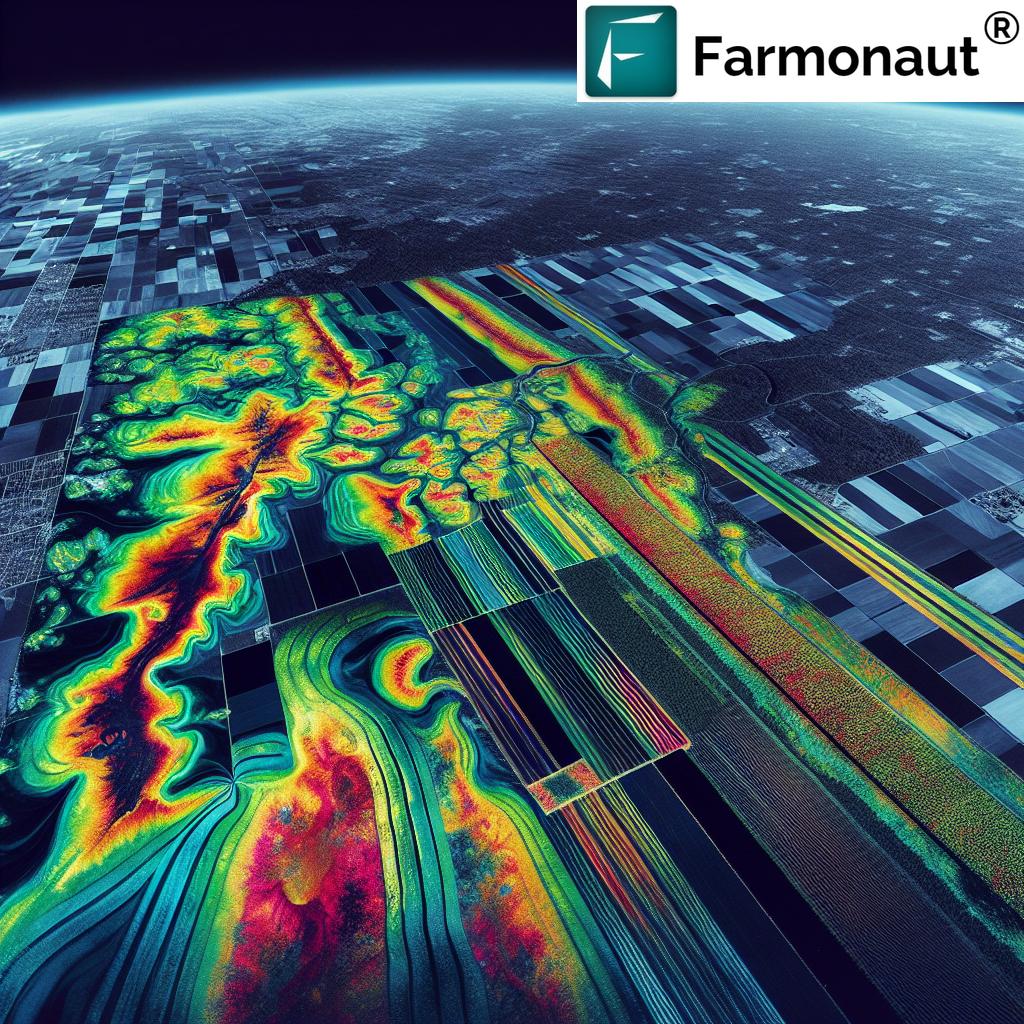
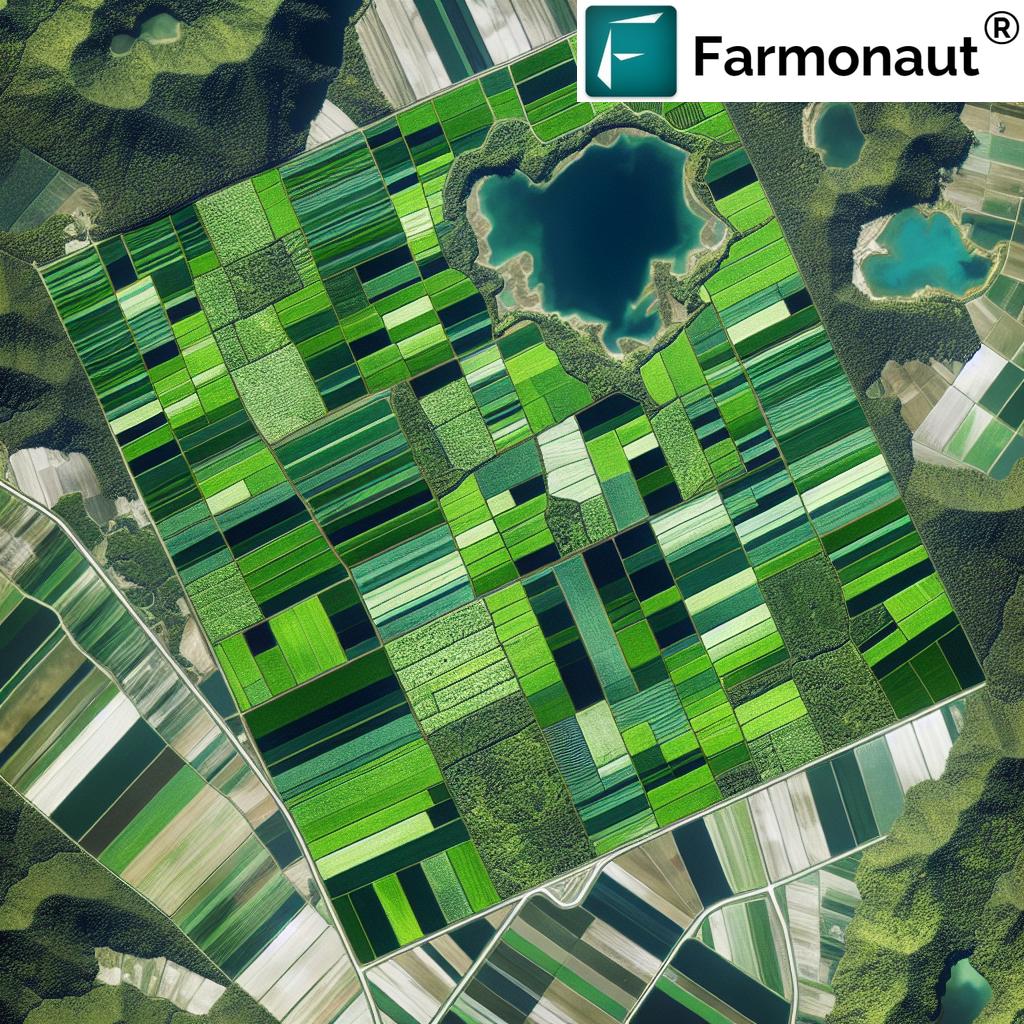
AI Advances: 7 Agriculture & Forestry Innovations for 2026
“By 2026, AI-driven data management is projected to increase crop yields by up to 20% in precision agriculture.”
Table of Contents
- Introduction: The Role of Artificial Intelligence in Modern Agriculture and Forestry
- Why AI and Data Management Are Critical (2025 Context)
- Comparative Innovations Overview Table
- 1. AI-Powered Precision Farming
- 2. Intelligent Crop Health & Yield Prediction
- 3. Autonomous Equipment & Robotics Revolution
- 4. AI-Accelerated Breeding & Genetics
- 5. AI-Driven Post-Harvest Optimization
- 6. Forestry Health Monitoring with AI & Drones
- 7. Sustainable Resource Management & Certification with AI
- Crucial Infrastructure & Enabling Factors, 2025-2026
- Sustainability and Ethics in AI-Driven Agriculture & Forestry
- How Farmonaut Empowers Agriculture & Forestry with AI and Data Insights
- Key Benefits & Common Challenges
- Frequently Asked Questions (FAQ)
- Conclusion: Towards an Adaptive, Resilient, & Sustainable Future
Introduction: Artificial Intelligence is Reshaping Agriculture & Forestry
The rise of artificial intelligence (AI), combined with real-time data management, is revolutionizing the global landscape of agriculture and forestry—enabling smarter decision-making, increasing yields, reducing environmental impact, and promoting sustainable land stewardship. As we approach 2026, AI-driven systems—powered by sensors, drones, robotics, advanced analytics, and cloud-based models—are increasingly integrated into every facet of farming operations and forest management.
This comprehensive guide will reveal seven game-changing AI innovations set to dominate agriculture and forestry by 2026, boost resilience to climate variability, and deliver better ROI for producers, land managers, and society at large. Whether you are a farmer, forester, agritech investor, or sustainability leader, this blog delivers the actionable insights and up-to-date data you need.
AI applications—like yield prediction, pest detection, and sustainable harvesting—are transforming traditional land management into a data-driven, high-efficiency process, ensuring global food and material security despite rising climate risks.
Why Artificial Intelligence and Data Management Are Critical for Agriculture & Forestry (2025 Context)
In 2025, the demands on our global land resources have never been higher. With population growth, unpredictable weather patterns, and the continuous threat of climate change, it is crucial to leverage every enabling technology for smarter land use. AI-based systems offer real-time support for:
- Enhanced productivity and yields via smarter inputs (irrigation, fertilization, pesticide) management
- More accurate risk forecasting for pests, diseases, and extreme weather events
- Resource optimization and reduced environmental impact via precision monitoring
- Supporting smallholders and large operations through accessible AI tools and data-driven interventions
- Certification and traceability solutions—building trust and compliance throughout the market supply chain
Let’s explore the seven key AI innovations that will define sustainable modern agriculture and forestry in 2026 and beyond…
“Over 60% of forestry operations will adopt AI-powered sustainability tools by 2025, revolutionizing resource management.”
Comparative Innovations Overview Table
| Innovation Name | Sector | Core AI Technology Used | Estimated Adoption Rate by 2026 (%) | Expected Yield Improvement (%) | Environmental Impact (CO2 Reduction) | Sustainability Rating (1-5) |
|---|---|---|---|---|---|---|
| AI-Powered Precision Farming | Agriculture | Machine Learning, Satellite Analytics, Edge AI | 65 | 20 | High (Lower emissions via input efficiency) | 5 |
| Intelligent Crop Health & Yield Prediction | Agriculture | Computer Vision, Predictive AI | 62 | 12 | Medium (Reduces pesticide/fertilizer application) | 4 |
| Autonomous Equipment & Robotics | Agriculture | AI Robotics, Sensors, Embedded Systems | 55 | 10 | Medium (Lower soil compaction, efficient passes) | 4 |
| AI-Accelerated Breeding & Genetics | Agriculture | Machine Learning, Genomic AI | 40 | 15 | Medium (Development of climate-resilient crops) | 4 |
| AI-Driven Post-Harvest Optimization | Agriculture | AI Sorting, Blockchain, Predictive Supply Models | 60 | 8 | High (Direct reduction of food waste) | 5 |
| Forestry Health Monitoring with AI & Drones | Forestry | AI Visual Analytics, Remote Sensing, UAVs | 67 | 12 | Very High (Fire prevention, carbon accounting) | 5 |
| Sustainable Resource Management & Certification with AI | Agriculture / Forestry | AI Decision Support, Blockchain, Edge Analytics | 70 | 15 | Very High (Supports compliance and reduced deforestation) | 5 |
AI Innovations Transforming Agriculture & Forestry in 2026
Let’s take a deep dive into each groundbreaking AI application propelling farming operations and forest management into a more efficient, resilient, and sustainable future.

1. AI-Powered Precision Farming: Smarter Inputs, Higher Yields
AI-powered precision farming leverages an integrated web of sensors, satellite imagery, and data analytics to monitor soil health, weather conditions, crop vigor, and input levels. These AI systems analyze real-time and historical data to optimize irrigation, fertilization, and pesticide use, ensuring resources are applied only where needed and in the right amounts. By reducing over-application, this technology not only lowers costs for producers but minimizes environmental runoff—protecting downstream ecosystems.
- ✔ Key benefit: Automated irrigation scheduling based on soil moisture and weather forecast data boosts both efficiency and resilience.
- 📊 Data insight: Yield increases of 10–20% and input reductions up to 30% are achievable with AI-driven precision farming.
- ⚠ Risk or limitation: Initial investment in sensors and edge computing may be a barrier for some smallholders.
- ✔ Smarter stewardship: AI models identify resource constraints and recommend sustainable interventions.
- ⚠ Common mistake: Underutilizing satellite analytics can result in missed optimization opportunities.
Harness edge AI and satellite analytics for real-time resource management—even in fields with poor connectivity—for maximum AI-powered precision farming benefits.
Explore Farmonaut’s Large Scale Farm Management Platform to experience how satellite data and AI-driven insights can transform your crop monitoring and input optimization efforts—driving smarter operations and measurable sustainability gains.
- 📡 Sensor-Driven Automation: IoT field sensors continuously feed soil, moisture, and nutrient data to the cloud, where AI models interpret patterns and predict needs.
- 🚜 Field-Specific Interventions: AI interfaces generate actionable advice for targeted fertilization, irrigation, and pesticide application, ensuring resource optimization.
- 🔁 Feedback Loops: Each application is tracked and analyzed, supporting continuous improvement and adaptive management scenarios for future seasons.

2. Intelligent Crop Health & Yield Prediction: Early Detection, Proactive Interventions
Using satellite imagery, multispectral cameras, and computer vision, AI can now detect nutrient deficiencies, diseases, pest outbreaks, and even environmental stress at the earliest stages. These systems deliver daily advisories and run predictive models to forecast yield under different scenarios—enabling farmers to intervene before problems result in significant losses.
- ✔ Key benefit: Reduced crop loss through fast, accurate threat identification—well before visible symptoms appear.
- 📊 Data insight: Growers increase marketable yield and quality, even under challenging weather conditions.
- ⚠ Risk or limitation: Data interpretation errors can occur if sensors are not properly calibrated.
- 🔮 Proactive resource allocation means spraying pesticides only on affected zones, saving money and minimizing runoff.
- ✔ Supports compliance with modern environmental standards and certification schemes.
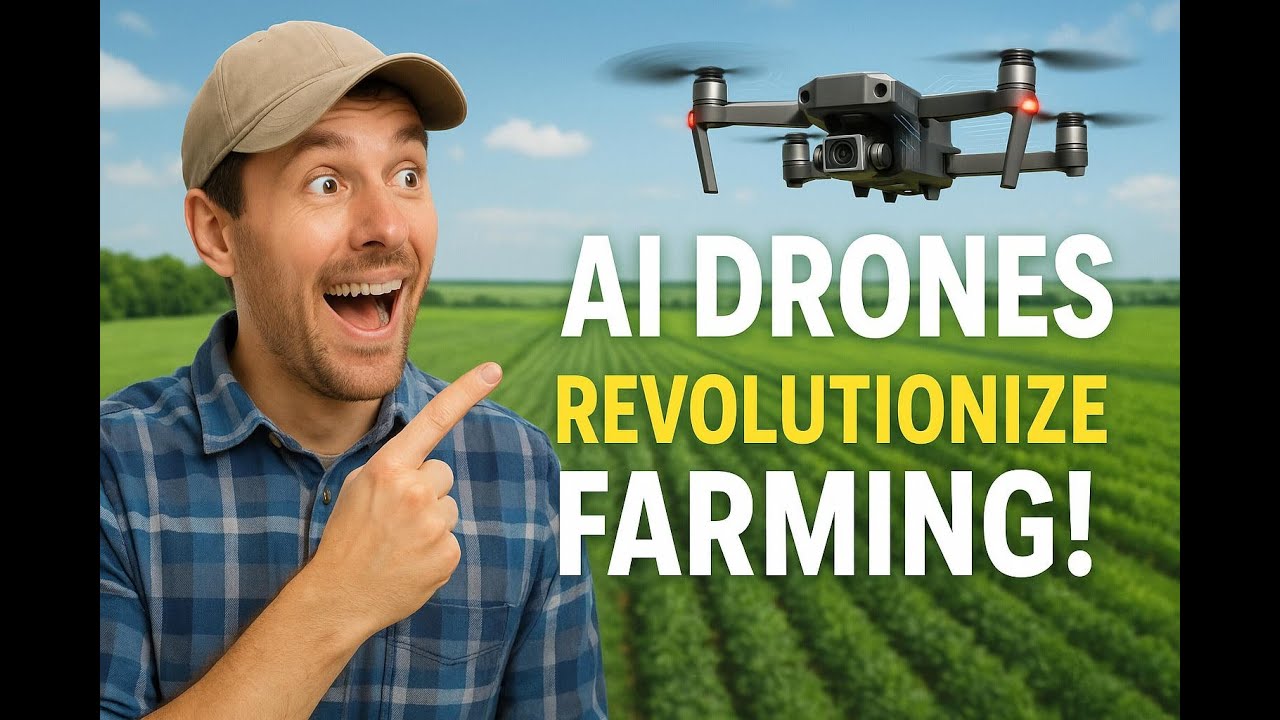
Our Carbon Footprinting solution assists in tracking environmental impact, especially as AI analytics help optimize inputs and monitor crop management strategies—vital for carbon certification and future climate-smart incentives.
The market for AI-driven crop management solutions is projected to surpass $10 billion by 2026, driven largely by demand for higher yields, resource optimization, and supply chain traceability.
- 🦠 Disease & Pest Outbreak Detection: AI models match on-field micro-signals and color changes in satellite images to known nutrient, disease, or pest profiles.
- 📉 Forecasting Tools: Predictive analytics estimate yield by factoring genotype, environmental conditions, and management history.
- 🎯 Precision Targeting: Proactive recommendations enable field workers or drones to act on crops or tree clusters most at risk first.
3. Autonomous Equipment & Robotics Revolution
Autonomous, AI-powered equipment is reimagining the physical aspect of farming and forest operations. Self-driving tractors, harvesters, and weeding robots combine onboard computers with machine vision and advanced sensors for continuous, accurate fieldwork—often with minimal human oversight. This leap in automation ensures:
- ✔ Key benefit: Enhanced efficiency and the ability to manage larger areas or more sites simultaneously.
- ⚙ Labor cost reduction: Fewer operators required; tasks performed autonomously even at night.
- 🔄 Consistent performance: AI robots can work in optimal patterns repeatedly, reducing overlapping or missed treatments.
- ⚠ Risk: Maintenance of advanced equipment and the need for skilled oversight remain important considerations.

Ignoring periodic software updates or failing to monitor system logs can disrupt autonomous operations—leading to costly field errors or equipment downtime.
Farmonaut Fleet Management Solutions empower users to optimize logistics for machinery, vehicles, and field operations—ensuring safe, efficient, and cost-effective use of autonomous and semi-autonomous farm equipment.
4. AI-Accelerated Breeding & Genetics: Speeding Up Climate-Resilient Crop and Tree Varieties
Artificial intelligence is streamlining plant breeding and genetics by analyzing genotype data alongside environmental interactions, historical yields, and trait performance. AI models now predict which genetic combinations will thrive under different climate scenarios—dramatically accelerating the development of drought, pest, or nutrient stress-tolerant varieties.
- ✔ Key benefit: Shorter time-to-market for next-generation crops and timber species addresses urgent climate challenges.
- 🎯 Targeted selection: Only the most promising crosses are advanced, conserving research resources.
- ♻ Sustainability boost: AI-informed breeding supports landscape restoration and permanent carbon sequestration.
- ⚠ Risk: Data privacy and clear ownership of genetic information must be respected.

Learn more: Our Crop Plantation, Forest, and Advisory Services provide science-based AI recommendations for crop selection, best planting windows, and restoration strategies—vital for breeding, genetics, and long-term land stewardship.
AI-driven breeding cuts development cycles for new crop varieties by 40–60%, sharpening our ability to respond to shifting climate and disease pressures.
5. AI-Driven Post-Harvest Optimization: Improving Sorting, Packaging, and Supply Chain Logistics
Innovations in post-harvest optimization utilize AI for automated sorting (using imaging and computer vision), dynamic packaging decisions, and predictive models for supply chain logistics. These systems ensure perishable goods are processed and moved to market before quality deteriorates, helping reduce losses and retain value throughout the chain.
- ✔ Key benefit: Waste reduction at harvest and throughout supply and distribution operations.
- 🔄 Dynamic market matching: Optimized connections between supply and consumer demand mean less overproduction.
- 🔗 Blockchain traceability: Advanced digital records enhance transparency and authentic certification for food safety and sustainability programs.
- ⚠ Challenge: Integration with legacy systems can require process adaptation and staff training.

Farmonaut’s Blockchain Traceability module is engineered to provide tamper-proof records for agriculture and food commodities—facilitating robust, regulatory-ready, and consumer-friendly documentation of every step from farm to table.
Implement blockchain traceability early as part of digital transformation to reduce fraud, support certification, and enable new value-added market channels.
6. Forestry Health Monitoring with AI & Drones: Detecting Risk, Enabling Rapid Response
Forestry sectors now rely on integrated AI-driven health monitoring—combining drones, satellite imagery, and edge sensors with machine learning models to monitor growth, detect early disease or insect infestations, measure carbon sequestration, and forecast fire risk.
- ✔ Key benefit: Timely risk mitigation: Quick detection enables targeted interventions for disease, stress, or illegal encroachment.
- 🌲 Biodiversity and habitat mapping: Support rare species and corridors with up-to-date data.
- 🔥 Preventative fire management: AI detects conditions for wildfire risk before outbreaks escalate.
- ⚠ Challenge: Maintaining remote connectivity and ensuring local teams are trained in actionable response protocols.
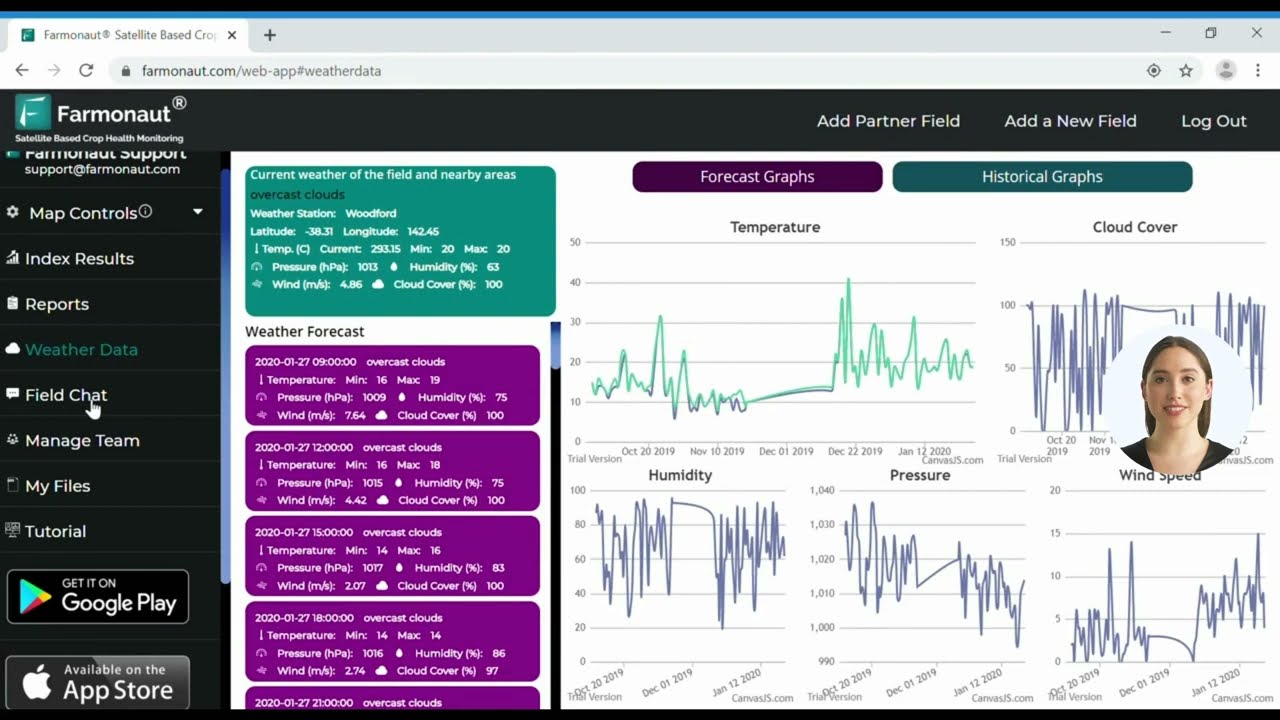
Our Monitoring solutions deliver continuous, up-to-the-minute canopy and stand data, crucial for sustainable forest management and institutional reporting. Satellite-based verification also enables streamlined access to crop or timber financing and insurance—reducing fraud and boosting forest resilience.
By 2026, the majority of large forestry organizations will mandate drone or satellite-based, AI-enabled health monitoring as a prerequisite for sustainable timber certification and carbon accounting.
7. Sustainable Resource Management & Certification with AI: Ensuring Transparency, Compliance, and Market Access
As supply chains and buyers increasingly demand transparency, AI-assisted documentation and decision-support tools empower sustainable harvesting and land management worldwide. Certification programs now rely on advanced digital records, blockchain traceability, and ongoing AI monitoring to enforce best practices and verify compliance.
- ✔ Key benefit: Automated, audit-ready documentation ensures eligibility for premium markets and international compliance.
- 🔒 Blockchain transparency: Immutably records every management practice and input—critical for organic, sustainable timber, and chain-of-custody requirements.
- 👐 Equitable access: Modular platforms are affordable and scalable to fit smallholders and community-managed forests.
- ⚠ Challenge: Ensuring that data ownership and privacy regulations are followed, with clear benefit-sharing agreements in place.
Blockchain Product Traceability and Carbon Footprinting by Farmonaut ensure seamless, affordable access to transparency tools for certification and sustainable land stewardship.
Transparent, AI-powered documentation will become as essential to farming and forestry as soil sampling or field mapping—especially for access to EU, US, and global export markets.
Crucial Infrastructure & Enabling Factors for AI in 2026
- 📱 Connectivity & Edge Computing: IoT networks and edge AI bring real-time decision making to even the most remote fields and forests.
- 🌐 Smallholder Integration: Affordable, modular AI tools and apps make technology accessible for every farmer and forester, not just enterprise clients.
 Download the Farmonaut App (Web, Android, iOS)
- 🤝 Extension Services: Digital training empowers users to make the most of AI-enabled analytics and manage data-driven transitions.
- 🌏 Climate-Smart Analytics: AI models incorporate climate forecasts and variance, protecting productivity against unpredictable weather extremes.
- 🔗 Certification & Traceability: AI-powered documentation and blockchain supply chain tools are transforming compliance, liability, and global trade access.
For developers, Farmonaut Satellite and Weather API and API Developer Docs offer seamless integration of real-time Earth observation and analytics into your workflows and platforms.
The rapid scaling of edge computing and affordable AI-access is opening new investment frontiers across the agri-food, forestry, and climate-tech sectors—especially as certification and compliance become premium market enablers.
Sustainability and Ethics: Responsible Deployment of AI in Agriculture & Forestry
AI-powered solutions are only truly transformational when guided by principles of sustainability, social equity, and data governance. To maximize benefits while avoiding challenges, leading platforms emphasize:
- 🌱 Environmental stewardship: Robust monitoring ensures that reduced chemical inputs actually lead to improved ecological health and lower runoff.
- 👩🌾 Social equity: AI programs must promote access for smallholders and marginalized communities through training, local language support, and fair revenue-sharing.
- 🔒 Data sovereignty & privacy: Each user must retain ownership and control over their farm and forest data, with clear transparency of how analytics drive recommendations.
- 🔍 Algorithm transparency: Explainable AI is essential; tools must highlight how decisions are made and which data sources inform them.
- 🛡 Compliance with local and global regulations: Alignment with pest management, pesticide safety, biodiversity protection, and land use laws is critical.
Find out how our solutions support responsible, regenerative agriculture via carbon tracking and supply chain traceability.
How Farmonaut Empowers Agriculture & Forestry with AI and Data Insights
At Farmonaut, we leverage the combined power of satellite imagery, artificial intelligence (AI), blockchain, and machine learning to modernize agriculture and forestry globally. Our mission is to make advanced, satellite-driven insights affordable and accessible to all stakeholders—from small farmers to large businesses and government agencies.
Our Platform: Features and Use Cases
- 🛰 Satellite-Based Monitoring: We deliver real-time monitoring of crop health, forest growth, and infrastructure status, supporting data-driven risk management and sustainable operations.
- 🌩 Jeevn AI Advisory System: Our proprietary AI tool analyzes satellite data, weather, and environmental signals to recommend tailored interventions for crop and land managers.
- 🔗 Blockchain-Based Traceability: Enterprise-grade supply chain security and certification are within reach—farm to market, field to forest.
- 🚚 Fleet Management: We offer robust tools to optimize vehicle and machinery use across farming and forestry operations, promoting efficiency and asset safety.
- 🌱 Environmental Impact Tracking: Our dashboards and reports help users measure their carbon footprint and adjust practices for climate compliance.
- 💡 Developer APIs: By integrating our API, developers unlock the power of AI and satellite data for custom applications across sectors.


By integrating these platforms, we support the transition to sustainable, climate-smart agriculture and forestry—no matter your operation’s size, location, or complexity.
Key Benefits & Common Challenges of AI in Agriculture & Forestry (2025-2026)
TOP 5 BENEFITS
- ✔ Increased resource efficiency: AI optimizes water, fertilizer, and labor—helping you do more with less.
- ✔ Reduced environmental footprint: Decreases inputs and minimizes toxic runoff.
- ✔ Improved yields & resilience: Early warning systems shield crops and forests from climate shocks.
- ✔ Better data-driven risk management: Smarter planning and targeted interventions mean fewer surprises and improved ROI.
- ✔ Fair certification and traceability: Access to compliant, premium markets with blockchain-powered supply validation.
COMMON CHALLENGES & RISKS
- ⚠ Data gaps and quality issues—consistent sensor calibration and data integration are essential.
- ⚠ High initial investment in technology—especially for smaller operators, but prices keep falling.
- ⚠ Algorithm transparency—users want clarity on how AI models make decisions.
- ⚠ Equitable access and capacity-building for smallholders and community forests.
- ⚠ Adhering to local regulations—AI deployments should match land stewardship and environmental protection standards.
Frequently Asked Questions (FAQ) on AI in Agriculture & Forestry
Q1: How does AI differ from traditional data management in agriculture and forestry?
AI algorithms can analyze large, complex datasets from sensors, satellites, and field reports, then provide predictive recommendations for smarter, real-time decision-making. Unlike classical methods, AI adapts to new environmental signals and can auto-generate interventions based on emerging risks.
Q2: What are examples of environmental benefits from AI-driven systems?
Examples include reduced fertilizer and pesticide use, better irrigation optimization (conserving water), minimizing field operations (less soil compaction and emissions), and improved compliance with carbon footprint goals. All these support healthier soils, cleaner water, and enhanced biodiversity.
Q3: How affordable and accessible are these AI tools for smallholders?
Modular platforms like Farmonaut’s, with web and mobile apps and subscription pricing, are designed for any budget and scale. Extension partners and co-ops also offer shared access, bringing digital transformation to every region.
Q4: What are common barriers to adoption?
Common barriers include upfront capital cost, digital literacy requirements, local infrastructure (like connectivity), and integration with legacy management systems. Clear value demonstration and training smooth the path for new users.
Q5: How does AI help with certification and market access?
AI ensures every intervention is tracked, logged, and auditable, fulfilling certification and regulatory demands (organic, sustainable forestry, chain-of-custody, etc.)—unlocking premium prices and export opportunities.
Conclusion: Adaptive, Data-Driven & Sustainable Land Management—The Path Ahead
As we’ve explored, AI advances are not just reshaping modern agriculture and forestry; they are enabling a powerful leap toward sustainable, climate-resilient, and transparent land stewardship. Whether through precision farming, AI-powered certification, or real-time forest health monitoring, these innovations are unlocking new frontiers of productivity, environmental stewardship, and social equity.
With the right tools and ethical frameworks in place, the future by 2030 will be defined by interoperable, AI-infused systems supporting adaptive management at landscape scales. This means better carbon accounting, stronger resilience to climate shocks, and inclusive benefits—from smallholder farms to the world’s great forests.
Seamlessly blending AI, data, and cloud platform solutions—like those offered by Farmonaut—will be the decisive factor in navigating our evolving climate, market, and environmental challenges in 2026 and beyond.
Ready to transform your land management with advanced AI-driven analytics and monitoring?
Join Farmonaut’s platform or access our APIs for smart, sustainable agriculture and forestry.