Agriculture Data Analytics: 7 Powerful Trends Shaping 2026
Table of Contents
- Introduction: The New Era of Agriculture Data Analytics in 2026
- Trivia: Growth of Analytics Adoption
- What is Agriculture Data Analytics?
- Why 2026? Global Challenges Driving Change
- Top 7 Trends in Agriculture Data Analytics for 2026
- Comparative Trends Table: Agriculture Data Analytics in 2026
- Trend Deep Dive: How Each Analytics Approach Is Transforming Farming
- Practical Applications: From Soil Health to Market Insights
- Farmonaut’s Role in Transforming Agriculture with Data Analytics
- Challenges & Considerations in Data-Driven Agriculture
- Insights & Highlight Boxes
- FAQs on Agriculture Data Analytics in 2026
- Conclusion: Future Outlook
Introduction: The New Era of Agriculture Data Analytics in 2026
Agriculture data analytics is rapidly transforming the landscape of modern farming as we head into 2026. This shift isn’t just technological—it’s a pivotal resetting of how the global agriculture sector approaches challenges of productivity, sustainability, and food security. Farmers and agribusinesses are no longer relying solely on traditional wisdom or intuition. Instead, advanced analytics help optimize decision-making, minimize waste, and directly address climate impact, soil degradation, and population pressures.
With the advancement of artificial intelligence (AI), machine learning, satellite imagery, the Internet of Things (IoT), and blockchain, we are witnessing an unprecedented transformation in how data is collected, processed, and interpreted on farms and throughout the agricultural supply chain. Agriculture data analytics is now essential, not optional, for stakeholders seeking to keep pace in an era defined by global challenges and the imperative for sustainable resource use.
In this comprehensive guide, we’ll explore seven powerful trends in agriculture data analytics shaping 2026 and examine the role of these innovative approaches in optimizing resources, maximizing yields, and promoting sustainable farming practices.
What is Agriculture Data Analytics?
Agriculture data analytics involves collecting, processing, and interpreting vast amounts of data generated from a variety of sources including satellite imagery, drones, IoT sensors, weather stations, and farm machinery. The data encompasses dynamic dimensions of soil health, moisture levels, temperature, crop health, pest activity, and even market trends.
By leveraging advanced machine learning algorithms and AI, this process aims to translate raw data into practical insights for farmers and agricultural decision-makers. The result: precision farming that reduces waste, mitigates environmental impact, and improves food productivity and quality.

Farmonaut Web System Tutorial: Monitor Crops via Satellite & AI
Why 2026? Global Challenges Driving Change in Agriculture
The world in 2026 faces a confluence of trends: rapidly increasing population, unpredictable climate patterns, soil degradation, and heightened scrutiny on environmental stewardship. Agriculture data analytics stands at the forefront of providing solutions that are not just futuristic, but essential for ensuring food security and environmental sustainability at scale.
- ✔ Population Growth: By 2026, global food demand is set to reach critical levels as the world population nears 8.5 billion.
- 📊 Climate Change: Weather unpredictability poses risks to yields, requiring predictive models and real-time response.
- ⚠ Resource Scarcity: Finite water and arable land mandate optimized use and reducing waste.
- ✔ Environmental Regulations: Stricter policies globally drive the adoption of sustainable practices powered by analytics.
- 📊 Emergence of AgriTech: Accelerated by digital infrastructure and decreasing costs of sensors and satellites.
The integration of advanced data analytics is no longer optional—it’s pivotal to adapt to these challenges and future-proof agriculture worldwide.

JEEVN AI: Smart Farming with Satellite & AI Insights
“The convergence of satellite-based monitoring, AI, and IoT is set to define precision agriculture in 2026, enabling every inch of farmland to be managed with scientific, evidence-based precision.”
Top 7 Trends in Agriculture Data Analytics Shaping 2026
Let’s dive into the most game-changing shifts shaping tomorrow’s farms. These trends are optimizing resource use, boosting yields, and minimizing environmental impact—a definitive leap toward sustainable farming and climate resilience.
- AI-powered Yield Prediction
- IoT-driven Precision Farming
- Satellite Imagery Analytics
- Drones for Crop Monitoring
- Blockchain Traceability in Supply Chains
- Climate Data Integration & Adaptive Irrigation
- Automated Farm Equipment & Robotics

Regenerative Agriculture 2025 🌱 Carbon Farming, Soil Health & Climate-Smart Solutions | Farmonaut
Comparative Trends Table: Agriculture Data Analytics in 2026
| Trend Name | Description | Est. Adoption Rate by 2026 (%) | Potential Yield Improvement (%) | Resource Optimization (%) | Environmental Impact |
|---|---|---|---|---|---|
| AI-powered Yield Prediction | Uses AI to forecast yields based on weather, soil, crop history & management | 65–75 | 15–22 | 18–25 | High |
| IoT-driven Precision Farming | Connected sensors monitor crops, soil, & weather for site-specific actions | 60–70 | 18–25 | 22–30 | High |
| Satellite Imagery Analytics | Analyzes satellite images for crop health, water stress, & nutrient deficiencies | 55–65 | 12–19 | 14–20 | High |
| Drones for Crop Monitoring | Uses drones to capture real-time, high-res crop imagery for timely interventions | 50–60 | 10–16 | 12–18 | Medium |
| Blockchain Traceability | Tracks produce from farm to retail, ensuring data transparency & reducing fraud | 45–55 | 8–13 | 7–12 | Medium |
| Climate Data Integration | Merges real-time climate & weather data for adaptive irrigation & planting decisions | 55–60 | 14–20 | 16–22 | High |
| Automated Farm Equipment | Utilizes robotics for sowing, fertilizing, & harvesting with data-driven efficiency | 42–50 | 11–17 | 15–20 | Medium |
Trend Deep Dive: How Each Analytics Approach Is Transforming Farming
1. AI-powered Yield Prediction
Through artificial intelligence and machine learning models, agriculture data analytics in 2026 enables farmers to forecast potential yields with unprecedented accuracy. These models integrate historical crop data, weather forecasts, soil health metrics, and inputs usage to predict the most likely production outcomes.
- ✔ Key benefit: Enables better resource allocation, optimal planting schedules, and market planning
- 📊 Data insight: Reduces yield variability by considering unexpected weather patterns and pest pressures
- ⚠ Risk: Depends on quality and granularity of input data

How AI Drones Are Saving Farms & Millions in 2025 🌾 | Game-Changing AgriTech You Must See!
2. IoT-driven Precision Farming
Precision farming using the Internet of Things involves deploying a network of sensors across the farm landscape that continuously stream data on moisture levels, soil conditions, temperature, crop status, and weather activity directly to cloud-based analytics platforms.
- ✔ Key benefit: Real-time, fine-grained decisions for irrigation, fertilization, and pesticide application
- 📊 Data insight: Helps conserve water and reduce input waste
This trend is especially vital in regions facing water scarcity and for maintaining productivity amid climate change.
3. Satellite Imagery Analytics
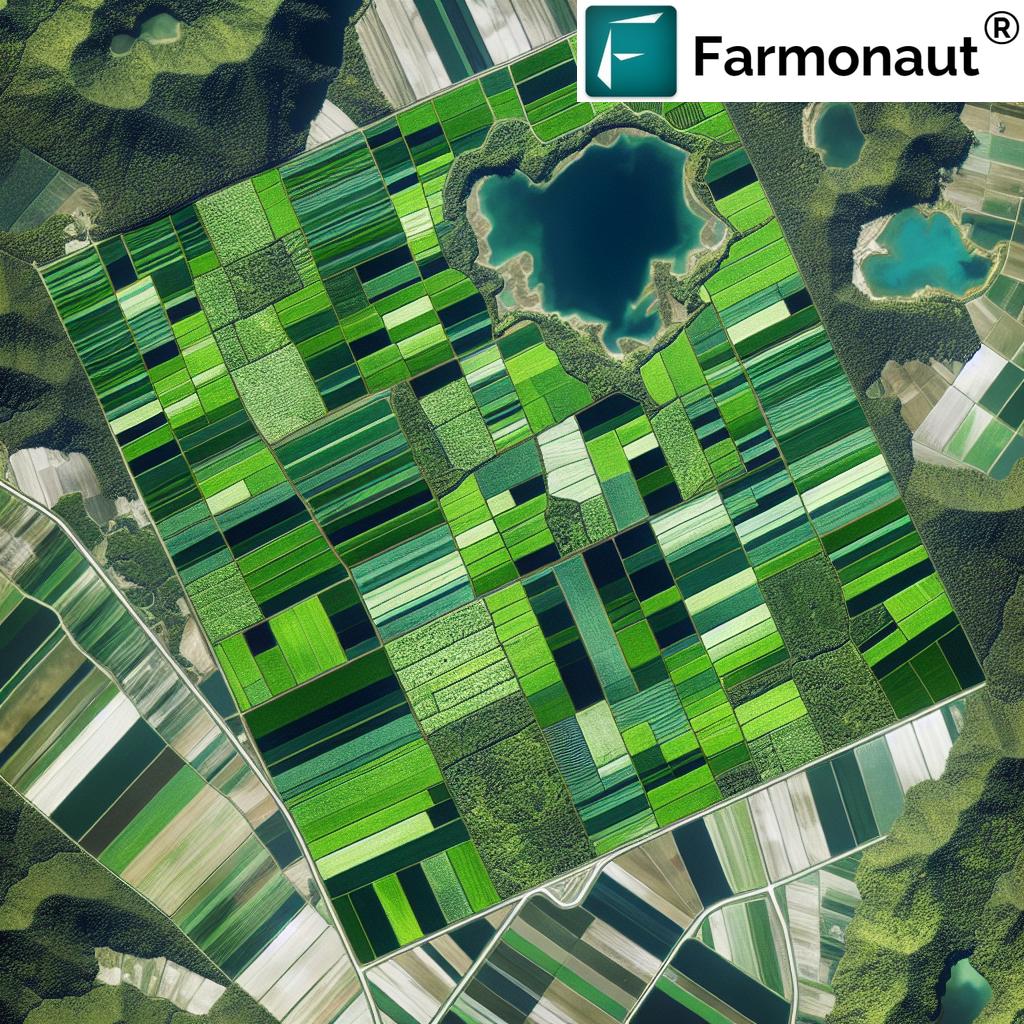
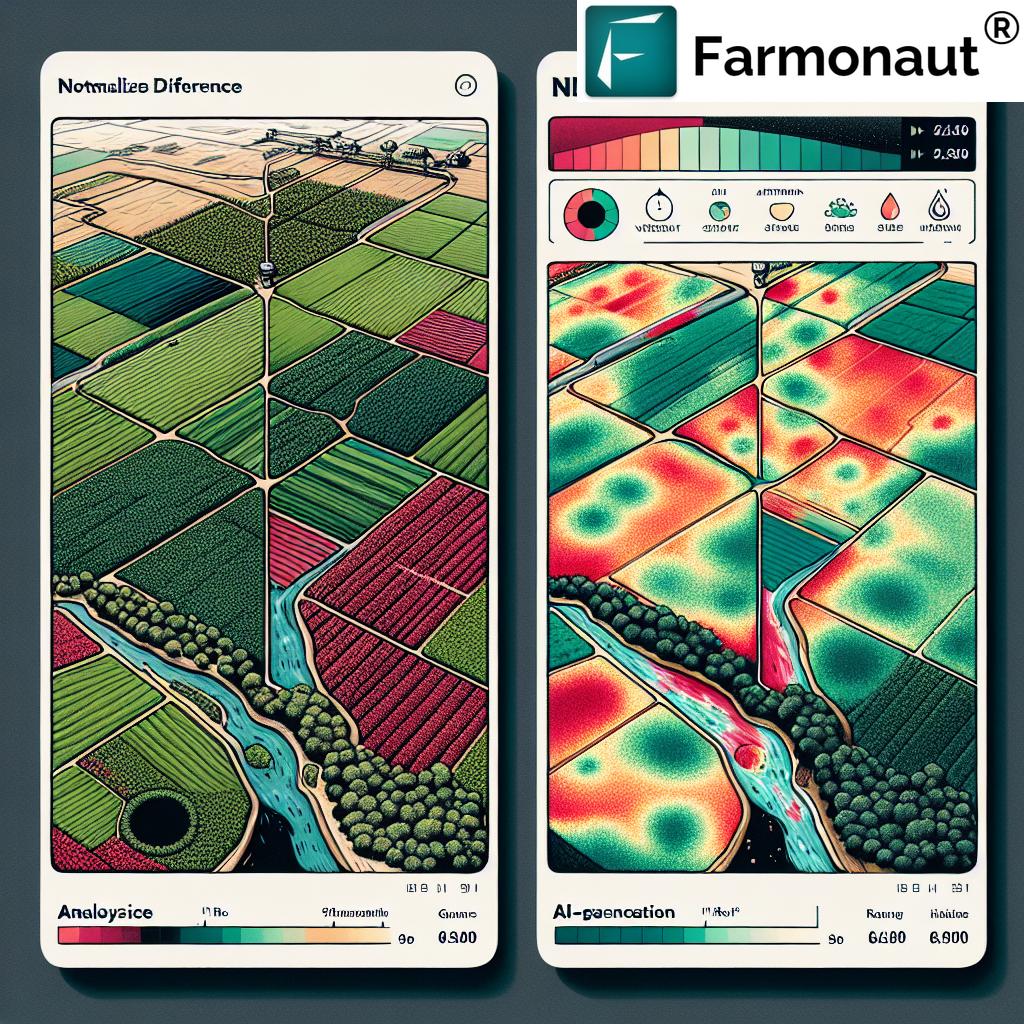
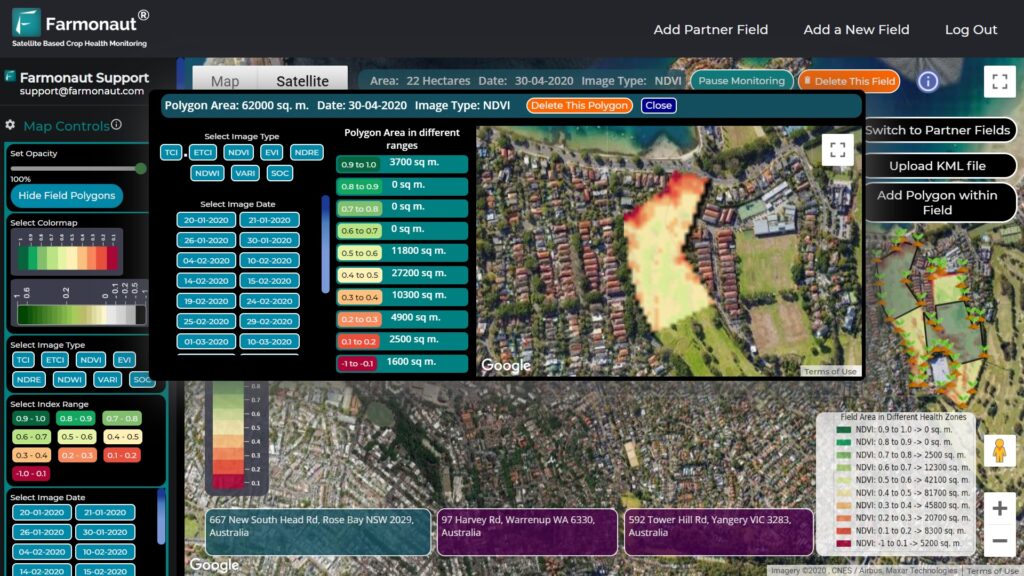
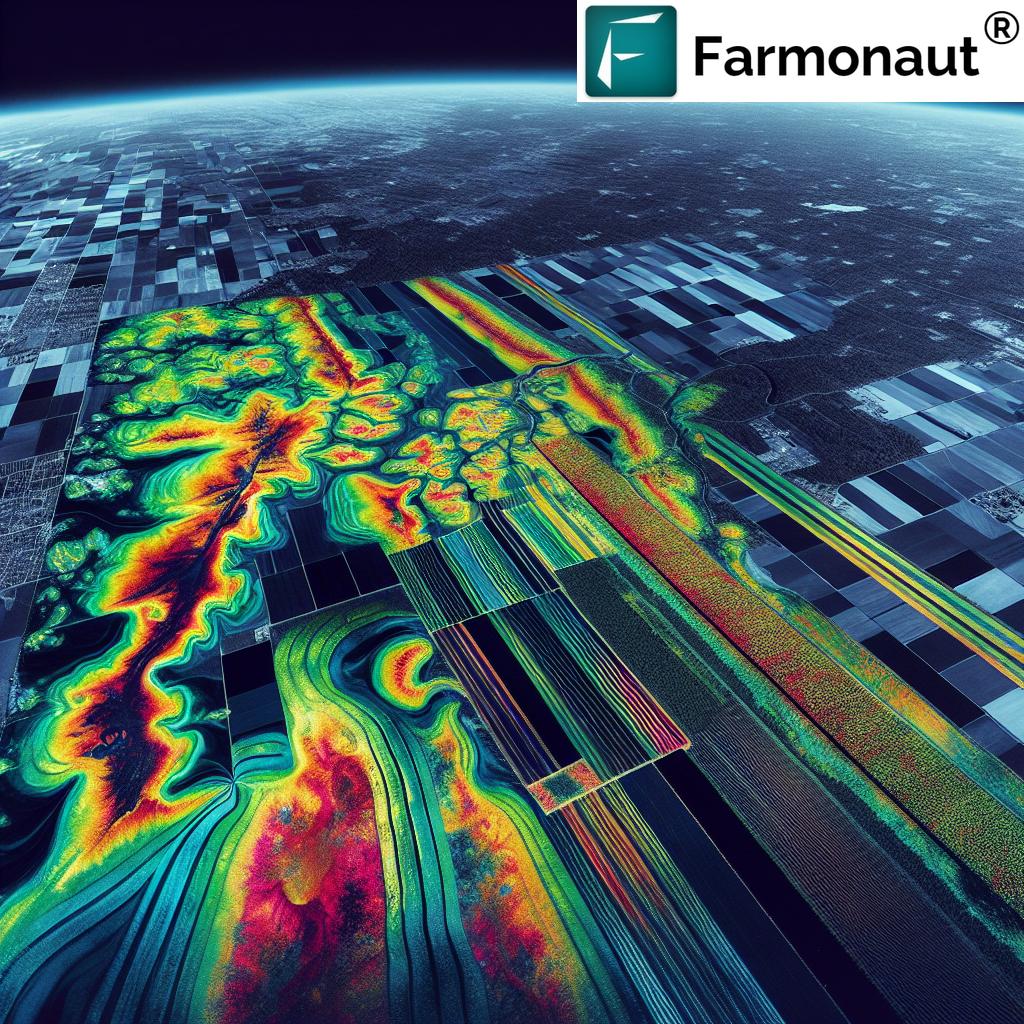
By analyzing multispectral satellite imagery, modern farms in 2026 gain a bird’s-eye view on soil health, crop health, and water stress factors at scale.
These insights are critical for:
- ✔ Detecting early signs of nutrient deficiencies, pest infestations, or diseases
- ✔ Promptly targeting interventions and minimizing the use of pesticides and fertilizers
- 📊 Tracking field variability to increase resource efficiency

Satellite Soil Moisture Monitoring 2025 – AI Remote‑Sensing for Precision Agriculture
4. Drones for Crop Monitoring
Drone technology, coupled with AI analytics, enables the collection of real-time, high-resolution crop imagery at much lower cost and greater flexibility than before.
Use cases include:
- ✔ Early detection of disease and infestation patterns
- ✔ Identifying damaged areas for precision replanting
- ⚠ Data limitation: Drone data still requires proper processing for actionable analytics
Farmonaut – Revolutionizing Farming with Satellite-Based Crop Health Monitoring
5. Blockchain Traceability in Supply Chains
Blockchain technology expands beyond finance; it is now at the core of ethical, traceable food chains. Each product’s journey from farm to shelf can be tracked and verified in real-time, reducing fraud and protecting consumers and producers alike.
- ✔ Key benefit: Ensures data transparency and builds trust for export markets
- ⚠ Limitation: Adoption reliant on digital access across all stakeholders
Try our Blockchain-based Traceability solutions to enable tamper-proof product tracking through the entire agricultural supply chain.
6. Climate Data Integration & Adaptive Irrigation
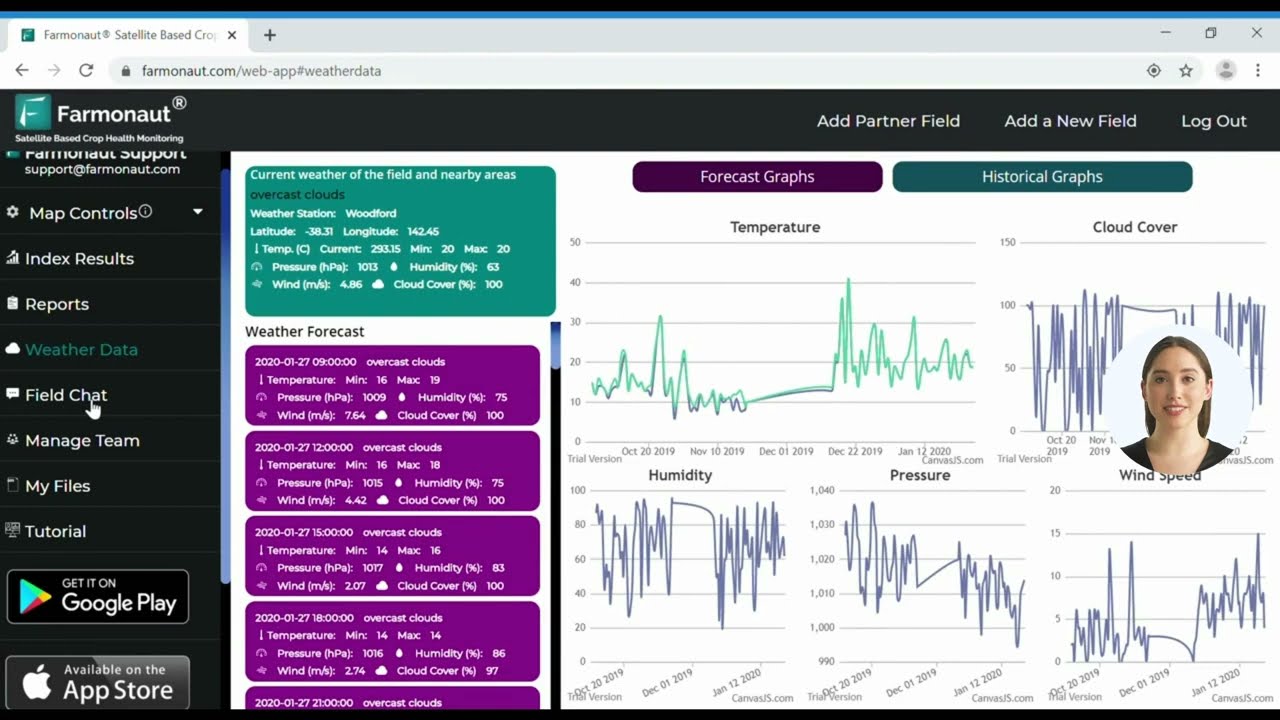
By integrating real-time weather data and long-term climate forecasts, precision irrigation systems determine—down to the plot and crop variety—the exact quantities of water needed to deliver for optimal plant growth. This mitigates risk from unpredictable rainfall and conserves resources, especially in drought-prone zones.
- ✔ Better water use: Significantly reduces runoff, erosion, and pressure on aquifers
- 📊 Data-driven decisions: Increases productivity even during climatic extremes
- ⚠ Limit: Dependence on up-to-date and hyperlocal data sources for accuracy

Smart Farming Future : Precision Tech & AI: Boosting Harvests, Enhancing Sustainability
7. Automated Farm Equipment & Robotics
Automation powered by AI and data analytics is transforming farm operations—tractors, planters, and harvesters are now able to operate autonomously, driven by real-time field data and historical performance analytics. These systems promise:
- ✔ Reduced labor costs
- ✔ Precision in resource application (fertilizer, seed, pesticide)
- 📊 Consistent yield quality
Bright examples include satellite-guided equipment and robotics orchestrated by detailed soil and crop data, ensuring that each field receives precise, needs-based management.
🌱 Visual List: ✔ Key Benefits of Data Analytics in Agriculture
- 🔍 Real-time Monitoring – up-to-the-minute insights into crop health and disease prediction
- 💧 Efficient Irrigation – adaptive water use, reducing waste and conserving resources
- 📈 Increased Yields – data-driven guidance for maximizing output
- 🌍 Sustainability – supports sustainable practices for improved soil health and carbon footprint reduction
- 🔗 Traceable Supply Chains – builds food security and consumer trust through transparent blockchain records
Farmonaut Web app | Satellite Based Crop monitoring
Practical Applications: From Soil Health to Market Insights
Precision Irrigation & Soil Health Monitoring
With smart irrigation systems and soil health sensors, farmers monitor moisture levels, pH balance, organic matter content, and microbial activity continuously. The data supports exact and timely application of water and amendments, directly improving yield, minimizing soil erosion, and maintaining long-term soil fertility.
Explore Carbon Footprinting for agriculture to track, manage, and reduce greenhouse gas impacts in your operations using Farmonaut’s real-time environmental impact monitoring tools.
Disease Prediction and Early Intervention
By interpreting satellite data and analyzing drone imagery, machine learning algorithms detect the early signs of diseases, nutrient deficiencies, and pest infestations long before they become visible to the naked eye. This early warning enables precise, targeted intervention—reducing indiscriminate chemical use and minimizing crop losses.
With Large-Scale Farm Management tools, efficient resource deployment, disaster response, and multi-farm coordination have never been easier or more data-driven.
Market Forecasting & Supply Chain Optimization
Analytics also play a critical role beyond the field, with market data, consumption patterns, and weather impacts analyzed to forecast demand, optimize inventory, and reduce food waste. Enhanced transparency in supply and demand promotes ethical procurement and better market pricing for all.
Our Fleet Management solutions ensure agricultural supply chains remain agile and cost-effective, leveraging insights from monitored vehicle and resource flows.
📈 Visual List: Data Insights Empowering Decision-Making
- 🛰️ Satellites provide continent-spanning, weekly field scans for precise monitoring
- 🚜 IoT Equipments provide hyper-local soil and weather level readings for precision fieldwork
- 🌦️ Weather Analytics assess risks and dictate planting/harvesting windows
- 🗃️ Blockchain delivers secure, verifiable traceability across the food chain
- 🧩 Machine Learning interprets vast and complex data faster than ever before
“Relying solely on a single data source or outdated methods can lead to inaccurate predictions. Integrated approaches that combine satellite imagery, IoT sensors, and machine learning deliver the most actionable results.”
Farmonaut’s Role in Transforming Agriculture with Data Analytics
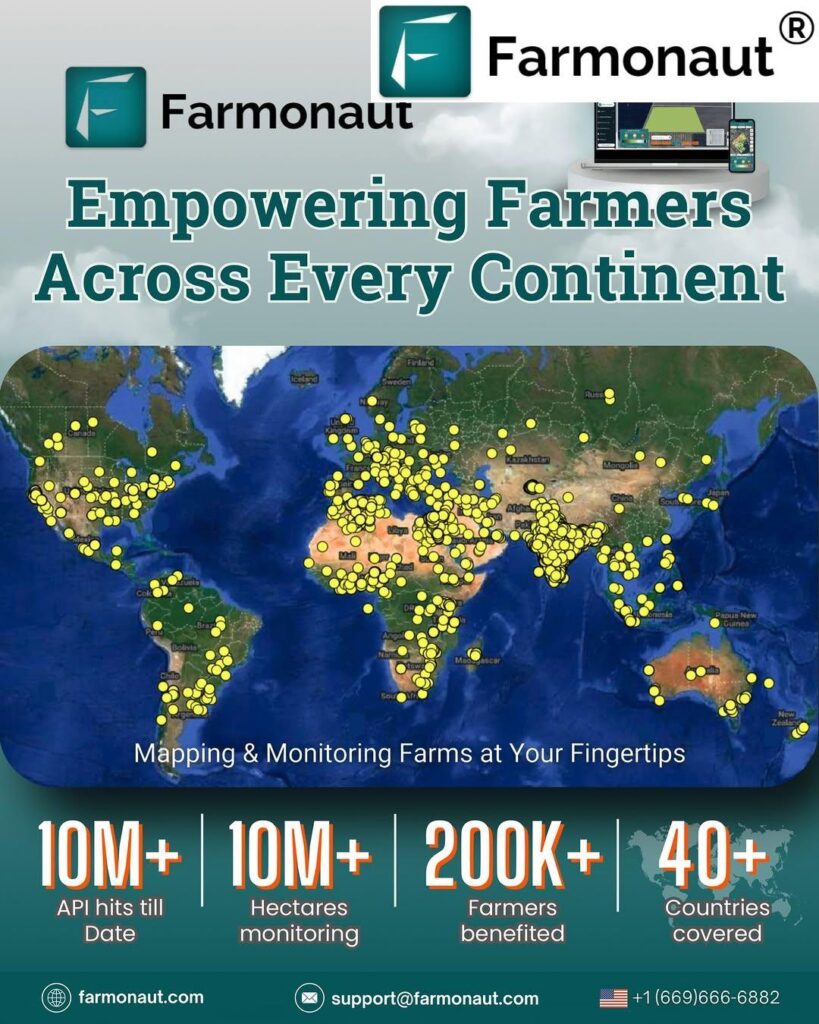
At Farmonaut, we offer a seamless, satellite-based data platform, enabling users worldwide to tap into advanced agriculture data analytics via Web, iOS, Android App and robust APIs (see API Developer Docs).



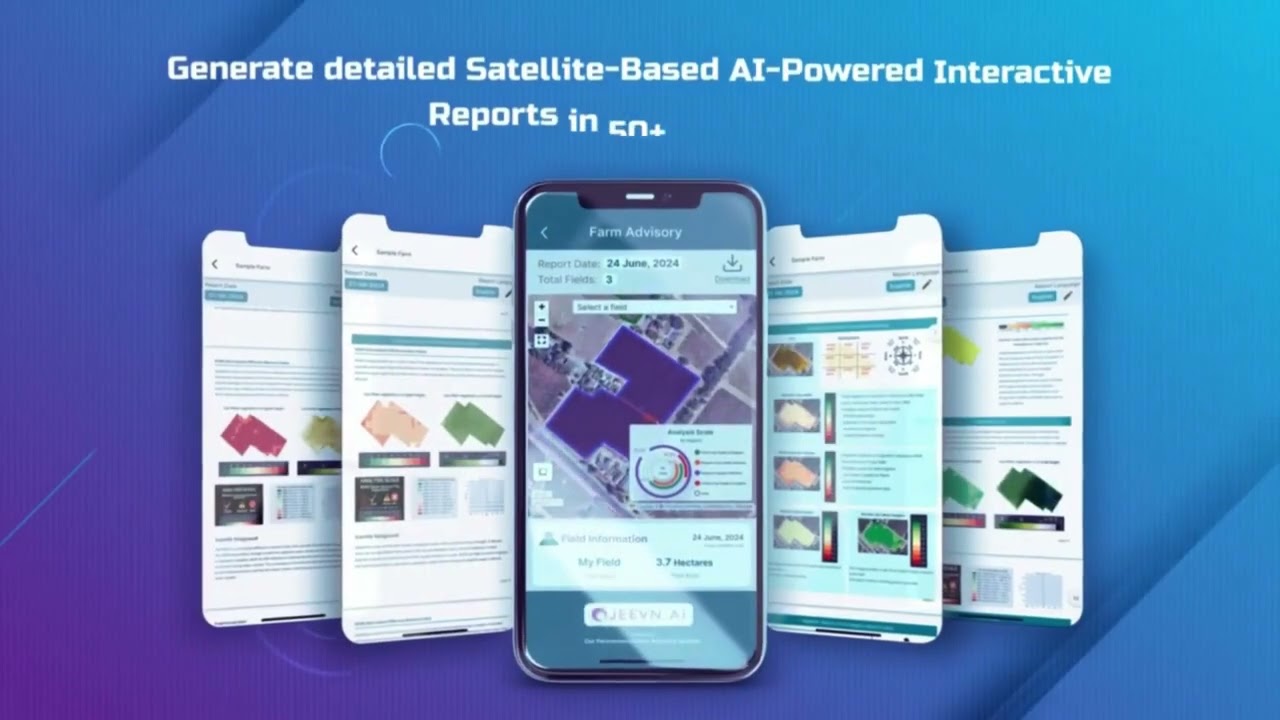
Our platform features real-time monitoring, AI-based advisory systems (see Jeevn AI), blockchain-powered traceability, and fleet/resource management tools for both individuals and enterprises. We empower clients to harness satellite imagery analytics for in-depth soil, crop, and environmental health assessment.
Farmonaut Web System Tutorial: Monitor Crops via Satellite & AI
We make satellite-driven insights not only accessible but affordable for smallholders, businesses, and governments — expanding the reach of inclusive data analytics across the agricultural value chain.
“By 2026, companies utilizing agriculture data analytics are projected to outperform peers in resource efficiency and supply chain transparency, giving them a strategic edge in global agri-tech markets.”
Challenges, Risks & Considerations in Data-Driven Agriculture
- ⚠ Data Privacy & Ownership – who controls farm-generated data, and how it’s shared, remains a major consideration for trust and security.
- ⚠ Digital Divide – ensuring smallholder farmers have affordable, easy access to technology is critical for inclusive growth.
- ⚠ Infrastructure Reliance – reliable internet access and robust backend systems are a must for analytics success.
- ⚠ Upfront Costs – although decreasing, initial investments in sensors, connectivity, and platforms can be a hurdle without supportive policy or business models.
- ✔ Upskill Demand – ongoing training in data literacy is needed for farmers and agri-workers to make full use of advanced analytics.
“Combine satellite imagery, IoT soil sensors, and AI analysis within a single dashboard—like that from Farmonaut—for the best, end-to-end results in farm management.”
“AI-driven analytics must focus not only on efficiency, but also on ethical deployment—respecting ownership, rights, and fair access for all agri stakeholders.”
FAQs: Agriculture Data Analytics in 2026
What is the main purpose of agriculture data analytics?
The aim is to collect, process, and interpret data from various sources (sensors, satellites, weather stations, etc.) to optimize resource use, increase yields, minimize waste, and promote sustainable farming practices.
How does precision agriculture work?
It uses data-driven insights from connected devices, satellite imagery, and AI algorithms to inform highly accurate decisions—such as where, when, and how much water, fertilizer, or pesticide to apply.
Which technologies are shaping agriculture analytics in 2026?
Major technologies include AI-powered yield prediction, IoT field sensors, satellite imagery and analytics, drones, blockchain traceability, climate-adaptive irrigation, and autonomous farm equipment.
What are the environmental benefits?
Agriculture data analytics supports better water use, reduces chemical runoff, promotes soil health, lowers carbon footprint, and increases overall environmental stewardship.
How can I access Farmonaut’s data analytics solutions?
Farmonaut’s analytics services are available through the web and mobile applications as well as API integration for developers and enterprises.
Conclusion: Data-Driven Agriculture and the Future
In 2026 and beyond, agriculture data analytics is not just a tool, but a critical enabler of sustainable farming and food security. As global challenges mount, data-driven approaches will stand at the forefront—helping us optimize resources, boost crop yields, and reduce environmental impact.
By integrating satellite imagery, IoT sensors, blockchain traceability, and advanced machine learning, every actor in the agricultural value chain can now make better decisions, reduce waste, and adapt to a changing climate. With platforms like Farmonaut democratizing access, the new era of actionable, precise, and ethical data analytics has arrived—heralding improved productivity and sustainability for all.
Stay ahead. Embrace agriculture data analytics—and transform farming for a better, brighter, and more secure future.