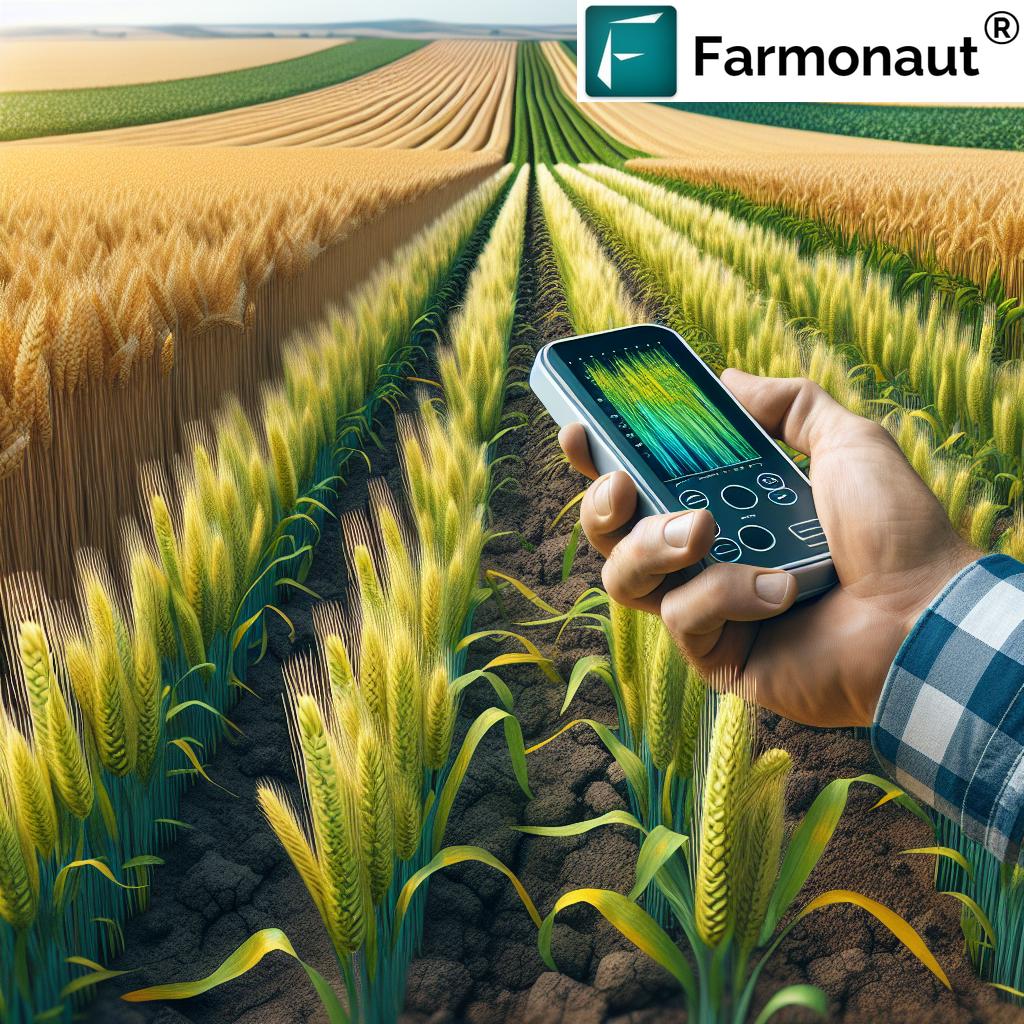
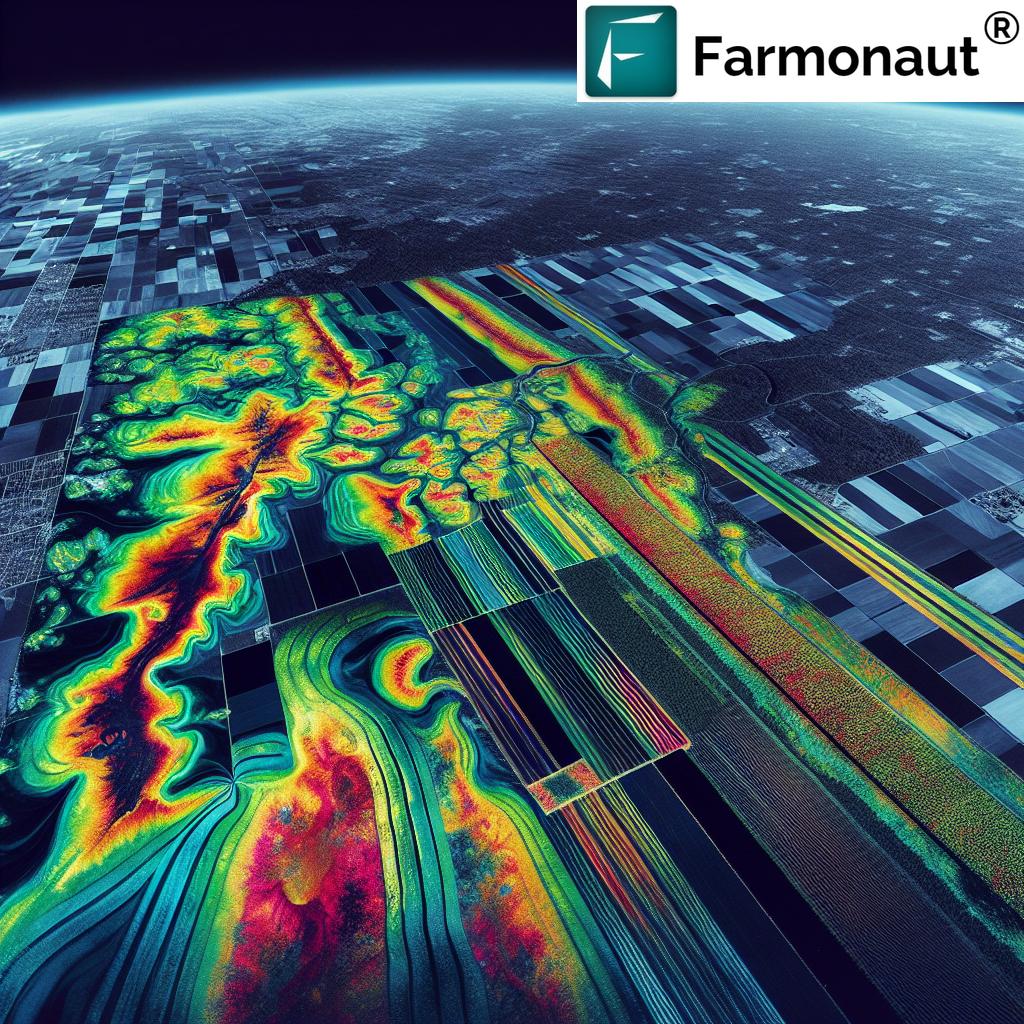
7 Ways to Boost Yields with Drought-Resilient Crops: Sustainable Farming for 2026 and Beyond
“Drought-resilient crops can increase yields by up to 30% in water-scarce regions, supporting sustainable food production.”



Table of Contents
- Introduction: The New Era of Drought-Resilient Agriculture
- Understanding Drought Resilience: Core Concepts and Urgency
- The Role of Drought-Resilient Crops in 2025-2026
- 7 Practical Ways to Boost Crop Yields Using Drought-Resilient Solutions
- 1. Advanced Breeding for Key Drought Tolerance Traits
- 2. Genomics and Gene Editing: Precision for Resilience
- 3. Data Science, Phenotyping, and Decision Support Tools
- 4. Agronomic Practices for Water and Soil Conservation
- 5. Soil Health: The Foundation of Stress Resilience
- 6. Integrated Water Management and Smart Irrigation
- 7. Ecosystem-Based Adaptation & Agroforestry Approaches
- Comparing Drought-Resilient Crops: Yields, Water Savings & Ecosystem Impacts
- Enabling Technologies: Satellite, AI, and Sustainability Solutions
- Farmonaut Tools for Monitoring and Climate-Smart Decision Making
- Key Challenges, Risks & Policy Considerations
- Practical Steps for Farmers, Policymakers, and Agri-Professionals
- FAQs
- Conclusion: Drought Resilience as a Central Pillar for Agriculture’s Future
Introduction: The New Era of Drought-Resilient Agriculture
Drought stress and water scarcity have become central concerns for farmers, agronomists, and policymakers worldwide. In the face of climate variability, shifting rainfall patterns, heatwaves, and shrinking water tables, agricultural systems must rapidly adapt. Drought-resilient crops are no longer just an experimental niche trait, but serve as the central pillar of sustainable agriculture, forestry, land management, and food security strategies as we move into 2026 and beyond.
These crops—bred or engineered to withstand limited water, extreme heat, and irregular irrigation—offer not just yield stability but also conserve precious resources, support ecosystem health, and help reduce the overall environmental footprint of our agricultural systems.
Drought resilience is not a one-size-fits-all approach; instead, it is a synergy of crop genetics, smart agronomic practices, and advanced monitoring tools tailored to local environments and farmer needs.
“Switching to drought-resilient varieties can reduce farm water usage by as much as 40%, conserving vital resources.”
Understanding Drought Resilience: Core Concepts and How They Address Agricultural Urgency
Across continents, climate variability intensifies—fueling more frequent and severe droughts, heatwaves, and erratic rainfall patterns. Crop production faces threats from both acute water scarcity and chronic environmental stresses, jeopardizing yields, livelihoods, local economies, and food security.
But what does it mean for a crop to be “drought-resilient”? It is both a set of genetic traits (such as deep rooting, osmotic adjustment, waxy cuticles, osmoprotectants accumulation, and efficient stomatal regulation) and a comprehensive management strategy founded on breeding, technology, soil health, and ecosystem stewardship.
- Efficient Water Use: Tolerant lines are bred for water-use efficiency—yielding more food per drop.
- Yield Stability Under Stress: These varieties provide stable productivity even amid unpredictable rainfall or heat.
- Genetics & Agronomics: Resilience results from both advanced breeding and sustainable practices like soil cover and minimal tillage.
- Systems Approach: Integrating resilient crops with monitoring tools, policy support, and risk management strengthens food systems against shocks.
- Environmental Co-benefits: Healthy soil and reduced chemical inputs support biodiversity and soil carbon accumulation, enhancing climate adaptation and mitigation.
For best results, combine drought-tolerant crop varieties with advanced management practices like soil moisture monitoring and strategic irrigation scheduling—this maximizes both yields and water savings!
The Role of Drought-Resilient Crops in 2025-2026: Central Pillar, Not a Niche Anymore
By 2025 and increasingly into 2026, drought resilience will shape mainstream farming decisions across the world. Resilient crops underpin sustainable agriculture programs, food security initiatives, regional adaptation strategies, and investment in climate-smart infrastructure. Their relevance stretches across conventional farming, agroforestry, forestry, and even land reclamation (e.g., mining-impacted areas).
These crops are not only for large-scale commercial farms—smallholders, family farms, and regional cooperatives all benefit. Inclusive extension services and seed access become critical to ensure that resilient lines reach those facing the greatest risk from drought and climate uncertainty.
- Stabilize yields in increasingly unpredictable climates
- Preserve natural resources (soil, water, carbon)
- Support ecosystem health through diverse and climate-adapted cropping systems
- Protect livelihoods for smallholder, commercial, and regional farming systems
- Enable responsible land management for reforestation, afforestation, and soil restoration

7 Practical Ways to Boost Yields Using Drought-Resilient Crops & Sustainable Practices
1. Advanced Breeding for Drought Tolerance Traits
The first line of defense against drought and water scarcity is the development of tolerant crop varieties equipped with critical traits for survival and yield maintenance. Traditional and modern breeding programs harness the power of genetics to create lines with:
- Deep rooting systems: Enable access to subsoil moisture even during dry spells.
- Osmotic adjustment: Accumulation of substances such as osmoprotectants (e.g., proline, glycine betaine) helps plants retain cellular water under stress.
- Waxy cuticles and stomatal regulation: Reduce water loss from leaves, optimizing water efficiency and regulating gas exchange under hot and dry conditions.
- Marker-assisted selection: Speeds up the identification and deployment of drought-tolerant traits in staple crops (like maize, sorghum, wheat, pulses).
- Regional adaptation: Breeders increasingly focus on local climates and stress patterns, ensuring that new varieties perform in real-world field conditions—not just in controlled trials.
For technical information on how advanced crop genetics improve drought resilience, visit Farmonaut’s detailed Large Scale Farm Management page — which explains how satellite monitoring supports genetic selection and yield optimization for different crops, including monitoring for vegetative stress and phenology.
Many farmers overlook the need for genetic diversity in drought-tolerant lines. Relying on just one variety can increase risk—diversify your crop genetics for more robust resilience.
2. Genomics and Gene Editing: Precision Tools for Future Resilience
Genomic and biotechnological advances now offer faster, more precise interventions to unlock drought tolerance in crops:
- Gene editing (e.g., CRISPR/Cas systems): Targets key pathways for water uptake, root architecture, stress signaling, and cellular repair, rapidly introducing resilience traits without unwanted genetic baggage.
- Transgenic approaches: When consumer acceptance and regulatory frameworks align, engineered crops can access extreme drought tolerance and fast recovery after stress.
- Genetic databases & bioinformatics: Global data sharing and modeling accelerate the selection process, providing a scientific backbone for both public and private breeding programs.
Farmonaut’s Fleet and Resource Management platform complements these advances by integrating genetic performance data with real-time farm resource use, helping breeders and farm managers identify high-performing tolerant lines efficiently.

3. Data Science, Phenotyping, and Decision Support
The ability to rapidly screen large populations of crops for drought tolerance has been revolutionized by digital tools and high-throughput phenotyping. With aerial and ground-based imagery (from drones or satellites), paired with advanced climate and crop modeling, plant breeders and farmers can:
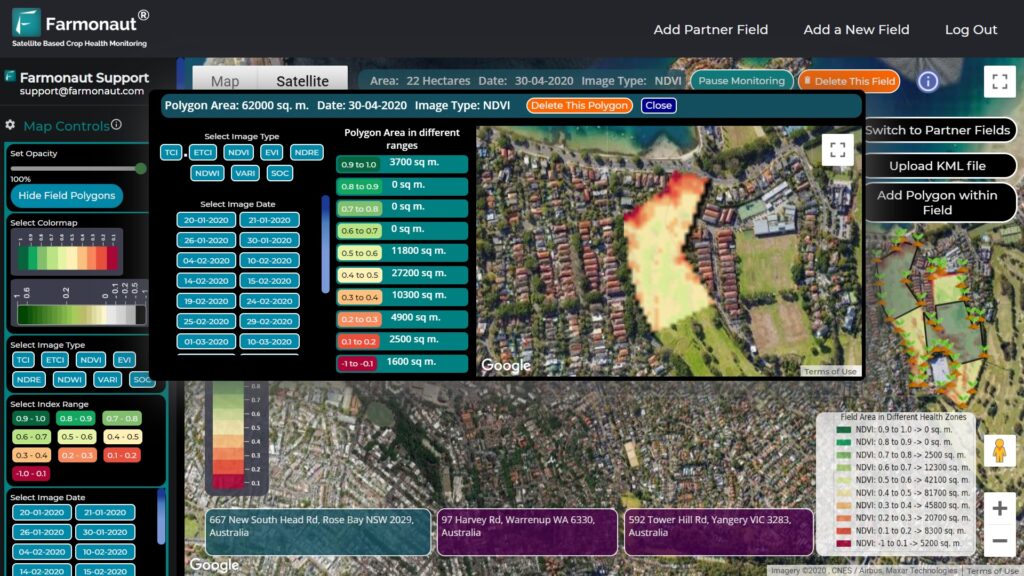
- Track vegetative health and drought stress in experimental and on-farm trials using digital indices (NDVI, NDWI, EVI, LAI, etc.).
- Optimize irrigation, selection, and planting decisions with real-time and predictive data.
- Enable risk modeling for better resource allocation and financial planning.
Farmonaut’s satellite-driven API and developer documentation let users seamlessly integrate monitoring capabilities—such as rainfall prediction, soil moisture analysis, and crop stress detection—into their ag systems or digital advisory tools.
- 🛰️ Satellite-based phenotyping enables rapid, non-invasive assessment of crop health across large areas.
- 📈 AI-enhanced decision support helps fine-tune resource allocation and manage irrigation based on drought risk.
- 🕰️ Real-time data streams increase farmer confidence and enable timely interventions.
- 🔗 Integration with climate models ensures that tolerance aligns with anticipated weather patterns and local ecosystem dynamics.

4. Agronomic Practices: Extending Resilience Beyond Genetics
While resilient genetics are crucial, agronomic practices play an equally vital role in buffering plants against drought stress:
- Conservation agriculture: Minimal tillage, crop rotation, and maintaining soil cover with residues/cover crops preserve organic matter, reduce erosion, and retain soil moisture.
- Mulching and surface cover: Organic or plastic mulch minimizes evaporation, keeping root zones cool and moist.
- Deficit irrigation strategies: Farmers apply water precisely when crops are most sensitive to stress—improving water use efficiency.
- Timely irrigation scheduling & moisture monitoring: Data-driven scheduling (using sensors or satellite insights) ensures water is supplied at optimal times, preventing waste and stress.
- Soil amendments: Organic matter additions (compost, biochar) boost water-holding capacity and stimulate beneficial soil microbes, aiding drought resilience.
Farmonaut’s carbon footprinting module allows farmers to assess how conservation practices not only increase drought resilience but capture carbon, aligning farm operations with international climate goals.
Investing in platforms that integrate satellite technology, AI, and agronomic advisories delivers triple returns: risk reduction, resource efficiency, and quantifiable ecosystem impact. These innovations are increasingly favored in both environmental and ag-tech portfolios targeting resilient food systems.

5. Soil Health: The Foundation of Drought Resilience
Healthy, organic-matter-rich soils are naturally more drought-resilient. They absorb and retain more rainfall, reduce plant stress, and offer a stable platform for root growth. Key strategies that strengthen soil and, by extension, crop resilience include:
- Increasing soil organic matter: Compost, cover crops, and animal manures feed beneficial microbes and boost moisture holding.
- Minimizing chemical inputs: Reduces risk of soil degradation and helps preserve beneficial micro-organisms that underpin resilience.
- Frequent soil moisture monitoring: Empowers farmers to fine-tune irrigation and avoid both overdrying and water wastage.
- Crop rotations/legume integration: Reduces pest cycles and enhances soil nitrogen, supporting higher yields in drought seasons.
Access in-depth tools for soil monitoring and analysis through Farmonaut’s crop plantation forest advisory, which features real-time satellite mapping of soil health indicators and vegetative cover.
- 💧 Soil moisture mapping identifies drought hotspots before yield losses occur.
- 🌱 Microbial activity boosts nutrient cycling and organic matter stability.
- 🛡️ Soil cover protects against wind and water erosion in arid climates.
- 🌿 Biodiversity-friendly management supports pollinators and natural pest predators even in droughts.

6. Integrated Water Management and Smart Irrigation
Conserving water is inseparable from the success of drought-resilient crops. Next-generation farmers are moving beyond conventional flood or schedule-based irrigation and are instead embracing:
- Precision irrigation: Drip and sprinkler systems aligned with real-time soil moisture readings prevent overwatering and reduce water waste.
- Deficit irrigation and timing: Strategic stress during non-critical crop stages induces greater deep rooting and resilience.
- Water harvesting and storage: Rainwater harvesting, contour bunding, and storage ponds ensure backup during dry spells.
- Decision-support from remote sensing: Satellite-driven advisories, like those offered by Farmonaut, optimize irrigation based on both weather forecasts and vegetative condition.
For smart water solutions in agriculture, see how Farmonaut’s satellite weather API delivers hyperlocal, automated irrigation and rainfall recommendations.
With drought-tolerant crops and digital water management, a typical farm can cut irrigation use by up to 40%—protecting yields and regional aquifers for years to come.
7. Ecosystem-Based Adaptation & Agroforestry Approaches
Finally, the most resilient systems don’t end at the field’s edge. Ecosystem-based and agroforestry practices offer powerful buffers against drought, while supporting broader ecosystem health:
- Integrating trees and shrubs for shade, wind breaks, and root zone protection strengthens landscape drought tolerance.
- Reforesting degraded or mining-impacted land with drought-tolerant species restores soils and boosts biodiversity.
- Diverse cropping systems (intercropping, relay cropping) stabilize production and create resilience against both biotic and abiotic stress.
- Supporting pollinator habitats and beneficial insects—keys to sustained productivity in variable climates.
Farmonaut’s pan-sectoral environmental impact and traceability solutions empower users to map and track resilience improvements not just in crops, but across landscapes and supply chains.
Ecosystem-based approaches increase long-term farm yield stability—even during unexpected drought years—by leveraging nature’s own solutions to resource management and stress mitigation.

Comparison Table of Drought-Resilient Crops and Their Impact on Yield and Resources
| Crop Name | Estimated Yield Increase (%) | Estimated Water Savings (%) | Notable Ecosystem Benefit |
|---|---|---|---|
| Pearl Millet | 20–30% | 30–40% | Outstanding soil health (builds organic matter, improves drought resilience in rotations) |
| Sorghum | 18–28% | 25–35% | Biodiversity boost (intercropping supports diverse insect and bird populations) |
| Chickpea | 15–22% | 20–30% | Soil nitrogen fixation (enhances fertility, reduces chemical fertilizer needs) |
| Quinoa | 20–25% | 28–38% | Salinity tolerance (restores degraded land, supports soil restoration) |
| Cowpea | 17–24% | 18–28% | Improves microbial activity & soil aggregation, ideal for marginal, drought-prone soils |
Farmonaut Tools for Drought Monitoring, Soil & Water Health, and Farm Management
At Farmonaut, we empower farms, businesses, and decision-makers with a suite of satellite-based solutions tailored to climate-smart agriculture and drought resilience:
- Satellite-based monitoring: Real-time insights on crop health, soil moisture, and drought stress for proactive management.
- AI advisory systems (JEEVN AI): Automated recommendations on irrigation, crop selection, and risk mitigation—maximize productivity even in water-stressed seasons.
- Environmental impact & carbon tracking: Quantify changes in organic matter, carbon footprint, and ecosystem services from drought-resilient practices.
- Fleet and resource management: Optimize logistics and reduce wastage through efficient equipment and operations tracking for both farms and related sectors.
- Blockchain-based traceability: Transparent supply chain tracking to ensure resource stewardship and market confidence in climate-adapted products.
Learn more about Farmonaut’s comprehensive satellite-driven resource management and monitoring tools on our Large Scale Farm Management page, and explore our Carbon Footprinting module to track ecosystem benefits.
Using satellite-enabled soil moisture and crop monitoring helps extension agents and local advisors deliver data-driven support to farmers—broadening drought resilience impact across even remote or marginalized regions.
Key Challenges, Risks, and Policy Considerations
Despite their promise, drought-resilient crops and practices are not a silver bullet. Mainstreaming their use in 2026 and beyond requires addressing several important barriers:
- Access & Equity: Smallholders in marginal zones may lack access to improved seed, financing, or extension services. Policy support through subsidies, public breeding programs, and educational outreach is essential.
- Genetic Diversity & Biodiversity: Over-reliance on a few drought-tolerant lines may threaten genetic and ecosystem diversity. Diversified systems and participatory breeding balance resilience and sustainability.
- Regulatory Considerations: New gene-edited or transgenic crops require transparent regulation, clear labeling, and public engagement for consumer and grower acceptance.
- Alignment with Climate Projections: Drought tolerance must be matched with local rainfall patterns, heat stress tolerance, and pest/weed adaptation.
- Environmental Stewardship: Adoption must avoid shifts in pest pressures or inadvertent impacts on soil health and wider ecosystem services.
Ensure that any adoption of biotech or gene-edited drought-resilient crops follows updated local regulations, maintains transparent records, and engages proactively with consumer concerns about safety and labeling.
Practical Steps for Farmers, Policymakers, and Agri-Professionals
- Invest in on-farm soil moisture and water monitoring tools (e.g., sensors, satellite remote sensing).
- Engage with regional breeding and extension programs emphasizing locally-adapted, farmer-accessible drought-tolerant seed lines.
- Adopt agroecological practices like cover cropping, organic amendments, and reduced tillage to boost soil carbon and moisture retention.
- Utilize risk management mechanisms such as agricultural insurance and credit lines to reduce the economic risks associated with climate extremes and technology adoption.
- Monitor environmental outcomes (e.g., soil organic matter, biodiversity gains, reduced chemical runoff) to demonstrate systemic sustainability benefits to both the market and policymakers.
Frequently Asked Questions (FAQs)
What makes a crop drought-resilient?
A drought-resilient crop possesses genetic and physiological traits (deep roots, osmotic adjustment, waxy leaves, efficient stomatal regulation) that let it maintain growth and productivity with limited water. These can be achieved via conventional breeding, gene editing, or transgenic technologies.
How do drought-resilient crops help conserve water?
Drought-tolerant crops use water more efficiently, require less irrigation, and maintain yields even with reduced rainfall. Switching to such varieties can cut farm water use by up to 40%, protecting vital aquifers and rivers.
Are drought-resilient crops only for large commercial farms?
No. Smallholders, family farmers, and cooperatives benefit significantly, especially with increased access to climate-adapted seeds, extension support, and data-enabled management tools.
How can technology like satellite monitoring support drought resilience?
Satellite data (like Farmonaut offers) provide real-time, field-specific insights on soil moisture, vegetative stress, and microclimate—helping optimize irrigation, input use, and timely interventions before yield losses escalate.
What is the role of agroecological practices in supporting resilient farming?
Practices like minimal tillage, cover cropping, organic matter addition, and diversified rotations increase soil moisture, improve carbon storage, and buffer against both drought and pest stress, creating truly climate-smart agriculture.
Conclusion: Drought Resilience is the Cornerstone of Sustainable Agriculture’s Future
As climate extremes escalate, drought-resilient crops and their supporting technologies are vital for achieving food security, stable livelihoods, and healthy agroecosystems in 2026 and beyond. Integrating advanced genetics, smart agronomy, AI-driven monitoring, and inclusive extension ensures that both small and large farms can thrive under increasingly unpredictable conditions—preserving productivity while reducing environmental footprints.
At Farmonaut, we are committed to making these digital solutions affordable and accessible worldwide—partnering with farmers, businesses, and policy leaders to transform sustainable drought management from niche to mainstream. This is not just a trend, but a necessity for the future of agriculture, forestry, and responsible land management worldwide.
Drought resilience is not just about surviving the next dry season—it’s about building robust, sustainable systems that produce more, waste less, and foster ecosystem health for generations to come.
Start your journey toward sustainable, drought-resilient farming today with Farmonaut’s satellite and AI solutions.